Full public teaching and readers are free without an account. A free learner account is required for saved LMS progress and recorded assessment. Completion and any course-completion certificate depend on the configured LMS conditions. Full course outline and access routes.
Lesson 1
One ingredient, three different harm pathways
Explain why lifting, breathing exposure and combustible dust need connected but distinct assessments.
Actual SHAREsimulate FOOD-Z01 model zone. The fictional case supplies the facts; the picture does not establish live plant or product conditions.
One ingredient, three different harm pathways
A flour delivery becomes several jobs before it becomes pastry: unloading, moving sacks, opening them, weighing, tipping, disposing of bags and cleaning. Follow the material through those jobs rather than labelling the whole area simply food safe. A sack can strain a shoulder before any dust is released. A breathing exposure can occur without a dramatic cloud. Material collected inside extraction equipment can create a separate fire and explosion problem. None of these questions is answered by a finished-product hygiene check.
In the fictional pie factory, a worker shakes the last flour from a bag over the mixer while another person collects empty sacks nearby. Identify the source, route and people: flour becomes airborne, passes the worker's breathing zone and may reach a colleague doing a different task. Flour can cause respiratory sensitisation and occupational asthma. The normal appearance or smell of an ingredient is not evidence that breathing it is harmless. A person without symptoms is not proof that controls are adequate.
Compare removing a dusty task with asking everyone to be more careful. A suitable closed supply or a less dusty ingredient form may reduce release before anyone depends on a particular movement. Where tipping remains, the assessed arrangement must address the opening point, source capture, working method and cleaning. Suitability includes recipe, food-safety and engineering checks; an operator cannot substitute a different ingredient independently. Protective equipment supports the assessed arrangement where needed, but it does not repair a failed enclosure.
Your useful first action is a task map containing actual observations and unanswered questions. Record the tipping position, nearby workers, bag-disposal route and any visible escape. Ask the supervisor for the current exposure assessment and the controls specified for that task. Pause the affected operation through the agreed process if a required control is unavailable. The next lesson's handling redesign and the later dust-collector decision use this same map, with different evidence for each harm pathway.
How should a COSHH assessment be carried out?
A COSHH assessment should describe the real task, the hazardous substance, the exposure route, the people affected, the controls needed and the evidence that those controls remain effective.
A good assessment starts in the workplace, not at a desk. The assessor should observe how the substance is delivered, stored, decanted, mixed, applied, heated, sprayed, extracted, cleaned up and disposed of. They should ask what happens during maintenance, breakdowns, spills, high workload, contractor activity, night shifts and temporary work because exposure often appears in the messy parts of the job.
COSHH assessment framework
Assessment question
What a competent assessment should consider
What is the substance or exposure source?
Name the product or generated contaminant, its form, concentration, quantity and harmful properties. Include substances produced by cutting, heating, mixing, cleaning, curing, biological activity or accidental reaction.
How can people be exposed?
Map inhalation, skin contact, ingestion and injection routes. Consider breathing zones, hand contamination, contaminated clothing, eating and drinking areas, poor welfare, sharps, splashes and residues.
Who may be affected?
Include operators, cleaners, maintenance workers, contractors, supervisors, visitors, neighbouring workgroups, young workers, pregnant or nursing workers, people with asthma or skin conditions and anyone working alone or out of hours.
How much exposure is likely?
Consider task frequency, duration, concentration, temperature, volatility, dustiness, ventilation, work rate and whether the substance has a workplace exposure limit in EH40.
What controls are required?
Select controls in the hierarchy: eliminate, substitute, change the process, enclose, extract, segregate, reduce time, improve hygiene, provide suitable respiratory protective equipment (RPE) and personal protective equipment (PPE), train users and plan emergencies.
How will effectiveness be checked?
Use workplace observation, LEV examination and test, exposure monitoring, RPE face-fit records, maintenance records, health surveillance, biological monitoring, incident learning and supervisor checks.
Applied case
A delivery is described as safe because the flour is food grade, although sacks are lifted awkwardly and powder escapes during tipping.
Decision and explanation
Trace handling, inhalation and combustible-dust risks separately across the whole task.
Food suitability does not establish safe handling, exposure or ignition control. The same ingredient needs evidence for each distinct harm pathway.
Lesson 2
Bring the supply to the hopper without the awkward lift
Compare supply and workstation redesign with relying on lifting technique.
Actual whole-site SHAREsimulate pie factory model. This overview supplies layout context; inspect the lesson schematic and stated case for this zone.
Bring the supply to the hopper without the awkward lift
At raw receipt, a worker lifts a flour sack from a low pallet, turns across a narrow aisle and raises it to a high hopper. The sack label is only one part of the handling question. Reach, grip, load stability, repetition, carrying distance, available space and individual capability all affect the task. Powder on the floor can also make the route less secure. There is no universal sack weight that clears this combination for every worker.
Begin by asking whether the manual movement is needed. The supply team might assess a compatible bulk or mechanically assisted transfer, smaller supply units or a different hopper arrangement. Each option needs its own examination: more small sacks can increase repetition, and an unsuitable tipping aid can add trapping points or spread dust. A useful redesign follows the load from delivery to empty-container disposal. It does not solve the first lift by transferring an awkward movement to the cleaner.
Suppose an assessed sack lifter is provided, but its wheels cannot pass a floor threshold and there is no stable position beside the hopper. A training certificate does not make that route usable. Keep the job on hold while the responsible team resolves the equipment, space and route together. Only trained people use the selected aid within its specified task and capacity. Do not defeat guarding, stand on pallets or convert an ordinary trolley into lifting equipment.
Verification means watching the revised work with representative ingredients, workers and delivery conditions, without exposing someone to the old unsafe task. Check starting height, access, load support, control of the tipping motion and safe return of the aid. Ask workers whether they still twist, reach or improvise during busy periods. Record remaining difficulties and the named owner of each correction. Technique instruction then supports a workable design; it cannot substitute for one that has not been provided.
What can a manual-handling weight or tool score actually tell us?
The law has no fixed safe lifting weight. Observe the full task and the person doing it; a filter or coloured tool score is a screening aid, not permission to continue a harmful lift.
Manual handling includes lifting, lowering, carrying, pushing, pulling and supporting a load. If the task cannot be avoided, consider frequency, reach, vertical travel, twisting, grip, load stability, route, pace and the individual. The same carton can present different risk at floor level and waist height. HSE manual handling at work and HSE L23 Manual handling guidance on regulations.
V-MAC is for work meeting HSE’s full eligibility conditions, including regular single-person handling with substantially variable loads/frequency over a substantial part of the shift. Variable box weights alone do not make the two-person archive example eligible. Assess relevant lift/carry and trolley push/pull elements separately with MAC/RAPP as appropriate; do not combine scores into a pass mark. HSE: V-MAC criteria and toolkit limitations.
Applied case
The approved sack lifter is unavailable; a supervisor suggests two people lift a sack onto an unstable stack to reach the hopper.
Decision and explanation
Hold the lift and arrange a suitable assessed alternative that covers the load, route and filling position.
Team size and improvised height changes do not establish a safe method. Resolve the actual supply and filling arrangement before exposing people.
Use the appropriate manual handling assessment
This additional teaching takes about 2–5 minutes, in addition to the course estimate. Optional reading and workplace assessment take additional time.
Start by asking whether the hazardous handling can be removed or redesigned. Where handling remains, observe the whole operation with the people who do it and choose an assessment that fits the work.
These aids support the activity assessment. Repetitive upper-limb work may need ART; variable or complex tasks may need other HSE tools or a fuller competent assessment. Mechanical lifting, stored energy, equipment safety and health decisions retain their separate controls. A low factor score, a downloaded report or completion of this course does not approve the work.
TILEO: Task, Individual, Load, Environment and Other factors. MAC: Manual Handling Assessment Charts for appropriate lifting, carrying and team handling. RAPP: Risk Assessment of Pushing and Pulling for appropriate manual pushing and pulling.
Read the portable guide to understand selection, limitations, the mixed-task example and company-branded Word/PDF records. Your existing course checks and completion requirements remain separate.
Locate the lungs, branching airways and diaphragm below them. The cutaway reveals structures normally hidden by the chest wall.
Trace the source-to-breathing-zone route in this lesson. Which change would prevent the contaminant reaching the person?
educational illustration · healthy anatomy; enlarged details and teaching colours.
Actual whole-site SHAREsimulate pie factory model. This overview supplies layout context; inspect the lesson schematic and stated case for this zone.
Capture dust where the bag is opened
Source capture works by intercepting the contaminant before it crosses the person's breathing zone. In a bag-tipping station, the enclosure opening, bag position, air movement and the worker's body can all influence the path. A hood added behind the operator may draw dusty air past the face rather than contain it. General room ventilation can dilute some contamination but cannot be assumed to control the concentrated release from opening and emptying a sack.
The fictional station has a fan that can be heard running and an airflow indicator that differs from its normal operating mark. Treat these as observations with different meanings. Motor noise establishes that something is running; it does not measure capture at the release point. An indicator must be understood against its commissioned or otherwise specified acceptable condition. Do not invent an airflow value from the model or assume that any visible movement of the pointer is satisfactory.
Operators should know the authorised position of the bag, the expected user checks and what to do when the indication or capture is uncertain. Keep the hood or enclosure in its intended arrangement and avoid blocking it with stored sacks. Work gently using the specified method. Where controls fail, stop or restrict the affected task under the agreed arrangements and report the condition. Opening the collector, changing fan settings or making a duct repair belongs to competent authorised work.
Compare two restart proposals. The first says that the fan sounded louder after someone adjusted it. The second provides a resolved defect, relevant competent performance checks, usable operating instructions and a successful safe observation of the actual task. The second addresses effectiveness; the first only describes a change. Capture checks also need to cover empty bags and clean-up, because preventing a cloud at the hopper while shaking bags elsewhere simply moves the exposure.
How should dust capture, ventilation and collection be managed?
Dust capture should remove dust at source and collect it in equipment designed for the material and explosion risk.
General room ventilation is rarely enough for combustible dust control because it does not reliably capture dust at the release point. Source capture should focus on transfer points, bag tipping, filling, milling, grinding, sanding, conveying, screening, emptying and waste handling. Hoods, enclosures, local exhaust ventilation and closed transfer systems should be designed around the process, not added as an afterthought.
Dust collection equipment can itself become a high-risk item because it concentrates dust, air movement and possible ignition sources. Collectors, cyclones, filters, silos, bins and ductwork may need explosion relief, suppression, isolation, rotary valves, grounding, monitoring, safe discharge and maintenance access. The design basis should be recorded and protected during changes.
A rotary valve that discharges product is not automatically an explosion choke. Where it is claimed as an isolation barrier, HSE food-industry guidance calls for a type-tested, ATEX-certified valve; a competent designer must verify its function for the actual dust, clearances and plant. A flexible-edged or worn valve may fail to stop flame propagation. HSE food-industry dust explosion guidance gives the specific explosion-choke limitation for food plant.
Workers should know the signs of poor capture: visible dust escaping, damaged hoses, blocked filters, low airflow, dust deposits near hoods, unusual noise, alarms, doors left open, bags overfilled or extraction switched off because it interferes with production. See HSE - Safe handling of combustible dusts HSG103.
Dust capture and collection controls - Dust capture and collection controls
Control
What to check
Evidence
Source capture
Hoods, enclosures or on-tool extraction are close enough and matched to the dust source.
The extraction fan runs, but flour escapes near the operator and the indicator is outside the stated normal condition.
Decision and explanation
Visible escape and an abnormal indication mean the specified control has not been shown effective.
Running equipment is not proof of control. Use the specified checks and competent correction; model appearance supplies no airflow measurement.
Lesson 4
A collector can concentrate the hazard
Fire classes and fire extinguishersFire classes · agent types · dangerous mismatches
Recognise the fuel. Read the extinguisher. Protect your escape.
People and escape first. Raise the alarm, follow the site’s evacuation plan and arrange the emergency call to 999. Only consider a small fire in its earliest stage if you are trained, authorised, have the correct equipment and a clear escape behind you. Smoke, spreading fire, uncertainty or an unsafe approach mean withdraw. Never delay escape to fetch an extinguisher.
UK awareness reference for common and specialist portable extinguisher families. Actual ratings, exclusions and manufacturer instructions govern each unit. Reading this guide is not practical training or permission to fight a fire. Fixed systems, hose reels and specialist industrial firefighting require their own assessed arrangements.
Flour handling: do not open a burning collector or disturb deposited dust. A fire can initiate a dust explosion; follow the engineered emergency arrangements.
Fire classes: fuel, examples and the important distinction
Class
Fuel and examples
What matters
AClass A
Solid materials
Wood, paper, textiles and many solid plastics.
Usually forms an ember or char bed. Cooling matters; check the marked A rating.
BClass B
Flammable liquids
Petrol, solvents, diesel when burning, and liquefiable solids such as wax.
Fuel can spread across a surface. An unsuitable jet can spread burning liquid; solvent compatibility matters.
CClass C
Flammable gases
Propane, butane or methane.
Not a routine employee firefighting task. Knocking down flame while gas continues to escape can create an explosive cloud. Fuel isolation requires safe, competent action under the emergency plan.
DClass D
Combustible metals
Magnesium, sodium or metallic lithium.
Needs a metal-specific specialist agent. Ordinary ABC powder is not Class D powder.
FClass F
Cooking oils and fats
Hot oil in a fryer or pan.
Very hot oil can reignite. Water can produce violent steam expansion and eject burning oil.
LClass L
Lithium-ion batteries
A lithium-ion tool, e-bike or vehicle battery in thermal runaway.
Class L is included in BS ISO 3941:2026. Toxic or flammable gas, heat propagation and reignition need specialist planning. This is different from a metallic-lithium Class D fire.
Electrical equipment: Energised electrical equipment is an additional hazard, not a UK fire class called E. Do not import US Class C electrical or Class K cooking labels into this UK guide. Isolation, only where safe and authorised, does not remove the burning fuel or stored battery energy. Use the unit’s explicit electrical suitability and limitations.
Class L is the 2026 addition to the classification standard. Existing extinguisher labels and product test claims vary; a new class name does not certify every battery product.
Compare the classes · including lithium-ion batteries
Typical = usual application for the labelled family. If rated / unit limits = confirm the actual label and manufacturer conditions. No = not a normal selection for that hazard; specialist engineered arrangements are separate. This table cannot authorise firefighting.
* Electrical is an additional hazard, not a fire class. Gas-fire and battery-fire response require the assessed specialist plan. Scroll the table sideways on a narrow screen.
Typical portable-agent applications: always confirm the actual unit
Agent family
A · solids
B · liquids
C · gases
D · metals
Electrical*
F · cooking oil
L · Li-ion
Water
Typical
No
No
No
Unit limits
No
No
Water spray / water with additives
Typical
If rated
No
No
Unit limits
No
No
Foam
Typical
Typical
No
No
Unit limits
No
No
Water mist
Typical
If rated
No
No
Unit limits
If rated
Specialist plan
ABC dry powder
Typical
Typical
Specialist plan
No
Unit limits
No
No
BC dry powder
No
Typical
Specialist plan
No
Unit limits
No
No
Class D specialist powder
No
No
No
Exact metal
No
No
No
Carbon dioxide (CO₂)
No
Typical
No
No
Unit limits
No
No
Wet chemical
If rated
If rated
No
No
Unit limits
Typical
No
Clean agent / vaporising liquid
Unit rating
Unit rating
No
No
Unit limits
No
No
Battery-specific suppression products
If rated
No
No
No
Unit limits
No
Specified battery
Extinguisher types: uses and dangers
These are typical applications, not universal permissions. Check the label on the actual unit. Images are photorealistic teaching illustrations inspired by the referenced equipment; they are not photographs or certified product labels. Use Inspect the parts to explore the hardware. Band, nozzle and label details vary.
Common and specialist portable extinguisher families
Type and recognition
Typical rating and use
Wrong use: what can go wrong?
Parts in text
Cylinder
The pressure vessel holds the agent and propellant as designed. Report corrosion, dents or other damage. Do not open, refill or repair it as an awareness check.
Agent name and colour marking
Read the actual agent name, fire ratings, electrical warnings and instructions. Colour is a recognition aid; it does not prove suitability. The illustration is not an operating label.
Fixed carrying handle
The lower fixed handle supports the unit. It is different from the upper operating lever. The exact grip and operation belong in practical instruction for the model.
Operating / squeeze lever
The upper lever operates the discharge valve when the safety device is released. Do not squeeze or discharge a unit to test it during a routine visual check.
Safety pin and pull ring
The pin mechanically prevents accidental operation. A pin or ring that is missing, distorted or insecure needs reporting; its presence does not prove the unit is serviceable.
Tamper indicator / snap-lock seal
The breakable indicator or snap-lock seal shows possible disturbance. Designs can use a separate pin-retaining strap or a pin-mounted indicator. It is different from the mechanical safety pin and is not a theft lock. Report it if broken or missing.
Pressure gauge
On this stored-pressure example the gauge indicates pressure, not the mass of agent remaining. A pointer in the marked range does not prove the cylinder is full or the unit has passed its service checks.
Hose, nozzle or applicator
The flexible hose ends in the model’s discharge nozzle. The clip is for stowage; a hose being clipped in place is not a service check. Do not block, detach or test-discharge it during a visual inspection.
Base / protective boot
The boot protects the base on this example. Other models have a different foot arrangement or no separate boot. Check the approved mounting and access rather than guessing from the picture.
WaterRed / WATER marking
Normally A
Cools burning solid material such as paper, wood or fabric.
Check the limitation
Ordinary water is unsuitable for live electrical equipment, flammable-liquid pools, cooking oil and reactive metals: shock, spreading fuel or violent reaction can result.
Parts in text
Cylinder
The pressure vessel holds the agent and propellant as designed. Report corrosion, dents or other damage. Do not open, refill or repair it as an awareness check.
Agent name and colour marking
Read the actual agent name, fire ratings, electrical warnings and instructions. Colour is a recognition aid; it does not prove suitability. The illustration is not an operating label.
Fixed carrying handle
The lower fixed handle supports the unit. It is different from the upper operating lever. The exact grip and operation belong in practical instruction for the model.
Operating / squeeze lever
The upper lever operates the discharge valve when the safety device is released. Do not squeeze or discharge a unit to test it during a routine visual check.
Safety pin and pull ring
The pin mechanically prevents accidental operation. A pin or ring that is missing, distorted or insecure needs reporting; its presence does not prove the unit is serviceable.
Tamper indicator / snap-lock seal
The breakable indicator or snap-lock seal shows possible disturbance. Designs can use a separate pin-retaining strap or a pin-mounted indicator. It is different from the mechanical safety pin and is not a theft lock. Report it if broken or missing.
Pressure gauge
On this stored-pressure example the gauge indicates pressure, not the mass of agent remaining. A pointer in the marked range does not prove the cylinder is full or the unit has passed its service checks.
Hose, nozzle or applicator
The flexible hose ends in the model’s discharge nozzle. The clip is for stowage; a hose being clipped in place is not a service check. Do not block, detach or test-discharge it during a visual inspection.
Base / protective boot
The boot protects the base on this example. Other models have a different foot arrangement or no separate boot. Check the approved mounting and access rather than guessing from the picture.
Water spray / water with additivesUsually red; read the agent name
A; B only if explicitly rated
Improved wetting or spray performance can help on the hazards stated on that model’s label.
Check the limitation
An additive does not make every water extinguisher safe for electricity, oils or reactive chemicals. Check the specific exclusions.
Parts in text
Cylinder
The pressure vessel holds the agent and propellant as designed. Report corrosion, dents or other damage. Do not open, refill or repair it as an awareness check.
Agent name and colour marking
Read the actual agent name, fire ratings, electrical warnings and instructions. Colour is a recognition aid; it does not prove suitability. The illustration is not an operating label.
Fixed carrying handle
The lower fixed handle supports the unit. It is different from the upper operating lever. The exact grip and operation belong in practical instruction for the model.
Operating / squeeze lever
The upper lever operates the discharge valve when the safety device is released. Do not squeeze or discharge a unit to test it during a routine visual check.
Safety pin and pull ring
The pin mechanically prevents accidental operation. A pin or ring that is missing, distorted or insecure needs reporting; its presence does not prove the unit is serviceable.
Tamper indicator / snap-lock seal
The breakable indicator or snap-lock seal shows possible disturbance. Designs can use a separate pin-retaining strap or a pin-mounted indicator. It is different from the mechanical safety pin and is not a theft lock. Report it if broken or missing.
Pressure gauge
On this stored-pressure example the gauge indicates pressure, not the mass of agent remaining. A pointer in the marked range does not prove the cylinder is full or the unit has passed its service checks.
Direct spray nozzle
This compact foam example has a nozzle attached directly to the valve. Larger units may have a hose. Recognise the actual discharge arrangement and use only the approved agent and instructions.
Base / protective boot
The boot protects the base on this example. Other models have a different foot arrangement or no separate boot. Check the approved mounting and access rather than guessing from the picture.
FoamCream panel / FOAM
Commonly A and B
Cools and forms a surface blanket on suitable liquid fires. The agent must suit the actual fuel; some alcohols need alcohol-resistant foam.
Check the limitation
Ordinary foam is not a general answer for live electricity, cooking oil or metal fires. Unsuitable foam may break down on a solvent; a jet can spread fuel. Free-flowing fuel needs specialist response.
Parts in text
Cylinder
The pressure vessel holds the agent and propellant as designed. Report corrosion, dents or other damage. Do not open, refill or repair it as an awareness check.
Agent name and colour marking
Read the actual agent name, fire ratings, electrical warnings and instructions. Colour is a recognition aid; it does not prove suitability. The illustration is not an operating label.
Fixed carrying handle
The lower fixed handle supports the unit. It is different from the upper operating lever. The exact grip and operation belong in practical instruction for the model.
Operating / squeeze lever
The upper lever operates the discharge valve when the safety device is released. Do not squeeze or discharge a unit to test it during a routine visual check.
Safety pin and pull ring
The pin mechanically prevents accidental operation. A pin or ring that is missing, distorted or insecure needs reporting; its presence does not prove the unit is serviceable.
Tamper indicator / snap-lock seal
The breakable indicator or snap-lock seal shows possible disturbance. Designs can use a separate pin-retaining strap or a pin-mounted indicator. It is different from the mechanical safety pin and is not a theft lock. Report it if broken or missing.
Pressure gauge
On this stored-pressure example the gauge indicates pressure, not the mass of agent remaining. A pointer in the marked range does not prove the cylinder is full or the unit has passed its service checks.
Fine-mist nozzle
The specially designed nozzle creates the intended fine spray. It is not an ordinary water jet. Nozzle appearance alone does not establish any tested electrical suitability.
Base / protective boot
The boot protects the base on this example. Other models have a different foot arrangement or no separate boot. Check the approved mounting and access rather than guessing from the picture.
Water mistManufacturer marking varies
Model-specific; commonly A, some F
Fine droplets absorb heat. Some products have additional ratings or tested electrical suitability, with stated voltage and distance conditions.
Check the limitation
‘Mist’ is not universal approval. Use only the classes and electrical conditions actually declared for that model; do not assume it covers metals, liquids or batteries.
Parts in text
Cylinder
The pressure vessel holds the agent and propellant as designed. Report corrosion, dents or other damage. Do not open, refill or repair it as an awareness check.
Agent name and colour marking
Read the actual agent name, fire ratings, electrical warnings and instructions. Colour is a recognition aid; it does not prove suitability. The illustration is not an operating label.
Fixed carrying handle
The lower fixed handle supports the unit. It is different from the upper operating lever. The exact grip and operation belong in practical instruction for the model.
Operating / squeeze lever
The upper lever operates the discharge valve when the safety device is released. Do not squeeze or discharge a unit to test it during a routine visual check.
Safety pin and pull ring
The pin mechanically prevents accidental operation. A pin or ring that is missing, distorted or insecure needs reporting; its presence does not prove the unit is serviceable.
Tamper indicator / snap-lock seal
The breakable indicator or snap-lock seal shows possible disturbance. Designs can use a separate pin-retaining strap or a pin-mounted indicator. It is different from the mechanical safety pin and is not a theft lock. Report it if broken or missing.
Pressure gauge
On this stored-pressure example the gauge indicates pressure, not the mass of agent remaining. A pointer in the marked range does not prove the cylinder is full or the unit has passed its service checks.
Hose, nozzle or applicator
The flexible hose ends in the model’s discharge nozzle. The clip is for stowage; a hose being clipped in place is not a service check. Do not block, detach or test-discharge it during a visual inspection.
Base / protective boot
The boot protects the base on this example. Other models have a different foot arrangement or no separate boot. Check the approved mounting and access rather than guessing from the picture.
ABC dry powderBlue panel / ABC POWDER
A, B and C if marked
Interrupts flame chemistry; multipurpose powder also acts on Class A material. A C marking does not authorise tackling a gas leak.
Check the limitation
Powder can obscure escape and impair breathing; it is not generally recommended indoors. Limited cooling allows reignition. It is not metal-specific D powder or a substitute for F-rated cooking-oil equipment.
Parts in text
Cylinder
The pressure vessel holds the agent and propellant as designed. Report corrosion, dents or other damage. Do not open, refill or repair it as an awareness check.
Agent name and colour marking
Read the actual agent name, fire ratings, electrical warnings and instructions. Colour is a recognition aid; it does not prove suitability. The illustration is not an operating label.
Fixed carrying handle
The lower fixed handle supports the unit. It is different from the upper operating lever. The exact grip and operation belong in practical instruction for the model.
Operating / squeeze lever
The upper lever operates the discharge valve when the safety device is released. Do not squeeze or discharge a unit to test it during a routine visual check.
Safety pin and pull ring
The pin mechanically prevents accidental operation. A pin or ring that is missing, distorted or insecure needs reporting; its presence does not prove the unit is serviceable.
Tamper indicator / snap-lock seal
The breakable indicator or snap-lock seal shows possible disturbance. Designs can use a separate pin-retaining strap or a pin-mounted indicator. It is different from the mechanical safety pin and is not a theft lock. Report it if broken or missing.
Pressure gauge
On this stored-pressure example the gauge indicates pressure, not the mass of agent remaining. A pointer in the marked range does not prove the cylinder is full or the unit has passed its service checks.
Hose, nozzle or applicator
The flexible hose ends in the model’s discharge nozzle. The clip is for stowage; a hose being clipped in place is not a service check. Do not block, detach or test-discharge it during a visual inspection.
Base / protective boot
The boot protects the base on this example. Other models have a different foot arrangement or no separate boot. Check the approved mounting and access rather than guessing from the picture.
BC dry powderBlue panel / BC POWDER
B and C if marked; not A
Selected for particular liquid or gas hazards under the assessed plan. Electrical use must follow the actual unit’s instructions.
Check the limitation
Do not assume all blue powder extinguishers protect wood or paper. It has the visibility, breathing and reignition limitations of powder; it does not provide Class D or F protection.
Parts in text
Cylinder
The pressure vessel holds the agent and propellant as designed. Report corrosion, dents or other damage. Do not open, refill or repair it as an awareness check.
Agent name and colour marking
Read the actual agent name, fire ratings, electrical warnings and instructions. Colour is a recognition aid; it does not prove suitability. The illustration is not an operating label.
Fixed carrying handle
The lower fixed handle supports the unit. It is different from the upper operating lever. The exact grip and operation belong in practical instruction for the model.
Operating / squeeze lever
The upper lever operates the discharge valve when the safety device is released. Do not squeeze or discharge a unit to test it during a routine visual check.
Safety pin and pull ring
The pin mechanically prevents accidental operation. A pin or ring that is missing, distorted or insecure needs reporting; its presence does not prove the unit is serviceable.
Tamper indicator / snap-lock seal
The breakable indicator or snap-lock seal shows possible disturbance. Designs can use a separate pin-retaining strap or a pin-mounted indicator. It is different from the mechanical safety pin and is not a theft lock. Report it if broken or missing.
Pressure gauge
On this stored-pressure example the gauge indicates pressure, not the mass of agent remaining. A pointer in the marked range does not prove the cylinder is full or the unit has passed its service checks.
Specialist low-velocity applicator
The specialist applicator places the compatible metal-fire agent without unnecessarily disturbing burning material. Both agent and application method must suit the specific metal; this is not an ABC powder nozzle.
Base / protective boot
The boot protects the base on this example. Other models have a different foot arrangement or no separate boot. Check the approved mounting and access rather than guessing from the picture.
Class D specialist powderSpecific metal and agent named on label
D, for the specified metal
A specialist powder can isolate or absorb heat from a compatible burning metal. Selection requires knowledge of the metal and its form.
Check the limitation
The wrong powder can fail or react. Water, foam and CO₂ can be dangerous on certain burning metals. A powder suitable for magnesium is not automatically suitable for metallic lithium.
Parts in text
Cylinder
The narrow steel cylinder contains carbon dioxide under pressure. There is normally no pressure gauge on this portable type; service assessment includes the appropriate mass and integrity checks by competent personnel.
Agent name and colour marking
Read the actual agent name, fire ratings, electrical warnings and instructions. Colour is a recognition aid; it does not prove suitability. The illustration is not an operating label.
Fixed carrying handle
The lower fixed handle supports the unit. It is different from the upper operating lever. The exact grip and operation belong in practical instruction for the model.
Operating / squeeze lever
The upper lever operates the discharge valve when the safety device is released. Do not squeeze or discharge a unit to test it during a routine visual check.
Safety pin and pull ring
The pin mechanically prevents accidental operation. A pin or ring that is missing, distorted or insecure needs reporting; its presence does not prove the unit is serviceable.
Tamper indicator / snap-lock seal
The breakable indicator or snap-lock seal shows possible disturbance. Designs can use a separate pin-retaining strap or a pin-mounted indicator. It is different from the mechanical safety pin and is not a theft lock. Report it if broken or missing.
Horn and designated insulated grip
The flared horn directs the CO₂ discharge. Discharge parts can become extremely cold. Only the parts identified by the manufacturer as safe to hold should be gripped; not every horn is frost-free.
Displaces the atmosphere around a small flame and leaves no powder residue. Often selected around electrical equipment.
Check the limitation
Poor cooling means reignition is possible. CO₂ can create a dangerous atmosphere in enclosed spaces; discharge can cause frostbite. Hold only the designated insulated parts. Not a cooking-oil or metal-fire substitute.
Parts in text
Cylinder
The pressure vessel holds the agent and propellant as designed. Report corrosion, dents or other damage. Do not open, refill or repair it as an awareness check.
Agent name and colour marking
Read the actual agent name, fire ratings, electrical warnings and instructions. Colour is a recognition aid; it does not prove suitability. The illustration is not an operating label.
Fixed carrying handle
The lower fixed handle supports the unit. It is different from the upper operating lever. The exact grip and operation belong in practical instruction for the model.
Operating / squeeze lever
The upper lever operates the discharge valve when the safety device is released. Do not squeeze or discharge a unit to test it during a routine visual check.
Safety pin and pull ring
The pin mechanically prevents accidental operation. A pin or ring that is missing, distorted or insecure needs reporting; its presence does not prove the unit is serviceable.
Tamper indicator / snap-lock seal
The breakable indicator or snap-lock seal shows possible disturbance. Designs can use a separate pin-retaining strap or a pin-mounted indicator. It is different from the mechanical safety pin and is not a theft lock. Report it if broken or missing.
Pressure gauge
On this stored-pressure example the gauge indicates pressure, not the mass of agent remaining. A pointer in the marked range does not prove the cylinder is full or the unit has passed its service checks.
Hose, lance and spray applicator
The hose feeds the long lance and purpose-designed applicator. It helps distinguish this kitchen-fire unit from an ordinary short-nozzle extinguisher. Use requires model-specific practical training.
Base / protective boot
The boot protects the base on this example. Other models have a different foot arrangement or no separate boot. Check the approved mounting and access rather than guessing from the picture.
Wet chemicalYellow panel / WET CHEMICAL
F; often A if marked
Cools cooking oil and creates a protective surface layer through reaction with the fat. Use only within the actual unit’s rating and instructions.
Check the limitation
Do not mistake it for a general liquid-fire or electrical extinguisher. Incorrect application or moving the fryer can splash hot oil; apparent flame-out does not establish safe temperature.
Parts in text
Cylinder
The pressure vessel holds the agent and propellant as designed. Report corrosion, dents or other damage. Do not open, refill or repair it as an awareness check.
Agent name and colour marking
Read the actual agent name, fire ratings, electrical warnings and instructions. Colour is a recognition aid; it does not prove suitability. The illustration is not an operating label.
Fixed carrying handle
The lower fixed handle supports the unit. It is different from the upper operating lever. The exact grip and operation belong in practical instruction for the model.
Operating / squeeze lever
The upper lever operates the discharge valve when the safety device is released. Do not squeeze or discharge a unit to test it during a routine visual check.
Safety pin and pull ring
The pin mechanically prevents accidental operation. A pin or ring that is missing, distorted or insecure needs reporting; its presence does not prove the unit is serviceable.
Tamper indicator / snap-lock seal
The breakable indicator or snap-lock seal shows possible disturbance. Designs can use a separate pin-retaining strap or a pin-mounted indicator. It is different from the mechanical safety pin and is not a theft lock. Report it if broken or missing.
Pressure gauge
On this stored-pressure example the gauge indicates pressure, not the mass of agent remaining. A pointer in the marked range does not prove the cylinder is full or the unit has passed its service checks.
Hose, nozzle or applicator
The flexible hose ends in the model’s discharge nozzle. The clip is for stowage; a hose being clipped in place is not a service check. Do not block, detach or test-discharge it during a visual inspection.
Base / protective boot
The boot protects the base on this example. Other models have a different foot arrangement or no separate boot. Check the approved mounting and access rather than guessing from the picture.
Clean agent / vaporising liquidRead the agent; no universal colour shortcut
Product- and jurisdiction-specific
Specialist low-residue agents may protect sensitive equipment. Confirm the UK-approved application and the manufacturer’s limits.
Check the limitation
Low residue does not mean safe to breathe. Do not copy a US A:B:C rating as UK gas-fire approval. Legacy halon is restricted to permitted critical uses and applicable deadlines.
Parts in text
Cylinder
The pressure vessel holds the agent and propellant as designed. Report corrosion, dents or other damage. Do not open, refill or repair it as an awareness check.
Agent name and colour marking
This generic illustration has a green agent area and boot inspired by the supplied product. Green is not a universal Class L identification code. Read the real product name, chemistry, battery limits and instructions.
Fixed carrying handle
The lower fixed handle supports the unit. It is different from the upper operating lever. The exact grip and operation belong in practical instruction for the model.
Operating / squeeze lever
The upper lever operates the discharge valve when the safety device is released. Do not squeeze or discharge a unit to test it during a routine visual check.
Safety pin and pull ring
The pin mechanically prevents accidental operation. A pin or ring that is missing, distorted or insecure needs reporting; its presence does not prove the unit is serviceable.
Tamper indicator / snap-lock seal
The breakable indicator or snap-lock seal shows possible disturbance. Designs can use a separate pin-retaining strap or a pin-mounted indicator. It is different from the mechanical safety pin and is not a theft lock. Report it if broken or missing.
Pressure gauge
On this stored-pressure example the gauge indicates pressure, not the mass of agent remaining. A pointer in the marked range does not prove the cylinder is full or the unit has passed its service checks.
Hose, grip and applicator
The illustrated hose has a coloured ribbed grip and a small application tip. This shows the hardware family, not a tested battery capability. Follow the instructions for the actual agent and generation.
Base / protective boot
The boot protects the base on this example. Other models have a different foot arrangement or no separate boot. Check the approved mounting and access rather than guessing from the picture.
Battery-specific suppression productsNamed formulation and tested application
Check independent scope and instructions
Some products use water-based cooling or specialist media such as aqueous vermiculite for specified battery scenarios. Selection depends on chemistry, capacity and location.
Check the limitation
A ‘lithium’ label is not proof it will stop thermal runaway in a large pack. Flame suppression may not prevent reignition or gas release. Do not approach, carry or submerge a failing battery as a learner exercise.
Lithium-ion product example · Firechief 6 L Lith-Ex
A named product example helps connect the generic table to an actual unit. Confirm the exact product before using its claims.
Agent and intended application
The linked Seton example uses aqueous vermiculite dispersion (AVD) for specified lithium-ion battery fire applications. Water content cools; the dispersed mineral helps form a barrier. This is not generic Class D metal-fire powder.
Read the actual rating
Seton lists a 6 L product with a 13A rating. That A rating describes its solid-material test performance; it does not, by itself, certify a universal Class L battery capability.
Match the exact model and generation
The manufacturer’s current 6 L G2 page identifies FLE6X and different discharge details from the retailer’s older listing. Do not mix their time, range or pressure values. Match the delivered label, product sheet and manual.
Check the battery scope
Confirm the allowed battery chemistry, energy capacity, state and scenario with the current manufacturer information and competent fire assessment. A large EV or energy-storage pack cannot be treated as a small-device fire.
Electrical conditions are product-specific
The supplied product label includes a voltage and minimum-distance condition. Do not transfer that condition to another battery extinguisher or infer that it makes an unsafe electrical approach acceptable.
After the flame disappears
Heat, off-gas and reignition can remain. Follow the planned withdrawal, exclusion and fire-service response; do not pick up, submerge or return a failed battery to charging.
Read the agent, fire-class letters, performance rating, electrical warnings, operating instructions and service condition. Numbers such as 13A or 55B describe standardised test performance, not a safe room size or permission to tackle that amount of fire. Colour is a clue; the actual label and assessed plan decide suitability.
What about a fire blanket?
A fire blanket is separate equipment, not an extinguisher type. It may be specified for a small contained cooking fire, but safe approach and the manufacturer’s limits still matter. Never carry a burning pan, improvise a cover or put yourself between fire and your exit.
Spot the dangerous assumption
Pause at each question, then open the explanation. These are unscored learning prompts alongside the course assessment.
A pan of cooking oil is burning. Would ordinary water help?
No. Rapid steam production can throw burning oil across the room. Raise the alarm and follow the kitchen emergency plan; never move the pan. Only a trained, authorised person should consider the specified F-rated equipment with a safe escape.
There is a C on the powder extinguisher. Should I put out the leaking gas flame?
Not as a routine response. Unburnt gas may continue escaping and form an explosive cloud. Withdraw, alarm and report the supply involved. Any safe isolation and specialist firefighting must follow the assessed emergency arrangements.
The flame around a battery has disappeared. Is the incident over?
No. Internal heat, flammable or toxic off-gas and reignition can remain. Keep clear, prevent access and tell the fire and rescue service what battery is involved. Flame-out is not permission to handle it or restart charging.
Both extinguishers have blue panels. Are the powders interchangeable?
No. Read ABC, BC or the exact Class D metal specification. Colour identifies a family; it does not establish the correct agent, rating or safe application.
A CO₂ extinguisher leaves no mess. Is it ideal in a small unventilated room?
No. A dangerous CO₂ concentration can incapacitate a person, while the fire and smoke already threaten escape. Do not enter an unsafe room. The fire plan and competent equipment selection must account for the space.
A water-mist product claims electrical suitability. Can I use any water extinguisher on a live cabinet?
No. Any tested electrical claim belongs to that particular model, with its own voltage and distance limits. It does not apply to ordinary water or another mist product, and it does not make an unsafe approach acceptable.
Source guidance and scope
UK learning context. Consult the applicable national fire guidance and your premises’ assessed plan. Manufacturer examples explain product variation; they are not product recommendations. Guidance checked 24 October 2026.
Explain combustible-dust ignition and why cleaning equipment needs competent selection.
Actual SHAREsimulate FOOD-Z01 model zone. The fictional case supplies the facts; the picture does not establish live plant or product conditions.
A collector can concentrate the hazard
The extraction system carries flour away from the mixing position and concentrates material elsewhere. That protects the workface only if the whole system is suitable and maintained. Dust suspended in air can ignite where the material, concentration and ignition conditions allow. A collector, duct or building can confine pressure, while deposits disturbed by an initial event can feed further burning or explosion. A cloud does not have to be confined to injure people. The model does not establish explosibility, hazardous zones or a safe concentration.
In the fictional case, deposits surround a leaking duct joint and a maintenance request proposes hot work nearby. Consider what can create dust and what can ignite it. Leakage, damaged seals and poor waste handling can defeat containment. Heat, sparks or unsuitable equipment can introduce ignition. The relevant competent assessment must connect the dust properties, process, equipment and work. An ordinary fire-risk checklist or the fact that flour is edible does not replace this assessment.
The operator's decision is to identify the concern, protect people and obtain the designated competent review. Do not improvise explosion vents, bridge alarms or open a collector to see whether it is clean. Specialist protective arrangements depend on the actual installation. Hot work needs the applicable controlled-work process and reconciliation with the dusty operation, including hidden deposits and connected plant. A permit signature cannot remove combustible material or resolve an unassessed ignition source.
Cleaning equipment also creates a dust path. A vacuum may draw a dispersed cloud through its hose and collection chamber, so a domestic cleaner is not a safe default. Select and maintain equipment through the competent dust and ignition assessment for the actual task and location. A product described as industrial is not automatically suitable. For the exercise, write separate questions about containment, ignition prevention and consequence protection, then identify the evidence required before the affected work can be released.
How do dust explosions develop?
Dust explosions develop when combustible dust, oxygen, dispersion, confinement and ignition come together.
The classic dust explosion pentagon is fuel, oxygen, dispersion, confinement and ignition. Fuel is the combustible dust. Oxygen is normally present in air. Dispersion means the dust is suspended as a cloud rather than lying as a compact layer. Confinement may be a vessel, duct, silo, collector, room or building. Ignition may come from hot work, electrical equipment, static, overheated bearings, friction, impact, smouldering material or a flame.
The reason housekeeping is so important is secondary explosion. A small event inside a plant item can produce a pressure wave that lifts dust layers from floors, beams, lights, pipe racks and cable trays. The newly suspended cloud can then ignite and propagate. This can be far more damaging than the first event because it involves a much larger volume of dust and space.
The practical control question is therefore not only 'is there a dust cloud during normal operation?' It is also 'where can dust settle, how could it be disturbed, what could ignite it, what barriers would stop escalation and what evidence proves those barriers are healthy today?' See HSE - Safe handling of combustible dusts HSG103.
A leaking flour collector is beside proposed hot work, and the only available clean-up machine is a domestic vacuum.
Decision and explanation
Keep the affected dusty work and conflicting hot work controlled while competent assessment resolves the leak, cleaning equipment and ignition safeguards.
A collector can concentrate dust and ignition risk. Equipment selection, defect correction and hot-work interfaces need competent resolution before release.
Lesson 5
Clean without making another dust cloud
Plan bag disposal and housekeeping as controlled production tasks.
Actual whole-site SHAREsimulate pie factory model. This overview supplies layout context; inspect the lesson schematic and stated case for this zone.
Clean without making another dust cloud
Housekeeping should remove flour without sending it back through the workplace. Sweeping a dry spill or using compressed air can lift settled material into the breathing zone and spread it to surfaces that were previously clean. Empty sacks can do the same when shaken, flattened or dropped carelessly. The absence of a large spill after cleaning does not establish that exposure has been controlled during the clean-up itself.
Start with preventing unnecessary escape. Inspect the approved handling method, transfer point and waste route so the cleaning team is not repeatedly compensating for a production defect. The assessed cleaning method must suit both the health hazard and the combustible-dust risk. Where a compatible wet method is chosen, it must also fit the equipment, food process and slip controls. Water is not a universal solution around electrical equipment or a process designed for dry cleaning.
For the fictional shift handover, compare a vague instruction to tidy the flour area with a defined plan. The defined plan identifies the affected surfaces, suitable equipment, safe access, production restrictions, waste containers and disposal route. It names who can deal with higher-level deposits and how other workers are protected. Do not climb onto plant or disturb inaccessible dust while production continues. A person with a broom and enthusiasm cannot supply missing access or a suitable vacuum.
Check effectiveness while the method is used safely, rather than only viewing the clean floor afterwards. Look for bag handling that releases dust, missing container lids, repeated leaks and migration into adjacent work. Confirm that cleaning equipment remains suitable and that defects are reported. Keep task records proportionate: what was found, what was done, which area remains restricted and what requires competent follow-up. Good housekeeping supports source control and ignition prevention; it does not excuse leaving a leaking installation in service.
What should a good dust housekeeping system include?
A good dust housekeeping system defines where dust may accumulate, how it is removed, who checks it and when action is needed.
The strongest housekeeping systems are specific. They list floors, ledges, beams, roof members, cable trays, light fittings, ductwork, collector areas, mezzanines, conveyors, silo tops, bagging areas and hidden corners. They identify the dust type and cleaning method for each area. They also define trigger conditions: visible layers, leaks, unusual dust fall, filter alarms, spill events, shutdown cleaning and post-maintenance cleaning.
Cleaning must not create the hazard it is trying to remove. Dry sweeping can re-suspend fine dust. Compressed air can create an immediate dust cloud. A suitable industrial vacuum system, selected for the dust and the area, is usually a better control. Where manual cleaning is necessary, it should be planned around isolation, access, work at height, respiratory protection, waste disposal and ignition control.
There is no universal dust-layer thickness that declares every material and plant safe. Set inspection and cleaning action points from the actual dust, surfaces, process, equipment design and competent DSEAR assessment; a visible layer or repeated leakage is a prompt to act, not to wait for a generic number.
Housekeeping inspections should include high-level surfaces because dust above head height is often missed during routine floor cleaning. The inspection should record findings, actions, photographs where helpful, owners and close-out evidence. Repeated dust build-up is a signal that source control, extraction or plant integrity is failing. See HSE - Prevention of dust explosions in the food industry.
The GB HSE food-industry guidance does not authorise unsuitable electrical equipment in hazardous areas. Its discussion of commercial vacuum cleaners assumes a non-hazardous area; it requires ATEX-certified equipment where the area is hazardous and rejects domestic cleaners for flammable dust in commercial premises. For example, do not approve a flour-cleaning machine solely because it has a HEPA filter: confirm the actual dust, location classification, ignition risks and intended use with a competent assessor. Cleaning method and materials matter too; the guidance warns against drawing wet or smouldering material into the cleaner. This is a food-task example, not a universal vacuum specification or permission for wet cleaning of every combustible dust.
Housekeeping programme elements - Housekeeping programme elements
Element
Good standard
Why it matters
Area map
Identify rooms, plant, conveyors, collectors, beams, ledges and hidden surfaces.
The floor is clean at handover, but video of the actual task shows sacks being shaken and a dry broom creating dust.
Decision and explanation
Only the final appearance; the bag and cleaning methods still need review because they release dust.
Outcome appearance does not describe exposure during the task. Prevent release and use the assessed compatible cleaning and waste method.
Lesson 6
Use a health signal to improve prevention
Separate confidential health surveillance, exposure assessment and daily control checks.
Actual whole-site SHAREsimulate pie factory model. This overview supplies layout context; inspect the lesson schematic and stated case for this zone.
Use a health signal to improve prevention
A worker reports wheezing after flour weighing and says it improves away from work. This is important information, but it does not allow a supervisor to diagnose asthma or decide that another person's symptoms are harmless. Follow the agreed reporting, first-aid or urgent-support arrangements appropriate to the person's condition and seek competent occupational-health or medical advice. Protect the worker while reviewing the relevant exposure; do not ask them to repeat the dusty task to prove the connection.
Health surveillance seeks early signs of work-related ill health where the assessed risk requires it. Exposure assessment asks what people breathe or contact and whether controls are adequate. Daily user checks ask whether the specified equipment and method appear ready for use. These activities answer different questions. A recent satisfactory health check does not validate a leaking extraction system, and an air sample cannot replace appropriate confidential health surveillance.
In the fictional factory, a new improver and a different sack supplier were introduced during the same month that complaints increased. Treat the timing as a reason to investigate, not proof of one cause. Review ingredient information, actual handling, dust generation, cleaning, capture performance and who else is affected. Managers coordinate purchasing, production, maintenance and health advice so a change to one part of the process does not silently invalidate another part's assessment.
The employer needs appropriate fitness, restrictions and control-improvement information, rather than unrestricted access to clinical details. Keep personal health discussions private and handle records through the established arrangements. For learning, write a fictional action note without a person's name or diagnosis: task affected, reported concern, immediate protection, competent advice requested and control evidence to be reviewed. Restart for any individual and release of the work process may require different decisions. Neither should be reduced to an attendance signature or a course score.
When is health surveillance needed?
Use it when a disease is associated with the substance, can be detected early and workplace conditions make occurrence likely; act on results and protect medical privacy.
The HSE surveillance guide states these three criteria and says surveillance is a continuing process, not a one-off test. HSENI health-surveillance guidance gives the NI route: NI COSHH 2003 regulation 11 and Schedule 6 require relevant-doctor supervised medical surveillance for specified processes, at intervals no longer than 12 months where that condition applies. For isocyanate spray work, competent occupational health sets respiratory and skin surveillance; the employer receives appropriate fitness and trend information, not unrestricted clinical records. Investigate symptoms and control failure immediately. Air monitoring measures exposure; health surveillance looks for health change, so neither substitutes for the other.
Competent occupational-health advice should confirm that the detection technique is valid and low risk for workers, with consultation, suitable referral and action on findings. HSENI surveillance criteria states this explicitly. MR2/MR3 support biological exposure monitoring for isocyanate work alongside appropriate asthma/skin surveillance; neither replaces exposure prevention or clinical assessment.
Applied case
A worker reports recurring chest symptoms during weighing. The manager proposes waiting for the next routine questionnaire before reviewing extraction.
Decision and explanation
Protect the worker and arrange appropriate advice while reviewing the task and controls promptly.
Symptoms require appropriate support and review of exposure and controls. Surveillance schedules do not justify delay, and diagnosis belongs to qualified health professionals.
Lesson 7
Awkward flour-sack decanting
Explain the decision using the observed condition, the harm route and the evidence needed for release.
Actual SHAREsimulate FOOD-Z01 model zone. The fictional case supplies the facts; the picture does not establish live plant or product conditions.
Understand the activity and how harm develops
Emptying flour sacks can combine an awkward lift, reaching and repetition while also raising dust.
Consider bulk or assisted delivery, smaller suitable loads, working height and the bag-opening method. Test the revised arrangement with the actual sack and route; protecting the back must not create more airborne flour exposure.
Avoid unnecessary handling and redesign load, height, distance, reach and frequency before relying on technique. Include the actual route, damaged wheels, clothing, pace and individual needs. A light load repeated many times can still cause harm.
Recognise the evidence boundary
Question
Case evidence
What is observed?
A worker twists while tipping a sack above shoulder level into a hopper.
How can harm occur?
Forceful awkward lifting can injure the back, shoulders or arms.
What information is needed?
Ask about sack mass, lifting frequency, hopper height and available handling aids.
Protect, manage and verify
Purpose
Practical application
Immediate protection
Redesign supply and filling height or use a suitable handling aid and assessed method.
Accountable work arrangement
The supervisor reviews the actual task with workers and a competent assessor; equipment or work-design changes need verification under real use. If the described protection is absent, defective or cannot be verified, keep the affected activity restricted while the responsible person resolves it. Use the current inspection evidence; the title alone is not the verdict.
Release verification
Observe the revised task with the actual load and confirm it avoids the awkward lift.
Apply this at work
Explain the decision using the observed condition, the harm route and the evidence needed for release.
What can a manual-handling weight or tool score actually tell us?
The law has no fixed safe lifting weight. Observe the full task and the person doing it; a filter or coloured tool score is a screening aid, not permission to continue a harmful lift.
Manual handling includes lifting, lowering, carrying, pushing, pulling and supporting a load. If the task cannot be avoided, consider frequency, reach, vertical travel, twisting, grip, load stability, route, pace and the individual. The same carton can present different risk at floor level and waist height. HSE manual handling at work and HSE L23 Manual handling guidance on regulations.
V-MAC is for work meeting HSE’s full eligibility conditions, including regular single-person handling with substantially variable loads/frequency over a substantial part of the shift. Variable box weights alone do not make the two-person archive example eligible. Assess relevant lift/carry and trolley push/pull elements separately with MAC/RAPP as appropriate; do not combine scores into a pass mark. HSE: V-MAC criteria and toolkit limitations.
Applied case
A worker twists while tipping a sack above shoulder level into a hopper. The next production or dispatch step is waiting for a decision.
Decision and explanation
Redesign supply and filling height or use a suitable handling aid and assessed method.
Training leaves the awkward reach, repeated load and source of dust unchanged. Recording alone leaves this harm route active: Forceful awkward lifting can injure the back, shoulders or arms. This retains control of the affected work or product while the required evidence is established. Observe the revised task with the actual load and confirm it avoids the awkward lift.
Lesson 8
Flour-dust respiratory sensitisation
Explain the decision using the observed condition, the harm route and the evidence needed for release.
Actual whole-site SHAREsimulate pie factory model. This overview supplies layout context; inspect the lesson schematic and stated case for this zone.
Understand the activity and how harm develops
Breathing flour or improver dust can cause asthma; small repeated exposures still matter.
Reduce dust at bag opening, tipping, mixing and cleaning, using a low-dust method and suitable source capture. Review symptoms and health surveillance as well as control performance. Do not dry sweep or use compressed air to disperse settled flour.
Early symptom reporting supports intervention but cannot make uncontrolled exposure acceptable. Review the exposure controls and obtain suitable clinical advice; surveillance is not a substitute for prevention. Keep personal health information private.
Recognise the evidence boundary
Question
Case evidence
What is observed?
Flour clouds rise when a bag is shaken into the mixer.
How can harm occur?
Breathing flour dust can cause occupational asthma and respiratory irritation.
What information is needed?
Review the task exposure assessment, dust-control performance and relevant health-surveillance arrangements.
Protect, manage and verify
Purpose
Practical application
Immediate protection
Reduce dust generation and use suitable source control and safe cleaning methods.
Accountable work arrangement
The worker reports concerns promptly. The manager controls exposure and arranges occupational-health assessment through the appropriate confidential route. If the described protection is absent, defective or cannot be verified, keep the affected activity restricted while the responsible person resolves it. Use the current inspection evidence; the title alone is not the verdict.
Release verification
Observe controlled decanting and confirm checks show the specified controls work.
Apply this at work
Explain the decision using the observed condition, the harm route and the evidence needed for release.
When is health surveillance needed?
Use it when a disease is associated with the substance, can be detected early and workplace conditions make occurrence likely; act on results and protect medical privacy.
The HSE surveillance guide states these three criteria and says surveillance is a continuing process, not a one-off test. HSENI health-surveillance guidance gives the NI route: NI COSHH 2003 regulation 11 and Schedule 6 require relevant-doctor supervised medical surveillance for specified processes, at intervals no longer than 12 months where that condition applies. For isocyanate spray work, competent occupational health sets respiratory and skin surveillance; the employer receives appropriate fitness and trend information, not unrestricted clinical records. Investigate symptoms and control failure immediately. Air monitoring measures exposure; health surveillance looks for health change, so neither substitutes for the other.
Competent occupational-health advice should confirm that the detection technique is valid and low risk for workers, with consultation, suitable referral and action on findings. HSENI surveillance criteria states this explicitly. MR2/MR3 support biological exposure monitoring for isocyanate work alongside appropriate asthma/skin surveillance; neither replaces exposure prevention or clinical assessment.
Applied case
Flour clouds rise when a bag is shaken into the mixer. The next production or dispatch step is waiting for a decision.
Decision and explanation
Reduce dust generation and use suitable source control and safe cleaning methods.
An airline can raise a dust cloud and increase inhalation and combustible-dust risk. Recording alone leaves this harm route active: Breathing flour dust can cause occupational asthma and respiratory irritation. This retains control of the affected work or product while the required evidence is established. Observe controlled decanting and confirm checks show the specified controls work.
Lesson 9
Combustible flour dust in extraction equipment
Explain the decision using the observed condition, the harm route and the evidence needed for release.
Actual whole-site SHAREsimulate pie factory model. This overview supplies layout context; inspect the lesson schematic and stated case for this zone.
Understand the activity and how harm develops
Collected flour dust can fuel a fire or explosion inside connected extraction equipment.
Review the actual dust, ignition sources, collection duty, cleaning method and propagation paths. An extraction fan can control inhalation while its collector still needs separate explosion-risk assessment. A general household vacuum is not automatically suitable.
A dust layer can be raised into a cloud, and connected ducts can carry an event to other equipment. Control release and ignition, use suitable collection and cleaning, and assess explosion prevention and protection as a system. A relief panel does not automatically prevent propagation.
Recognise the evidence boundary
Question
Case evidence
What is observed?
Dust deposits surround a leaking extraction joint near a possible ignition source.
How can harm occur?
A dispersed combustible dust cloud can ignite and propagate fire or explosion.
What information is needed?
Request the combustible-dust assessment, extraction design and inspection records.
Protect, manage and verify
Purpose
Practical application
Immediate protection
Control dust release and ignition using the assessed equipment and suitable cleaning arrangement.
Accountable work arrangement
The operations manager restricts the affected activity and obtains competent dust and explosion-protection advice for the actual material and equipment. If the described protection is absent, defective or cannot be verified, keep the affected activity restricted while the responsible person resolves it. Use the current inspection evidence; the title alone is not the verdict.
Release verification
Competent checks must confirm the defect and required protective measures are resolved.
Apply this at work
Explain the decision using the observed condition, the harm route and the evidence needed for release.
How can the ISO 45001 hierarchy of controls prevent combustible-dust explosions before relying on housekeeping?
The hierarchy should remove or reduce dust and ignition hazards before relying on rules or emergency response.
For dust explosions, engineered controls often carry the greatest weight: sealed transfer, effective extraction, correctly designed collectors, relief or suppression, rotary valves, earthing, monitoring, interlocks, suitable equipment and safe layout. Procedural controls still matter, but they should support the engineering basis rather than compensate for poor design.
The workshop decision transfers to flour bag tipping in food production and grain transfer in logistics: contain release, prevent deposits and ignition, verify collector protection and stop on leaks or alarms. The actual flour, grain or wood dust properties and plant geometry must be assessed; relief sizes and equipment certifications cannot be copied between sites.
The rotary-valve control in the table is only an explosion-isolation measure when its tested design, certification and condition make it suitable for the actual installation. An ordinary discharge valve is not assumed to provide this barrier.
PPE and RPE may control health exposure during cleaning, but they cannot protect a worker from the pressure and fire of a dust explosion. Plant integrity, prevention of dust clouds and ignition, and engineered mitigation carry the explosion risk decision.
Emergency response is a final layer. It should assume that responders may face smoke, fire, unstable structures, damaged plant, hidden dust layers, impaired visibility and possible secondary events. See HSE - Safe handling of combustible dusts HSG103.
How can the ERICPD hierarchy of controls prevent combustible-dust explosions before relying on housekeeping?
ERICPD is a planning crossmap. Its prompts do not add a sixth rung or rank Isolate above engineering. Discipline verifies and sustains every control level.
ERICPD for dust explosion controls - ERICPD for dust explosion controls
Control priority
Practical dust explosion controls
Evidence
HSE hierarchy level
Design and use for this task
Owner, checks, failure and stop
Eliminate
Avoid dusty transfer, buy liquid or pelletised forms, use pre-processed materials or remove redundant dusty plant.
Design review and procurement standard.
Elimination
Ask procurement whether pre-machined joinery parts can remove an in-house dry cutting step without shifting uncontrolled dust to another site. The manager verifies product quality and supplier controls.
Reduce quantities, transfer rates, drop heights, fines, dustiness and accumulation time.
Process review, cleaning frequency and inventory control.
Substitution / source reduction
Where machining remains, test whether a lower-fines feedstock or less dusty process is suitable for the product. A competent designer checks new material explosibility; no wood or metal powder is presumed non-combustible.
Enclose dusty processes, segregate dust-handling rooms and locate high-risk plant outside where suitable.
Layout drawings, access controls and DSEAR review.
Engineering separation
Enclose dusty transfer and locate/segregate collectors and occupied areas as the design permits. Barriers must also consider flame and pressure paths, not only visible dust spread.
Use capture, ventilation, safe collectors, explosion relief, ignition control, hot-work permits and monitoring.
Inspection records, equipment tests and permit evidence.
Engineering prevention and mitigation plus administrative control
Specify capture, earthing, ignition control, suitable electrical equipment, collector relief/isolation and interlocks for the tested dust and zone. Commission against design conditions; operators check alarms and pressure before use, with permits governing intrusive work.
Use RPE and PPE for health exposure or cleaning residual dust, selected for the task.
RPE selection, face-fit records and training.
PPE for residual health exposure only
Choose compatible RPE and protective clothing for cleaning exposure, fit-test tight-fitting RPE, maintain and replace it. No personal equipment makes a dust cloud, ignition source or unprotected collector acceptable.
Train people, supervise cleaning, investigate deposits and manage change.
Training records, audits, action close-out and leadership review.
Administrative assurance, not a substitute
Assign cleaning zones including high beams, inspect deposition and alarms, investigate leaks, maintain collectors and review changes. The manager funds repair and confirms a documented hand-back.
How can the ISO 45001 hierarchy of controls prevent combustible-dust explosions before relying on housekeeping?
The hierarchy of controls in ISO 45001:2018 comes under Clause 8.1.2 (Eliminating hazards and reducing OH&S risks), which is located within Clause 8 ("Operation").
ERICPD for dust explosion controls - ERICPD for dust explosion controls
Control priority
Practical dust explosion controls
Evidence
HSE hierarchy level
Design and use for this task
Owner, checks, failure and stop
Eliminate
Avoid dusty transfer, buy liquid or pelletised forms, use pre-processed materials or remove redundant dusty plant.
Design review and procurement standard.
Elimination
Ask procurement whether pre-machined joinery parts can remove an in-house dry cutting step without shifting uncontrolled dust to another site. The manager verifies product quality and supplier controls.
Reduce quantities, transfer rates, drop heights, fines, dustiness and accumulation time.
Process review, cleaning frequency and inventory control.
Substitution / source reduction
Where machining remains, test whether a lower-fines feedstock or less dusty process is suitable for the product. A competent designer checks new material explosibility; no wood or metal powder is presumed non-combustible.
Enclose dusty processes, segregate dust-handling rooms and locate high-risk plant outside where suitable.
Layout drawings, access controls and DSEAR review.
Engineering separation
Enclose dusty transfer and locate/segregate collectors and occupied areas as the design permits. Barriers must also consider flame and pressure paths, not only visible dust spread.
Use capture, ventilation, safe collectors, explosion relief, ignition control, hot-work permits and monitoring.
Inspection records, equipment tests and permit evidence.
Engineering prevention and mitigation plus administrative control
Specify capture, earthing, ignition control, suitable electrical equipment, collector relief/isolation and interlocks for the tested dust and zone. Commission against design conditions; operators check alarms and pressure before use, with permits governing intrusive work.
Use RPE and PPE for health exposure or cleaning residual dust, selected for the task.
RPE selection, face-fit records and training.
PPE for residual health exposure only
Choose compatible RPE and protective clothing for cleaning exposure, fit-test tight-fitting RPE, maintain and replace it. No personal equipment makes a dust cloud, ignition source or unprotected collector acceptable.
Train people, supervise cleaning, investigate deposits and manage change.
Training records, audits, action close-out and leadership review.
Administrative assurance, not a substitute
Assign cleaning zones including high beams, inspect deposition and alarms, investigate leaks, maintain collectors and review changes. The manager funds repair and confirms a documented hand-back.
Dust deposits surround a leaking extraction joint near a possible ignition source. The next production or dispatch step is waiting for a decision.
Decision and explanation
Control dust release and ignition using the assessed equipment and suitable cleaning arrangement.
Recording alone leaves this harm route active: A dispersed combustible dust cloud can ignite and propagate fire or explosion. This retains control of the affected work or product while the required evidence is established. Competent checks must confirm the defect and required protective measures are resolved. Capacity alone does not address ignition, dust release, explosion pressure or spread through ducts.
Lesson 10
A late delivery and an impaired extraction system
Defend a coordinated hold and evidence-based restart for ingredient handling.
Actual whole-site SHAREsimulate pie factory model. This overview supplies layout context; inspect the lesson schematic and stated case for this zone.
A late delivery and an impaired extraction system
It is the last ingredient delivery before the afternoon pastry run. The usual lifting aid has been taken for repair, so a pallet is parked farther from the hopper. A flour bag splits during an improvised lift. At the mixing station the extraction indicator is outside the stated normal condition, and deposits are visible below a leaking duct joint. A contractor is waiting to begin hot work on nearby steelwork. One worker has already reported recurring chest discomfort during weighing. These are fictional exercise facts, not findings inferred from a model photograph.
Begin by separating urgent protection from investigation. Keep people away from the spilled material and the unsafe handling arrangement through the site's agreed controls. Suspend the affected dusty task and conflicting work while the responsible controller coordinates the response. Do not send a colleague into dust to obtain a closer photograph. Where somebody has symptoms, obtain the appropriate immediate assistance and qualified advice; a supervisor should not diagnose the condition or ask the worker to finish the batch first. Production pressure supplies no evidence that any missing protection is effective.
Now build the causal picture. The awkward route and unavailable aid affect the lifting risk. Escaping flour and an abnormal extraction indication affect inhalation control. The collector leak, deposits and hot work create a connected combustible-dust and ignition question. A clean finished floor would not settle the condition inside the collector. Nor would a replacement disposable mask settle the defect, suitability of the cleaning equipment or the required protective arrangements. Identify a competent owner for each question instead of treating the job as one generic housekeeping action.
Compare two proposals. The first is to use a domestic vacuum, open the collector to shake its filters and complete the run slowly until maintenance arrives. That creates unassessed equipment and disturbance risks while leaving the underlying source control uncertain. The second retains the protective hold, provides an assessed handling and cleaning alternative, reconciles the contractor's work with the dust assessment, and obtains competent diagnosis and correction of the extraction defect. This is the proposal that can generate relevant evidence, although it is not an automatic permission to restart.
Define the evidence needed for the decision: suitable handling equipment and a usable route; the correct ingredient information and work method; resolved extraction defects with the required performance checks; suitable cleaning and waste arrangements; controlled ignition and maintenance interfaces; and a task briefing that workers can explain. Appropriate health advice and individual restrictions must be respected without circulating confidential clinical records. Observe the revised task safely under the authorised arrangements and record any remaining uncertainty. The learner's exercise ends with a bounded recommendation and clear hold conditions. Real release remains with the responsible people under the site's actual procedures, and this course does not confer their authority.
How should dust explosion controls be inspected and assured?
Inspection should prove that dust controls are present, suitable, used, maintained and effective.
A strong assurance programme looks beyond whether a document exists. It checks the actual condition of equipment, visible dust, cleaning records, high-level deposits, extraction performance, alarms, interlocks, zoning drawings, ATEX equipment, hot-work permits, contractor practice and maintenance defects. It should be risk-based, with higher-frequency checks in areas where dust accumulates quickly or ignition risk is higher.
Frontline checks are useful for daily or weekly verification: is the extraction running, are bins emptied, are leaks visible, is cleaning done, is compressed air being misused? Supervisor and HSE checks should look for quality, trends and action close-out. Specialist audits should sample DSEAR assessment assumptions, engineering design, explosion relief, hazardous-area classification and management of change.
Findings should be ranked by potential consequence, not just tidiness. Dust above head height, recurrent leaks, disabled extraction, hot work near dusty plant and unverified changes are higher-value findings than ordinary housekeeping comments. See HSE - Safe handling of combustible dusts HSG103.
Assurance levels for dust explosion controls - Assurance levels for dust explosion controls
Assurance level
Typical checks
Top tip
Frontline verification
Operator checks of leaks, dust layers, extraction, alarms, bins, vacuums and cleaning completion.
A production lead requests one yes/no answer while lifting, extraction, hot-work and health concerns remain unresolved.
Decision and explanation
Retain the coordinated hold until handling, dust control, ignition interfaces and appropriate health arrangements have relevant verified evidence.
No single appearance check or PPE substitution resolves the connected gaps. Resolve each relevant control and assign the actual authorised release decision.
Lesson 11
Take a verified action into the workplace
Connect one actual task to an owner, evidence and a clear release or escalation decision.
Actual whole-site SHAREsimulate pie factory model. This overview supplies layout context; inspect the lesson schematic and stated case for this zone.
Turn awareness into a practical question
Great Britain food-production awareness for ingredient receivers, pastry workers, cleaners and supervisors. Does not authorise collector maintenance, explosive-atmosphere equipment selection, occupational-health diagnosis or hazardous lifting. Check the applicable national route for work outside Great Britain.
Choose one relevant operation from the course. Describe the person or product at risk, the mechanism of harm and the exact condition that needs controlling. Separate an observation from a conclusion. A display, signature, badge or clean appearance answers only a limited question.
Use the included practice resources to prepare a fictional task brief, risk review or verification question. Decide which competent role owns the decision and which evidence must be available before work or product is released. Keep food disposition and worker protection as distinct decisions where both apply.
At work, use your actual approved arrangements. Report uncertainty and preserve the relevant hold, restriction or safe state while it is resolved. Confirm that the action addressed the original harm route and check whether another shift, product, cleaning task or maintenance change could reintroduce it.
Course completion records awareness learning. It does not establish practical competence, certify a food business, validate a recipe, extend shelf life or authorise maintenance, chemical work or emergency entry.
How should dust explosion controls be inspected and assured?
Inspection should prove that dust controls are present, suitable, used, maintained and effective.
A strong assurance programme looks beyond whether a document exists. It checks the actual condition of equipment, visible dust, cleaning records, high-level deposits, extraction performance, alarms, interlocks, zoning drawings, ATEX equipment, hot-work permits, contractor practice and maintenance defects. It should be risk-based, with higher-frequency checks in areas where dust accumulates quickly or ignition risk is higher.
Frontline checks are useful for daily or weekly verification: is the extraction running, are bins emptied, are leaks visible, is cleaning done, is compressed air being misused? Supervisor and HSE checks should look for quality, trends and action close-out. Specialist audits should sample DSEAR assessment assumptions, engineering design, explosion relief, hazardous-area classification and management of change.
Findings should be ranked by potential consequence, not just tidiness. Dust above head height, recurrent leaks, disabled extraction, hot work near dusty plant and unverified changes are higher-value findings than ordinary housekeeping comments. See HSE - Safe handling of combustible dusts HSG103.
Assurance levels for dust explosion controls - Assurance levels for dust explosion controls
Assurance level
Typical checks
Top tip
Frontline verification
Operator checks of leaks, dust layers, extraction, alarms, bins, vacuums and cleaning completion.

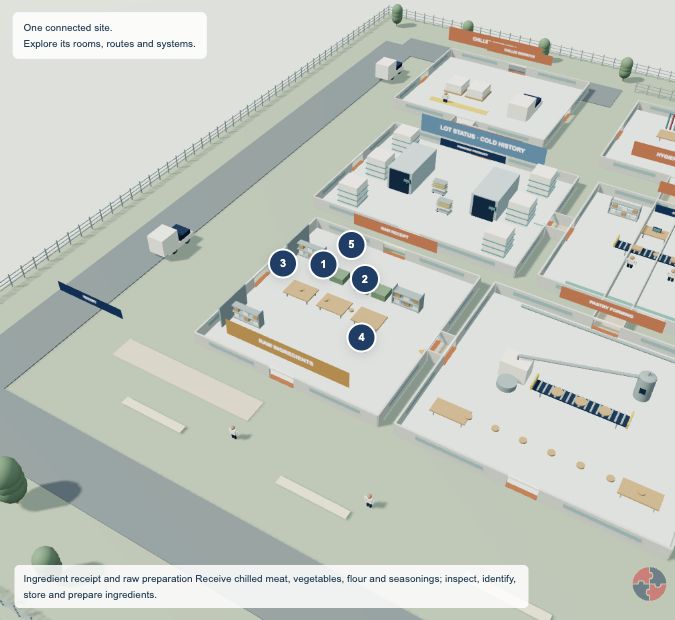


 Recognise the fuel. Read the extinguisher. Protect your escape.


