
Work at height and scaffold safety
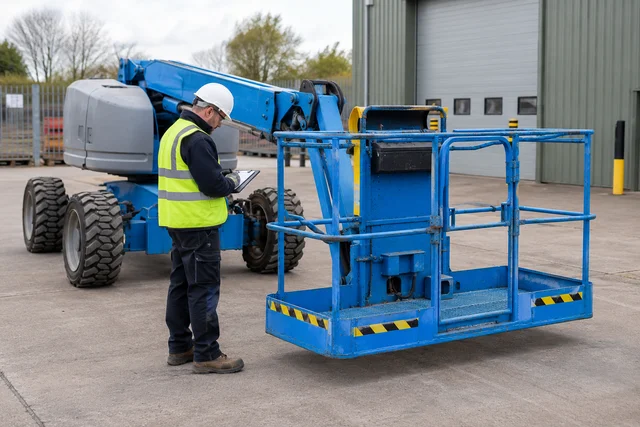

Plan safe access, select suitable equipment and maintain protection at height.
Full public teaching and readers are free to read without an account. A free learner account is required for confirmed saved assessment, completion and certificate records in the LMS.
What you will work through
Fictional Canal Yard project: façade work, material deliveries and installation tasks share a changing structure. A delivery delay is putting pressure on the access plan. Your job is to distinguish a workable system from a reassuring tag.
The course has 5 modules and 18 lessons, with teaching, applied activities, feedback and a check of understanding throughout. There are 4 practice pauses in the actual construction model, with an equivalent accessible text route. Public interactive practice is separate from confirmed LMS assessment and completion records.
Explore the interactive practice copy. Return to the LMS route for recorded learning.
Learning outcomes
- Apply the work-at-height hierarchy to the task and select a suitable access approach.
- Check scaffold, opening, fragile-surface and equipment protection against the actual work.
- Recognise rescue, weather and change conditions that prevent a safe release.
Course outline
Understand and plan
- Why falls happen on ordinary tasksWork at height is defined by the potential for injury from a fall; a small height does not remove the hazard.
- Avoid, prevent and minimiseAvoiding the exposure is stronger than relying on personal protection. Where exposure remains, select collective prevention before fall mitigation.
- Plan the task and allocate competenceEquipment selection is part of a site-specific safe system involving the people who plan, supervise and use it.
- Select access for the whole taskConsider duration, working position, access frequency, loads, ground and interfaces together; equipment availability is not the selection criterion.
Scaffolds and towers
- Understand the scaffold systemStandards, ledgers, transoms, bracing, ties, foundations and platforms work as a system. User checks do not authorise structural alterations.
- Loading, ties and alterationsLoads and alterations must remain within the intended design and authorised sequence; another trade’s convenience cannot override stability.
- Inspection, handover and tagsA tag communicates status but is not the statutory inspection record or proof that intervening damage has been assessed.
- Mobile towers and relocationTower stability, assembly, access and movement need equipment-specific controls. Occupants and materials must not be exposed by an improvised move.
Choose and use access
- Ladders: match the task and setupShort duration does not make defective equipment acceptable. Suitability and condition come before convenience.
- Edges, openings and incomplete workProtection must prevent people or materials falling through and remain effective as trades and routes change.
- Fragile roofs and hidden weaknessAppearance cannot establish load-bearing capacity. Rooflights, corrosion and concealed deterioration require suitable access and protection.
- MEWPs: ground, trapping and rescueThe platform, surroundings and ground interact. Emergency arrangements must work if the occupant cannot operate the controls.
Protect people through change
- Falling objects and public interfacesPeople below may have no warning or protection. Secure materials, suitable edge controls and effective segregation need planning together.
- Weather and changing conditionsWeather changes footing, stability, handling and rescue. A stop trigger must act before control is lost.
- Rescue is part of the work planRescue must address the foreseeable incident and prompt recovery without exposing more people; reliance on an external call alone is insufficient.
Verify and transfer
- Review evidence at the workfaceGood records identify location, system, limits, inspections and action closeout. A document outside the task scope cannot establish the workface condition.
- Capstone: changed access, changed planA combination of altered structure, loading and fall prevention requires a coordinated review, not isolated compensations.
- Your workplace action planAwareness learning supports informed decisions. Erection, design, inspection and specialist rescue need their own competent arrangements and jurisdictional checks.
Assessment and completion
Complete the required lessons and activities, then take the 20-question final assessment. The pass threshold is 80% plus every designated critical safety answer. Points and badges cannot compensate for a critical error.
Use the LMS to save and resume confirmed progress. Certificate availability follows its passed-completion and grade conditions. Browser practice and printed learning pages do not issue the official LMS record.
Independent construction learning. Completion records learning within the course scope; competent site assessment, practical training and task authorisation remain necessary. It does not confer a NEBOSH qualification.
Sources and learning provenance
The teaching draws on public SHAREhub topic pages and structured source records, with original fictional workface cases. Use the linked primary guidance and the applicable jurisdiction when planning a live task.
Topic records, source IDs and versions
| Public topic section | Chunk and version | Jurisdiction and source IDs |
|---|---|---|
| working-at-height · harm-mechanisms | working-at-height--harm-mechanisms Version 4.0 | Great Britain, Northern Ireland source-hse_intro, source-hse_roof, source-ni_hseni |
| working-at-height · risk-factors | working-at-height--risk-factors Version 4.0 | Great Britain, Northern Ireland source-hse_intro, source-hse_assess, source-hse_roof |
| working-at-height · hierarchy | working-at-height--hierarchy Version 4.0 | Great Britain, Northern Ireland source-gb_law, source-ni_law, source-hse_intro, source-hse_assess |
| working-at-height · control-priorities | working-at-height--control-priorities Version 4.0 | Great Britain, Northern Ireland source-hse_ppe_hierarchy, source-hse_step, source-hse_mewp, source-hse_roof, source-hse_assess, source-gb_law, source-ni_law, source-hse_intro, source-hse_height_rights |
| working-at-height · planning | working-at-height--planning Version 4.0 | Great Britain, Northern Ireland source-gb_law, source-ni_law, source-hse_assess, source-indg401, source-l153, source-hse_ladder, source-hse_mewp, source-hse_scaffold |
| working-at-height · role-competence | working-at-height--role-competence Version 4.0 | Great Britain, Northern Ireland source-hse_intro, source-hse_step, source-geis6 |
| scaffolding · scaffold-types-and-selection | scaffolding--scaffold-types-and-selection Version 2.1 | Great Britain, Northern Ireland scaffolding--hse-scaffold |
| scaffolding · decision-tool | scaffolding--decision-tool Version 2.1 | Great Britain, Northern Ireland scaffolding--hse-scaffold |
| scaffolding · scaffold-components | scaffolding--scaffold-components Version 20261020-construction-visuals-1 | Great Britain, Northern Ireland scaffolding--hse-scaffold |
| scaffolding · technical-model | scaffolding--technical-model Version 2.1 | Great Britain, Northern Ireland scaffolding--hse-scaffold |
| scaffolding · worked-example | scaffolding--worked-example Version 2.1 | Great Britain, Northern Ireland scaffolding--hse-scaffold |
| scaffolding · user-checks | scaffolding--user-checks Version 2.1 | Great Britain, Northern Ireland scaffolding--hse-scaffold |
| scaffolding · inspection-and-tags | scaffolding--inspection-and-tags Version 2.1 | Great Britain, Northern Ireland scaffolding--hse-faq, scaffolding--hse-scaffold, scaffolding--gbheight, scaffolding--niheight, scaffolding--gb-inspection-report, scaffolding--ni-inspection-report |
| scaffolding · best-practice-scaffolding-step-5 | scaffolding--best-practice-scaffolding-step-5 Version 20261018-learning-guides-1 | Great Britain, Northern Ireland scaffolding--hse-scaffold |
| scaffolding · tower-scaffold-controls | scaffolding--tower-scaffold-controls Version 2.1 | Great Britain, Northern Ireland scaffolding--hse-height |
| scaffolding · full-lifecycle-example | scaffolding--full-lifecycle-example Version 2.1 | Great Britain, Northern Ireland scaffolding--hse-scaffold |
| working-at-height · competence | working-at-height--competence Version 4.0 | Great Britain, Northern Ireland source-gb_law, source-ni_law, source-hse_mewp, source-hse_scaffold, source-hse_assess, source-hse_faq |
| working-at-height · inspection | working-at-height--inspection Version 4.0 | Great Britain, Northern Ireland source-gb_law, source-ni_law, source-hse_faq, source-hse_mewp, source-hse_ladder, source-hse_intro |
| working-at-height · fragile | working-at-height--fragile Version 4.0 | Great Britain, Northern Ireland source-gb_law, source-ni_law, source-hse_roof, source-geis5, source-hsg33 |
| working-at-height · scaffolds-mewps | working-at-height--scaffolds-mewps Version 4.0 | Great Britain, Northern Ireland source-hse_scaffold, source-hse_faq, source-hse_mewp, source-geis6, source-gb_law, source-ni_law, source-hse_assess, source-indg401 |
| working-at-height · rescue | working-at-height--rescue Version 4.0 | Great Britain, Northern Ireland source-gb_law, source-ni_law, source-hse_faq, source-geis6 |
| working-at-height · objects-weather | working-at-height--objects-weather Version 4.0 | Great Britain, Northern Ireland source-gb_law, source-ni_law, source-hse_intro, source-hse_mewp |
| scaffolding · evidence-pack | scaffolding--evidence-pack Version 2.1 | Great Britain, Northern Ireland scaffolding--hse-scaffold |
| scaffolding · supervisor-briefing | scaffolding--supervisor-briefing Version 2.1 | Great Britain, Northern Ireland scaffolding--hse-scaffold |
| scaffolding · failure-modes | scaffolding--failure-modes Version 2.1 | Great Britain, Northern Ireland scaffolding--hse-scaffold |
| scaffolding · assurance | scaffolding--assurance Version 2.1 | Great Britain, Northern Ireland scaffolding--hse-scaffold |
| working-at-height · legal-gb | working-at-height--legal-gb Version 4.0 | Great Britain, Northern Ireland source-gb_law, source-hse_intro, source-l153, source-hse_step, source-gb_cdm, source-gb_puwer, source-gb_loler |
| working-at-height · legal-ni | working-at-height--legal-ni Version 4.0 | Great Britain, Northern Ireland source-ni_law, source-ni_hseni, source-hse_intro, source-ni_cdm, source-ni_puwer, source-ni_loler |
Course version 2026.10.20.4 · SH-WAH-01. Factual source identity and jurisdiction are retained in the .
Questions about this course
Is this course free?
Yes. The training is £0. Full public teaching and readers can be used without an account. A free learner account is required for confirmed saved assessment, completion and certificate records in the LMS.
How long should I allow?
Approx. 2h 10m–3h 10m: approximately 130–190 minutes of self-paced learning, including required activities and one final-assessment attempt. Your pace, review and retries may increase the time. Save and resume in the LMS.
Can I study without a 3D-capable browser?
Yes. The complete learning reader is available in ordinary HTML. Where this course includes model practice, an accessible text route provides the same decision sequence. Use the interactive LMS course to complete its assessed requirements.
What do I need to pass?
Complete the required learning and achieve at least 80% in the final assessment, with every critical safety answer correct. Follow the feedback and review the relevant lesson before retrying.
Where is my completion record?
The LMS holds confirmed grades, completion and certificate records for your learner account. Public browser practice has its own separate progress and is not an official completion record.
Does completion authorise construction work?
Independent construction learning. Completion records learning within the course scope; competent site assessment, practical training and task authorisation remain necessary. It does not confer a NEBOSH qualification.
Presentation and model workshop
Use the same course imagery, worked decisions and source case in a 28-slide teaching companion. Practise classification, compare explained choices and inspect the linked model case.
Open the interactive presentation workshop · Download PowerPoint
This optional companion does not replace the required course activities or final assessment.