SHARE Knowledge Hub
Hazard Identification and Risk Assessment Foundations
Hazard identification and risk assessment foundations are the building blocks of sensible health, safety and process safety decisions. Hazard identification asks what has the potential to cause harm; risk assessment asks who or what could be affected, how severe the harm could be, how likely it is, what controls already exist, what more is reasonably practicable and what evidence proves those controls work. In high-hazard work the same logic must also cover credible major accident scenarios, escalation routes, safeguards, barrier health, uncertainty and the limits of qualitative judgement.
Understanding Hazard Identification and Risk Assessment Foundations
Hazard identification and risk assessment are decisions about what can cause harm, who can be affected, how a loss event could develop, whether existing precautions are adequate, and what further measures must be implemented.
Why this matters at work
A hazard is a source or situation with potential to cause harm; risk concerns the chance of harm and its severity in context. A flammable inventory is a hazard. A credible leak, ignition and flash fire form a scenario. The people and assets present determine exposure and consequence. Keep the hazardous property distinct from the loss event; otherwise a register can list 'flammable liquid' without asking how containment fails or how ignition is prevented.
Choose the technique after defining the decision and data. A walk-through and task assessment may be enough for straightforward, familiar operations. Checklists help ensure common hazards are not missed but can constrain thinking. HAZID and What-If reviews provide broad multidisciplinary scenario discovery; HAZOP tests deviations from process intent at defined nodes; FMEA examines item failure modes. Bowties organise causes, top event, consequences and barriers. Fault trees, event trees, LOPA and QRA add structure or quantification for specific questions.
How organisations manage this in practice
Review how the new material and rate affect normal operation, start-up, shutdown and foreseeable failures. Check connected plant, utilities, operating limits, maintenance and emergency assumptions. Temporary or organisational changes deserve attention too. Use a controlled decision record identifying the evidence, specialist questions and actions needed before the change proceeds. Update affected information and communicate the assessed conditions to workers. Verify the as-implemented state and review unexpected effects; the former assessment remains useful history but cannot establish the changed operation’s adequacy.
An action register should distinguish proposal, design, installation, verification and final acceptance. It should also track dependencies: a new detector may need power, alarm response, maintenance and drills before it contributes meaningful protection. Review whether the action created a new hazard, such as an isolation valve that can trap pressure. Verify the change through management-of-change arrangements.
Before selecting a technique, state the decision: design approval, pre-start-up review, maintenance task, change control, COMAH demonstration or periodic risk-profile refresh. Define the plant, interfaces, operating modes and time horizon. A study of a tank must include receipt and dispatch paths, venting, utilities, drainage, isolation, maintenance and nearby occupancy if these influence its scenarios. A boundary drawn narrowly around a vessel may conceal the initiating event in an upstream control system.
How can I practise this topic in 3D?
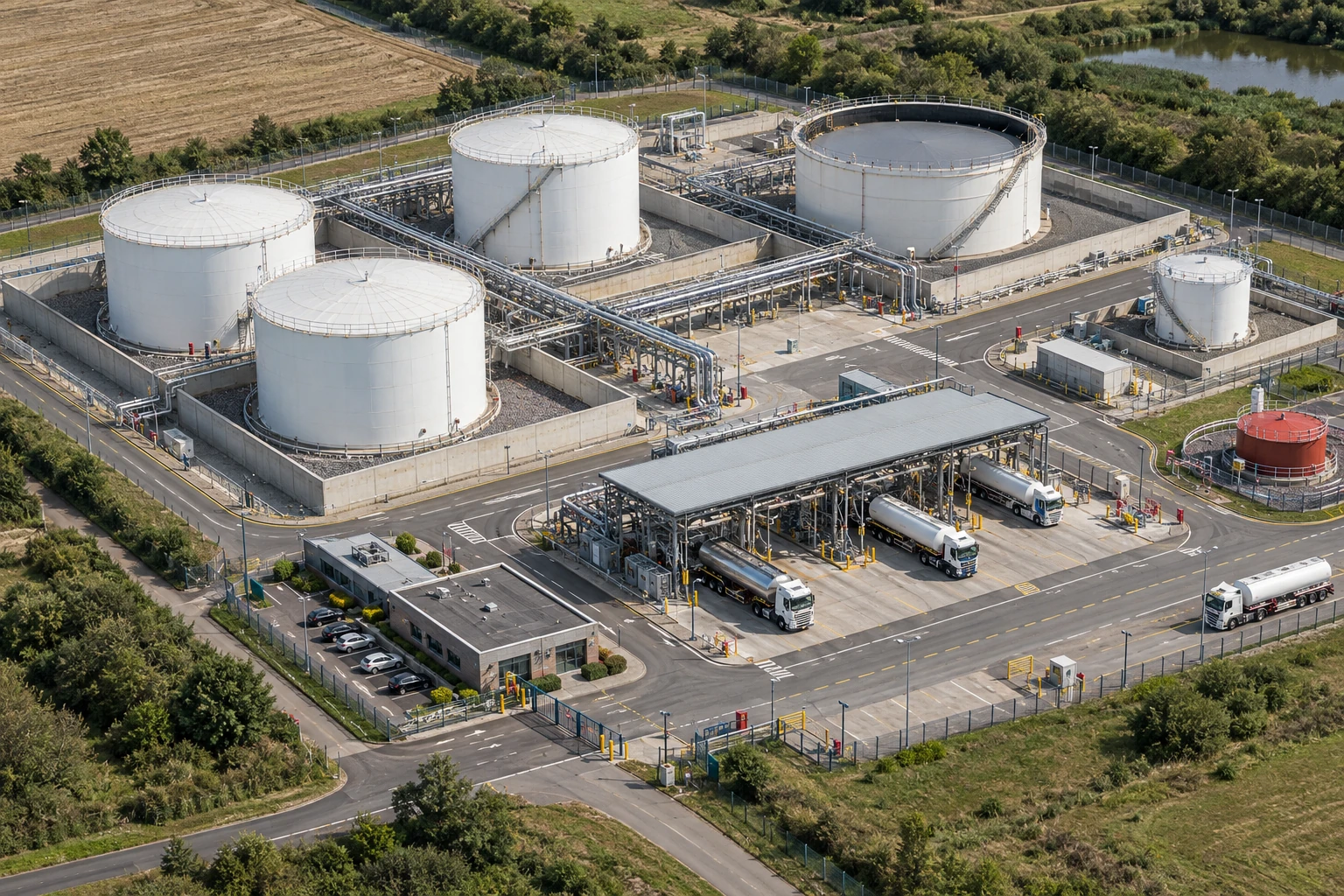

Meter and tank inventory no longer reconcile

Pool supervision does not match the activity
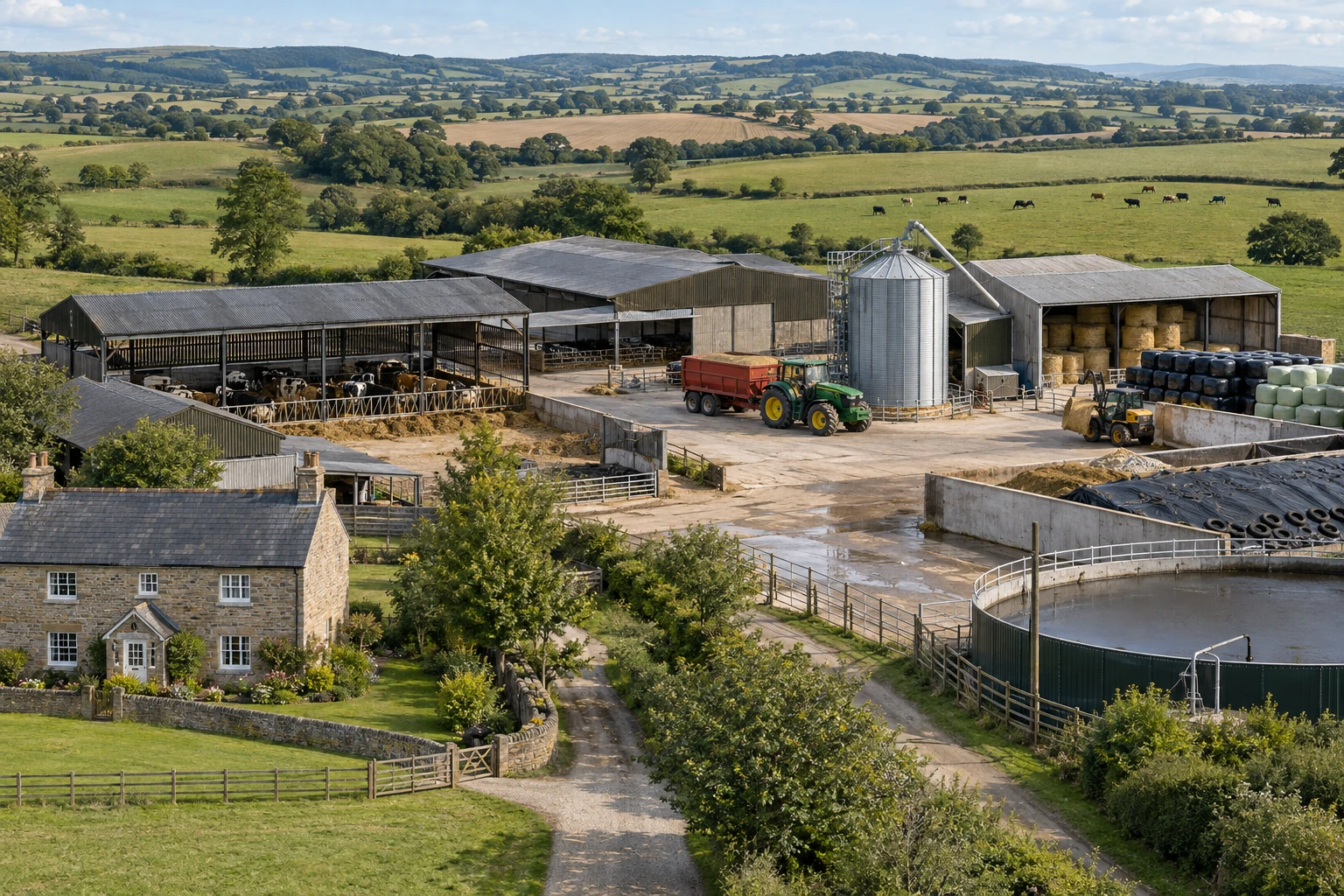
Inadequate restraint during cattle treatment
All related inspection points 20 across 5 locations
Crown Fuels terminal 1 inspection point
Riverside Leisure 3 inspection points
Harvest & winter housing 3 inspection points
A safer place to call home 11 inspection points
Recover materials. Protect people. 2 inspection points
Practice in the SHAREhub environment. Browser practice is separate from workplace competence and formal learning records.
What are the key points for hazard identification and risk assessment?
Good assessment starts with real work, credible harm routes and controls that can be seen, used and verified.
Start with the work
Observe the task, plant, people, environment, interfaces and non-routine states before writing conclusions.
Separate hazard from risk
A chemical, vehicle, rotating shaft or hot surface is a hazard; the risk depends on exposure, controls, people and conditions.
Think in scenarios
Useful assessments describe how harm could happen, not just what category the hazard sits in.
Challenge assumptions
Risk ranking is only as good as the evidence behind likelihood, severity and control effectiveness.
Make action visible
Every significant finding should lead to clear controls, owners, dates, records and review triggers.
What is the difference between a hazard and a risk?
A hazard has the potential to cause harm, while risk is the chance and severity of harm in the actual circumstances.
Hazard and risk examples — part 1 of 2


Read the complete visual as text
- Moving vehicle: Risk scenario: Reversing telehandler crosses a pedestrian route during unloading. Decision it should drive: Segregation, banksman rules, visibility checks and traffic plan.
- Solvent vapour: Risk scenario: Cleaning in a small room creates flammable and inhalation exposure. Decision it should drive: Substitution, ventilation, DSEAR check, exposure controls and ignition control.
- Open edge: Risk scenario: Short-duration roof access becomes routine without edge protection. Decision it should drive: Collective fall prevention rather than reliance on instruction.
Hazard and risk examples — part 2 of 2


Read the complete visual as text
- Stored pressure: Risk scenario: Line break releases trapped pressure during maintenance. Decision it should drive: Isolation standard, pressure verification, permit and handback check.
- Manual handling: Risk scenario: Repeated awkward lifting causes cumulative back strain. Decision it should drive: Redesign load, mechanical aid, team lift and task rotation.
This distinction matters because many weak assessments list hazards but never explain how people could be harmed. A forklift is a hazard; the risk may be pedestrian impact at a blind corner during peak loading. Silica dust is a hazard; the risk may be a dry-cutting task in a poorly ventilated room with no water suppression or suitable respiratory protective equipment.
A useful assessment links the source of harm to the person, task, exposure route, initiating event, existing controls and remaining risk. That is what turns a document into a decision tool.
| Hazard | Risk scenario | Decision it should drive |
|---|---|---|
| Moving vehicle | Reversing telehandler crosses a pedestrian route during unloading. | Segregation, banksman rules, visibility checks and traffic plan. |
| Solvent vapour | Cleaning in a small room creates flammable and inhalation exposure. | Substitution, ventilation, DSEAR check, exposure controls and ignition control. |
| Open edge | Short-duration roof access becomes routine without edge protection. | Collective fall prevention rather than reliance on instruction. |
| Stored pressure | Line break releases trapped pressure during maintenance. | Isolation standard, pressure verification, permit and handback check. |
| Manual handling | Repeated awkward lifting causes cumulative back strain. | Redesign load, mechanical aid, team lift and task rotation. |
HSE starts with the hazard, people exposed and practical control decision. HSE risk assessment steps.
How should credible scenarios be described?
A credible scenario should describe a realistic event sequence from initiating cause to possible harm and controls.
Credible scenario building blocks — part 1 of 2


Read the complete visual as text
- Hazard source: Question to ask: What can release, move, fall, ignite, contaminate or expose someone? Example: Petrol, silica dust, suspended load, energised equipment or fragile roof.
- Initiating event: Question to ask: What starts the sequence? Example: Dropped container, blocked extraction, wrong valve opened or guard removed.
- Exposure path: Question to ask: How does the hazard reach people or assets? Example: Breathing zone, skin contact, vehicle route, blast path or drainage system.
Credible scenario building blocks — part 2 of 2


Read the complete visual as text
- Consequence: Question to ask: What harm could occur? Example: Fatality, occupational disease, fire, explosion, toxic exposure or environmental loss.
- Controls and barriers: Question to ask: What prevents, detects, controls or mitigates it? Example: Design, isolation, LEV, permit, alarm, training, supervision and emergency response.
- Escalation: Question to ask: Could the event grow? Example: Fire impinges on nearby tanks, blocked exits delay evacuation or dust spreads to other areas.
Scenario thinking prevents shallow risk assessments. Instead of writing 'fire risk', describe the actual chain: solvent spill in a bund, vapour spreads to a drain, extraction is off, a non-rated portable tool is used and ignition occurs. That scenario immediately suggests different controls from a generic fire row.
For major accident hazards, credible scenarios should consider inventory, energy, containment, ignition, toxic release, escalation, people affected and emergency response. For everyday occupational safety, they should still show the task, person, trigger, harm and control standard.
| Block | Question to ask | Example |
|---|---|---|
| Hazard source | What can release, move, fall, ignite, contaminate or expose someone? | Petrol, silica dust, suspended load, energised equipment or fragile roof. |
| Initiating event | What starts the sequence? | Dropped container, blocked extraction, wrong valve opened or guard removed. |
| Exposure path | How does the hazard reach people or assets? | Breathing zone, skin contact, vehicle route, blast path or drainage system. |
| Consequence | What harm could occur? | Fatality, occupational disease, fire, explosion, toxic exposure or environmental loss. |
| Controls and barriers | What prevents, detects, controls or mitigates it? | Design, isolation, LEV, permit, alarm, training, supervision and emergency response. |
| Escalation | Could the event grow? | Fire impinges on nearby tanks, blocked exits delay evacuation or dust spreads to other areas. |
What are HSE’s five risk assessment steps?
Follow a depot team as it assesses a shared forklift crossing, changes the layout and checks the controls during deliveries.

Identify hazards
Walk through the job with the people who do it. Look at routine work, cleaning, maintenance and changes. Check near misses for ways people have already come close to harm.
At the depot. At the depot, the team finds that forklifts and pedestrians use the same crossing during unloading.
Assess the risks
Identify who might be harmed and how. Consider workers, contractors, visitors and anyone who needs different arrangements. Judge how likely harm is and how serious it could be, taking account of controls already in use.
At the depot. Depot staff and visiting drivers cross the route. A forklift strike could cause serious or fatal injuries. Markings and briefings still leave people and vehicles sharing the crossing.
Control the risks
First consider removing the hazard or avoiding exposure. If risk remains, choose controls that act at source and protect everyone affected. Put the measures into use and brief the people who rely on them.
At the depot. Reroute pedestrians away from unloading where possible. Where a crossing is still needed, fit barriers and choose a crossing point with clear sightlines. Restrict access until the arrangement is ready.
Record your findings
Record the significant hazards, who may be harmed, the controls in place and any further action. Name an owner, a due date and the evidence needed to close the action. In Great Britain, employers with five or more employees must record significant findings.
At the depot. The depot supervisor records the temporary restriction, who owns the permanent route changes, when they are due and who will check them. The shift briefing explains the change to staff and visiting drivers.
Review the controls
Check that the controls work during real shifts. Review when controls may no longer work, after changes, when workers raise problems, or after accidents and near misses. Update the assessment and brief affected people.
At the depot. Observe a busy delivery after installation. Check that people use the crossing, sightlines stay clear and barriers are intact. If the route is blocked or bypassed, deal with that before relying on the assessment.
Download worked SHAREintelligence assessments
Compare two complete fictional teaching reports exported from the SHAREintelligence assessment tools. Each includes four hazard lines, evidence, actions, responsibilities and review arrangements.
Scored assessment · Conveyor maintenance
The conveyor example records 3 × 5 = 15 (High) with isolation still unverified. The proposed 1 × 5 = 5 (Medium) depends on verified isolation and other controls. Intrusive work stays on hold in the example.
Download scored assessment PDFQualitative assessment · Cleaning-product preparation
The cleaning example explains splash and skin-contact risks in words. It prioritises stopping unprotected decanting, reviewing safer methods and checking the chosen control before release.
Download qualitative assessment PDFHow should the basic risk assessment process work?
The process should identify hazards, decide who may be harmed, evaluate risk, record significant findings and review the controls.
The familiar five-step model is only useful when each step is done honestly. Walking the workplace, checking incident data, speaking to workers, reviewing maintenance, reading safety data sheets and observing non-routine work will usually reveal more than a desk exercise.
The output should be understandable to the people who use it. A supervisor should know what must be in place before work starts. A worker should know the task controls and stop-work triggers. A manager should know what resources and review evidence are required.
| Step | What good looks like | Evidence |
|---|---|---|
| Identify hazards | Task observation includes normal, abnormal, maintenance, cleaning and emergency conditions. | Walkthrough notes, worker input and hazard register. |
| Decide who may be harmed | Employees, contractors, visitors, public, vulnerable workers and emergency responders are considered. | People-at-risk section and consultation evidence. |
| Evaluate risk | Existing controls are tested, not assumed. | Inspection findings, monitoring data, maintenance records and competence checks. |
| Record findings | Significant risks, controls, action owners and review triggers are clear. | Assessment, action tracker and risk register. |
| Review | Assessment changes after incidents, changes, new information or weak control evidence. | Review log and closure evidence. |
HSENI provides the Northern Ireland five-step route. HSENI five steps to risk assessment.
How does a hazard become a risk scenario in a worked example?
A hazard becomes a useful risk scenario when the assessor describes the task, trigger, exposure route, harm, controls and evidence.
A weak assessment often says 'fuel is hazardous' or 'risk of fire'. A stronger assessment turns that into a situation someone can recognise and manage. For example, during tanker offloading at a fuel depot, the hazard is petrol. The risk scenario is overfill, hose failure or incorrect connection releasing petrol and vapour near ignition sources, drains, vehicles and people.
That one sentence changes the quality of the assessment. It tells the supervisor what must be checked before work starts, tells operators what early warning signs matter, tells maintenance what safeguards must remain available and tells managers what evidence belongs in the risk register. This is the bridge between beginner knowledge and professional judgement.
| Assessment step | Weak answer | Stronger answer |
|---|---|---|
| Hazard | Petrol. | Petrol inventory in tanker and receiving tank, with flammable vapour above the liquid surface. |
| Scenario | Fire could happen. | Hose coupling leaks during transfer, vapour spreads to drain channel and ignites from a non-rated portable device. |
| People at risk | Workers. | Driver, site operator, nearby contractor, control room staff, emergency responders and people downwind. |
| Controls | Permit and PPE. | Transfer procedure, earthing/bonding, overfill prevention, exclusion zone, ignition control, drain protection, emergency shutdown and spill response. |
| Evidence | Risk assessment done. | Pre-transfer checklist, competence records, inspection of hose and earthing, alarm test, permit record, drill learning and action close-out. |
What is the chain from hazard to harm?
Describe source, trigger, route, exposed person and outcome before rating likelihood or selecting controls.
The hazard is not the same as the scenario. A forklift, solvent or pressure vessel has harmful potential; the assessor must describe the trigger, exposure route, person, consequence and each relied-on barrier. If an assumption is uncertain, record it and hold the affected decision until it is resolved.
| Source | Credible initiating event and route | Possible harm | Barrier and proof |
|---|---|---|---|
| Forklift | Blind-corner vehicle and pedestrian interaction. | Crush injury. | Separated route observed at peak delivery. |
| Solvent | Open transfer, vapour migration and ignition. | Fire or serious burns. | Closed transfer, ignition control and tested response. |
| Silica-containing material | Dry cutting creates respirable dust. | Long-term lung disease. | Designed-out cutting or effective capture verified at task. |
Who may be harmed and why does that change the assessment?
Different people have different exposure, competence, vulnerability and ability to control the risk.
Assessments often understate risk because they focus only on the trained operator. Real workplaces involve new starters, contractors, maintenance teams, cleaners, agency workers, visitors, young people, expectant mothers, disabled workers, lone workers, language barriers and people working under fatigue or production pressure.
The same hazard may require different controls for different people. A trained technician may understand isolation points; a cleaner may only encounter the equipment when a guard is open and production has stopped. That difference matters.
| Group | Why they may be at risk | Assessment check |
|---|---|---|
| Operators | Direct exposure to task hazards and production pressures. | Training, supervision, work instructions and stop-work authority. |
| Maintenance workers | Higher exposure during isolation, opening, adjustment and fault-finding. | Permit, isolation, stored energy and competence controls. |
| Contractors | May not know site-specific hazards or emergency rules. | Prequalification, induction, supervision and interface control. |
| Visitors and public | May be unfamiliar with routes, alarms or site hazards. | Segregation, signs, escorting and emergency communication. |
| Vulnerable workers | Health, age, pregnancy, disability, language, fatigue or inexperience may affect risk. | Individual assessment, adjustments and communication. |
How should likelihood and consequence be judged?
Likelihood and consequence should be evidence-based, not guessed from habit or optimism.
Risk matrices can help structure discussion, but they can also hide uncertainty. A low likelihood with fatal consequence may still demand strong controls because the cost of being wrong is severe. Similarly, frequent low-level exposure can create serious long-term health risk even if no one is injured today.
Good judgement uses evidence: incident history, near misses, monitoring data, maintenance failures, inspection findings, worker reports, design standards, manufacturer information and performance of similar sites.
| Factor | Poor judgement | Better judgement |
|---|---|---|
| Likelihood | No accidents recently, so unlikely. | Consider exposure frequency, weak signals, control reliability and industry learning. |
| Consequence | No one was hurt last time. | Consider worst credible harm if the control fails. |
| Health risk | Dust is only a nuisance. | Consider dose, duration, latency and irreversible disease. |
| Process safety | The plant has always run like this. | Consider inventory, safeguards, ageing plant and escalation. |
| Control credit | Procedure exists. | Check whether the procedure is known, usable, supervised and followed. |
How do safeguards and barriers fit into risk assessment?
Safeguards and barriers are the controls relied on to prevent, detect, control or mitigate a scenario.
In simple work, a control may be a guard, exclusion zone, ventilation system or instruction. In process safety, the barrier model becomes more explicit: containment prevents release, detection identifies loss of control, shutdown limits escalation, relief protects equipment and emergency response mitigates consequences.
The important question is whether the barrier is real and healthy. A relief valve that is overdue for inspection, a detector in bypass, a permit issued from an office or an alarm with no response standard should not be treated as a reliable safeguard.
| Barrier type | Example | Evidence of health |
|---|---|---|
| Prevention | Design, substitution, guarding, containment, segregation or isolation. | Design standard, inspection, maintenance and change control. |
| Detection | Gas detection, alarms, inspection, monitoring or supervisor check. | Calibration, test record, response standard and alarm review. |
| Control | Shutdown, interlock, LEV, permit, safe operating limit or traffic control. | Functional test, operator training and deviation records. |
| Mitigation | Fire protection, spill bund, emergency lighting, first aid or evacuation. | Drills, inspections, equipment checks and action closure. |
| Learning | Incident investigation, audit and performance indicators. | Trend review, completed actions and management review. |
HSE HSG254 connects major-hazard barriers to assurance indicators. HSE HSG254 process safety indicators.
How should escalation be considered?
Escalation means one loss of control making another hazard worse or affecting more people.
Escalation is common in serious events. A small fire can damage services, block escape routes, impair fire protection or heat a pressure system. A chemical spill can enter drains, create vapour, expose responders or react with incompatible materials. A vehicle incident can strike a fuel store or emergency equipment.
Assessments should ask what sits nearby, what shares the same area, what could fail next and which controls prevent an initial event becoming a larger emergency.
| Prompt | Example | Control response |
|---|---|---|
| Nearby hazards | Hot work beside a flammable store. | Relocate fuel, control ignition, use permit and fire watch. |
| Shared services | Power loss affects ventilation and alarms. | Backup power, fail-safe design and emergency procedure. |
| Drainage and spread | Solvent spill reaches a drain or basement. | Bunds, drain covers, spill kits and response training. |
| People movement | Smoke blocks the usual exit. | Alternative escape routes, drills and compartmentation. |
| Emergency impairment | Blocked access prevents fire service response. | Keep access routes clear and inspect regularly. |
How should uncertainty be handled?
Uncertainty should be recorded, challenged and reduced before decisions rely on weak assumptions.
Risk assessment is not a guessing competition. If exposure levels are unknown, plant condition is uncertain, worker competence is unproven or the credible worst case is disputed, the assessment should say so and assign action. Sometimes the right decision is to stop the task until information improves.
Uncertainty can also come from change: new contractors, unusual weather, temporary equipment, production pressure, out-of-hours work, altered layout or maintenance backlogs.
| Uncertainty | Why it matters | Action |
|---|---|---|
| Unknown exposure | Health risk cannot be judged reliably. | Commission monitoring or use a more protective control. |
| Unknown plant condition | Safeguards may not work when needed. | Inspect, test and verify before operation. |
| Unknown competence | People may not recognise loss of control. | Check training, authorisation and supervision. |
| Unknown interface | Two teams may create risk for each other. | Hold coordination meeting and agree control ownership. |
| Unknown emergency route | Response may fail under pressure. | Drill, test and update emergency plan. |
When are qualitative or quantitative methods suitable?
Qualitative methods are useful for many routine decisions, while quantitative methods help when complexity, severity or uncertainty demands stronger evidence.
Qualitative assessments use judgement, categories and descriptors. They are practical for many workplace risks if the hazards are understood and controls are established. Semi-quantitative tools such as 5 x 5 matrices can help rank priorities, but they can also create false precision.
Quantitative methods may be needed for major hazard decisions, fire and explosion modelling, exposure assessment, reliability decisions, safety integrity decisions or where regulators, insurers or stakeholders need stronger justification.
| Method | Good for | Limitations |
|---|---|---|
| Dynamic assessment | Rapid adjustment by competent people during changing work. | Not a substitute for planning high-risk work. |
| Qualitative assessment | Familiar tasks with known hazards and standard controls. | Can hide bias if evidence is weak. |
| Semi-quantitative matrix | Prioritising many risks consistently. | Numbers can look more accurate than they are. |
| Quantitative assessment | Major hazards, exposure modelling, reliability or consequence decisions. | Needs competent input, data quality and clear assumptions. |
| Specialist study | HAZOP, LOPA, fire modelling, occupational hygiene or human factors review. | Scope must be clear and recommendations must be implemented. |
How should management verify controls for this task?
Verify controls: Maintaining temporary roof-edge protection


Read the complete visual as text
- Actual task: A roof work team must use and inspect temporary edge protection during changing construction work.
- Evidence to check: edge-protection design, fixings, access and any required rescue provision
- Stop or hold condition: missing rail, unprotected opening, loose fixing or weather outside the approved limits
- Release evidence and owner: competent inspection accepts the complete protection before roof access
Verify controls: Filling a storage tank


Read the complete visual as text
- Actual task: A site receives a liquid delivery into an identified tank; assess overfill, release, fire and incompatible-material risks.
- Evidence to check: product identity, tank capacity, connections and credited overfill safeguards
- Stop or hold condition: uncertain ullage, leak, failed safeguard or loss of transfer communication
- Release evidence and owner: receiving operator approves capacity and functioning safeguards before delivery
For fuel tanker overfill, the management check should start with a real control decision: Verify the selected independent overfill-prevention function through the sensor, logic and final action, with the responsible engineering owner and defined acceptance evidence; no transfer starts with an unverified required safeguard. Name the person who will test it, keep evidence from the actual work, and reopen the assessment when the failure condition in the hierarchy table occurs. HSE management-system guidance.
A review should compare the planned control with what workers and supervisors can use in practice. Record the defect, owner, interim protection, verification and next review trigger so that a policy statement or certificate does not stand in for a working control.
How can the hierarchy of controls turn identified hazards into effective risk reduction?
ERICPD is used here as a planning mnemonic. The linked HSE five-level hierarchy is the official source for the order and relative reliability of controls; the two labels are not identical.
ERICPD helps dutyholders choose stronger controls before relying on behaviour or personal protective equipment.
The hierarchy should not be a decorative table. It should challenge whether the work can be designed differently. If a hazardous substance can be replaced, a noisy process enclosed or work at height avoided, those options should be explored before writing a PPE rule.
Risk assessment should show why higher-order controls were selected, rejected or deferred. That makes the decision auditable and easier to review when technology, layout or work methods change.
Choose the activity
How can the ERICPD hierarchy of controls reduce risks while maintaining temporary roof-edge protection?

| Control level | Control for this activity | Owner and verification | Stop / restart decision |
|---|---|---|---|
| Eliminate | Complete fabrication and inspection from ground level where that removes the roof task. | Process owner verifies that the revised workflow achieves the required output and the hazardous step is genuinely removed. | If the hazardous step remains, retain a task assessment and select the stronger feasible remaining controls. |
| Reduce, including substitution | Choose a design or installation method that reduces the need for exposed roof-edge work. | Process/technical owner validates the alternative, its compatibility and any new risks before adoption. | Reject the alternative if suitability is unproved or its new hazards are unresolved. |
| Isolate | Provide suitable collective edge protection and protect openings; segregate people below the work. | Supervisor verifies the task boundaries and that the separation or isolation protects affected people and connected work. | Hold or stop for missing rail, unprotected opening, loose fixing or weather outside the approved limits. |
| Control: physical safeguards | Have competent people check the protection design, substrate, fixings, access and changes to the roof layout. | Competent equipment/process owner checks edge-protection design, fixings, access and any required rescue provision. | Hold or stop for missing rail, unprotected opening, loose fixing or weather outside the approved limits. |
| Control: work method and response | Plan installation and removal so workers remain protected; define wind and weather limits for the actual system. | Supervisor confirms the limits, response, communication and restart authority with the people doing this activity. | Stop if the agreed method, communication, competent cover or task limits cannot be maintained. |
| PPE | Use assessed fall protection only where needed, with compatible anchors and a workable rescue plan; it does not replace feasible edge protection. | Assessor confirms whether PPE is needed and checks selection, condition, compatibility and any required face-fit evidence. | Do not rely on unsuitable or defective protection, or use PPE to continue after an essential source control fails. |
| Discipline | Inspect after changes, impacts or adverse conditions and prohibit use when protection is incomplete. | Release only after competent inspection accepts the complete protection before roof access. Retain the checks and unresolved restrictions at handover. | Keep the activity on hold while defects or required reinstatement evidence remain unresolved. |
How can the ISO 45001 hierarchy of controls reduce risks while maintaining temporary roof-edge protection?

| Control level | Control for this activity | Owner and verification | Stop / restart decision |
|---|---|---|---|
| Elimination | Complete fabrication and inspection from ground level where that removes the roof task. | Process owner verifies that the revised workflow achieves the required output and the hazardous step is genuinely removed. | If the hazardous step remains, retain a task assessment and select the stronger feasible remaining controls. |
| Engineering controls | Choose a design or installation method that reduces the need for exposed roof-edge work. | Process/technical owner validates the alternative, its compatibility and any new risks before adoption. | Reject the alternative if suitability is unproved or its new hazards are unresolved. |
| Engineering controls | Provide suitable collective edge protection and protect openings; segregate people below the work. | Supervisor verifies the task boundaries and that the separation or isolation protects affected people and connected work. | Hold or stop for missing rail, unprotected opening, loose fixing or weather outside the approved limits. |
| Engineering controls | Have competent people check the protection design, substrate, fixings, access and changes to the roof layout. | Competent equipment/process owner checks edge-protection design, fixings, access and any required rescue provision. | Hold or stop for missing rail, unprotected opening, loose fixing or weather outside the approved limits. |
| Administrative controls | Plan installation and removal so workers remain protected; define wind and weather limits for the actual system. | Supervisor confirms the limits, response, communication and restart authority with the people doing this activity. | Stop if the agreed method, communication, competent cover or task limits cannot be maintained. |
| PPE | Use assessed fall protection only where needed, with compatible anchors and a workable rescue plan; it does not replace feasible edge protection. | Assessor confirms whether PPE is needed and checks selection, condition, compatibility and any required face-fit evidence. | Do not rely on unsuitable or defective protection, or use PPE to continue after an essential source control fails. |
| Administrative controls | Inspect after changes, impacts or adverse conditions and prohibit use when protection is incomplete. | Release only after competent inspection accepts the complete protection before roof access. Retain the checks and unresolved restrictions at handover. | Keep the activity on hold while defects or required reinstatement evidence remain unresolved. |
How can the ERICPD hierarchy of controls reduce risks while filling a storage tank?

| Control level | Control for this activity | Owner and verification | Stop / restart decision |
|---|---|---|---|
| Eliminate | Remove an unnecessary transfer or hazardous stock through a validated supply or process redesign. | Process owner verifies that the revised workflow achieves the required output and the hazardous step is genuinely removed. | If the hazardous step remains, retain a task assessment and select the stronger feasible remaining controls. |
| Reduce, including substitution | Evaluate a less hazardous stored material or suitable alternative supply arrangement through change review. | Process/technical owner validates the alternative, its compatibility and any new risks before adoption. | Reject the alternative if suitability is unproved or its new hazards are unresolved. |
| Isolate | Separate delivery operations from people and incompatible plant; control the credible spill and escalation area. | Supervisor verifies the task boundaries and that the separation or isolation protects affected people and connected work. | Hold or stop for uncertain ullage, leak, failed safeguard or loss of transfer communication. |
| Control: physical safeguards | Provide compatible connections, containment and specified independent overfill prevention and shutdown functions. | Competent equipment/process owner checks product identity, tank capacity, connections and credited overfill safeguards. | Hold or stop for uncertain ullage, leak, failed safeguard or loss of transfer communication. |
| Control: work method and response | Confirm tank/product identity, available ullage, transfer limits and the receiving operator’s communication and stop authority. | Supervisor confirms the limits, response, communication and restart authority with the people doing this activity. | Stop if the agreed method, communication, competent cover or task limits cannot be maintained. |
| PPE | Select splash and other protection for the actual product; PPE is not protection against a major tank release. | Assessor confirms whether PPE is needed and checks selection, condition, compatibility and any required face-fit evidence. | Do not rely on unsuitable or defective protection, or use PPE to continue after an essential source control fails. |
| Discipline | Test credited safeguards, maintain delivery equipment and reconcile delivery quantities and abnormal events. | Release only after receiving operator approves capacity and functioning safeguards before delivery. Retain the checks and unresolved restrictions at handover. | Keep the activity on hold while defects or required reinstatement evidence remain unresolved. |
How can the ISO 45001 hierarchy of controls reduce risks while filling a storage tank?

| Control level | Control for this activity | Owner and verification | Stop / restart decision |
|---|---|---|---|
| Elimination | Remove an unnecessary transfer or hazardous stock through a validated supply or process redesign. | Process owner verifies that the revised workflow achieves the required output and the hazardous step is genuinely removed. | If the hazardous step remains, retain a task assessment and select the stronger feasible remaining controls. |
| Substitution | Evaluate a less hazardous stored material or suitable alternative supply arrangement through change review. | Process/technical owner validates the alternative, its compatibility and any new risks before adoption. | Reject the alternative if suitability is unproved or its new hazards are unresolved. |
| Engineering controls | Separate delivery operations from people and incompatible plant; control the credible spill and escalation area. | Supervisor verifies the task boundaries and that the separation or isolation protects affected people and connected work. | Hold or stop for uncertain ullage, leak, failed safeguard or loss of transfer communication. |
| Engineering controls | Provide compatible connections, containment and specified independent overfill prevention and shutdown functions. | Competent equipment/process owner checks product identity, tank capacity, connections and credited overfill safeguards. | Hold or stop for uncertain ullage, leak, failed safeguard or loss of transfer communication. |
| Administrative controls | Confirm tank/product identity, available ullage, transfer limits and the receiving operator’s communication and stop authority. | Supervisor confirms the limits, response, communication and restart authority with the people doing this activity. | Stop if the agreed method, communication, competent cover or task limits cannot be maintained. |
| PPE | Select splash and other protection for the actual product; PPE is not protection against a major tank release. | Assessor confirms whether PPE is needed and checks selection, condition, compatibility and any required face-fit evidence. | Do not rely on unsuitable or defective protection, or use PPE to continue after an essential source control fails. |
| Administrative controls | Test credited safeguards, maintain delivery equipment and reconcile delivery quantities and abnormal events. | Release only after receiving operator approves capacity and functioning safeguards before delivery. Retain the checks and unresolved restrictions at handover. | Keep the activity on hold while defects or required reinstatement evidence remain unresolved. |
HSE prioritises elimination and physical control before PPE. HSE hierarchy of control.
How should the selected controls be checked in practice?
ERICPD is used here as a planning mnemonic. The linked HSE five-level hierarchy is the official source for the order and relative reliability of controls; the two labels are not identical.
Start with task redesign and substitution, then engineered separation before procedures and personal protection; verify each control under real conditions.
At a fuel depot, tanker overfill can release petrol, form vapour and ignite. The assessment must identify the initiating event, people exposed and each independent prevention or mitigation barrier. Petrol cannot be substituted if the site must supply it, so the record should say why that higher-order option is unavailable for this operation and then demand strong engineered controls. HSE hierarchy of control; HSE hierarchy of control.
ERICPD is a six-stage planning aid; the HSE five-level order separates substitution, engineering and administration. Isolate is usually engineered separation, while ERICPD Control may contain both physical and administrative measures. Discipline sustains the chosen controls and is not an additional permission to expose people.
What should a good risk register capture?
A good risk register connects credible scenarios to controls, owners, evidence, actions and review triggers.
Risk registers should not become lists of generic hazards. The best registers are specific enough to support decisions. They show what could happen, what controls are relied on, who owns them, what evidence proves they work and what still needs improvement.
For major accident hazards, the register should connect to barrier registers, safety critical elements, maintenance, inspection, operating limits and emergency planning.
| Field | Why it matters | Example |
|---|---|---|
| Scenario | Shows the chain of harm. | Flammable vapour release during tanker unloading ignites at nearby vehicle. |
| People/assets affected | Clarifies consequence and dutyholder scope. | Drivers, operators, neighbours, environment and site assets. |
| Existing controls | Shows what is relied on now. | Earthing, overfill prevention, exclusion zone, permit and supervision. |
| Control evidence | Separates paper controls from live controls. | Inspection, calibration, drill, observation and training records. |
| Further action | Captures what still needs improvement. | Install barrier, update procedure, train team and verify. |
| Review trigger | Keeps assessment alive. | Incident, change, audit finding, new substance or new equipment. |
Which hazard-identification duties apply in Great Britain and Northern Ireland?
GB Management of Health and Safety at Work Regulations 1999 and NI Management of Health and Safety at Work Regulations (NI) 2000 require separate jurisdictional routes for risk assessment.
Neither a numerical matrix nor a signed form proves that the control works. Inspect the actual job, consult workers, assign action and review after change, incident or a failed safeguard. HSE risk assessment steps; HSENI five steps to risk assessment. The separate statutory texts are GB Management Regulations 1999 and NI Management Regulations 2000.
| Decision | Great Britain | Northern Ireland |
|---|---|---|
| General assessment | HSE risk assessment steps explains identifying hazards, assessing and controlling risk under GB duties. | HSENI five steps to risk assessment gives the NI five-step route under the 2000 regulations. |
| Significant findings | GB employers with five or more employees record significant findings; action still matters for smaller employers.HSE risk assessment | NI guidance says fewer than five employees need not write findings down, but must control the risk.HSENI risk assessment |
| Specialist hazards | Where qualifying dangerous substances and thresholds apply, check the GB major-accident route. HSE COMAHHSE COMAH 2015 guidance | Where qualifying dangerous substances and thresholds apply, check the NI 2015 major-accident route. HSENI COMAHCOMAH Northern Ireland 2015 |
Which major accident lessons show why foundation risk assessment matters?
Major accidents repeatedly show that organisations can know about hazards but still fail to understand credible scenarios and barrier weakness.
Buncefield is often discussed because the hazard inventory was obvious: large quantities of petrol. The deeper assessment failure was around the credible overfill scenario, tank gauging, independent high-level protection, alarm response, vapour cloud formation, site layout and emergency consequences. The hazard was known, but the scenario and barrier assurance were not strong enough.
For everyday workplaces the same lesson applies at a smaller scale. Knowing that a grinder, solvent or vehicle is hazardous is only the start. The assessment must describe how loss of control could actually happen and what would stop it.
| Learning point | What failed | Assessment question |
|---|---|---|
| Credible scenario | An overfill sequence was not controlled as a major accident scenario. | Have we described how the worst credible event starts and escalates? |
| Barrier independence | Alarms and shutdown layers were not sufficiently reliable. | Are safeguards independent, tested and responded to? |
| Human response | Alarm response was not a robust safety layer. | What must people do, how fast and how do we know they can? |
| Escalation | Vapour cloud behaviour and off-site consequences were underestimated. | Could the event affect people beyond the immediate task? |
| Assurance | Weak signals did not trigger sufficient action. | What indicators tell us controls are degrading? |
How could Crownway Fuels Ltd manage this in practice?

Crownway Fuels Ltd would turn hazard identification into a live barrier-led risk register for fuel storage, transfer, maintenance and contractor work.
In this worked example, Crownway Fuels operates a fuel storage and distribution site. The foundation assessment would not simply list petrol, diesel, vehicles and slips. It would describe credible scenarios such as tanker overfill, hose failure, vapour ignition, vehicle impact, drain contamination, confined-space entry and hot work near residues.
| Management element | How the business would manage it | Evidence to review |
|---|---|---|
| Assessing | Run task walkdowns with operators, drivers, maintenance technicians and contractors to identify routine, abnormal and maintenance scenarios. | Walkdown notes, scenario register and worker consultation records. |
| Analysing | Rank scenarios by consequence, exposure frequency, control reliability, escalation potential and uncertainty. | Risk register with assumptions and review dates. |
| Implementing | Assign controls such as overfill prevention, earthing, DSEAR zoning, isolation, permits, traffic routes, emergency drains and training. | Control register, inspection records and permit audits. |
| Checking | Verify barriers through alarm tests, detector calibration, bund inspections, drill performance and operator observations. | Barrier assurance dashboard and action tracker. |
| Learning | Review spills, alarms, near misses, maintenance defects and contractor findings to update scenarios. | Incident reviews and completed improvement actions. |
| Improving | Use management review to fund engineering improvements rather than repeatedly adding instructions. | Capital plan, MOC records and leadership review minutes. |
What does a risk assessment change during a tanker delivery?
A missing high-level safeguard changes the go or no-go decision until the barrier is restored or a competent alternative is proved.
At Crownway Fuels, a tanker delivery is proposed while a high-level alarm is out of service. Before unloading, the operator and supervisor define the overfill scenario, confirm tank capacity, receiving line, containment and ignition controls, and check test records for each independent barrier. If the alarm is a relied-on safeguard, the missing proof is a hold point; a low number on a risk matrix cannot release the transfer. The engineering owner determines the fault and repair, while the operations manager decides whether a redesigned method can remove the transfer.
During a permitted delivery, the operator monitors level and connection integrity while the supervisor verifies exclusion and communication. Unexpected level movement, coupling leakage or loss of communications stops pumping. Restart requires competent repair or a formally assessed alternative with equivalent protection, documented authorisation and a witnessed functional check. The action record names the barrier owner, evidence, date and review trigger. COMAH duties arise only where the applicable qualifying substances and thresholds bring the establishment within scope; they must be checked for the specific GB or NI site. HSE risk assessment steps; HSE COMAH; HSENI COMAH public information.HSE COMAH 2015 guidanceCOMAH Northern Ireland 2015
How does the method transfer between sectors?
Select evidence and analysis depth to match the work, people and consequence in each setting.
Manufacturing may combine a task walkthrough with maintenance defects; construction needs design and workface consultation; hospitality needs guest-facing and cleaning states; logistics needs route observation at peak activity. A single generic checklist is insufficient when a different hazard pathway appears outside its scope.
| Sector and task | Technique or assessment input | Decision and evidence |
|---|---|---|
| Manufacturing: machine clean-down | Observe isolation and use defect history. | Redesign access; verify lock-off in real clean-down. |
| Construction: changing workface | Design review, worker consultation and task analysis. | Update controls before a new subcontractor or interface starts. |
| Hospitality: guest and cleaning interface | Walkthrough at busy and cleaning periods. | Separate people; check spill, slip and exposure controls. |
| Logistics: loading and vehicle routes | Observe peak movements and near misses. | Segregate routes; test the changed layout. |
How does this topic support NEBOSH Process Safety and Diploma learning?
Learners should be able to explain hazard, risk, credible scenarios, safeguards, uncertainty and when different assessment methods are suitable.
For NEBOSH Process Safety Management, this topic supports the ability to think beyond personal injury and consider major accident hazards such as loss of containment, fire, explosion, toxic release and escalation. A strong answer should identify the scenario, initiating events, prevention barriers, detection barriers, mitigation, emergency response and assurance evidence.
For Diploma-level work, the same foundation supports professional advice. Learners should be able to critique poor assessments, explain why a method is proportionate, identify missing groups of people and recommend evidence-based controls.
| Prompt | What a strong answer should include | Common weak answer |
|---|---|---|
| Define hazard and risk | Use examples and explain exposure, likelihood and consequence. | Repeats definitions without workplace context. |
| Assess a major hazard | Describe loss of containment, ignition/toxic release, barriers and escalation. | Lists generic controls without a credible scenario. |
| Choose assessment method | Justify qualitative, semi-quantitative or quantitative depth. | Uses a 5 x 5 matrix for every problem. |
| Review controls | Explain evidence, monitoring, maintenance and worker feedback. | Assumes paperwork proves control. |
What competence is needed for hazard identification?
Workers, supervisors, assessors and specialists need different practical demonstrations and reassessment triggers.
A certificate or risk register is not enough. The assessor must demonstrate a credible scenario, choose proportionate evidence and show that actions alter work. Escalate beyond general competence for high-consequence process, clinical, engineering or exposure questions.
| Role | Practical demonstration | Assessor and evidence | Reassess when |
|---|---|---|---|
| Worker and representative | Describe real task and stop trigger. | Supervisor checks understanding and consultation record. | Task or control changes. |
| Supervisor | Build a scenario and verify a control in the field. | Manager samples assessment and closure. | Incident or drift. |
| Assessor | Compare likelihood, consequence, uncertainty and barrier evidence. | Competent adviser reviews significant decisions. | New evidence or changed exposure. |
| Specialist or leader | Challenge high-consequence scenario and resource control improvement. | Specialist report and leadership decision record. | Major change or barrier weakness. |
What warning signs show risk assessment is weak?
Weak assessment usually shows up as generic wording, missed scenarios, poor control evidence and unchanged assessments after change or incidents.
| Warning sign | How it can cause harm | What to do |
|---|---|---|
| Generic hazard lists | People do not know the real scenario or required controls. | Rewrite around task-specific harm routes. |
| No worker input | Shortcuts, access problems and degraded controls are missed. | Walk the task and consult those doing it. |
| No review after change | New equipment, substances or contractors create unassessed risk. | Trigger review through MOC, procurement and project controls. |
| Controls not verified | Failed guards, LEV, alarms or permits are credited as if working. | Inspect, test and record control health. |
| Action tracker ignored | Known gaps remain open until an incident occurs. | Assign owners, dates and senior review. |
| No stop-work triggers | Workers continue when assumptions are no longer true. | Add clear conditions for stopping and escalating. |
What do the acronyms and key terms mean?
Acronyms should be understood before they are used in assessments, briefings, audits or learning answers.
| Acronym | Meaning | Plain-English use |
|---|---|---|
| ALARP | As low as reasonably practicable | The legal and practical test for reducing risk where further control is reasonably practicable. |
| ERICPD | Eliminate, Reduce, Isolate, Control, PPE, Discipline | A hierarchy used to challenge whether stronger controls are possible. |
| HAZID | Hazard identification | A structured technique for identifying hazards and credible scenarios. |
| HAZOP | Hazard and operability study | A process hazard study using guidewords to identify deviations. |
| LOPA | Layer of protection analysis | A semi-quantitative method for checking whether independent protection layers are adequate. |
| QRA | Quantitative risk assessment | A numerical assessment used where consequence, likelihood or decision sensitivity require deeper analysis. |
Unlock another resource
You have used this month’s two free downloads. Publish a post in your own words to unlock one more resource, or choose SHARE Individual for 10 downloads per month.
You decide whether to share. If you do, use the relevant platform disclosure tools and do not make claims you do not genuinely hold.