
SHARE Knowledge Hub
Kidney Health
Kidney health concerns the organs that remove waste and regulate fluid and salts, and the conditions that can affect this function. At work, heat, inaccessible welfare and certain identified exposures can harm health, while fatigue or treatment needs may require individual support. Protect people through usable facilities and controls at source, then agree work changes without diagnosing illness or overriding clinical advice. Sudden deterioration needs an appropriate health service.
Understanding Kidney Health
Kidney health is not one hazard. The workplace questions may concern dehydration and heat, access to water or toilets, exposure to a substance capable of harming the kidneys, fatigue during illness or treatment, fitness for a particular safety-critical task, absence and return to work, or equality and privacy. A sound answer first identifies which question is being asked, then uses the matching control and source rather than collapsing everything into general wellbeing advice.
Why this matters at work
Exposure and surveillance decision: a concern about cadmium, lead or another substance must trigger identification of the actual constituent, route, task and control failure. Apply the relevant substance regime, exposure assessment and competent monitoring advice. General kidney screening, a normal urine result or a request that workers drink more cannot substitute for preventing or controlling exposure. Individual medical results remain with the clinical service; management receives the prevention actions it needs.
Kidney disease can have many causes, and early chronic kidney disease may have no obvious symptoms. Acute kidney injury is a sudden reduction in kidney function and can be serious. Symptoms such as tiredness, swelling or changes in urine need appropriate clinical assessment; a manager cannot establish kidney function by questioning a worker or interpreting a home test.
How organisations manage this in practice
Evaluate prevention activity by access, trust and appropriate follow-up, not by pressuring people to disclose a diagnosis or change a biomarker. The strongest workplace prevention evidence remains the risk assessment, engineered controls, welfare inspection, heat plan, exposure monitoring and action on worker concerns. Public-health activity is complementary.
Describe the actual task and environment with the worker. Identify the hazard, who could be harmed, existing control, functional barrier, credible consequence and potential adjustment. Consider risks to the worker and others, but avoid hypothetical chains unsupported by the job. Consultation is essential because the person often knows which timings, triggers and controls make work manageable.
Review is essential because both work and health can change. Record the agreed functional arrangement, responsible manager, emergency information the worker wants known, review date and trigger for earlier review. Avoid asking the worker to prove the same enduring need repeatedly where nothing material has changed; equally, revisit controls after treatment changes, new symptoms, job redesign, exposure change or a near miss.
What do kidneys do and how can kidney problems affect work?
Kidneys filter waste from the blood and help regulate water and salts. Chronic kidney disease (CKD) means persistent abnormalities of kidney structure or function with health implications, present for more than three months; damage can exist even when filtration is preserved. Acute kidney injury (AKI) is a sudden decline in kidney function that can need urgent treatment and may initially have no symptoms. Diagnosis and test interpretation belong to clinicians.
Neither condition can be diagnosed by a manager looking at someone, their drinking habits or a urine-colour chart. Early CKD may have no symptoms. Later problems can include tiredness, swelling, nausea or breathlessness. Diabetes and high blood pressure are among the possible causes of CKD; the condition is not evidence of poor lifestyle or work causation. Clinical blood and urine tests answer questions that workplace observation cannot. Sources: nidirect chronic kidney disease.
AKI can follow severe dehydration, infection, reduced blood flow, a blockage or other illness. It is not necessarily a physical injury. Recovery varies, and some people need continuing care. If someone develops a marked change in urination or feels acutely unwell, use the health route below instead of waiting for an occupational-health appointment. Sources: nidirect acute kidney injury.
Many people with kidney disease continue to work. Others may need help with stamina, treatment appointments, travel or recovery after dialysis. Dialysis replaces some kidney functions in advanced disease; it does not imply that all people with CKD need dialysis. The useful work question is what the person can do safely now, with suitable support. Sources: DWP fit note and functional work guidance, nidirect chronic kidney disease.
The nidirect condition guidance is Northern Ireland health information. Its clinical descriptions do not set GB workplace law or replace the country-specific urgent-care routes below.
The DWP fit-note guidance supports discussion of functional work changes in Great Britain. Its advice concerns fitness for work generally and does not certify every task as safe or prescribe a renal treatment timetable. In Northern Ireland, use the separate employment-duty route and seek appropriate clinical advice for the actual work.
What should each role do about kidney health at work?
Workers need usable welfare and a clear route to report symptoms or work barriers; supervisors must change unsafe work promptly, while managers and competent specialists address the underlying heat, substance or support problem.
A worker can seek help for sudden illness and report inaccessible water, toilets or rest without giving a manager a diagnosis. The supervisor restores cover and welfare, pauses a failed heat or exposure control, and records the work decision. The manager resources the stronger controls and checks they still work; an occupational-health clinician advises on functional restrictions where individual advice is needed. Keep medical detail restricted to those who need it for the agreed work adjustment. Sources: HSE heat stress, HSE hazardous-substance controls, GOV.UK staff records.
Which work conditions can affect health, and how?
A kidney condition is not a workplace hazard. The relevant work hazards or barriers are heat and exertion without usable welfare, and exposure to an identified harmful substance. These can affect people whether or not they have a known kidney condition; individual clinical advice changes how work support is planned.
In hot, humid or physically demanding work, the body generates and retains heat and loses water through sweat. Heat stress can cause impaired concentration, cramps, fainting or heat exhaustion and can progress to life-threatening heat stroke. Severe dehydration can be one contributor to acute kidney injury, but a supervisor cannot diagnose that route from appearance or urine colour. Sources: HSE heat stress, nidirect acute kidney injury.
Lead exposure is a distinct, substance-specific example. Material containing lead can create inhalation or ingestion exposure during the actual task; lead can affect kidneys over time as well as other body systems. Control it under the applicable lead regime and competent monitoring. Do not infer kidney toxicity for every solvent, fuel or unidentified coating. Sources: HSE lead health effects, HSE controlling hazardous substances, HSENI COSHH.
| Work condition and route | Likely or possible harm | Warning, stop and escalation |
|---|---|---|
| Hot task with high effort or protective clothing | Body heat and sweating rise; insufficient cooling or welfare access can compound exposure. Heat exhaustion or heat stroke may occur; severe dehydration can contribute to AKI in some circumstances. | Dizziness, nausea, fainting or failed cooling: stop unsafe duty and arrange first aid. Suspected heatstroke, especially confusion, loss of coordination, seizure or unconsciousness after heat exposure: call 999 immediately and cool the person while awaiting help. Do not wait to establish kidney injury or give generic drinking instructions. Sources: HSE heat stress. |
| Identified lead-containing task with failed containment or hygiene | Lead dust or fume may be breathed or swallowed; kidney, blood, nervous-system or reproductive effects may develop over time. | Unknown coating, failed extraction, contamination or monitoring concern: hold task and seek competent lead assessment. Sources: HSE lead health effects. |
| Individual renal fluid restriction plus generic “drink more” instruction | The instruction can conflict with a clinical plan; excess intake can harm some people under renal care. The harm is from mismatched work support, not from the worker. | Conflicting advice or inaccessible water/rest/toilets: pause affected plan, restore welfare and seek work-focused clinical advice. Sources: CUH restricting your fluid intake. |
The acute heat route and the longer-term lead route require different evidence and responses. Stop and obtain urgent clinical help for sudden illness; assess and control occupational exposure at source. Neither a general kidney test nor a wellbeing campaign makes an uncontrolled task safe. Sources: nidirect acute kidney injury, HSE biological monitoring.
When should work stop and medical help be sought?
Pause a safety-sensitive task if illness, dizziness, confusion or severe fatigue makes it unsafe. Suspected acute kidney injury needs urgent clinical assessment; an immediately life-threatening situation needs 999 and the workplace emergency response.
A worker reporting much less urine than usual, new swelling, vomiting or marked illness should seek prompt medical advice. These signs have many possible causes. A supervisor should arrange cover, a safe place and first-aid support, not decide which condition is present or send an unwell person to drive home. Sources: Medway urgent medical advice and NHS 111, nidirect acute kidney injury.
Kidney infection and kidney stones are different from CKD. An infection can affect one or both kidneys; stones form from crystals and may cause severe intermittent pain or a blockage. Severe pain, blood in urine, or suspected infection with fever or sickness needs urgent clinical advice. With suspected kidney infection, confusion, drowsiness or difficulty speaking is an emergency: call 999 or go to A&E, and do not drive yourself. Use the linked live symptom guidance; this is not a diagnostic checklist. Sources: nidirect kidney infection, nidirect kidney stones, nidirect sepsis emergency guidance.
These changes can accompany severe infection or another emergency; do not wait to identify the cause. The nidirect sepsis guidance is Northern Ireland health information. The service rows below keep each country’s urgent-care route separate.
| Situation | Action and boundary |
|---|---|
| Persistent or worrying symptoms | Contact the GP or usual clinical team. Arrange work support in parallel; do not diagnose or interpret tests. Sources: nidirect chronic kidney disease. |
| Possible AKI or sudden deterioration | Seek urgent assessment. In England use urgent GP or NHS 111. In Scotland contact the GP, or NHS 24 on 111 for urgent care when the practice is closed. In Wales use the GP or NHS 111 Wales. In NI contact the GP or GP out-of-hours service. Sources by route: Medway urgent medical advice and NHS 111; Scottish Government urgent care 111; Welsh Government healthcare routes; nidirect GP out of hours. |
| Collapse, severe breathing difficulty or other immediate threat to life | Call 999 and follow first-aid and emergency arrangements. Do not delay for manager or HR permission. Sources: Medway urgent medical advice and NHS 111. |
| Possible chemical exposure, spill or failed controls | Stop the exposure if safe, use the substance-specific emergency plan and obtain medical or specialist advice. Provide responders with the product and exposure information; do not improvise rescue or treatment. Sources: HSE controlling hazardous substances. |
A return to a high-risk task requires the immediate problem to be addressed and the task controls reviewed. Where health uncertainty remains, obtain competent occupational-health or clinical advice on functional restrictions. A drink, a rest or a normal-looking worker does not establish fitness.
Suspected heatstroke: following heat exposure, new confusion, loss of coordination, a seizure or unconsciousness needs 999 immediately. Move to a cooler place if safe and begin cooling while help arrives, following the call handler’s instructions. Do not delay for a kidney diagnosis or a manager’s permission.
How should water, toilets and heat be managed?
Provide drinking water and usable toilet, washing and rest arrangements, and make access possible during the actual shift. Reduce heat and workload barriers. A worker with prescribed fluid restrictions should follow their clinical team’s advice, not a generic workplace drinking target.
Welfare fails when facilities exist on a plan but are locked, too far away, dirty, closed overnight or impossible to reach without leaving an uncovered post. Check agency, mobile, contractor and outdoor work as well as permanent staff. Route planners and supervisors should build access and relief cover into the job. Sources: HSE workplace facilities, HSE L24 welfare ACOP.
Assess heat from the environment and process, physical effort, humidity and protective clothing. Consider cooler work timing, reducing heat at source, ventilation or shade, reduced exertion and planned recovery. PPE must remain suitable for the original hazard; do not remove necessary protection to make an uncontrolled hot job tolerable. Sources: HSE heat stress.
Worked decision: a worker receiving renal care is assigned to a hot event post. A general “drink more” instruction conflicts with their individual fluid plan. The supervisor reduces heat and exertion, provides relief and toilet access, and obtains work-focused advice with the worker. The manager does not increase the prescribed allowance or move the person permanently out of the role because of the diagnosis. If the work cannot be made safe while advice is obtained, use a suitable temporary duty. Sources: CUH restricting your fluid intake, HSE reasonable adjustments.
There is no kidney-health rule on this page for litres per shift, maximum working temperature or a fixed break interval. The work assessment and individual clinical advice determine the arrangements.
Welsh Government guidance for older residents in care homes gives a separate example of why generic drinking prompts need an individual exception: some residents with kidney disease may have a fluid restriction agreed with a health professional. That guidance concerns residents in Welsh care homes, not employee fluid prescriptions. At work, the person’s clinical plan and suitable welfare access remain the basis for support. Source: Welsh Government care-home hydration guidance.

Which workplace substances need attention?
Identify the actual substance and how exposure occurs before deciding whether kidney harm or monitoring is relevant. Some substances, including lead, can damage kidneys; a broad label such as “solvent” is not enough to establish the risk or select protection.
Use product labels, current safety data sheets, process information and competent advice. Include dust, fume or other contaminants created by the work, not just purchased chemicals. Ask who may inhale, swallow or absorb them through skin, including cleaners, maintainers and contractors. Do not assume a worker’s kidney condition was caused by work, but do not dismiss a credible occupational exposure as a personal wellbeing issue. Sources: HSE controlling hazardous substances, HSE lead health effects, HSENI COSHH.
First consider eliminating the hazardous process or substituting a safer material. Next use containment, effective extraction and controlled handling. Keep contaminated hands, clothing and equipment away from food and drink; provide washing and a clean break area. Choose residual gloves and other PPE from the task assessment and current product compatibility information. Generic “chemical-resistant” gloves do not establish suitability for every chemical. Sources: HSE controlling hazardous substances, HSENI COSHH.
Hold before work: an unlabelled container, unknown coating or unidentified spill needs identification and a suitable control plan before use, disturbance or cleanup. Failed extraction or a changed product also requires reassessment. A wellbeing campaign or health test cannot compensate for uncontrolled exposure.
How can the hierarchy of controls reduce heat strain during outdoor roof maintenance?
Use the control hierarchy on the actual work hazard: remove exposure where feasible, substitute a safer process, then use engineered separation and dependable work arrangements. PPE protects against residual risk. Never treat a person or a kidney diagnosis as the hazard to eliminate.
HSE puts elimination, substitution, engineering controls, administrative controls and PPE in that order. Apply each step to heat or substance exposure and explain why a stronger feasible measure was not selected. Source: HSE managing risk using PPE.
Check the chosen control during the real shift, maintain it and stop or change work when it fails. Training and supervision help people use a sound system; they do not repair failed source control. Source: HSE managing risk using PPE.
| Task and control level | Intervention and feasibility | Owner, check, failure and stop |
|---|---|---|
| Heat at Riverside event: 1 Elimination | Move check-in into a cooled indoor booth or use remote scanning if crowd and emergency arrangements still work. If an outdoor marshal is indispensable, record why that part cannot be removed. | Event manager trials peak flow and records the retained post. If people drift back to an unprotected hot post, hold that duty. Sources: HSE heat stress. |
| Heat: 2 Substitution | For a heat-producing process, trial a lower-heat method or pre-prepared component that meets the product specification. Outdoor weather itself cannot be substituted; a cooler time is an administrative measure. | Process owner compares the real task and new hazards. Reject the substitute if heat or another serious risk is displaced. Sources: HSE heat stress. |
| Heat: 3 Engineering | Place shade or radiant shielding at the actual post and provide effective ventilation or cooling; a distant rest room does not shield the work position. Keep the exit and welfare route open. | Facilities lead checks performance during the hottest operating period and asks users. Failed cooling or blocked access stops the affected post. Sources: HSE heat stress, HSE workplace facilities. |
| Heat: 4 Administrative | Set a staffed relief route, workable recovery and toilet access for the real shift, including agency and late workers. Supervisors maintain and correct the arrangement, without imposing a universal fluid or break target. | Supervisor observes cover and logs missed relief. Heat symptoms or no usable cover mean stop, first aid and reassessment. Sources: HSE heat stress, HSE workplace facilities. |
| Heat: 5 PPE | Select clothing or other protection compatible with the original hazard and heat load; PPE cannot cool the source. Do not remove essential chemical or other protection to keep an uncontrolled hot task running. | Competent selector trials fit and heat burden and checks condition. Overheating or incompatible PPE means hold and redesign. Sources: HSE managing risk using PPE, HSE heat stress. |
| Lead-coated component: 1 Elimination | Order a pre-cut, uncontaminated replacement or redesign the repair so the old coating is not disturbed, where the component and specification allow. A person’s diagnosis is never the thing eliminated. | Planner verifies coating identity and replacement specification before release. Unknown coating or unplanned disturbance holds the job. Sources: HSE lead health effects, HSE controlling hazardous substances. |
| Lead: 2 Substitution | Specify a verified lead-free coating for future work if it performs adequately. That procurement change does not remove lead already on the component being cut. | Purchaser keeps product evidence; assessor checks the new material and residual exposure. Do not treat an unverified product as safer. Sources: HSE lead health effects, HSE controlling hazardous substances. |
| Lead: 3 Engineering | Contain the disturbance and capture dust or fume at source with suitable extraction; separate other trades and protect the clean welfare route. The actual method and air route need competent design. | Exposure-control lead commissions and inspects containment/extraction under the task. Failed extraction, visible escape or contamination stops work. Sources: HSE controlling hazardous substances, HSENI COSHH. |
| Lead: 4 Administrative | Restrict entry; use an assessed low-dust method, hygiene and clean break area; coordinate contractors and maintenance. Supervision and learning sustain physical controls, not replace them. | Supervisor checks shifts, handwashing and contamination records; uncontrolled spread or changed material means hold and reassess. Sources: HSE controlling hazardous substances, HSENI COSHH. |
| Lead: 5 PPE | Select residual gloves, coveralls and respiratory protection for the assessed form and concentration; tight-fitting respiratory protection requires fit testing. Keep contaminated items out of clean areas. | Competent selector checks specification, fit, use and replacement. Damaged protection, failed fit or exposure concern stops the task. Sources: HSE controlling hazardous substances, HSENI COSHH. |
Clinical care remains separate. A prescribed fluid restriction is implemented through an individual work plan with the person and competent advice; the manager does not change it to fit the control plan. Moving a person away from exposure can be a temporary protective step but does not repair a control failure affecting everyone. Sources: CUH restricting your fluid intake, HSE reasonable adjustments, HSE lead health effects.
How can the ERICPD hierarchy of controls reduce heat strain during outdoor roof maintenance?

| Control level | Control for this activity | Owner and verification | Stop / restart decision |
|---|---|---|---|
| Eliminate | Avoid the exposed roof task through ground-level work or defer non-essential work to safer conditions. | Task owner verifies that the proposed change removes the named hazardous step, including foreseeable cleaning, maintenance and work transferred elsewhere. | If the hazardous step remains, keep it within the task assessment and select the stronger feasible remaining controls. |
| Reduce, including substitution | Use a suitable remote or less physically demanding maintenance method after checking work quality and access risks. | Competent task/process owner validates suitability, compatibility and new hazards against the actual operating requirements before the alternative is adopted. | Reject an alternative if its performance is unproved or its new hazards are unresolved. |
| Isolate | Provide protected access and keep the exposed roof area separate from recovery/rest space and people below. | Supervisor checks the actual boundary, affected people and connected work; verify separation or isolation before allowing access. | Hold or stop for heat-illness signs, unavailable recovery/water or conditions outside the task assessment. |
| Control: physical safeguards | Provide practical shade or heat reduction and suitable handling aids without compromising edge protection or structural safety. | Competent equipment/process owner checks weather, workload, protected access, drinking water and usable recovery arrangements. | Hold or stop for heat-illness signs, unavailable recovery/water or conditions outside the task assessment. |
| Control: work method and response | Plan weather monitoring, hydration, recovery breaks, acclimatisation and buddy/emergency arrangements for the actual task. | Supervisor confirms the work limits, competent cover, communication and stop/restart authority with the people doing this activity. | Hold work when the agreed limits, competent cover or effective communication cannot be maintained. |
| PPE | Use assessed sun and task protection; review added heat load from protective clothing and RPE rather than removing essential protection. | Assessor confirms whether personal protection is needed and checks suitability, condition, compatibility and any required fit evidence. | Do not use unsuitable protection or rely on PPE to continue after an essential source control fails. |
| Discipline | Recheck conditions and worker response through the shift; stop and use the emergency procedure for heat-illness concerns. | Release only after supervisor confirms acceptable conditions and functioning heat controls. Retain verification and unresolved restrictions at handover. | Keep the task on hold until required reinstatement evidence and unresolved defects are accepted by the responsible owner. |
How can the ISO 45001 hierarchy of controls reduce heat strain during outdoor roof maintenance?

| Control level | Control for this activity | Owner and verification | Stop / restart decision |
|---|---|---|---|
| Elimination | Avoid the exposed roof task through ground-level work or defer non-essential work to safer conditions. | Task owner verifies that the proposed change removes the named hazardous step, including foreseeable cleaning, maintenance and work transferred elsewhere. | If the hazardous step remains, keep it within the task assessment and select the stronger feasible remaining controls. |
| Engineering controls | Use a suitable remote or less physically demanding maintenance method after checking work quality and access risks. | Competent task/process owner validates suitability, compatibility and new hazards against the actual operating requirements before the alternative is adopted. | Reject an alternative if its performance is unproved or its new hazards are unresolved. |
| Engineering controls | Provide protected access and keep the exposed roof area separate from recovery/rest space and people below. | Supervisor checks the actual boundary, affected people and connected work; verify separation or isolation before allowing access. | Hold or stop for heat-illness signs, unavailable recovery/water or conditions outside the task assessment. |
| Engineering controls | Provide practical shade or heat reduction and suitable handling aids without compromising edge protection or structural safety. | Competent equipment/process owner checks weather, workload, protected access, drinking water and usable recovery arrangements. | Hold or stop for heat-illness signs, unavailable recovery/water or conditions outside the task assessment. |
| Administrative controls | Plan weather monitoring, hydration, recovery breaks, acclimatisation and buddy/emergency arrangements for the actual task. | Supervisor confirms the work limits, competent cover, communication and stop/restart authority with the people doing this activity. | Hold work when the agreed limits, competent cover or effective communication cannot be maintained. |
| PPE | Use assessed sun and task protection; review added heat load from protective clothing and RPE rather than removing essential protection. | Assessor confirms whether personal protection is needed and checks suitability, condition, compatibility and any required fit evidence. | Do not use unsuitable protection or rely on PPE to continue after an essential source control fails. |
| Administrative controls | Recheck conditions and worker response through the shift; stop and use the emergency procedure for heat-illness concerns. | Release only after supervisor confirms acceptable conditions and functioning heat controls. Retain verification and unresolved restrictions at handover. | Keep the task on hold until required reinstatement evidence and unresolved defects are accepted by the responsible owner. |
How do exposure monitoring and health surveillance differ?
Exposure monitoring checks the work environment or uptake of a substance; health surveillance checks for work-related ill health where the relevant criteria apply. Clinical kidney tests and general wellbeing screening are different activities.
Choose a programme for the specific substance, exposure and legal regime with an occupational hygienist and occupational-health professional as needed. Agree what a result means, who reviews it and what action follows before collecting samples. Lead has separate Control of Lead at Work duties; it should not be described as just another COSHH programme. Sources: HSE biological monitoring, HSE lead health effects, HSENI health and medical surveillance.
| Method | What it tells you | Decision boundary |
|---|---|---|
| Exposure measurement | For example, air sampling during a defined task. | Compare valid results with the relevant assessment and limits; a single sample does not represent every shift. Sources: HSE biological monitoring. |
| Biological monitoring | A substance or its breakdown product in blood, urine or breath can indicate uptake. | It does not by itself diagnose kidney disease or prove the source of exposure. Sources: HSE biological monitoring. |
| Biological effect monitoring | An early biological response to exposure, interpreted by competent professionals. | Do not use a generic kidney marker as a universal fitness pass. Sources: HSE biological monitoring. |
| Health or medical surveillance | Planned checks for specified work-related risks or statutory requirements. | Act on findings and controls; use GB or NI requirements for the actual substance. Sources: HSENI health and medical surveillance. |
| Clinical care or optional wellbeing screening | Diagnosis, management of an individual condition or a separate voluntary programme. | Do not present it as a substitute for exposure controls or mandatory occupational surveillance. Sources: nidirect chronic kidney disease. |
Explain the programme to workers and consult them. Distinguish consent to clinical procedures from the employer’s lawful basis for processing information. Keep medical interpretation with the qualified professional; management needs control actions, restrictions and review information. Sources: GOV.UK staff records, DHSC special-category data explanation, HSE surveillance record keeping.
The DHSC explanation concerns its own data policy and does not select this employer’s processing grounds. HSE record-keeping guidance concerns GB health surveillance; verify NI duties separately.
What support should workers and managers agree?
Discuss the actual work barrier privately and agree practical changes, an owner and a review point. Support may be needed for appointments, fatigue, toilet access, treatment recovery or a return to work, and it can change over time.
A worker can describe what is difficult and any advice they want considered without explaining their full medical history to colleagues. A manager can ask: “Which tasks or times are hardest?”, “What has helped?”, “What work advice should we obtain?” and “What may we share with the people arranging cover?” Use occupational health when work demands and health advice need specialist interpretation. Sources: HSE reasonable adjustments, nidirect disability employment rights.
For dialysis or recovery after treatment, use the actual appointment, travel and fatigue pattern rather than a standard timetable. If treatment at work is proposed, the renal team should specify the clinical environment needed and the employer should assess whether it can provide it safely. Agree absence contact and return arrangements; reduced hours should come with a realistic workload. A fit note can inform the conversation but does not assess every task. Managers should not stop, delay or change a medicine; medicine questions go to a pharmacist, GP or renal team. Sources: DWP fit note and functional work guidance, HSE reasonable adjustments.
| Work barrier | Options to discuss | What to verify |
|---|---|---|
| Treatment and appointments | Adjust start times, predictable cover, appointment arrangements or suitable remote work. | The plan fits the role and treatment schedule; do not assume a universal paid-leave entitlement. Sources: HSE reasonable adjustments. |
| Fatigue or recovery | Temporarily vary workload, hours or demanding duties; consider phased return. | The change helps the person and does not silently overload colleagues. Sources: HSE reasonable adjustments. |
| Toilet or rest access | Relief cover, accessible facilities and workable mobile routes. | Access is usable on busy, late and lone shifts. Sources: HSE workplace facilities. |
| Safety-sensitive task uncertainty | Temporary task controls and prompt occupational-health advice. | Use function and actual risk, not a blanket exclusion based on diagnosis. Sources: HSE reasonable adjustments. |
| Exposure restriction in competent advice | Review the substance task and safe alternatives. | Protect all exposed workers; a transfer does not resolve a general control failure. Sources: HSE lead health effects. |
For GB, use the Equality Act 2010 and HSE route. For NI, use the Disability Discrimination Act 1995 as amended and NI advice. Whether legal disability criteria and an adjustment duty are met depends on the circumstances. Ordinary welfare and a supportive conversation need not wait for a disability determination.
The DWP fit-note guidance supports discussion of functional work changes in Great Britain. Its advice concerns fitness for work generally and does not certify every task as safe or prescribe a renal treatment timetable. In Northern Ireland, use the separate employment-duty route and seek appropriate clinical advice for the actual work.
Before approaching a treating specialist or requesting a report, explain the referral purpose, recipient, specific information sought and intended management output, and obtain the worker’s informed agreement and any required report consent. Ask for relevant functional advice rather than the full clinical record. Report permission and professional confidentiality are separate from the employer’s lawful basis and special-category condition. Check the applicable GB or NI report rules with HR/OH.
Some medicines, including NSAIDs such as ibuprofen, can increase AKI risk during dehydration or illness. Ask a pharmacist or clinical team about individual medicines and any illness plan; workers and managers should not stop or change prescribed treatment themselves.
How can an agreed work adjustment be recorded and tested?
A useful support record describes the work barrier, agreed change, responsible role, failure action and review evidence. Share practical cover instructions with those implementing the change and restrict health details to the proper confidential record.
Turn the conversation into a short work plan that someone can carry out on a busy shift. Agree the change with the worker, identify the responsible role and explain what happens if it cannot be delivered. In Great Britain, HSE reasonable adjustments supports individual and temporary work changes. In Northern Ireland, nidirect disability employment rights explains the separate adjustment duty and the importance of effectiveness and practicality.
The worked example below concerns access and staffing. It does not record treatment, test results or a fluid allowance. It is suitable for adapting to a local confidential support process; it does not establish whether a particular person meets legal disability criteria.
On a narrow screen, scroll this example table sideways to read all columns.
| Record field | Example entry | Owner or verification |
|---|---|---|
| Work barrier | An evening admissions post cannot be left without cover. | Check the actual route and relief arrangement with the worker; record the work barrier without a diagnosis. Sources: HSE workplace facilities, GOV.UK staff records. |
| Agreed change | A named relief role covers the post when access is needed. | The duty supervisor confirms who supplies cover and how the worker contacts them. A promise without available staffing is not an effective change. Sources: HSE reasonable adjustments, nidirect disability employment rights. |
| Operational handover | The next supervisor receives the cover instruction and unresolved facility action. | Give colleagues the instructions needed to run the shift; keep sensitive health details in the restricted record. Sources: GOV.UK staff records. |
| If the arrangement fails | Use the agreed safe temporary duty or pause the affected duty while cover is restored. | The supervisor owns the immediate work decision; acute illness follows the separate health-help route rather than this support review. Sources: HSE reasonable adjustments, nidirect disability employment rights. |
| Review evidence | Ask whether the worker could use the arrangement; check missed cover and the corrected facility. | Review after the first agreed trial shift and when work or advice changes. This is an example review point, not a mandatory clinical interval. Sources: HSE reasonable adjustments, nidirect disability employment rights. |
Test the plan against a change: the relief worker is moved to another queue. The instruction still exists on paper, but access has failed. Restore cover or use the agreed safe alternative, then check with the worker that the arrangement works again. A completed review form is not evidence of usable access. Sources: HSE workplace facilities, HSE reasonable adjustments, nidirect disability employment rights.
Keep the operational rota and the confidential support record distinct. The rota can identify relief responsibilities; access to health information is restricted to appropriate staff. Avoid adding a diagnosis merely to explain a staffing change. Sources: GOV.UK staff records.
Learning check: explain the barrier, who supplies cover, the action when cover fails and the evidence that closes the issue. If a learner can only name a kidney condition, they have not yet described the work decision. Clinical questions go to the appropriate professional and sudden illness uses the health-help routes.
How do these decisions change between work settings?
Identify the actual heat, welfare or substance pathway at each workplace. The strongest feasible control varies; the person’s diagnosis must not replace task assessment or lead to an automatic exclusion.
| Setting and affected people | Mechanism and outcome | Strongest feasible control and stop point |
|---|---|---|
| Manufacturing: workers near a foundry or hot process; maintenance crew enters. | Radiant heat, effort and protective clothing can cause heat stress and dehydration; unknown process substance adds a separate exposure question. | Reduce or shield heat at source, ventilate, provide cooler recovery and relief; identify any substance before intervention. Stop for failed ventilation or heat symptoms. Sources: HSE heat stress. |
| Construction: outdoor crew cuts an old painted component. | Heat and exertion may cause acute illness; disturbing confirmed lead paint without controls can create longer-term inhalation or ingestion risk. | Move work to cooler period or reduce effort; test/identify coating and use the applicable lead control plan. Hold on unknown paint or failed containment. Sources: HSE lead health effects. |
| Hospitality: kitchen worker at ovens with no cover for rest or toilet access. | Heat and workload can cause heat illness; inaccessible welfare makes recovery harder. | Reduce heat at source, improve ventilation, organise actual relief and keep water/toilets usable. Stop unsafe post if cover or cooling fails. Sources: HSE heat stress. |
| Logistics: mobile driver unloads in hot conditions across sites. | Vehicle/work environment, lifting effort and inaccessible facilities can cause heat stress and dehydration. | Reschedule or reduce exertion, plan verified welfare stops and relief, and review any individual advice privately. Hold if route or communications fails. Sources: HSE workplace facilities. |
The Riverside Leisure event example below applies the same decision pattern in an outdoor service setting. No sector row supplies a universal fluid target, kidney fitness rule or exposure limit.
How does a planned shift stay safe when conditions change?
A useful plan joins welfare, individual support, task control and escalation. Test it against a normal shift and the point at which cover, conditions or health change.
Outdoor event support at Riverside Leisure Ltd
Task material and setting: The leisure operator wants an admissions team to run an outdoor event safely during warm weather. Work involves standing, scanning tickets and communicating with visitors; neighbouring contractors manage deliveries and barriers.
People and prerequisites: An employee returning after kidney treatment, colleagues, agency relief staff and visitors may be affected. The supervisor understands the event risk assessment, confidential support plan and emergency arrangements; a first aider and relief arrangements are identified. The worker’s clinical fluid advice remains with their care team.
Before: Walk the water, toilet and rest routes; check shelter, communications and staffing. Agree a suitable post and cover with the worker. Give agency staff the operational cover instructions without a diagnosis. Confirm contractor access does not block welfare routes.
During: The supervisor checks that relief actually arrives, the route stays open and heat controls remain effective. The worker reports difficulty using the agreed arrangement. Changed weather or visitor demand triggers a staffing and task review, not a request to ignore breaks.
Hold or stop: If relief fails, the toilet route is blocked, equipment failure removes communication, or heat control is inadequate, hold or reassign the affected duty while the supervisor restores control. New dizziness, breathlessness or acute illness triggers safe withdrawal and prompt health advice. Suspected heatstroke, especially new confusion, loss of coordination, seizure or unconsciousness after heat exposure, requires 999 immediately and cooling while help arrives. Do not wait to diagnose kidney injury or alter individual fluid advice.
Completion and hand back: Confirm the worker can finish or transfer the duty safely, the next shift knows the cover arrangement and any unresolved welfare issue has an owner. Where health uncertainty remains, obtain appropriate advice before restarting a safety-sensitive task.
Evidence: Keep the event welfare check, staffing and cover plan, action closure and minimal confidential adjustment record. Record an exposure or emergency through the relevant incident route; do not put diagnosis or clinical results in the public event log.
Non-routine maintenance variation: a contractor finds an unidentified old coating while preparing a repair. The site manager holds disturbance, obtains identification and a suitable substance assessment, and agrees containment, access and hand-back with the contractor. If extraction is defective, the task stays stopped. Keep clean drinking and rest space outside the controlled area. Investigate possible exposure through the emergency and occupational-health route; no routine “kidney test” authorises restart. Sources: HSE controlling hazardous substances, HSENI COSHH.
Which GB and Northern Ireland duties apply?
Workplace health and safety, welfare, substance control, equality and data-protection duties may all be relevant. GB and NI use different health and safety and equality instruments; the same practical example must be checked against the law for its location.
The table identifies routes for competent verification, not a complete legal opinion. Scope and exceptions matter: the general workplace welfare regulations do not cover every setting in the same way, and construction has separate welfare provisions. Do not transfer a GB statutory label to a Northern Ireland assessment. Sources: HSE workplace safety law, HSENI legal system.
| Duty area | Great Britain | Northern Ireland |
|---|---|---|
| General risk and welfare | Health and Safety at Work etc. Act 1974; Management Regulations 1999; Workplace Regulations 1992 where applicable. Sources: HSE workplace safety law. Direct instrument: The Workplace (Health, Safety and Welfare) Regulations 1992 | Health and Safety at Work (NI) Order 1978; Management Regulations (NI) 2000; Workplace Regulations (NI) 1993 where applicable. Use HSENI to verify scope and amendments. The linked 1993 workplace instrument opens its original as-made text; check subsequent amendments before applying it. Sources: HSENI subordinate legislation list. Direct instrument: Workplace (Health, Safety and Welfare) Regulations (NI) 1993 |
| Hazardous substances and lead | COSHH 2002; separate Control of Lead at Work 2002 regime where lead applies. Sources: HSE controlling hazardous substances. Direct instrument: Control of Lead at Work Regulations 2002 | COSHH (NI) 2003; separate NI lead regime. HSENI gives surveillance and appointed-doctor routes. Sources: HSENI COSHH. Direct instrument: Control of Lead at Work Regulations (NI) 2003 |
| Disability and adjustments | Equality Act 2010; HSE explains when reasonable-adjustment duties arise. Sources: HSE reasonable adjustments. | Disability Discrimination Act 1995 as amended; nidirect and the Equality Commission for NI provide the route. Sources: nidirect disability employment rights. |
| Health information | UK GDPR and Data Protection Act 2018, with applicable changes; verify the current rules for the specific purpose. Sources: GOV.UK data protection. | UK GDPR and Data Protection Act 2018, with applicable changes; NI medical-report access has its own route. Sources: GOV.UK data protection, UKSV medical-report consent notice. |
These are workplace arrangements. This health topic does not create a product approval, conformity mark or special kidney-health training certificate. Manufacturer instructions and the actual product rules still apply to any equipment or PPE used. No ISO or BS standard is used here to create a clinical, fitness or legal threshold.
The UKSV notice is cited to identify separate GB and NI medical-report instruments. Its security-vetting procedure does not set the procedure for every workplace.
What should be recorded and kept private?
Record the support or safety decision and the information necessary to make it. Health information is special-category personal data; identify a lawful basis and an appropriate special-category condition, restrict access and explain the use to the worker.
The GOV.UK data protection overview provides background on the UK framework and stronger protection for health information; use the employment-specific ICO guidance below for the workplace decision. The DHSC special-category data explanation explains the additional processing condition alongside a legal basis; its departmental grounds do not decide the basis for this workplace.
The roster may show relief cover or adjusted duties without a diagnosis. A confidential adjustment record can state the barrier, agreed change, owner and review trigger. Detailed clinical records belong in the proper medical system. HSE distinguishes employer health-surveillance records from medical records held in clinical confidence; that guidance concerns GB surveillance. Do not put test results or sensitive discussion in a shared risk register, team chat or an unrestricted AI prompt. Sources: GOV.UK staff records, HSE surveillance record keeping.
Consent is not automatically the right data-protection basis in employment because the worker may not be free to refuse. The DfE consent explanation provides background on freely given consent using England school examples; use ICO employment guidance to assess the power imbalance and the actual workplace processing grounds. Permission to share a medical report and the lawful basis for processing it are separate questions. Ask HR, occupational health and the privacy lead to resolve the correct arrangement, including retention and relevant GB or NI medical-report rules. The UKSV medical-report consent notice names the GB Act and NI Order separately; its vetting process is not a general employment procedure.
Use ICO worker-health guidance to document a lawful basis and special-category condition, explain the purpose and restrict access. The ICO flags this guidance for review after the Data (Use and Access) Act. The privacy lead should check current guidance and the proposed referral, information sharing, access and retention arrangements before use. Keep clinical records restricted.
Who needs to do what, and how is it checked?
Workers need clear access and reporting routes; supervisors need workable cover and escalation; managers need resources and review; specialists should resolve exposure and clinical uncertainty within their competence.
Facilities staff check that water, toilets and rest space work throughout the shift. Purchasers provide the substance and equipment information needed for assessment. Maintainers preserve extraction and other controls and report defects. HR supports fair adjustments and privacy; occupational health advises on function, while occupational hygiene addresses exposure. Contractors and the host agree shared welfare and exposure arrangements before work. Sources: HSE workplace facilities, HSENI COSHH, HSE reasonable adjustments.
Use short role-specific scenarios to check understanding: can a supervisor arrange cover without broadcasting a diagnosis, recognise when urgent help is needed, and hold work with unknown substances? There is no universal certificate or fixed refresher period for this topic. Check competence when roles, work or findings change.
Attendance alone does not authorise the task. The assessor should observe the real work and record what was demonstrated, with a reassessment when conditions change.
| Role | What to learn | Demonstration | Assessor | Record | Reassess when |
|---|---|---|---|---|---|
| Worker | Welfare access, symptoms that need help, private support route | Explain an unavailable toilet or unsafe hot-shift scenario and whom to call | Supervisor or trained local assessor | Briefing and scenario observation | Changed task, illness advice, welfare failure or concern Sources: HSE workplace facilities, HSE heat stress. |
| Supervisor | Relief cover, urgent-help route, heat hold point and privacy | Arrange a safe shift without seeking or broadcasting diagnosis | Manager with occupational-health input where needed | Scenario decision and observed shift plan | Changed rota, failed access or health advice Sources: HSE heat stress, HSE workplace facilities. |
| Facilities and exposure lead | Welfare checks and substance identification before work | Trace a failed facility or unknown product to a safe hold and fix | Competent facilities or hygiene lead | Inspection and corrective-action record | New product, process or repeated failure Sources: HSE workplace facilities, HSE controlling hazardous substances. |
| Manager and HR/OH | Resources, adjustments, lawful health-data handling | Review an anonymised support case and verify the work change | Competent manager, HR or occupational-health lead | Restricted decision and review record | Role change, advice, legislation or ineffective support Sources: HSE reasonable adjustments, GOV.UK staff records. |
How should Riverside Leisure Ltd assure its arrangements?

Riverside Leisure Ltd should test whether welfare, task controls and agreed support work in practice. Management assurance should expose barriers and failed controls without turning people’s kidney health into a performance score.
The operator has pools, gyms, catering, maintenance teams and outdoor events. Its managers sample busy and night shifts, ask staff whether cover and facilities are usable, and check contractor handovers. An audit follows a reported blocked toilet route through to the repair and a later user check. A closed action on a spreadsheet is insufficient if the barrier remains. Sources: HSE workplace facilities, HSE heat stress.
The risk register records heat and welfare failures, substance exposure, loss of essential controls and delayed support, with owners and escalation routes. It does not list named diagnoses. The confidential support process records individual review points. Useful warning signs include repeated missed breaks, unavailable relief, vague chemical identification, unacted monitoring results and widely shared health details. Sources: HSE controlling hazardous substances, HSE workplace facilities.
Review after changed work, an incident, worker feedback, a revised clinical restriction or new authoritative guidance. Senior managers should fund the fix and verify its effect. Absence totals alone cannot show whether support is fair or effective.
What can a health and safety management system add?
A proportionate management system can help assign ownership, check work controls and act when heat, welfare or substance controls fail. It does not set a kidney diagnosis, fluid allowance or fitness threshold.
HSE explains that ISO 45001 is an optional management standard and that inspectors assess evidence of legal compliance, not a certificate alone. For this topic, record the actual work risk, worker input, control checks and corrective action. Clinical decisions remain with qualified health professionals. Source: HSE health and safety management systems.
Chemical hazard symbols: what do they mean?
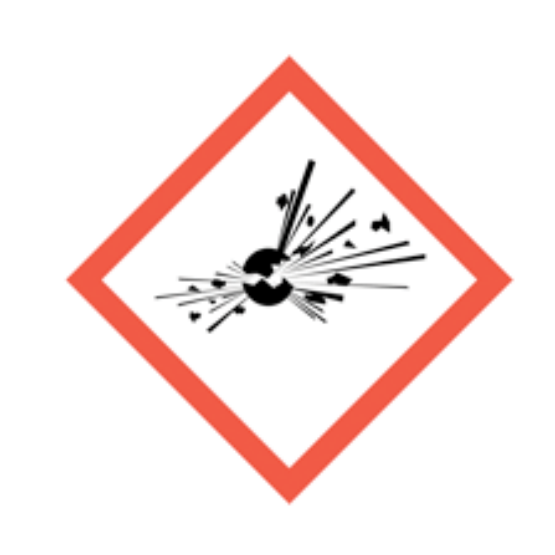
Exploding bomb
Explosive, self-reactive or organic peroxide hazards.
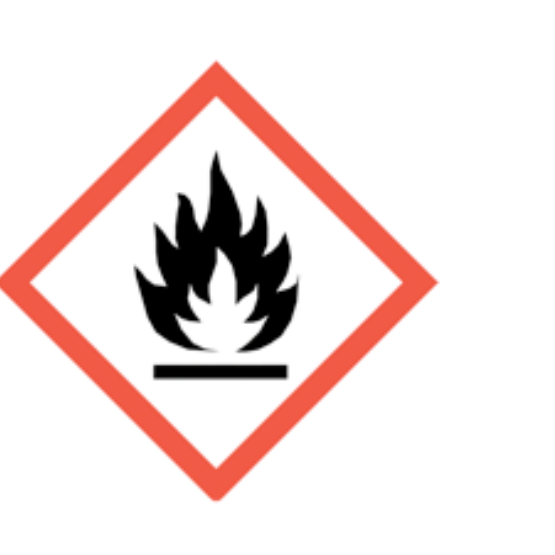
Flame
Flammable, self-heating or pyrophoric substances.
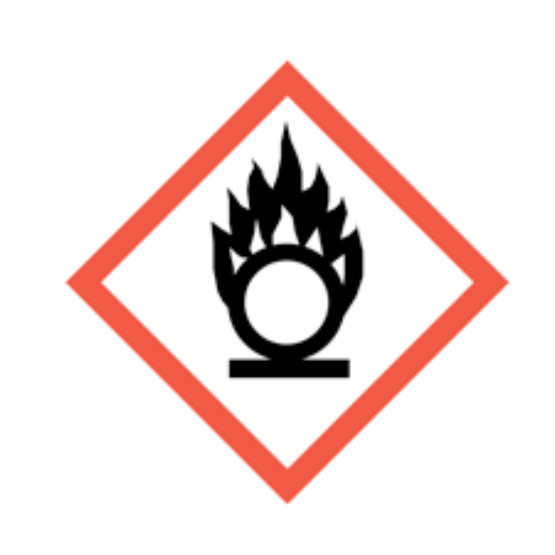
Flame over circle
Oxidising substances that can intensify fire.

Gas cylinder
Gas under pressure.
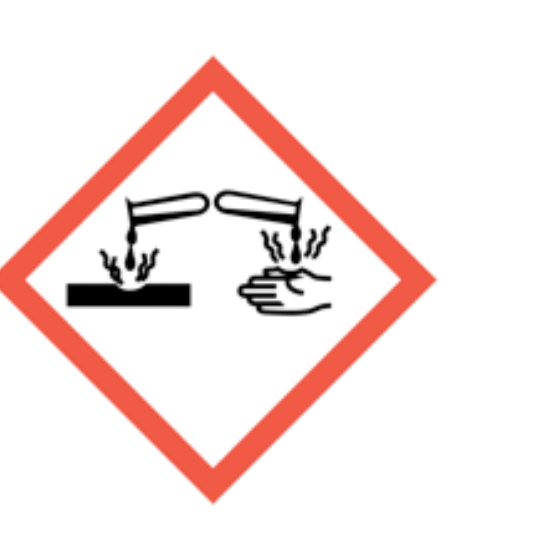
Corrosion
Skin burns, eye damage or corrosive to metals.
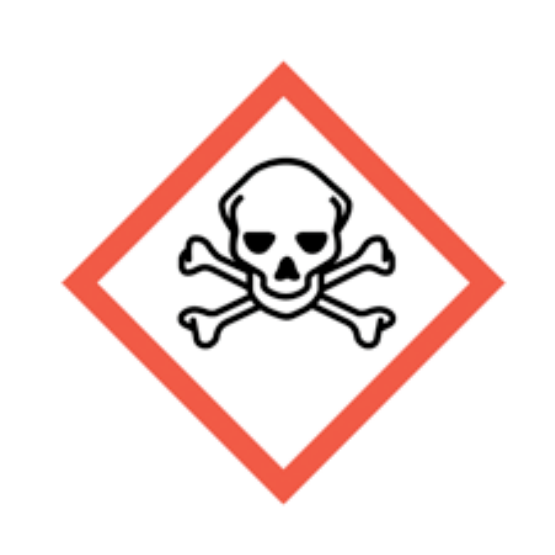
Skull and crossbones
Acute toxicity.

Exclamation mark
Irritation, harmful effects or skin sensitisation; some classifications cover drowsiness, dizziness or ozone-layer hazard. Read the actual hazard statements. Skin sensitisation differs from respiratory sensitisation.
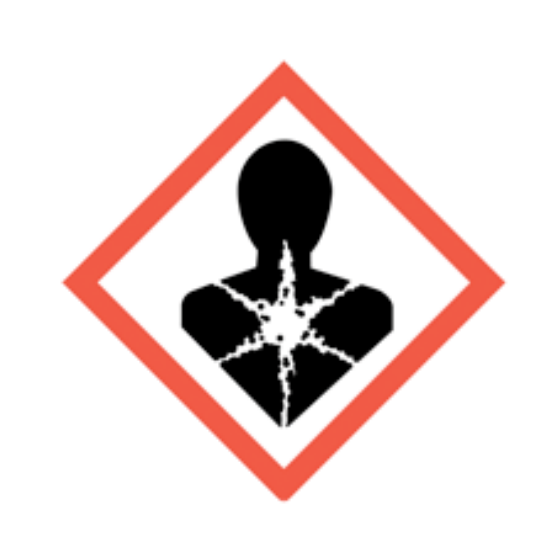
Health hazard
Serious health hazards, including organ damage, aspiration hazard, respiratory sensitisation, cancer and reproductive effects; some can follow a single exposure.
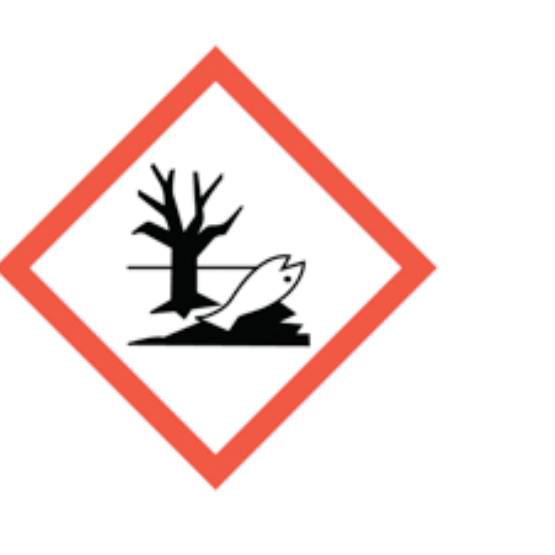
Environment
Hazardous to the aquatic environment.
What do the acronyms and key terms mean?
Use plain language with specialist terms so a worker can understand the next action.
| Term | Meaning | Why it matters |
|---|---|---|
| CKD | Chronic kidney disease | Abnormal kidney structure or function with health implications for more than three months; filtration may be preserved. Clinicians diagnose it; work needs vary. |
| AKI | Acute kidney injury | Sudden decline in kidney function requiring prompt clinical assessment; symptoms may initially be absent. |
| OH | Occupational health | Work-focused advice, distinct from diagnosis by a manager. |
| COSHH | Control of Substances Hazardous to Health | GB and NI have separate regulations; assess the identified substance. |
| LEV | Local exhaust ventilation | Engineering control to capture contamination. |
| SDS | Safety data sheet | Product hazard information; not the completed task assessment. |
| Renal / nephrotoxic | Kidney-related / capable of harming kidneys | Do not infer a particular chemical is nephrotoxic without evidence. |
Unlock another resource
You have used this month’s two free downloads. Publish a post in your own words to unlock one more resource, or choose SHARE Individual for 10 downloads per month.
You decide whether to share. If you do, use the relevant platform disclosure tools and do not make claims you do not genuinely hold.