SHARE Knowledge Hub
Maintenance strategy in process industries
Maintenance in process industries protects equipment and barriers that prevent or limit a major release. The strategy should rank work by failure consequence, detect deterioration and control impaired barriers until safe performance is restored.
Owner: SHARE Knowledge Hub editorial team.
Understanding Maintenance strategy in process industries
Maintenance strategy in process industries is the deliberate selection, scheduling, execution and assurance of work that keeps containment, control and mitigation barriers effective through the plant life cycle.
Why this matters at work
Select preventive, condition-based, predictive, failure-finding or run-to-failure approaches according to failure mechanism and consequence. Time-based replacement suits some age-related mechanisms; monitoring suits detectable deterioration with a useful lead time; periodic function tests reveal hidden protective failures; run-to-failure is inappropriate for a critical barrier without justified redundancy and response. Document the mechanism: corrosion, erosion, fatigue, fouling, seal wear, calibration drift, sticking, insulation breakdown or software/configuration change. Ask what parameter actually precedes failure, whether it can be measured safely, and whether the team can act before the barrier is lost. Avoid substituting a trendy sensor for an examination duty or a specialist damage assessment. Conversely, blind calendar overhaul can introduce infant failures and intrusive-work hazards. Compare planned intervention risk and degradation risk, then set task content, interval and escalation criteria.
State the critical function, required performance, demand mode, failure modes, common-cause vulnerabilities and maximum acceptable impairment. Use competent technical input; distinguish personnel safety, environmental and production criticality so that a single opaque priority score does not hide high-consequence risk.
How organisations manage this in practice
Plan the electrical boundary with current single-line drawings, test for dead using suitable procedures and control re-energisation. Where live work is proposed, apply the specific legal tests and specialist controls rather than treating production convenience as justification. Manage hazardous-area equipment, seals and certification where explosive atmospheres are possible.
An impairment is a temporary loss or reduction of a claimed safeguard through fault, test, bypass, isolation or construction. Track it in a live register visible to operations, with affected function, reason, start time, expected end, authorisation, compensating measures and linked permits. Assess the major accident scenario with the barrier removed and check common dependencies. Two individually tolerable impairments may combine to make operation unacceptable. Control testing and overrides with physical or logical security, shift handover and clear conditions requiring shutdown. Temporary measures need an engineering basis and limited duration; extra rounds or a person at a panel may not replace a fast automatic trip. Escalate extensions and recurring bypasses to technical authority and leadership, and investigate why the original function is unreliable.
A pre-start-up review is a structured check that plant and people are ready to resume the intended hazardous operation. Scope it to the maintenance performed and the risk it could introduce. Major modifications need broader design and hazard review; a routine seal change still needs positive restoration and leak checking. Confirm the physical plant against the work pack: restored guards and connections, correct valves and drains, tools removed, permits reconciled, protective devices available and staff briefed. Check whether adjacent work or shared utilities still prevent safe operation. Define any technically justified operating restrictions and the conditions requiring shutdown. Record what was tested and who accepted the handback. Review leaks, alarms and other findings during initial operation rather than treating the signature as the last check.
Match the maintenance tactic to the failure mechanism
Pump-seal containment can depend on condition, environment and operating history. Condition monitoring, planned replacement and proof of a protective function answer different questions.

Define the failure
Establish the component, function, credible failure mechanism and consequences.
Select and justify
Match maintenance/monitoring or testing to that mechanism and the relevant design basis, recording uncertainty.
Control deferral
Use the authorised defect/impairment process, compensatory measures where justified, a responsible owner, expiry and verified release.
A monitoring trend or deferred work order does not itself prove containment or protection is adequate.
How can I practise this topic in 3D?
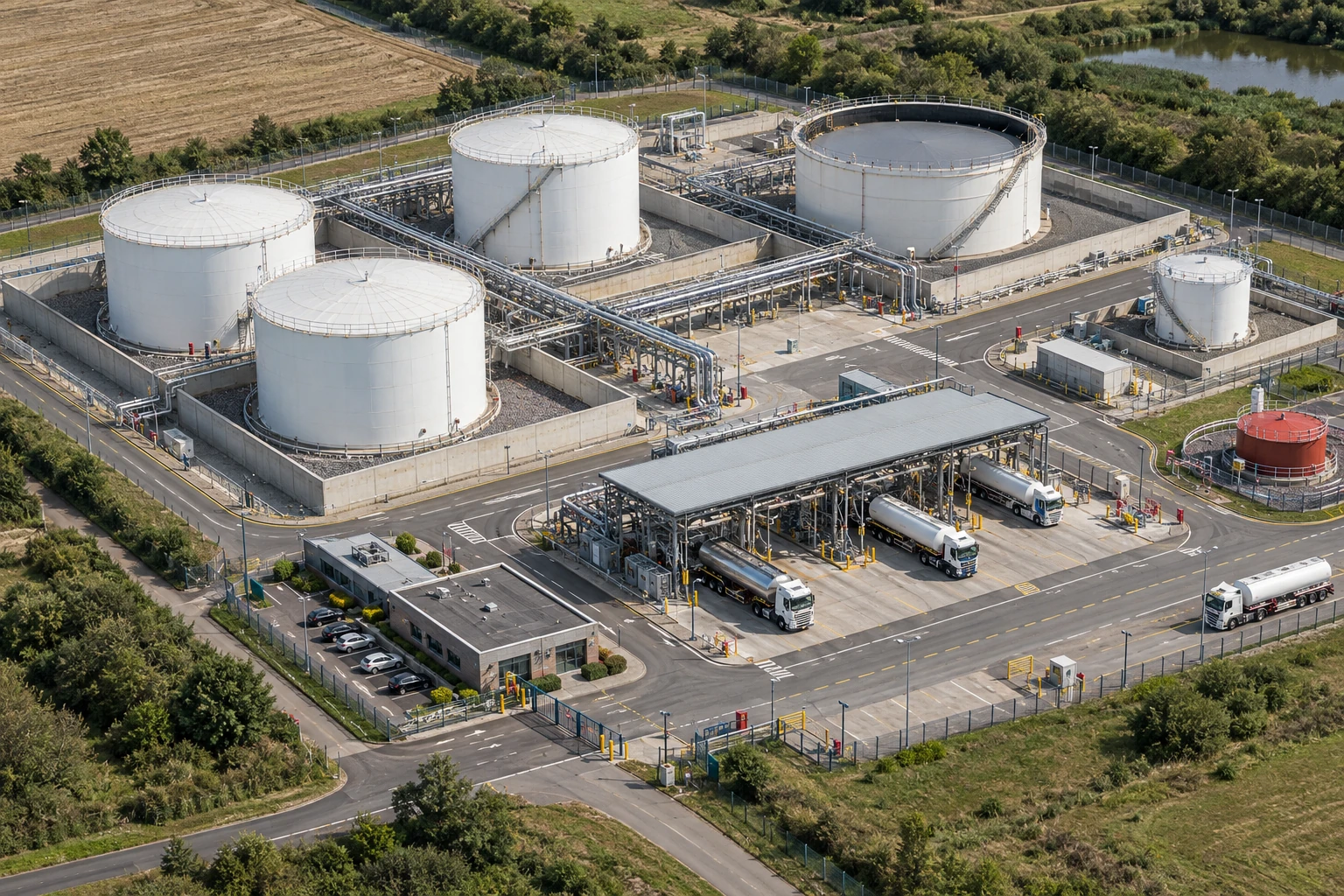

A clean tank shell hides an unresolved floor inspection finding
All related inspection points 2 across 1 location
Crown Fuels terminal 2 inspection points
Practice in the SHAREhub environment. Browser practice is separate from workplace competence and formal learning records.
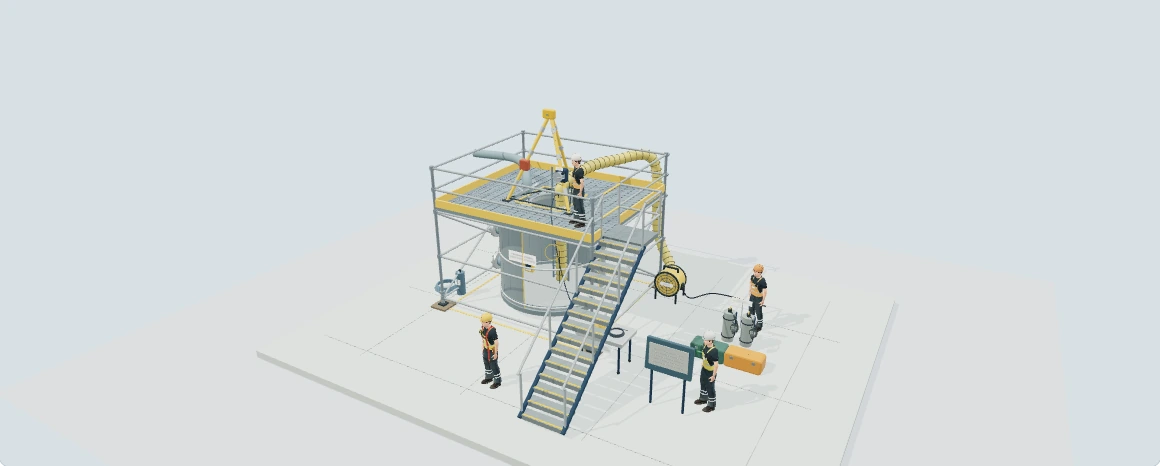
Follow isolation through maintenance and handback
Explore the fictional external pump job from initial protection to work and reinstatement. Link the disturbed-item and blind registers to protected plate removal, remade joints, specified bolting and the separate line-test review.
Included with Paid membership. Authorised staff can review the model. Select Start guided example to follow the authored scenes; browsing stage text alone does not change the model. Stop restores the saved manual example.
The 22-stage example follows initial isolation and inventory recovery; temporary water and collection hoses at the DBB bleed connections; nitrogen to a reviewed top vent; pressure and gas-test evidence; locks and example documents; the protected first break and final spades; external pump work; then protected spade removal, remade joints, specified bolting and a separate line-test and handback review.
Keep the evidence separate. Water appearance and authored zero gauges do not establish cleaning or proof. Zero LEL after nitrogen does not establish a safe atmosphere. No universal torque, tank test pressure, leak-test pass or entry permission is supplied.
Conceptual learning only: no work, first break or confined-space entry is authorised. HSG253 and L101 are GB-origin HSE guidance; use the applicable local law and a competent, plant-specific assessment.
Read the full isolation explanation and source links or use the eight illustrated isolation arrangements on the free topic page.
What is a process-industry maintenance strategy?
A maintenance strategy keeps the equipment and protective barriers that prevent a major release able to perform their specified job. It ranks work by the consequence of failure, monitors deterioration and controls impaired barriers until repair and verification.
Maintenance law: GB and NI


Read the complete visual as text
- Applicable general and equipment law: Identify the territory and actual work before applying workplace, machinery, lifting, pressure, dangerous-substance or confined-space duties.
- COMAH only after scope: Dangerous inventory and the relevant establishment and threshold assessment determine COMAH applicability. Process-industry identity alone does not.
- Technical guidance has a date: Older HSE Technical Measures material can support bounded methods; it is not the current statute or a plant-specific interval, test or repair acceptance.
Best-practice guide: Maintenance strategy in process industries

What is a process-industry maintenance strategy?
A maintenance strategy keeps the equipment and protective barriers that prevent a major release able to perform their specified job. It ranks work by the consequence of failure, monitors deterioration and controls impaired barriers until repair and verification. Maintenance in process industries protects equipment and barriers that prevent or limit a major release.
Turn maintenance strategy in process industries knowledge into a decision
Maintenance in process industries protects equipment and barriers that prevent or limit a major release. The strategy should rank work by failure consequence, detect deterioration and control impaired barriers until safe performance is restored. Retain defect and leak history, risk and impairment decisions, isolation and permit record, repair specification, test result, valve proof-test closure, restart authorisation and overdue-work review.
the process operator fuel transfer barrier decision
Use the approved permit and competent repair method; control ignition sources, adjacent transfer activity and any bypass. Keep communications and emergency response ready. Inspect the seal, line-up and connections; restore every isolation and bypass under control, perform specified protected tests and obtain named operational release.
Loss of containment and barrier failure links
Initiator: Corrosion thins a transfer line or a seal leaks. Top event: Fuel escapes from its intended containment. Preventive barrier: Inspection, maintenance and safe operating limit fail to detect or prevent release.
Choose controls for maintenance strategy in process industries
Eliminate: At design or change review, engineering considers removing the manual intervention or providing monitoring and maintainable access without opening a live process. Reduce: The process engineer assesses whether less hazardous inventory, pressure, temperature or an alternative service arrangement can reduce the consequences of the repair. Isolate: Competent staff specify the actual energy and material isolation, safe draining or cleaning, stored-energy control and any designed supports or physical separation. Control: The coordinator plans permits where appropriate, simultaneous operations, contractors, impairment control and the reinstatement sequence. PPE: The assessment determines eye, skin, hearing and any respiratory protection for remaining exposure and the substance/task. Read the full control table for qualifications, ownership and verification. Use the actual task and applicable jurisdiction; existing technical approval remains unchanged.
Use the full maintenance strategy in process industries lesson
Use the full topic for the decision points, practical examples, detailed control tables and source scope. HSE guidance applies to Great Britain; use HSENI for the Northern Ireland route and the source’s stated jurisdiction. A simplified guide does not change the page’s technical-review or approval status.

Read all six steps as text
1. What is a process-industry maintenance strategy?
A maintenance strategy keeps the equipment and protective barriers that prevent a major release able to perform their specified job.
- Avoid / redesign: At design or change review, engineering considers removing the manual intervention or providing monitoring and maintainable access without opening a live process.
- Control the task: Competent staff specify the actual energy and material isolation, safe draining or cleaning, stored-energy control and any designed supports or physical separation.
- Verify before release: Check whether the redesign actually removes exposure or merely moves it to another task.
A maintenance strategy keeps the equipment and protective barriers that prevent a major release able to perform their specified job. It ranks work by the consequence of failure, monitors deterioration and controls impaired barriers until repair and verification. Maintenance in process industries protects equipment and barriers that prevent or limit a major release.
Apply it: Which part of this plan would you check at the workface before authorising the task?
2. Turn maintenance strategy in process industries knowledge into a decision
Use the evidence to improve the actual work arrangement.
- Change at source: At design or change review, engineering considers removing the manual intervention or providing monitoring and maintainable access without opening a live process.
- Make it observable: Check whether the redesign actually removes exposure or merely moves it to another task.
- Keep useful evidence: Retain defect and leak history, risk and impairment decisions, isolation and permit record, repair specification, test result, valve proof-test closure, restart authorisation and overdue-work review.
Maintenance in process industries protects equipment and barriers that prevent or limit a major release. The strategy should rank work by failure consequence, detect deterioration and control impaired barriers until safe performance is restored. Retain defect and leak history, risk and impairment decisions, isolation and permit record, repair specification, test result, valve proof-test closure, restart authorisation and overdue-work review.
Apply it: What evidence would show that the change improves this task, rather than only completing a record?
3. the process operator fuel transfer barrier decision
Example: a practical application of the existing topic lesson.
- Setting: the process operator must repair a leaking transfer-pump seal at a covered fuel terminal while an emergency shutdown valve proof test is overdue.
- Act: Stop transfer, restrict the affected line, check other credited barriers, choose a safe plant state, isolate and drain the pump, verify the boundary, and authorise the intrusive work only when controls are demonstrated.
- Hold / review: Hold the job or plant if inventory remains, isolation is uncertain, vapour conditions change, the shutdown valve cannot meet its function, or another barrier fails.
Use the approved permit and competent repair method; control ignition sources, adjacent transfer activity and any bypass. Keep communications and emergency response ready. Inspect the seal, line-up and connections; restore every isolation and bypass under control, perform specified protected tests and obtain named operational release.
Apply it: At which point would you hold this example, and what evidence would allow it to proceed?
4. Loss of containment and barrier failure links
Connect the task, the route to the person and the control that can fail.
- Initiator: Corrosion thins a transfer line or a seal leaks.
- Top event: Fuel escapes from its intended containment.
- Preventive barrier: Inspection, maintenance and safe operating limit fail to detect or prevent release.
Initiator: Corrosion thins a transfer line or a seal leaks. Top event: Fuel escapes from its intended containment. Preventive barrier: Inspection, maintenance and safe operating limit fail to detect or prevent release.
Apply it: Who could be exposed, including other trades, cleaners, maintainers and people nearby?
5. Choose controls for maintenance strategy in process industries
Start with the stronger practicable options and verify their effect.
- Eliminate: At design or change review, engineering considers removing the manual intervention or providing monitoring and maintainable access without opening a live process.
- Reduce: The process engineer assesses whether less hazardous inventory, pressure, temperature or an alternative service arrangement can reduce the consequences of the repair.
- Isolate: Competent staff specify the actual energy and material isolation, safe draining or cleaning, stored-energy control and any designed supports or physical separation.
- Control: The coordinator plans permits where appropriate, simultaneous operations, contractors, impairment control and the reinstatement sequence.
- PPE: The assessment determines eye, skin, hearing and any respiratory protection for remaining exposure and the substance/task.
Eliminate: At design or change review, engineering considers removing the manual intervention or providing monitoring and maintainable access without opening a live process. Reduce: The process engineer assesses whether less hazardous inventory, pressure, temperature or an alternative service arrangement can reduce the consequences of the repair. Isolate: Competent staff specify the actual energy and material isolation, safe draining or cleaning, stored-energy control and any designed supports or physical separation. Control: The coordinator plans permits where appropriate, simultaneous operations, contractors, impairment control and the reinstatement sequence. PPE: The assessment determines eye, skin, hearing and any respiratory protection for remaining exposure and the substance/task. Read the full control table for qualifications, ownership and verification. Use the actual task and applicable jurisdiction; existing technical approval remains unchanged.
Apply it: Which stronger option can be used here, and who will verify it before accepting the remaining risk?
6. Use the full maintenance strategy in process industries lesson
Follow the official sources below and retain the task-specific evidence.
- Official guidance: HSE COMAH maintenance procedures
- Official guidance: HSE COMAH plant design codes and monitoring
- Task decision: Retain defect and leak history, risk and impairment decisions, isolation and permit record, repair specification, test result, valve proof-test closure, restart authorisation and overdue-work review.
Use the full topic for the decision points, practical examples, detailed control tables and source scope. HSE guidance applies to Great Britain; use HSENI for the Northern Ireland route and the source’s stated jurisdiction. A simplified guide does not change the page’s technical-review or approval status.
Apply it: Which official source and full-topic section will you use to resolve the next decision?
In a fuel depot, chemical plant or similar process facility, a corroded line can release hazardous material; an unavailable shutdown valve or alarm can then allow escalation. The strategy therefore links each credible loss-of-containment scenario to pressure boundaries, instruments, utilities, isolation and emergency barriers. It is more than a calendar of service jobs. HSE COMAH maintenance procedures and HSE COMAH plant design codes and monitoring set out the regulator approach.
A site must decide what hazards and regimes actually apply. The Control of Major Accident Hazards (COMAH) regimes apply only where the relevant dangerous-substance thresholds and other scope conditions are met; work-equipment and pressure-system duties can also apply outside COMAH.
How can poor maintenance become a major accident?
Degradation can start a release; failed detection, shutdown or containment can turn it into fire, explosion, toxic exposure or environmental damage.
Corrosion, erosion, fatigue, vibration, seal wear, instrument drift and wrong replacement parts can undermine plant integrity. A missed inspection may let wall loss progress; a valve that sticks on demand may fail to isolate; a relief device fitted incorrectly can leave pressure uncontrolled. People doing repair may also create an ignition source or open plant that still contains hazardous material. HSE COMAH inspection and non-destructive testing and HSE COMAH maintenance procedures.
| Stage | Credible failure | Consequence or check |
|---|---|---|
| Initiator | Corrosion thins a transfer line or a seal leaks. | Inspect against the expected damage mechanism, not a generic checklist. |
| Top event | Fuel escapes from its intended containment. | Stop transfer and isolate from protected positions. |
| Preventive barrier | Inspection, maintenance and safe operating limit fail to detect or prevent release. | Trace overdue work, defect closure and test evidence. |
| Mitigative barrier | Gas detection, automatic isolation or fire response is impaired. | Apply approved impairment controls and restore after a protected test. |
How do preventive, predictive and corrective maintenance differ?
Use planned work to prevent known failure modes, condition evidence to detect emerging faults, and controlled repair to correct defects. The criticality of the barrier decides priority and permitted downtime.
Select a maintenance tactic


Read the complete visual as text
- Start: An asset, component or human task performs or supports an operational or safety function.
- Question 1: Is the credible failure scenario known? Decision owner: Equipment owner, competent maintainer and receiving operations authority.
- YES: The named evidence is confirmed. Continue the next applicable check. Owner: Equipment owner, competent maintainer and receiving operations authority. CONTINUE → QUESTION 2.
- NO / UNKNOWN — HOLD: The strategy owner identifies how failure can initiate, fail to detect, control or mitigate the event. Owner: Equipment owner, competent maintainer and receiving operations authority. HOLD → REPEAT QUESTION 1 AFTER CORRECTION.
- Question 2: Are function, performance, conditions and dependencies defined? Decision owner: Equipment owner, competent maintainer and receiving operations authority.
- YES: The named evidence is confirmed. Continue the next applicable check. Owner: Equipment owner, competent maintainer and receiving operations authority. CONTINUE → QUESTION 3.
- NO / UNKNOWN — HOLD: Hold tactic selection until the competent owner defines the performance standard. Owner: Equipment owner, competent maintainer and receiving operations authority. HOLD → REPEAT QUESTION 2 AFTER CORRECTION.
- Question 3: What does the failure-mechanism evidence support? Decision owner: Equipment owner, competent maintainer and receiving operations authority.
- DETECTABLE DETERIORATION: Propose a suitable condition method, coverage and response point. Owner: Equipment owner, competent maintainer and receiving operations authority. CONTINUE → QUESTION 4.
- AGE / USE RELATIONSHIP: Propose justified preventive maintenance; do not select a calendar by habit. Owner: Equipment owner, competent maintainer and receiving operations authority. CONTINUE → QUESTION 4.
- HIDDEN SAFETY FUNCTION: Propose a proof test covering the complete function and restoration. Owner: Equipment owner, competent maintainer and receiving operations authority. CONTINUE → QUESTION 4.
- NO UNACCEPTABLE SAFETY CONSEQUENCE: Consider corrective maintenance only with common-cause, repair-time and degraded-state controls; otherwise redesign or hold. Owner: Equipment owner, competent maintainer and receiving operations authority. CONTINUE → QUESTION 4.
- UNKNOWN — HOLD: Obtain competent evidence of mechanism, detectability, coverage and consequence. Owner: Equipment owner, competent maintainer and receiving operations authority. HOLD → REPEAT QUESTION 3 AFTER CORRECTION.
- Question 4: Does intervention create greater or different risk? Decision owner: Equipment owner, competent maintainer and receiving operations authority.
- YES — REASSESS: Redesign or optimise with competent review, then repeat the intervention-risk check. Owner: Equipment owner, competent maintainer and receiving operations authority. HOLD → REPEAT QUESTION 4 AFTER CORRECTION.
- NO: The named strategy owner approves the evidenced tactic; no interval, SIL or remaining life is supplied. Owner: Equipment owner, competent maintainer and receiving operations authority. OUTCOME → RECORD AND HAND OVER.
- UNKNOWN — HOLD: Resolve intervention risk; do not simply delete assurance. Owner: Equipment owner, competent maintainer and receiving operations authority. HOLD → REPEAT QUESTION 4 AFTER CORRECTION.
- Outcome: Condition based; preventive; proof test; redesign; controlled corrective; strategy held for missing evidence.
- Stop and escalation boundary: This learning route supplies no design value, operating setting, clinical diagnosis or site permission. The actual procedure, jurisdiction and competent local authority govern.
Preventive work includes specified inspection, cleaning, replacement and functional checks before failure. Predictive or condition-based work uses relevant measurements such as vibration, temperature, leakage or wall thickness to identify degradation. Corrective work repairs an observed defect. A run-to-failure choice is only defensible if the item is not needed to prevent or mitigate a significant scenario and the consequences are understood. HSE COMAH plant design codes and monitoring and HSE COMAH maintenance procedures.
| Mode | Example | Decision and evidence |
|---|---|---|
| Preventive | Inspect a transfer hose to an approved plan. | Defined task, interval, competence and completion record. |
| Condition-based | Trend corrosion thickness or pump vibration. | Measurement method fits the damage mechanism; trend limit triggers action. |
| Corrective | Repair a leaking seal or failed shutdown valve. | Risk-rank the defect, hold or restrict plant, then verify the repaired function. |
| Run to failure | A non-safety-critical indicator with safe redundancy. | Only after documented consequence assessment; never assume this is acceptable for a credited barrier. |
Which equipment is safety critical?
An item is safety critical when a credible major-accident scenario relies on it to prevent, detect, control or mitigate the event. Define what it must do and how performance will be demonstrated.
An inventory should identify the hazard scenario, barrier, required action, operating conditions, owner, inspection or proof-test method, acceptance criteria, allowed impairment and restoration evidence. Pressure boundaries, relief devices, emergency shutdown valves, detectors, alarms and essential utilities may qualify, depending on the site assessment. A certificate or work order closure does not alone prove the installed barrier performs. HSE COMAH control systems and HSE COMAH maintenance procedures.
What is proof testing and what are its limits?
A proof test deliberately challenges a specified protective function to reveal dangerous hidden failures. It needs a controlled method, acceptance criteria and safe restoration of every bypass.
Scenario → barrier → maintenance tactic


Read the complete visual as text
- Start with consequence: Name the credible event that failure can initiate, fail to detect, fail to control or fail to mitigate. Identify the inventory, people and environmental receptors.
- Define required performance: State the function, conditions, dependencies and acceptable evidence. An alarm, trip, containment item or human response needs its own performance basis.
- Choose a justified tactic: Use the credible failure mechanism and detectability to select condition monitoring, preventive work, complete-function proof testing or redesign. Do not select an interval by habit.
For a shutdown loop, specify the demand, sensor and logic response, valve travel or other final action, and required safe state. Plan the test so the plant remains protected; record any inhibited alarm or trip and who authorised it. A partial test may not demonstrate the full function. A failed test is an impaired barrier that needs an operating decision, not merely a maintenance job number. Test interval and scope come from the design basis and hazard analysis, not a universal number. HSE COMAH control systems and HSE COMAH maintenance procedures.
Keep as-found and as-left evidence
Illustrative proof-test record: shutdown valve/function and operating mode; required scope and coverage; as-found failure and open defect; repair; as-left result; bypasses restored; untested limitations; operating restriction; technical checker and named operational release. Keep the as-found failure after repair: it informs barrier reliability and cannot be erased by a passing as-left result or closed work order. No interval or live-plant method is implied.
How should backlog and deferrals be controlled?
Rank overdue work by the scenario and barrier it affects. Escalate a safety-critical deferral before its due point becomes an unexamined acceptance of major-accident risk.
A backlog list needs asset identity, function, defect or task, due date, consequence, interim control, owner and review date. Count and age are useful, but an overdue emergency isolation valve can matter more than many low-risk jobs. A manager should challenge repeated deferrals, missing parts and temporary workarounds against actual operating conditions; shut down or restrict operations if barrier confidence is lost. HSE COMAH maintenance procedures and HSE HSG254 Developing process safety indicators.
| Signal | Required decision | Evidence |
|---|---|---|
| Safety-critical proof test overdue | Identify the credited scenario and any overlap with other impaired barriers; decide restriction or shutdown. | Named risk decision, interim measure, new date and management review. |
| Repeat defect after repair | Investigate failure mode, repair quality and design; do not reset the clock. | History, root cause, protected retest and closure. |
| Missing specialist spare | Assess whether the barrier can meet its function; secure suitable replacement or restrict plant. | Specification, procurement and impairment record. |
Check the separate statutory boundary
Internal impairment approval does not extend a statutory examination date, override a prohibition or change the protective-function design basis. The deferral owner checks whether a separate statutory examination/postponement route applies; the pressure-system competent person’s responsibilities remain distinct from the manager’s operating decision.
When is a temporary repair acceptable?
A temporary repair needs a competent, time-limited engineering decision that demonstrates the plant can remain within safe operating limits. It must not hide an unresolved pressure or containment threat.
Defect deferral or temporary repair
2 linked parts. Follow the question numbers and complete the applicable route.
Part 1 of 2 · Questions 1–3

Continue · Part 2 of 2 · Questions 4–5


Read the complete visual as text
- Start: A safety-critical defect is found or work cannot be completed by its approved due point.
- Question 1: Is there active release, instability, failed protection or immediate danger? Decision owner: Equipment owner, competent maintainer and receiving operations authority.
- YES — EMERGENCY: Use emergency or safe-shutdown arrangements; do not defer. Owner: Equipment owner, competent maintainer and receiving operations authority. STOP / REFER → APPROPRIATE RESPONSE.
- NO: Continue the remaining checks; this does not release the task. Owner: Equipment owner, competent maintainer and receiving operations authority. CONTINUE → QUESTION 2.
- UNKNOWN — PROTECT FIRST: Hold and obtain safe-state confirmation from the competent operational owner. Owner: Equipment owner, competent maintainer and receiving operations authority. STOP / REFER → APPROPRIATE RESPONSE.
- Question 2: Are mechanism, extent, trend and uncertainty understood? Decision owner: Equipment owner, competent maintainer and receiving operations authority.
- YES: The named evidence is confirmed. Continue the next applicable check. Owner: Equipment owner, competent maintainer and receiving operations authority. CONTINUE → QUESTION 3.
- NO / UNKNOWN — HOLD: Hold or reduce risk until competent damage/condition evidence is obtained. Owner: Equipment owner, competent maintainer and receiving operations authority. HOLD → REPEAT QUESTION 2 AFTER CORRECTION.
- Question 3: Is the combined scenario and barrier state adequately understood and supportable? Decision owner: Equipment owner, competent maintainer and receiving operations authority.
- YES: Record the affected scenario, function, inventory and all concurrent impairments. Understanding is not operating permission. Owner: Equipment owner, competent maintainer and receiving operations authority. CONTINUE → QUESTION 4.
- NO / UNKNOWN — HOLD: Hold, reduce inventory or shut down safely; include other barriers, overrides and temporary repairs. Owner: Equipment owner, competent maintainer and receiving operations authority. HOLD → REPEAT QUESTION 3 AFTER CORRECTION.
- Question 4: Can competent engineered repair or time-limited deferral preserve required performance? Decision owner: Equipment owner, competent maintainer and receiving operations authority.
- YES: The named evidence is confirmed. Continue the next applicable check. Owner: Equipment owner, competent maintainer and receiving operations authority. CONTINUE → QUESTION 5.
- NO / UNKNOWN — HOLD: Reject continued degraded operation; repair permanently, reduce inventory or shut down safely. Owner: Equipment owner, competent maintainer and receiving operations authority. HOLD → REPEAT QUESTION 4 AFTER CORRECTION.
- Question 5: Are legal requirements, limits, measures, monitoring, authority and hard endpoint approved? Decision owner: Equipment owner, competent maintainer and receiving operations authority.
- YES: Implement only approved controls, communicate across shifts, monitor and fund permanent resolution. Stop early if process, condition, barrier state or evidence changes. Owner: Equipment owner, competent maintainer and receiving operations authority. OUTCOME → RECORD AND HAND OVER.
- NO / UNKNOWN — HOLD: Reject the proposal. The competent authority resolves the missing legal or performance basis. Owner: Equipment owner, competent maintainer and receiving operations authority. HOLD → REPEAT QUESTION 5 AFTER CORRECTION.
- Outcome: Emergency action; evidence hold; permanent repair; shutdown; time-limited controlled operation; early stop.
- Stop and escalation boundary: This learning route supplies no design value, operating setting, clinical diagnosis or site permission. The actual procedure, jurisdiction and competent local authority govern.
Record the defect and damage mechanism, the repair design and materials, applicable code and inspection, operating restrictions, expiry or trigger, monitoring, permanent-work plan and named approval. Consider whether the repair changes the process, instrument or emergency response and therefore needs formal change control. If integrity cannot be demonstrated, hold the plant. HSE COMAH maintenance procedures and HSE COMAH plant modification and change procedures.
How is maintenance planned around a live process?
Plan the plant state and interfaces before access. Identify hazardous inventory, pressure, electricity, ignition sources, adjacent operations and the loss of any protection during the work.
Where practicable, perform intrusive work in a shutdown state. For necessary work near live plant, coordinate operations and maintenance, define isolation, draining, purging or flushing, atmospheric checks, permit boundaries and emergency arrangements. A permit records control; it does not replace correct isolation or competence. Protect against simultaneous operations and handovers, including contractors. HSE COMAH maintenance procedures and HSE maintenance of work equipment.
After repair, inspect the assembled equipment, remove temporary devices under control, confirm valve line-up and instrument settings, restore bypassed alarms and trips, carry out specified protected tests and authorise recommissioning. Wrong gaskets, reversed valves and left-out components can create a new initiating event.
How can the hierarchy of controls prevent process-equipment failure and maintenance exposure?
Reduce the need for hazardous intervention through the plant design and maintenance strategy, then establish a verified safe plant state for unavoidable work. A work permit, suitable PPE or a completed work order cannot compensate for uncontrolled hazardous inventory or energy.
Illustrative decision: a fuel-transfer pump needs repair while neighbouring equipment may remain operating. The process engineer defines the safe plant state and isolation boundary; operations and maintenance agree the interfaces before a job is authorised. These options require site-specific engineering assessment rather than an improvised isolation method.
ERICPD means Eliminate, Reduce (including substitution), Isolate, Control, PPE and Discipline. The five-level hierarchy groups measures as elimination, substitution, engineering controls, administrative controls and PPE. They overlap: isolation is usually an engineering measure; control can include engineered and administrative measures. Discipline means maintaining and checking the controls, supervising the method and learning from defects, rather than blaming someone or accepting weaker protection.
How can the ERICPD hierarchy of controls prevent process-equipment failure and maintenance exposure?

| ERICPD and five-level position | Intervention and owner | Verification, failure and stop point |
|---|---|---|
| Eliminate / elimination | At design or change review, engineering considers removing the manual intervention or providing monitoring and maintainable access without opening a live process. Operations considers a planned shutdown that removes the live-process conflict. | Check whether the redesign actually removes exposure or merely moves it to another task. Unknown plant condition or an unresolved process interface prevents release of the work. |
| Reduce / substitution when replacing a hazard; otherwise engineering or administrative risk reduction | The process engineer assesses whether less hazardous inventory, pressure, temperature or an alternative service arrangement can reduce the consequences of the repair. Assess chemistry, material compatibility and process performance before changing conditions. | Use the approved change process and document operating limits. Reduced inventory still presents residual fire or exposure risk; a process change is not permission to begin dismantling. |
| Isolate / engineering | Competent staff specify the actual energy and material isolation, safe draining or cleaning, stored-energy control and any designed supports or physical separation. Operations verifies the identified boundary and linked equipment under the site method. | Record the required verification and safe condition before access. Leakage, uncertain valve identity, residual pressure, an unrecognised connection or unstable part holds the job for engineering resolution. |
| Control / administrative | The coordinator plans permits where appropriate, simultaneous operations, contractors, impairment control and the reinstatement sequence. The engineer defines the repair specification and any required protected test. | Check that the work matches the permit and specification throughout. A change of scope, unexpected condition or unapproved bypass stops the job and prompts reassessment. |
| PPE / PPE | The assessment determines eye, skin, hearing and any respiratory protection for remaining exposure and the substance/task. A competent selector checks compatibility, fit, maintenance and limitations; improvised respiratory protection is not an answer to unknown exposure. | Check PPE before use and replace damaged items. Uncontrolled leakage, an uncertain atmosphere or an unverified safe state requires withdrawal and the site response, not stronger PPE alone. |
| Discipline / sustained engineering and administrative controls | Operations, maintenance and engineering maintain the barrier register, inspect isolation and work arrangements, control deferrals and verify restoration. Management resolves repeated failures and funds the permanent correction. | Retain test results, outstanding limitations, named hand-back and restoration of credited barriers. A failed safety function or unaccounted impairment prevents normal operation until competently resolved. |
How can the ISO 45001 hierarchy of controls prevent process-equipment failure and maintenance exposure?

| ERICPD and five-level position | Intervention and owner | Verification, failure and stop point |
|---|---|---|
| Eliminate / elimination | At design or change review, engineering considers removing the manual intervention or providing monitoring and maintainable access without opening a live process. Operations considers a planned shutdown that removes the live-process conflict. | Check whether the redesign actually removes exposure or merely moves it to another task. Unknown plant condition or an unresolved process interface prevents release of the work. |
| Reduce / substitution when replacing a hazard; otherwise engineering or administrative risk reduction | The process engineer assesses whether less hazardous inventory, pressure, temperature or an alternative service arrangement can reduce the consequences of the repair. Assess chemistry, material compatibility and process performance before changing conditions. | Use the approved change process and document operating limits. Reduced inventory still presents residual fire or exposure risk; a process change is not permission to begin dismantling. |
| Isolate / engineering | Competent staff specify the actual energy and material isolation, safe draining or cleaning, stored-energy control and any designed supports or physical separation. Operations verifies the identified boundary and linked equipment under the site method. | Record the required verification and safe condition before access. Leakage, uncertain valve identity, residual pressure, an unrecognised connection or unstable part holds the job for engineering resolution. |
| Control / administrative | The coordinator plans permits where appropriate, simultaneous operations, contractors, impairment control and the reinstatement sequence. The engineer defines the repair specification and any required protected test. | Check that the work matches the permit and specification throughout. A change of scope, unexpected condition or unapproved bypass stops the job and prompts reassessment. |
| PPE / PPE | The assessment determines eye, skin, hearing and any respiratory protection for remaining exposure and the substance/task. A competent selector checks compatibility, fit, maintenance and limitations; improvised respiratory protection is not an answer to unknown exposure. | Check PPE before use and replace damaged items. Uncontrolled leakage, an uncertain atmosphere or an unverified safe state requires withdrawal and the site response, not stronger PPE alone. |
| Discipline / sustained engineering and administrative controls | Operations, maintenance and engineering maintain the barrier register, inspect isolation and work arrangements, control deferrals and verify restoration. Management resolves repeated failures and funds the permanent correction. | Retain test results, outstanding limitations, named hand-back and restoration of credited barriers. A failed safety function or unaccounted impairment prevents normal operation until competently resolved. |
The comparison is an original illustrative application of the general HSE hierarchy, not a machine-specific method, permit or design approval. The employer must choose measures for the actual work and jurisdiction. Apply the separate Northern Ireland legal route where relevant; the local assessment and competent technical decision govern release.
What does a safe decision look like at a fuel terminal?
A leaking pump plus an overdue shutdown-valve test is a combined barrier problem. Crownway must decide whether it can safely isolate, repair and later operate the line, with evidence at each hold point.
Safe maintenance work-control chain


Read the complete visual as text
- Avoid and define: Consider avoiding entry or intrusive work. Identify the asset, contents, feeds, backfeeds and energy against field conditions.
- Isolate and prove: Use a suitable assessed isolation, secure it, remove or restrain stored energy and prove at the relevant work point. A permit coordinates work; it does not physically isolate.
- Coordinate and hand back: Resolve simultaneous work, exposure, confined-space and rescue interfaces. Reconcile temporary items, test the restored function and transfer to named operations authority.
Backlog, impairment and temporary repair


Read the complete visual as text
- Describe what is weak: Identify defect extent, trend, uncertainty, scenario and safety function. Include concurrent overrides, overdue tests and temporary repairs.
- Assess combined risk: Unknown or unacceptable barrier state requires hold, reduced exposure or safe shutdown. A low injury rate does not evidence process protection.
- Govern any temporary state: A competent, lawful proposal needs actual compensating measures, limits, monitoring, owner, review point and hard endpoint. Changed condition stops the temporary arrangement early.
Post maintenance restart and hand back
2 linked parts. Follow the question numbers and complete the applicable route.
Part 1 of 2 · Questions 1–3

Continue · Part 2 of 2 · Questions 4–5


Read the complete visual as text
- Start: Maintenance, test, inspection, temporary work or a shutdown scope is reported complete.
- Question 1: Is physical completion reconciled, including parts, supports, guards and temporary items? Decision owner: Equipment owner, competent maintainer and receiving operations authority.
- YES: The named evidence is confirmed. Continue the next applicable check. Owner: Equipment owner, competent maintainer and receiving operations authority. CONTINUE → QUESTION 2.
- NO / UNKNOWN — HOLD: Hold startup; maintainer and operations resolve the discrepancy. Owner: Equipment owner, competent maintainer and receiving operations authority. HOLD → REPEAT QUESTION 1 AFTER CORRECTION.
- Question 2: Are settings, software, alarms, trips, valves, utilities and overrides restored and tested? Decision owner: Equipment owner, competent maintainer and receiving operations authority.
- YES: The named evidence is confirmed. Continue the next applicable check. Owner: Equipment owner, competent maintainer and receiving operations authority. CONTINUE → QUESTION 3.
- NO / UNKNOWN — HOLD: Hold startup and prove the complete affected function against acceptance criteria. Owner: Equipment owner, competent maintainer and receiving operations authority. HOLD → REPEAT QUESTION 2 AFTER CORRECTION.
- Question 3: Are statutory and competent-person requirements satisfied and documents current? Decision owner: Equipment owner, competent maintainer and receiving operations authority.
- YES: The named evidence is confirmed. Continue the next applicable check. Owner: Equipment owner, competent maintainer and receiving operations authority. CONTINUE → QUESTION 4.
- NO / UNKNOWN — HOLD: Hold startup until the relevant inspection, examination and legal evidence is complete. Owner: Equipment owner, competent maintainer and receiving operations authority. HOLD → REPEAT QUESTION 3 AFTER CORRECTION.
- Question 4: Are open items classified, authorised and compatible with startup and emergency response? Decision owner: Equipment owner, competent maintainer and receiving operations authority.
- YES: The named evidence is confirmed. Continue the next applicable check. Owner: Equipment owner, competent maintainer and receiving operations authority. CONTINUE → QUESTION 5.
- NO / UNKNOWN — HOLD: Resolve the safety-critical item or reduce startup scope; do not grant a default exception. Owner: Equipment owner, competent maintainer and receiving operations authority. HOLD → REPEAT QUESTION 4 AFTER CORRECTION.
- Question 5: Are operators briefed on configuration, limits, monitoring, contingencies and hold points? Decision owner: Equipment owner, competent maintainer and receiving operations authority.
- YES: Named operations authority accepts hand-back and conducts staged startup with monitoring; failed criteria return to a defined safe state. Owner: Equipment owner, competent maintainer and receiving operations authority. OUTCOME → RECORD AND HAND OVER.
- NO / UNKNOWN — HOLD: Hold startup and complete the briefing and shift transfer. Owner: Equipment owner, competent maintainer and receiving operations authority. HOLD → REPEAT QUESTION 5 AFTER CORRECTION.
- Outcome: Completion hold; function-test hold; legal hold; accepted limitations; staged startup; abnormal-condition stop.
- Stop and escalation boundary: This learning route supplies no design value, operating setting, clinical diagnosis or site permission. The actual procedure, jurisdiction and competent local authority govern.
Crownway fuel transfer barrier decision
Task material and setting: Crownway Fuels Ltd must repair a leaking transfer-pump seal at a covered fuel terminal while an emergency shutdown valve proof test is overdue. Flammable liquid and vapour could escape to workers and nearby operations.
People and prerequisites: Operators, maintainers, a contractor, the control room and emergency team need the same plant identity, inventory and impairment picture. The engineer reviews the credited shutdown barrier and the job method.
Before: Stop transfer, restrict the affected line, check other credited barriers, choose a safe plant state, isolate and drain the pump, verify the boundary, and authorise the intrusive work only when controls are demonstrated.
During: Use the approved permit and competent repair method; control ignition sources, adjacent transfer activity and any bypass. Keep communications and emergency response ready.
Hold or stop: Hold the job or plant if inventory remains, isolation is uncertain, vapour conditions change, the shutdown valve cannot meet its function, or another barrier fails. No production deadline overrides the barrier decision.
Completion and hand back: Inspect the seal, line-up and connections; restore every isolation and bypass under control, perform specified protected tests and obtain named operational release.
Evidence: Retain defect and leak history, risk and impairment decisions, isolation and permit record, repair specification, test result, valve proof-test closure, restart authorisation and overdue-work review.
What changes across process settings?
The strategy follows the credible hazardous inventory and barrier function; the same calendar or test plan is not portable across sites.
| Setting | Main loss route | Maintenance decision |
|---|---|---|
| Fuel terminal | Transfer hose or pump seal leak with ignition. | For a leaking transfer seal, confirm the planned isolation, test the shutdown valve and hold restart if either barrier is unavailable. Sources: HSE COMAH maintenance procedures; HSE COMAH emergency isolation; HSE COMAH control systems. |
| Chemical reactor | Cooling or control failure allows heat and pressure escalation. | For a cooling-system defect, rank the failed utility and trip as critical barriers; hold the reactor until testing proves the safe operating envelope. Sources: HSE COMAH plant design codes and monitoring; HSE COMAH control systems; HSE HSG254 Developing process safety indicators. |
| Water treatment chemical store | Corroded line or failed detector permits toxic release. | For a corroded chemical line, assess the actual substance and containment, repair and prove detection; stop transfer if release control is uncertain. Sources: HSE COSHH assessment and containment; HSENI COSHH risk and control; HSE maintenance of work equipment. |
| Food or pharmaceutical plant | Refrigerant or pressure equipment may cause release even when product is not COMAH. | For a refrigerant or pressure defect, establish the actual PSSR scope and written scheme, then hold use until the competent repair and applicable examination are complete. Sources: HSE maintenance of work equipment; HSE pressure systems regulations overview. |
Who owns the decision and evidence?
Operators recognise degraded plant; maintenance plans and executes work; engineers define the barrier standard; managers authorise risk decisions and resources.
Barrier performance and assurance


Read the complete visual as text
- Required function: Define what must happen, under which demand and conditions, and who owns the function. Include dependencies and the final physical action.
- As-found evidence: Retain inspection, condition, test and response evidence that reveals the actual state. A completed work order alone does not prove the barrier works.
- Act on the gap: A failed test, unknown condition or degraded dependency changes the live operating decision. Combine impairments and obtain competent assessment, not a default grace period.
Workers must have a clear route to stop and report a leak, failed test or unsafe isolation. Planners must know which jobs affect credited barriers and coordinate spares and outages. A technical authority resolves changed intervals, temporary repairs and uncertain integrity. Operations controls the plant state and restart. Leaders challenge the safety-critical backlog, multiple impairments and weak proof of closure. HSE COMAH maintenance procedures and HSE HSG254 Developing process safety indicators.
What competence is needed at each level?
Authorise people for the decision they actually make, test practical performance and reassess when the plant, substance or method changes.
| Role | What to learn | Practical proof | Assessor and record | Reassessment trigger |
|---|---|---|---|---|
| New worker or nearby person | Recognise leaks, alarms, exclusion and emergency route; do not intervene. | Points out a defect and raises the correct alarm in a walkthrough. | Supervisor records awareness scope. | New area, substance or abnormal event. |
| Operator | Know plant limits, barrier impairments, safe stop and handover. | Scenario exercise: stop transfer and report a failed shutdown response. | Operations lead signs machine/area scope. | Changed process, alarm or observed drift. |
| Maintainer or contractor | Know asset, isolation, hazardous substances, permit, test and handback. | Practical demonstration of the approved work and verified boundary. | Maintenance lead and operations confirm authority. | New plant, method, failure or contractor scope. |
| Engineer or technical authority | Define damage mechanism, function standard, intervals and temporary repair limits. | Reviews a missed proof test and documents safe restriction or shutdown. | Independent competent technical reviewer. | New hazard data, modification or repeated defect. |
| Supervisor or manager | Coordinate simultaneous work, prioritise backlog, decide impaired-barrier operating state. | Defends a hold decision with scenario, evidence, controls and owner. | Responsible leader samples decisions and records. | Accumulated deferrals or incident. |
| Safety adviser or auditor | Trace legal jurisdiction and barriers to field evidence and trend measures. | Samples work orders, tests and deferral decisions against scenario. | Independent competent review. | Law, site inventory or assurance finding. |
Which legal routes apply in Great Britain and Northern Ireland?
COMAH is threshold-based and has separate GB and NI instruments. Work-equipment, pressure-system and dangerous-substances duties may also apply where the plant and hazards meet their own scope.
Release intrusive maintenance
2 linked parts. Follow the question numbers and complete the applicable route.
Part 1 of 2 · Questions 1–3

Continue · Part 2 of 2 · Questions 4–5


Read the complete visual as text
- Start: Maintenance will open containment, enter a danger area or expose people to process or stored energy.
- Question 1: Are asset, connected systems, contents and energy paths known and field-verified? Decision owner: Equipment owner, competent maintainer and receiving operations authority.
- YES: The named evidence is confirmed. Continue the next applicable check. Owner: Equipment owner, competent maintainer and receiving operations authority. CONTINUE → QUESTION 2.
- NO / UNKNOWN — HOLD: Hold; the plant owner and competent isolator reconcile drawings, tags and the actual plant. Owner: Equipment owner, competent maintainer and receiving operations authority. HOLD → REPEAT QUESTION 1 AFTER CORRECTION.
- Question 2: Can work be avoided, moved or done outside the hazard? Decision owner: Equipment owner, competent maintainer and receiving operations authority.
- YES: Use the assessed safer alternative. Adopt the safer method and reassess its remaining risks; do not enter by default. Owner: Equipment owner, competent maintainer and receiving operations authority. OUTCOME → RECORD AND HAND OVER.
- NO: Continue the intrusive-work isolation design. Owner: Equipment owner, competent maintainer and receiving operations authority. CONTINUE → QUESTION 3.
- UNKNOWN — HOLD: Investigate safer alternatives before the intrusive route. Owner: Equipment owner, competent maintainer and receiving operations authority. HOLD → REPEAT QUESTION 2 AFTER CORRECTION.
- Question 3: Is isolation designed and authorised for substance, pressure, consequence and task? Decision owner: Equipment owner, competent maintainer and receiving operations authority.
- YES: The named evidence is confirmed. Continue the next applicable check. Owner: Equipment owner, competent maintainer and receiving operations authority. CONTINUE → QUESTION 4.
- NO / UNKNOWN — HOLD: Do not begin. Obtain the approved isolation basis and named authority. Owner: Equipment owner, competent maintainer and receiving operations authority. HOLD → REPEAT QUESTION 3 AFTER CORRECTION.
- Question 4: Is every source secured, made safe as required and proved by a suitable method? Decision owner: Equipment owner, competent maintainer and receiving operations authority.
- YES: The named evidence is confirmed. Continue the next applicable check. Owner: Equipment owner, competent maintainer and receiving operations authority. CONTINUE → QUESTION 5.
- NO / UNKNOWN — HOLD: Keep containment closed. Resolve and verify isolation, drainage, depressurisation, purge or restraint gaps as applicable. Owner: Equipment owner, competent maintainer and receiving operations authority. HOLD → REPEAT QUESTION 4 AFTER CORRECTION.
- Question 5: Are permit interfaces, monitoring, SIMOPS, competence, tools and rescue arrangements ready? Decision owner: Equipment owner, competent maintainer and receiving operations authority.
- YES: Issue and accept the bounded permit; use the authorised first-break method and stop on unexpected conditions. Reconcile, test and obtain operations hand-back at completion. Owner: Equipment owner, competent maintainer and receiving operations authority. OUTCOME → RECORD AND HAND OVER.
- NO / UNKNOWN — HOLD: Hold. For unavoidable confined-space entry establish the correct GB/NI route and suitable prepared rescue before entry. Owner: Equipment owner, competent maintainer and receiving operations authority. HOLD → REPEAT QUESTION 5 AFTER CORRECTION.
- Outcome: Safer alternative; scope hold; isolation hold; work released; unexpected-condition stop; tested hand-back.
- Stop and escalation boundary: This learning route supplies no design value, operating setting, clinical diagnosis or site permission. The actual procedure, jurisdiction and competent local authority govern.
First establish site location, dangerous substances, quantities, asset and work activity. Do not assume Crownway’s worked example is a COMAH establishment. Maintenance decisions also arise from general risk management and the asset-specific legislation; legal scope is part of the site assessment. HSE COMAH 2015 overview and HSENI Control of Major Accident Hazards Regulations.
| Route | Scope | Reader action |
|---|---|---|
| GB COMAH 2015 | Applies to establishments meeting dangerous-substance scope and thresholds. | Use HSE COMAH route and current amended instrument; establish tier before claiming duties. |
| NI COMAH 2015 | Separate NI instrument and competent-authority route. | Use HSENI and current NI instrument; do not import GB regulation text. |
| Work equipment and pressure systems | GB Provision and Use of Work Equipment Regulations (PUWER) and Pressure Systems Safety Regulations (PSSR) may apply to relevant plant regardless of COMAH tier. | Check asset and pressure-system scope; written-scheme examination is not an ordinary service. |
| NI work equipment and pressure systems | NI PUWER 1999 applies to relevant work equipment; NI PSSR 2004 applies to qualifying pressure systems. | Check each asset and written-scheme scope rather than importing GB requirements. |
| GB dangerous substances and explosive atmospheres | The Dangerous Substances and Explosive Atmospheres Regulations (DSEAR) 2002 may apply where maintenance or operations create fire or explosion risks from dangerous substances. | Assess fuel, vapour, ignition sources and hazardous areas; apply the current GB instrument where relevant. |
| NI dangerous substances and explosive atmospheres | The separate NI DSEAR 2003 route may apply to relevant fuel, vapour or explosive-atmosphere hazards. | Assess applicability and use the current NI instrument; do not cite GB DSEAR as NI law. |
How can leaders tell whether the strategy works?
Measure the condition of credited barriers and the quality of repair decisions, not just the percentage of completed work orders.
Sample overdue proof tests, failed-on-demand devices, unplanned releases, repeat defects, temporary repairs, backlog age by consequence, permit deviations and post-maintenance restoration. A leading indicator such as safety-critical actions completed to schedule should be paired with a lagging indicator such as loss of containment due to equipment failure. Investigate the meaning of an improving percentage if reporting or test scope has weakened. HSE HSG254 Developing process safety indicators.
When should work or operation stop?
Hold maintenance or operation when a release, unknown isolation, failed credited barrier, unapproved bypass or unjustified safety-critical deferral removes confidence in the safe state.
Raise the alarm and follow the site emergency plan for a leak or fire; do not approach a hazardous cloud or attempt unplanned isolation. A supervisor should make the plant safe, restrict access and escalate to operations and the technical authority. Restart only after the defect, impairment and tests have been resolved, people and tools accounted for and the named owner accepts the evidence. HSE COMAH maintenance procedures and HSE COMAH emergency isolation.
How can fuel-system maintenance be linked to integrity and work control?
Connect the selected equipment, its condition and the maintenance work state to the evidence needed for return to service. The document supplies no maintenance interval or acceptance result.
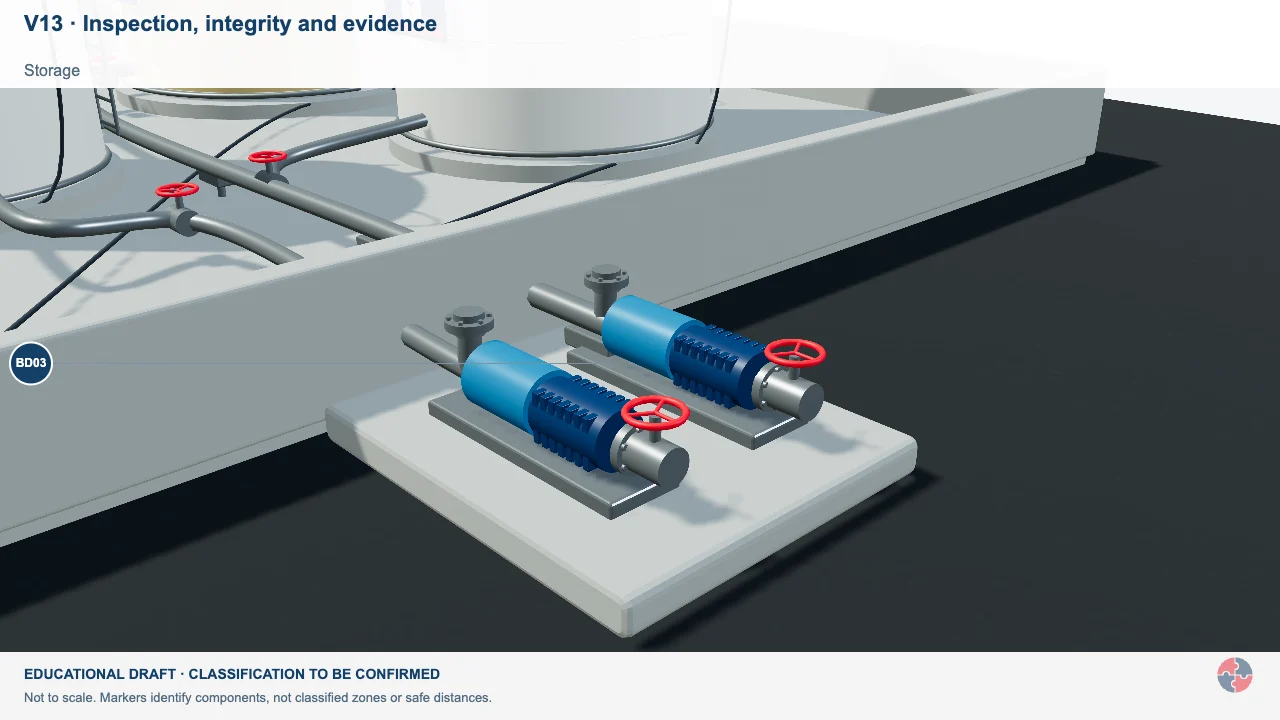
Inspection, integrity and evidence
A hose, tank or protective device has a safety purpose which depends on its condition and supporting checks.
Activity focus: Connect each identified defect to the responsible owner and appropriate operational decision.
Contextual workplace scene. Use the task, control and evidence checks in this section; appearance alone does not establish safe conditions, individual health or approval.
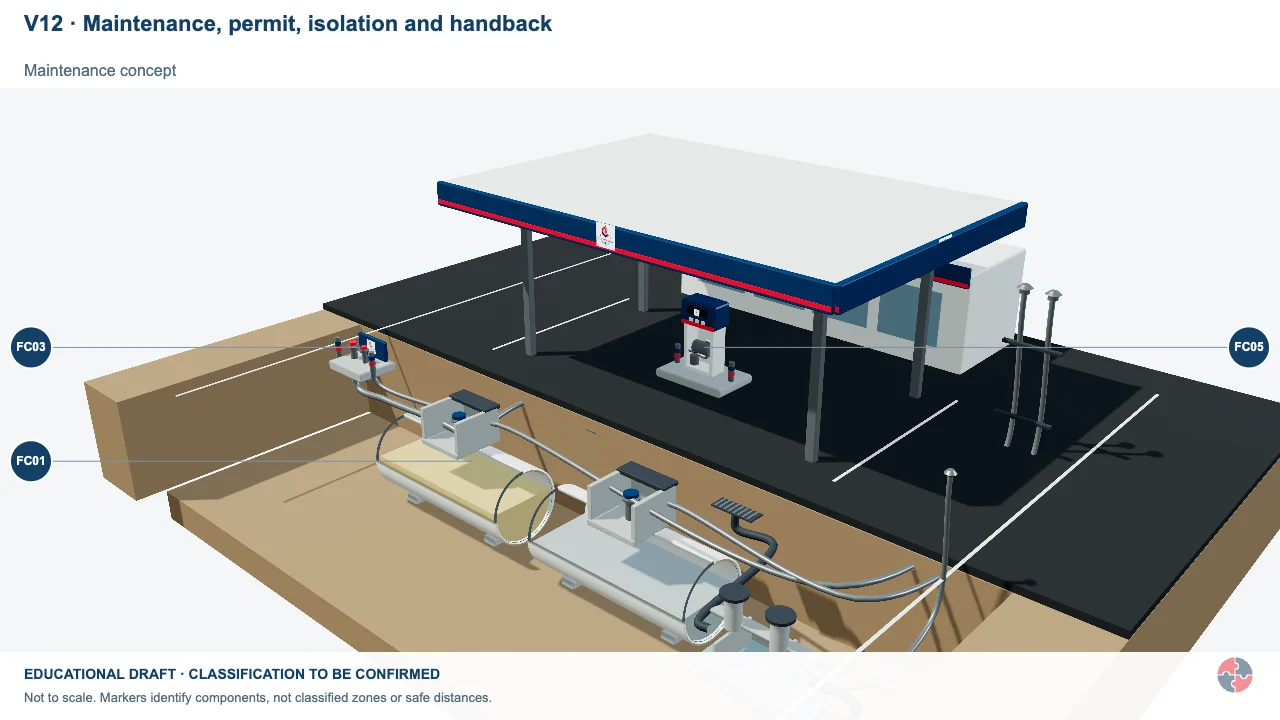
Maintenance, permit, isolation and handback
Maintenance changes the task and may open systems that are closed during normal use.
Activity focus: Inspect the work boundary, nearby live activities and responsibility for restoring the installation.
Contextual workplace scene. Use the task, control and evidence checks in this section; appearance alone does not establish safe conditions, individual health or approval.
Educational illustration, not to scale. Coloured zones are teaching examples, not a site-specific hazardous-area classification.
Chemical hazard symbols: what do they mean?
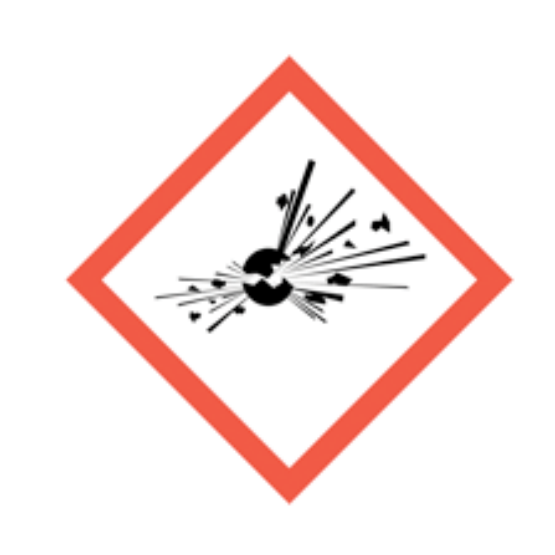
Exploding bomb
Explosive, self-reactive or organic peroxide hazards.
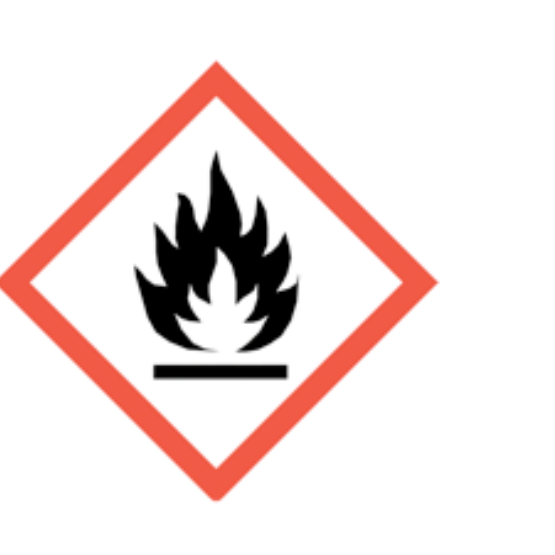
Flame
Flammable, self-heating or pyrophoric substances.
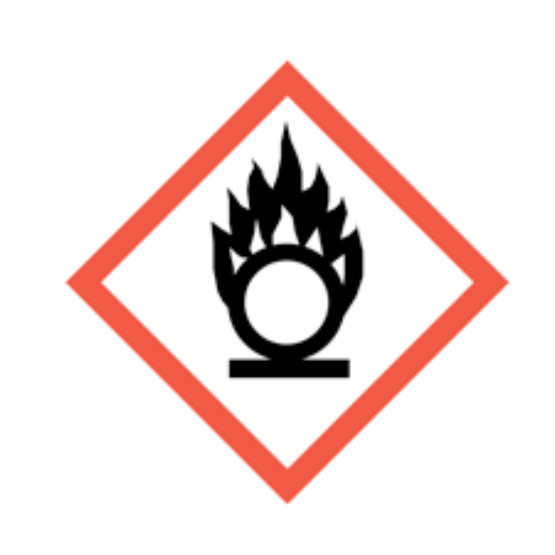
Flame over circle
Oxidising substances that can intensify fire.
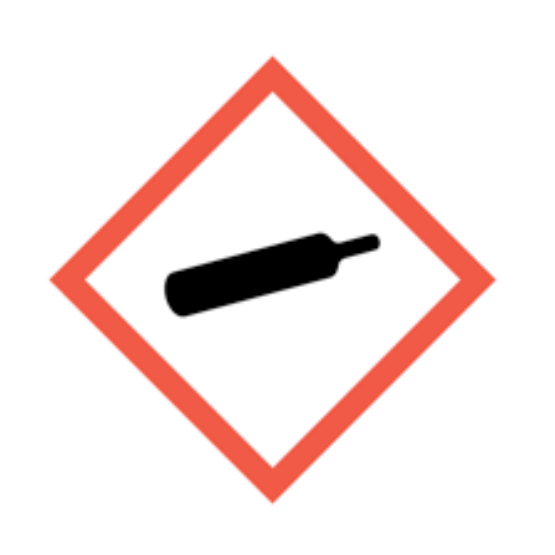
Gas cylinder
Gas under pressure.
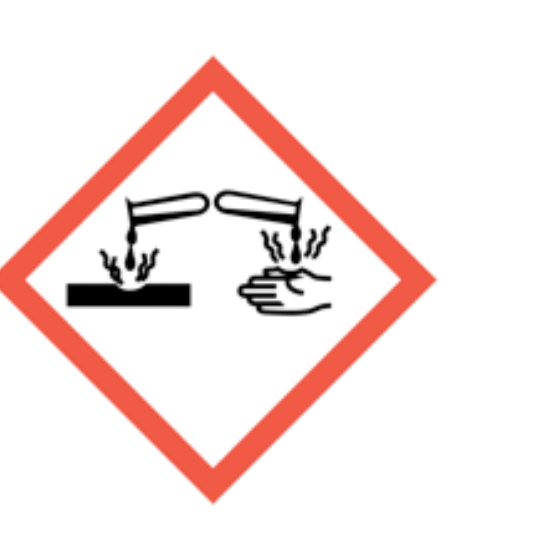
Corrosion
Skin burns, eye damage or corrosive to metals.
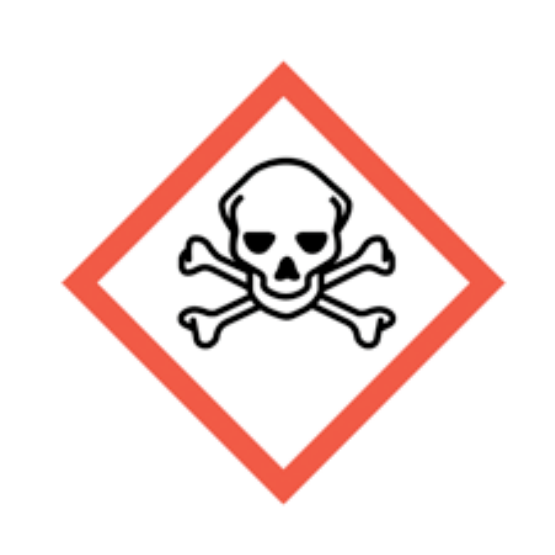
Skull and crossbones
Acute toxicity.

Exclamation mark
Irritation, harmful effects or skin sensitisation; some classifications cover drowsiness, dizziness or ozone-layer hazard. Read the actual hazard statements. Skin sensitisation differs from respiratory sensitisation.
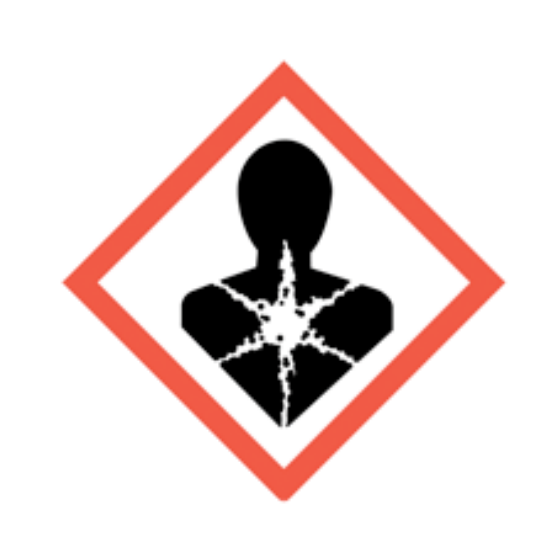
Health hazard
Serious health hazards, including organ damage, aspiration hazard, respiratory sensitisation, cancer and reproductive effects; some can follow a single exposure.
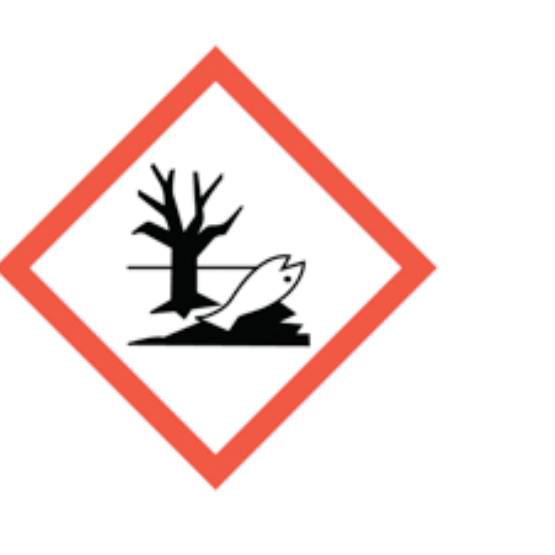
Environment
Hazardous to the aquatic environment.
What do the acronyms and key terms mean?
These terms keep a test, impairment, legal duty and routine service distinct.
Definitions are grounded in HSE COMAH maintenance procedures.
| Term | Full name | Meaning here |
|---|---|---|
| COMAH | Control of Major Accident Hazards | Threshold-based major-accident regimes, with separate GB and NI instruments. |
| NDT | Non-destructive testing | Measurement methods for particular material flaws or damage mechanisms. |
| PUWER | Provision and Use of Work Equipment Regulations | GB 1998 and NI 1999 are separate workplace-use instruments. |
| PSSR | Pressure Systems Safety Regulations | Qualifying pressure systems require a written scheme of examination. |
| DSEAR | Dangerous Substances and Explosive Atmospheres Regulations | GB 2002 and NI 2003 are separate routes for relevant fire and explosion risks. |
| PPE | Personal protective equipment | Residual worker protection; does not prevent a major release. |
| Proof test | Not an acronym | Controlled challenge of a specified protective function. |
| Safety-critical barrier | Not an acronym | A credited measure whose failure can contribute to a major accident. |
| Impairment | Not an acronym | A known reduction in a credited barrier’s ability or availability. |
| ERICPD | Eliminate, Reduce, Isolate, Control, PPE, Discipline | A control-selection aid; sustain controls through supervision, maintenance and learning. It creates no separate legal duty. |
Which Crownway Fuels documents support this topic?
Open an editable document, read the preview, or find its place in the Crownway hierarchy. 8 resources relate to this page.
Fictional Crownway Fuels examples for English forecourts, with a separate illustrative bulk terminal. Check site applicability, permissions and actual controls before adapting any document for use.
Maintenance inspection and safety critical reliability policy (8)
- Maintenance inspection and safety critical reliability policy (CWF-POL-MAINT · Completed fictional example)
Set company expectations, responsibilities and resources for maintenance inspection and safety critical reliability.
Read preview · Download DOCX · Show in hierarchy - Maintenance inspection and safety critical reliability procedure (CWF-PRO-MAINT · Completed fictional example)
Explain who does what, in what sequence, the control rationale, evidence, escalation and safe restart conditions.
Read preview · Download DOCX · Show in hierarchy - Plant criticality maintenance and examination register (CWF-REG-MAINT-01 · Blank register with separate fictional worked entries)
Provide the site/task-specific plant criticality maintenance and examination register and retain its controlled output.
Read preview · Download XLSX · Show in hierarchy - Safety critical maintenance and proof test schedule (CWF-PLN-MAINT-01 · Completed fictional example)
Provide the site/task-specific safety critical maintenance and proof test schedule and retain its controlled output.
Read preview · Download DOCX · Show in hierarchy - Preventive maintenance and functional test record (CWF-CHK-MAINT-01 · Blank editable master)
Provide the site/task-specific preventive maintenance and functional test record and retain its controlled output.
Read preview · Download DOCX · Download PDF · Show in hierarchy - Safety critical impairment and overdue task decision (CWF-FRM-MAINT-01 · Blank editable master)
Provide the site/task-specific safety critical impairment and overdue task decision and retain its controlled output.
Read preview · Download DOCX · Show in hierarchy - Pressure system and lifting examination applicability register (CWF-REG-MAINT-02 · Blank register with separate fictional worked entries)
Provide the site/task-specific pressure system and lifting examination applicability register and retain its controlled output.
Read preview · Download XLSX · Show in hierarchy - Maintenance quality and contractor handback check (CWF-CHK-MAINT-02 · Blank editable master)
Provide the site/task-specific maintenance quality and contractor handback check and retain its controlled output.
Read preview · Download DOCX · Download PDF · Show in hierarchy
Unlock another resource
You have used this month’s two free downloads. Publish a post in your own words to unlock one more resource, or choose SHARE Individual for 10 downloads per month.
You decide whether to share. If you do, use the relevant platform disclosure tools and do not make claims you do not genuinely hold.