SHARE Knowledge Hub
Mercury poisoning (erethism)
Mercury exposure can cause serious harm; erethism describes a chronic pattern historically associated with mercury vapour. Identify the mercury form and exposure route, prevent release and seek specialist exposure and health assessment rather than diagnosing from behaviour alone.
Owner: SHARE Knowledge Hub editorial team.
Understanding Mercury poisoning (erethism)
Mercury poisoning means harmful systemic effects after mercury enters the body. Erethism is the characteristic behavioural and neuropsychological syndrome associated particularly with repeated elemental mercury-vapour exposure; it is part of mercury toxicity, not a synonym for every form or presentation.
Why this matters at work
A substantial elemental-vapour exposure can cause cough, breathlessness, chest tightness or pain, feverish or flu-like symptoms, nausea, vomiting, metallic taste, weakness and headache. Severe exposure may progress to chemical pneumonitis, pulmonary oedema, respiratory failure, kidney injury or death.
Sickness absence may be prolonged when symptoms are significant or the source remains unresolved. A return plan should confirm that exposure has been controlled, define any limits, provide staged duties where advised and include a route for renewed symptoms without penalising the worker.
How organisations manage this in practice
Arrange appropriate health advice while controlling further exposure and investigating the task. Keep facts about workplace conditions separate from confidential medical conclusions. Reduce further exposure, arrange competent occupational-health input and investigate the process without waiting for a definitive diagnosis. Identify the exact mercury form and tasks, preserve monitoring and maintenance records, inspect controls, interview the worker privately and map similarly exposed people. Include non-routine maintenance, cleaning and spill history that may not appear in the production assessment. Do not disclose the individual's symptoms widely or frame the investigation as blame. Provide management only the functional and control information needed. Consult safety representatives and workers about the workplace findings without revealing clinical details. Define interim controls, action owners, completion dates and verification. Decide whether regulatory or other notifications apply in the correct jurisdiction. Close the investigation only after exposure pathways are controlled and the worker and cohort response is documented.
Design collection to prevent breakage, use closed containers and segregate damaged items. Mechanical processing needs enclosure, extraction, filtration or treatment, maintenance controls and representative personal monitoring. A room air monitor alone may miss the crusher operator's exposure.
Map the full task lifecycle, including legacy assets, maintenance, waste and secondary spread. Select prevention and verification around the actual form and exposure pathway. Record CAS number, concentration, volatility, oxidation state, carrier material, process temperature, quantity, pressure, incompatibilities and whether work can generate vapour, aerosol, dust or contaminated waste. Observe work as performed across normal operation, startup, shutdown, maintenance, cleaning, calibration, sampling, spill response and waste handling. Identify short tasks with high potential release, such as opening a contaminated vacuum system or heating a legacy component, rather than averaging them away. Map everyone who may enter the exposure zone: operators, laboratory staff, cleaners, contractors, trainees, security, drivers and emergency responders. Consider vulnerable workers through individual assessment without using pregnancy or health status as a substitute for controlling the source. Define controls, performance standards, checks, failure indicators, residual exposure, monitoring, surveillance, emergency actions and owners. Review after a spill, abnormal result, symptom, equipment or material change and at a planned interval appropriate to risk.
Keep the spill boundary wider than the visible droplets
Droplets can enter floor joints or collect beneath equipment. The possible vapour and contamination routes need a competent response rather than ordinary cleaning.

Recognise and restrict
Identify the material as far as safely possible, protect people and use the agreed emergency/incident route.
Avoid spreading contamination
Do not improvise sweeping or ordinary vacuum cleaning; follow the appropriate competent response arrangements.
Verify clearance
Use suitable assessment and evidence for the affected space, surfaces and waste before authorised reopening.
A clean-looking floor or absence of visible droplets is not a clearance measurement or proof of no exposure.
What is mercury poisoning and erethism?
Mercury poisoning is harm from exposure to mercury; erethism is a chronic neuropsychiatric pattern historically linked with mercury vapour exposure.
From hidden mercury droplets to internal exposure


Read the complete visual as text
- 1. MERCURY IS RELEASED: Breakage of an old instrument can scatter elemental mercury into floor joints or equipment bases. The form matters: inorganic salts have different routes.
- 2. LIQUID CAN PRODUCE VAPOUR: Elemental mercury can evaporate. Hidden droplets can remain an inhalation source even when a spill looks small.
- 3. VAPOUR ENTERS THROUGH THE LUNGS: Inhaled elemental-mercury vapour is absorbed; inhalation is a major occupational route. Sweeping or vacuuming can spread contamination.
- 4. NERVOUS SYSTEM AND KIDNEYS: Absorbed mercury can affect the central nervous system and kidneys. Chronic exposure may involve tremor, mood, concentration or memory changes.
- 5. EXPOSURE NEEDS COMPETENT REVIEW: Stop the release task and obtain competent exposure and medical/OH advice. Symptoms alone neither prove nor exclude mercury exposure.
Mercury occurs in different forms. Elemental mercury is a liquid metal at room temperature and can evaporate to produce vapour. Inorganic mercury compounds are usually powders or crystals. Organic mercury compounds have different toxicology and are not the main focus of this workplace page. Sources: UKHSA mercury general information; UKHSA elemental/inorganic mercury toxicological overview.
In occupational settings, elemental mercury vapour is a major concern because inhaled vapour can be absorbed and affect the central nervous system and kidneys. Chronic exposure can produce tremor, irritability, mood change, shyness or social withdrawal, poor concentration, memory problems, insomnia and other nervous-system effects. The older term erethism is often used for the behavioural and emotional changes associated with chronic mercury exposure. Sources: UKHSA elemental/inorganic mercury toxicological overview.
Mercury exposure should be treated as a high-consequence COSHH issue. A small spill in the wrong place can create hidden vapour exposure, especially if droplets enter cracks, drains, soft furnishings or machinery bases. Sweeping or vacuuming mercury can spread contamination and increase inhalation risk. Sources: UKHSA mercury general information; HSE COSHH basics.
| Form or source | Main exposure concern | Control priority |
|---|---|---|
| Elemental mercury liquid | Vapour inhalation, spill contamination and skin or eye contact. | Substitution, sealed containment, spill plan, ventilation and specialist cleanup.Sources: Control of Substances Hazardous to Health Regulations 2002; Control of Substances Hazardous to Health Regulations (NI) 2003 |
| Inorganic mercury salts | Ingestion, dust contact, skin and eye exposure. | COSHH containment, hygiene, gloves, eye protection and waste route.Sources: Control of Substances Hazardous to Health Regulations 2002; Control of Substances Hazardous to Health Regulations (NI) 2003 |
| Dental amalgam or dental waste | Vapour or waste exposure during handling and disposal. | Closed handling, segregation, hygiene and waste controls.Sources: Control of Substances Hazardous to Health Regulations 2002; Control of Substances Hazardous to Health Regulations (NI) 2003 |
| Old instruments | Thermometers, barometers, manometers and switches may break during maintenance. | Inventory, replacement and controlled removal.Sources: Control of Substances Hazardous to Health Regulations 2002; Control of Substances Hazardous to Health Regulations (NI) 2003 |
| Lamps and electrical waste | Breakage can release small quantities of mercury. | Segregated storage, breakage response and waste contractor control.Sources: Control of Substances Hazardous to Health Regulations 2002; Control of Substances Hazardous to Health Regulations (NI) 2003 |
| Historic plant contamination | Residues in drains, floors, vessels or equipment. | Pre-work survey, monitoring and specialist decontamination.Sources: Control of Substances Hazardous to Health Regulations 2002; Control of Substances Hazardous to Health Regulations (NI) 2003 |
How does mercury exposure cause harm?
Mercury’s form and route matter: elemental vapour exposure differs from swallowing inorganic compounds, and health assessment is a specialist decision.
UKHSA describes inhalation as a significant route for elemental mercury and identifies nervous-system and kidney effects. A small release can create exposure concern even without a large visible spill. This does not let a supervisor diagnose erethism from a behavioural sign.
Identify the actual material, task and release and obtain competent occupational-hygiene and health advice. Exposure monitoring assesses control; clinical assessment considers the person and exposure history. Neither a tidy floor nor one symptom-free shift establishes that exposure is controlled.
What should happen when mercury is released during maintenance?
Stop the task, prevent further exposure, isolate the area and use a competent mercury-specific spill response. Do not use an ordinary vacuum: it can increase vapour exposure and spread contamination.
A maintenance worker breaks an old mercury-containing switch beside a warm motor. Before touching the debris, the supervisor stops nearby work and removes people from the area, checks the substance and amount against the inventory, and calls the trained response team. They control ventilation without spreading contamination, follow the local spill plan and arrange appropriate cleanup, waste and air clearance before restart. A worker with symptoms needs prompt medical advice and an occupational exposure history. The public-health small-home-spill instructions are not a blanket industrial cleanup method. UKHSA mercury general information, Control of Substances Hazardous to Health Regulations 2002 and Control of Substances Hazardous to Health Regulations (NI) 2003.
| Phase | Owner and action | Hold or hand-back |
|---|---|---|
| Before | Supervisor verifies inventory, spill kit, trained response and isolation plan. | No mercury work when identity or response capability is unknown.Sources: UKHSA mercury general information; HSE COSHH basics; HSENI COSHH (NI) brief guide |
| During release | Stop, exclude people, avoid ordinary vacuuming and escalate to competent cleanup. | No unprotected re-entry or improvised sweeping.Sources: UKHSA mercury general information; Control of Substances Hazardous to Health Regulations 2002; Control of Substances Hazardous to Health Regulations (NI) 2003 |
| Hand-back | Competent lead verifies decontamination and exposure evidence, investigates cause and health follow-up. | Release area only after agreed clearance and corrective action.Sources: HSE COSHH basics; HSENI COSHH (NI) brief guide; HSE COSHH health surveillance |
How can the hierarchy of controls reduce mercury exposure and poisoning risk?
Avoid mercury-containing equipment where a suitable alternative removes the exposure route. Where mercury remains, contain the material and use competent assessment and controlled intervention.
Before removing an old mercury instrument
2 linked parts. Follow the question numbers and complete the applicable route.
Part 1 of 2 · Questions 1–3

Continue · Part 2 of 2 · Questions 4–6


Read the complete visual as text
- Start: Planned replacement of an identified old mercury-containing instrument.
- Question 1: Is the instrument and mercury content identified? Decision owner: Responsible engineer.
- YES: Use the identified material and task for the assessment. Owner: Responsible engineer. CONTINUE → QUESTION 2.
- NO: Hold removal and establish the equipment contents and condition. Owner: Responsible engineer. HOLD → REPEAT QUESTION 1 AFTER CORRECTION.
- UNKNOWN: Treat the content as unresolved; obtain reliable instrument information before disturbance. Owner: Responsible engineer. HOLD → REPEAT QUESTION 1 AFTER CORRECTION.
- Question 2: Can a suitable alternative remove future mercury use? Decision owner: Responsible engineer.
- YES: Assess the alternative and its own risks; keep controlled removal of the old item in scope. Owner: Responsible engineer. CONTINUE → QUESTION 3.
- NO: Retain mercury exposure in the assessment and assess suitable containment. Owner: Responsible engineer. CONTINUE → QUESTION 3.
- UNKNOWN: Hold the selection decision while engineering suitability is unresolved. Owner: Responsible engineer. HOLD → REPEAT QUESTION 2 AFTER CORRECTION.
- Question 3: Are removal, handling and release risks assessed? Decision owner: Responsible engineer with competent COSHH support.
- YES: Use the assessed handling and containment arrangement. Owner: Responsible engineer with competent COSHH support. CONTINUE → QUESTION 4.
- NO: Hold removal; assess the particular breakage and release routes. Owner: Responsible engineer with competent COSHH support. HOLD → REPEAT QUESTION 3 AFTER CORRECTION.
- UNKNOWN: Hold disturbance and obtain competent advice about the unresolved exposure route. Owner: Responsible engineer with competent COSHH support. HOLD → REPEAT QUESTION 3 AFTER CORRECTION.
- Question 4: Are containment and the spill response ready for this task? Decision owner: Responsible engineer and spill-response owner.
- YES: Verify that people understand the controlled method and response interface. Owner: Responsible engineer and spill-response owner. CONTINUE → QUESTION 5.
- NO: Hold removal until containment and a competent response are in place. Owner: Responsible engineer and spill-response owner. HOLD → REPEAT QUESTION 4 AFTER CORRECTION.
- UNKNOWN: Hold removal; resolve response availability and suitability with the competent owner. Owner: Responsible engineer and spill-response owner. HOLD → REPEAT QUESTION 4 AFTER CORRECTION.
- Question 5: Has breakage or an uncontrolled release occurred? Decision owner: Task supervisor.
- YES: Stop work, restrict access and activate the mercury spill plan; do not sweep or vacuum. Owner: Task supervisor. STOP / REFER → APPROPRIATE RESPONSE.
- NO: Continue only within the assessed removal method. Owner: Task supervisor. CONTINUE → QUESTION 6.
- UNKNOWN: Stop disturbance and restrict access while competent responders assess the possible release. Owner: Task supervisor. STOP / REFER → APPROPRIATE RESPONSE.
- Question 6: Is release or hand-back supported by clearance and waste evidence? Decision owner: Responsible engineer and competent cleanup owner.
- YES: Record the accepted evidence and remaining actions for the assessed hand-back. Owner: Responsible engineer and competent cleanup owner. OUTCOME → RECORD AND HAND OVER.
- NO: Keep the affected area or equipment restricted; obtain clearance, waste and action evidence. Owner: Responsible engineer and competent cleanup owner. HOLD → REPEAT QUESTION 6 AFTER CORRECTION.
- UNKNOWN: Keep the restriction; absence of visible droplets does not settle hidden contamination. Owner: Responsible engineer and competent cleanup owner. HOLD → REPEAT QUESTION 6 AFTER CORRECTION.
- Outcome: Record the assessed alternative, controlled removal and competent hand-back evidence.
- Stop and escalation boundary: No cleanup technique, exposure limit or medical clearance is created by this route.
Illustrative decision: maintenance plans replacement of an old mercury-containing instrument. The engineer assesses a suitable alternative and the controlled removal, handling and release risks with competent advisers.
ERICPD means Eliminate, Reduce (including substitution), Isolate, Control, PPE and Discipline. The five-level hierarchy groups measures as elimination, substitution, engineering controls, administrative controls and PPE. They overlap: isolation is usually an engineering measure; control can include engineered and administrative measures. Discipline means maintaining and checking the controls, supervising the method and learning from defects, rather than blaming someone or accepting weaker protection.
How can the ERICPD hierarchy of controls reduce mercury exposure and poisoning risk?

| ERICPD and five-level position | Intervention and owner | Verification, failure and stop point |
|---|---|---|
| Eliminate / elimination | Select a suitable mercury-free design where it removes this exposure source and meets the actual instrument duty. | Verify specification, interfaces and removal risks; the old instrument remains hazardous during changeover. |
| Reduce / substitution when replacing a hazard; otherwise engineering or administrative risk reduction | Compare an appropriate alternative material or process with lower hazard, assessing compatibility and performance. | Do not assume another chemical or device is safe merely because it has no mercury; assess the new hazards. |
| Isolate / engineering | Plan containment, suitable isolation and protection from breakage for the actual equipment and material. | Competent checks verify control. Damage, uncertain containment or a release holds the affected work and access. |
| Control / administrative | Authorise removal and handling only through the assessed competent method, with incident response and exposure checks. | Do not improvise cleanup or rely on visible absence of liquid as vapour clearance. Re-entry needs supported specialist criteria. |
| PPE / PPE | Select suitable residual skin, eye and respiratory protection through competent assessment of the material and task. | An ordinary dust mask is not assumed to protect against vapour; verify suitability, fit where relevant and maintenance. |
| Discipline / sustained engineering and administrative controls | Assign owners for storage, defects, exposure-control checks, incident learning and restoration. | Keep original results and named release; unresolved exposure uncertainty prevents ordinary resumption. |
How can the ISO 45001 hierarchy of controls reduce mercury exposure and poisoning risk?

| ERICPD and five-level position | Intervention and owner | Verification, failure and stop point |
|---|---|---|
| Eliminate / elimination | Select a suitable mercury-free design where it removes this exposure source and meets the actual instrument duty. | Verify specification, interfaces and removal risks; the old instrument remains hazardous during changeover. |
| Reduce / substitution when replacing a hazard; otherwise engineering or administrative risk reduction | Compare an appropriate alternative material or process with lower hazard, assessing compatibility and performance. | Do not assume another chemical or device is safe merely because it has no mercury; assess the new hazards. |
| Isolate / engineering | Plan containment, suitable isolation and protection from breakage for the actual equipment and material. | Competent checks verify control. Damage, uncertain containment or a release holds the affected work and access. |
| Control / administrative | Authorise removal and handling only through the assessed competent method, with incident response and exposure checks. | Do not improvise cleanup or rely on visible absence of liquid as vapour clearance. Re-entry needs supported specialist criteria. |
| PPE / PPE | Select suitable residual skin, eye and respiratory protection through competent assessment of the material and task. | An ordinary dust mask is not assumed to protect against vapour; verify suitability, fit where relevant and maintenance. |
| Discipline / sustained engineering and administrative controls | Assign owners for storage, defects, exposure-control checks, incident learning and restoration. | Keep original results and named release; unresolved exposure uncertainty prevents ordinary resumption. |
The comparison is an original illustrative application of the general HSE hierarchy, not a machine-specific method, permit or design approval. The employer must choose measures for the actual work and jurisdiction. Apply the separate Northern Ireland legal route where relevant; the local assessment and competent technical decision govern release.
What do the air limit and biological guidance value mean?
The EH40 entry for mercury and divalent inorganic compounds is 0.02 mg/m³ measured as mercury over an eight-hour time-weighted average. Health and Safety Executive for Northern Ireland (HSENI) approves EH40 for use under Northern Ireland COSHH. This is a control benchmark, not permission to expose workers up to that value.
Identify the actual mercury form and route, check the current EH40 entry and task conditions, and use a competent exposure assessor for sampling. Short peaks during a spill or heating can matter even when an eight-hour average appears low. Health and Safety Executive (HSE) also gives a biological monitoring guidance value (BMGV) of 20 µmol mercury/mol creatinine in a random urine sample; it is an exposure-control aid, not an individual diagnosis or an air limit. A competent occupational-health professional chooses and interprets tests, protects individual results and feeds an exposure-control decision back to the employer. Great Britain and Northern Ireland use distinct COSHH instruments, while HSENI approves EH40 for use with Northern Ireland COSHH 2003. Check the current EH40 edition and local monitoring duties before a decision. HSE EH40/2005 workplace exposure limits, HSENI EH40/2005 workplace exposure limits, HSE EH40 mercury biological monitoring guidance value, HSE COSHH health surveillance and Control of Substances Hazardous to Health Regulations (NI) 2003.
| Value | What it measures | Decision boundary |
|---|---|---|
| 0.02 mg/m³, eight-hour time-weighted average (TWA) | Airborne mercury/divalent inorganic compounds measured as mercury. | Assess task peaks and control effectiveness; not a safe exposure target.Sources: HSE EH40/2005 workplace exposure limits; HSENI EH40/2005 workplace exposure limits |
| 20 µmol mercury/mol creatinine | Random urine biological monitoring guidance value in EH40. | Competent interpretation and control review; not clinical diagnosis or a statutory air limit.Sources: HSE EH40 mercury biological monitoring guidance value |
Distinguish the legal air limit from biological guidance
The applicable WEL is legally binding under COSHH and must not be exceeded; meeting it alone does not discharge all control duties. EH40 fourth edition 2020 has no listed mercury 15-minute STEL. The urine biological monitoring guidance value is neither a diagnosis nor an air/re-entry clearance limit.
When does mercury exposure need emergency medical help?
Leave exposure safely and never send an unprotected rescuer into contamination. Obtain immediate medical help after suspected mercury inhalation or ingestion; call 999 for severe breathing difficulty, unconsciousness or seizure. Symptoms can be delayed, so feeling well is not clearance. NHS: poisoning.
Follow the site incident and first-aid arrangements, provide responders with the known material and exposure information, and seek competent health advice. UKHSA general information describes the health concern; this lesson does not provide treatment, re-entry clearance or a clinical severity threshold.
Immediate personal exposure action
For skin contamination, remove soiled clothing and wash with lukewarm water and soap for at least 10–15 minutes; for eyes, remove contact lenses and irrigate with lukewarm water for at least 10–15 minutes, then seek medical advice. UKHSA: mercury immediate exposure advice. Industrial containment, cleanup and re-entry require the competent incident team; do not use an ordinary vacuum.
How can a small mercury release become a serious exposure problem?
A maintenance spill example shows how poor cleanup can turn a local breakage into wider vapour and surface contamination.
Broken pressure gauge: prevent the spill from spreading


Read the complete visual as text
- 1. BREAKAGE: STOP THE JOB: The supervisor stops work and isolates the affected area after the old gauge breaks.
- 2. DROPLETS: DO NOT DISTURB: Do not sweep, brush or vacuum. The spill-response owner uses the mercury procedure and competent cleanup support.
- 3. PEOPLE: RESTRICT ACCESS: Warn others and prevent entry; visible quantity is not evidence that vapour exposure is negligible.
- 4. CONTAMINATION: CONTROL ITS SPREAD: The competent response manages contaminated clothing and waste under the spill plan; do not shake out or reuse it.
- 5. EXPOSURE: SEEK ADVICE: Preserve instrument/product details and obtain medical or occupational-health advice where exposure is credible; do not wait for symptoms.
- 6. HAND-BACK: REQUIRE EVIDENCE: The responsible owner checks clearance, waste and corrective-action evidence before reopening. Invisible droplets are not clearance.
A maintenance worker removes an old pressure gauge containing mercury from a redundant plant room. The glass breaks and mercury droplets scatter under a bench and into a floor joint. A colleague starts to sweep the droplets and suggests using a vacuum cleaner. This is the critical failure point. Sources: Control of Substances Hazardous to Health Regulations 2002; Control of Substances Hazardous to Health Regulations (NI) 2003
A competent response is to stop work, keep people away, ventilate if this can be done without spreading contamination, prevent access, preserve the mercury-containing item details, use the spill plan and call competent cleanup support. Potentially exposed workers should wash contaminated skin, remove contaminated clothing if relevant, seek medical advice where inhalation or ingestion may have occurred, and be referred to occupational health if exposure is credible. Sources: Control of Substances Hazardous to Health Regulations 2002; Control of Substances Hazardous to Health Regulations (NI) 2003
Where might mercury exposure arise at work?
Mercury exposure is now less common than historically, but legacy equipment, specialist processes and waste streams can still create risk.
Workplaces should not rely on people recognising mercury by memory. A pre-work survey or inventory is important where old instruments, laboratory equipment, dental waste, electrical waste, contaminated drains or historic process plant may be present. Sources: Control of Substances Hazardous to Health Regulations 2002; Control of Substances Hazardous to Health Regulations (NI) 2003
Any work that heats, breaks, opens, cleans, refurbishes or disposes of mercury-containing equipment needs a task-specific COSHH review. Sources: Control of Substances Hazardous to Health Regulations 2002; Control of Substances Hazardous to Health Regulations (NI) 2003
| Sector or task | Possible source | Control focus |
|---|---|---|
| Dental practice or dental waste | Amalgam, traps, filters and waste containers. | Closed handling, segregation, waste contractor and hygiene.Sources: Control of Substances Hazardous to Health Regulations 2002; Control of Substances Hazardous to Health Regulations (NI) 2003 |
| Laboratory | Mercury salts, old thermometers, manometers and reference equipment. | Substitution, fume cupboard where needed, storage and spill kit.Sources: Control of Substances Hazardous to Health Regulations 2002; Control of Substances Hazardous to Health Regulations (NI) 2003 |
| Facilities maintenance | Old gauges, barometers, switches, thermostats or plant items. | Inventory, controlled removal and specialist disposal.Sources: Control of Substances Hazardous to Health Regulations 2002; Control of Substances Hazardous to Health Regulations (NI) 2003 |
| Waste and recycling | Lamps, electrical waste and unknown containers. | Segregation, breakage response and worker training.Sources: Control of Substances Hazardous to Health Regulations 2002; Control of Substances Hazardous to Health Regulations (NI) 2003 |
| Historic chemical plant | Legacy cell-room or drain contamination. | Survey, monitoring, decontamination and permit controls.Sources: Control of Substances Hazardous to Health Regulations 2002; Control of Substances Hazardous to Health Regulations (NI) 2003 |
| Educational premises | Old science equipment discovered in stores. | Do not use; isolate and arrange competent disposal.Sources: Control of Substances Hazardous to Health Regulations 2002; Control of Substances Hazardous to Health Regulations (NI) 2003 |
How should exposure and health monitoring be approached?
Monitoring should be justified by the COSHH assessment and interpreted by competent people.
Air monitoring may be needed to confirm vapour exposure and the effectiveness of controls. Biological monitoring may be appropriate where exposure is credible, repeated or difficult to assess from air measurements alone. Sources: Control of Substances Hazardous to Health Regulations 2002; Control of Substances Hazardous to Health Regulations (NI) 2003
EH40 lists a random-urine mercury BMGV of 20 µmol mercury/mol creatinine. It does not provide a clinical sampling or diagnosis protocol here. A competent occupational-health professional selects appropriate tests and timing for the actual exposure. Handle results confidentially and use relevant advice to review exposure controls. HSE EH40 mercury biological monitoring guidance value and HSE COSHH health surveillance.
| Monitoring type | What it helps show | Boundary |
|---|---|---|
| Air monitoring | Whether workplace vapour or dust exposure is present and controlled. | Sampling strategy needs competent design.Sources: Control of Substances Hazardous to Health Regulations 2002; Control of Substances Hazardous to Health Regulations (NI) 2003 |
| Surface checks | Whether droplets or contamination remain after a spill. | Visual checks alone may be inadequate.Sources: Control of Substances Hazardous to Health Regulations 2002; Control of Substances Hazardous to Health Regulations (NI) 2003 |
| Urinary mercury | The random-urine mercury BMGV listed in EH40; interpretation requires occupational-health advice. | Confidential OH/medical handling required.Sources: HSE EH40 mercury biological monitoring guidance value; HSE COSHH health surveillance |
| Clinical sampling | The appropriate sample type and timing are selected by a competent health professional for the exposure. | This page gives no blood-test recommendation or clinical sampling protocol. |
| Health surveillance | Early health signals where risk assessment indicates need. | Not a substitute for exposure control.Sources: Control of Substances Hazardous to Health Regulations 2002; Control of Substances Hazardous to Health Regulations (NI) 2003 |
| Incident review | Whether source, containment, training or waste controls failed. | Find and close system causes.Sources: Control of Substances Hazardous to Health Regulations 2002; Control of Substances Hazardous to Health Regulations (NI) 2003 |
When must mercury work stop or escalate?
Work must stop when mercury is released, suspected, heated, disturbed without assessment, cleaned incorrectly or linked to symptoms or exposure concerns.
Mercury incidents should not be managed casually. Visible droplets, broken mercury-containing equipment, unknown historic contamination or uncontrolled cleanup all justify stopping work and seeking competent advice. Sources: HSE COSHH basics; HSENI COSHH (NI) brief guide
Health symptoms after credible exposure should be handled through first aid, medical advice and occupational health, while the COSHH assessment and controls are reviewed. Sources: HSE COSHH basics; HSENI COSHH (NI) brief guide
| Trigger | Immediate action | Follow-up evidence |
|---|---|---|
| Broken mercury-containing item | Stop work, isolate area and use spill plan. | Incident and cleanup record.Sources: HSE COSHH basics; HSENI COSHH (NI) brief guide |
| Sweeping or vacuuming attempted | Stop immediately and escalate. | Contamination assessment.Sources: HSE COSHH basics; HSENI COSHH (NI) brief guide |
| Unknown old equipment found | Do not open or remove casually. | Inventory and competent disposal.Sources: HSE COSHH basics; HSENI COSHH (NI) brief guide |
| Worker reports tremor or neuro symptoms | Remove from exposure and refer to OH/medical advice. | Confidential health route and COSHH review.Sources: HSE COSHH basics; HSENI COSHH (NI) brief guide |
| Mercury waste route unclear | Hold securely and seek competent waste advice. | Waste documentation.Sources: HSE COSHH basics; HSENI COSHH (NI) brief guide |
| Monitoring indicates exposure | Review controls and restrict work if needed. | Air/biological monitoring and action closure.Sources: HSE COSHH basics; HSENI COSHH (NI) brief guide |
Where does mercury control fail?
Mercury control fails when legacy sources are unidentified, spills are cleaned incorrectly, hygiene is weak or monitoring results do not trigger control review.
A frequent failure is assuming mercury risk has disappeared from modern workplaces. Legacy instruments, old stores, dental waste, lamps, switches and contaminated plant can still expose workers if they are disturbed without planning. Sources: HSE COSHH basics; HSENI COSHH (NI) brief guide
Another failure is treating PPE as the main control. Gloves and RPE have a place, but the reliable controls are elimination, substitution, sealed containment, ventilation, spill planning, competent cleanup, hygiene, waste management and monitoring. Sources: HSE COSHH basics; HSENI COSHH (NI) brief guide
| Failure or weak practice | How it develops | What good looks like |
|---|---|---|
| No inventory | Old mercury equipment found during maintenance. | Survey, label, remove or substitute.Sources: HSE COSHH basics; HSENI COSHH (NI) brief guide |
| Poor spill response | Droplets swept, vacuumed or spread. | Spill plan and competent cleanup.Sources: HSE COSHH basics; HSENI COSHH (NI) brief guide |
| Contaminated surfaces | Hands, benches or tools transfer mercury to mouth or home. | Hygiene, cleaning and segregation.Sources: HSE COSHH basics; HSENI COSHH (NI) brief guide |
| No monitoring | Vapour exposure remains hidden. | Air and biological monitoring where justified.Sources: HSE COSHH basics; HSENI COSHH (NI) brief guide |
| Waste route weak | Contaminated material stored with normal waste. | Hazardous waste controls.Sources: HSE COSHH basics; HSENI COSHH (NI) brief guide |
| RPE relied on | Exposure source remains uncontrolled. | Eliminate, contain and ventilate before PPE.Sources: HSE COSHH basics; HSENI COSHH (NI) brief guide |
What evidence shows mercury poisoning (erethism) is being managed?
Good evidence shows that controls are planned, used, checked, corrected and reviewed.
Evidence should be proportionate to risk. A sealed mercury-instrument management may need simple review records, while higher-risk or safety-critical work needs stronger assessment, supervision, monitoring and escalation evidence. Sources: HSE COSHH basics; HSENI COSHH (NI) brief guide
| Evidence item | What it should show | Assurance question |
|---|---|---|
| Mercury inventory | Known mercury-containing equipment, reagents, waste and legacy areas identified. | Is the inventory checked before maintenance or refurbishment?Sources: HSE COSHH basics; HSENI COSHH (NI) brief guide |
| COSHH assessment | Form, route, task, exposure, workplace exposure limit (WEL), controls, monitoring and emergency response defined. | Does it cover spills and legacy equipment?Sources: HSE COSHH basics; HSENI COSHH (NI) brief guide |
| Spill and waste plan | Competent cleanup, restricted access, contaminated waste and disposal routes defined. | Do workers know not to sweep or vacuum mercury?Sources: HSE COSHH basics; HSENI COSHH (NI) brief guide |
| Monitoring records | Air, surface or biological monitoring used where justified. | Do results trigger control review?Sources: HSE COSHH basics; HSENI COSHH (NI) brief guide |
| Risk assessment | Assessment describes the actual task, people affected, credible harm routes, controls and review triggers. | Compare against work as done, not only the written method.Sources: HSE COSHH basics; HSENI COSHH (NI) brief guide |
| Control standard | The required control is defined in operational terms. | Workers and supervisors can explain what must be in place before work starts.Sources: HSE COSHH basics; HSENI COSHH (NI) brief guide |
| Competence and briefing | People have suitable instruction, training, supervision and authorisation where needed. | Competence is checked through observed practice, not attendance alone.Sources: HSE COSHH basics; HSENI COSHH (NI) brief guide |
| Monitoring and defect action | Checks find weak signals, defects and non-compliance early. | Actions are risk-ranked, owned and closed with evidence.Sources: HSE COSHH basics; HSENI COSHH (NI) brief guide |
| Management review | Leaders review trends, repeat findings, high-risk actions and resource needs. | Decisions and learning are recorded.Sources: HSE COSHH basics; HSENI COSHH (NI) brief guide |
How should mercury poisoning (erethism) be assured?
Assurance should test whether controls work in practice, not whether the page or procedure exists.
Assurance should include frontline checks, manager review and periodic independent sampling where risk warrants it. The purpose is to find weak signals early, close actions properly and update the risk assessment when work changes. Sources: HSE COSHH basics; HSENI COSHH (NI) brief guide
| Assurance level | What to check | What good looks like |
|---|---|---|
| Frontline check | Workers know mercury sources, spill rules, hygiene controls and stop-work triggers. | Work stops when mercury is found or released.Sources: HSE COSHH basics; HSENI COSHH (NI) brief guide |
| Supervisor review | Supervisors check permits, inventories, spill kits, waste routes and COSHH controls before work. | Legacy equipment is not disturbed casually.Sources: HSE COSHH basics; HSENI COSHH (NI) brief guide |
| Competent COSHH review | COSHH specialists review exposure routes, monitoring, WELs, LEV/RPE and emergency arrangements. | Controls are based on evidence, not assumptions.Sources: HSE COSHH basics; HSENI COSHH (NI) brief guide |
| Occupational health assurance | OH reviews biological monitoring, health surveillance and symptom escalation confidentially. | Health data leads to control improvement.Sources: HSE COSHH basics; HSENI COSHH (NI) brief guide |
How could Riverside Leisure Ltd manage this in practice?

Riverside Leisure Ltd can manage mercury risk by identifying legacy equipment, preventing casual disturbance and defining competent spill and disposal routes.
In this leisure business, mercury might be found in old thermometers, maintenance stores, historic gauges, lamps, electrical waste or science outreach equipment. Sources: HSE COSHH basics; HSENI COSHH (NI) brief guide
| Management element | How the business would manage it | Evidence to review |
|---|---|---|
| Inventory | Old instruments, lamps and maintenance stores checked. | Inventory and removal plan.Sources: HSE COSHH basics; HSENI COSHH (NI) brief guide |
| Substitution | Mercury-containing items removed where practical. | Replacement record.Sources: HSE COSHH basics; HSENI COSHH (NI) brief guide |
| Spill plan | Staff know to isolate, ventilate and avoid vacuuming. | Spill response briefing.Sources: HSE COSHH basics; HSENI COSHH (NI) brief guide |
| Waste | Lamps and mercury waste segregated. | Waste transfer evidence.Sources: HSE COSHH basics; HSENI COSHH (NI) brief guide |
| Escalation | Maintenance workers have stop-work authority. | Permit and supervisor record.Sources: HSE COSHH basics; HSENI COSHH (NI) brief guide |
Which GB and NI legal and official routes apply?
Use the law for the actual site. General safety, risk assessment and equality routes differ between Great Britain and Northern Ireland; mercury also needs its distinct COSHH instruments.
A medical referral or biological-monitoring plan does not replace a task-specific COSHH assessment and exposure control. Check the current amended instrument and actual task before legal reliance. Health and Safety at Work etc. Act 1974, Health and Safety at Work (NI) Order 1978, Management of Health and Safety at Work Regulations 1999 and Management of Health and Safety at Work Regulations (NI) 2000.
| Issue | Great Britain | Northern Ireland | Decision |
|---|---|---|---|
| General work safety | GB 1974 Act | NI 1978 Order | Apply to the actual site and record the decision.Sources: Health and Safety at Work etc. Act 1974; Health and Safety at Work (NI) Order 1978 |
| Hazardous substances | GB COSHH 2002 | NI COSHH 2003 | Apply to the actual site and record the decision.Sources: Control of Substances Hazardous to Health Regulations 2002; Control of Substances Hazardous to Health Regulations (NI) 2003 |
| Exposure and health evidence | EH40 and risk-based surveillance | HSENI-approved EH40 under NI COSHH and risk-based assessment | Apply to the actual site and record the decision.Sources: HSE EH40/2005 workplace exposure limits; HSENI EH40/2005 workplace exposure limits; HSE COSHH health surveillance |
Voluntary-standard detail on hold
Specific standard editions, clauses and derived management-system detail are withheld until authorised text, rights and competent technical review are complete. Use applicable law and verified site evidence for current decisions.
For general health and safety management, see HSE managing health and safety.
What competence is needed for each decision?
Operators need release recognition and escalation; authorised specialists need the competence and equipment to assess and control the actual mercury task.
Supervisors practise securing an affected area and obtaining help without attempting an improvised cleanup. Occupational hygiene defines exposure checks and restoration criteria; occupational health interprets health information and monitoring within competence. Maintenance release needs an owner and evidence.
Chemical hazard symbols: what do they mean?
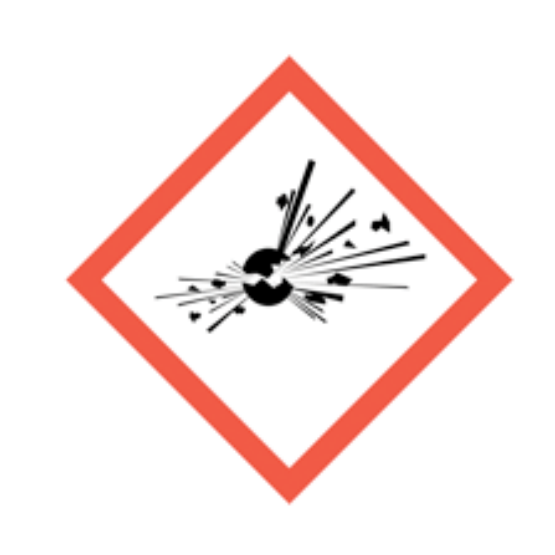
Exploding bomb
Explosive, self-reactive or organic peroxide hazards.
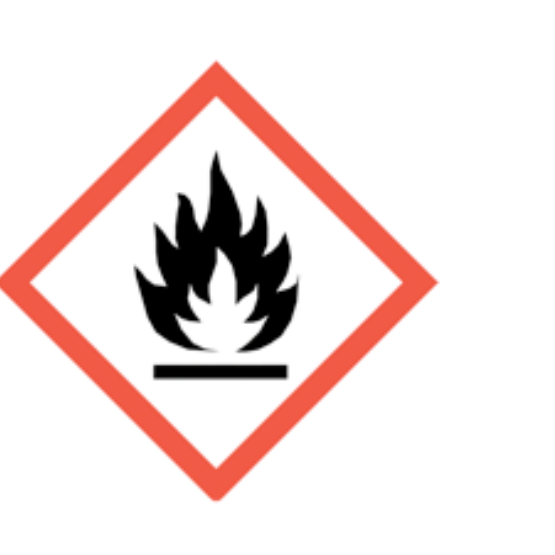
Flame
Flammable, self-heating or pyrophoric substances.
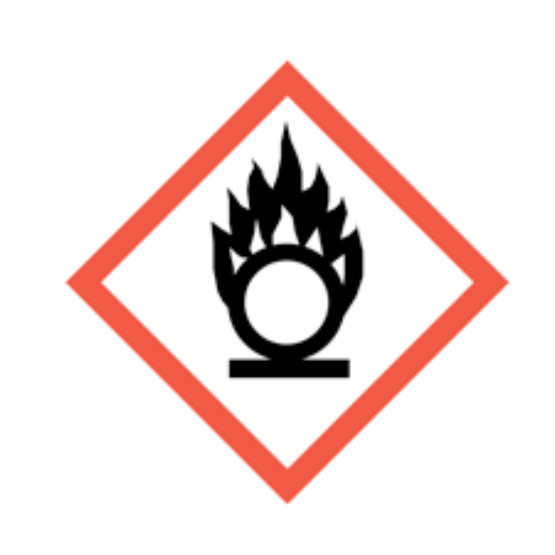
Flame over circle
Oxidising substances that can intensify fire.

Gas cylinder
Gas under pressure.
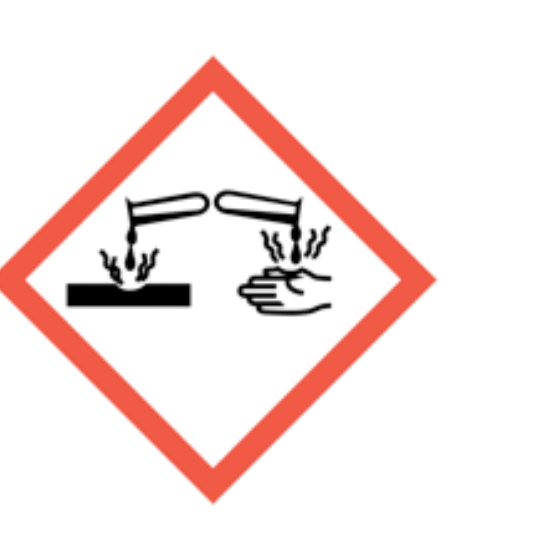
Corrosion
Skin burns, eye damage or corrosive to metals.
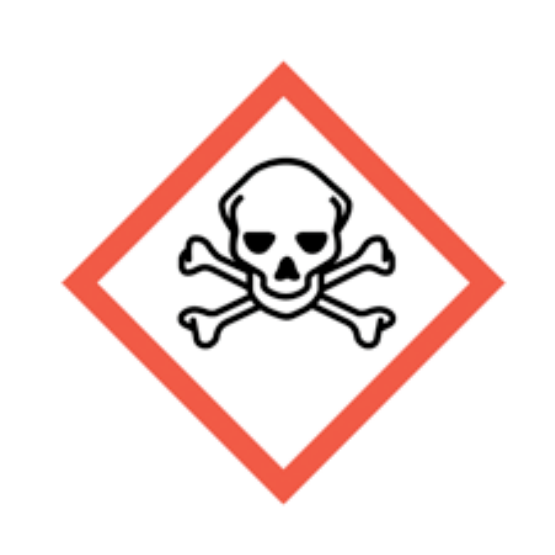
Skull and crossbones
Acute toxicity.

Exclamation mark
Irritation, harmful effects or skin sensitisation; some classifications cover drowsiness, dizziness or ozone-layer hazard. Read the actual hazard statements. Skin sensitisation differs from respiratory sensitisation.
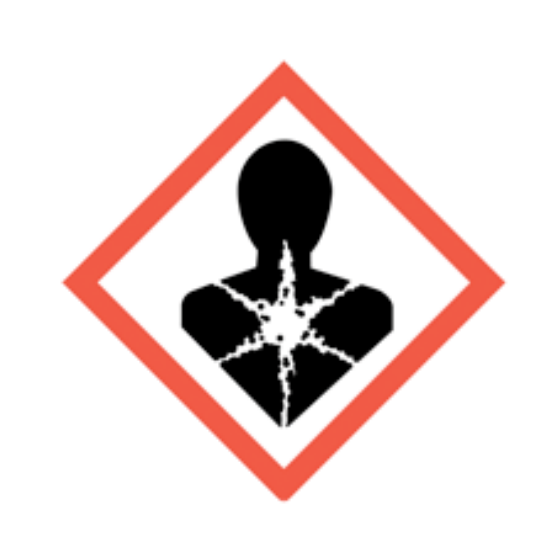
Health hazard
Serious health hazards, including organ damage, aspiration hazard, respiratory sensitisation, cancer and reproductive effects; some can follow a single exposure.
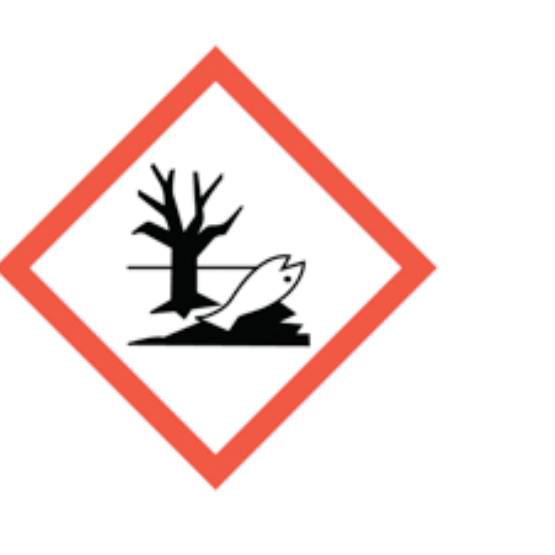
Environment
Hazardous to the aquatic environment.
What do the acronyms and key terms mean?
Terms used for work, health and jurisdiction decisions.
| Term | Full name | Meaning here |
|---|---|---|
| GB | Great Britain | The GB work-law jurisdiction. Health and Safety at Work etc. Act 1974 |
| NI | Northern Ireland | The separate NI work-law jurisdiction. Health and Safety at Work (NI) Order 1978 |
| HSE | Health and Safety Executive | The GB workplace regulator. HSE COSHH basics |
| HSENI | Health and Safety Executive for Northern Ireland | The NI workplace regulator. HSENI COSHH (NI) brief guide |
| COSHH | Control of Substances Hazardous to Health | Separate GB and NI hazardous-substances rules. Control of Substances Hazardous to Health Regulations 2002 |
| WEL | workplace exposure limit | Averaged exposure benchmark, not a safe target. HSE EH40/2005 workplace exposure limits |
| TWA | time-weighted average | Exposure averaged over the stated period. HSE EH40/2005 workplace exposure limits |
| BMGV | biological monitoring guidance value | Exposure interpretation aid, not diagnosis. HSE EH40 mercury biological monitoring guidance value |
| LEV | local exhaust ventilation | Captures airborne contaminant near release. HSE COSHH basics |
| UKHSA | UK Health Security Agency | Public-health mercury guidance. UKHSA mercury general information |
| ERICPD | Eliminate, Reduce, Isolate, Control, PPE, Discipline | A control-selection aid; sustain controls through supervision, maintenance and learning. It creates no separate legal duty. |
Unlock another resource
You have used this month’s two free downloads. Publish a post in your own words to unlock one more resource, or choose SHARE Individual for 10 downloads per month.
You decide whether to share. If you do, use the relevant platform disclosure tools and do not make claims you do not genuinely hold.