SHARE Knowledge Hub
Hazardous Substance Monitoring and Workplace Exposure Limits
Hazardous substance monitoring and workplace exposure limits help employers check whether workers are being exposed to harmful airborne substances and whether COSHH controls are actually effective. A workplace exposure limit is not a target to work up to; it is a legal exposure benchmark for listed substances in EH40, averaged over a specified period. Good monitoring considers task, route, duration, frequency, control condition, worker behaviour, personal sampling, static sampling, biological monitoring where relevant, uncertainty, interpretation and action when results show exposure is too high or controls are unreliable.
Understanding Hazardous Substance Monitoring and Workplace Exposure Limits
Workplace exposure monitoring measures whether people are exposed to hazardous substances and whether controls are effective.
Why this matters at work
Record when the failure occurred, the tasks and potentially exposed groups, what protective action was taken and who was notified. Obtain competent assessment of the failure and any need for exposure investigation or occupational-health advice. Define what repair, commissioning or performance evidence is required and check related tasks, including cleaning and maintenance. Communicate restrictions and the return decision. Repeat sampling may be useful when it answers a specified question, but a future monitoring date cannot substitute for an effective control during current work.
A sampling plan defines the substance, method, workers, tasks, dates, shifts, conditions, duration, relevant limit and interpretation approach before collection. Group workers only where their tasks and exposures are genuinely similar; include those likely to be most exposed. Consider normal variation, high-output days, hot work, cleaning, maintenance and abnormal but foreseeable conditions. A sample taken while production is reduced may be valid for that day and unrepresentative of typical or worst credible exposure.
How organisations manage this in practice
Meeting a WEL does not by itself prove adequate control. HSE's COSHH guidance requires good control practice, effective measures and, for carcinogens, mutagens and asthmagens, further reduction as low as reasonably practicable. WELs do not capture dermal uptake, ingestion, oxygen deficiency, fire/explosion or every susceptible worker. Some substances have specific legal regimes or guidance. Compare the correct measured analyte, unit and reference period, not a vaguely similar group or trade name.
Record contextual data alongside each sample: process rate, materials, ventilation state, enclosure open/closed, RPE, weather if relevant, shift pattern, worker movements, disruptions and any observed dust or fume release. Samples cannot be interpreted well without this. Plan enough data to answer the question, but do not invent a universal minimum number. A competent occupational hygienist should decide statistical and sampling requirements for high-stakes comparisons.
Do not present a simple averaging calculation as a substitute for a competent sampling plan. The actual instrument may integrate over time and have detection limits or recovery corrections. Work schedules longer than eight hours may need specialist interpretation of WEL application. Record the method and decision basis rather than claiming a generic adjustment factor is legally prescribed.
What are the key points for hazardous substance monitoring and WELs?
Monitoring should answer a clear exposure question and lead to action, not just produce a report.
Best-practice guide: Hazardous Substance Monitoring and Workplace Exposure Limits
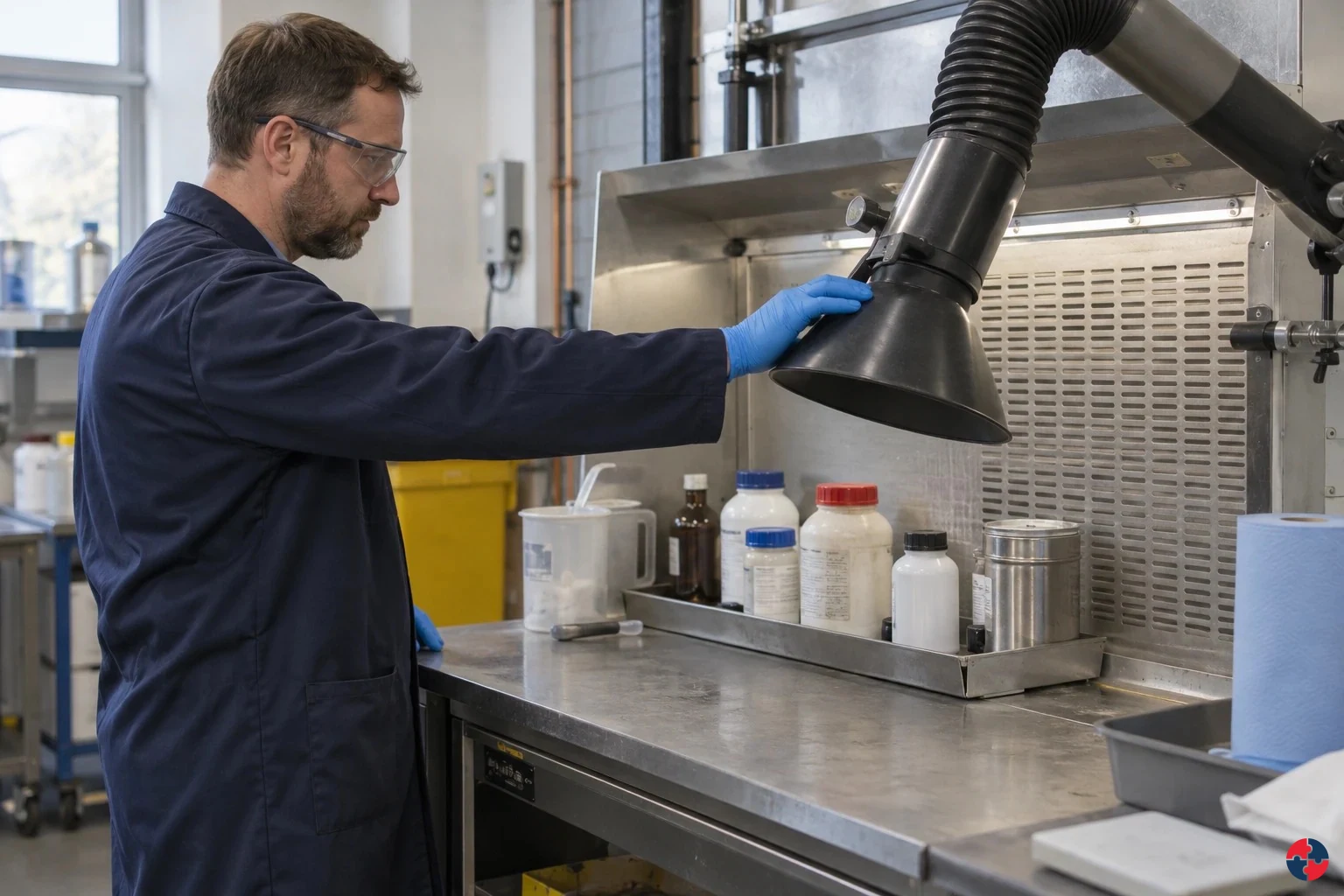
What are the key points for hazardous substance monitoring and WELs?
Monitoring should answer a clear exposure question and lead to action, not just produce a report. Hazardous substance monitoring and workplace exposure limits help employers check whether workers are being exposed to harmful airborne substances and whether COSHH controls are actually effective.
Turn hazardous substance monitoring and workplace exposure limits knowledge into a decision
Hazardous substance monitoring and workplace exposure limits help employers check whether workers are being exposed to harmful airborne substances and whether COSHH controls are actually effective. A workplace exposure limit is not a target to work up to; it is a legal exposure benchmark for listed substances in EH40, averaged over a specified period. COSHH inventory, task list and exposure group map.
the site team worked example
Assessing: List tasks that may generate respirable crystalline silica, wood dust, welding fume, solvent vapour and cement dust. Evidence / response: COSHH inventory, task list and exposure group map. Analysing: Use monitoring where data is uncertain, WEL compliance must be shown or control effectiveness needs proof. Evidence / response: Monitoring plan and competent hygienist brief.
Warning signs and harm routes
No monitoring despite uncertainty: Workers may be exposed above limits without evidence. Only area samples used: Personal breathing-zone exposure may be missed. Report not explained: Workers do not understand risk or controls.
Choose controls for hazardous substance monitoring and workplace exposure limits
Eliminate HSE five-level hierarchy: Redesign the electrical route as surface containment or preformed service channel so the concrete wall is not chased. Reduce: Where design allows, choose a suitable lower-silica board or prefabricated component instead of chasing the silica-containing block. Isolate HSE five-level hierarchy: Screen the active cut from other trades and keep the extraction discharge away from occupied rooms. Control: Use an adapted chaser/grinder with H- or M-class on-tool extraction matched to the actual block, cut depth and required flow; provide APF20 RPE and fit-test tight-fitting facepieces. Control: Plan cut length, worker rotation only after reducing source, no dry sweeping and a sampled representative task. Read the full control table for qualifications, ownership and verification. Use the actual task and applicable jurisdiction; existing technical approval remains unchanged.
Use the full hazardous substance monitoring and workplace exposure limits lesson
Use the full topic for the decision points, practical examples, detailed control tables and source scope. HSE guidance applies to Great Britain; use HSENI for the Northern Ireland route and the source’s stated jurisdiction. A simplified guide does not change the page’s technical-review or approval status.

Read all six steps as text
1. What are the key points for hazardous substance monitoring and WELs?
Monitoring should answer a clear exposure question and lead to action, not just produce a report.
- Avoid / redesign: Redesign the electrical route as surface containment or preformed service channel so the concrete wall is not chased.
- Control the task: Screen the active cut from other trades and keep the extraction discharge away from occupied rooms.
- Verify before release: Changed dimensions or concealed service stop the redesign release.
Monitoring should answer a clear exposure question and lead to action, not just produce a report. Hazardous substance monitoring and workplace exposure limits help employers check whether workers are being exposed to harmful airborne substances and whether COSHH controls are actually effective.
Apply it: Which part of this plan would you check at the workface before authorising the task?
2. Turn hazardous substance monitoring and workplace exposure limits knowledge into a decision
Use the evidence to improve the actual work arrangement.
- Change at source: Redesign the electrical route as surface containment or preformed service channel so the concrete wall is not chased.
- Make it observable: Changed dimensions or concealed service stop the redesign release.
- Keep useful evidence: COSHH inventory, task list and exposure group map.
Hazardous substance monitoring and workplace exposure limits help employers check whether workers are being exposed to harmful airborne substances and whether COSHH controls are actually effective. A workplace exposure limit is not a target to work up to; it is a legal exposure benchmark for listed substances in EH40, averaged over a specified period. COSHH inventory, task list and exposure group map.
Apply it: What evidence would show that the change improves this task, rather than only completing a record?
3. the site team worked example
Example: a practical application of the existing topic lesson.
- Assessing: List tasks that may generate respirable crystalline silica, wood dust, welding fume, solvent vapour and cement dust.
- Analysing: Use monitoring where data is uncertain, WEL compliance must be shown or control effectiveness needs proof.
- Implementing: Improve controls before monitoring where obvious gaps exist: wet cutting, on-tool extraction, LEV and housekeeping.
Assessing: List tasks that may generate respirable crystalline silica, wood dust, welding fume, solvent vapour and cement dust. Evidence / response: COSHH inventory, task list and exposure group map. Analysing: Use monitoring where data is uncertain, WEL compliance must be shown or control effectiveness needs proof. Evidence / response: Monitoring plan and competent hygienist brief.
Apply it: At which point would you hold this example, and what evidence would allow it to proceed?
4. Warning signs and harm routes
Connect the task, the route to the person and the control that can fail.
- No monitoring despite uncertainty: Workers may be exposed above limits without evidence.
- Only area samples used: Personal breathing-zone exposure may be missed.
- Report not explained: Workers do not understand risk or controls.
No monitoring despite uncertainty: Workers may be exposed above limits without evidence. Only area samples used: Personal breathing-zone exposure may be missed. Report not explained: Workers do not understand risk or controls.
Apply it: Who could be exposed, including other trades, cleaners, maintainers and people nearby?
5. Choose controls for hazardous substance monitoring and workplace exposure limits
Start with the stronger practicable options and verify their effect.
- Eliminate HSE five-level hierarchy: Redesign the electrical route as surface containment or preformed service channel so the concrete wall is not chased.
- Reduce: Where design allows, choose a suitable lower-silica board or prefabricated component instead of chasing the silica-containing block.
- Isolate HSE five-level hierarchy: Screen the active cut from other trades and keep the extraction discharge away from occupied rooms.
- Control: Use an adapted chaser/grinder with H- or M-class on-tool extraction matched to the actual block, cut depth and required flow; provide APF20 RPE and fit-test tight-fitting facepieces.
- Control: Plan cut length, worker rotation only after reducing source, no dry sweeping and a sampled representative task.
Eliminate HSE five-level hierarchy: Redesign the electrical route as surface containment or preformed service channel so the concrete wall is not chased. Reduce: Where design allows, choose a suitable lower-silica board or prefabricated component instead of chasing the silica-containing block. Isolate HSE five-level hierarchy: Screen the active cut from other trades and keep the extraction discharge away from occupied rooms. Control: Use an adapted chaser/grinder with H- or M-class on-tool extraction matched to the actual block, cut depth and required flow; provide APF20 RPE and fit-test tight-fitting facepieces. Control: Plan cut length, worker rotation only after reducing source, no dry sweeping and a sampled representative task. Read the full control table for qualifications, ownership and verification. Use the actual task and applicable jurisdiction; existing technical approval remains unchanged.
Apply it: Which stronger option can be used here, and who will verify it before accepting the remaining risk?
6. Use the full hazardous substance monitoring and workplace exposure limits lesson
Follow the official sources below and retain the task-specific evidence.
- Official guidance: HSE COSHH overview
- Official guidance: HSENI COSHH
- Task decision: COSHH inventory, task list and exposure group map.
Use the full topic for the decision points, practical examples, detailed control tables and source scope. HSE guidance applies to Great Britain; use HSENI for the Northern Ireland route and the source’s stated jurisdiction. A simplified guide does not change the page’s technical-review or approval status.
Apply it: Which official source and full-topic section will you use to resolve the next decision?
WELs are legal benchmarks
They are listed in EH40 and averaged over specified periods, usually long-term or short-term reference periods.
A WEL is not a target
Good control aims to prevent or minimise exposure, especially for carcinogens, mutagens and asthmagens.
Personal sampling often matters most
Worker breathing-zone samples usually tell more about personal exposure than a fixed area sample.
Monitoring is not health surveillance
Monitoring measures exposure; health surveillance looks for early signs of work-related health effects.
Interpretation needs competence
Results depend on task, duration, sampling method, analytical quality, variability and control condition on the day.
What is a workplace exposure limit?
A workplace exposure limit is a legally binding airborne concentration limit for a listed hazardous substance over a specified time period.
WEL basics — part 1 of 2


Read the complete visual as text
- WEL: Meaning: Workplace exposure limit for an airborne substance listed in EH40. Practical implication: Check whether monitoring is needed and whether exposure is below the legal benchmark. HSE WEL guidance EH40 HSENI EH40 approval
- EH40: Meaning: HSE publication containing current GB WELs. Practical implication: Use the current official source rather than old copied tables. HSE WEL guidance EH40 HSENI EH40 approval
- Airborne concentration: Meaning: Amount of substance in air. Practical implication: Relates to inhalation exposure, not skin or ingestion by itself. HSE WEL guidance EH40 HSENI EH40 approval
WEL basics — part 2 of 2


Read the complete visual as text
- Reference period: Meaning: Time over which exposure is averaged. Practical implication: Choose the right comparison period for the result. HSE WEL guidance EH40 HSENI EH40 approval
- No WEL: Meaning: No listed WEL exists for that substance. Practical implication: Still assess and control exposure under COSHH using hazard data and good practice. HSE WEL guidance EH40 HSENI EH40 approval
WELs are published in EH40 and are used under COSHH to help judge airborne exposure. They are usually expressed in milligrams per cubic metre or parts per million and are linked to reference periods.
Only a limited number of substances have WELs. If a substance has no WEL, that does not mean it is safe. COSHH still requires exposure to substances hazardous to health to be prevented or adequately controlled.
| Term | Meaning | Practical implication |
|---|---|---|
| WEL | Workplace exposure limit for an airborne substance listed in EH40. | Check whether monitoring is needed and whether exposure is below the legal benchmark. HSE WEL guidance EH40 HSENI EH40 approval |
| EH40 | HSE publication containing current GB WELs. | Use the current official source rather than old copied tables. HSE WEL guidance EH40 HSENI EH40 approval |
| Airborne concentration | Amount of substance in air. | Relates to inhalation exposure, not skin or ingestion by itself. HSE WEL guidance EH40 HSENI EH40 approval |
| Reference period | Time over which exposure is averaged. | Choose the right comparison period for the result. HSE WEL guidance EH40 HSENI EH40 approval |
| No WEL | No listed WEL exists for that substance. | Still assess and control exposure under COSHH using hazard data and good practice. HSE WEL guidance EH40 HSENI EH40 approval |
For this decision, consult the current direct authority and apply it to the actual substance and setting. HSE workplace exposure limits HSENI EH40 approval
Why is a WEL not a safe line?
A WEL is a control benchmark, not a guarantee that exposure below it is harmless for every person or every substance.
Exposure standards are based on scientific and regulatory judgement, but people vary. Some substances can cause sensitisation, cancer, asthma or irreversible disease, and exposure should be reduced as far as reasonably practicable even when a measured result sits below a limit.
A result just below the WEL may still indicate poor practice if better controls are available. It may also hide short peaks, skin exposure, poor sampling coverage or unusual conditions not present during the monitoring day.
| Issue | Why it matters | Better question |
|---|---|---|
| Individual susceptibility | Some people may react at lower exposure levels. | Are symptoms, health surveillance or worker concerns emerging? HSE workplace exposure limits |
| Peak exposure | A long average may hide short intense exposures. | Is short-term exposure or task peak exposure controlled? HSE workplace exposure limits |
| Skin uptake | Air monitoring may miss skin absorption. | Could the substance enter through skin or contamination? HSE workplace exposure limits |
| Sampling day | The monitored day may not be worst case. | Was the task typical, high-end or unusually clean? HSE workplace exposure limits |
| Carcinogens and asthmagens | Legal expectations often require exposure as low as reasonably practicable. | Can exposure be further reduced at source? HSE workplace exposure limits |
How do long-term and short-term exposure limits differ?
Long-term limits control average exposure over a working period, while short-term limits control peaks that could cause acute effects.
An 8-hour time-weighted average can be useful for substances where overall dose across the shift matters. Short-term exposure limits are important where brief peaks can cause irritation, narcosis, respiratory effects or other acute harm.
Tasks such as spraying, pouring, bag tipping, welding, cutting, cleaning or vessel opening may create peaks even if the overall shift average appears acceptable.
| Limit type | What it assesses | Example use |
|---|---|---|
| Long-term exposure limit | Average exposure over an 8-hour reference period. | Dust exposure across a full shift of cutting and clean-up. EH40 HSENI EH40 approval |
| Short-term exposure limit | Shorter peak exposure, often over 15 minutes where specified. | Solvent vapour during decanting or irritant gas during a short release. EH40 HSENI EH40 approval |
| Time-weighted average | Average adjusted for concentration and duration. | Comparing several task exposures across a day. EH40 HSENI EH40 approval |
| Peak task exposure | The high-exposure part of work. | Bag tipping, dry sweeping, spray application or line breaking. EH40 HSENI EH40 approval |
| Mixed exposure | Several substances or several tasks. | Painter using different solvents and sanding fillers in one shift. EH40 HSENI EH40 approval |
For this decision, consult the current direct authority and apply it to the actual substance and setting. HSE EH40/2005 HSENI EH40 approval
What question should exposure monitoring answer?
Monitoring should answer a defined question about compliance, control effectiveness, exposure variability or need for further action.
Monitoring without a question often produces data that no one uses. Before sampling, the business should decide whether it is checking WEL compliance, comparing tasks, proving local exhaust ventilation performance, investigating symptoms, validating a new process or deciding health surveillance needs.
The sampling strategy, worker selection, task timing and interpretation should match that question.
| Purpose | Question | Example |
|---|---|---|
| Compliance | Are exposures below the relevant WEL? | Personal sampling during resin application. HSE monitoring exposure |
| Control verification | Is the LEV or enclosure controlling exposure? | Compare exposure before and after extraction improvement. HSE monitoring exposure |
| Task comparison | Which activity drives exposure? | Compare cutting, sweeping and waste handling. HSE monitoring exposure |
| Complaint investigation | Do symptoms or odours link to measurable exposure? | Monitor solvent vapour during cleaning. HSE monitoring exposure |
| Change validation | Did a new product or process reduce exposure? | Sample before and after switching to wet cutting. HSE monitoring exposure |
| Health surveillance trigger | Is residual exposure enough to justify surveillance? | Assess respiratory sensitiser exposure after controls. HSE monitoring exposure |
How would a worked exposure monitoring example look?
A worked example should connect the task, substance, WEL, sample type, result, interpretation and action.
Worked silica monitoring example — part 1 of 2


Read the complete visual as text
- Task: Example: Wall chasing concrete blockwork during refurbishment. Learning point: Exposure assessment must be task-specific, not just substance-specific. HSE RCS HSE G409
- Substance: Example: Respirable crystalline silica from concrete dust. Learning point: Process-generated substances may not appear as a labelled product in the COSHH inventory. HSE RCS HSE G409
- WEL: Example: 0.1 mg/m3 as an 8-hour time-weighted average for respirable crystalline silica. Learning point: A WEL is a legal benchmark, not a comfort target. HSE RCS HSE G409
- Sample type: Example: Personal breathing-zone sample on the worker doing the chasing. Learning point: Personal sampling is usually needed for WEL comparison. HSE RCS HSE G409
Worked silica monitoring example — part 2 of 2


Read the complete visual as text
- Result: Example: Example result: 0.18 mg/m3 8-hour TWA during partly controlled chasing and dry clean-up. Learning point: A result above the WEL shows inadequate control for those conditions. HSE RCS HSE G409
- Interpretation: Example: Water suppression was intermittent and dust was dry-brushed after the task. Learning point: Task notes explain why the number occurred and what must change. HSE RCS HSE G409
- Action: Example: Stop uncontrolled chasing. For this cited concrete-chasing task, use an adapted chaser/grinder with suitable H- or M-class on-tool extraction and APF20 RPE; fit-test tight-fitting facepieces. Verify capture and housekeeping, brief workers and repeat representative monitoring. Learning point: Monitoring only adds value when it leads to control improvement and verification. HSE RCS HSE G409
Imagine BuildOut Ltd is refurbishing a retail unit and workers are chasing concrete blockwork for electrical containment. The hazardous substance is respirable crystalline silica released from the concrete. The exposure question is not simply 'is there dust?' but whether workers using the chasing tool are exposed above the respirable crystalline silica WEL and whether controls are reliable enough for repeated work.
The sampling plan selects a worker carrying out the task, records the tool, material, duration, water suppression, extraction condition, RPE and cleaning method, and uses personal breathing-zone sampling. If the 8-hour time-weighted result is above the WEL or close enough to leave little margin, the correct response is not to file the report as 'monitoring completed'. The work method must be improved, affected workers briefed, health surveillance reviewed and monitoring repeated once controls are stable.
The current GB WEL for respirable crystalline silica is 0.1 mg/m3 as an 8-hour time-weighted average, as set out by HSE. The exact WEL and interpretation should always be checked against current official HSE information before decisions are made.
| Step | Example | Learning point |
|---|---|---|
| Task | Wall chasing concrete blockwork during refurbishment. | Exposure assessment must be task-specific, not just substance-specific. HSE RCS HSE G409 |
| Substance | Respirable crystalline silica from concrete dust. | Process-generated substances may not appear as a labelled product in the COSHH inventory. HSE RCS HSE G409 |
| WEL | 0.1 mg/m3 as an 8-hour time-weighted average for respirable crystalline silica. | A WEL is a legal benchmark, not a comfort target. HSE RCS HSE G409 |
| Sample type | Personal breathing-zone sample on the worker doing the chasing. | Personal sampling is usually needed for WEL comparison. HSE RCS HSE G409 |
| Result | Example result: 0.18 mg/m3 8-hour TWA during partly controlled chasing and dry clean-up. | A result above the WEL shows inadequate control for those conditions. HSE RCS HSE G409 |
| Interpretation | Water suppression was intermittent and dust was dry-brushed after the task. | Task notes explain why the number occurred and what must change. HSE RCS HSE G409 |
| Action | Stop uncontrolled chasing. For this cited concrete-chasing task, use an adapted chaser/grinder with suitable H- or M-class on-tool extraction and APF20 RPE; fit-test tight-fitting facepieces. Verify capture and housekeeping, brief workers and repeat representative monitoring. | Monitoring only adds value when it leads to control improvement and verification. HSE RCS HSE G409 |
For this decision, consult the current direct authority and apply it to the actual substance and setting. HSE silicosis and RCS HSE G409 air sampling
How should a sampling strategy be designed?
A sampling strategy should identify who, what, when, where, how long and why before measurements are taken.
Exposure varies between people, tasks, shifts, seasons, ventilation conditions, materials and work pace. A single sample rarely tells the whole story. Competent planning should consider worst-case tasks, typical exposure, similar exposure groups, peak exposure and uncertainty.
The strategy should also include how results will be compared with WELs, what action thresholds will be used and how workers will be informed.
| Decision | Why it matters | Example |
|---|---|---|
| Similar exposure group | Groups workers with similar tasks and exposure. | Painters using the same spray booth and product range. HSE G409 air sampling |
| Worst-case task | Captures high exposure that routine sampling may miss. | Representative busy cutting with required controls operating, including relevant cleaning or maintenance under an assessed safe method. Never disable or delay restoring a control to obtain a sample. HSE G409 air sampling |
| Duration | Must match LTEL, STEL or task question. | Full-shift sample or short task sample. HSE G409 air sampling |
| Number of samples | Exposure varies; one result may be misleading. | Repeat across shifts, workers or work methods. HSE G409 air sampling |
| Analytical method | Results must be reliable and suitable for the substance. | Use competent laboratory and recognised method. HSE G409 air sampling |
| Action plan | Monitoring should lead to decisions. | Stop work, improve controls, repeat monitoring or start health surveillance review. HSE G409 air sampling |
For this decision, consult the current direct authority and apply it to the actual substance and setting. HSE G409 air sampling HSE monitoring exposure
When should personal or static sampling be used?
Personal sampling estimates worker exposure, while static sampling helps understand area contamination, sources and spread.
Personal monitoring is usually stronger for WEL comparison because it samples the air near the worker's breathing zone. Static sampling can still be valuable near a process, boundary, exhaust discharge or adjacent work area.
A good strategy may use both: personal sampling to assess exposure and static sampling to understand how contamination moves.
| Sampling type | What it tells you | Limitations |
|---|---|---|
| Personal breathing-zone sampling | What a worker is likely to inhale during the monitored period. | Needs correct wearing, task notes and representative selection. HSE monitoring HSE G409 |
| Static area sampling | Air concentration at a fixed point. | May not represent the worker's breathing-zone exposure. HSE monitoring HSE G409 |
| Source sampling | Emissions near a process or release point. | Does not automatically indicate personal exposure. HSE monitoring HSE G409 |
| Boundary sampling | Potential spread to other areas or neighbours. | May miss worker peaks inside the work area. HSE monitoring HSE G409 |
| Screening tubes/meters | Rapid indication or trend. | May not be accurate enough for formal WEL comparison. HSE monitoring HSE G409 |
For this decision, consult the current direct authority and apply it to the actual substance and setting. HSE monitoring exposure HSE G409 air sampling
When is biological monitoring useful?
Biological monitoring can help assess how much substance has entered the body from all relevant routes.
Air monitoring may miss skin absorption, ingestion from poor hygiene, contaminated gloves or mixed routes. Biological monitoring can sometimes show uptake more directly, using a biological monitoring guidance value where one exists.
Biological monitoring involves personal health-related information. It should be properly explained, confidential, proportionate and interpreted by competent occupational health or occupational hygiene professionals.
| Use | Why useful | Governance needed |
|---|---|---|
| Skin-absorbed substances | Air sampling may underestimate total uptake. | Explain consent, privacy and interpretation. HSE monitoring exposure |
| Solvents and metals | Some substances have biological markers or guidance values. | Use competent laboratory and professional interpretation. HSE monitoring exposure |
| Control verification | Can show whether gloves, hygiene and RPE are working. | Link results to COSHH review. HSE monitoring exposure |
| Trend review | Repeated results can show improvement or deterioration. | Protect confidentiality and use group trends carefully. HSE monitoring exposure |
| Investigation | May support investigation after suspected overexposure. | Use medical/occupational health advice. HSE monitoring exposure |
How can surface, skin and contamination monitoring help?
Surface and skin monitoring can reveal contamination spread and exposure routes that air sampling alone may miss.
Wipe sampling, skin checks and contamination surveys can be valuable where substances settle on benches, tools, gloves, steering wheels, welfare areas or packaging. This is especially relevant for substances that can be absorbed through the skin or transferred to the mouth.
Monitoring should lead to practical improvement: better enclosure, cleaning, glove selection, handwashing, storage, waste handling and separation from clean areas.
| Check | What it can show | Action |
|---|---|---|
| Surface wipe | Contamination on benches, tools or controls. | Improve cleaning and containment. HSE good control practice |
| Glove contamination | Breakthrough, poor removal or wrong glove type. | Review glove material, change frequency and training. HSE good control practice |
| Skin check | Visible contamination or dermatitis risk. | Improve hygiene and health surveillance. HSE good control practice |
| Welfare contamination | Substance carried into eating or rest areas. | Improve separation, changing and cleaning. HSE good control practice |
| Vehicle or cab wipe | Contamination transferred into mobile plant or vans. | Review dirty-to-clean transition and hand hygiene. HSE good control practice |
How should monitoring results be interpreted?
Results should be interpreted against the task, sampling method, WEL, uncertainty, control condition and health risk.
A monitoring report should not be reduced to a pass/fail line. The competent reviewer should ask whether the task was representative, whether controls were working, whether short peaks occurred, whether the sample covered the highest exposure group and whether the result is consistent with symptoms, observations and previous data.
Where results are close to a WEL, variable or unexpectedly high, action should not wait for repeated failure.
| Result pattern | Possible meaning | Response |
|---|---|---|
| Well below WEL with good controls | Controls appear effective for sampled conditions. | Maintain controls and review if work changes. HSE WEL guidance HSE G409 |
| Close to WEL | Little margin for variability or deterioration. | Improve controls and repeat monitoring. HSE WEL guidance HSE G409 |
| Above WEL | Exposure control is inadequate for sampled conditions. | Stop or restrict work, investigate and improve controls. HSE WEL guidance HSE G409 |
| High short peaks | Acute risk or poorly controlled task stage. | Redesign task, improve enclosure/LEV and review STEL. HSE WEL guidance HSE G409 |
| Unexpected variation | Worker method, material, ventilation or sampling differences. | Investigate variability and similar exposure groups. HSE WEL guidance HSE G409 |
| Symptoms despite low air results | Possible skin route, peak exposure, sensitisation or non-work factor. | Review all routes and use occupational health advice. HSE WEL guidance HSE G409 |
For this decision, consult the current direct authority and apply it to the actual substance and setting. HSE workplace exposure limits HSE G409 air sampling
How does monitoring prove whether controls are effective?
Monitoring can support control verification when it is linked to observed work and physical control checks.
Control effectiveness evidence — part 1 of 2


Read the complete visual as text
- LEV: What to check during monitoring: Capture position, airflow, alarms, filter condition and user behaviour. Evidence: LEV log, examination report and task photos. HSE good control HSE G409
- Water suppression: What to check during monitoring: Flow, nozzle position, material wetness and run-off. Evidence: Pre-use check and observation. HSE good control HSE G409
- Enclosure: What to check during monitoring: Gaps, door opening, negative pressure and cleaning method. Evidence: Inspection and smoke/pressure checks. HSE good control HSE G409
Control effectiveness evidence — part 2 of 2


Read the complete visual as text
- RPE: What to check during monitoring: Correct type, fit test, seal, wear time and storage. Evidence: Fit test record and supervision. HSE good control HSE G409
- Work method: What to check during monitoring: Pace, distance, tool choice, batch size and clean-up. Evidence: Task notes and worker briefing. HSE good control HSE G409
Monitoring results are strongest when paired with evidence from the day: LEV airflow, hood position, enclosure condition, RPE use, housekeeping, material used, quantity handled, weather, ventilation, worker method and duration.
If a result is good only because the task was unusually light, the control may still be inadequate. If a result is poor while the control was broken, the real issue may be maintenance and pre-use checks.
| Control | What to check during monitoring | Evidence |
|---|---|---|
| LEV | Capture position, airflow, alarms, filter condition and user behaviour. | LEV log, examination report and task photos. HSE good control HSE G409 |
| Water suppression | Flow, nozzle position, material wetness and run-off. | Pre-use check and observation. HSE good control HSE G409 |
| Enclosure | Gaps, door opening, negative pressure and cleaning method. | Inspection and smoke/pressure checks. HSE good control HSE G409 |
| RPE | Correct type, fit test, seal, wear time and storage. | Fit test record and supervision. HSE good control HSE G409 |
| Work method | Pace, distance, tool choice, batch size and clean-up. | Task notes and worker briefing. HSE good control HSE G409 |
How can the hierarchy of controls guide exposure reduction after hazardous-substance monitoring?
ERICPD is used here as a planning mnemonic. The linked HSE five-level hierarchy is the official source for the order and relative reliability of controls; the two labels are not identical.
Redesign or substitute before engineered separation; verify the method at the task and stop when a relied-on control fails.
A worker chases silica-containing concrete blockwork for electrical containment. Respirable crystalline silica reaches the lung and can cause serious long-term disease. The 0.1 mg/m³ eight-hour WEL is a comparison benchmark, not a safe target or permission to continue a dusty method. Personal breathing-zone sampling tests exposure after source controls are selected; it does not itself control exposure. HSE chasing concrete HSENI COSHH
ERICPD is a six-stage planning aid and the HSE hierarchy has five levels. Isolate is usually engineered separation; Control can be physical or administrative; Discipline sustains the selected safeguards and cannot stand in for them. Higher-order options below are tested for the stated task, not silently skipped. HSE five-level hierarchy HSE five-level hierarchy
How can the ERICPD hierarchy of controls guide exposure reduction after hazardous-substance monitoring?

| ERICPD stage | HSE / IOSH level | Exact intervention and harm-chain break | Owner and effectiveness evidence | Failure or stop condition |
|---|---|---|---|---|
| Eliminate HSE five-level hierarchy | Elimination HSE hierarchy | Redesign the electrical route as surface containment or preformed service channel so the concrete wall is not chased. HSE chasing concrete | Designer signs route drawing; supervisor verifies no new dusty chase at hand-back. | Changed dimensions or concealed service stop the redesign release. HSE five-level hierarchy |
| Reduce / substitute HSE five-level hierarchy | Substitution HSE hierarchy | Where design allows, choose a suitable lower-silica board or prefabricated component instead of chasing the silica-containing block. HSE chasing concrete | Designer verifies performance, fire rating and buildability of alternative material. | Failed specification or new hazard means no substitution credit. HSE five-level hierarchy |
| Isolate HSE five-level hierarchy | Engineering control HSE hierarchy | Screen the active cut from other trades and keep the extraction discharge away from occupied rooms. HSE chasing concrete | Site supervisor checks barrier and airflow path before the first cut. | Barrier breach or dust moving into adjacent work stops cutting. HSE chasing concrete |
| Control: physical HSE five-level hierarchy | Engineering control HSE hierarchy | Use an adapted chaser/grinder with H- or M-class on-tool extraction matched to the actual block, cut depth and required flow; provide APF20 RPE and fit-test tight-fitting facepieces. HSE chasing concrete | Competent maintainer commissions capture; supervisor checks tool connection and visible release; hygienist samples if needed. | Failed extraction or visible uncontrolled plume stops and repairs the method. HSE chasing concrete |
| Control: method HSE five-level hierarchy | Administrative control HSE hierarchy | Plan cut length, worker rotation only after reducing source, no dry sweeping and a sampled representative task. HSE chasing concrete | Supervisor records task conditions; hygienist checks personal breathing-zone result and uncertainty. | Changed material or duration invalidates the sample and triggers reassessment. HSE chasing concrete |
| PPE HSE five-level hierarchy | PPE HSE hierarchy | Select suitable fit-tested RPE for remaining RCS exposure and check compatibility with eye protection; it does not replace extraction. HSE chasing concrete | Competent assessor selects device; trained wearer checks seal and replacement filters. | Failed fit, damaged RPE or failed capture stops work. HSE chasing concrete |
| Discipline HSE five-level hierarchy | Sustains controls HSE hierarchy | Review dust observations, sampling and health concerns to repair extraction or redesign recurring chases. HSE chasing concrete | Manager samples action closure and field controls; occupational-health professional manages health decisions. | Repeat high results or symptoms trigger competent review before restart. HSE chasing concrete |
How can the ISO 45001 hierarchy of controls guide exposure reduction after hazardous-substance monitoring?

| ESEAP control level | HSE / IOSH level | Exact intervention and harm-chain break | Owner and effectiveness evidence | Failure or stop condition |
|---|---|---|---|---|
| Elimination HSE five-level hierarchy | Elimination HSE hierarchy | Redesign the electrical route as surface containment or preformed service channel so the concrete wall is not chased. HSE chasing concrete | Designer signs route drawing; supervisor verifies no new dusty chase at hand-back. | Changed dimensions or concealed service stop the redesign release. HSE five-level hierarchy |
| Substitution HSE five-level hierarchy | Substitution HSE hierarchy | Where design allows, choose a suitable lower-silica board or prefabricated component instead of chasing the silica-containing block. HSE chasing concrete | Designer verifies performance, fire rating and buildability of alternative material. | Failed specification or new hazard means no substitution credit. HSE five-level hierarchy |
| Engineering controls HSE five-level hierarchy | Engineering control HSE hierarchy | Screen the active cut from other trades and keep the extraction discharge away from occupied rooms. HSE chasing concrete | Site supervisor checks barrier and airflow path before the first cut. | Barrier breach or dust moving into adjacent work stops cutting. HSE chasing concrete |
| Engineering controls HSE five-level hierarchy | Engineering control HSE hierarchy | Use an adapted chaser/grinder with H- or M-class on-tool extraction matched to the actual block, cut depth and required flow; provide APF20 RPE and fit-test tight-fitting facepieces. HSE chasing concrete | Competent maintainer commissions capture; supervisor checks tool connection and visible release; hygienist samples if needed. | Failed extraction or visible uncontrolled plume stops and repairs the method. HSE chasing concrete |
| Administrative controls HSE five-level hierarchy | Administrative control HSE hierarchy | Plan cut length, worker rotation only after reducing source, no dry sweeping and a sampled representative task. HSE chasing concrete | Supervisor records task conditions; hygienist checks personal breathing-zone result and uncertainty. | Changed material or duration invalidates the sample and triggers reassessment. HSE chasing concrete |
| PPE HSE five-level hierarchy | PPE HSE hierarchy | Select suitable fit-tested RPE for remaining RCS exposure and check compatibility with eye protection; it does not replace extraction. HSE chasing concrete | Competent assessor selects device; trained wearer checks seal and replacement filters. | Failed fit, damaged RPE or failed capture stops work. HSE chasing concrete |
| Administrative controls HSE five-level hierarchy | Sustains controls HSE hierarchy | Review dust observations, sampling and health concerns to repair extraction or redesign recurring chases. HSE chasing concrete | Manager samples action closure and field controls; occupational-health professional manages health decisions. | Repeat high results or symptoms trigger competent review before restart. HSE chasing concrete |
How should management verify controls for this task?
For RCS concrete chasing and representative air sampling, the management check should start with a real control decision: Redesign the electrical route as surface containment or preformed service channel so the concrete wall is not chased. Name the person who will test it, keep evidence from the actual work, and reopen the assessment when the failure condition in the hierarchy table occurs. HSE management-system guidance.
A review should compare the planned control with what workers and supervisors can use in practice. Record the defect, owner, interim protection, verification and next review trigger so that a policy statement or certificate does not stand in for a working control.
What should happen if a WEL is exceeded or exposure looks uncontrolled?
Work should be made safe, causes investigated and controls improved before exposure continues in the same way.
A high result should not be treated as a paperwork problem. The first question is whether people are still being exposed. If so, stop or restrict the work, improve interim controls and communicate with affected workers.
The investigation should look at task method, control condition, ventilation, materials, worker behaviour, training, maintenance and whether other similar groups may also be exposed.
| Action | Why it matters | Evidence |
|---|---|---|
| Make work safe | Prevents continuing exposure. | Stop-work record or interim control. HSE WEL guidance HSENI COSHH |
| Inform affected workers | People need to understand risk and action. | Briefing record and support route. HSE WEL guidance HSENI COSHH |
| Investigate cause | Finds whether controls, task or assumptions failed. | Investigation notes and photos. HSE WEL guidance HSENI COSHH |
| Improve controls | Prevents recurrence. | Engineering change, method update or substitution. HSE WEL guidance HSENI COSHH |
| Review health surveillance | Checks whether residual health risk needs surveillance. | Occupational health advice and health record update. HSE WEL guidance HSENI COSHH |
| Repeat monitoring | Verifies improvement. | New monitoring plan and results. HSE WEL guidance HSENI COSHH |
For this decision, consult the current direct authority and apply it to the actual substance and setting. HSE workplace exposure limits HSENI COSHH
What records should exposure monitoring create?
Exposure-monitoring record retention
Under GB COSHH regulation 10, retain records representative of identifiable workers’ exposure for at least 40 years and other exposure-monitoring records for at least five years, measured from the last entry. Provide applicable worker access and secure continuity. These are distinct from confidential clinical records and routine control logs. Check the separate NI regulation for NI work.
GB COSHH regulation 10: exposure monitoring · COSHH Regulations (Northern Ireland) 2003
Records should show the question, sampling method, task conditions, results, interpretation, actions and communication.
| Record field | Why it matters | Example |
|---|---|---|
| Monitoring question | Prevents data with no decision value. | Check respirable silica exposure during chasing. HSE G409 air sampling |
| Task notes | Explains what was happening during the sample. | Tool, material, duration, ventilation and controls. HSE G409 air sampling |
| Worker/group sampled | Shows whose exposure was represented. | Similar exposure group and role. HSE G409 air sampling |
| Method and laboratory | Supports result validity. | Sampling method, flow rate and laboratory reference. HSE G409 air sampling |
| Result and comparison | Shows WEL/STEL/TWA interpretation. | mg/m3 result and WEL comparison. HSE G409 air sampling |
| Action taken | Shows learning and control improvement. | LEV repair, retraining, repeat sample and close-out. HSE G409 air sampling |
How is exposure monitoring different from health surveillance?
Exposure monitoring measures exposure; health surveillance looks for early signs of work-related health effects.
This distinction is essential for managers and learners. A dust sample does not tell you whether a worker has occupational asthma. A lung function test does not tell you whether the LEV is effective. Both may be needed, but they answer different questions.
Where monitoring indicates residual health risk, or where a substance is linked with detectable disease, health surveillance arrangements may be required under COSHH.
| Activity | Question answered | Typical owner |
|---|---|---|
| Exposure monitoring | How much substance is in the air, on surfaces or entering the body? | Occupational hygienist or competent assessor. HSE monitoring HSENI COSHH |
| Health surveillance | Are workers showing early signs of work-related ill health? | Occupational health provider or competent health surveillance provider. HSE monitoring HSENI COSHH |
| Biological monitoring | How much has entered the body from relevant routes? | Occupational hygienist/occupational health with lab support. HSE monitoring HSENI COSHH |
| Control inspection | Are engineering/procedural controls working as intended? | Supervisor, maintenance or competent examiner. HSE monitoring HSENI COSHH |
| Management review | Are trends showing improvement or deterioration? | Responsible manager and HSE adviser. HSE monitoring HSENI COSHH |
Which duties apply in Great Britain and Northern Ireland?
Great Britain uses COSHH 2002 and Northern Ireland uses COSHH (NI) 2003; EH40/2005 is also approved for NI use.
Use the current statutory text and regulator guidance for the jurisdiction. COSHH duties and supplier classification are distinct: for chemical supply, GB CLP and NI EU CLP can differ. Lead, asbestos and radioactive substances have separate legal regimes. GB COSHH Regulations 2002 NI COSHH Regulations 2003 HSE COSHH overview HSENI COSHH
| Decision | Great Britain | Northern Ireland |
|---|---|---|
| COSHH duty | GB COSHH 2002 requires assessment, prevention or adequate control, maintenance, monitoring and health surveillance where relevant. GB COSHH Regulations 2002 | NI COSHH 2003 sets its own assessment, prevention or adequate-control and monitoring route. GB COSHH Regulations 2002 NI COSHH Regulations 2003 |
| WELs and air samples | EH40/2005 fourth edition is the current published GB WEL list; compare the right substance, fraction, units and reference period. HSE EH40/2005 | HSENI approves EH40/2005 fourth edition for NI COSHH; apply the NI instrument and regulator route. NI COSHH Regulations 2003 HSENI EH40 approval |
| Limits of a WEL | A below-WEL air result does not establish adequate control of skin or ingestion routes, or override ALARP for carcinogens, mutagens and asthmagens. HSE workplace exposure limits | NI COSHH likewise requires adequate control of relevant routes; check NI guidance and the actual product and task. HSE EH40/2005 HSENI COSHH |
How could a business manage this in practice?

How could BuildOut Ltd manage this in practice?
BuildOut Ltd would use competent exposure monitoring to answer whether the controls for an actual dust-producing task are effective and what needs to change.
BuildOut Ltd · practical example
Use dust measurements to test a real work method
The key lesson Exposure monitoring measures the substance or exposure; health surveillance looks for relevant effects on health. A workplace exposure limit is not a target to work up to.
The situation: BuildOut introduces wall chasing in an occupied refurbishment project. Extraction is specified, but managers want evidence that exposure is controlled during the full task, including preparation and cleaning.
Why this matters: A reassuring room reading or a sample taken only during an easy part of the job may miss the worker's actual exposure.
How BuildOut Ltd would manage it
- Set the question — Health and Safety Manager. Agree with a competent occupational hygienist what substances, people, tasks and operating conditions need examination. Include short high-exposure activities and other trades affected by the work.
- Control before measuring — Site Manager. Check whether chasing can be reduced or avoided and implement the assessed controls. Do not leave a visibly failing method running simply to collect a representative sample.
- Record the circumstances — Trade Supervisor. Help the hygienist identify tools, extraction condition, materials, task duration and cleaning methods actually used. Record deviations so the result can be interpreted within its limits.
- Act on the report — Health and Safety Manager. Use competent interpretation of the correct applicable limit and good-control requirements. Resolve uncertainty, inadequate control and recommended changes rather than filing the numerical result alone.
- Check the revised method — Site Manager. Verify improved controls in practice and arrange further monitoring where the assessment calls for it. Revisit the evidence after material, tool or work-pattern changes.
When the conditions change
- Recognise the trigger
- Control effectiveness is uncertain, results are abnormal or the exposure conditions change.
- Make the immediate decision
- Stop or restrict the affected method where adequate control cannot be demonstrated.
- Verify the next step
- The Site Manager checks the revised chasing and cleaning method, extraction performance and the hygienist’s required verification, with restrictions recorded where evidence remains incomplete.
What good looks like
The report describes the real task, explains what its results can establish and leads to checked control decisions. Staff can see what changed because of the findings.
Evidence to look for: Monitoring brief, method and sampling context, competent interpretation, control improvements and verification.
Common mistake to avoid: Using a single low result as permanent proof that every worker and task is safe.
Apply this to your work: Which practical decision will your next monitoring exercise answer?
Guidance behind the management approach: HSE: monitoring control of exposure to hazardous substances. Use the topic's legal and technical guidance for the applicable work and location.
In this worked example, BuildOut Ltd undertakes refurbishment, concrete cutting, joinery, welding repairs and surface preparation. The company would identify similar exposure groups, focus on high-exposure tasks and link results to control improvements.
| Management element | How the business would manage it | Evidence to review |
|---|---|---|
| Assessing | List tasks that may generate respirable crystalline silica, wood dust, welding fume, solvent vapour and cement dust. | COSHH inventory, task list and exposure group map. |
| Analysing | Use monitoring where data is uncertain, WEL compliance must be shown or control effectiveness needs proof. | Monitoring plan and competent hygienist brief. |
| Implementing | Improve controls before monitoring where obvious gaps exist: wet cutting, on-tool extraction, LEV and housekeeping. | Control improvement log and procurement records. |
| Checking | Pair sampling results with photos, LEV checks, water suppression checks and worker observations. | Monitoring report, task notes and supervisor verification. |
| Learning | Use high or variable results to update RAMS, tool selection, training and health surveillance. | Action tracker and health surveillance review. |
| Improving | Compare results across projects to identify recurring high-risk methods and invest in better equipment. | Trend report and management review. |
Check the current regulator guidance against the actual task. HSE COSHH HSENI COSHH
Why do fuel-task exposure monitoring and ATEX zoning answer different questions?
Identify the substance, activity and sampling purpose before discussing workplace exposure. No coloured boundary or scene marker establishes compliance with an exposure limit.
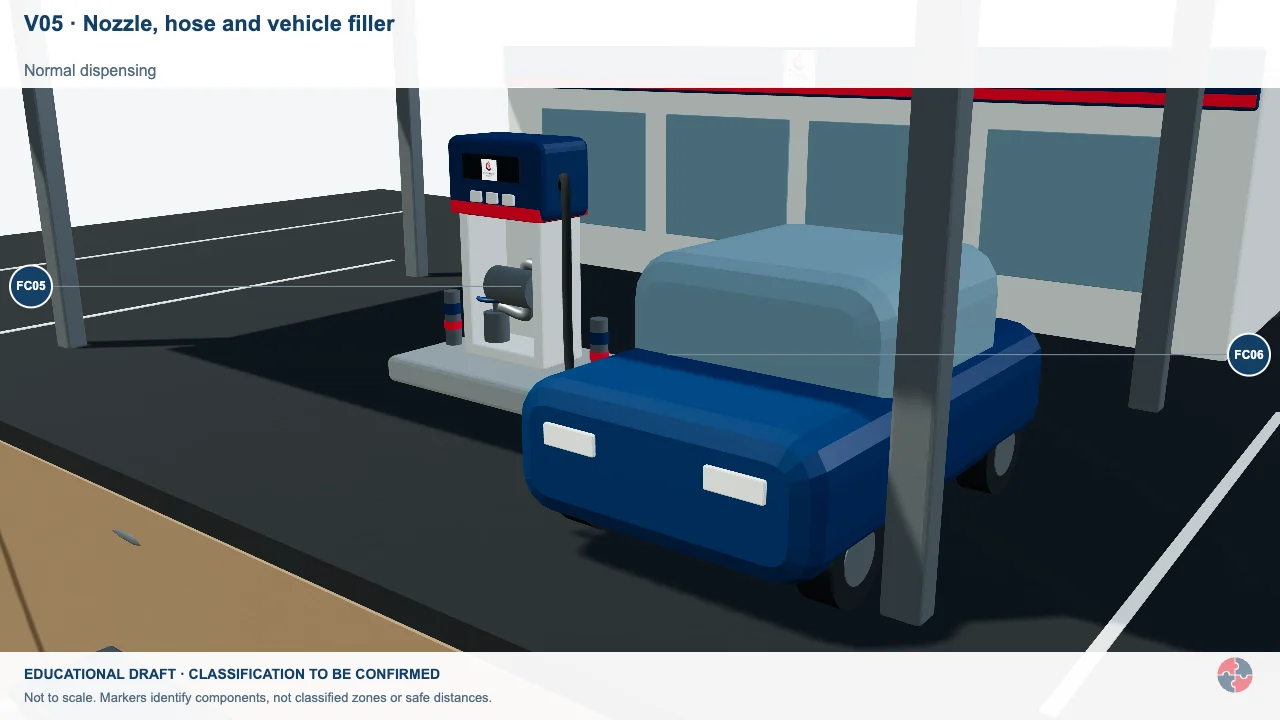

Nozzle, hose and vehicle filler
An extended hose places the nozzle tip and vehicle filler farther from the island. The local rounded teaching envelope follows that interface, with the hose kept slack.
Activity focus: Select near or extended hose, trace its fixed island connection, and inspect where the nozzle enters the filler. Compare recovery operating with no Stage II recovery.
Educational illustration, not to scale. Coloured zones are teaching examples, not a site-specific hazardous-area classification.
Occupational exposure is separate; hazardous-area boundaries are not health exposure limits.
How does the exposure decision change across sectors?
The same COSHH principles transfer, but the substance, form, route, people and strongest feasible control change with the task.
A sector label alone cannot select a respirator or exposure limit. The supervisor identifies the real task, product and people, then the competent assessor checks the route and control. HSE good control practice HSENI COSHH
| Sector | Task and harm route | Strongest feasible control and check | Residual stop point |
|---|---|---|---|
| Manufacturing | Solvent cleaning creates vapour peaks at an open tank and possible skin uptake. | Enclose transfer; sample each exposed work group in the breathing zone and check splash/contact controls. | Hold on unidentified solvent or a sample that excludes the peak cleaning period. HSE monitoring exposure |
| Construction | Concrete chasing creates RCS peaks that a full-shift average can conceal. | Design out chases, use on-tool capture, then sample representative cut length and duration. | Stop on failed extraction, visible plume or changed block material. HSE chasing concrete |
| Hospitality | A short kitchen cleaning-spray task can create an exposure peak for the cleaner. | Use a lower-exposure cleaning method; then define the exposed group and sampling question before measurement. | Stop on uncontrolled aerosol or symptoms; do not treat a calm-period sample as representative. HSE monitoring exposure HSE good control practice |
| Logistics | A leaking powder sack or container decant produces intermittent exposure. | Remove damaged pack from flow, prevent spill and sample only after the normal task is restored. | Do not use a calm-day sample to clear repeated spill work. HSE G409 air sampling HSE good control practice |
How does this topic support NEBOSH Diploma learning?
Learners should be able to explain WELs, TWA, STEL, personal sampling, biological monitoring and the limits of monitoring.
For DN2 occupational health answers, a strong response should not simply say 'monitor exposure'. It should explain why monitoring is needed, what substance is measured, who is sampled, whether the result is compared with a long-term or short-term limit and how controls will be improved.
Scenario answers should recognise that WEL compliance is only part of COSHH. The hierarchy of control, ALARP for certain substances, health surveillance, worker information and control maintenance all matter.
| Prompt | Strong answer includes | Common weakness |
|---|---|---|
| Explain WELs | EH40, legal benchmark, reference period and limits. | Treats WEL as a safe target. |
| Design monitoring | Purpose, SEG, personal/static sample, duration and interpretation. | Says 'get air testing' without method. |
| Interpret result | Task conditions, variability, controls and action. | Pass/fail only. |
| Link health surveillance | Separate exposure measurement from health checks. | Confuses monitoring with medical screening. |
What competence is needed for hazardous-substance decisions?
Workers, supervisors, assessors and specialists need different practical demonstrations; attendance alone cannot prove control.
A worker should be able to show the correct method and stop condition. A supervisor should see the control work at the task; a hygienist should explain sample representativeness and uncertainty. A manager should turn the result into a funded action. HSE good control practice HSENI COSHH
| Role | Practical demonstration | Assessor and evidence | Reassess when |
|---|---|---|---|
| Exposed worker | Show correct extraction use and describe when a sampler represents the actual breathing-zone task. | Supervisor witnesses the cut/cleaning task and records deviations. | Control fault, changed work length or dust symptom. HSE chasing concrete |
| Supervisor | Record material, duration, workers, capture state and abnormal tasks for the sampling plan. | Manager checks task log against hygienist report. | New product, process or contractor group. HSE monitoring exposure |
| Occupational hygienist | Choose personal versus static sampling, fraction, reference period and representative group; explain uncertainty. | Competent peer checks G409 plan and report. | Unexpected high/variable result or control change. HSE G409 air sampling |
| Occupational-health professional | Keep health surveillance and biological monitoring distinct from air sampling; advise within clinical competence. | Risk owner records referral and action without disclosing private details. | Symptoms or surveillance signal. HSE monitoring exposure |
| Risk owner and buyer | Fund source controls and act on high or uncertain results rather than treating below-WEL as release. | Senior manager verifies closed action and field capture. | Repeat exceedance or unsuitable monitoring design. HSE workplace exposure limits |
What warning signs show exposure monitoring is poorly managed?
Poor monitoring is visible when sampling is disconnected from task reality, controls or improvement action.
| Warning sign | How harm can develop | Action |
|---|---|---|
| No monitoring despite uncertainty | Workers may be exposed above limits without evidence. | Commission competent assessment or use more protective controls. HSE COSHH overview |
| Only area samples used | Personal breathing-zone exposure may be missed. | Use personal sampling where WEL comparison is needed. HSE COSHH overview |
| Report not explained | Workers do not understand risk or controls. | Brief findings and actions in plain language. HSE COSHH overview |
| High results not actioned | Overexposure continues. | Stop or restrict work and improve controls. HSE COSHH overview |
| Sampling on a clean day | Results understate normal or worst-case exposure. | Plan representative and high-exposure sampling. HSE COSHH overview |
| Skin route ignored | Air results look low while uptake continues through contamination. | Review gloves, hygiene, wipes and biological monitoring. HSE COSHH overview |
Check the current regulator guidance against the actual task. HSE COSHH HSENI COSHH
Chemical hazard symbols: what do they mean?
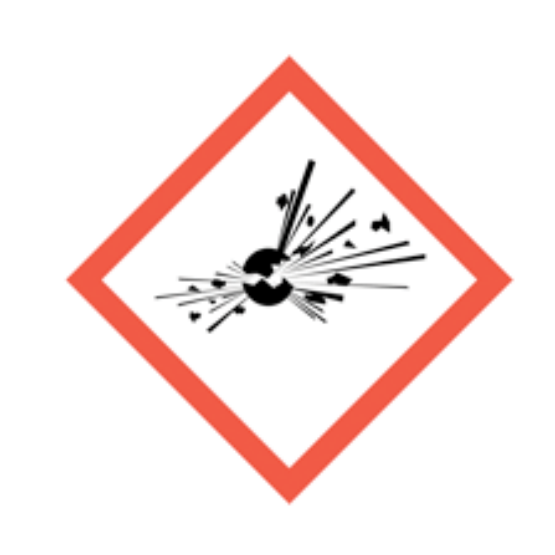
Exploding bomb
Explosive, self-reactive or organic peroxide hazards.
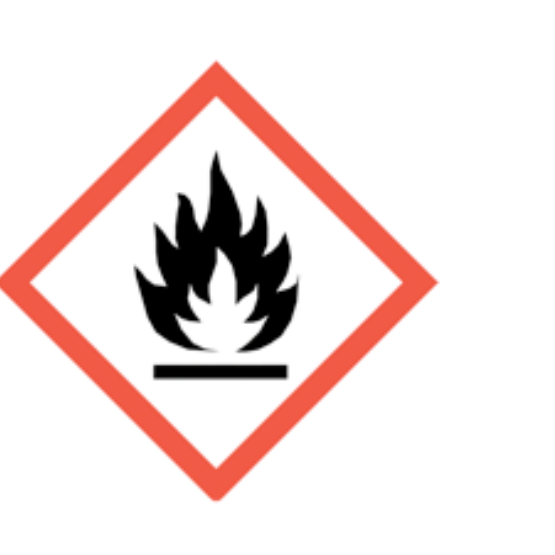
Flame
Flammable, self-heating or pyrophoric substances.
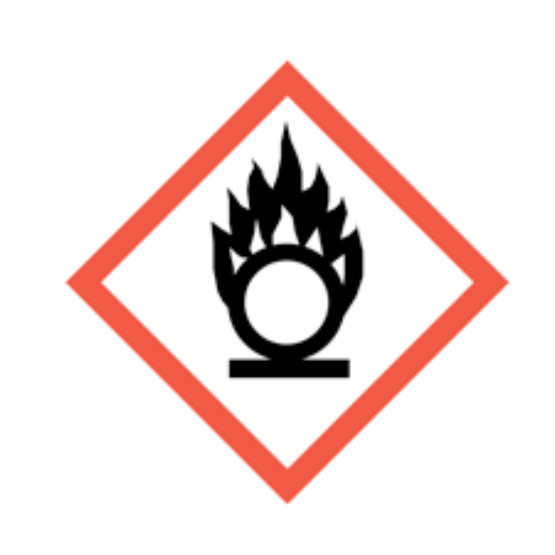
Flame over circle
Oxidising substances that can intensify fire.

Gas cylinder
Gas under pressure.
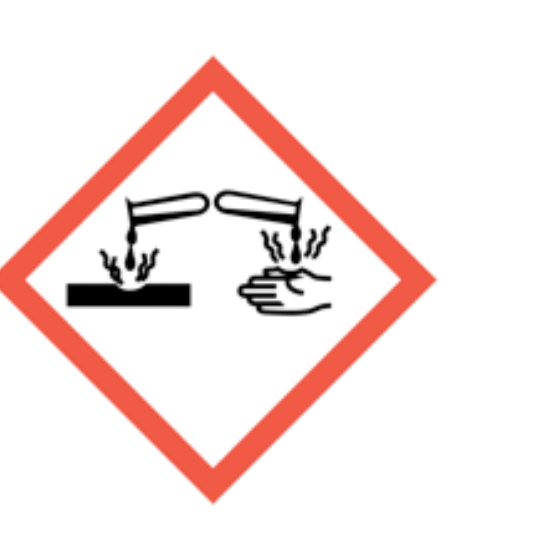
Corrosion
Skin burns, eye damage or corrosive to metals.
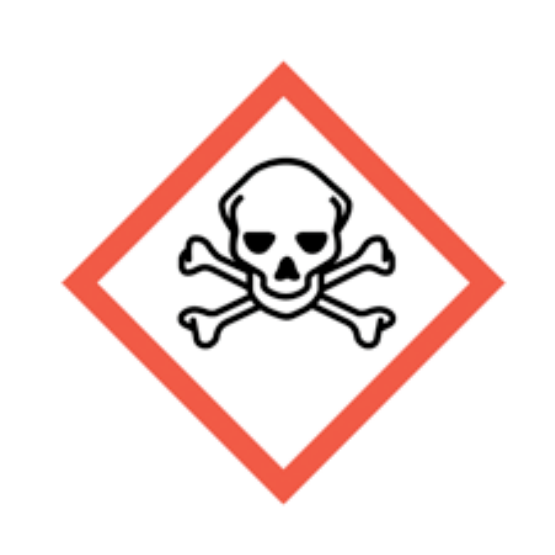
Skull and crossbones
Acute toxicity.

Exclamation mark
Irritation, harmful effects or skin sensitisation; some classifications cover drowsiness, dizziness or ozone-layer hazard. Read the actual hazard statements. Skin sensitisation differs from respiratory sensitisation.
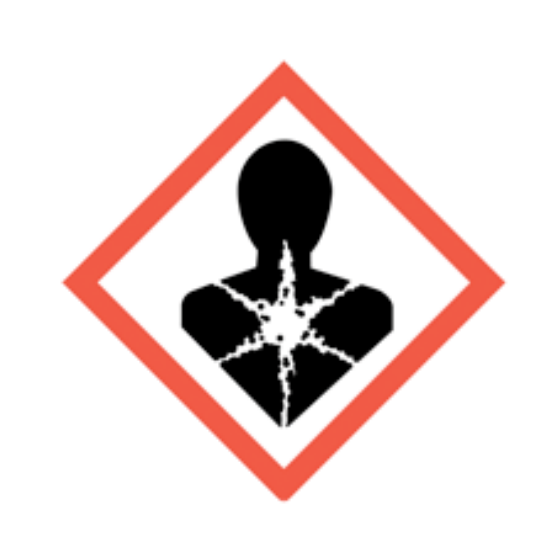
Health hazard
Serious health hazards, including organ damage, aspiration hazard, respiratory sensitisation, cancer and reproductive effects; some can follow a single exposure.
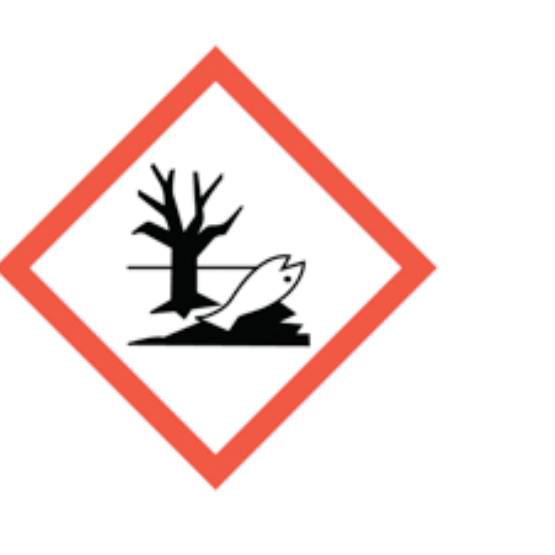
Environment
Hazardous to the aquatic environment.
What do the acronyms and key terms mean?
Acronyms should be understood before they are used in assessments, briefings, audits or learning answers.
| Acronym | Meaning | Plain-English use |
|---|---|---|
| WEL | Workplace exposure limit | A legal airborne exposure benchmark in EH40. |
| EH40 | HSE's workplace exposure limits publication | The current official source for GB WELs. |
| LTEL | Long-term exposure limit | Usually an 8-hour time-weighted average. |
| STEL | Short-term exposure limit | A short reference period used for peak exposure where specified. |
| TWA | Time-weighted average | Average exposure adjusted for concentration and duration. |
| SEG | Similar exposure group | Workers with similar exposure profiles. |
| BMGV | Biological monitoring guidance value | A benchmark used for some biological monitoring interpretation. |
| LEV | Local exhaust ventilation | Engineering control that captures contaminants near source. |
| RPE | Respiratory protective equipment | Equipment worn to reduce inhalation exposure where required. |
Unlock another resource
You have used this month’s two free downloads. Publish a post in your own words to unlock one more resource, or choose SHARE Individual for 10 downloads per month.
You decide whether to share. If you do, use the relevant platform disclosure tools and do not make claims you do not genuinely hold.