SHARE Knowledge Hub
Utilities and Process Services
Utilities and process services are supplies such as power, instrument air, steam, cooling water and nitrogen that support a plant's operation and safety functions. Their energy or contents can injure people directly, while loss or degradation can disable valve action, heat removal, alarms or emergency protection and allow a hazardous process to escalate. Safe work depends on mapping affected users, controlling stored energy and impairments, and proving the final protective function before restart.
Understanding Utilities and Process Services
Utilities and process services are the site systems that supply energy, cooling, heating, pressure, atmosphere, control capability, fire protection, drainage and other conditions needed for production and for safety.
Why this matters at work
Establish cause, correct line up and downstream readiness as well as header recovery. Check protective systems, alarms and the consequences of partial restoration. Restart follows the approved procedure and authority for the plant, not pressure to resume output. After an unplanned utility loss, plant condition may be unknown: valves have failed, seals are warm, lines contain condensate, analysers are stale, relief drums have received material and batteries are depleted. Establish the state locally where needed, identify the cause, reset only authorised trips, restore protective services and inspect affected equipment. Do not assume that return of supply returns equipment to pre-trip condition. Restart authority should be explicit and independent challenge proportionate to consequence. Communicate across utility and process teams and control simultaneous demand. If investigation or inspection is incomplete, choose a stable safe condition rather than use production pressure to compress the restart review. Startup and shutdown create changing inventories, flows, temperatures and support demands. Confirm utility availability, quality, protection, drains, vents and downstream readiness before introducing energy or hazardous material.
Use bowties, fault trees, cause-and-effect reviews or dynamic simulation as appropriate. Challenge optimistic operator actions, inaccessible manual valves and sequential restarts. Record cliff-edge conditions where a small further loss creates rapid site-wide failure, and give operators early indicators and conservative decision points.
How organisations manage this in practice
Treat impairment as an explicit operational decision with defined limits, compensating measures and restoration responsibility. Do not let a temporary bypass become normal through repeated extensions. Stop or reduce operation when the required protection cannot be maintained.
Check common causes, shared routes, control power, fuel and environmental vulnerability. A second machine on the same vulnerable supply may fail with the first. Demonstrate the required availability through the actual design and verification evidence.
Compensatory measures should address the same failure mechanism and response time. Extra operator rounds may not replace an automatic trip where process safety time is short; a fire watch does not replace all functions of a deluge system. Evaluate combinations of impairments across the site and stop work or reduce inventory when cumulative risk is unacceptable.
How can I practise this topic in 3D?
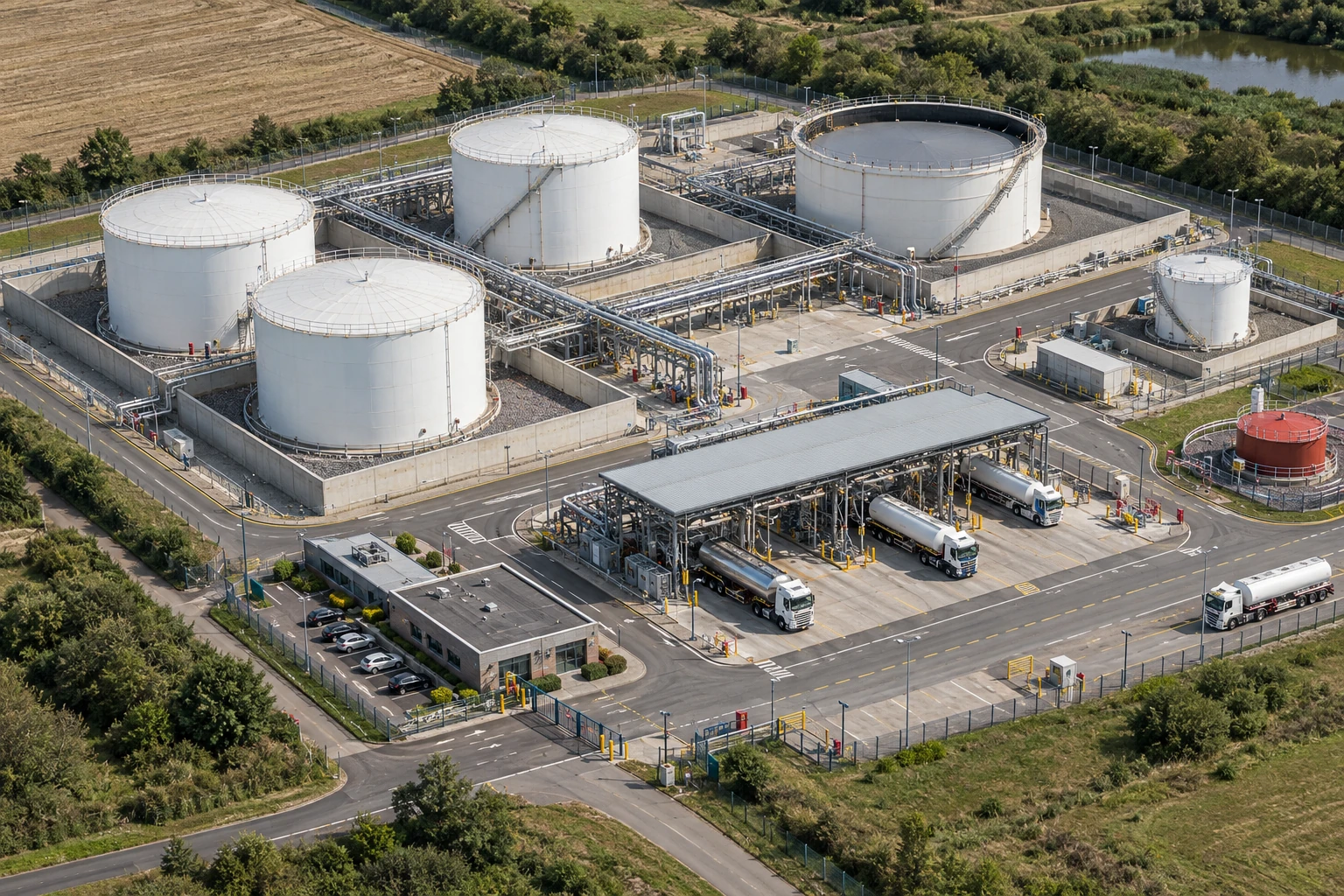

The diesel standby pump has not proved its emergency duty
All related inspection points 6 across 1 location
Crown Fuels terminal 6 inspection points
Practice in the SHAREhub environment. Browser practice is separate from workplace competence and formal learning records.
What counts as a utility or process service?
A utility is a supply or support system needed for work or safe operation; its importance depends on what fails with it.
Best-practice guide: Utilities and Process Services
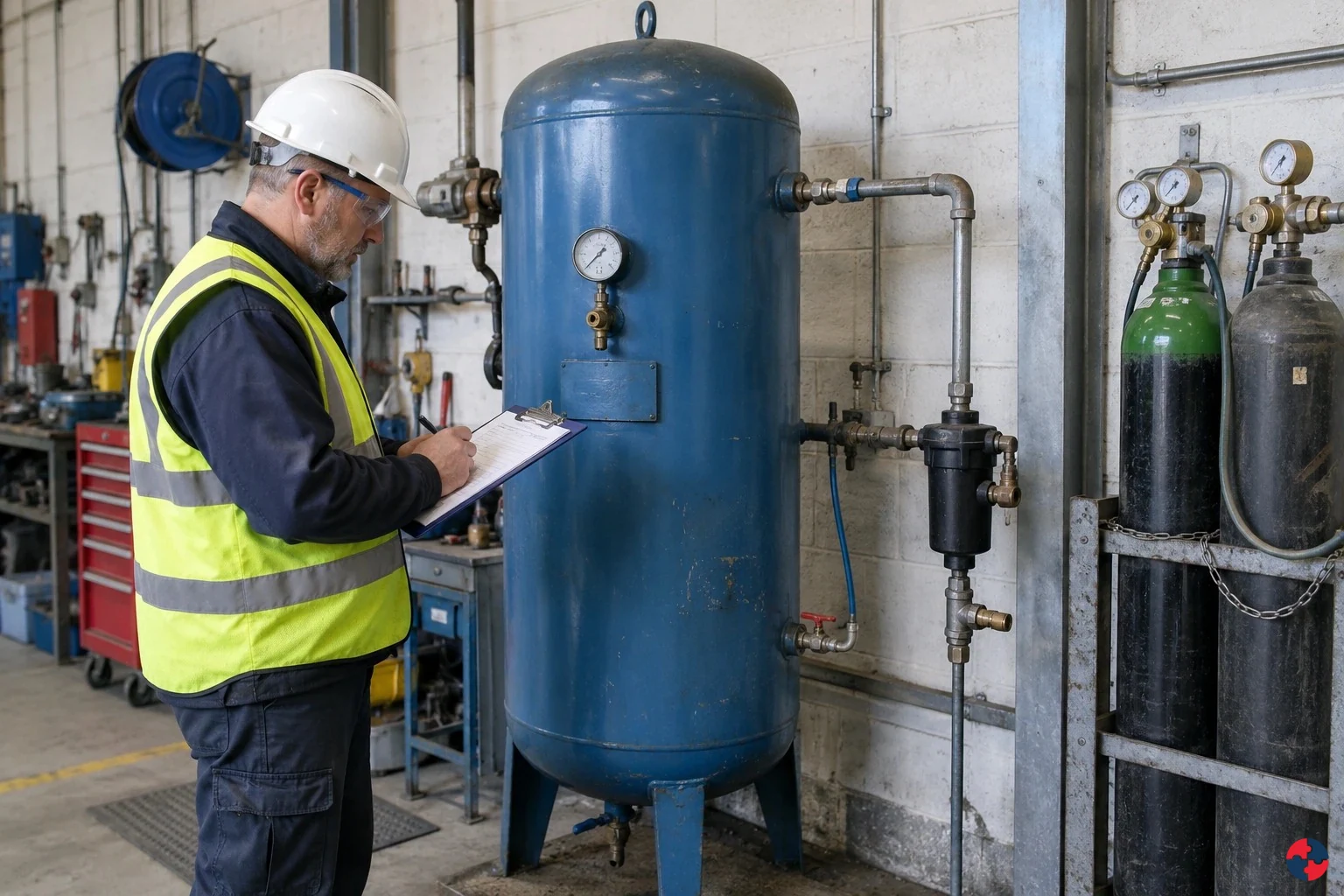
What counts as a utility or process service?
Power, instrument air, steam, cooling water and nitrogen can support operation and safety functions. Some utility dependence may remain: identify it explicitly and resolve its effect before authorised release. A working compressor alone does not prove the final protective function.
Make utility dependence and performance observable
The intended benefit is reliable protection, but a claimed benefit is not a test result. Not every valve fails closed. Establish the specified fail action on the actual equipment and retain the evidence of its response.
Instrument-air loss and transfer hold
Low-air alarm appears; stop the transfer, pause dependent jobs, identify affected valves and move plant to the approved safe state. Repair supply, test pressure, quality, actuators and alarms, remove temporary connections and obtain authorised release.
Utility harm mechanisms and stop points
Steam pressure and heat are different from nitrogen oxygen displacement. Identify the actual service, route to harm and dependent functions rather than treating all utilities as one hazard.
Choose and prove service-specific controls
Actions, intended benefits, limitations and evidence are different. Read the full control tables for service-specific ownership, pressure-system gates, temporary connections and operations acceptance. No generic guide authorises isolation or restart.
Use the full utilities and process services lesson
Use the full topic for the decision points, practical examples, detailed control tables and source scope. HSE guidance applies to Great Britain; use HSENI for the Northern Ireland route and the source’s stated jurisdiction. A simplified guide does not change the page’s technical-review or approval status.

Read all six steps as text
1. What counts as a utility or process service?
A utility is a supply or support system needed for work or safe operation; its importance depends on what fails with it.
- Action: Trace shared supply, distribution and connected users; establish the safe operating or held state when protection is impaired.
- Intended benefit and limitation: Designed separation can reduce common failures, but a second compressor or labelled feed does not prove independence.
- Verification evidence: Test the required demand, logic, actuator and confirmed physical response; record boundaries and unresolved dependencies.
Power, instrument air, steam, cooling water and nitrogen can support operation and safety functions. Some utility dependence may remain: identify it explicitly and resolve its effect before authorised release. A working compressor alone does not prove the final protective function.
Apply it: Which part of this plan would you check at the workface before authorising the task?
2. Make utility dependence and performance observable
Use the evidence to improve the actual work arrangement.
- Action and owner: The competent team traces shared power, headers, controls, temporary connections and affected users.
- Actual test: Through the approved procedure, check the initiating demand through logic and actuator to the confirmed physical state.
- Evidence and limitation: Record the configuration, result, test boundary and any remaining dependency; operations accepts the documented hand-back.
The intended benefit is reliable protection, but a claimed benefit is not a test result. Not every valve fails closed. Establish the specified fail action on the actual equipment and retain the evidence of its response.
Apply it: What evidence would show that the change improves this task, rather than only completing a record?
3. Instrument-air loss and transfer hold
Example: a practical application of the existing topic lesson.
- Setting: Fuel-additive transfer preparation at a blending area with a shared instrument-air header.
- Act: Check header condition, valve status, standby availability and whether concurrent work affects the same supply.
- Hold / review: No transfer or restart while valve positions, air quality, protective functions or other affected users are uncertain.
Low-air alarm appears; stop the transfer, pause dependent jobs, identify affected valves and move plant to the approved safe state. Repair supply, test pressure, quality, actuators and alarms, remove temporary connections and obtain authorised release.
Apply it: At which point would you hold this example, and what evidence would allow it to proceed?
4. Utility harm mechanisms and stop points
Connect the task, the route to the person and the control that can fail.
- Steam: pressure and heat: A release can burn or scald; pressure and stored energy can cause impact or ejection. Use the service-specific isolation and verification method.
- Nitrogen: oxygen displacement: A release can create an oxygen-deficient atmosphere without a useful sensory warning. Apply the assessed prevention, atmospheric and emergency arrangements.
- Electrical and other services: Electrical contact or arc and other stored-energy releases have different mechanisms. Identify each service and its task-specific controls.
Steam pressure and heat are different from nitrogen oxygen displacement. Identify the actual service, route to harm and dependent functions rather than treating all utilities as one hazard.
Apply it: Who could be exposed, including other trades, cleaners, maintainers and people nearby?
5. Choose and prove service-specific controls
Start with the stronger practicable options and verify their effect.
- Remove exposure: Stop or redesign the affected operation while required protection is unavailable. Verify the actual operating boundary.
- Reduce demand: Consider a safer process or lower hazard with competent design input; document the limitations.
- Separate and engineer: Design suitable separation and isolation; examine shared power, headers and controls before claiming independence.
- Verify the function: Test the complete specified function and actual final-element state through the approved method.
- Remaining exposure: Record restrictions and suitable residual protection; PPE cannot restore a failed supply or trip.
Actions, intended benefits, limitations and evidence are different. Read the full control tables for service-specific ownership, pressure-system gates, temporary connections and operations acceptance. No generic guide authorises isolation or restart.
Apply it: Which stronger option can be used here, and who will verify it before accepting the remaining risk?
6. Use the full utilities and process services lesson
Follow the official sources below and retain the task-specific evidence.
- Official guidance: HSE: reliability of utilities
- Official guidance: HSE: maintenance of work equipment
- Task decision: Alarm and event log, dependency review, fault record, function tests, permit closure and signed restart decision.
Use the full topic for the decision points, practical examples, detailed control tables and source scope. HSE guidance applies to Great Britain; use HSENI for the Northern Ireland route and the source’s stated jurisdiction. A simplified guide does not change the page’s technical-review or approval status.
Apply it: Which official source and full-topic section will you use to resolve the next decision?
Examples include electrical and standby power, instrument and general compressed air, steam and condensate, cooling and process water, nitrogen or other inert gas, fuel gas, vacuum, hydraulic power, ventilation, fire water, drainage and communications. The same header may serve several units. A service is safety-critical when its loss can defeat a prevention, control or mitigation measure. A service can also cause direct harm through electricity, pressure, temperature, oxygen displacement, contamination or fire.
This page covers both process-site utility networks and work near external or buried service routes. It does not assume a site is subject to the Control of Major Accident Hazards (COMAH) regime or that every service is safety-critical; those are site- and scenario-specific decisions.
| Service | Possible dependency | Direct hazard to check |
|---|---|---|
| Electrical power or UPS | Control, alarms, ventilation, pumps and communication. | Shock, arc, unexpected energisation. Sources: HSE: work on electrical equipment, HSE: reliability of utilities |
| Instrument air | Actuator and valve action. | Stored pressure, unexpected movement. Source: HSE: reliability of utilities |
| Steam or compressed gas | Heating or motive supply. | Burn, pressure release and stored energy. Source: HSE: Pressure Systems Safety Regulations |
| Nitrogen | Inerting or purging. | Oxygen displacement and overpressure. Source: HSE: inerting |
| Cooling or fire water | Heat removal or emergency mitigation. | Loss of barrier, flooding and contamination. Source: HSE: reliability of utilities |
| Buried supply | External electricity, gas, water or communications. | Service strike and interruption. Source: HSE: avoiding danger from underground services, HSENI: example excavation method statement |
How can a failed utility injure people?
A utility can injure directly when its energy or contents escape, or indirectly when its loss defeats a safeguard. Trace the source, route to people, likely harm and the condition that requires work to stop. Sources: HSE: reliability of utilities, HSE: inerting.
Steam transfers heat into skin, eyes or airways; a pressure rupture can also throw parts. Escaping nitrogen displaces oxygen, especially in enclosed or low-lying spaces. Electricity can pass through a person or produce an arc. A failed cooling, air, power or fuel-gas service may also let a hazardous process release material, ignite or lose emergency protection. Severity depends on inventory, pressure, temperature, ventilation, exposure time, occupied location and the speed of isolation. The table is a scenario prompt: the actual process assessment must identify the credible route and affected people.
| Service or task | Route to person | Likely harm | Warning and stop point |
|---|---|---|---|
| Steam or hot condensate at a trap or joint | Contact with a hot jet or surface; pressure can eject parts. | Acute skin or eye scalds and burns; a large release may be fatal. | Leak, unexpected heat or pressure rebound: withdraw, exclude others and isolate remotely if safe. Source: HSE: Pressure Systems Safety Regulations |
| Nitrogen purge or inert-gas leak | Gas accumulates and displaces breathable air in a vessel, pit or room. | Oxygen deprivation can cause collapse, brain injury or death, sometimes with little warning. | Oxygen alarm, suspected leak or untested entry atmosphere: leave, prevent entry and use the rescue plan. Source: HSE: inerting |
| Electrical supply or buried cable work | Contact with energised parts or an arc; a strike can energise plant. | Shock, burns, cardiac injury or fatal electrocution. | Unknown feed, failed prove-dead check or cable strike: stop, keep clear and obtain owner-led isolation. Source: HSE: work on electrical equipment, HSE: avoiding danger from underground services |
| Compressed air or hydraulic maintenance | Stored compressed-air pressure, hydraulic oil jet, hose failure or unexpected actuator movement reaches a worker. | Impact or crush injury, hydraulic fluid injection injury and serious eye damage. | Pressure rise, damaged hose or moving part: withdraw and re-establish a verified safe state. PSSR applies only where its relevant-fluid criteria are met; hydraulic oil circuits are outside PSSR. Sources: HSE: Pressure Systems Safety Regulations, HSE: hydraulic injection injury |
| Cooling, instrument air or power to a hazardous process | Failed heat removal, valve action, detection or shutdown allows release or escalation. | Fire or explosion burns; toxic release can cause acute poisoning or longer-term harm according to substance. | Outside approved envelope, alarm/trip failure or unknown valve state: stop dependent operation and follow safe-state procedure. Source: HSE: reliability of utilities |
| Fuel gas service and impaired ventilation | A leak can form a flammable atmosphere and reach an ignition source. | Fire and explosion burns, blast injury and possible smoke inhalation. | Gas indication, leak or ventilation failure: stop work, avoid ignition and use the site emergency plan. Source: HSE: DSEAR in detail |
Longer-term outcomes depend on the substance released: a generic “toxic gas” label cannot establish the diagnosis. Use the actual material information and exposure assessment. Never send an unprotected colleague into a suspected oxygen-deficient space to rescue someone.
Suspected high-pressure injection requires immediate professional medical treatment, even if pain is slight or the visible wound is small. Stop exposure without approaching the jet, raise the site emergency response and tell clinicians the injection mechanism and any fluid information safely available. Do not wait for pain or visible deterioration. See HSE hydraulic-injection safety alert.
How can the hierarchy of controls prevent utility failures and unsafe process-service conditions?
Use elimination or source reduction first where feasible. Where a utility remains essential, protect its users with physical design, verified isolation, suitable backup and clear operating limits; PPE and rules cannot make a failed process safeguard reliable. Sources: HSE: reliability of utilities, HSE managing risk using PPE.
ERICPD means Eliminate, Reduce or substitute, Isolate, Control, Personal protective equipment and Discipline. It is a planning framework, not a separate law. For the example of instrument air and cooling supporting a hazardous transfer, the decision is whether the transfer can be removed or paused, how much hazardous inventory remains, and whether each credited barrier works after a utility fault. “Control” includes engineered protection and the administrative decision to restrict work; these are identified separately below.
How can the ERICPD hierarchy of controls prevent utility failures and unsafe process-service conditions?
Hierarchy correction, 19 October 2026: use the corrected task text and control panels below. The overview and stage artwork has been updated locally to match the corrected task text. Rendered and release verification remains pending: physical protection belongs under Engineering, procedures under Administrative, and a reduced quantity, rate or footprint is not by itself Substitution. Discipline means response practice, handover, maintenance and defect learning. Read the full task before applying any example.

| Level and concrete control | How it breaks the chain | Owner and check | Limit or failure condition |
|---|---|---|---|
| Eliminate — Remove the hazardous transfer or redesign the process so the protective utility dependency is no longer required, where practicable. | Removes the hazardous task or dependency rather than merely inhibiting a start. | Design authority verifies the permanent alternative; operations retains the hold until protection is demonstrated. | Some utility dependence may remain. A bypass or restart without demonstrated safe state defeats this level. Source: HSE: reliability of utilities |
| Reduce — Reduce hazardous inventory or operating rate under an approved assessed envelope; this reduction is not itself a replacement. | Reduces the consequence or demand on cooling and shutdown. | Process engineer confirms material compatibility, limits and revised hazard assessment. | A slower transfer is unsafe if the same single failure still causes loss of containment; substitution may introduce other hazards. Source: HSE: reliability of utilities |
| Isolate — Segregate critical utility distribution and backups from common-cause damage; positively isolate and prove dead or depressurised before maintenance. | Prevents one fault reaching all barriers and prevents worker contact with energy. | Engineering proves separation; authorised isolator verifies the work point and records it. | Shared power, headers or hidden backfeeds can defeat claimed independence. Source: HSE: safe isolation of plant and equipment |
| Control — physical: designed fail action, monitored supply, independent reserve, alarms, trips and relief where appropriate. | Detects degradation, moves plant safe and limits escalation. | Engineer sets the performance standard and tests the final protective function end to end. | A generator start or full receiver gauge alone does not prove final protective action; stop for failed tests. Source: HSE: control systems technical measures |
| PPE — Task-assessed eye, hand, heat or other protection for residual maintenance exposure. | May limit injury from a small residual contact; it does not restore air, cooling or a failed trip. | Supervisor checks selection, condition and use against the task and manufacturer information. | Ordinary PPE cannot protect against an uncontrolled major release, oxygen-deficient atmosphere or an unsafe rescue. Source: HSE managing risk using PPE |
| Discipline — Practise abnormal response, verify handovers, supervise temporary connections and close defects with evidence. | Keeps agreed controls in use and reveals drift before a demand. | Area manager samples a real shift, tests response and resolves repeat alarms or bypasses. | Training attendance or a signed permit without field performance is insufficient; avoid blame for a design fault. Source: HSE: maintenance of work equipment |
| Control — administrative: impairment approval, permit coordination and safe-state response. Do not start or continue hazardous transfer while a credited air or cooling function is unavailable. | Work restrictions control remaining exposure; a start-prevention interlock is engineering protection, not elimination. | Operations manager records the hold; operator follows the alarm response and coordinates affected users. | A signed permit or restricted rate does not restore a failed safeguard. Stop for failed tests. HSE: control systems technical measures |
| Substitute — Consider a less hazardous material or lower-energy process at design stage as a genuine replacement. | A suitable replacement reduces hazard or utility demand at source; merely reducing inventory or rate remains reduction. | Process engineer confirms material compatibility, limits and the revised hazard assessment. | Substitution may introduce other hazards. A slower transfer is unsafe if the same single failure still causes loss of containment. HSE: reliability of utilities |
How can the ISO 45001 hierarchy of controls prevent utility failures and unsafe process-service conditions?

| Level and concrete control | How it breaks the chain | Owner and check | Limit or failure condition |
|---|---|---|---|
| Eliminate — Remove the hazardous transfer or redesign the process so the protective utility dependency is no longer required, where practicable. | Removes the hazardous task or dependency rather than merely inhibiting a start. | Design authority verifies the permanent alternative; operations retains the hold until protection is demonstrated. | Some utility dependence may remain. A bypass or restart without demonstrated safe state defeats this level. Source: HSE: reliability of utilities |
| Reduce — Reduce hazardous inventory or operating rate under an approved assessed envelope; this reduction is not itself a replacement. | Reduces the consequence or demand on cooling and shutdown. | Process engineer confirms material compatibility, limits and revised hazard assessment. | A slower transfer is unsafe if the same single failure still causes loss of containment; substitution may introduce other hazards. Source: HSE: reliability of utilities |
| Isolate — Segregate critical utility distribution and backups from common-cause damage; positively isolate and prove dead or depressurised before maintenance. | Prevents one fault reaching all barriers and prevents worker contact with energy. | Engineering proves separation; authorised isolator verifies the work point and records it. | Shared power, headers or hidden backfeeds can defeat claimed independence. Source: HSE: safe isolation of plant and equipment |
| Control — physical: designed fail action, monitored supply, independent reserve, alarms, trips and relief where appropriate. | Detects degradation, moves plant safe and limits escalation. | Engineer sets the performance standard and tests the final protective function end to end. | A generator start or full receiver gauge alone does not prove final protective action; stop for failed tests. Source: HSE: control systems technical measures |
| PPE — Task-assessed eye, hand, heat or other protection for residual maintenance exposure. | May limit injury from a small residual contact; it does not restore air, cooling or a failed trip. | Supervisor checks selection, condition and use against the task and manufacturer information. | Ordinary PPE cannot protect against an uncontrolled major release, oxygen-deficient atmosphere or an unsafe rescue. Source: HSE managing risk using PPE |
| Discipline — Practise abnormal response, verify handovers, supervise temporary connections and close defects with evidence. | Keeps agreed controls in use and reveals drift before a demand. | Area manager samples a real shift, tests response and resolves repeat alarms or bypasses. | Training attendance or a signed permit without field performance is insufficient; avoid blame for a design fault. Source: HSE: maintenance of work equipment |
| Control — administrative: impairment approval, permit coordination and safe-state response. Do not start or continue hazardous transfer while a credited air or cooling function is unavailable. | Work restrictions control remaining exposure; a start-prevention interlock is engineering protection, not elimination. | Operations manager records the hold; operator follows the alarm response and coordinates affected users. | A signed permit or restricted rate does not restore a failed safeguard. Stop for failed tests. HSE: control systems technical measures |
| Substitute — Consider a less hazardous material or lower-energy process at design stage as a genuine replacement. | A suitable replacement reduces hazard or utility demand at source; merely reducing inventory or rate remains reduction. | Process engineer confirms material compatibility, limits and the revised hazard assessment. | Substitution may introduce other hazards. A slower transfer is unsafe if the same single failure still causes loss of containment. HSE: reliability of utilities |
For steam, nitrogen and electricity, apply the same ordering to the direct source: avoid the hazardous task, reduce energy or exposure where feasible, physically separate people, then use engineered protection and a verified safe work method. A change can create a new hazard: nitrogen inerting can prevent ignition but create an oxygen-deficient atmosphere; a temporary generator can add fuel, exhaust, electrical and fire risks. Reassess those interfaces before adopting the control. The actual system design, manufacturer instructions and current GB or NI duties set the final method.
How do both control hierarchies work for each utility hazard?
The strongest feasible measure depends on whether the threat is direct release or loss of a protective utility; the five levels and ERICPD must be applied to each actual service.
HSE’s five-level hierarchy separates elimination, substitution, engineering control, administrative control and PPE. ERICPD adds explicit isolation and discipline; its Control stage contains both physical and administrative measures. These frameworks guide choice and checking, but neither is a separate legal permission. Each case starts with a higher-order option and states why residual controls are still needed.
Electrical supply or buried cable during maintenance and excavation
For electrical and buried service work, reroute or remove the intrusive task first, then use competent isolation, location and owner-controlled physical separation.
The HSE links here are GB guidance used as technical reference in Northern Ireland, not a statement that GB regulations apply there. Check the actual owner instructions and NI legal route before authorising local work.
Source route: HSE: work on electrical equipment, HSE: avoiding danger from underground services, HSE: safe isolation of plant and equipment. The sequence below is a task example, not an automatic permission to work.
Eliminate — ERICPD Eliminate; five-level elimination. Design the repair or trench away from the cable and use an accessible isolation/test point outside the live enclosure. The designer and service owner compare current drawings with the actual route. If the line cannot be avoided, do not call the elimination stage complete. See HSE: work on electrical equipment.
Substitute or reduce — ERICPD Reduce; five-level substitution. Consider a non-intrusive survey that genuinely replaces the intrusive method after checking its limits and new hazards. A shorter or shallower repair is avoidance or exposure reduction, not substitution by itself; check that a new route does not meet another hidden cable. The planner records whether the alternative genuinely replaces the hazardous method and why any residual exposure or owner isolation remains necessary. See HSE: work on electrical equipment.
Engineering separation — ERICPD Isolate and physical Control; five-level engineering. The authorised electrical person identifies all feeds and backfeeds, secures isolation and proves dead at the point of work with checked test equipment. For digging, the team locates and carefully exposes the owner-identified route and barriers keep plant outside it. Failed proof, conflicting signals or damaged sheath stops work and calls the owner. See HSE: avoiding danger from underground services, HSE: safe isolation of plant and equipment.
Administrative control — ERICPD Control and Discipline; five-level administrative. The supervisor aligns permits, owner contact, marked plans, plant reach and crew brief, then checks the live trench or work point. A changed route, mark or crew triggers a hold; a signed permit alone is not a cable detector. See HSE: work on electrical equipment.
PPE — ERICPD PPE; five-level PPE. Competent specialists select task-rated protection only for the residual work specified in their method; inspect condition and fit before use. Ordinary gloves or eyewear cannot make live contact or an arc safe. See HSE managing risk using PPE.
ERICPD Discipline. Retain test and owner evidence, repeat detection as excavation progresses, maintain barriers and review any near strike. The technical lead corrects the physical or planning failure before restart. See HSE: work on electrical equipment.
Steam, hot condensate and pressurised-air release at a valve or trap
For steam and pressurised fluids, avoid opening the system where feasible and verify pressure, temperature, trapped inventory and isolation at the work point.
Different utilities, different harm paths


Read the complete visual as text
- Steam and nitrogen: Steam, hot condensate and trapped pressure can scald or release energy. Nitrogen can displace oxygen in connected or enclosed spaces; a fume extractor does not prove oxygen safety.
- Electricity: Electrical energy can shock or arc. Isolation and proving at the work point belong to the authorised competent electrical method, with no exposed test sequence supplied here.
- Instrument air: Air loss can defeat valve action and other protective functions. Pause the affected hazardous transfer, establish actual state and dependent users, and use the approved response.
The HSE links here are GB guidance used as technical reference in Northern Ireland, not a statement that GB regulations apply there. Check the actual owner instructions and NI legal route before authorising local work.
Source route: HSE: Pressure Systems Safety Regulations, HSE: safe isolation of plant and equipment, Pressure Systems Safety Regulations (NI) 2004. The sequence below is a task example, not an automatic permission to work.
Eliminate — ERICPD Eliminate; five-level elimination. Assess whether the inspection can be made with remote temperature/condition measurement or by replacing an off-line module. The engineer verifies the measurement diagnoses the fault and the pressure-system competent person checks the applicable scheme; do not open the line to find out. See HSE: Pressure Systems Safety Regulations.
Substitute or reduce — ERICPD Reduce; five-level substitution. Where feasible, redesign a hot steam duty to a lower-temperature service or lower inventory, subject to process and hygiene requirements. The design authority checks performance and avoids introducing a new contamination or failure route. See HSE: Pressure Systems Safety Regulations.
Engineering separation — ERICPD Isolate and physical Control; five-level engineering. Fit accessible isolation, drain, vent and relief arrangements appropriate to the actual system; identify trapped pockets and prove pressure/temperature safe at the work point. A competent person verifies design and pre-use test. A leaking valve, blocked gauge or unexpected heat holds the job. See HSE: safe isolation of plant and equipment, Pressure Systems Safety Regulations (NI) 2004.
Administrative control — ERICPD Control and Discipline; five-level administrative. The supervisor sets an exclusion zone, staged depressurisation method, permit and written hand-back. Check upstream/downstream users and temporary connections during the job; a changed configuration requires revised isolation. See HSE: Pressure Systems Safety Regulations.
PPE — ERICPD PPE; five-level PPE. Task-specific heat/splash protection protects against residual contact only after verified isolation. Check coverage, compatibility, condition and replacement; it cannot withstand an uncontrolled jet or bursting pipe. See HSE managing risk using PPE.
ERICPD Discipline. Inspect and maintain valves, gauges and relief devices, retain examination records where required, and investigate pressure anomalies before restarting. The owner closes defects, not merely the paperwork. See HSE: Pressure Systems Safety Regulations.
Nitrogen purge or inert-gas leak in an enclosed work area
For nitrogen, avoid or minimise the purge where the process permits, then verify discharge routing, ventilation, oxygen monitoring and rescue arrangements.
The HSE links here are GB guidance used as technical reference in Northern Ireland, not a statement that GB regulations apply there. Check the actual owner instructions and NI legal route before authorising local work.
Source route: HSE: inerting, HSE: safe isolation of plant and equipment. The sequence below is a task example, not an automatic permission to work.
Eliminate — ERICPD Eliminate; five-level elimination. Ask whether purging can be avoided by the process design or moved to an unoccupied, open location. The process engineer checks the effect on fire prevention and product quality; removing inerting is not feasible if it creates a larger fire or process hazard. See HSE: inerting.
Substitution versus reduction — ERICPD Reduce; five-level substitution assessed. A different purge gas is not automatically safer: air may defeat inerting and increase fire risk. If no safer medium is validated for the actual process, record substitution as infeasible and reduce purge flow, duration or inventory to the proven process need. The owner checks that the revised method still achieves the required safe state. See HSE: inerting.
Engineering separation — ERICPD Isolate and physical Control; five-level engineering. Route discharge away from occupied spaces, isolate and lock purge supplies during intrusive work, and provide designed ventilation and oxygen monitoring where the risk assessment requires it. Commission and function-test alarms and airflow. Low oxygen, failed monitor or unexpected flow means evacuate and call the response team. See HSE: safe isolation of plant and equipment.
Administrative control — ERICPD Control and Discipline; five-level administrative. A confined-space or area-access method defines exclusion, atmospheric test, rescue capability and named permit owner for the actual work. The supervisor checks the entry point and evolving readings; no person enters to improvise a rescue. See HSE: inerting.
PPE — ERICPD PPE; five-level PPE. Ordinary respirators do not supply oxygen. Any specialist breathing apparatus or rescue equipment needs a separately designed, trained and tested response plan; inspect it before use and stop if the plan or equipment is absent. See HSE managing risk using PPE.
ERICPD Discipline. Trend oxygen alarms and unplanned nitrogen use, maintain detectors and ventilation, practise the site response and correct leaks before the area is released. See HSE: inerting.
How do both hierarchies apply to a fuel-gas release?
For a fuel-gas connection, first remove the need for the intrusive task or gas inventory where feasible; an engineered leak boundary and ignition control must then be verified before work.
The HSE links here are GB guidance used as technical reference in Northern Ireland, not a statement that GB regulations apply there. Check the actual owner instructions and NI legal route before authorising local work.
Eliminate — ERICPD Eliminate; five-level elimination. The process designer assesses a connection-free or off-line replacement that removes opening the gas line. Operations confirms supply and safety functions can be maintained. If the task remains necessary, record that the release path has not been eliminated. See HSE DSEAR guidance.
Substitution versus reduction — ERICPD Reduce; five-level substitution assessed. Assess whether a non-flammable compatible energy source can replace fuel gas for the task; check process performance, combustion equipment and product effects. If substitution is infeasible, minimise isolated inventory and work duration under an approved design basis rather than calling mere reduction substitution. See HSE DSEAR guidance.
Engineering separation — ERICPD Isolate and physical Control; five-level engineering. The authorised person positively isolates and proves the line safe at the actual connection, verifies ventilation and removes ignition sources under the site design. Pre-use checks include valve integrity, detection equipment and the work area; a pressure rise, leak indication or failed ventilation stops work and withdraws people. See HSE HSG253 isolation guidance, HSE DSEAR guidance.
Administrative control — ERICPD Control and Discipline; five-level administrative. The supervisor checks the permit boundary, affected users, gas-owner contact, exclusion and emergency call route at the workface. Changed pipework, a contractor handover or new odour requires a hold and revised method. See HSE DSEAR guidance.
PPE — ERICPD PPE; five-level PPE. Select compatible eye, hand and flame-resistant task clothing only for the assessed residual exposure; check fit, damage and replacement. No ordinary PPE can make a gas cloud or explosion safe. See HSE hierarchy and PPE guidance.
ERICPD Discipline. The system owner maintains detectors, valves and ventilation, trends leaks and verifies corrective actions by test before authorising restart; a signature alone does not prove containment. See HSE utility reliability guidance.
How do both hierarchies apply to hydraulic stored energy?
A hydraulic accumulator or trapped line can move plant or release high-pressure fluid after a pump stops; redesign for remote diagnosis where possible and prove stored energy safe at the work point.
The HSE links here are GB guidance used as technical reference in Northern Ireland, not a statement that GB regulations apply there. Check the actual owner instructions and NI legal route before authorising local work.
Eliminate — ERICPD Eliminate; five-level elimination. The designer assesses a remote pressure/condition test or replaceable off-line module so the maintainer need not open a charged line. The technical lead verifies the test diagnoses the fault; inconclusive readings hold the intrusive repair. See HSE maintenance guidance.
Substitution versus reduction — ERICPD Reduce; five-level substitution assessed. Consider an electric or lower-energy actuation system only where load, failure mode and manufacturer design allow it; check that it does not introduce a new electrical or mechanical hazard. Otherwise limit the working pressure or isolated inventory within a verified design basis, without calling that a substitute. See HSE pressure systems guidance.
Engineering separation — ERICPD Isolate and physical Control; five-level engineering. Install accessible isolation, secure supports, a safe bleed path and a means to verify zero stored energy at the component. The authorised maintainer identifies accumulators and trapped pockets, proves the condition before loosening a fitting and repeats checks if the circuit changes; pressure recovery or unexpected motion stops work. See HSE HSG253 isolation guidance, HSE maintenance guidance.
Administrative control — ERICPD Control and Discipline; five-level administrative. The supervisor records the circuit, authorised isolation, suspended-load boundary, manufacturer sequence and hand-back test. A diagram mismatch or replacement component triggers technical review before release. See HSE maintenance guidance.
PPE — ERICPD PPE; five-level PPE. Select task-rated eye and hand protection after energy is proved safe, check fit and damage and replace contaminated items. PPE does not prevent injection injury from a live high-pressure jet. See HSE hierarchy and PPE guidance.
ERICPD Discipline. Maintain accumulator, valve and hose checks; trend leaks and pressure anomalies; have the system owner witness a functional return-to-service test. The hazard remains even if GB PSSR does not apply to hydraulic oil pressure alone. See HSE pressure systems guidance.
Suspected high-pressure injection requires immediate professional medical treatment, even if pain is slight or the visible wound is small. Stop exposure without approaching the jet, raise the site emergency response and tell clinicians the injection mechanism and any fluid information safely available. Do not wait for pain or visible deterioration. See HSE hydraulic-injection safety alert.
Loss of cooling, instrument air or power that defeats a protective function
For a protective utility dependency, redesign away from the single failure where practicable, then test the final safe action at the actual process load.
One utility loss, several dependent barriers


Read the complete visual as text
- Power → dependent services: Power loss can affect the compressor, cooling pump and alarm system, and therefore a pneumatically actuated transfer valve.
- Actual valve state: Do not assume every valve fails closed. Stop or restrict the dependent hazardous operation under its approved safe-state procedure while the real final action is established.
- Backup needs proof: A second machine is not automatically independent. Check the designed backup and its dependencies end to end before crediting it, then test the final function before release.
Loss of a critical utility
Open the original full route diagrams and downloads


Read the complete route in numbered text
Reading order only: follow the actual yes/no/unknown branches and holds stated in each explanation. Moving to the next explanation does not authorise the next work activity.
- Start: Use the actual task and current evidence. Serious immediate danger takes the appropriate emergency route first.
- Question 1: Does a protective function or hazardous operation depend on this service? Decision owner: Area owner, competent engineer and receiving operations authority.
- YES: Stop or restrict that operation under its approved safe-state procedure. Owner: Area owner, competent engineer and receiving operations authority. CONTINUE → QUESTION 2.
- NO: Manage the service defect under the assessed local method; retain the actual affected-user scope. Owner: Area owner, competent engineer and receiving operations authority. CONTINUE → QUESTION 2.
- UNKNOWN — HOLD: The area owner and engineer establish dependencies and required safe state. Owner: Area owner, competent engineer and receiving operations authority. HOLD → REPEAT QUESTION 1 AFTER CORRECTION.
- Question 2: Are final protective action and all affected users known? Decision owner: Area owner, competent engineer and receiving operations authority.
- YES: Confirm actual state without entering an uncontrolled hazard. Owner: Area owner, competent engineer and receiving operations authority. CONTINUE → QUESTION 3.
- NO / UNKNOWN — HOLD: Keep the operation held and escalate to the area owner and engineer. Owner: Area owner, competent engineer and receiving operations authority. HOLD → REPEAT QUESTION 2 AFTER CORRECTION.
- Question 3: Is a credited independent backup proved end to end? Decision owner: Area owner, competent engineer and receiving operations authority.
- YES: Use only its approved operating conditions and monitoring while continuing repair/hand-back checks. Owner: Area owner, competent engineer and receiving operations authority. CONTINUE → QUESTION 4.
- NO / UNKNOWN: Keep restrictions or shutdown; a second machine alone is not proof of independence. Owner: Area owner, competent engineer and receiving operations authority. CONTINUE → QUESTION 4.
- Question 4: Are repair, isolation reconciliation, final-function test and user hand-back complete? Decision owner: Area owner, competent engineer and receiving operations authority.
- YES: The authorised operational owner records the exact release and communicates it to users. Owner: Area owner, competent engineer and receiving operations authority. OUTCOME → RECORD AND HAND OVER.
- NO / UNKNOWN — HOLD: Retain hold or restrictions. Resolve unknown valve state, failed final-device test and affected-user gaps. Owner: Area owner, competent engineer and receiving operations authority. HOLD → REPEAT QUESTION 4 AFTER CORRECTION.
- Outcome: Record the stated outcome, evidence and receiving authority. A hold has no automatic restart; the relevant check must be satisfied after competent correction.
- Stop and escalation boundary: This learning route supplies no design value, operating setting, clinical diagnosis or site permission. The actual procedure, jurisdiction and competent local authority govern.
The HSE links here are GB guidance used as technical reference in Northern Ireland, not a statement that GB regulations apply there. Check the actual owner instructions and NI legal route before authorising local work.
Source route: HSE: reliability of utilities, HSE: control systems technical measures, HSE: COMAH technical assessment criteria. The sequence below is a task example, not an automatic permission to work.
Eliminate — ERICPD Eliminate; five-level elimination. Remove the hazardous transfer step where feasible to eliminate that task. If the transfer remains, designing it so it cannot start when the credited cooling or air function is unavailable is engineering protection; retain the operational hold and approved safe-state response. The process design authority checks the full demand sequence and records why any remaining dependency cannot be eliminated. See HSE: reliability of utilities.
Substitution versus reduction — ERICPD Reduce; five-level substitution assessed. Test whether a less hazardous material or a different batch process could remove the need for the credited cooling or air function. Where the product or quality requirement rules that out, record why substitution is infeasible; reduce inventory or operating rate only within a hazard-reviewed envelope and confirm that the single-point failure has not moved elsewhere. See HSE: reliability of utilities.
Engineering separation — ERICPD Isolate and physical Control; five-level engineering. Provide independently routed supplies, monitored pressure/flow, fail-safe valve action and tested shutdown where the hazard study requires them. The engineer tests end-to-end response at the final load and checks common-cause paths; a generator start alone does not prove protection. See HSE: control systems technical measures, HSE: COMAH technical assessment criteria.
Administrative control — ERICPD Control and Discipline; five-level administrative. Operations restrict or stop transfer for degraded supply under a named decision threshold; the permit/change owner controls temporary connections. Confirm field state and handover every shift. An alarm bypass or unexplained pressure drift is a stop trigger. See HSE: reliability of utilities.
PPE — ERICPD PPE; five-level PPE. Task protection for residual maintenance exposure may be specified after the process is safe, but no wearable item compensates for loss of a critical protective utility. Check and replace task PPE per the actual hazard assessment. See HSE managing risk using PPE.
ERICPD Discipline. Sample end-to-end tests, trend nuisance alarms and outages, and close common-cause defects. Management checks that the stated safe state actually occurs before accepting return to service. See HSE: reliability of utilities.
Classification check: removing the hazardous transfer is elimination. Designing a start-prevention interlock when the utility is unavailable is engineering protection. Retain the approved operational hold, safe-state response and final-function testing; an inhibited start does not remove the hazard from the plant.
How do these decisions change across sectors?
The same service can create different harm routes. Assess the task and affected people, then use the strongest feasible control and a site-specific check before work or restart. Sources: HSE: reliability of utilities.
The process-safety chapter is most directly applicable to major-hazard plant. The construction, hospitality and logistics examples below transfer its source-to-harm and barrier-assurance method to smaller systems; they do not imply that those sites are COMAH establishments.
| Task and people | Mechanism and harm | Strongest feasible control and residual safeguard | Check or stop point |
|---|---|---|---|
| Manufacturing — Blending transfer; operators, maintainers and nearby staff. | Loss of instrument air leaves a valve in an unsafe position; release may cause fire, burns or substance-specific exposure. | Eliminate transfer while the critical function is impaired; designed fail action, segregated reserve and tested alarm/trip; controlled hand-back. | Confirm actual valve position and end-to-end function. Stop transfer for unknown state or failed standby. Source: HSE: reliability of utilities |
| Construction — Excavation near a buried supply; machine driver and ground crew. | Cable or gas-main strike can cause shock, burns, explosion or interruption of protective services. | Design route away where feasible; obtain owner records, locate and verify, expose by assessed safe method; emergency exclusion. | Stop for conflicting plans, unidentified service or strike; network owner makes damaged service safe. Source: HSE: avoiding danger from underground services |
| Hospitality — Servicing a commercial steam or hot-water plant; engineer and kitchen staff. | Residual steam or hot condensate escapes during joint opening and scalds skin or eyes. | Avoid opening under pressure; isolate, drain and cool at the work point; maintain guards and task-assessed PPE. | Verify no trapped pressure or heat, and check pressure-system scheme duties where applicable before return. Source: HSE: Pressure Systems Safety Regulations |
| Logistics — Warehouse operations during a power failure; workers and visiting drivers. | Loss of powered alarm, lighting or ventilation can delay evacuation or allow a dangerous atmosphere during a separate fire or leak. | Restrict affected work or occupancy; provide designed independent backup and test final alarm/lighting/ventilation function; brief escape route. | Stop dependent activity when final protection or escape conditions are unproved; restore only after function test. Sources: HSE: reliability of utilities |
These are examples, not operating instructions. For a particular hospitality boiler, warehouse safety system or process plant, verify the installed equipment, duties, manufacturer information and risk assessment before choosing isolation, backup or restart criteria.
Where is the boundary of the utility system?
Trace the service from owner and source through distribution, users, protective devices, backup and any return or drain path.
Before changing or isolating a service, identify the supply owner, physical boundary, connected users, backfeeds, stored inventory and the person authorised to release it. A site may own a local header but depend on a public network or landlord plant. Do not assume the boundary from a label, colour or drawing alone; verify it in the field and with the network or facility owner where needed.
Product-supply duties for new pressure or electrical equipment concern design and placing on the market. They do not replace the employer or user duty to install, operate, examine and maintain the system safely.
How is utility dependency analysed?
For each loss or degradation mode, identify affected barriers, time to unsafe state, safe response and proof of backup.
Start with current process drawings, operating limits, cause-and-effect information, user lists and emergency arrangements. Consider total loss, partial pressure or voltage drop, contamination, reverse flow, simultaneous loss of connected utilities and failure during start-up or maintenance. A power interruption can also remove cooling, air compression, ventilation and communications. Do not credit a backup as independent until its supply, transfer mechanism, distribution and end use have been examined together.
Legacy HSE COMAH technical guidance illustrates these questions but carries a warning that the series has not been updated. Current law, site hazard studies and competent engineering decide the actual performance requirement.
A second machine does not prove an independent safeguard
Trace both supply and distribution to the final function. Two compressors or labelled feeds can still share a header, electrical dependency, control path or maintenance impairment.

Open full-size diagram · Open stacked diagram · Download PNG · Download PDF


Trace the common dependency
Use current drawings and competent plant knowledge to identify power, air, cooling, controls, distribution and connected users. Consider partial loss, contamination and shared maintenance as well as total failure.
Do not assume independence
Check whether backup supplies share electrical sources, headers, controls, changeover devices or end-use vulnerabilities. A second machine or a diagram label does not establish independence or required availability.
Confirm actual fail action
Establish the specified response of the real valve, actuator and other final elements to the relevant utility loss. Not every valve fails closed; do not infer the safe state from a generic symbol.
Make maintenance safe
Apply the competent service-specific isolation and stored-energy arrangements before intrusive work. Reconcile temporary hoses, jumpers, supplies, bypasses and all affected users. A functioning compressor alone does not release a transfer.
Test the complete function
Verify the required initiating demand, logic, actuator and confirmed physical response through the approved procedure. Record the test boundary, actual result, limitations and any unresolved dependent function.
Operations accepts hand-back
Confirm integrity, configuration, permits, user restrictions and relevant pressure-system examination/action gates. The named operations authority accepts the documented hand-back and restart decision; unknown states remain on hold.
Steam: pressure and heat
A release can scald or burn; pressure and stored energy can cause impact or ejection. Identify the actual pressure, temperature, containment and service-specific safe isolation method.
Nitrogen: oxygen displacement
A release can create an oxygen-deficient atmosphere without a useful sensory warning. Assess displacement and accumulation, apply the required prevention and atmospheric arrangements, and retain the planned emergency response. Steam precautions do not establish protection against asphyxiation.
This network is a dependency explanation, not a P&ID, isolation scheme, fail-action specification or restart authorisation.
Which services need the highest assurance?
Classify by credible harm and the safety function served, not by the utility name alone.
A compressor serving office tools is not equivalent to instrument air needed for a protective valve. A fire-water supply is only a credited barrier if it can deliver its required duty when demanded. Engineering sets site-specific capacity, autonomy, quality and test criteria; this page does not invent pressures, durations or test intervals.
| Service and context | Potential critical failure | Assurance question |
|---|---|---|
| Power to control and detection | Loss of alarms, trips or visibility. | Does backup transfer and carry all credited loads? Source: HSE: reliability of utilities, HSE: control systems technical measures |
| Instrument air to safety actuators | Valve cannot reach required safe position. | Is actual fail action tested at the equipment? Source: HSE: reliability of utilities, HSE: control systems technical measures |
| Cooling for heat-generating process | Temperature rise or loss of containment. | What is time to limit and tested recovery? Source: HSE: reliability of utilities |
| Nitrogen for inerting | Air ingress or oxygen-deficient release. | What confirms composition, isolation and safe access? Source: HSE: inerting |
| Fire water | Mitigation unavailable during incident. | Are flow, pressure and route available under demand? Source: HSE: reliability of utilities |
What must be checked before utility work?
Before work, confirm the service identity, users, all feeds and safe state. For an in-scope pressure system, verify the written scheme, examinations and required actions are current before use or return.
Opening a steam or compressed-air line
Open the original full route diagrams and downloads


Read the complete route in numbered text
Reading order only: follow the actual yes/no/unknown branches and holds stated in each explanation. Moving to the next explanation does not authorise the next work activity.
- Start: Use the actual task and current evidence. Serious immediate danger takes the appropriate emergency route first.
- Question 1: Are equipment, feeds, backfeeds, connected users and contents identified? Decision owner: Area owner, competent engineer and receiving operations authority.
- YES: The named evidence is confirmed. Continue the next applicable check. Owner: Area owner, competent engineer and receiving operations authority. CONTINUE → QUESTION 2.
- NO / UNKNOWN — HOLD: Hold for the plant owner and competent isolator to establish actual scope. Owner: Area owner, competent engineer and receiving operations authority. HOLD → REPEAT QUESTION 1 AFTER CORRECTION.
- Question 2: Is the pressure-system written-scheme/examination scope resolved? Decision owner: Area owner, competent engineer and receiving operations authority.
- APPLICABLE: Satisfy the competent GB or NI route and scheme requirements. Owner: Area owner, competent engineer and receiving operations authority. CONTINUE → QUESTION 3.
- NOT APPLICABLE — EVIDENCED: Record the actual scope basis; all other task controls still apply. Owner: Area owner, competent engineer and receiving operations authority. CONTINUE → QUESTION 3.
- UNKNOWN — HOLD: Obtain a competent territorial scope decision; do not infer it from pressure alone. Owner: Area owner, competent engineer and receiving operations authority. HOLD → REPEAT QUESTION 2 AFTER CORRECTION.
- Question 3: Is assessed isolation secured, safely drained/vented and proved at the work point? Decision owner: Area owner, competent engineer and receiving operations authority.
- YES: The named evidence is confirmed. Continue the next applicable check. Owner: Area owner, competent engineer and receiving operations authority. CONTINUE → QUESTION 4.
- NO / UNKNOWN — HOLD: Do not open. Pressure rebound, trapped condensate, unknown fluid or conflicting permit requires withdrawal, making safe and reassessment. Owner: Area owner, competent engineer and receiving operations authority. HOLD → REPEAT QUESTION 3 AFTER CORRECTION.
- Question 4: After work, are integrity, protective devices, examinations and dependent functions checked? Decision owner: Area owner, competent engineer and receiving operations authority.
- YES: Operations accepts documented hand-back and controls the return to service. Owner: Area owner, competent engineer and receiving operations authority. OUTCOME → RECORD AND HAND OVER.
- NO / UNKNOWN — HOLD: Retain isolation or restrictions until competent correction, tests and evidence are complete. Owner: Area owner, competent engineer and receiving operations authority. HOLD → REPEAT QUESTION 4 AFTER CORRECTION.
- Outcome: Record the stated outcome, evidence and receiving authority. A hold has no automatic restart; the relevant check must be satisfied after competent correction.
- Stop and escalation boundary: This learning route supplies no design value, operating setting, clinical diagnosis or site permission. The actual procedure, jurisdiction and competent local authority govern.
The task owner and maintainer should walk the line or equipment together. Check actual contents, not only historic drawings; identify every electrical, pneumatic, hydraulic, thermal, gravity or process source, backfeed and connected user. Decide whether operations must stop and which permit or process-isolation standard applies. For steam, air, nitrogen or gas-charged equipment, a competent person screens pressure-system scope and exceptions; if in scope, hold operation unless the suitable written scheme is in place and required examinations and actions are complete, including any applicable pre-use examination. Temporary supplies need compatibility, capacity, protection and an authorised connection plan.
If identification, service route or isolation point is uncertain, hold work until the owner and competent specialist resolve it. A permit is an interface control, not proof that an isolation is effective.
How should stored energy and hazardous contents be isolated?
For work intended to be done electrically dead, competent workers must identify all feeds and backfeeds, secure isolation and prove dead at the point of work before work starts. This guide does not authorise live work. Sources: HSG85, paragraphs 47–55; process/fluid isolation: HSE: safe isolation of plant and equipment.
An off switch, label or non-contact indicator is not proof of a dead electrical circuit. For electrical work intended to be done dead, a competent person identifies all supplies and possible backfeeds, secures isolation against reconnection and proves the parts to be worked on or near dead at the point of work with suitable equipment; the test instrument is checked before and after use. Protect against adjacent live parts. If identity, isolation or proof is uncertain, hold the job and use the site electrical procedure and authorised specialist. This guide does not authorise live electrical work. Pressurised steam, air, gas or process lines need a selected process-isolation standard, including draining, venting or purging where appropriate. Accumulators, springs, elevated parts, condensate and trapped pockets can remain dangerous after the main supply is shut; a zero gauge alone is not proof of an empty line.
The exact valve arrangement, double-block-and-bleed or physical separation decision depends on fluid, pressure, consequence and the site isolation standard. HSG253 supports method selection but does not authorise a generic method for every plant. Individual locks, tags and permits should show who controls the isolation and when it may be removed.
| Energy or content | Control principle | Verification |
|---|---|---|
| Electricity | For work intended to be done dead, competent isolation of all feeds/backfeeds and protection from adjacent live parts; no live-work authorisation here. | Prove dead at the point of work with suitable equipment; check the test instrument before and after use. Switch, label or non-contact indication is insufficient. Source: HSE: work on electrical equipment, HSE: safe isolation of plant and equipment |
| Pressure and hazardous fluid | Select rated isolation, drain or vent safely. | Test at suitable point; check trapped sections. Source: HSE: Pressure Systems Safety Regulations, HSE: safe isolation of plant and equipment |
| Hydraulic or pneumatic motion | Isolate, depressurise and support moving parts. | Try or observe safe state without exposure. Source: HSE: safe isolation of plant and equipment |
| Heat or steam | Allow safe cooling and manage condensate. | Temperature and drain checks at work point. Source: HSE: Pressure Systems Safety Regulations, HSE: safe isolation of plant and equipment |
| Nitrogen or inert gas | Prevent supply and assess oxygen deficiency. | Atmosphere checks and entry controls if relevant. Source: HSE: inerting, HSE: safe isolation of plant and equipment |
What must be controlled during maintenance?
Maintain the isolation and shared-service restrictions while work is open; stop when scope or conditions change.
The work team checks that locked points, barriers, drains and monitoring remain effective. The supervisor watches simultaneous operations, contractors and service users. If the task expands to another branch or equipment item, revalidate the boundary and permits. A pressure rise, unexpected flow, voltage, alarm change, oxygen warning, missing tag or conflicting instruction means stop and make safe. Do not improvise a temporary hose or jumper across a protective boundary.
What happens when instrument air is lost during transfer?
Stop dependent transfer, establish valve states from the actual design, control concurrent work and restart only after supply and protective functions are verified.
Instrument-air repair is not hand-back


Read the complete visual as text
- Hold and repair: Identify the service, dependent users and affected protection. Isolate and repair under the assessed method.
- Test at the final valve: Check relevant pressure and air quality, actual actuator position and the complete alarm/cause-and-effect response against the approved criteria.
- Reconcile and release: Account for temporary connections, permits and restrictions, brief all affected users and obtain documented operations authority. A repaired compressor alone does not release the transfer.
At Crownway Fuels Ltd, a blending area loses instrument-air pressure while a transfer is being prepared. A standby compressor does not start. The operator halts the transfer and informs the control room; the supervisor pauses maintenance and tanker activity that could depend on the header. They do not assume all pneumatically actuated valves fail closed. An engineer checks the approved cause-and-effect and field status, while maintenance investigates the compressor and receiver.
The site-specific safe state determines whether other operations must shut down. Restoration includes air quality and pressure checks, leak or contamination review, actuator and alarm function tests, confirmation that isolation and temporary connections are removed, and authorised hand-back. This example does not imply Crownway is COMAH-regulated or set a universal air pressure or backup time.
| Phase | Who acts | Evidence or hold |
|---|---|---|
| Recognise | Operator. | Low-air alarm, affected consumers and transfer stopped. Source: HSE: reliability of utilities |
| Stabilise | Supervisor and control room. | Dependent jobs paused; actual valve state confirmed. Source: HSE: reliability of utilities |
| Investigate | Engineer and maintainer. | Compressor, receiver, power and distribution fault. Source: HSE: safe isolation of plant and equipment |
| Restore | Competent tester. | Quality, pressure, valve and alarm tests. Source: HSE: control systems technical measures |
| Release | Authorised area manager. | Permit closure, hand-back and restart record. Source: HSE: reliability of utilities |
Crownway instrument-air loss and transfer hold
Task material and setting: Fuel-additive transfer preparation at a blending area with a shared instrument-air header.
People and prerequisites: Operator, control room, area supervisor, maintenance and engineer; current consumer list, cause-and-effect and emergency procedure available.
Before: Check header condition, valve status, standby availability and whether concurrent work affects the same supply.
During: Low-air alarm appears; stop the transfer, pause dependent jobs, identify affected valves and move plant to the approved safe state.
Hold or stop: No transfer or restart while valve positions, air quality, protective functions or other affected users are uncertain.
Completion and hand back: Repair supply, test pressure, quality, actuators and alarms, remove temporary connections and obtain authorised release.
Evidence: Alarm and event log, dependency review, fault record, function tests, permit closure and signed restart decision.
How do other utility tasks change the decision?
Use task-specific controls for steam, power, nitrogen and buried services; no one isolation recipe covers them all.
Routine checks should cover quality and condition as well as availability. Non-routine work needs a defined safe state, competent authority and clear return path. The examples are prompts for local assessment, not operating instructions or numerical set points.
How should work near buried utilities be planned?
Plan, locate and identify, then excavate safely. After a cable strike, the driver normally remains in the cab and others keep clear; immediate danger such as fire calls for the site emergency plan and owner or responder direction, not routine climbing down. Sources: HSE: avoiding danger from underground services, HSENI: example excavation method statement.
Ask utility owners and the client for available records and changes. Compare plans with site features, use suitable detection by a competent person, mark and verify the route, and select a safe digging method around suspected services. HSENI provides an excavation method-statement example that requires utility drawings and detection, but it must be adapted to the actual ground and contract. Do not treat service colour or markings as proof of identity, depth or live status; resolve discrepancies with the owner and controlled exposure under HSE underground-services guidance.
If an unknown cable, pipe or duct appears, stop excavation, make the area safe and identify the service owner. If an excavator strikes an electrical cable, stop and warn others. The driver already in the cab should remain in it under the planned cable-strike response; climbing down may cause electrocution. Others must keep away from the excavator, cable and excavation until the network owner has isolated and made the cable safe. The site plan must address immediate danger such as fire with emergency responders; do not improvise an escape method or assume a universal clearance distance. Do not touch or repair a damaged service.
| Stage | Required decision | Stop condition |
|---|---|---|
| Plan | Obtain current records, owner contacts and method. | No credible service information. Source: HSE: avoiding danger from underground services, HSENI: example excavation method statement |
| Locate | Survey, detect, mark and reconcile anomalies. | Signals or plans conflict. Source: HSE: avoiding danger from underground services |
| Expose | Use a controlled safe excavation technique. | Unknown or damaged service. Source: HSE: avoiding danger from underground services |
| Close | Owner accepts protection, repair and updated records. | Unverified location or damage. Source: HSE: avoiding danger from underground services |
How are planned outages and temporary supplies controlled?
Treat a utility outage as an impairment of every dependent function, not only the equipment being maintained.
Before a planned outage, list affected process and emergency barriers, concurrent jobs, safe state, temporary controls, expiry and named approval. Consider reduced inventory, suspended transfers or hot work, extra monitoring, alternative emergency response or shutdown if the remaining controls are inadequate. Temporary compressors, generators, hoses or cylinders need design, contamination, capacity, connection and removal checks.
An impairment register is a SHARE management aid, not a universal named legal form. Its purpose is to make live restrictions visible to operators, contractors and management until the service and all dependent controls are restored.
| Control | Question | Proof |
|---|---|---|
| Affected consumers | Which operations and safeguards lose the utility? | Dependency list and area briefing. Source: HSE: reliability of utilities |
| Temporary supply | Does it meet quality, duty, protection and independence needs? | Engineering specification and test. Source: HSE: reliability of utilities |
| Operating restriction | What stops, reduces or needs extra monitoring? | Approved impairment decision. Source: HSE: reliability of utilities |
| Emergency response | Are fire, alarms, lighting or communication affected? | Revised emergency arrangements. Source: HSE: reliability of utilities |
| Expiry and close | Who checks full restoration? | Functional test and closure. Source: HSE: maintenance of work equipment |
When is change review or pre-start readiness needed?
Screen any utility modification or temporary configuration for its effect on safe operation and dependent barriers before it is accepted.
Changing a compressor, generator, control-power feed, nitrogen route, cooling design or fire-water connection may alter a protective function. Site management of change (MOC) should examine design intent, affected users, failure modes, drawings, procedures, training, test and emergency arrangements. A pre-start readiness review is a site process, not a universal statutory acronym; its depth should match the consequence of a failed restart.
After intrusive work or a significant change, the authorised owner checks that equipment matches approved design, isolations are removed in the right sequence, protective functions operate, people are clear and outstanding items are risk assessed before reintroducing material or energy.
What proves a utility is ready for hand-back?
Return a utility only after integrity and dependent functions are verified, permits reconciled and the named operations authority accepts release; in-scope pressure examination gates must also be clear.
Hand-back is a controlled change of ownership. The maintainer describes work, test points, residual hazards and temporary equipment. Operations confirms approved positions, alarms, standby and emergency functions and affected users. For an in-scope pressure system, the suitable written scheme, examinations due (including any applicable pre-use requirement) and required actions must be current before authorised return; check the GB PSSR scope and examination route or the NI instrument for the actual location. The local restart authority is named; a component test alone cannot prove downstream protective functions.
| Gate | Question | Record |
|---|---|---|
| Mechanical and electrical integrity | Are connections, guards and protective devices correct? | Inspection and test. Source: HSE: maintenance of work equipment |
| Isolation reinstatement | Were locks, spades, blinds and temporary jumpers managed? | Isolation certificate or record. Source: HSE: safe isolation of plant and equipment |
| End-to-end function | Do alarms, trips, valves and backup perform on demand? | Functional test at user. Source: HSE: control systems technical measures |
| Operations release | Are users, permits and restrictions reconciled, and are any in-scope pressure scheme, examination and action gates clear? | Signed handover and restart log. Source: HSE: reliability of utilities |
When must utility work stop or operations be restricted?
Stop when a service condition or unknown dependency could defeat a necessary control; use the approved safe state and escalate.
Local procedures should define which alarm, pressure, quality or availability changes require shutdown, rate reduction or work suspension. This page cannot set universal limits. A failed standby test, unexplained trip, uncontrolled release, pressure rebound, unknown buried line or impaired emergency supply requires the supervisor and competent technical owner to assess the dependent activities, not just the failed component.
| Trigger | Immediate response | Restart basis |
|---|---|---|
| Loss of cooling or instrument air | Follow plant safe-state procedure; stop dependent transfers. | Design limit, cause and function verified. Source: HSE: reliability of utilities |
| Fire water or alarm supply impaired | Restrict activities relying on the barrier and revise emergency cover. | Full service and emergency function verified. Source: HSE: reliability of utilities |
| Pressure, voltage or flow returns unexpectedly | Withdraw and revalidate isolation. | Competent investigation and new proof. Source: HSE: safe isolation of plant and equipment |
| Unknown service or strike | Stop digging, isolate area and call owner/emergency route. | Owner-led repair and clearance. Source: HSE: avoiding danger from underground services |
| Nitrogen leak or oxygen alarm | Leave area, prevent entry and use site emergency plan. | Competent atmosphere and source assessment. Source: HSE: inerting |
What happens during a utility emergency?
Protect people and use the site emergency plan. After a cable strike, distinguish the driver already in the cab from people outside; obtain owner-led isolation and clearance before approach or recovery.
For an electrical strike, pressure rupture, steam release, fuel-gas leak or nitrogen displacement, do not send workers to investigate or rescue through an uncontrolled hazard. HSE’s inerting guidance explains the oxygen-deficiency danger; rescue needs the planned, competent response. After a cable strike, the excavator driver already in the cab remains there under the site plan; everyone outside keeps away from the machine, cable and excavation, as explained by HSE’s underground-services guidance. Warn and secure the area, call the network owner and relevant responders, and await owner-led isolation and clearance. The emergency plan must address immediate danger such as fire; no improvised escape technique or universal clearance distance is authorised here. Operators follow approved shutdown or isolation only if safe. Arrangements must account for lost lighting, communication, detection, ventilation or fire water; HSE’s utility-reliability guidance treats these dependencies as part of the hazard assessment.
After stabilisation, preserve records, assess reportability under the correct GB or NI regime and investigate the failed controls. Recovery is a separate authorised job with its own isolation and hand-back.
| Event | First action | Do not do |
|---|---|---|
| Electrical cable strike | Stop and warn. Driver already in excavator cab stays there under site plan; bystanders keep clear. Call network owner and responders; await isolation and clearance. | Climb down or approach the machine, cable or excavation; touch equipment; assume the cable is dead. Follow planned response for immediate danger such as fire. Source: HSE: avoiding danger from underground services, HSE: Overhead power lines |
| Steam or pressure release | Move away, exclude people and isolate remotely if safe. | Approach leak or loosen a joint. Source: HSE: Pressure Systems Safety Regulations |
| Nitrogen or oxygen-deficient area | Evacuate, prevent entry and call trained response. | Attempt unprotected rescue. Source: HSE: inerting |
| Fuel-gas leak or fire | Raise alarm and use site emergency plan. | Operate ignition sources or enter cloud. Source: HSE: DSEAR in detail |
| Suspected high-pressure injection | Suspected high-pressure injection requires immediate professional medical treatment, even if pain is slight or the visible wound is small. Stop exposure without approaching the jet, raise the site emergency response and tell clinicians the injection mechanism and any fluid information safely available. Do not wait for pain or visible deterioration. | Do not approach the jet, search for a leak by hand or wait for a larger wound. HSE hydraulic-injection safety alert |
Where do controls fail?
Failures cluster around hidden dependencies, misunderstood safe states, weak isolation, untested backup and incomplete restoration.
A standby generator that starts unloaded may not transfer the credited load. A labelled air header may feed an unlisted actuator. A zero gauge can mask a trapped pocket. A contractor may reopen a valve after another permit has closed. A buried-service plan can be out of date. A temporary connection can remain after hand-back. Look for these weak signals in field checks and incident learning.
What evidence shows a service is controlled?
Keep the link from design and dependency to actual condition, work control, test and authorised release.
A current drawing is useful only if reconciled with plant. A test record should represent the demanded function. Keep source-specific operating limits, isolation certificates, competent scope decisions, suitable written schemes and examination reports for in-scope pressure systems, any required remedial action and due dates, maintenance and defect records, impairment approvals, contractor briefings, emergency learning and signed hand-backs. Verify pressure evidence before use or return, not merely during a later document audit. Retain relevant evidence and review it when a service or user changes.
| Record | What it proves | Owner |
|---|---|---|
| Dependency and boundary map | Users, safe states and interfaces are known. | Engineer and service owner. Source: HSE: reliability of utilities |
| Isolation and permit | Every source and concurrent job was controlled. | Authorised isolator and area owner. Source: HSE: safe isolation of plant and equipment, HSE: permit-to-work systems |
| Pressure written scheme where in scope | Competent scope and exception check; suitable written scheme, due examinations and required actions clear before operation. | User or owner. Source: HSE: Pressure Systems Safety Regulations, Pressure Systems Safety Regulations (NI) 2004 |
| Functional and backup test | Credited service works end to end. | Competent tester. Source: HSE: control systems technical measures |
| Hand-back and defect closure | Configuration and restrictions are reconciled. | Operations manager. Source: HSE: maintenance of work equipment |
How should utility assurance be sampled?
Test the highest-consequence dependency in the field and challenge whether the backup and emergency plan would work on demand.
The first line checks live status and defects; technical owners review performance standards and tests; leaders examine failed starts, repeat trips, ageing services, overdue work and temporary impairments. Audits should follow one scenario from utility source to final protective device, not simply count certificates. A failed or deferred test of a credited barrier is an operational decision, not a dashboard footnote.
| Sample | Question | Escalate when |
|---|---|---|
| Standby power | Did automatic transfer and final load work? | Transfer or load not proven. Source: HSE: reliability of utilities |
| Instrument air | Did actual actuator reach required state? | Fail action or air quality unclear. Source: HSE: reliability of utilities |
| Pressure system | Is written scheme/examination in scope and current? | Exam or repair action overdue. Source: HSE: Pressure Systems Safety Regulations |
| Buried service route | Do field markings match owner records? | Unexplained discrepancy. Source: HSE: avoiding danger from underground services |
| Emergency response | Do people know what to do with several utilities lost? | Exercise exposes a gap. Source: HSE: reliability of utilities |
Which GB and NI duties may apply?
Check the GB or NI instrument and actual system scope. Steam, compressed air and nitrogen may bring pressure-system duties; an in-scope system needs a suitable written scheme and required examinations before operation. Sources: HSE: Pressure Systems Safety Regulations, Pressure Systems Safety Regulations (NI) 2004.
In GB, the 1974 Act and 1999 Management Regulations frame workplace risk duties. NI uses the 1978 Order and 2000 Management Regulations. Electricity, qualifying pressure systems, dangerous substances and major-accident hazards have more specific rules in each jurisdiction where their scope is met. COMAH requires threshold quantities of dangerous substances; it is not triggered simply by a utility or a fuel company name.
A competent pressure-systems person should screen the system type, relevant fluid, stored-energy hazard and applicable exceptions against the current GB or NI instrument. Steam is a relevant fluid at any pressure. For compressed air or nitrogen, the relevant-fluid definition includes gas above 0.5 bar above atmospheric pressure; this number alone is not a universal inclusion or exemption because system design and statutory exceptions also matter. An in-scope system must not operate without the required suitable written scheme of examination and examinations or specified actions completed when due, including any applicable examination before first use. Under NI regulation 9, first-use examination applies where the scheme provides for it. Distinguish workplace use from product supply conformity. Hydraulic oil pressure alone does not make a GB hydraulic system subject to PSSR, but stored hydraulic energy and any gas-charged component still need competent assessment and control.
| Subject | Great Britain | Northern Ireland |
|---|---|---|
| General management | 1974 Act and Management Regulations 1999. | 1978 Order and Management Regulations 2000. Sources: Health and Safety at Work etc. Act 1974, Management Regulations 1999, Health and Safety at Work (NI) Order 1978, NI legal route |
| Electricity at work | GB Electricity at Work Regulations and HSE guidance. | NI Electricity at Work Regulations 1991 and HSENI guidance. Source: HSE: work on electrical equipment, HSENI: electrical safety |
| Pressure-system use | PSSR 2000: competent scope screen, suitable written scheme and required examinations/actions before operation; check relevant fluid and exceptions. | PSSR (NI) 2004: regulations 2, 8 and 9; scheme before operation and examinations when due, including pre-use where the scheme provides. Source: HSE: Pressure Systems Safety Regulations, Pressure Systems Safety Regulations (NI) 2004 |
| Dangerous substances | DSEAR 2002 where relevant. | DSEAR (NI) 2003 where relevant. Source: HSE: DSEAR in detail, DSEAR (NI) 2003 |
| Major accident | COMAH 2015 if thresholds met. | COMAH (NI) 2015 if thresholds met. Source: HSE: COMAH 2015, HSENI: COMAH in Northern Ireland |
Which standards and company rules help?
Use a standard only for the equipment and decision within its scope. The actual design basis, competent assessment and manufacturer information govern the work; confirm any standard edition separately before specifying it. Sources: HSE: ISO 45001 management standard, HSE: electrical standards and codes.
HSE explains that ISO 45001 can support management arrangements without proving legal compliance. HSE identifies BS 7671 as guidance for electrical installations and BS EN 61511 as a benchmark for safety-instrumented systems in process industry; neither is a generic utility-work instruction. A manufacturer’s rating and the actual plant design govern equipment selection and tests. Service colours are clues to investigate, never proof of identity or buried position. A local impairment permit or independent hand-back may be a stronger company rule, but it is not automatically a statutory requirement.
| Reference and status | What it can improve | Owner and evidence | Boundary |
|---|---|---|---|
| ISO 45001; voluntary management standard. | Management arrangements and assurance decisions. | Manager: management decisions and checked actions. | HSE says certification is not proof of legal compliance or a working utility. Source: HSE: ISO 45001 management standard |
| BS 7671; electrical-installation standard. | Design, selection, installation and testing within its relevant scope. | Electrical designer/installer: installation specification and verification. | HSE identifies its installation scope; it is not an isolation procedure. Confirm the current applicable edition separately. Source: HSE: electrical standards and codes |
| BS EN 61511; process-industry functional-safety benchmark. | Safety-instrumented functions where a credited SIS is in scope. | Process functional-safety authority: defined function and test evidence. | HSE describes its functional-safety scope; it is not a general standard for every utility. Confirm the applicable edition separately. Source: HSE: functional safety |
The HSE summaries establish broad scope, not access to licensed clause text or confirmation of the current edition. Exact clause application requires authorised access and a competent, rights-cleared review before it is stated on the page.
How can a management system support utilities?
Use a Plan-Do-Check-Act loop to keep dependencies, controls and evidence current; formal certification is not generally required by law.
Plan identifies critical consumers, failure modes and applicable duties. Do provides design, maintenance, isolation and emergency capability. Check samples live utility condition and end-to-end tests. Act corrects failures and updates design, procedure and competence. A management system is useful only if it changes operational decisions.
What competence and authorisation are needed?
People must be competent for the decisions and equipment they control; a generic certificate does not authorise a site-specific isolation or restart.
Operators need failure recognition and safe-state procedures. Electrical and pressure work needs relevant technical competence. Isolators need facility-specific drawings, lock and test methods, and handover practice. Excavators need service information and detection competence. Contractors need the boundary, permit and emergency interface. Supervisors and managers must understand when a specialist is required and who may release the system.
Training attendance is not proof that a person can isolate a shared service or judge a safe restart. The site must assess the actual task and equipment, provide supervision where needed and define who has authority to accept an impaired barrier.
| Role | Learning to test | Demonstration and checker | Record and reassessment trigger |
|---|---|---|---|
| People nearby or new starters | Recognise a release, oxygen warning, loss-of-service alarm and no-entry boundary; know the local call route. | Supervisor asks the person to describe the safe first action at this site. | Briefing evidence; revisit after an alarm, changed layout or failed understanding. Source: Management Regulations 1999, NI legal route |
| Operator | Know dependent users, approved safe states, operating limits, alarm response and restrictions during an impairment. | Shift supervisor observes response to a realistic low-air or cooling-failure scenario. | Task assessment and shift log; reassess after a process change, trip or poor response. Source: HSE: reliability of utilities |
| Isolator and maintainer | Find every feed, backfeed, trapped pocket and connected user; secure and prove the safe state and hand back. | Authorised technical lead observes an isolation and final-device test within the worker’s scope. | Authorisation and test record; reassess after modification, near miss or method change. Source: HSE: safe isolation of plant and equipment |
| Supervisor and contractor coordinator | Plan outage, permits, simultaneous work, temporary supplies, stop points and restart authority. | Area manager samples an actual outage plan and asks for the no-backup decision. | Impairment and hand-back decision; revisit after a failed standby or changed contractor interface. Source: HSE: permit-to-work systems |
| Engineer, purchaser or designer | Assess dependency, capacity, air quality, fail action, backup independence and relevant pressure/electrical scope. | Technical authority checks a design basis and an end-to-end proof test. | Approved specification and test; revisit after replacement, altered load or incident. Source: HSE: control systems technical measures |
| Manager, safety adviser or auditor | Read barrier health, overdue actions, GB/NI duties and weak signals; challenge optimistic assurance. | Competent reviewer traces one credible scenario from design to live final-device evidence. | Audit and action closure; reassess after law, process or risk change. Source: HSE: health and safety management systems |
How could Crownway Fuels Ltd manage utilities?

The example business should link each utility to its users and barriers, then control outages, contractors and restoration through one area-owner route.
Crownway maps power, instrument air, nitrogen, water and fire protection across a blending and storage site. It checks whether any specific COMAH, DSEAR or pressure-system duties apply to its actual inventory and equipment. Operations owns safe-state decisions; engineering owns design and test; maintenance controls isolation; contractors receive a boundary and permit briefing; management sees failed backups and open impairments.
The instrument-air loss case is a test of the system: if a transfer can proceed while valve status or standby is uncertain, the control has failed regardless of how complete the register looks.
Which terms are useful?
Use the term only after explaining the actual equipment and decision it represents.
| Term | Meaning | Boundary |
|---|---|---|
| UPS | Uninterruptible power supply | Check actual supported loads and autonomy. |
| P&ID | Piping and instrumentation diagram | Verify against installed plant. |
| MOC | Management of change | Site control process, not a universal form. |
| PSSR | Pressure Systems Safety Regulations | GB and NI have separate instruments and scope tests. |
| WSE | Written scheme of examination | Required for qualifying pressure systems. |
| COMAH | Control of Major Accident Hazards | Applies only at threshold dangerous-substance sites. |
| DSEAR | Dangerous Substances and Explosive Atmospheres Regulations | GB and NI instruments differ. |
| SIMOPS | Simultaneous operations | Coordinate work affecting a shared service. |
| HSG47 | HSE avoiding danger from underground services | HSE guidance on planning, locating and safely excavating around underground services; it gives no universal clearance for an unidentified line. |
Unlock another resource
You have used this month’s two free downloads. Publish a post in your own words to unlock one more resource, or choose SHARE Individual for 10 downloads per month.
You decide whether to share. If you do, use the relevant platform disclosure tools and do not make claims you do not genuinely hold.