
SHARE Knowledge Hub
What are chrome ulcers at work?
Chrome ulcers are local skin ulcers associated particularly with hexavalent chromium exposure, often through damaged skin. Stop contact, wash contamination away and report any persistent sore promptly for clinical assessment. The employer must assess the actual chromate task, prevent skin and airborne exposure, verify controls and arrange risk-based health surveillance.
Understanding What are chrome ulcers at work?
Chrome ulcers are local skin ulcers associated particularly with hexavalent chromium exposure, often through damaged skin. Stop contact, wash contamination away and report any persistent sore promptly for clinical assessment. The employer must assess the actual chromate task, prevent skin and airborne exposure, verify controls and arrange risk-based health surveillance.
Why this matters at work
Different forms of chromium have substantially different hazards. Chromium metal, trivalent compounds and hexavalent compounds cannot be treated as one exposure with one control or limit. A total-chromium air or biological result does not by itself identify chemical species or establish the relevant risk. Confirm the process chemistry, exact compounds and generated material, including changes during hot work or treatment, through competent assessment. The guide particularly concerns chromium(VI) skin and mucous-membrane damage. Substitution to trivalent chemistry may reduce some hazards but does not establish that a product is harmless: acids, complexing agents and other ingredients can still create corrosive, toxic or sensitising risks. Compare the full replacement process, controls and waste implications. Use current applicable limits and substance rules rather than superseded numbers in an older leaflet. Record identity, evidence, uncertainties and the assessment basis under the correct GB or NI framework. Do not infer disease, exposure clearance or authorisation from the word chromium on a product or result.
First examine why routine contact occurs. Prefer elimination or a safer process where reasonably practicable, then enclosure, remote or automated handling, suitable dosing, drainage and splash prevention. Gloves should protect against assessed residual exposure rather than act as primary containment for an avoidably wet manual process. Repeated contamination or continuous immersion is a signal to review design, not simply purchase thicker gloves. For residual protection, obtain manufacturer evidence for the exact solution, concentration, temperature, contact and duration. Check permeation, degradation, breakthrough, seams, cuff coverage, fit, dexterity and mechanical damage. Generic nitrile wording is insufficient. Plan inspection, changing, safe removal, cleaning or disposal and storage, and verify compatibility with other bath chemicals and PPE. Include contaminated surfaces, dried residues and clothing overlaps. Record the selection rationale and practical checks, and seek competent supplier and occupational hygiene advice where evidence is incomplete. Double-gloving may help a particular removal arrangement but cannot correct failed process controls or establish protection for an unspecified mixture.
How organisations manage this in practice
Use competent technical and health review and verify controls during representative work before routine introduction. Screen equipment materials, temperatures, dosing, ventilation, protection, procedures and emergency arrangements through change control. Check relevant UK REACH authorisation or supply coverage for GB and the separate NI framework where applicable; an authorisation gateway or supplier claim does not demonstrate COSHH control. Record the option appraisal, evidence, assumptions, owner and acceptance checks. Consult operators and maintainers and train affected staff. Do not reject substitution by habit or accept it solely for marketing; the decision should show why the complete replacement reduces risk without creating uncontrolled new hazards.
Where the defined medical-surveillance route applies, use its relevant-doctor requirements and interval conditions. Do not invent or omit a programme from the word chromium alone. Skin checks, symptom reporting and professional referral can support early detection and review of controls; their frequency should reflect risk and guidance. Explain purpose, privacy and action after findings. Keep necessary employer health records distinct from confidential medical notes and give managers functional recommendations. A normal check cannot justify avoidable exposure, and an appointment record cannot establish that air, surface or dermal controls are effective.
Review the process from source to contact: bath and handling conditions, splashes or mist, contaminated tools and surfaces, part drainage, clothing, glove performance and removal, hygiene and recent changes. Consider air, surface or biological evidence according to the question and competent interpretation rather than treating one result as universal clearance. Identify similarly exposed tasks without revealing the person's details. Record repairs, method changes, verification, responsibilities and review points. Return to the chemical task requires both suitable individual functional advice and a justified control decision. Healing skin or a replaced glove alone does not establish that the original exposure pathway has been prevented.
What are the key facts about chrome ulcers?
The key facts are that chrome ulcers are preventable occupational skin injuries linked to chromium exposure, damaged skin and poor control of contact.
This page is workplace guidance, not medical, legal or HR advice. A non-healing sore, deep skin break, suspected chemical ulcer, nose irritation, breathing symptoms or sensitisation after chromium or chromate exposure should follow the workplace reporting route and be assessed through GP or occupational health arrangements.
What signs matter first?
- Small cuts or cracked skin that become deeper, painful, slow to heal or punched-out in appearance.
- Red, itchy, dry, blistered or weeping skin after cement, chromate paint, plating solution or chromium compound contact.
- Nasal irritation, nose sores, wheeze or breathing symptoms where chromium VI dust, mist or fume may be present.
What should happen at work?
- Stop the exposure route, wash contamination from the skin and report the symptom early.
- Check the COSHH assessment, safety data sheet, glove selection, hygiene, welfare and health-surveillance arrangements.
- Review similar tasks because one skin case often signals control weaknesses affecting other workers.
When is medical assessment needed?
- Any ulcer, persistent sore, worsening dermatitis, infection concern or broken skin after chromium or chromate exposure.
- Any suspected sensitisation, repeated flare-up, nose ulceration, breathing symptoms or exposure to chromium VI mist, dust or fume.
- Any worker whose symptoms make it difficult to use PPE, wash hands, grip tools or continue normal duties.
The skin route is central
Chrome ulcers usually begin where chromium compounds contact broken, abraded, cracked or softened skin.
Chromium VI is the main concern
Hexavalent chromium compounds are more toxic and more readily absorbed than chromium III, and need strict COSHH control.
Dermatitis and ulcers can overlap
Irritant dermatitis, allergic contact dermatitis, burns and ulceration may appear together or develop in sequence.
Cement needs separate assessment
Wet cement is alkaline and cement can contain chromate capable of sensitising skin, especially where low-chromate shelf life has expired.
Airborne exposure still matters
Chromium VI dust, mist or fume can affect the nose and lungs, so skin controls must not ignore inhalation control.
Early reporting protects people
A small sore or rash is easier to manage than a chronic ulcer, sensitisation or work-limiting skin condition.
Identify the chromium task without confusing different skin harms
Compare chromium-compound coating work, wet-cement contact and an uncertain old coating. The first needs evidence of the actual compound and contact route. Wet cement has alkaline-burn and possible chromate-dermatitis routes that must remain distinct from chrome ulceration. An unidentified coating needs competent investigation before disturbance.

Trace contact across the source, cuff and clean area
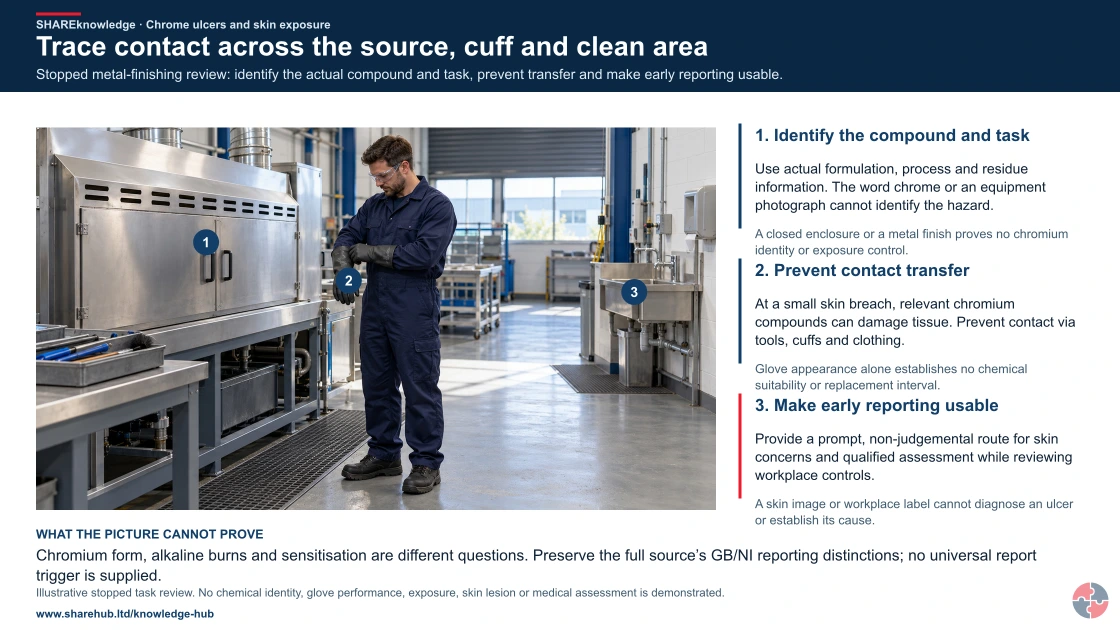
Full written explanation
Stopped metal-finishing review: identify the actual compound and task, prevent transfer and make early reporting usable.
- Identify the compound and task. Use actual formulation, process and residue information. The word chrome or an equipment photograph cannot identify the hazard.
- Prevent contact transfer. At a small skin breach, relevant chromium compounds can damage tissue. Prevent contact via tools, cuffs and clothing.
- Make early reporting usable. Provide a prompt, non-judgemental route for skin concerns and qualified assessment while reviewing workplace controls.
Change the pathway
- Do not infer the chemistry. A closed enclosure or a metal finish proves no chromium identity or exposure control.
- Assess the complete interface. Glove appearance alone establishes no chemical suitability or replacement interval.
- Keep diagnosis with clinicians. A skin image or workplace label cannot diagnose an ulcer or establish its cause.
Evidence check: Chromium form, alkaline burns and sensitisation are different questions. Preserve the full source’s GB/NI reporting distinctions; no universal report trigger is supplied.
Full distinct GB/NI disease-reporting, diagnosis and surveillance context
Primary references: UKHSA: chromium general information · HSE: cement skin risks (GB) · HSE: selecting skin protection (GB)
Open the complete HD image (new tab)Download image

Full distinct GB/NI disease-reporting, diagnosis and surveillance context
Primary references: UKHSA: chromium general information · HSE: cement skin risks (GB) · HSE: selecting skin protection (GB)
An exposure review considers skin condition, contamination inside gloves, suitability and replacement of contact protection, welfare and cleaning. A photograph or product label cannot diagnose a reported lesion. Arrange prompt clinical advice and review the task separately. Keep the existing GB and NI reporting distinctions with the case, including any legal verification needed for the precise NI schedule.
BuildOut: an old coating cannot be cleared by appearance
Illustrative example. A refurbishment crew finds a deteriorating coating while preparing adjacent cement repairs.
Decision. The site manager holds disturbance of the unknown coating, obtains competent identification and assesses its controls separately from wet-cement work.
Evidence to check. Material evidence, exposure route, contamination and welfare checks, and suitable task-specific contact protection.
Hold or escalation point. Do not infer chromium content or diagnose a skin lesion from colour, an image or a generic label.
Follow-up. Use confirmed findings to revise the method and arrange appropriate clinical and reporting review where needed.
Prevent chromium contact across tools, cuffs and surfaces
The chromium form and process matter. A clean/dirty boundary and early reporting complement control at source; a skin picture cannot identify a chemical cause.
Wet cement and chromium skin concerns need distinct review
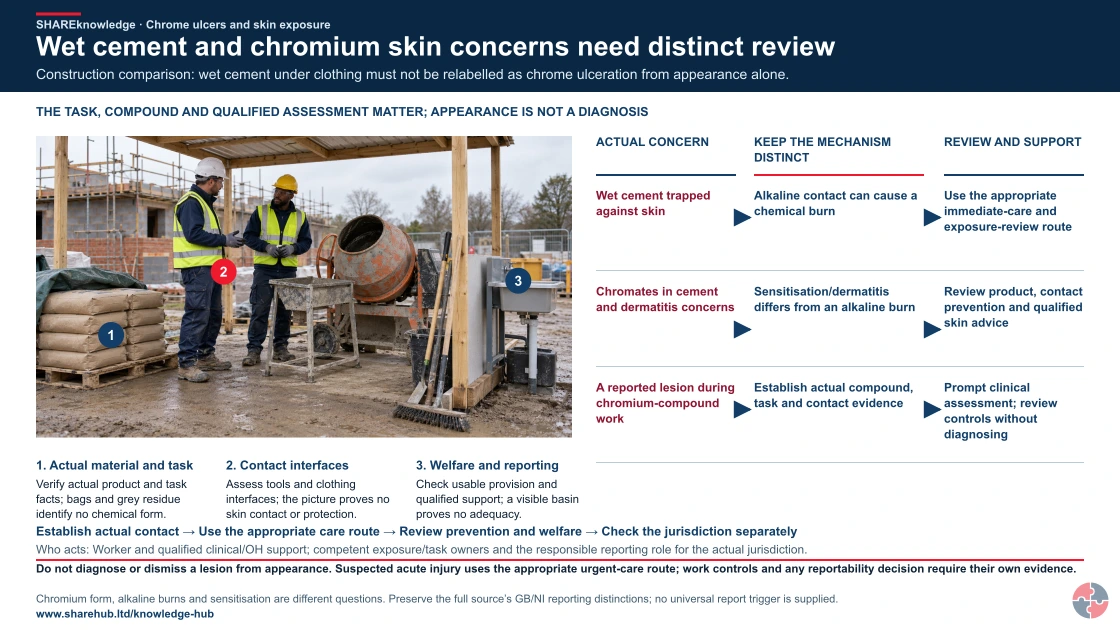
Full written explanation
A construction cement-work review shows closed neutral bags, stationary mixing equipment and material tray, normal uninjured colleagues, clothing/tool interfaces and an unused separate washing area. Picture key: 1 identifies actual material and task questions; 2 identifies contact interfaces; 3 identifies welfare and reporting questions. The image establishes no chemistry, chromium content, skin contact, material retained under clothing, skin injury, protective performance or welfare adequacy. The comparison keeps three different concerns distinct: retained wet cement and alkaline contact, chromates in cement and sensitisation/dermatitis, and a reported lesion during chromium-compound work requiring actual compound, task and contact evidence. The three rows are separate assessment questions, not a clinical progression, diagnosis or equivalent reporting rule. The four unnumbered checks follow actual contact, the appropriate care route, prevention/welfare review and the separate jurisdiction/evidence question. Qualified clinical assessment and workplace control review have different purposes. Personal care does not wait for legal classification. No skin lesion, abnormal anatomy, symptom demonstration, test result, clinical interpretation, dose, threshold, PPE selection, washing, treatment, cleaning or operating procedure is shown. Use the complete source for actual GB/NI reporting and surveillance qualifications.
Construction comparison: wet cement under clothing must not be relabelled as chrome ulceration from appearance alone.
- Establish actual contact. Identify compound, task, residues and possible skin contact, retaining uncertainty.
- Use the appropriate care route. A suspected burn and a reported lesion need their relevant current clinical routes without a workplace diagnosis.
- Review prevention and welfare. Resolve source controls, clothing/glove interfaces and usable washing with competent input.
- Check the jurisdiction separately. Preserve the actual GB/NI disease-reporting and surveillance context; obtain the required qualified evidence.
When the evidence does not fit: Do not diagnose or dismiss a lesion from appearance. Suspected acute injury uses the appropriate urgent-care route; work controls and any reportability decision require their own evidence.
Who acts: Worker and qualified clinical/OH support; competent exposure/task owners and the responsible reporting role for the actual jurisdiction.
Changed workplace
Metal finishing: Identify actual compounds and trace transfer across equipment, tools, gloves and cuffs.
Construction cement: Keep alkaline burns and chromate-dermatitis questions distinct; personal care does not wait for legal classification.
| ACTUAL CONCERN | KEEP THE MECHANISM DISTINCT | REVIEW AND SUPPORT |
|---|---|---|
| Wet cement trapped against skin | Alkaline contact can cause a chemical burn | Use the appropriate immediate-care and exposure-review route |
| Chromates in cement and dermatitis concerns | Sensitisation/dermatitis differs from an alkaline burn | Review product, contact prevention and qualified skin advice |
| A reported lesion during chromium-compound work | Establish actual compound, task and contact evidence | Prompt clinical assessment; review controls without diagnosing |
Evidence check: Chromium form, alkaline burns and sensitisation are different questions. Preserve the full source’s GB/NI reporting distinctions; no universal report trigger is supplied.
Full distinct GB/NI disease-reporting, diagnosis and surveillance context
Primary references: UKHSA: chromium general information · HSE: cement skin risks (GB) · HSE: selecting skin protection (GB)
Open the complete HD image (new tab)Download image

Full distinct GB/NI disease-reporting, diagnosis and surveillance context
Primary references: UKHSA: chromium general information · HSE: cement skin risks (GB) · HSE: selecting skin protection (GB)

Identify the material
Confirm the actual chromium form, formulation and task, including maintenance and residues.
Prevent transfer
Assess containment and contact prevention; trace contamination on cuffs, gloves, tools and clothing into clean areas.
Report and assess
Provide a prompt, non-judgemental route for skin changes and qualified assessment, while reviewing the exposure controls.
Do not diagnose an ulcer or establish causation from an illustration. Hold defective controls for competent correction.
What are chrome ulcers?
Chrome ulcers are localised tissue injuries associated with contact with certain chromium compounds, especially on damaged skin. Allergic chromate dermatitis is a separate sensitisation effect.
Chrome ulcers are usually described as small, deep, slow-healing sores. They can form where chromate-containing material enters tiny cuts, abrasions, cracks or softened skin. Hands, fingers and forearms are typical locations because these areas contact tools, materials, gloves and contaminated surfaces most often.
The term is historically linked to work with chromic acid and chromate processes, but the underlying workplace lesson is broader: if a hazardous substance can repeatedly contaminate damaged skin, PPE, sleeves, boots, tools or wash areas, a small skin problem can become serious occupational ill health.
A chrome ulcer page should not treat the issue as only a medical condition. For work management, the important questions are: where does chromium appear, how can it touch or enter skin, who checks early symptoms, what prevents recurrence and what evidence proves the COSHH controls are working?
| Aspect | Plain-English meaning | Workplace significance |
|---|---|---|
| Chrome ulcer | A localised ulcer associated with exposure to chromium compounds, especially where skin is already damaged. | Needs early reporting, exposure control and medical or occupational health assessment route. |
| Irritant dermatitis | Skin inflammation caused by direct irritation from chemicals, wet work, alkalinity, abrasion or frequent washing. | Damaged skin can make penetration by sensitising substances easier. |
| Allergic contact dermatitis | An immune response after sensitisation to a substance such as chromate. | Once sensitised, very small future exposure may trigger symptoms. |
| Nasal ulceration | Damage to the nasal septum can occur with poorly controlled chromium VI dust, mist or fume. | Shows why inhalation and mucous-membrane exposure must be assessed. |
| Respiratory and cancer concern | Some chromium VI airborne exposures are linked with serious long-term respiratory harm. | Requires exposure prevention, WEL consideration, monitoring and low exposure so far as reasonably practicable. |
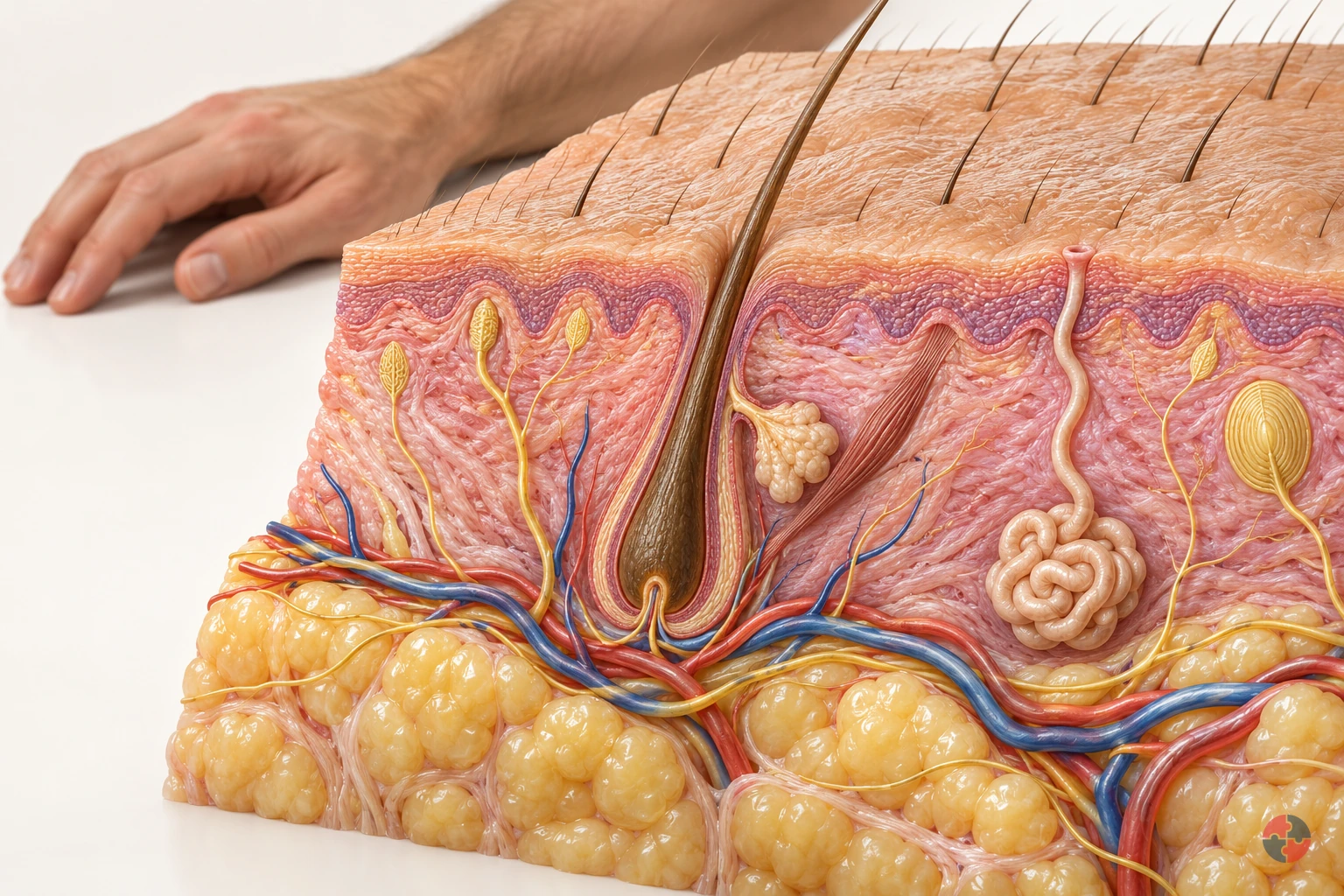

How does the skin barrier work, and how can workplace contact damage it?
Interactive anatomy · Skin barrier and injury · Updated 2026-10-23
Read all anatomy and process explanations without the viewer
General education about normal skin and example mechanisms; not diagnosis, treatment selection or a patient assessment. Hair-bearing forearm example. Vessels remain below the epidermis; the normal barrier has no large open holes. Image-based diagnosis or patch-testing simulation Treatment doses or guaranteed glove/barrier-cream protection Calculated injury depth, contact-dose thresholds or a number of safe washes Hydrofluoric-acid protocols and unreviewed named-substance injury overlays Immediate chemical-burn advice must remain readable outside the model and before any scenario answer.
Outer barrier
The outermost layer helps limit water loss and harmful contact. The outermost epidermal layer combines flattened cells with materials between them to help retain moisture and limit harmful contact. It is a selective protective barrier, rather than a waterproof coating. Use the magnified inset to locate its components. The model shows their relationship but cannot tell whether a particular substance will cross a person’s skin. Health and Safety Executive: Structure and functions of the skin
Barrier lipids
Lipids between surface cells help maintain the barrier. Repeated detergent contact can remove some of these fatty materials and overwhelm repair. Health and Safety Executive: Understanding the causes of skin disease
Epidermis
The outer skin layer continually renews. New cells form in the deeper epidermis and move towards the surface, becoming flattened as the outer layer is renewed and shed. The epidermis therefore contributes active renewal as well as surface protection. Follow its position above the dermis in the cutaway; the model enlarges a static structure rather than timing an individual’s cell renewal. Health and Safety Executive: Structure and functions of the skin
Dermis
Supporting tissue beneath the epidermis contains vessels, nerves and glands. The dermis is supporting tissue beneath the epidermis. It contains structures involved in supply, sensation and temperature regulation, including vessels, nerves and sweat glands. The cutaway enlarges selected components so their different functions can be followed. Their shared location does not mean that they form one open passage through the skin barrier. Oxford Health NHS Foundation Trust: The Skin — Community Tissue Viability Team
Subcutaneous tissue
Tissue and fat below the dermis help insulate and cushion. The lower layer supports the skin block; it is not part of the surface barrier. Health and Safety Executive: Structure and functions of the skin · Oxford Health NHS Foundation Trust: The Skin — Community Tissue Viability Team
Blood vessels
Vessels supply the deeper skin. These vessels supply the deeper skin tissues. They sit below the epidermal surface in the cutaway, alongside other supporting structures. Compare them with the nerve and sweat duct rather than interpreting every tube as the same pathway. The drawing explains location and function; its vessel size and colour are not measurements of circulation or skin temperature. Oxford Health NHS Foundation Trust: The Skin — Community Tissue Viability Team
Sensory nerves
Nerve endings help detect touch and temperature. The signalling symbol represents sensory information, not a visible electrical spark. Health and Safety Executive: Structure and functions of the skin · Oxford Health NHS Foundation Trust: The Skin — Community Tissue Viability Team
Sweat gland and duct
Sweat reaches the surface through a duct. A sweat gland produces sweat that reaches an opening at the surface through a duct. This contributes to the skin’s role in temperature regulation. Trace the coiled gland and its duct separately from the vessels and nerves. The enlarged path makes the connection visible; it does not measure sweating or represent every route by which a substance can enter skin. Health and Safety Executive: Structure and functions of the skin
Hair follicle
Hair grows from a follicle in hair-bearing skin. This forearm example includes a follicle. The palm has a different structure and must not use this site label. Health and Safety Executive: Structure and functions of the skin
Immune response inset
Skin participates in immune responses. In contact allergy, prior sensitisation can lead to an inflammatory response after later contact. Health and Safety Executive: Understanding the causes of skin disease · NHS: Contact dermatitis — causes
Open the complete process transcript
The process, step by step
Find the surface
Start with the forearm locator to establish where this sample of skin belongs. The enlarged block represents hair-bearing skin, with the epidermis on the outside, the dermis beneath it and deeper subcutaneous tissue below. The surface is only one part of this living organ. New epidermal cells are formed deeper down and move towards the outside, where flattened cells contribute to the protective layer. Use the block to connect the familiar body surface with these layers; it is an enlarged teaching section, not a standard thickness shared by every body site. Health and Safety Executive: Structure and functions of the skin
What to watch: Use the forearm locator first, then follow the enlarged block from the outer epidermis down through the dermis to the deeper tissue.
Why it matters: Locating the body site prevents the sample from being mistaken for every kind of skin. The outer layer, supporting tissues and deeper structures contribute different functions within the same organ.
Explore this step: Identify the outermost layer and the hair follicle before changing to the magnified barrier view.
Magnify the barrier
The outer barrier depends on both flattened surface cells and the fatty materials, or lipids, between them. The cells provide one part of the structure; the surrounding lipids help control the passage of water and substances through it. Look at their arrangement together rather than treating the skin as a single waterproof sheet. This is a selective barrier, not a complete seal against every material. The enlargement helps explain why a change in the material between cells can affect protection even when there is no large cut through the skin. Health and Safety Executive: Understanding the causes of skin disease
What to watch: Compare the flattened surface cells with the lipids between them, using the enlarged barrier inset rather than the whole skin block.
Why it matters: The arrangement helps limit unwanted passage through the surface while retaining moisture. Understanding both components explains why skin protection depends on more than whether the surface looks visibly broken.
Explore this step: Point out one surface cell and the surrounding lipid region, then describe how they work together.
Limit water loss
Water retention is part of healthy barrier function. The outer cells and the materials between them help limit water leaving the skin, while some water can still pass through. The labelled arrows represent that background loss; they are not streams from a wound or measurements of an individual’s hydration. Moisture matters because the outer layer needs appropriate hydration to remain flexible and function well. Read the arrows alongside the cell-and-lipid arrangement, so the explanation connects a movement across the surface with the structure that helps regulate it. Health and Safety Executive: Understanding the causes of skin disease
What to watch: Look at the labelled water-loss arrows beside the outer cells and lipids, noting their direction across the barrier surface.
Why it matters: Limiting water loss helps the outer layer retain the moisture needed for normal function. A barrier can perform this role without being impermeable, and the model cannot assess somebody’s skin hydration.
Explore this step: Compare this step with the barrier enlargement and explain why “limits water loss” is more accurate than “waterproof”.
Explore deeper structures
The deeper skin contains structures with different jobs. Blood vessels supply the deeper tissues, sensory nerves help carry information such as touch and temperature, and sweat glands connect to the surface through ducts. Follow each labelled structure separately instead of reading the cutaway as one channel running down through the skin. The enlarged vessels, nerves and gland are learning features within the supporting tissue; their positions explain relationships, not the route or speed of an absorbed substance. Notice that surface barrier function and these deeper functions are connected parts of skin health. Health and Safety Executive: Structure and functions of the skin · Oxford Health NHS Foundation Trust: The Skin — Community Tissue Viability Team
What to watch: Locate the vessels, sensory nerves and coiled sweat gland below the surface, then trace the gland’s duct towards its opening.
Why it matters: Supply, sensation and temperature regulation require different structures. Recognising those roles avoids mistaking every visible line for a chemical entry route or assuming the outer barrier carries out all skin functions.
Explore this step: Select the gland, nerve and vessel labels in turn and name a different function for each.
Connect structure and function
Return to the whole section and connect the functions you have explored. The renewing outer layer helps form a protective barrier and limit moisture loss. Deeper supporting tissues contain sensory structures, vessels and glands, while subcutaneous tissue contributes cushioning and insulation. These functions operate together rather than as a single switch that makes skin either completely protected or unprotected. Use the separate mechanism examples to explore particular changes only after locating the healthy structures. The cutaway explains relationships; its colours and enlarged components do not diagnose a skin condition or identify a safe contact time. Health and Safety Executive: Structure and functions of the skin · Oxford Health NHS Foundation Trust: The Skin — Community Tissue Viability Team
What to watch: Review the complete skin section, connecting the outer barrier with the supporting dermis, sensory structures, sweat gland and deeper tissue.
Why it matters: Skin both separates the body from its surroundings and helps it respond to them. Connecting protection, sensation and temperature functions gives a more useful picture than viewing the surface as a passive covering.
Explore this step: Choose one structure from the surface and one from deeper tissue, and explain how their jobs differ.
Read the practice situations and all answer explanations
Sources and how the model is made
The opening images are AI-generated anatomical illustrations. The interactive 3D models and labelled SVG diagrams use original procedural artwork. These teaching images are not medical scans or diagnostic tools. Source references support the learner explanations and do not grant artwork rights.
- Health and Safety Executive: Structure and functions of the skin — Three skin layers; renewal; sweat, hair, sensory, barrier and temperature functions. Factual reference only; no diagram copied.
- Oxford Health NHS Foundation Trust: The Skin — Community Tissue Viability Team — Layer and deeper vessel/nerve context, mechanical injury and skin-tone assessment considerations. No treatment regimen or illustration reused.
- Health and Safety Executive: Understanding the causes of skin disease — Barrier lipids and water retention; cumulative irritation; sensitisation, delayed contact allergy, small subsequent amounts and coexistence. Replaces the former separate dermatitis URL, which failed direct retrieval.
- NHS: Contact dermatitis — causes — Irritant versus allergic mechanisms and workplace wet work. Printed next-review date May 2026 is overdue; recheck at qualified clinical sign-off and corroborate with HSE.
- Health and Safety Executive: Construction hazardous substances: Cement — Alkaline burns from trapped cement; abrasive irritation; chromate sensitisation; task methods and suitable contact protection.
- Health and Safety Executive: How do I prevent skin problems in my business? — Avoid contact, suitable gloves, washing and drying, skin care, early checks/reporting and medical advice. No universal glove or cream claim.
- NHS: Acid and chemical burns — Immediate chemical skin-burn first aid: 999, avoid contamination, clothing and dry-chemical removal, copious water about one hour, no creams or other chemicals. Skin advice is not substituted for eye or thermal guidance.
- NHS: Cuts and grazes — General shallow-wound context and the need for professional help with serious wounds; not a visual diagnosis or full first-aid simulation.
- NHS: Contact dermatitis — symptoms — Dryness, cracking, inflammation and fluid-filled blisters can occur in contact dermatitis. Irritant and allergic appearances overlap. Original illustrative textures are not diagnostic photographs and no source artwork is copied.
Where can chromium and chromates be found at work?
Chromium-related exposure can arise in construction, metal finishing, coatings, welding, pigments, cement, contaminated maintenance and waste handling.
Workplaces may miss chromium risk because the material is not labelled “chrome ulcer risk”. Sources can include chromic acid, dichromates, chromium trioxide, chromate primers, pigments and contaminated process residues. Cement needs a separate assessment: its alkalinity can cause burns and ulcers, while any soluble Cr(VI) can contribute to allergic chromate dermatitis. A cement sore is not automatically a chrome ulcer.
Some exposures are product-based: a container, primer, plating bath or cement bag is used directly. Others are process-generated: grinding, blasting, welding, burning, cutting, stripping or cleaning can create dust, fume or contaminated debris. Maintenance staff can be exposed even when they never operate the original process.
The assessor should therefore check purchasing records, safety data sheets, old paint specifications, plating chemistry, cement use, welding materials, maintenance tasks, waste streams and contractor activities. A simple chemical register may not capture all routes.
| Work area | How exposure can occur | What to check |
|---|---|---|
| Chrome plating and metal finishing | Chromic acid mist, solution splash, contaminated jigs, tank edges and maintenance residues. | Bath enclosure, extraction, gloves, apron, eyewash, skin checks and hygiene. |
| Chromate primer and paint work | Spraying, sanding, stripping or handling primers containing chromate pigments. | Substitution, paint specification, dust/fume control, RPE and contaminated waste. |
| Construction cement work | Wet cement and mortar contact, cement slurry in gloves or boots, and dry cement dust. | Low-chromate cement shelf life, waterproof gloves, boots, washing and skin checks. |
| Stainless-steel welding and hot work | Chromium VI fume can be generated depending on process and material. | LEV, RPE, welding controls, exposure monitoring and respiratory health links. |
| Pigments and corrosion protection | Powder handling, coating application, mixing, cleaning and disposal. | Closed transfer, low-dust methods, SDS, gloves, protective clothing and training. |
| Maintenance and cleaning | Contact with contaminated filters, tanks, ductwork, sludge, tooling or surfaces. | Permit control, decontamination, PPE, washing facilities and contractor briefing. |
| Waste and spill response | Unknown residues or contaminated absorbents create skin and inhalation exposure. | Waste identification, segregation, spill plan, responder competence and disposal route. |
Why does the form of chromium matter?
Chromium compounds differ in risk; assess the actual product and process, particularly any hexavalent chromium (Cr(VI)).
HSE’s Chromium and you leaflet focuses on Cr(VI), which can cause skin ulcers and sensitisation and can present serious inhalation hazards. Chromium metal, Cr(III), and Cr(VI) should not be treated as interchangeable. A task can generate dust or mist unlike the supplied solid; the assessor should verify product identity, concentration, process by-products and current exposure-limit entries rather than assuming all chromium materials have the same effects.
HSE chromate-primer guidance supports substitution, enclosure and contamination control, but contains historical CHIP/MEL terminology. Use current product classification and current EH40 for today’s airborne limits; no historical limit is adopted here.
How can chromium exposure enter or affect the body?
Chromium exposure can affect workers through skin contact, damaged skin, inhalation, eye contact, ingestion from contamination and mucous-membrane contact.
The route of exposure determines the control. Skin contact is the route most directly connected with chrome ulcers, but inhalation and eye exposure matter because chromium VI dust, fume or mist can irritate or damage the respiratory tract, nasal septum and eyes. Ingestion can occur when contaminated hands, gloves or surfaces transfer material to food, drink, cigarettes or the mouth.
Skin condition is part of the risk picture. Wet work, abrasion, cement grittiness, cuts from tools, cold weather cracking, solvent defatting and poor handwashing can damage the skin barrier. Once the barrier is damaged, sensitising or corrosive substances can penetrate more easily.
PPE can reduce exposure but can also become part of the exposure route if poorly selected or poorly managed. Liquid trapped inside gloves, contaminated cuffs, reused disposable gloves, wet sleeves and dirty welfare facilities can keep chromium in contact with skin for longer than the task itself.
| Route | How exposure happens | Control implication |
|---|---|---|
| Broken skin contact | Chromate enters cuts, cracks, abrasions or softened skin. | Prevent contact, protect skin condition and act on minor sores early. |
| Intact skin contact | Wet cement, chromic acid, plating solution or contaminated dust contacts skin. | Use suitable gloves, sleeves, tools, hygiene and welfare. |
| Inhalation | Dust, mist or fume is breathed in during plating, spraying, cutting, welding or maintenance. | Use substitution, enclosure, LEV, RPE and exposure monitoring where needed. |
| Eye contact | Splash, dust or contaminated hand contact reaches the eye. | Use goggles or face protection and accessible eyewash. |
| Ingestion transfer | Contaminated hands or gloves touch food, drink, cigarettes or the mouth. | Provide welfare, no eating in work areas, washing and clean/dirty separation. |
| Nasal contact | Mists or dusts contact the nose and nasal septum. | Control airborne exposure and investigate nose sores or irritation. |
How do chrome ulcers and chromate dermatitis develop?
Chrome ulcers and chromate dermatitis develop when exposure damages skin tissue, disrupts the skin barrier or triggers allergic sensitisation.
Chrome ulcers often start from a small breach in the skin. A worker may have a tiny cut, cracked knuckle or damaged skin from wet work. Chromic acid or another relevant chromium compound contacting that site can produce a deep, slow-healing lesion. Wet cement can separately cause alkaline burns or ulcers; soluble Cr(VI) in cement is particularly associated with allergic contact dermatitis. The mechanism and diagnosis need clinical assessment.
Dermatitis can be irritant, allergic or both. Irritant dermatitis results from direct damage to skin by alkalinity, wet work, abrasion, detergents, solvents or cement. Allergic contact dermatitis involves sensitisation; once sensitised to chromate, a person may react to very small future exposure. This can become career-changing if work continues to involve chromate exposure.
The mechanism is why early reporting and skin checks matter. Waiting until an ulcer is obvious usually means the control system has already failed: the skin was damaged, exposure reached it, washing was inadequate, PPE did not protect, or the symptom-reporting route was not trusted or understood.
| Mechanism | What happens | Typical workplace example |
|---|---|---|
| Corrosive tissue damage | The chemical directly damages living tissue. | Chromic acid solution or wet alkaline material on damaged skin. |
| Barrier breakdown | Skin becomes cracked, softened, abraded or defatted. | Wet cement, repeated washing, solvents, cold work or rough materials. |
| Sensitisation | The immune system becomes reactive to chromate. | Repeated cement or chromate paint exposure causing allergic dermatitis. |
| Contamination under PPE | Chemical remains trapped against the skin. | Cement slurry inside gloves or boots, or contaminated sleeves. |
| Airborne deposition | Dust, mist or fume settles on skin, eyes or mucous membranes. | Sanding chromate primer or plating mist near exposed skin. |
What signs need early reporting?
Report a persistent or deepening skin sore, dermatitis or nasal/respiratory symptoms after chromium work promptly; only a clinician diagnoses the cause.
Stop the contact route, wash contamination in accordance with the product first-aid instructions, and seek GP or occupational-health assessment. Do not wait for a lesion to become “punched out.” The supervisor should protect other workers by checking the same task, gloves, washing facilities, extraction and recent symptoms. A symptom is a control warning, not proof that work caused a particular disease.
How should chrome ulcer risk be assessed?
Chrome ulcer risk should be assessed through a COSHH assessment that covers substance identity, chromium form, task route, skin condition, airborne exposure, welfare, PPE and health surveillance.
The assessment should begin with the substance and task, not the job title. Identify chromium VI or chromate-containing products, cement-based products, old coatings, plating chemistry, welding fume, dust from surface preparation and contamination released during maintenance. Then identify who can be exposed during use, cleaning, breakdown, waste handling and emergency work.
For skin risk, the assessor should look at contact time, wet work, glove type, glove breakthrough, cuff design, sleeve protection, laundering, contaminated tools, washing facilities, skin-care arrangements and whether workers already have cuts, dermatitis or sensitive skin. For inhalation risk, the assessment should consider dust, fume, mist, LEV, RPE, exposure monitoring and EH40 workplace exposure limits.
A useful assessment produces practical controls: approved products, low-chromate choices, task methods, PPE standards, skin checks, supervisor inspections, training content, action triggers and review dates. It should also state what would make work stop, such as missing welfare, damaged gloves, uncontrolled dust or reports of skin sores.
| Assessment area | Questions to answer | Evidence to keep |
|---|---|---|
| Substance identity | Does the product or process involve chromium VI, chromates, chromic acid, cement or contaminated residue? | SDS, product specification, coating record, process chemistry and chemical register. |
| Skin contact route | Can material reach hands, forearms, face, neck, boots or existing cuts? | Task observation, PPE assessment, photos and worker feedback. |
| Airborne route | Can dust, mist or fume be generated and inhaled or deposited on skin? | LEV report, exposure monitoring, RPE selection and work method. |
| PPE suitability | Are gloves and clothing chemically suitable, long enough, changed correctly and compatible with the task? | PPE standard, issue records, glove data and supervisor checks. |
| Welfare and hygiene | Can workers wash, dry and moisturise skin before eating, breaks and leaving site? | Welfare inspections, cleaning checks and hygiene briefings. |
| Health surveillance | Is there a detectable condition associated with the substance and a reasonable chance it could occur? | Surveillance plan, skin-check records and occupational health advice. |
How can the hierarchy of controls prevent chromium skin exposure and chrome ulcers?
ERICPD reduces chrome ulcer risk by prioritising elimination, substitution, enclosure, engineering control and reliable work design before PPE and discipline.
The strongest controls remove or reduce chromium exposure before work starts. This may mean specifying chromium-free primers, avoiding chromic acid processes, using pre-mixed or low-chromate materials, buying products within shelf life, designing closed transfer and avoiding dusty preparation methods.
Engineering and task controls then reduce contact. Use containment, splash guards, local exhaust ventilation, wet methods, tool handles, mechanical handling, enclosed mixing, cleanable surfaces, segregated dirty areas and planned maintenance. These controls are stronger than simply telling people to be careful.
PPE and discipline still matter because skin contact can occur through small gaps. Gloves must suit the chemical, task duration and wet conditions. Workers must know how to change gloves, avoid trapping material under cuffs, wash skin, report symptoms and stop when controls are missing.
Choose the activity
How can the ERICPD hierarchy of controls reduce risks while applying chromate-containing primer?

| Control level | Control for this activity | Owner and verification | Stop / restart decision |
|---|---|---|---|
| Eliminate | Buy a suitably prefinished component or remove an unnecessary local primer application. | Process owner verifies that the revised workflow achieves the required output and the hazardous step is genuinely removed. | If the hazardous step remains, retain a task assessment and select the stronger feasible remaining controls. |
| Reduce, including substitution | Approve a suitable chromium-free coating after validating corrosion protection, compatibility and its other hazards. | Process/technical owner validates the alternative, its compatibility and any new risks before adoption. | Reject the alternative if suitability is unproved or its new hazards are unresolved. |
| Isolate | Use a segregated coating area and keep unprotected people away from contaminated work and drying items. | Supervisor verifies the task boundaries and that the separation or isolation protects affected people and connected work. | Hold or stop for uncontrolled spray or skin contact, damaged gloves or failed extraction. |
| Control: physical safeguards | Use the appropriate enclosed application or local extraction and controlled dispensing arrangement for the coating method. | Competent equipment/process owner checks formulation, application method, extraction and glove compatibility. | Hold or stop for uncontrolled spray or skin contact, damaged gloves or failed extraction. |
| Control: work method and response | Control mixing, cleaning and waste; provide washing and prevent contaminated clothing or tools reaching clean areas. | Supervisor confirms the limits, response, communication and restart authority with the people doing this activity. | Stop if the agreed method, communication, competent cover or task limits cannot be maintained. |
| PPE | Specify suitable chemical-resistant gloves, clothing and eye protection; select any RPE for the actual application and exposure. | Assessor confirms whether PPE is needed and checks selection, condition, compatibility and any required face-fit evidence. | Do not rely on unsuitable or defective protection, or use PPE to continue after an essential source control fails. |
| Discipline | Inspect skin-exposure controls, extraction and waste handling; respond promptly to skin problems through the occupational-health route. | Release only after coating owner accepts the approved product and verified exposure controls. Retain the checks and unresolved restrictions at handover. | Keep the activity on hold while defects or required reinstatement evidence remain unresolved. |
How can the ISO 45001 hierarchy of controls reduce risks while applying chromate-containing primer?

| Control level | Control for this activity | Owner and verification | Stop / restart decision |
|---|---|---|---|
| Elimination | Buy a suitably prefinished component or remove an unnecessary local primer application. | Process owner verifies that the revised workflow achieves the required output and the hazardous step is genuinely removed. | If the hazardous step remains, retain a task assessment and select the stronger feasible remaining controls. |
| Substitution | Approve a suitable chromium-free coating after validating corrosion protection, compatibility and its other hazards. | Process/technical owner validates the alternative, its compatibility and any new risks before adoption. | Reject the alternative if suitability is unproved or its new hazards are unresolved. |
| Engineering controls | Use a segregated coating area and keep unprotected people away from contaminated work and drying items. | Supervisor verifies the task boundaries and that the separation or isolation protects affected people and connected work. | Hold or stop for uncontrolled spray or skin contact, damaged gloves or failed extraction. |
| Engineering controls | Use the appropriate enclosed application or local extraction and controlled dispensing arrangement for the coating method. | Competent equipment/process owner checks formulation, application method, extraction and glove compatibility. | Hold or stop for uncontrolled spray or skin contact, damaged gloves or failed extraction. |
| Administrative controls | Control mixing, cleaning and waste; provide washing and prevent contaminated clothing or tools reaching clean areas. | Supervisor confirms the limits, response, communication and restart authority with the people doing this activity. | Stop if the agreed method, communication, competent cover or task limits cannot be maintained. |
| PPE | Specify suitable chemical-resistant gloves, clothing and eye protection; select any RPE for the actual application and exposure. | Assessor confirms whether PPE is needed and checks selection, condition, compatibility and any required face-fit evidence. | Do not rely on unsuitable or defective protection, or use PPE to continue after an essential source control fails. |
| Administrative controls | Inspect skin-exposure controls, extraction and waste handling; respond promptly to skin problems through the occupational-health route. | Release only after coating owner accepts the approved product and verified exposure controls. Retain the checks and unresolved restrictions at handover. | Keep the activity on hold while defects or required reinstatement evidence remain unresolved. |
How can the ERICPD hierarchy of controls reduce risks while maintaining a chromium-plating bath?

| Control level | Control for this activity | Owner and verification | Stop / restart decision |
|---|---|---|---|
| Eliminate | Remove the need for manual bath access through external inspection or a redesigned maintenance arrangement where feasible. | Process owner verifies that the revised workflow achieves the required output and the hazardous step is genuinely removed. | If the hazardous step remains, retain a task assessment and select the stronger feasible remaining controls. |
| Reduce, including substitution | Assess a validated alternative plating chemistry or off-line component process through formal change review. | Process/technical owner validates the alternative, its compatibility and any new risks before adoption. | Reject the alternative if suitability is unproved or its new hazards are unresolved. |
| Isolate | Securely isolate the installation and connected feeds; restrict the contaminated maintenance zone. | Supervisor verifies the task boundaries and that the separation or isolation protects affected people and connected work. | Hold or stop for unknown residue, uncontrolled mist, failed containment or skin contamination. |
| Control: physical safeguards | Provide verified mist extraction, compatible drainage and containment and safe access to the equipment being maintained. | Competent equipment/process owner checks bath identity, isolation, extraction, residue containment and decontamination. | Hold or stop for unknown residue, uncontrolled mist, failed containment or skin contamination. |
| Control: work method and response | Identify bath contents and residues, agree decontamination and waste methods, and coordinate maintenance with the plating operator. | Supervisor confirms the limits, response, communication and restart authority with the people doing this activity. | Stop if the agreed method, communication, competent cover or task limits cannot be maintained. |
| PPE | Specify chromium-compatible skin, eye and any required respiratory protection; prevent exposure through contaminated cuffs and clothing. | Assessor confirms whether PPE is needed and checks selection, condition, compatibility and any required face-fit evidence. | Do not rely on unsuitable or defective protection, or use PPE to continue after an essential source control fails. |
| Discipline | Check decontamination, extraction performance and safe reinstatement before releasing the installation. | Release only after competent maintenance and plating owners accept the clean, tested installation. Retain the checks and unresolved restrictions at handover. | Keep the activity on hold while defects or required reinstatement evidence remain unresolved. |
How can the ISO 45001 hierarchy of controls reduce risks while maintaining a chromium-plating bath?

| Control level | Control for this activity | Owner and verification | Stop / restart decision |
|---|---|---|---|
| Elimination | Remove the need for manual bath access through external inspection or a redesigned maintenance arrangement where feasible. | Process owner verifies that the revised workflow achieves the required output and the hazardous step is genuinely removed. | If the hazardous step remains, retain a task assessment and select the stronger feasible remaining controls. |
| Substitution | Assess a validated alternative plating chemistry or off-line component process through formal change review. | Process/technical owner validates the alternative, its compatibility and any new risks before adoption. | Reject the alternative if suitability is unproved or its new hazards are unresolved. |
| Engineering controls | Securely isolate the installation and connected feeds; restrict the contaminated maintenance zone. | Supervisor verifies the task boundaries and that the separation or isolation protects affected people and connected work. | Hold or stop for unknown residue, uncontrolled mist, failed containment or skin contamination. |
| Engineering controls | Provide verified mist extraction, compatible drainage and containment and safe access to the equipment being maintained. | Competent equipment/process owner checks bath identity, isolation, extraction, residue containment and decontamination. | Hold or stop for unknown residue, uncontrolled mist, failed containment or skin contamination. |
| Administrative controls | Identify bath contents and residues, agree decontamination and waste methods, and coordinate maintenance with the plating operator. | Supervisor confirms the limits, response, communication and restart authority with the people doing this activity. | Stop if the agreed method, communication, competent cover or task limits cannot be maintained. |
| PPE | Specify chromium-compatible skin, eye and any required respiratory protection; prevent exposure through contaminated cuffs and clothing. | Assessor confirms whether PPE is needed and checks selection, condition, compatibility and any required face-fit evidence. | Do not rely on unsuitable or defective protection, or use PPE to continue after an essential source control fails. |
| Administrative controls | Check decontamination, extraction performance and safe reinstatement before releasing the installation. | Release only after competent maintenance and plating owners accept the clean, tested installation. Retain the checks and unresolved restrictions at handover. | Keep the activity on hold while defects or required reinstatement evidence remain unresolved. |
Use HSE’s five-level hierarchy with ERICPD as a complementary teaching mnemonic. Engineering measures change the physical task or exposure pathway; administrative measures govern how work is done. The following scenario illustrates the choices and checks; it is not an equipment specification or clinical treatment plan.
Worked control choice: chromate-primer handling
What skin protection, hygiene and welfare controls are needed?
Skin controls should prevent contamination, protect the skin barrier, provide washing and make symptom reporting normal.
Skin protection is not only gloves. It includes task design, clean work areas, suitable tools, compatible gloves, sleeve protection, washing facilities, gentle cleansers, drying, moisturising, clean storage, laundering and the removal of contaminated clothing. Poor welfare can undo good PPE.
Glove selection should consider the chemical, concentration, wetness, abrasion, task duration, dexterity and whether material can run inside the cuff. Disposable gloves used for long wet tasks can fail or trap contamination. Gauntlets may protect the wrist but can also collect liquid if worn incorrectly.
Workers should be shown how to check their skin, wash correctly, dry thoroughly, use moisturisers where appropriate and report early signs. Skin-care creams do not replace gloves or COSHH controls, but they can support the skin barrier where selected and used correctly.
| Control | Good practice | Common weakness |
|---|---|---|
| Glove compatibility | Select gloves for chromate, cement alkalinity, plating solution or coating chemical. | Generic disposable gloves issued without breakthrough or suitability check. |
| Cuff and sleeve protection | Prevent liquid or slurry running inside gloves or sleeves. | Wet cement trapped under glove cuffs or inside boots. |
| Washing facilities | Provide warm water, suitable cleanser, drying and clean/dirty separation. | Workers wash late, with harsh products or in contaminated areas. |
| Skin care | Use suitable moisturisers and skin-care regime to maintain barrier function. | Cream treated as a substitute for preventing exposure. |
| Contaminated PPE management | Remove, clean, launder or dispose of contaminated PPE safely. | Reused dirty gloves and sleeves continue exposing skin. |
| Symptom reporting | Make early reporting simple and blame-free. | Workers hide sores because they fear loss of work or criticism. |
HSE glove-selection guidance explains why material, manufacturer performance, contact type and replacement limits matter. An intact-looking glove may still permit chemical permeation; use the assessed service limit and prevent contamination during removal.
When is health surveillance needed for chromium skin risk?
Use risk-based skin surveillance when identifiable harm can occur despite controls and early detection can protect workers.
HSE specifically lists workers liable to Cr(VI) plating mists as an example where surveillance may be appropriate. A trained responsible person may perform agreed visual checks and report abnormalities, but should not diagnose; occupational health interprets findings and advises on restrictions and controls. Certain manufacture of chromates or dichromates may require appointed-doctor medical surveillance under GB COSHH Schedule 6; check the precise process and current instrument with a specialist. Keep individual clinical detail confidential and give managers only necessary work advice.
On a small screen, scroll this table sideways to read all columns.
| Step | Owner | Decision or record |
|---|---|---|
| Before exposure | COSHH assessor and occupational health | Determine whether surveillance or specialist medical surveillance is required. |
| Routine check | Trained responsible person | Look for changes, refer positives to occupational health; do not diagnose. |
| Finding | Manager and occupational health | Protect worker, review exposure controls and similar tasks. |
| Record | Health professional and employer | Separate confidential clinical notes from employer health record and control actions. |
Which duties apply to chrome-ulcer prevention?
Apply COSHH for the work location and check different GB and NI disease-reporting lists against diagnosis, site and work exposure.
GB COSHH 2002 and NI COSHH 2003 require assessment and prevention or adequate control of hazardous chromium exposure, including skin contact and airborne dust, mist or fume. In Great Britain, HSE’s current occupational-disease list covers diagnosed dermatitis with significant or regular qualifying current work exposure; chrome ulceration alone is not separately listed there. Northern Ireland retains chrome ulceration in Schedule 3 item 35 of RIDDOR (NI) 1997: ulceration of the nose or throat, or skin of hands or forearm, where work involves exposure to chromic acid or another chromium compound. For an employee, a doctor’s written diagnosis of a qualifying work-related disease triggers the responsible person’s NI2508A report. A self-employed person needs a doctor to inform them of the qualifying disease but does not need a written statement. Confirm the diagnosis, anatomical site, exposure and jurisdiction; investigate suspected cases whether or not reportable. Check the direct source: HSE reportable diseases, HSENI NI disease reporting.
On a small screen, scroll this table sideways to read all columns.
| Decision | Great Britain | Northern Ireland |
|---|---|---|
| Exposure | COSHH 2002; HSE task and skin guidance. | COSHH (NI) 2003; HSENI guidance. |
| Surveillance | Risk-based skin checks; check GB Schedule 6 for specified chromate manufacture. | Use NI COSHH and competent occupational-health advice for surveillance scope. |
| Statutory disease report | Diagnosed occupational dermatitis may qualify with significant or regular current skin-irritant/sensitiser exposure; ulcer alone is not separately listed. | RIDDOR (NI) Schedule 3 item 35 lists chrome ulceration of nose/throat or skin of hands/forearm with chromic-acid or other chromium-compound work exposure; employee’s written doctor diagnosis and NI2508A route; a self-employed person does not need a written statement. |
How should chrome ulcer risk appear in a risk register?
The risk register should describe the exposure scenario, controls, assurance checks, health-surveillance triggers and action owners.
A useful risk register does not simply say 'chemical exposure'. It should state the credible event: for example, wet cement trapped inside gloves causing alkaline injury, chromic acid mist during plating maintenance, or chromate primer dust generated during sanding. Cement-related chromate sensitisation is assessed separately from an alkaline ulcer. That level of detail helps the business choose better controls.
The register should include leading indicators: overdue LEV examination, skin checks missed, glove defects, expired low-chromate cement, poor welfare, unlabelled primers, contractor work not assessed, or repeated worker reports of dry or cracked skin. These are control weaknesses before an ulcer appears.
| Scenario | Possible harm | Critical controls | Assurance evidence |
|---|---|---|---|
| Wet cement trapped against skin | Alkaline burn, dermatitis, chromate sensitisation or ulceration. | Low-chromate cement, gloves, boots, washing, supervision and skin checks. | Shelf-life checks, welfare inspections, PPE observations and skin surveillance. |
| Chromic acid plating mist | Skin ulcers, eye irritation, nasal damage and inhalation exposure. | Enclosure, LEV, splash control, PPE, restricted access and emergency plan. | LEV tests, exposure monitoring, PPE checks and incident drills. |
| Sanding chromate primer | Dust inhalation, skin contamination and eye exposure. | Substitution, wet methods, controlled sanding, RPE, coveralls and cleaning. | Method statement, exposure monitoring, waste records and RPE fit-test records. |
| Contaminated maintenance work | Unexpected skin contact and inhalation during cleaning or repairs. | Permit, decontamination, isolation, task briefing and waste control. | Permit audit, pre-job walkdown, contractor briefing and post-job review. |
| Symptoms not reported | Dermatitis worsens into chronic disease or ulceration. | Awareness, confidential reporting, skin checks and manager training. | Reports, surveillance trends and corrective action close-out. |
How could BuildOut Ltd manage chrome ulcer risk?

BuildOut Ltd would assess cement burns and chromate dermatitis separately from chrome-ulcer risk in chromium-compound coatings or metal treatment, while controlling every hazardous task under COSHH.
BuildOut Ltd
A contractor-led construction business with brickwork, concrete repair, fit-out, maintenance and specialist subcontractor work.
BuildOut distinguishes wet cement alkaline burns and possible chromate dermatitis from chrome-ulcer risk in chromate coatings, plating or other chromium-compound work. It assesses refurbishment tasks involving old coatings and subcontractor metal treatment by actual substance and exposure route. The H&S manager keeps these scenarios in the occupational health risk register and links them to COSHH assessments, procurement rules, training and health surveillance.
At planning stage, BuildOut specifies pre-mixed materials where practical, buys cement from approved suppliers, checks low-chromate shelf life, rejects unlabelled coating products and requires subcontractors to declare chromate primers or chromium VI-generating work before arriving on site. RAMS are reviewed for skin contact, airborne dust/fume, welfare, PPE and waste controls.
On site, supervisors use short frontline checks: correct gloves and boots available, sleeves protected, washing station working, cement bags within shelf life, no dry sweeping, no eating in dusty areas and workers able to explain early skin signs. Second-line checks by the H&S adviser sample COSHH assessments, skin-check records, PPE compatibility and subcontractor controls. Periodic third-line audits review whether the occupational health programme, procurement controls and inspection data are driving real improvement.
| Management area | How BuildOut applies the control | Evidence and improvement |
|---|---|---|
| Assess and plan | Adds chromium-related skin risk to the project risk register for cement work, coating removal, welding and contaminated maintenance. | Pre-construction information, COSHH assessment, subcontractor declarations and task-specific RAMS. |
| Procure and specify | Buys low-chromate cement within shelf life, safer coatings where possible and PPE matched to cement alkalinity and chromate risk. | Approved supplier list, shelf-date checks, SDS records and PPE specifications. |
| Implement controls | Uses pre-mixed materials, wet methods, clean/dirty separation, welfare, compatible gloves, boots, sleeves and skin-care arrangements. | Site inspections, photographs, toolbox talks and welfare checklists. |
| Train and supervise | Briefs workers on chrome ulcers, dermatitis, cement burns, glove limits, skin checks, washing and reporting. | Induction, task training, supervisor observation and refresher triggers after symptoms or defects. |
| Check and audit | Runs frontline binary checks, H&S adviser audits and periodic occupational health trend reviews. | Inspection scores, health-surveillance completion, findings ranked and actions assigned. |
| Learn and improve | Investigates any sore, dermatitis case, cement burn, glove failure or contractor non-compliance as a control failure. | Root-cause review, procurement changes, updated RAMS and close-out evidence. |
What should each role learn and demonstrate?
Learning must match the decisions people make, from recognising danger to checking that controls work.
Briefings should tell people how to act, but attendance alone does not show competence. Assess the real decision or task, record who assessed it and revisit after a material change, failed control or incident. A local authorisation is task-specific; no universal external certificate is implied.
On a small screen, scroll this table sideways to read all columns.
| Role and learning | Demonstration and assessor | Record and reassessment trigger |
|---|---|---|
| Worker: skin warning and wash. | Demonstrate exposure stop, washing and early report for a simulated lesion. | Observed briefing; repeat after product or task change. |
| Supervisor: contact barriers. | Observe glove selection, clean doffing, welfare and contaminated-tool handling. | Task sign-off; repair failure before restart. |
| Occupational-health lead: surveillance. | Check the risk trigger, responsible-person limits and positive-finding referral. | Programme decision and protected records. |
| Assessor: GB/NI and reporting. | Compare GB diagnosed dermatitis with NI chrome-ulcer Schedule 3 site/exposure criteria. | Dated jurisdiction decision and review. |
How does chrome ulcer control support study and professional development?
Chrome ulcer control helps learners connect COSHH theory to real occupational disease prevention, skin exposure, health surveillance and evidence-based risk management.
For NEBOSH-style study, this topic is useful because it turns a named occupational disease into a practical control problem. Learners should be able to explain the difference between hazard and risk, identify routes of entry, apply the hierarchy of control, discuss health surveillance and link symptoms to management-system weaknesses.
Scenario questions may describe a construction worker with wet cement in gloves, a painter sanding old chromate primer, a plating worker with small sores on fingers or a contractor cleaning contaminated ductwork. Strong answers would not simply say 'wear gloves'. They would discuss substitution, work method, COSHH assessment, welfare, PPE suitability, training, supervision, health surveillance and review.
| Learning area | What to understand | How to apply it |
|---|---|---|
| COSHH principles | Exposure routes, hazardous substance assessment, control, monitoring and health surveillance. | Build a task-specific assessment for cement, chromate paint or plating work. |
| Hierarchy of control | Why elimination, substitution and engineering controls are stronger than PPE. | Suggest low-chromate materials, closed handling, LEV and welfare before relying on gloves. |
| Occupational health | How dermatitis, ulcers and sensitisation are detected and managed. | Explain skin checks, health records, confidentiality and action on findings. |
| Legal evidence | How HSWA, COSHH, PPE, welfare and RIDDOR link to practical controls. | Describe records an inspector would expect after a diagnosed dermatitis case. |
| Incident learning | How symptoms can reveal system weakness. | Investigate glove failure, poor welfare, missed training and procurement issues. |
How can a management system sustain effective decisions?
Give each hazard or support route an owner, a control, a check and a response to failure.
Trace product approval, skin contact controls, health surveillance and early symptom response to named owners; sample actual work rather than accepting a policy alone. An owner should sample actual work and corrective actions, not accept a policy or certificate as evidence that the controls work.
The free GB regulator guide HSE Managing for health and safety (HSG65) explains a plan–do–check–act approach: assign controls and owners, involve workers, check work as done, and correct failures. For Northern Ireland, use HSENI risk assessment guidance for the local duty. A certificate alone does not demonstrate that a control works.
What warning signs show chrome ulcer controls may be failing?
Warning signs include skin symptoms, poor welfare, wrong gloves, expired low-chromate cement, uncontrolled dust or mist and weak health-surveillance follow-up.
Warning signs should be treated as early evidence, not background noise. A worker with persistent dry skin, repeated minor sores or reluctance to use gloves may be telling the business that the task, PPE, welfare or supervision is not working.
The harm pathway should be considered for each sign. Missing washing facilities can extend skin contact. Wrong gloves can trap chromate against the skin. Expired cement can increase soluble chromium VI risk. Poor LEV can turn a skin topic into an inhalation and respiratory-health issue. Failure to act on skin checks can allow preventable disease to progress.
| Warning sign | How harm can develop | What to do |
|---|---|---|
| Workers have dry, cracked or sore hands | Damaged skin allows chromate to penetrate more easily. | Review wet work, gloves, welfare and skin-care arrangements. |
| Cement shelf dates are ignored | Reducing agents may lose effectiveness and soluble chromium VI may increase. | Control stock rotation, storage and procurement checks. |
| Gloves are wet inside | Contamination may remain trapped against the skin. | Change glove type, cuff method, task design and supervision. |
| LEV or extraction is overdue | Chromium VI dust, mist or fume may deposit on skin and be inhaled. | Stop or restrict work until controls are checked and exposure is controlled. |
| Workers avoid reporting symptoms | Dermatitis or ulcers can worsen before the business learns there is a problem. | Improve culture, confidentiality, manager response and occupational health route. |
| Contractors bring unknown coatings or chemicals | Chromate exposure may not be assessed before work starts. | Strengthen contractor pre-start information and product approval. |
| Health surveillance is only paperwork | Findings are not interpreted or acted on, so controls do not improve. | Review surveillance results and close improvement actions. |
Chemical hazard symbols: what do they mean?
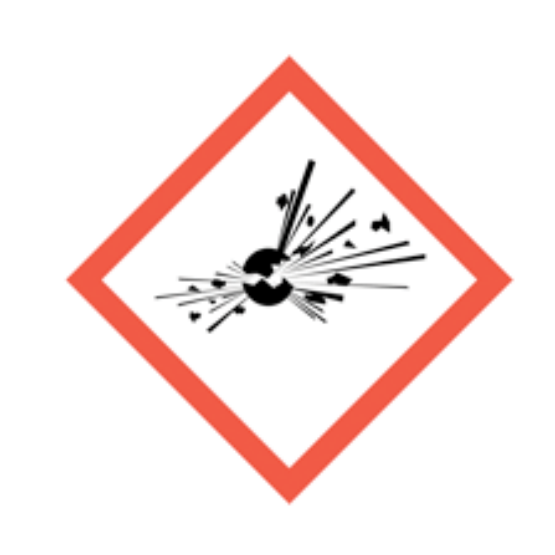
Exploding bomb
Explosive, self-reactive or organic peroxide hazards.
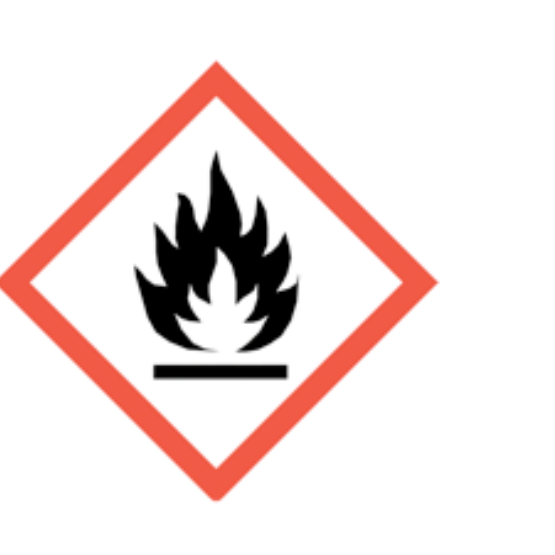
Flame
Flammable, self-heating or pyrophoric substances.
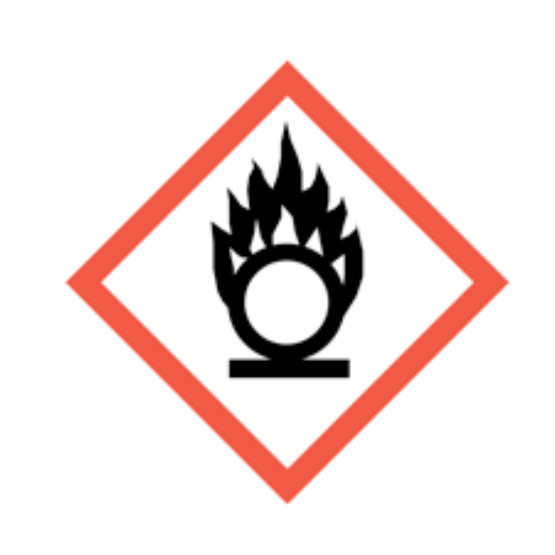
Flame over circle
Oxidising substances that can intensify fire.

Gas cylinder
Gas under pressure.
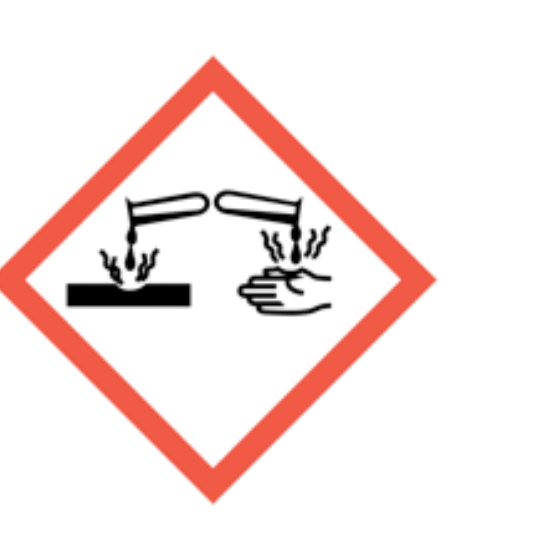
Corrosion
Skin burns, eye damage or corrosive to metals.
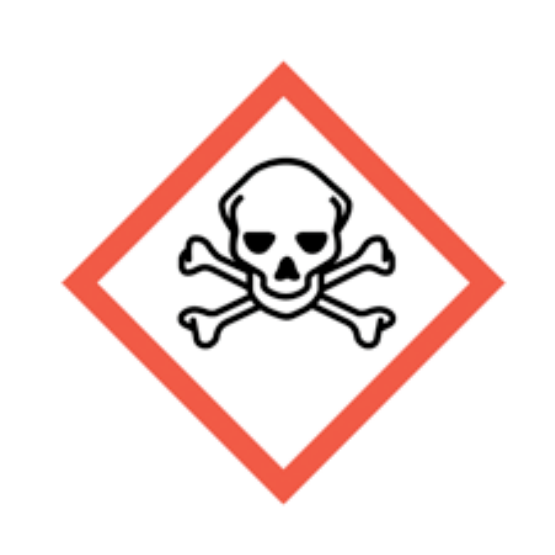
Skull and crossbones
Acute toxicity.

Exclamation mark
Irritation, harmful effects or skin sensitisation; some classifications cover drowsiness, dizziness or ozone-layer hazard. Read the actual hazard statements. Skin sensitisation differs from respiratory sensitisation.
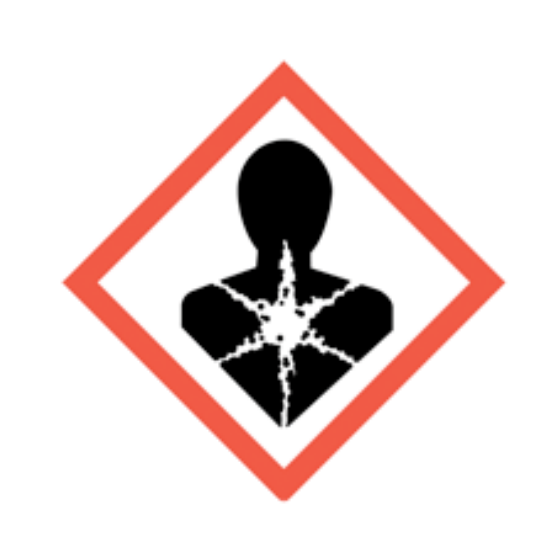
Health hazard
Serious health hazards, including organ damage, aspiration hazard, respiratory sensitisation, cancer and reproductive effects; some can follow a single exposure.
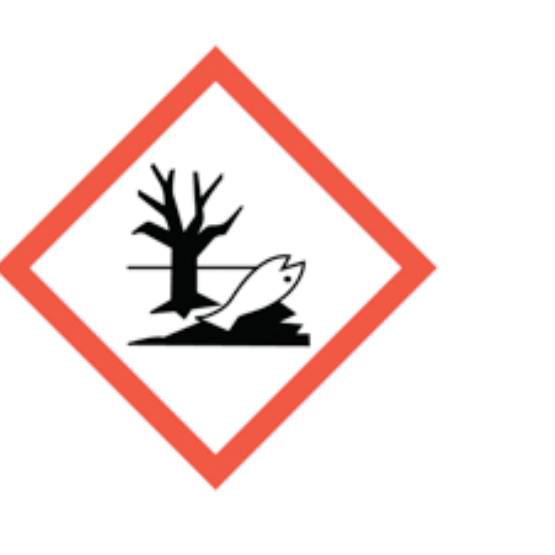
Environment
Hazardous to the aquatic environment.
What acronyms are used on this chrome ulcer page?
Acronyms should be explained because chromium, COSHH and health-surveillance language can be unfamiliar to new readers.
| Acronym | Meaning | Why it matters |
|---|---|---|
| COSHH | Control of Substances Hazardous to Health | The main UK regulations for controlling hazardous-substance exposure at work. |
| Cr(VI) | Chromium in the hexavalent state | The chromium form of greatest concern for many skin, respiratory and cancer risks. |
| Cr(III) | Chromium in the trivalent state | A different chromium form that is generally less hazardous than chromium VI in many contexts. |
| SDS | Safety data sheet | Contains substance hazard, first-aid, handling, PPE and storage information. |
| PPE | Personal protective equipment | Includes gloves, sleeves, aprons, eye protection and protective clothing. |
| RPE | Respiratory protective equipment | Used where airborne dust, mist or fume remains after stronger controls. |
| LEV | Local exhaust ventilation | Engineering control that captures airborne contaminants near the source. |
| WEL | Workplace exposure limit | A legal exposure limit listed in EH40 for specified airborne substances. |
| RIDDOR | Reporting of Injuries, Diseases and Dangerous Occurrences Regulations | GB reporting law may cover diagnosed occupational dermatitis; NI law also lists specified chrome ulceration. |