SHARE Knowledge Hub
Dangerous substances, process safety and chemical transport
Dangerous substances can be released, react or ignite when storage, processing, loading or transport controls fail. Temperature, pressure, compatibility, inventory and transfer conditions determine whether a small deviation becomes a major accident. The receiving site and carrier must verify the same product and handover information before movement starts.
Understanding Dangerous substances, process safety and chemical transport
Dangerous substances can be released, react or ignite when storage, processing, loading or transport controls fail. Temperature, pressure, compatibility, inventory and transfer conditions determine whether a small deviation becomes a major accident. The receiving site and carrier must verify the same product and handover information before movement starts.
Why this matters at work
Explosion harm includes direct overpressure effects on ears and lungs, whole-body displacement, impact, crush and penetration by glass or debris, falls, structural collapse and secondary fire. Noise can cause hearing damage. Projectiles from vessels or cylinders may travel well beyond the immediate fire.
Chemical and smoke effects include eye and airway irritation, poisoning, lung inflammation, delayed breathing problems and asphyxiation. Psychological injury, distress and long-term health effects may follow a major incident. Environmental releases can create wider public-health consequences requiring agency support.
How organisations manage this in practice
The control sequence is explicit: substitute a non-dangerous or less dangerous substance or process where reasonably practicable; otherwise reduce quantity, avoid or minimise releases, control releases at source, prevent explosive atmospheres, collect or contain releases, avoid ignition and avoid adverse conditions. Mitigation must reduce detrimental effects and prevent propagation between areas or plant.
Control begins by preventing the hazardous atmosphere. Where one can occur, eliminate or separate ignition, select equipment suitable for the zone and substance, control surface temperature, maintain bearings and belts, bond and earth as required, restrict vehicles and portable electronics, and manage hot work. Signs alone are not a control system.
Assurance should test work as done: sample live dispatch records against loads; observe loading and unloading; inspect vehicle/bay condition, drains, restraints, packaging and emergency equipment; verify role competence and DGSA arrangements; test contractor interfaces; review exemptions; trend leaks, damaged packages, near misses and late changes; and confirm corrective actions in the field. Leading indicators should measure barrier health, not only completed training or zero reported injuries.
Before work starts, the employer must identify the substances and activities, examine how people could be harmed, and decide measures to eliminate or reduce risk so far as is reasonably practicable. Significant findings, controls and emergency arrangements must be recorded where the recording threshold applies. Containers and pipes must be identifiable, and information, instruction and training must reach those who need it.
How can I practise this topic in 3D?
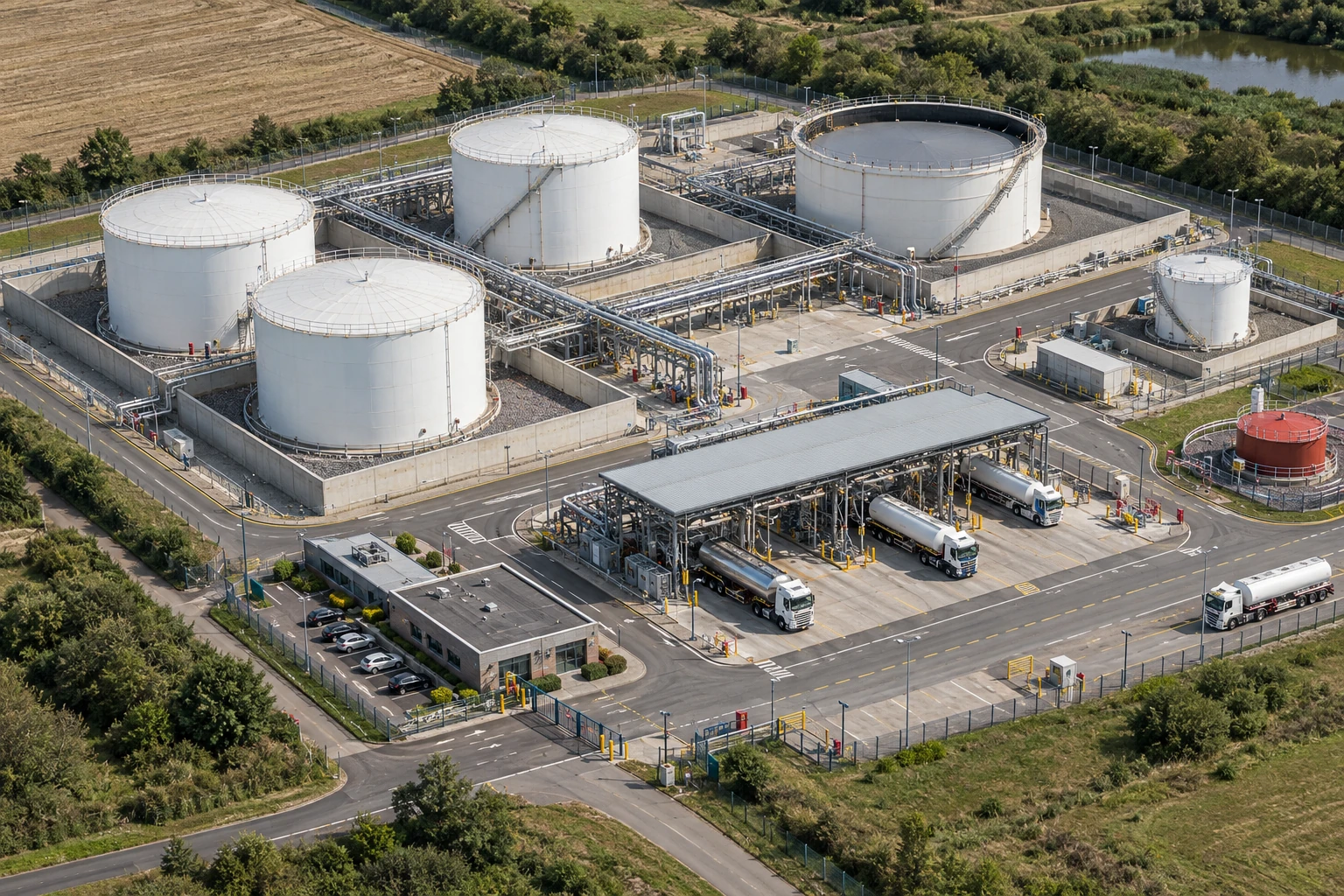

Road departure pressure interrupts the final checks
Damaged gas cylinder in quarantine

Solvent vapours, ignition and fire separation
All related inspection points 4 across 3 locations
Crown Fuels terminal 2 inspection points
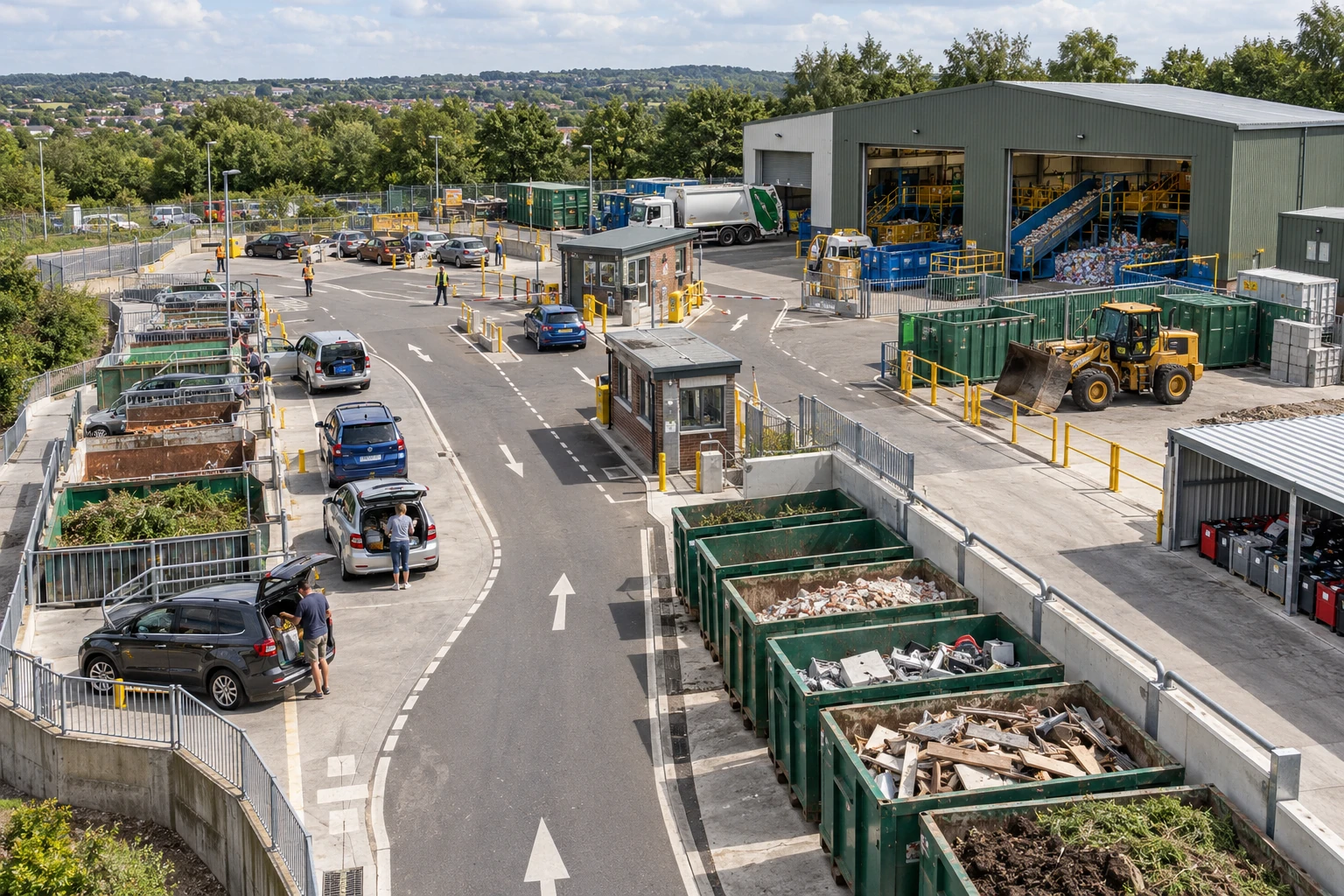
Recover materials. Protect people. 1 inspection point
Aerosystems Engineering 1 inspection point
Practice in the SHAREhub environment. Browser practice is separate from workplace competence and formal learning records.
Join up the carrier and receiving-site decisions
Treat carriage documentation and the site transfer decision as separate checks. The driver and site need an agreed handover, a responsible receiving person and functioning safeguards for the actual unloading conditions.
Best-practice guide: Dangerous substances, process safety and chemical transport
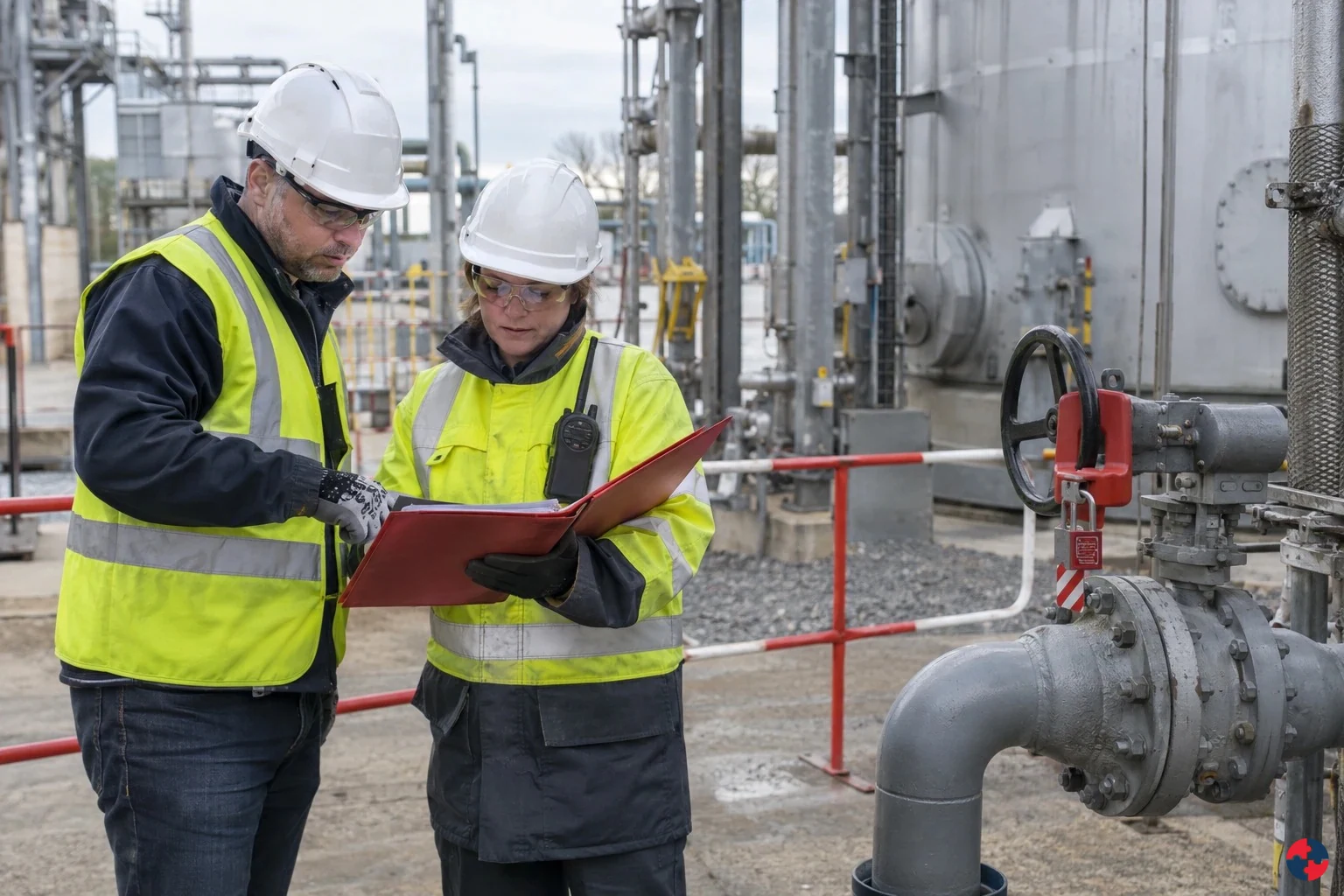
Join up the carrier and receiving-site decisions
Treat carriage documentation and the site transfer decision as separate checks. The driver and site need an agreed handover, a responsible receiving person and functioning safeguards for the actual unloading conditions. Dangerous substances can be released, react or ignite when storage, processing, loading or transport controls fail.
Turn dangerous substances, process safety and chemical transport knowledge into a decision
Dangerous substances can be released, react or ignite when storage, processing, loading or transport controls fail. Temperature, pressure, compatibility, inventory and transfer conditions determine whether a small deviation becomes a major accident. Keep the product and classification check, capacity and line-up record, barrier test status, attendance, deviations, maintenance isolation, transfer receipt and hand-back.
Worked example: tanker receipt after a product-grade change
The named attendant monitors the hose, tank level and alarm indications, maintains driver communication and keeps the exclusion area clear. A supervisor samples the live checks. Follow the approved shut-down, drain-down and disconnection sequence; secure valves, caps, vehicle and bay.
Follow containment through transfer and transport
A wrong connection or damaged transfer system can release material. Fire, incompatible mixing or pressure can turn a release into a larger event. Drivers, operators and nearby people may be in the release or vehicle path. Use the full topic for the detailed mechanism, task limits and source scope.
Choose controls for dangerous substances, process safety and chemical transport
The physical system performs the protective function. Administrative checks verify identity, availability and use; they do not become engineering controls because the checklist mentions a physical barrier.
Use the full dangerous substances, process safety and chemical transport lesson
Use the full topic for the decision points, practical examples, detailed control tables and source scope. HSE guidance applies to Great Britain; use HSENI for the Northern Ireland route and the source’s stated jurisdiction. A simplified guide does not change the page’s technical-review or approval status.

Read all six steps as text
1. Join up the carrier and receiving-site decisions
Treat carriage documentation and the site transfer decision as separate checks.
- Avoid / redesign: Remove an unnecessary intermediate tanker-to-buffer transfer by redesigning the replenishment route, if the receiving tank and logistics can safely accept direct supply.
- Control the task: Use a segregated tanker bay, protected vehicle route, compatible closed hose and bunded receiving point to separate release from people, drains and ignition.
- Verify before release: Logistics and site engineer approve the new route and check no hidden transfer remains; hold the change until the revised interface is assessed.
Treat carriage documentation and the site transfer decision as separate checks. The driver and site need an agreed handover, a responsible receiving person and functioning safeguards for the actual unloading conditions. Dangerous substances can be released, react or ignite when storage, processing, loading or transport controls fail.
Apply it: Which part of this plan would you check at the workface before authorising the task?
2. Turn dangerous substances, process safety and chemical transport knowledge into a decision
Use the evidence to improve the actual work arrangement.
- Change at source: Remove an unnecessary intermediate tanker-to-buffer transfer by redesigning the replenishment route, if the receiving tank and logistics can safely accept direct supply.
- Make it observable: Logistics and site engineer approve the new route and check no hidden transfer remains; hold the change until the revised interface is assessed.
- Keep useful evidence: Keep the product and classification check, capacity and line-up record, barrier test status, attendance, deviations, maintenance isolation, transfer receipt and hand-back.
Dangerous substances can be released, react or ignite when storage, processing, loading or transport controls fail. Temperature, pressure, compatibility, inventory and transfer conditions determine whether a small deviation becomes a major accident. Keep the product and classification check, capacity and line-up record, barrier test status, attendance, deviations, maintenance isolation, transfer receipt and hand-back.
Apply it: What evidence would show that the change improves this task, rather than only completing a record?
3. Worked example: tanker receipt after a product-grade change
Example: a practical application of the existing topic lesson.
- Setting: At the process operator, a road tanker brings an identified flammable product to a bulk tank after a supplier has changed the additive package.
- Act: The transport planner confirms classification, documents, vehicle and load details with the carrier.
- Hold / review: Do not connect if additive compatibility, classification, receiving capacity, hose suitability or a critical protection test is uncertain.
The named attendant monitors the hose, tank level and alarm indications, maintains driver communication and keeps the exclusion area clear. A supervisor samples the live checks. Follow the approved shut-down, drain-down and disconnection sequence; secure valves, caps, vehicle and bay.
Apply it: At which point would you hold this example, and what evidence would allow it to proceed?
4. Follow containment through transfer and transport
Connect the task, the route to the person and the control that can fail.
- Interface: A wrong connection or damaged transfer system can release material.
- Escalation: Fire, incompatible mixing or pressure can turn a release into a larger event.
- Exposure: Drivers, operators and nearby people may be in the release or vehicle path.
A wrong connection or damaged transfer system can release material. Fire, incompatible mixing or pressure can turn a release into a larger event. Drivers, operators and nearby people may be in the release or vehicle path. Use the full topic for the detailed mechanism, task limits and source scope.
Apply it: Where is this harm route present in the actual work, and which control breaks it before anyone is exposed?
5. Choose controls for dangerous substances, process safety and chemical transport
Start with the stronger practicable options and verify their effect.
- Elimination: Assess whether redesign can remove an unnecessary intermediate transfer without creating a new receiving or logistics risk.
- Substitution: Assess a genuinely lower-hazard grade or process for compatibility and new risks. A smaller inventory alone is not substitution.
- Engineering: Use the assessed segregated bay, compatible closed system, containment and required sensing, overfill, bonding/isolation and shutdown functions.
- Administrative: Control receiving identity/capacity checks, delivery authorisation, attendance, driver-site handover and the records that verify the physical barriers.
- PPE: Select suitable residual chemical/eye/face or flame protection for the assessed task, with compatibility, fit and replacement checks.
The physical system performs the protective function. Administrative checks verify identity, availability and use; they do not become engineering controls because the checklist mentions a physical barrier.
Apply it: Which stronger option can be used here, and who will verify it before accepting the remaining risk?
6. Use the full dangerous substances, process safety and chemical transport lesson
Follow the official sources below and retain the task-specific evidence.
- Official guidance: HSE - ADR, CDG Regs and Dangerous Goods Safety Advisers
- Official guidance: HSE - Storage of flammable liquids in tanks HSG176
- Task decision: Keep the product and classification check, capacity and line-up record, barrier test status, attendance, deviations, maintenance isolation, transfer receipt and hand-back.
Use the full topic for the decision points, practical examples, detailed control tables and source scope. HSE guidance applies to Great Britain; use HSENI for the Northern Ireland route and the source’s stated jurisdiction. A simplified guide does not change the page’s technical-review or approval status.
Apply it: Which official source and full-topic section will you use to resolve the next decision?
Arrival after the receiving team has left
Illustrative example. A correctly documented load arrives outside the agreed hours.
Decision. Arrange an authorised receiving review and a suitable safe waiting or rescheduling plan.
Evidence to check. Carrier information, receiving capacity, route, handover and emergency contacts.
Hold or escalation point. Do not start unloading because the paperwork is complete when the receiving owner is unavailable.
Follow-up. Review booking arrangements and make the out-of-hours decision route explicit.
Join carrier and site evidence before connection
The carrier’s product/load information and the site’s receiving arrangements answer different parts of the transfer decision. Both need to be resolved.
A road delivery crosses operational boundaries

Full written explanation
Crown Fuels petrol-delivery example: the same transfer needs load information, receiving evidence and coordinated response.
- Resolve the carrier information. Confirm the actual product and load against the receiver’s requirement, including any discrepancy or changed delivery.
- Verify the receiving arrangement. Check the destination, capacity, compatibility and required safeguards for the actual transfer. A fitting that matches is not evidence.
- Coordinate the whole interface. Connect people, traffic, attendance, emergency response and hand-back. Account for retained inventory and changed conditions.
Change the pathway
- Keep records and plant distinct. The pictured tanker gives no load certificate or verified contents.
- Prove the required functions. Neither a hose, barrier tape nor a normal indication proves the actual protective arrangement.
- Retain the authorised boundary. This scene is not a connection, unloading, emergency intervention or restart procedure.
Evidence check: Keep the full GB/NI and activity-specific legal context. No generic COMAH threshold, carriage exemption, independent-protection credit or permission is supplied.
Full GB/NI and activity-specific transport/process duty distinctions
Primary references: HSE: carriage and related activity scope (GB) · HSE: dangerous-substance workplace scope (GB)
Open the complete HD image (new tab)Download image

Full GB/NI and activity-specific transport/process duty distinctions
Primary references: HSE: carriage and related activity scope (GB) · HSE: dangerous-substance workplace scope (GB)

Carrier handover
Confirm the product/load identity and information needed by the receiver; resolve discrepancies before connection.
Site verification
Check the receiving line, capacity and barrier availability for the actual delivery. Distinguish a physical barrier from the record used to verify it.
Transfer and hand-back
Use the authorised attended-transfer and completion arrangements, including a named response to changed conditions.
Hold an unknown or failed barrier state. The drawing does not authorise a connection, vehicle movement or site operating method.
What are the key points about dangerous substances in process safety and chemical transport?
The key point is that dangerous substance risk changes as materials are stored, processed, transferred, transported and handed over between duty holders.
The substance is only the start
The same material may behave differently when heated, pressurised, atomised, contaminated, mixed, confined, transported or released.
Interfaces are high-risk moments
Loading, unloading, hose connection, road tanker movements, temporary storage, waste removal and contractor deliveries often combine unfamiliar people, time pressure and stored energy.
Process safety needs barrier thinking
A site should identify what prevents, detects, controls, mitigates and responds to each credible loss-of-control scenario.
Transport needs classification discipline
Dangerous goods carriage relies on correct classification, packaging, marking, labelling, documentation, segregation, vehicle equipment and trained people.
COMAH may apply to qualifying inventories
Where dangerous substances exceed COMAH thresholds, the operator must meet additional major accident prevention and consequence limitation duties.
Evidence must survive challenge
A strong system can show current inventories, assessments, procedures, inspection records, training, drills, audit findings, DGSA reports and action close-out.
What does this topic cover?
This topic covers the point where hazardous substance knowledge, process safety controls and dangerous goods transport duties overlap.
Many serious events do not start with an exotic chemical. They start with ordinary operations losing discipline: a tank is filled beyond its safe capacity, a valve line-up is wrong, a hose is connected to the wrong point, a pump dead-heads, an incompatible substance is put into a shared drain, a relief system is overwhelmed, or a vehicle arrives with unclear documentation. The material matters, but so does the way it is contained, transferred and controlled.
The useful way to read this subject is as a chain. First, understand the properties of the substance. Second, understand the process conditions and credible scenarios. Third, define the controls at storage, transfer, loading and transport interfaces. Fourth, check that barriers are inspected, tested, maintained and understood. Fifth, make sure emergency arrangements can work under realistic conditions.
This page does not replace specialist chemical, process engineering, dangerous goods or legal advice. It explains the practical management logic so that operators, supervisors, managers and learners can ask better questions and recognise what good evidence looks like.
| Area | Included in this page | Why it matters |
|---|---|---|
| Substance properties | Flammability, toxicity, corrosivity, reactivity, oxidising behaviour, environmental harm and physical form. | Properties drive storage, transfer, transport and emergency controls. |
| Process safety | Operating envelopes, containment, relief, shutdown, alarms, trips, inspection and management of change. | Prevents major accidents from loss of control. |
| Chemical transport | Classification, packaging, marking, labelling, documentation, loading, unloading, vehicle checks and DGSA requirements. | Controls risk beyond the fixed site boundary and at handover points. |
| Interfaces | Deliveries, tanker loading, waste removal, temporary storage, contractor operations and emergency handover. | Interfaces are where ownership, information and physical control can become unclear. |
What information should a dangerous substance inventory hold?
The inventory should identify what is present, where it is, how much is present, what it can do and which controls depend on that information.
A dangerous substance inventory is more than a list of chemical names. It should describe the maximum intended quantity, normal quantity, concentration, physical form, storage location, container type, process conditions, compatibility restrictions, transport classification and emergency assumptions. Without that detail, COSHH, DSEAR, COMAH threshold checks, fire loading, spill planning and transport duties can all be wrong.
The inventory should include substances intentionally stored or used and materials generated by the process. Vapours, mists, fumes, combustible dusts, reaction intermediates, contaminated waste, off-spec product and residues in lines or vessels can all matter. The inventory should also consider connected inventories that could feed a release, such as linked tanks, return lines, pumps, hoses, relief systems and drains.
A good register is controlled. New products, changed suppliers, different concentrations, increased storage, temporary tanks, bulk deliveries, waste routes or substitute materials should trigger review before the change is made.
| Inventory field | What to record | Why it matters |
|---|---|---|
| Identity and classification | Product name, substance name, UN number where relevant, hazard classification and SDS reference. | Supports labelling, COSHH, DSEAR, CDG and emergency response. |
| Quantity and location | Normal and maximum quantities, tank or store location and connected systems. | Supports COMAH threshold checks, fire load and spill planning. |
| Physical form and conditions | Gas, vapour, mist, liquid, dust, powder or solid, plus temperature and pressure. | Controls release behaviour, ignition risk and exposure route. |
| Compatibility | Materials that must not be stored, transferred, drained or transported together. | Prevents gas generation, heat, pressure, toxic release or fire intensification. |
| Critical controls | Bunds, vents, relief, overfill protection, earthing, detection, LEV, drainage, segregation and emergency stops. | Shows which barriers are relied upon. |
| Review triggers | New substance, different supplier, changed quantity, new packaging, process change, incident or new guidance. | Keeps the register live rather than historical. |
How do process conditions change dangerous substance risk?
Process conditions can turn a manageable substance into a major accident hazard by changing energy, release behaviour, reaction rate or containment demand.
Temperature, pressure, flow, agitation, catalysts, contamination, concentration and residence time can change how a substance behaves. A solvent below its flashpoint may present a different ignition risk from the same solvent sprayed as a mist. A stable process may become unstable if cooling is lost, feed rate is wrong, a catalyst is contaminated or an inhibitor is missing. A pressure system may be safe during normal flow but unsafe if a valve closes and pressure relief has not been designed for the credible case.
For process safety, the important question is not only what the substance is, but what conditions must stay inside the safe operating envelope. That envelope should define safe limits, alarms, trips, operator actions, shutdown conditions, relief assumptions, emergency isolation and the consequences of leaving the envelope.
Operators should know which limits are safety-critical and what they must do when those limits are approached. Engineers should be able to show the design basis. Managers should know whether inspection, maintenance and change control protect those assumptions.
| Question | Why it matters | Evidence to check |
|---|---|---|
| What are the safe operating limits? | Limits define when operation is safe, abnormal or unacceptable. | Operating procedures, control system data, alarm set points and trip logic. |
| What happens if cooling, flow or agitation is lost? | Loss of control can create runaway reaction, overpressure or off-spec hazardous material. | HAZOP records, relief calculations, emergency procedures and drills. |
| Can the substance flash, boil, decompose or polymerise? | Physical or chemical change can create pressure, vapour, heat or blockage. | SDS, process safety data, laboratory data and specialist review. |
| Is relief sized for the credible scenario? | A relief device sized for one case may not protect against another. | Relief design basis, inspection records and change history. |
| Can operators see the real state of the plant? | Poor indication, alarm flooding or mistrusted instruments can delay response. | Control room design, alarm rationalisation and operator feedback. |
How should storage, transfer and compatibility be controlled?
Storage and transfer should be controlled so the right material goes to the right place, under the right conditions, without release, ignition, contamination or incompatible mixing.
Bulk storage, drum storage, intermediate bulk containers, day tanks, process vessels, transfer hoses, pumps, loading arms and drains all create different failure routes. A storage system should control containment, ventilation, bunding, separation, ignition sources, access, temperature, security, inspection and emergency response. A transfer system should control line-up, identification, hose integrity, earthing and bonding, overfill prevention, isolation, communication and supervision.
Compatibility is a practical control, not a chemistry footnote. Incompatible materials can react in tanks, packages, drains, waste containers, spill kits, bunds, vehicles or process equipment. The compatibility plan should be visible in store layout, tank allocation, waste procedures, valve labelling, loading instructions and procurement rules.
Transfer operations need special discipline because they are temporary, exposed and often involve more than one organisation. A robust transfer starts before connection: confirm product, paperwork, tank capacity, receiving route, compatible fittings, emergency controls and who has authority to stop.
| Control area | Good practice | What can go wrong if weak |
|---|---|---|
| Tank capacity and overfill | Confirm ullage, level indication, independent high-level alarm, trip or shutdown where required. | Overfill, vapour cloud, fire, environmental release or escalation. |
| Line-up and identification | Use clear labelling, valve checks, route confirmation and independent verification for high-risk transfers. | Wrong-tank transfer, incompatible mixing or loss of containment. |
| Hoses and couplings | Inspect, test, rate and control hoses; use compatible fittings and breakaway protection where needed. | Hose failure, wrong connection, spray release or vehicle pull-away. |
| Earthing and bonding | Control static electricity during flammable liquid or powder transfer. | Ignition of vapour, mist or dust cloud. |
| Bunding and drainage | Keep bunds sound, clear, compatible and isolated from uncontrolled drains. | Spills reach surface water, firewater spreads contamination or incompatible residues mix. |
| Segregation | Separate incompatible substances in storage, transport and waste routes. | Heat, gas, fire intensification, toxic release or pressure rise. |
How should dangerous goods transport interfaces be managed?
Dangerous goods transport should be managed from classification through to loading, carriage, unloading and emergency handover.
Transport risk is not limited to the driver or vehicle. It includes the consignor who classifies and packages the goods, the packer or filler, the loader, the carrier, the unloader and the site receiving the substance. Interfaces are critical because information and control pass between organisations. A vehicle may arrive at a site with correct paperwork, but the site can still create risk through poor routing, poor segregation, wrong tank selection, weak unloading control or inadequate emergency arrangements.
A final receiving-site unloader is not automatically required to appoint a DGSA for that act alone; HSE distinguishes final consignees from intermediate unloaders under the GB route. The site still assesses its transfer, tank and emergency interfaces. See HSE - ADR, CDG Regs and Dangerous Goods Safety Advisers.
ADR and the GB CDG Regulations are detailed. In practical terms, organisations should know whether the goods are in scope, whether exemptions apply, whether a Dangerous Goods Safety Adviser is needed, and what classification, packaging, marking, labelling, documentation, vehicle equipment, driver training and emergency information are required.
For a workplace page, the useful control question is simple: can the organisation prove that every dangerous goods movement has been classified, prepared, loaded, transported, received and unloaded by competent people using suitable equipment and current information?
| Control point | What should be checked | Evidence |
|---|---|---|
| Classification | UN number, proper shipping name, class, packing group, tunnel code and environmental hazard where relevant. | SDS section 14, dangerous goods note and technical advice. |
| Packaging or tank | Approved packaging, IBC, tank or transportable pressure equipment suitable for the substance and journey. | Inspection certificate, approval marking, maintenance and test record. |
| Documentation | Transport document, instructions in writing where required and emergency information. | Driver pack, consignment records and document checks. |
| Segregation and load security | Incompatible goods separated and packages secured against movement or damage. | Loading plan, visual checks and carrier procedures. |
| Vehicle and equipment | Placards, orange plates, fire extinguishers, spill equipment and vehicle condition as applicable. | Vehicle checklist, maintenance record and roadside inspection history. |
| Loading and unloading | Site rules, route, speed, PPE/RPE, earthing, overfill protection, emergency stop and supervision. | Permit or transfer checklist, observation records and incident reports. |
| DGSA input | Advice on compliance, annual reports, incident investigation and improvement where required. | DGSA appointment, reports and action close-out. |
How do carriage checks connect to the receiving-site decision?
Check the consignment requirements and the workplace transfer controls before accepting a movement into a live process.
The GB HSE ADR/CDG guide separates classification, packing and tank provisions, consignment procedures, loading and unloading, and vehicle requirements. A safety data sheet can inform those checks; it is not evidence that every applicable consignment requirement has been met. Confirm the actual load and applicable exemptions with competent dangerous-goods advice rather than treating a familiar product as automatically exempt. Use HSENI’s carriage route for NI duties.
Then make the site decision. For a tanker delivery, the receiver confirms the product, destination, available capacity, compatible connection and working transfer safeguards specified by the site assessment. Correct carriage paperwork does not establish that the receiving tank or line is ready. Equally, a well-controlled store does not prove carriage compliance. If the load information and the physical receiving arrangement disagree, hold connection and resolve the discrepancy. The GB workplace physical-risk basis is HSE’s DSEAR guidance; NI uses its corresponding instrument.
Which barriers control major accident scenarios involving dangerous substances?
Major accident barriers should be defined for each credible event and checked through performance standards and evidence.
A dangerous substance scenario should be written as a chain: initiating event, release or loss of control, escalation mechanism, people or environment affected, prevention barriers, detection barriers, control barriers, mitigation barriers and emergency response. This prevents a page or assessment becoming a list of generic controls.
For example, a road tanker delivery of petrol may rely on product verification, safe routeing, receiving tank ullage, overfill prevention, earthing and bonding, hose inspection, competent driver and site operator, isolation, emergency stop, spill containment, ignition control, firewater arrangements and site emergency response. If any of those barriers are missing, untested or poorly understood, the risk picture changes.
Barrier assurance asks whether each critical control has an owner, a performance standard, an inspection or test routine, a defect escalation route and a review trigger.
| Scenario | Prevent | Detect and control | Mitigate and recover |
|---|---|---|---|
| Tank overfill during delivery | Ullage check, independent high-level protection, delivery authorisation and product route verification. | Level alarms, operator attendance, emergency stop and transfer monitoring. | Bund containment, drainage isolation, ignition control, foam/fire response and incident command. |
| Incompatible chemical transfer | Compatibility matrix, tank allocation, line labelling and independent verification. | pH/temperature checks, abnormal odour, pressure rise or process alarm. | Stop transfer, isolate, evacuate if needed and obtain specialist response. |
| Runaway reaction | Validated recipe, feed control, cooling capacity, inhibitor control and MOC. | Temperature/pressure alarms, trips and operator response. | Relief system, quench, emergency shutdown, evacuation and emergency plan. |
| Transport package failure | Approved packaging, load restraint, segregation and carrier controls. | Pre-use checks, driver inspection and incident reporting. | Spill kit, emergency services information, exclusion zone and environmental protection. |
| Static ignition during transfer | Earthing/bonding, conductive equipment, controlled flow rates and DSEAR zoning. | Bonding confirmation, gas testing where relevant and supervision. | Fire response, isolation, emergency shutdown and evacuation. |
What emergency arrangements are needed for dangerous substances and transport interfaces?
Emergency arrangements should match credible release, fire, explosion, toxic exposure, overpressure, transport and environmental scenarios.
Emergency planning should be built from the scenario, not from a generic evacuation template. A small package spill, tanker rollover, tank overfill, chlorine release, vapour cloud, warehouse fire, process overpressure or runaway reaction will require different decisions. The plan should define who takes command, what information is needed, how isolation is achieved, when evacuation or shelter is needed, how emergency services are informed and how environmental protection is managed.
For COMAH establishments, emergency planning has additional expectations and may involve on-site and off-site plans. For non-COMAH workplaces, the same practical thinking still matters: credible events, site layout, hazardous inventories, people at risk, neighbours, drainage, firewater, public interface, first aid, decontamination, spill control, transport information and media or stakeholder communication.
Drills should test realistic weak points such as out-of-hours delivery, missing documentation, blocked access, weather, incompatible spill, injured driver, alarm overload, loss of communications or handover between site and emergency services.
| Prompt | What good looks like |
|---|---|
| What could happen? | Defined scenarios for release, fire, explosion, toxic exposure, transport incident and environmental harm. |
| Who commands? | Clear incident command structure with deputies, escalation levels and handover arrangements. |
| What information is needed? | Inventory, SDS, UN number, site plan, drainage plan, isolation points, hazards and emergency contacts. |
| How are consequences limited? | Isolation, shutdown, evacuation/shelter, containment, firewater control and specialist response. |
| How is learning captured? | Post-drill debriefs, action tracking, procedure updates, training refresh and management review. |
How can the hierarchy of controls reduce dangerous-substance risks in processing and transport?
The hierarchy is especially useful for dangerous substances because weak controls can look deceptively busy: labels, forms, inductions and PPE are important, but they do not compensate for poor design, excessive inventory, incompatible storage, unreliable overfill protection or an unprotected loading bay. The strongest controls remove the need for the hazardous substance or reduce the inventory, energy or exposure before people are placed at risk.
In process safety, the hierarchy must be applied to the credible event. If the scenario is overpressure, training alone does not replace relief design. If the scenario is vapour cloud explosion, PPE does not replace containment, detection, ventilation and ignition control. If the scenario is transport interface failure, a checklist does not replace competent loading, suitable equipment and clear handover.
At a chemical warehouse, receiving a different acid grade requires compatible segregation, drains and unloading fittings; at a fuel forecourt, a delivery needs tank identity, ullage and public-route control. Neither site can copy a hose or alarm set-point from the other without its own material, equipment and legal assessment.
How can the ERICPD hierarchy of controls reduce dangerous-substance risks in processing and transport?

| Control priority | HSE hierarchy level | Design and use for this task | Owner, verification and stop point |
|---|---|---|---|
| Eliminate | Elimination | Remove an unnecessary intermediate tanker-to-buffer transfer by redesigning the replenishment route, if the receiving tank and logistics can safely accept direct supply. | Logistics and site engineer approve the new route and check no hidden transfer remains; hold the change until the revised interface is assessed. Sources: HSE - Storage of flammable liquids in tanks HSG176; NI DSEAR 2003. |
| Reduce | Substitution and source reduction | Test whether a lower-hazard grade or smaller inventory meets the process need without creating incompatible residues, increased deliveries or new health risk. | Procurement and process specialist document product, quantity and compatibility review; stop on an unassessed grade or tank allocation. Sources: HSE - Storage of flammable liquids in tanks HSG176; NI DSEAR 2003. |
| Isolate | Engineering separation | Use a segregated tanker bay, protected vehicle route, compatible closed hose and bunded receiving point to separate release from people, drains and ignition. | Site engineer checks fittings, containment and route before first use; operator stops on damaged hose, open drain or public access. Sources: HSE - Storage of flammable liquids in tanks HSG176; NI DSEAR 2003. |
| Control | Engineering plus administrative | Specify tank-level measurement, independent overfill protection where required, bonding, isolation, emergency shutdown and attended transfer; a checklist verifies these physical barriers. | Supervisor checks ullage and interlock tests before flow and samples alarm records; stop on a bypass, failed alarm or product mismatch. Sources: HSE - Storage of flammable liquids in tanks HSG176; NI DSEAR 2003. |
| PPE | Residual personal protection | Use assessed chemical gloves, eye/face and flame protection for connection and disconnection, with fit, compatibility and replacement checks. | Driver and site operator check protection together; PPE cannot compensate for wrong tank, overfill or major vapour release. Sources: HSE - Storage of flammable liquids in tanks HSG176; NI DSEAR 2003. |
| Supervision and review (administrative) | Administrative assurance | Maintain product/vehicle documentation, delivery authorisation, driver-site handover, inspections, change control and near-miss learning. | Operations manager reviews overdue defects and changed supplier grades; no release to transfer if ownership, capacity or emergency response is unclear. Sources: HSE - Storage of flammable liquids in tanks HSG176; NI DSEAR 2003. |
How can the ISO 45001 hierarchy of controls reduce dangerous-substance risks in processing and transport?

| Control priority | HSE hierarchy level | Design and use for this task | Owner, verification and stop point |
|---|---|---|---|
| Elimination | Elimination | Remove an unnecessary intermediate tanker-to-buffer transfer by redesigning the replenishment route, if the receiving tank and logistics can safely accept direct supply. | Logistics and site engineer approve the new route and check no hidden transfer remains; hold the change until the revised interface is assessed. Sources: HSE - Storage of flammable liquids in tanks HSG176; NI DSEAR 2003. |
| Substitution / Administrative controls | Substitution and source reduction | Test whether a lower-hazard grade or smaller inventory meets the process need without creating incompatible residues, increased deliveries or new health risk. | Procurement and process specialist document product, quantity and compatibility review; stop on an unassessed grade or tank allocation. Sources: HSE - Storage of flammable liquids in tanks HSG176; NI DSEAR 2003. |
| Engineering controls | Engineering separation | Use a segregated tanker bay, protected vehicle route, compatible closed hose and bunded receiving point to separate release from people, drains and ignition. | Site engineer checks fittings, containment and route before first use; operator stops on damaged hose, open drain or public access. Sources: HSE - Storage of flammable liquids in tanks HSG176; NI DSEAR 2003. |
| Engineering controls / Administrative controls | Engineering plus administrative | Specify tank-level measurement, independent overfill protection where required, bonding, isolation, emergency shutdown and attended transfer; a checklist verifies these physical barriers. | Supervisor checks ullage and interlock tests before flow and samples alarm records; stop on a bypass, failed alarm or product mismatch. Sources: HSE - Storage of flammable liquids in tanks HSG176; NI DSEAR 2003. |
| PPE | Residual personal protection | Use assessed chemical gloves, eye/face and flame protection for connection and disconnection, with fit, compatibility and replacement checks. | Driver and site operator check protection together; PPE cannot compensate for wrong tank, overfill or major vapour release. Sources: HSE - Storage of flammable liquids in tanks HSG176; NI DSEAR 2003. |
| Administrative controls | Administrative assurance | Maintain product/vehicle documentation, delivery authorisation, driver-site handover, inspections, change control and near-miss learning. | Operations manager reviews overdue defects and changed supplier grades; no release to transfer if ownership, capacity or emergency response is unclear. Sources: HSE - Storage of flammable liquids in tanks HSG176; NI DSEAR 2003. |
Which major accidents show why dangerous substance interfaces matter?
Major accidents show that dangerous substances become catastrophic when inventories, process conditions, interfaces and barriers are misunderstood or allowed to degrade.
The value of major accident learning is not to retell history for its own sake. It is to ask whether the same failure pattern could exist now: uncontrolled inventory, inadequate overfill protection, poor management of change, weak indication, impaired trips, relief systems not designed for the real scenario, alarm overload, poor emergency arrangements or handover failures.
For this topic, the most useful learning is barrier-specific. Buncefield is not simply a fuel storage story; it is a lesson in overfill prevention, level instrumentation, independent protection, vapour cloud formation, emergency planning and leadership. Milford Haven is not simply a refinery explosion; it is a lesson in abnormal operation, relief system overload, alarm handling, plant upset management and emergency decision-making. Grangemouth is a lesson in high-pressure gas breakthrough, disabled trips, mistrusted instruments and relief basis.
| Incident | What happened | Learning for this topic |
|---|---|---|
| Buncefield oil storage depot, 2005 | Petrol tank overfill created a large vapour cloud that exploded and caused a major fire. | Control tank overfill, independent protection, vapour cloud risk, emergency planning and leadership assurance. |
| Texaco Refinery Milford Haven, 1994 | A plant upset led to flammable hydrocarbon release through an overloaded relief/flare path, followed by explosion and fires. | Design relief systems for credible excursions, manage alarms, recognise abnormal operation and shut down safely. |
| BP Grangemouth Hydrocracker, 1987 | High-pressure gas broke through into a low-pressure separator after control and trip weaknesses. | Protect safe operating envelopes, maintain trips, trust but verify indications and design relief for real cases. |
| Flixborough, 1974 | A temporary modification failed, releasing cyclohexane and causing a catastrophic explosion. | Control temporary modifications, engineering review, MOC, containment integrity and plant change. |
Which GB and Northern Ireland duties govern process and transport risk?
The site, substance, activity and jurisdiction determine the applicable duties; GB and Northern Ireland use separate workplace and carriage instruments.
A single operation can involve several legal regimes. COSHH may apply to health exposure, DSEAR to fire and explosion, CDG to carriage by road or rail, COMAH to qualifying dangerous substance inventories, PSSR to relevant pressure systems, and general health and safety law to the management system and duty of care. The practical task is to decide which duties apply to the real operation, then show how the controls and evidence meet them.
COMAH only applies to establishments meeting threshold quantities of dangerous substances. CDG focuses on carriage and related activities. DSEAR and COSHH can apply much more broadly. A small employer may not be COMAH, but can still have serious DSEAR, COSHH and transport-interface duties.
In Great Britain, HSE’s DSEAR, COSHH, COMAH and carriage routes may overlap with pressure-system duties. In Northern Ireland, the corresponding NI DSEAR 2003, NI COSHH 2003, NI COMAH 2015 and NI carriage 2010 instruments need separate consideration. COMAH applies only at qualifying inventories; ordinary dangerous-substance and exposure duties can apply below those thresholds. Relevant NI routes are NI DSEAR, NI COSHH, HSENI COMAH and HSENI carriage.
| Duty or regulation | When it may apply | Practical evidence |
|---|---|---|
| Health and Safety at Work etc. Act 1974 | General duty to protect employees and others affected by the undertaking. | Risk register, arrangements, competence, supervision, maintenance and incident learning. |
| Management of Health and Safety at Work Regulations 1999 | Risk assessment, preventive arrangements, competent assistance and emergency procedures. | Suitable assessments, emergency plans, cooperation and review records. |
| Dangerous Substances and Explosive Atmospheres Regulations 2002 | Dangerous substances create fire, explosion, similar energetic events or corrosion-to-metal risks. | DSEAR assessment, zoning, ignition control, mitigation and emergency arrangements. |
| Control of Substances Hazardous to Health Regulations 2002 | Substances create health risks through inhalation, skin, ingestion, injection or eye contact. | COSHH assessment, exposure controls, monitoring, health surveillance and training. |
| Carriage of Dangerous Goods and Use of Transportable Pressure Equipment Regulations 2009 | Dangerous goods are carried by road or rail in Great Britain. | Classification, documentation, packaging/tank checks, driver training, DGSA reports and vehicle checks. |
| Control of Major Accident Hazards Regulations 2015 | Dangerous substance inventories meet lower-tier or upper-tier thresholds. | Notification, MAPP, safety management system, safety report where required and emergency planning. |
| Pressure Systems Safety Regulations 2000 | Relevant pressure systems at work containing a relevant fluid, including connected pipework where applicable; CDG governs transportable pressure equipment separately. | Determine applicability with a competent person; written scheme and examination where required, plus operating limits and maintenance. |
| Health and Safety at Work (Northern Ireland) Order 1978 | General duties for NI undertakings. | Risk assessment, competence, maintenance and incident learning. |
| Management of Health and Safety at Work Regulations (Northern Ireland) 2000 | NI risk assessment and arrangements. | Suitable assessment, emergency planning and review. |
| Dangerous Substances and Explosive Atmospheres Regulations (Northern Ireland) 2003 | NI physical dangerous-substance risks. | Assessment, ignition control, zoning where relevant and emergency measures. |
| Control of Substances Hazardous to Health Regulations (Northern Ireland) 2003 | NI exposure to health-hazardous substances. | Exposure assessment, effective control, maintenance and health surveillance where required. |
| Control of Major Accident Hazards Regulations (Northern Ireland) 2015 | Qualifying NI inventories. | Threshold review, major-accident prevention and tier-specific arrangements. |
| Carriage of Dangerous Goods and Use of Transportable Pressure Equipment Regulations (Northern Ireland) 2010 | Relevant NI carriage by road or rail. | Classification, packaging, documents, loading and DGSA route as applicable. |
| Pressure Systems Safety Regulations (Northern Ireland) 2004 | Relevant NI workplace pressure systems containing a relevant fluid; determine application and exceptions for the actual system. | Competent applicability decision, safe limits, maintenance and written scheme/examination where required. |
What should the risk register include for dangerous substances, process safety and transport?
The risk register should identify credible scenarios, critical barriers, owners, evidence and review triggers.
For each scenario, record the initiating deviation, exposed people and environment, prevention and mitigation barriers, the barrier owner, the evidence of function and the condition that suspends the activity. A tank entry should connect overfill protection tests to the actual transfer method; a transport entry should connect classification and load information to the receiving site. Review a changed product, temporary connection, incident or overdue test before relying on the same risk rating.
| Scenario | Risk route | Critical controls | Evidence to check |
|---|---|---|---|
| Bulk flammable liquid delivery | Wrong tank, overfill, static ignition, hose failure or vapour cloud. | Delivery authorisation, ullage check, earthing, overfill protection, ignition control and emergency stop. | Transfer checklist, tank records, protection tests, operator observation and drill findings. |
| Incompatible waste or product mixing | Heat, gas, pressure, toxic release or fire. | Compatibility matrix, segregation, labelling, waste approval and line verification. | Inventory records, waste notes, storage audit and incident reports. |
| Process excursion | Temperature, pressure, feed or cooling outside safe envelope. | Operating limits, alarms, trips, relief, emergency shutdown and operator training. | Alarm/trip tests, trend data, procedures and abnormal event review. |
| Dangerous goods road movement | Incorrect classification, package failure, poor load restraint, vehicle incident or emergency misinformation. | CDG checks, packaging, documentation, driver training, load security and emergency information. | Transport documents, vehicle checklist, DGSA review and prohibition notice learning. |
| Contractor or supplier interface | Different standards, poor induction, unclear handover or uncontrolled temporary work. | Prequalification, site rules, permit to work, induction and supervision. | Contractor competence file, permits, observations and review meetings. |
How could Crownway Fuels Ltd manage dangerous substances, process safety and chemical transport?
Crownway Fuels Ltd would manage this topic by linking fuel inventories, tank storage, tanker movements, DSEAR, CDG, emergency planning and process safety assurance into one operating system.
Join carrier facts with receiver evidence

Full written explanation
An illustrative warehouse workface places a closed neutral package in a shallow tray beside a closed carton, with ordinary uninjured colleagues reviewing two inert papers. Picture key: 1 identifies the closed package; 2 identifies the inert task records; 3 identifies the receiving workface, tray and carton. The people and papers do not establish actual carrier, consignor, consignee, receiving-site or dangerous-goods-adviser roles. The blank panel supplies no product identity, formulation, UN number, class, packing group, quantity, package approval or consignment compliance. The workface establishes no compatibility, segregation, receiving capacity, containment, required safeguard state, acceptance or permission. Two independent native lanes retain their distinct questions. CARRIER INFORMATION links establishing the actual delivery to transferring the relevant information. RECEIVER EVIDENCE links checking the actual destination to coordinating acceptance and hand-back. Only those two within-lane arrows are shown; the four checks do not become one carrier-to-receiver clearance chain. The shared band states: “RESOLVE BOTH SIDES BEFORE THE AUTHORISED CONNECTION DECISION”. It retains the complete hold for unknown identity, incompatible contact or unresolved required barrier state. A transport document does not replace site verification, and a site checklist does not replace physical protection. Independent check headings are unnumbered. The full accountable roles, evidence limits and both road-tanker-receipt and chemical-warehouse cases accompany the explanation. Urgent or emergency response under the actual arrangements does not wait for acceptance or documents. Use the complete topic for separate GB/NI, carriage and related-activity roles, the qualified final-versus-intermediate-unloader distinction, DSEAR/COSHH, applicable COMAH and pressure-system requirements. No generic transport exemption, DGSA finding, chemical identity, receiving approval, independent-protection credit, operating limit or work permission is supplied. No opening, handling, sampling, pouring, loading, connection, unloading, PPE, clinical or emergency operating recipe is demonstrated.
Warehouse comparison: incompatible or uncertain deliveries require joined decisions, not a container-shape assumption.
- Establish the actual delivery. Match product/load information to the agreed requirement and communicate a change or discrepancy.
- Transfer the relevant information. Carrier and site roles resolve what the receiver needs before accepting or moving the material.
- Check the actual destination. Review receiving conditions, known residues, segregation, capacity and required safeguard state.
- Coordinate acceptance and hand-back. Resolve interfaces and evidence under the actual procedure; retain clear owners and response to change.
When the evidence does not fit: Hold unknown identity, incompatible contact or an unresolved required barrier state. A transport document does not replace site verification, and a site checklist does not replace physical protection.
Who acts: Carrier and receiving-site roles, with competent chemical, process and transport advice where required.
Changed workplace
Road-tanker receipt: Resolve carrier/load facts and the actual receiving system together.
Chemical warehouse: Resolve compatibility and delivery interfaces before accepting the route.
Evidence check: Keep the full GB/NI and activity-specific legal context. No generic COMAH threshold, carriage exemption, independent-protection credit or permission is supplied.
Full GB/NI and activity-specific transport/process duty distinctions
Primary references: HSE: carriage and related activity scope (GB) · HSE: dangerous-substance workplace scope (GB)
Open the complete HD image (new tab)Download image

Full GB/NI and activity-specific transport/process duty distinctions
Primary references: HSE: carriage and related activity scope (GB) · HSE: dangerous-substance workplace scope (GB)
Crownway Fuels Ltd
Crownway Fuels Ltd is a fuel storage and distribution business used by SHARE to show how dangerous substances, process safety and chemical transport controls work across bulk storage, tanker delivery, forecourt interfaces and contractor maintenance.
Crownway Fuels Ltd is a fuel storage and distribution business with bulk tanks, forecourt interfaces, tanker deliveries, contractor maintenance and public-facing sites. Its most important control challenge is making sure the same dangerous substance information is used by procurement, site operations, transport, maintenance, emergency planning and senior management.
The business would start with a controlled dangerous substance register. Each tank, product and delivery route would have maximum inventory, classification, flashpoint, environmental classification, compatible materials, bund capacity, drainage controls, DSEAR assessment, emergency assumptions and responsible owner. Changes to product grade, supplier, additive, tank allocation, delivery frequency or site layout would trigger management of change.
For tanker unloading, Crownway would use a written transfer standard: delivery booking, vehicle route, driver induction, product verification, receiving tank ullage, compatible connection, earthing and bonding, no ignition sources, spill kit, emergency stop, attended transfer and signed hand-back. Supervisors would complete second-line checks on a sample of live transfers, while periodic third-line reviews would examine DSEAR, CDG, tank integrity, emergency drills and DGSA advice.
Learning would be visible. Overfill alarms, near misses, vehicle defects, spill reports, blocked drains, failed hose checks, contractor deviations and emergency drill findings would feed into the risk register and management review. Senior leaders would see process safety indicators, not just personal injury rates.
The unloading sequence below shows how a transport handover becomes a process-safety decision. It is an illustration, not a fixed operating procedure.
Worked example: tanker receipt after a product-grade change
Task material and setting: At Crownway Fuels, a road tanker brings an identified flammable product to a bulk tank after a supplier has changed the additive package. The bay has shared traffic, drains and a neighbouring maintenance job.
People and prerequisites: The driver, receiving operator, supervisor, contractor and nearby workers may be affected. The process owner has approved the product specification and tank allocation; transport classification, safety data, compatibility, receiving capacity, operating limits and emergency plan are available. A competent engineer resolves technical uncertainty.
Before: The transport planner confirms classification, documents, vehicle and load details with the carrier. At the site, the receiving operator and driver independently match product and destination, check tank contents and ullage, hose/liner and connection suitability, drainage isolation, bonding, overfill protection and the authorised route. The supervisor holds nearby hot work and approves the transfer window.
During: The named attendant monitors the hose, tank level and alarm indications, maintains driver communication and keeps the exclusion area clear. A supervisor samples the live checks. A rise outside the operating envelope or an alarm is acted on under the site procedure; no bypass or unattended transfer is accepted.
Hold or stop: Do not connect if additive compatibility, classification, receiving capacity, hose suitability or a critical protection test is uncertain. Stop for a leak, unexpected level, lost communication, disabled trip, vehicle movement or conflicting hot work. Withdraw and use the emergency plan from a safe position; only competent personnel decide containment and restart.
Completion and hand back: Follow the approved shut-down, drain-down and disconnection sequence; secure valves, caps, vehicle and bay. Reconcile delivered quantity, tank status and transport documents. The site supervisor returns the bay to normal use only after defects and concurrent-work restrictions are resolved.
Evidence: Keep the product and classification check, capacity and line-up record, barrier test status, attendance, deviations, maintenance isolation, transfer receipt and hand-back. A change record links the new additive to reassessed compatibility and emergency assumptions.
| Management area | How Crownway applies it | Evidence and improvement |
|---|---|---|
| Inventory and classification | Maintains a live register for fuels, additives, waste and transport classifications. | Register owner, SDS checks, CDG data, COMAH threshold review and annual audit. |
| Storage and transfer | Uses tank-specific operating limits, ullage checks, overfill protection, bund inspections and transfer checklists. | Inspection records, alarm tests, delivery observations and corrective actions. |
| Transport interface | Checks carrier competence, driver induction, documents, vehicle routing, load security and emergency information. | Carrier approval, DGSA input, vehicle check records and incident trends. |
| Competence | Provides role-based training for operators, supervisors, transport coordinators, contractors and managers. | Training matrix, authorisations, refreshers after change and observed competence. |
| Assurance | Runs first-line operator checks, second-line HSE/engineering reviews and third-line specialist audits. | Leading indicators, audit reports, barrier health, drill records and management review. |
Which dangerous-substance interfaces matter during fuel transfer?
Connect the substance data, receiving equipment, tanker interface and responsibility boundaries. This example does not establish dangerous-goods roles or replace a reviewed transfer assessment.
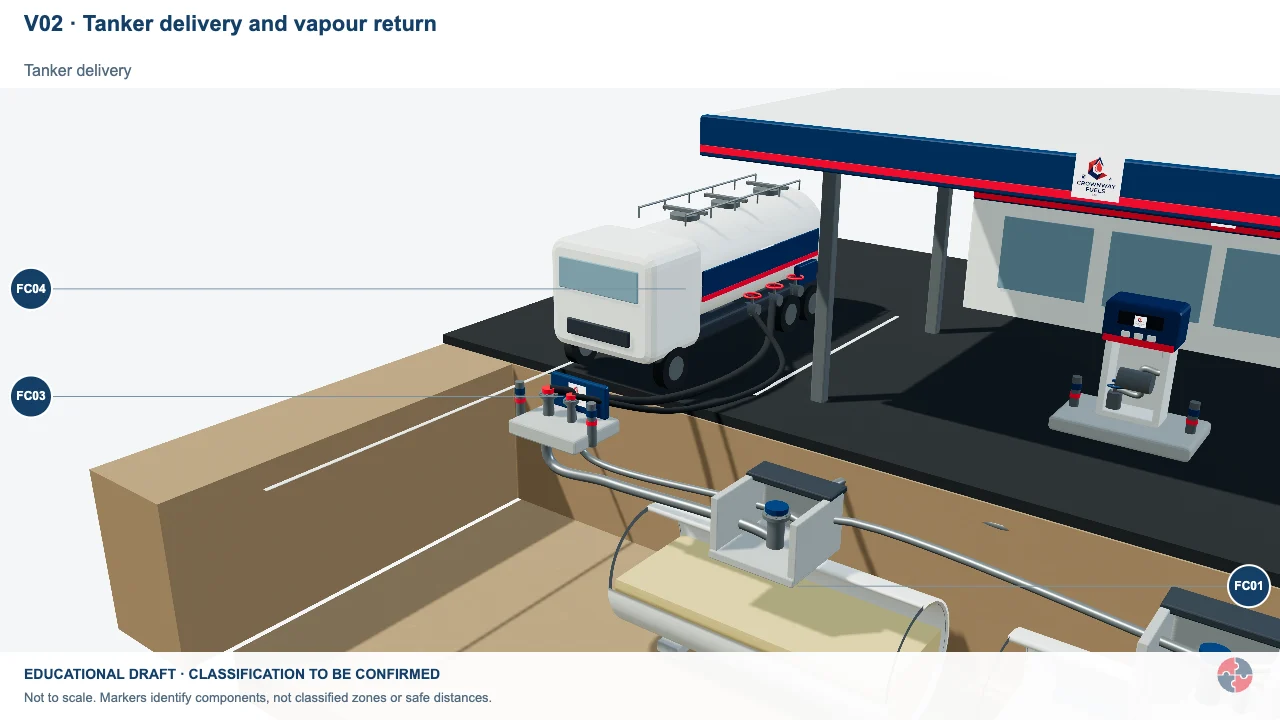
Tanker delivery and vapour return
During the proposed tanker delivery, product enters the receiving tank and displaced vapour returns to the tanker by a separate path. The delivery-hose teaching envelope follows the connected hose route.
Activity focus: Trace the tanker connection, product hose and receiving fill before following the Stage 1b vapour-return path. Inspect the whole delivery working area, including nearby traffic, dispensers and drainage.
Contextual workplace scene. Use the task, control and evidence checks in this section; appearance alone does not establish safe conditions, individual health or approval.
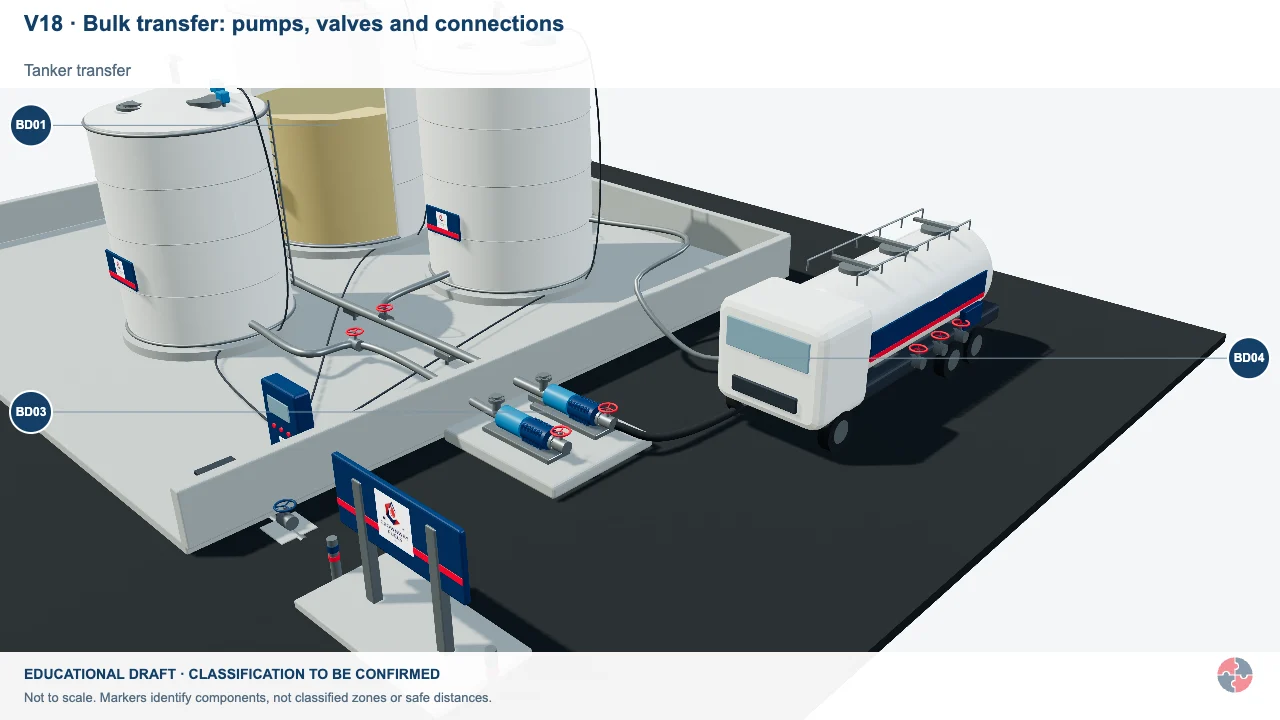
Tanker loading: liquid out, vapour back
Follow petrol from bulk storage into the tanker and the separate displaced-vapour route from the tanker to the terminal VRU.
Activity focus: Distinguish the product line, vapour collection line and tanker-loading protective controls.
Contextual workplace scene. Use the task, control and evidence checks in this section; appearance alone does not establish safe conditions, individual health or approval.
Educational illustration, not to scale. Coloured zones are teaching examples, not a site-specific hazardous-area classification.
What training is needed for dangerous substances, process safety and chemical transport?
Training should be tiered so people understand the hazards, their role, the controls they use and when to stop or escalate.
General awareness training should help workers understand labels, SDS basics, DSEAR and COSHH concepts, spill reporting, ignition control, emergency alarms and why transfer discipline matters. It can be short and computer-based for broad audiences, but it should still include the site-specific rules that people actually need.
Task training should be practical and observed. People who connect hoses, unload tankers, store drums, fill IBCs, move waste, operate process plant, isolate equipment or respond to spills need face-to-face or hands-on training with assessment of competence. Supervisors and managers need more depth: legal duties, risk assessment, permit control, MOC, contractor management, incident investigation and assurance checks.
Specialist input may be needed from process engineers, chemists, occupational hygienists, fire engineers, DSEAR assessors, DGSAs, pressure systems competent persons or COMAH specialists.
Competence is demonstrated at the task, not by course attendance alone. A supervisor should observe a real or simulated connection, verify product and receiving capacity, ask the operator to explain the stop condition, and record who assessed the result. Reassess after a substance, route, equipment or procedure change, a failed barrier test, a near miss, or a period without practice.
| Level | Audience | Typical content | Demonstration, assessor and record | Reassess when |
|---|---|---|---|---|
| General awareness | All relevant workers, visitors and contractors. | Hazard communication, labels, basic DSEAR/COSHH, emergency alarms, reporting and site rules. | Worker explains labels, alarms and stop route; line manager checks understanding and records induction. | New product, changed site rule or poor understanding. |
| Task-specific practical training | Operators, warehouse staff, drivers, loaders, unloaders and maintenance teams. | Transfer checks, isolation, compatibility, spill control, PPE/RPE, emergency stops and defect reporting. | Supervisor observes a connection or simulated transfer and records the task sign-off. | New hose, route, vehicle, procedure, near miss or loss of practice. |
| Supervisor and manager training | Line managers, transport planners, HSE advisers and site leaders. | Legal duties, risk assessment, CDG, DSEAR, COSHH, permits, contractor control, MOC and audit. | Site manager assesses a changed-delivery decision and records the approval and action review. | Changed inventory, contractor, barrier failure or incident. |
| Specialist competence | DGSAs, process engineers, DSEAR assessors, emergency planners and competent persons. | Technical standards, calculations, classification, relief, zoning, safety reports, inspections and assurance. | Competent specialist shows current qualification and task judgement; manager records appointment and review. | Changed legal or technical scope, role, design basis or adverse audit. |
How should the controls be managed and reviewed?
Assign owners to the significant risks, put the chosen controls into the work plan, check that they work in practice and change them when conditions or evidence change.
HSE describes this as a continuing plan, do, check and act process. For Dangerous substances, process safety and chemical transport, record who checks the controls, what evidence shows they are working, and which failure stops the work or triggers review. A formal management system is a choice, not a substitute for the applicable legal duties. Read HSE management guidance.
What warning signs show this topic is not being managed well?
Warning signs appear when inventories, interfaces, procedures or evidence no longer match real operations.
The inventory is out of date
Assessments, emergency plans, COMAH threshold checks and transport controls may be based on the wrong quantities or classifications.
Deliveries rely on habit
Drivers and site operators may skip ullage checks, route confirmation, earthing, hose inspection or emergency stop checks.
DSEAR, COSHH and CDG are separated
Controls may conflict or leave gaps at loading, unloading, storage and waste interfaces.
Operators do not trust instruments
Important alarms, levels or trips may be ignored, worked around or misunderstood during abnormal operation.
Temporary changes are informal
Temporary hoses, tanks, bypasses, substitute chemicals or changed routes can create unassessed hazards.
Emergency drills are too tidy
Plans may fail during realistic scenarios involving missing documents, injured drivers, blocked access, weather or communication failure.
Process safety indicators are absent
Managers may see injury rates but miss overfill alarm failures, trip bypasses, overdue inspections or repeated transfer deviations.
Chemical hazard symbols: what do they mean?
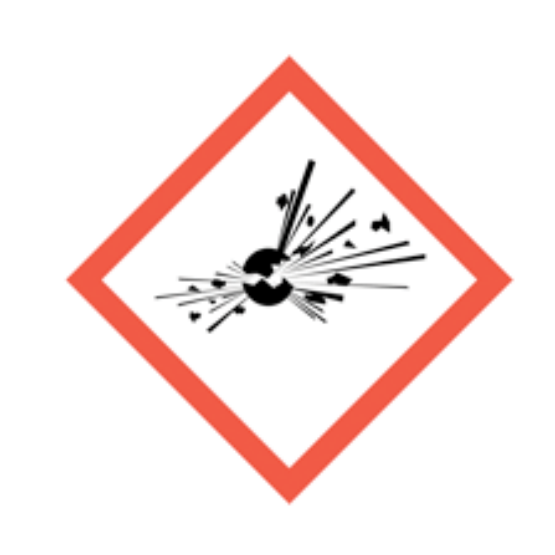
Exploding bomb
Explosive, self-reactive or organic peroxide hazards.
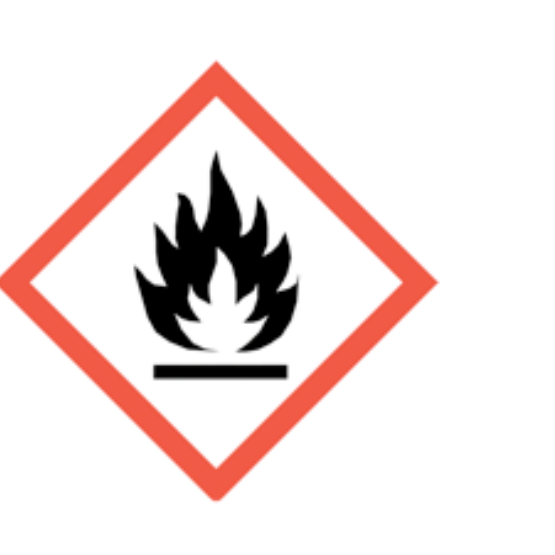
Flame
Flammable, self-heating or pyrophoric substances.
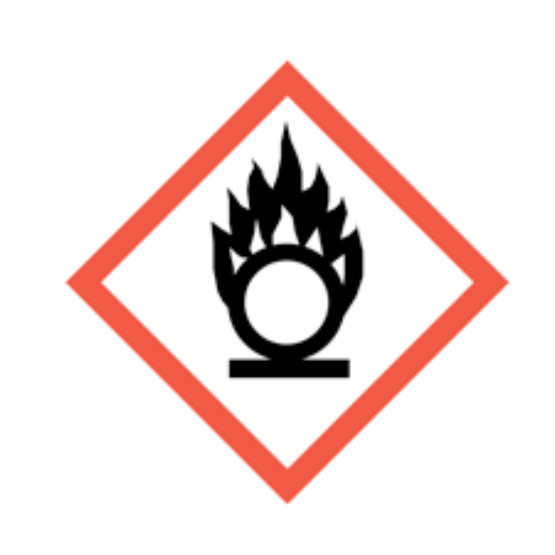
Flame over circle
Oxidising substances that can intensify fire.

Gas cylinder
Gas under pressure.
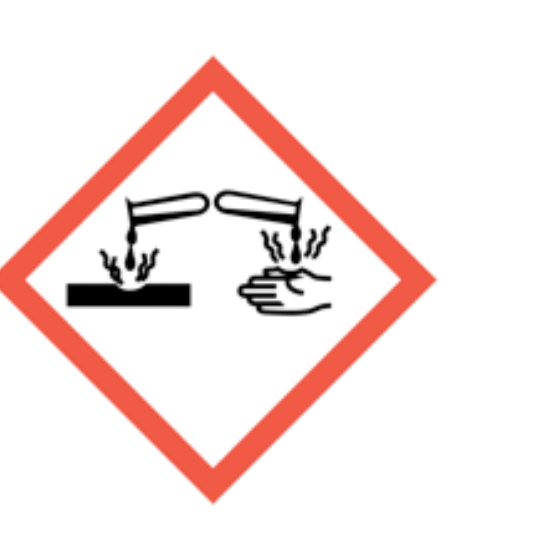
Corrosion
Skin burns, eye damage or corrosive to metals.
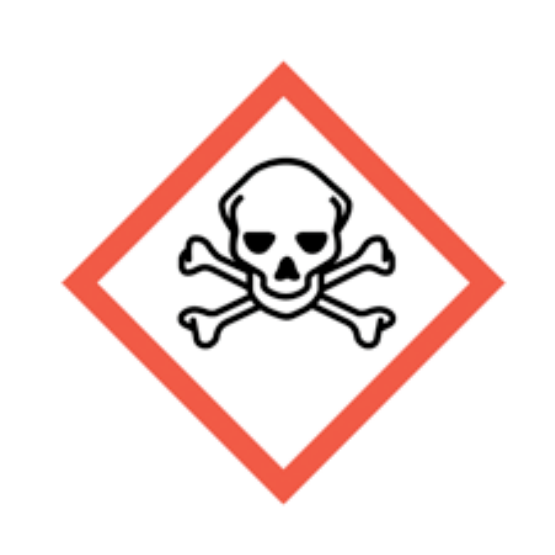
Skull and crossbones
Acute toxicity.

Exclamation mark
Irritation, harmful effects or skin sensitisation; some classifications cover drowsiness, dizziness or ozone-layer hazard. Read the actual hazard statements. Skin sensitisation differs from respiratory sensitisation.
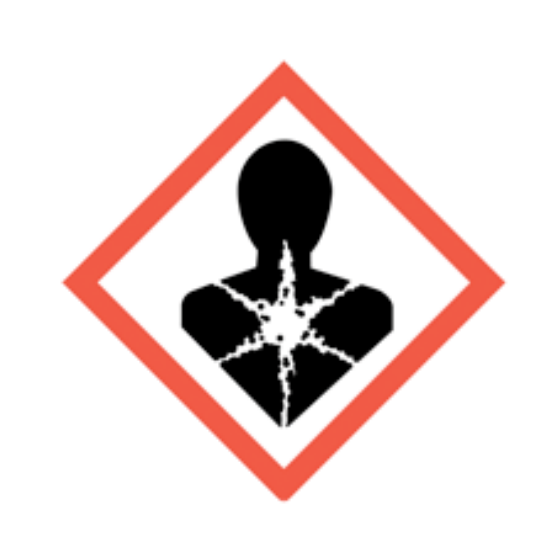
Health hazard
Serious health hazards, including organ damage, aspiration hazard, respiratory sensitisation, cancer and reproductive effects; some can follow a single exposure.
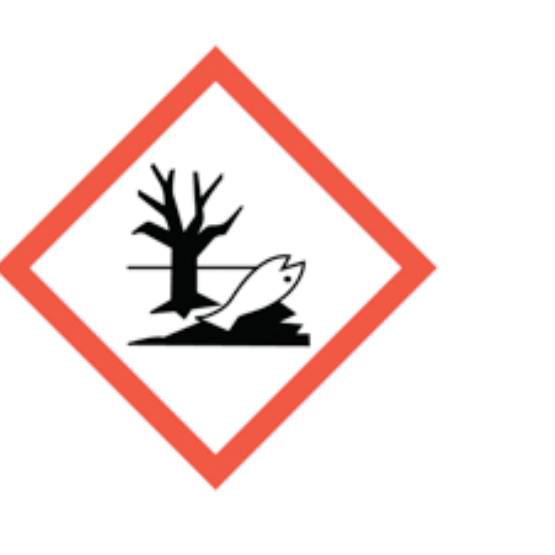
Environment
Hazardous to the aquatic environment.
What do the acronyms and key terms mean?
These acronyms are commonly used in dangerous substances, process safety and transport guidance.
| Acronym or term | Meaning | Meaning in this work |
|---|---|---|
| ADR | Agreement concerning the International Carriage of Dangerous Goods by Road. | The transport agreement used to classify, package and document road consignments. |
| CDG | Carriage of Dangerous Goods. | GB carriage duties; use the separate NI carriage instrument in Northern Ireland. |
| CLP | Classification, Labelling and Packaging. | Hazard classification and labels; not a task risk assessment. |
| COMAH | Control of Major Accident Hazards. | Major-accident regime for qualifying inventories, with separate GB and NI instruments. |
| COSHH | Control of Substances Hazardous to Health. | Health-exposure control at work. |
| DGSA | Dangerous Goods Safety Adviser. | Specialist carriage adviser where the regulations require one. |
| DSEAR | Dangerous Substances and Explosive Atmospheres Regulations. | Physical dangerous-substance risk at work. |
| ESD | Emergency shutdown. | A designed emergency shutdown function, not an informal stop. |
| HAZOP | Hazard and operability study. | Structured study of process deviations and safeguards. |
| MAPP | Major accident prevention policy. | Major-accident prevention policy for qualifying establishments. |
| MOC | Management of change. | Formal assessment and authorisation of changes. |
| RPE | Respiratory protective equipment. | Residual inhalation protection after stronger controls. |
| SDS | Safety data sheet. | Supplier hazard information that informs, but does not replace, assessment. |
| UN number | United Nations dangerous goods identification number. | A transport identifier used with the correct classification. |
| Operating envelope | Approved safe process conditions | Temperature, pressure, level and flow limits that trigger action when exceeded. |
| Critical barrier | Safeguard relied on to prevent or mitigate a serious scenario | Assign its owner, performance requirement, test and stop rule. |
Which Crownway Fuels documents support this topic?
Open an editable document, read the preview, or find its place in the Crownway hierarchy. 6 resources relate to this page.
Fictional Crownway Fuels examples for English forecourts, with a separate illustrative bulk terminal. Check site applicability, permissions and actual controls before adapting any document for use.
Dangerous goods transport responsibilities policy (6)
- Dangerous goods transport responsibilities policy (CWF-POL-CDG · Completed fictional example)
Set company expectations, responsibilities and resources for dangerous goods transport responsibilities.
Read preview · Download DOCX · Show in hierarchy - Dangerous goods transport responsibilities procedure (CWF-PRO-CDG · Completed fictional example)
Explain who does what, in what sequence, the control rationale, evidence, escalation and safe restart conditions.
Read preview · Download DOCX · Show in hierarchy - CDG ADR role exemption and DGSA applicability assessment (CWF-RA-CDG-01 · Blank editable master)
Provide the site/task-specific cdg adr role exemption and dgsa applicability assessment and retain its controlled output.
Read preview · Download DOCX · Show in hierarchy - Dangerous goods contractor and delivery acceptance check (CWF-CHK-CDG-01 · Blank editable master)
Provide the site/task-specific dangerous goods contractor and delivery acceptance check and retain its controlled output.
Read preview · Download DOCX · Download PDF · Show in hierarchy - Dangerous goods loading unloading and security arrangements (CWF-PLN-CDG-01 · Completed fictional example)
Provide the site/task-specific dangerous goods loading unloading and security arrangements and retain its controlled output.
Read preview · Download DOCX · Show in hierarchy - Dangerous goods role training and adviser reports (CWF-REG-CDG-01 · Blank register with separate fictional worked entries)
Provide the site/task-specific dangerous goods role training and adviser reports and retain its controlled output.
Read preview · Download XLSX · Show in hierarchy