
SHARE Knowledge Hub
Latex Allergy
Latex allergy is an immune reaction to proteins in natural rubber latex, often encountered in gloves and other workplace products. Skin contact can cause immediate hives, while inhaled protein carried on powdered-glove dust can affect the nose and airways and cause occupational asthma; rarely, exposure can trigger anaphylaxis. Preventing unnecessary latex exposure, choosing task-suitable alternatives and acting promptly on symptoms protect workers and people nearby.
Understanding Latex Allergy
Natural rubber latex allergy is not one single presentation. NRL proteins can cause Type I immediate hypersensitivity, including contact urticaria, rhinitis, conjunctivitis, occupational asthma and, rarely, anaphylaxis. Rubber accelerators can cause Type IV delayed allergic contact dermatitis. Occlusion, sweating, wet work, soaps and incorrect glove use can cause or worsen irritant dermatitis without an immune allergy.
Why this matters at work
Sensitisation is the development of an immune response that can make later exposure cause symptoms. The amount of NRL exposure needed to induce sensitisation is unknown. HSE states that increasing exposure to latex proteins increases the risk of sensitisation and allergic symptoms, so reduction should not wait for a numerical occupational exposure limit.
Quarantine the exact product, packaging and lot or batch information. Record who used it, task, timing, room, colleagues' products, symptoms and immediate action. Do not assume a torn glove caused allergy, or that an allergic reaction proves the main product contained NRL; preserve evidence for competent investigation.
How organisations manage this in practice
Management review should decide whether glove use can be reduced, products standardised, accelerator-free options added, supplier controls strengthened or wet work redesigned. Consult workers and representatives. Verify change through observed practice and symptom or incident trends, and refresh official sources at least annually.
Eliminate unnecessary glove use and unnecessary NRL products first. Use tools, no-touch techniques, equipment or process design where these meet infection-control and task requirements. For gloves that are needed, choose a suitable non-latex material where it provides the required biological, chemical, mechanical and dexterity performance.
Allocate responsibility between host, employer, agency, training provider and contractor for glove provision, composition evidence, health information and supervision. Do not assume a contractor's product is suitable because it is professional stock. Check cleaners, maintenance teams, caterers and first-aid providers as well as clinical users.
Train workers to select the correct glove, inspect packaging and product identity, don without tearing and remove without contacting the contaminated exterior. Follow infection-prevention and task instructions. A technically suitable glove can fail through wrong size, jewellery, nails, poor removal or touching clean surfaces while contaminated.
Procurement is a primary exposure control. Specifications should define whether NRL is prohibited, whether low-protein powder-free latex is permitted for a justified task, required barrier and performance standards, accelerator information where needed, sizes, packaging, labelling, traceability and change notification.
What health boundary should readers understand?
Natural rubber latex protein allergy is different from irritant dermatitis and delayed allergy to glove chemicals.
Type I immediate allergy can affect skin, nose and lungs and may cause anaphylaxis. Type IV delayed contact allergy usually involves rubber-processing chemicals and causes eczema; irritant dermatitis is not an immune allergy and can follow wet work or friction. Clinical diagnosis belongs to a suitable health professional; a workplace symptom pattern is a reason to act, not a diagnosis.
What are the key facts about latex allergy?
Latex allergy is preventable when glove selection, procurement and surveillance are properly managed.
Natural rubber latex
NRL proteins can cause allergic reactions and occupational asthma.
Powdered gloves
Powder can carry latex proteins into the air and expose users and nearby people.
Non-latex options
Nitrile, vinyl or other alternatives may reduce latex risk but must match the task.
Sensitised people
Once sensitised, even low exposure can trigger symptoms.
Others can be exposed
Patients, clients, first aid recipients, cleaners and colleagues may be affected.
Confidential support
Health information must be handled carefully and adjustments considered fairly.
What is latex allergy in plain English?
Natural rubber latex contains proteins that can sensitise some people after skin or airborne exposure.
Powdered gloves can disperse latex proteins into shared air when handled. An unaffected person may become sensitised through repeated exposure; a sensitised person may then react to a later encounter. Synthetic products labelled “latex” do not necessarily contain natural rubber proteins, so purchasers must check the actual composition.
How does latex exposure cause harm?
Natural rubber latex proteins reach skin or airways; immune sensitisation can turn later exposure into hives, rhinitis, asthma or, rarely, a rapid systemic reaction.
The source is the product, not the person with the allergy. Powder can carry protein into the breathing zone during glove use or removal, while direct contact can affect skin. Report work-linked symptoms early; stop further exposure while the product and clinical route are assessed.
| Source and route | Tissue and possible outcome | Warning and escalation |
|---|---|---|
| Powdered glove dust is breathed in | Nose and eyes: rhinitis or conjunctivitis; airways: sensitisation and occupational asthma | Work-linked sneezing, cough or wheeze: stop exposure and seek occupational-health or medical assessment. |
| Natural rubber latex touches skin | Immediate hives or swelling; repeated exposure may sustain sensitisation | Itching or hives after product use: remove the source, report and review substitutes. |
| Glove additives or wet work affect skin | Delayed contact dermatitis or non-allergic irritation, distinct from latex protein allergy | Cracked or eczematous skin: assess glove chemicals, wet work and skin protection. |
| Sensitised person encounters latex during a procedure or shared work | Rare anaphylaxis can affect breathing and circulation | Breathing difficulty, throat swelling, faintness or collapse: use the emergency plan and call 999. |
How do irritant dermatitis, allergic contact dermatitis and immediate latex allergy differ?
Different reaction types need different investigation and control responses, so managers should not treat every glove reaction as the same issue.
A common mistake is to call every skin problem 'latex allergy'. Irritant contact dermatitis is not an allergy; it can be caused by wet work, sweating inside gloves, frequent hand washing, chemical contamination or damaged skin barrier. Allergic contact dermatitis is usually a delayed immune reaction to chemicals used in glove manufacture, such as accelerators. Immediate latex allergy is different again: it is usually linked to natural rubber latex proteins and can involve hives, rhinitis, conjunctivitis, asthma or, rarely, anaphylaxis.
The practical workplace response is to listen, record, reduce avoidable exposure and use competent health advice rather than guessing. The glove policy may need to change, but the right change depends on the pattern. A person with irritant dermatitis may need better skin care, glove-change routines and reduced wet work. A person with allergic contact dermatitis may need accelerator-free alternatives. A person with immediate latex allergy may need strict latex avoidance, area controls and emergency planning.
| Reaction type | Typical pattern | Do not confuse it with | Workplace implication |
|---|---|---|---|
| Irritant contact dermatitis | Dry, red, sore or cracked skin linked to wet work, sweating, friction or contamination. | Immediate latex allergy; it is not an immune latex-protein allergy. | Review wet work, glove duration, hand hygiene, skin care and contaminant control. |
| Allergic contact dermatitis | Delayed rash that can appear hours after exposure and may worsen over following days. | Simple irritation; diagnosis may need clinical assessment. | Review glove accelerators/additives and select suitable alternative materials. |
| Immediate latex allergy | Rapid hives, rhinitis, itchy eyes, wheeze, asthma symptoms or systemic reaction after latex exposure. | Delayed contact dermatitis or general skin irritation. | Avoid natural rubber latex exposure and use competent occupational-health advice. |
| Latex-induced asthma | Work-related wheeze, chest tightness or breathlessness associated with latex protein exposure. | A cold, hay fever or general respiratory irritation. | Apply COSHH controls, surveillance, exposure reduction and RIDDOR review where diagnosed. |
| Anaphylaxis | Severe whole-body allergic reaction, collapse or serious breathing difficulty. | Routine dermatitis or mild rash. | Use emergency response immediately and implement strict prevention and adjustment arrangements. |
How can people be exposed to latex?
The main routes are direct skin contact and inhalation of protein-bearing glove powder; indirect contact can expose others.
A glove user may touch latex directly, while a colleague or patient can encounter a latex product or airborne powder without wearing it. Stock changes, glove removal and cleaning can spread residues. Check gloves and other relevant devices in the real work area, including first-aid supplies, before assuming a “latex-free” route is complete.
Where might latex be found at work?
Gloves are the common workplace source, but other natural rubber products can matter to a sensitised person.
Healthcare, catering, hairdressing, vehicle repair, electronics and cleaning are examples where frequent glove use occurs. First-aid and treatment supplies, elastic components and specialist devices may also contain natural rubber. Do not rely on appearance: check product labels and supplier information for the actual item and its intended protection.
How should gloves be selected?
Choose gloves for the underlying task hazard and the wearer, then avoid natural rubber latex where a suitable alternative protects adequately.
Start by asking whether gloves are needed. If they are, test protection against the substance or biological task, contact duration, dexterity, fit and wearer needs; HSE glove-selection guidance makes clear that nitrile or another non-latex material is not automatically suitable for every chemical. If the task assessment justifies single-use natural rubber latex, HSE latex guidance recommends low-protein powder-free gloves; a worker with existing natural rubber latex allergy should avoid latex gloves. Record the product decision and check changes in suppliers or tasks.
| Decision | Good practice | Common mistake |
|---|---|---|
| Are gloves needed? | Consider elimination or alternative controls first. | Use gloves automatically for all tasks. |
| Material | Select nitrile, vinyl, latex-free or low-protein powder-free latex based on risk. | Choose cheapest glove. |
| Chemical protection | Check supplier data and mixture limitations. | Assume all gloves protect against all chemicals. |
| Dexterity and fit | Choose gloves that allow safe task performance. | Gloves too loose, tight or slippery. |
| Latex-sensitive people | Provide non-latex alternatives and avoid indirect exposure. | Tell the worker to avoid the cupboard. |
| Review | Use worker feedback, symptoms and task changes. | Never revisit glove policy. |
How should latex allergy be controlled?
Prevent avoidable exposure at source and maintain a product system that protects sensitised workers and others.
A glove policy must identify product composition, the task hazard, alternatives, shared-area exposure and the response to symptoms. Stock checks and purchasing controls matter because one unrecognised latex product can defeat a worker’s avoidance plan.
How can the hierarchy of controls reduce latex exposure and allergic reactions at work?
Remove unnecessary natural rubber latex first; where it remains, reduce and contain exposure before relying on personal protection and reminders. ERICPD is a planning model, not a separate statute.
HSE latex-allergy guidance favours removing unnecessary natural rubber latex and avoiding powdered products where a suitable alternative works. Physical and product controls reduce exposure for everyone. Training and checking keep them working, but cannot make an unsuitable glove safe or prevent airborne protein from a powdered product.
ERICPD and the five-level hierarchy are related planning models, not identical ladders or separate statutes. Elimination and substitution come first; Isolate and Control may combine engineering with administrative steps; PPE is the last personal layer. Discipline means checking, maintaining and learning from the whole control system.
How can the ERICPD hierarchy of controls reduce latex exposure and allergic reactions at work?

| ERICPD source label | ESEAP control level | Intervention and feasibility | Owner, check, failure and stop | Direct source |
|---|---|---|---|---|
| Eliminate | Elimination / Substitution | Remove unnecessary glove use or replace natural rubber latex with a task-suitable non-latex product across the work and first-aid inventory; the allergen source disappears. | Task owner and purchaser verify chemical or infection protection and stock before issue. A substitute that fails the underlying task cannot be used. | HSE guidance |
| Reduce | Substitution / Administrative controls | If natural rubber latex remains genuinely necessary, specify low-protein powder-free single-use gloves and limit use to the justified task; this reduces airborne protein but does not eliminate risk or make latex gloves suitable for a person with existing NRL allergy. | Purchaser checks supplier specification and batch; supervisor audits real use. Powdered or high-protein stock, new symptoms or supplier change holds the route. | HSE guidance |
| Isolate | Elimination / Administrative controls | Remove latex stock from shared treatment or first-aid routes used by sensitised people and control any legacy powder contamination; physical product separation protects others. | Supervisor maps products and verifies a cleaned route with occupational-health advice. Unknown device or uncontrolled shared use stops the affected activity. | HSE guidance |
| Control | Administrative controls | Use approved-product purchasing, labelled stores and suitable cleaning to prevent protein-bearing powder spread; pair those physical changes with a task-based glove policy. | Procurement and supervisor inspect stores, first-aid kits and use. Unlabelled stock, dust residue or product substitution without task testing triggers quarantine. | HSE guidance |
| PPE | PPE | Select non-latex protective gloves for the remaining chemical or biological task, checking material compatibility, fit, condition and replacement; gloves protect only when suitable. | Competent selector confirms the specific task and supplier data; user checks each use. Wrong material, tears or symptoms stop that glove route. | HSE guidance |
| Discipline | Administrative controls | Invite early symptom reporting, check stock and train on the approved product; this sustains source controls without blaming an affected worker. | Manager and occupational health review symptoms and action closure. Repeated reaction or bypassed purchasing controls triggers source re-design. | HSE guidance |
How can the ISO 45001 hierarchy of controls reduce latex exposure and allergic reactions at work?

| ERICPD source label | ESEAP control level | Intervention and feasibility | Owner, check, failure and stop | Direct source |
|---|---|---|---|---|
| Eliminate | Elimination / Substitution | Remove unnecessary glove use or replace natural rubber latex with a task-suitable non-latex product across the work and first-aid inventory; the allergen source disappears. | Task owner and purchaser verify chemical or infection protection and stock before issue. A substitute that fails the underlying task cannot be used. | HSE guidance |
| Reduce | Substitution / Administrative controls | If natural rubber latex remains genuinely necessary, specify low-protein powder-free single-use gloves and limit use to the justified task; this reduces airborne protein but does not eliminate risk or make latex gloves suitable for a person with existing NRL allergy. | Purchaser checks supplier specification and batch; supervisor audits real use. Powdered or high-protein stock, new symptoms or supplier change holds the route. | HSE guidance |
| Isolate | Elimination / Administrative controls | Remove latex stock from shared treatment or first-aid routes used by sensitised people and control any legacy powder contamination; physical product separation protects others. | Supervisor maps products and verifies a cleaned route with occupational-health advice. Unknown device or uncontrolled shared use stops the affected activity. | HSE guidance |
| Control | Administrative controls | Use approved-product purchasing, labelled stores and suitable cleaning to prevent protein-bearing powder spread; pair those physical changes with a task-based glove policy. | Procurement and supervisor inspect stores, first-aid kits and use. Unlabelled stock, dust residue or product substitution without task testing triggers quarantine. | HSE guidance |
| PPE | PPE | Select non-latex protective gloves for the remaining chemical or biological task, checking material compatibility, fit, condition and replacement; gloves protect only when suitable. | Competent selector confirms the specific task and supplier data; user checks each use. Wrong material, tears or symptoms stop that glove route. | HSE guidance |
| Discipline | Administrative controls | Invite early symptom reporting, check stock and train on the approved product; this sustains source controls without blaming an affected worker. | Manager and occupational health review symptoms and action closure. Repeated reaction or bypassed purchasing controls triggers source re-design. | HSE guidance |
What health surveillance may be needed?
Assess whether skin and respiratory health surveillance is needed for the actual exposure and make early symptoms lead to control action.
HSE latex guidance says even low-protein powder-free latex use needs a risk assessment for occupational-asthma surveillance, and protective-glove work needs consideration of dermatitis surveillance. Occupational health should choose the proportionate clinical scheme. Managers receive work-restriction and control advice, not unnecessary clinical detail. A symptom report triggers product and task review rather than waiting for the next scheduled check.
What should happen after a serious allergic reaction?
A suspected severe allergic reaction is an emergency: follow the person’s plan, call 999 and remove further exposure without delaying care.
Breathing difficulty, throat swelling, faintness or collapse after possible latex exposure need urgent response. For suspected anaphylaxis, use the person’s available adrenaline auto-injector following the instructions on it and call 999, saying anaphylaxis. Lie the person down; if breathing is difficult, raise their shoulders or help them sit up slowly, and in pregnancy use the left side. If there is no improvement after five minutes, use a second injector if available. Do not let the person stand or walk, even if they feel better. Do not delay treatment while looking for a personalised plan. Follow current NHS anaphylaxis advice while waiting for ambulance care. Afterwards, preserve the product identity, review exposure for others and agree a safe return only with appropriate clinical and workplace advice.
How should latex allergy information be handled?
Share only the information needed to keep work safe and protect confidential health details.
The supervisor may need to know that a product must be avoided and which adjustment is required; the clinical history belongs with occupational health. Keep access and retention proportionate under data-protection rules, and avoid public labels that reveal a worker’s diagnosis when a product-level alert will do.
What does a realistic latex allergy scenario look like?
A changed glove supply can turn a controlled task into a new exposure, so product verification and a stop route matter.
At illustrative Riverside Leisure Ltd, a catering worker reports hives after a replacement glove delivery. The supervisor stops that glove use, provides a task-suitable non-latex alternative, identifies the product and checks whether coworkers or first-aid supplies use it. Occupational health assesses the worker; procurement corrects the approved-stock list. Work restarts only when the substitute protects against the food and cleaning tasks and affected staff know the new product route. The complaint, stock check, decision and hand-back are recorded.
How do latex decisions transfer between sectors?
The same protein can reach workers or others through different products, so the product map and strongest feasible substitution change with the setting.
These are examples for planning, not a promise that any single glove material suits all chemicals, patients or foods.
| Task and people | Harm route and outcome | Strongest control, residual check and stop |
|---|---|---|
| Healthcare: clinician and patient during repeated glove use | Direct contact or glove powder can cause hives, asthma or a severe reaction in a sensitised person. | Specify task-suitable non-latex gloves and check device inventory; verify patient and staff alerts. Stop if an unknown latex device enters a planned latex-avoidance procedure.HSE task guidance. |
| Hospitality: food handler and guest | Glove use can expose the wearer or contaminate shared space; a sensitised person may react. | Use suitable non-latex gloves only where the food task needs gloves; check food-hygiene and product performance. Stop on an unverified replacement batch.HSE task guidance. |
| Vehicle repair: mechanic and coworker | Frequent glove use and contaminated powder can affect skin and airways. | Select chemical-compatible non-latex gloves using task and breakthrough information; check protection against the actual fluid. Stop if the substitute is chemically unsuitable.HSE task guidance. |
| Electronics or cleaning: worker and nearby staff | Repeated glove changes or legacy dust can spread protein and provoke symptoms. | Control purchasing and clean affected areas; check stores and symptoms. Stop when the product source or contamination is unknown.HSE task guidance. |
What evidence shows latex allergy is managed?
Assurance must show that the selected product protects the task and that latex exposure is actually controlled.
Sample purchasing specifications, substitution tests, stock lists, worker feedback, symptom reports and completed corrective actions. A signed policy alone is weak evidence if powdered gloves remain in a cupboard or a sensitised worker still encounters latex.
Which legal duties apply to latex allergy?
Great Britain and Northern Ireland have separate COSHH and reporting instruments; use the law for the work location.
Natural rubber latex proteins are hazardous substances under the GB COSHH Regulations 2002 or the NI COSHH Regulations 2003 for the workplace location. Employers assess and prevent or adequately control exposure, provide suitable information and training, maintain controls and decide on health surveillance where required. Product suitability and disability or privacy decisions need their own competent route. A diagnosis alone does not automatically establish a reportable disease; check the applicable reporting criteria.
| Jurisdiction | Instrument and practical route | Boundary |
|---|---|---|
| Great Britain | COSHH Regulations 2002: assess and control natural rubber latex exposure, with surveillance where required. | HSE latex guidance explains glove selection; local task and product assessment still govern. |
| Northern Ireland | COSHH Regulations (Northern Ireland) 2003: assess, control, maintain and train for the exposure. | Use the HSENI route; GB COSHH numbering is not the NI legal citation. |
| Great Britain | RIDDOR 2013: check diagnosed, work-linked disease reporting criteria. | Not every symptom or diagnosis is automatically reportable. |
| Northern Ireland | HSENI RIDDOR route under the NI 1997 Regulations: check its disease criteria. | Do not use a GB reporting form for an NI event. |
How could Riverside Leisure Ltd manage a glove change?

Riverside Leisure Ltd should treat a glove complaint as a product and exposure-control signal, not just a personal health issue.
Before a new glove batch is issued, the manager checks catering, cleaning and first-aid uses; procurement verifies composition and protection against each real task. During use, supervisors observe the selected product and invite symptom reports. Hives or an unknown replacement batch stops that glove route while the worker receives confidential occupational-health support and other stock is checked. The owner records the substitute decision, briefs affected staff and verifies the hand-back before routine use resumes.
What training supports latex allergy control?
Competence differs by role: awareness, practical glove selection, product purchasing and clinical judgement are separate capabilities.
A worker demonstrates how to choose and check the approved product and report symptoms. A supervisor can hold a changed task and verify the stock route. Procurement checks actual product composition and protective performance; occupational health assesses symptoms and advises restrictions. Reassess after a new product, symptom report, incident or observed misuse rather than assuming one universal course cycle.
| Role | Learning and practical test | Assessor and record | Reassessment trigger |
|---|---|---|---|
| Nearby or new staff | Recognise symptoms and the reporting route; awareness is not glove-selection authorisation. | Supervisor checks a scenario and records briefing. | A new shared-area product or alert. |
| Glove user | Demonstrate task hazard, approved product, donning, removal and stop decision. | Competent supervisor observes work and records permitted task scope. | Product, chemical or task changes; symptoms. |
| Supervisor | Hold a changed or symptomatic task, protect privacy and check substitute. | Manager reviews a simulated or real hold and hand-back. | A complaint, supplier change or failed check. |
| Purchaser or designer | Verify composition and task performance across stores and first aid. | Technical owner approves specification and stock audit. | New supplier, device or hazard. |
| Occupational-health or safety specialist | Assess the clinical or exposure route and surveillance need within professional scope. | Competent lead records advice or audit findings separately from general staff records. | New medical evidence, symptoms or legal change. |
How should learners explain latex allergy?
A strong explanation connects the product, exposure route, possible illness and the decision before reuse.
For example, powdered natural rubber gloves can put protein into shared air; non-latex substitution removes that allergen only if the replacement protects against the original task hazard. A learner should be able to explain why persistent rash, wheeze or an unknown replacement batch triggers a stop and review.
How should controls be owned and reviewed?
Assign a competent owner, check that task controls work, involve workers and act when evidence changes.
For Latex Allergy, record the actual hazard and task, the chosen control, the person responsible, the evidence that it works and the point at which work must stop or be reassessed. HSE management guidance for Great Britain describes planning, worker consultation, checking and action. HSENI guidance for Northern Ireland describes competent help, risk control and review. These management steps do not prove that a particular task control is suitable; use the topic-specific evidence and the applicable GB or NI law elsewhere on this page.
What warning signs show latex allergy is poorly managed?
Repeated symptoms, powdered stock or an incomplete product map show the controls may not be working.
If a worker reports hives, itchy eyes or wheeze after a glove change, identify the product and stop that exposure. Check nearby users, first-aid supplies and cleaning stock, then correct procurement and briefing gaps. Restart only when protection for the underlying task and latex avoidance have both been verified.
Chemical hazard symbols: what do they mean?

Exploding bomb
Explosive, self-reactive or organic peroxide hazards.
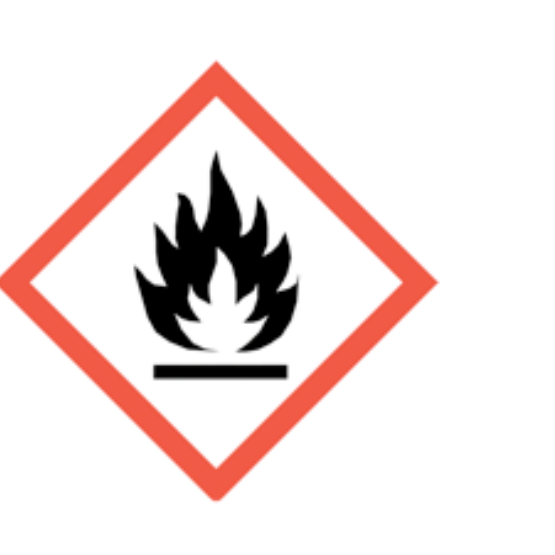
Flame
Flammable, self-heating or pyrophoric substances.
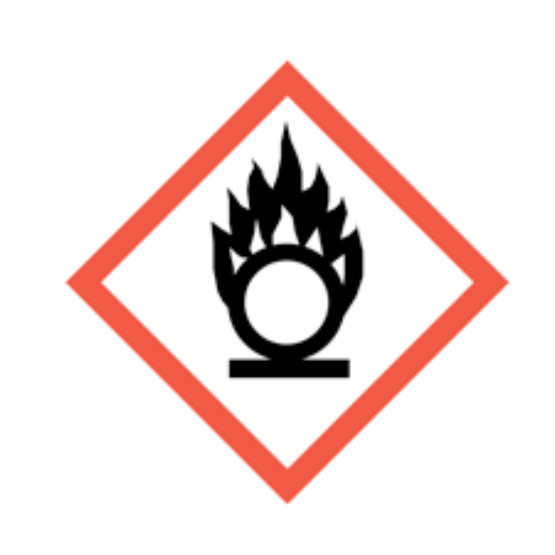
Flame over circle
Oxidising substances that can intensify fire.

Gas cylinder
Gas under pressure.
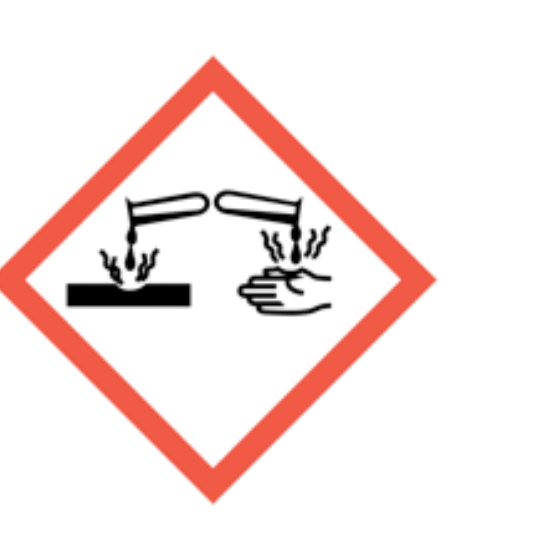
Corrosion
Skin burns, eye damage or corrosive to metals.
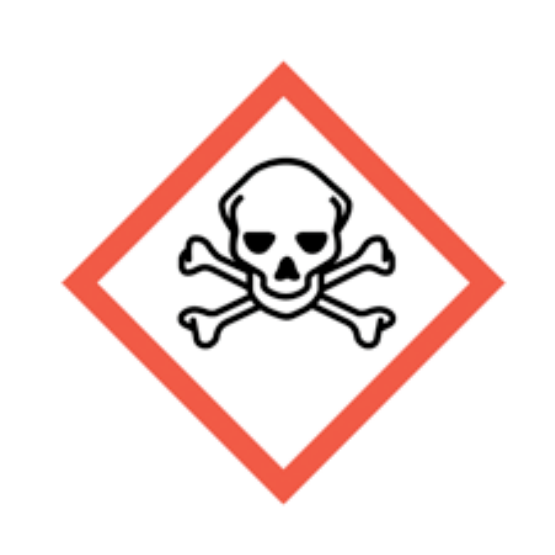
Skull and crossbones
Acute toxicity.

Exclamation mark
Irritation, harmful effects or skin sensitisation; some classifications cover drowsiness, dizziness or ozone-layer hazard. Read the actual hazard statements. Skin sensitisation differs from respiratory sensitisation.
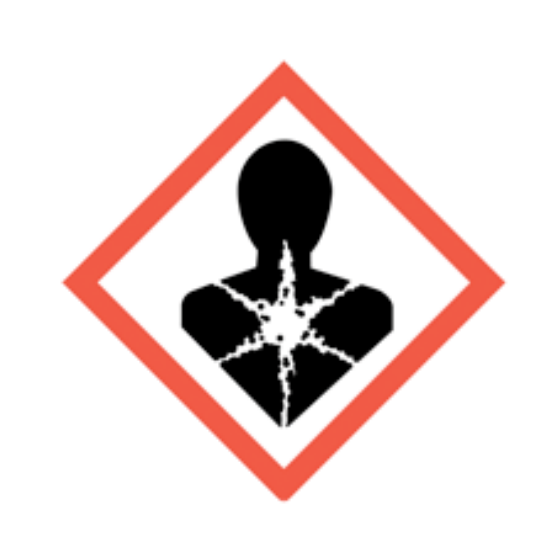
Health hazard
Serious health hazards, including organ damage, aspiration hazard, respiratory sensitisation, cancer and reproductive effects; some can follow a single exposure.
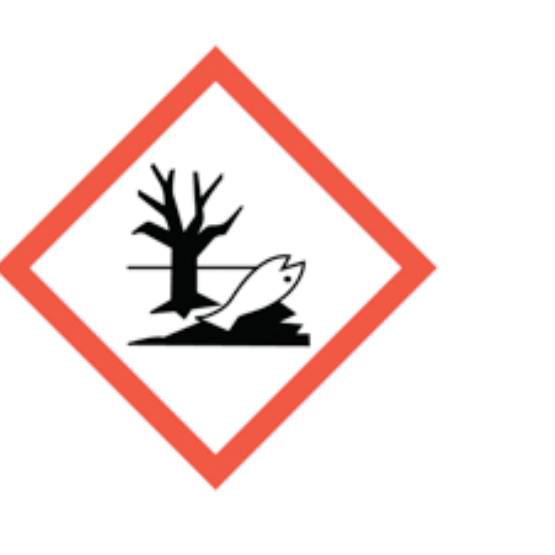
Environment
Hazardous to the aquatic environment.
Which acronyms and terms are useful for latex allergy?
These terms distinguish the allergen, the health response and the legal or management route.
| Term | Expansion or meaning | Plain-English use |
|---|---|---|
| NRL | Natural rubber latex | Plant-derived material containing allergenic proteins. |
| COSHH | Control of Substances Hazardous to Health | Separate GB and NI regulations for hazardous-substance work. |
| PPE | Personal protective equipment | Gloves protect against a task hazard only if material and fit are suitable. |
| OH | Occupational health | Competent work-related health assessment and advice. |
| RIDDOR | Reporting of Injuries, Diseases and Dangerous Occurrences Regulations | GB and NI have separate reporting routes and criteria. |
| Type I | Immediate allergic hypersensitivity | May cause hives, asthma or anaphylaxis after NRL exposure. |
| Type IV | Delayed allergic contact reaction | Usually linked to glove additives rather than NRL proteins. |
| Urticaria | Hives | Raised itchy skin reaction that can follow direct exposure. |
Unlock another resource
You have used this month’s two free downloads. Publish a post in your own words to unlock one more resource, or choose SHARE Individual for 10 downloads per month.
You decide whether to share. If you do, use the relevant platform disclosure tools and do not make claims you do not genuinely hold.