SHARE Knowledge Hub
Pesticide Poisoning at Work
Pesticide poisoning can occur when pesticide products or residues enter the body by inhalation, skin absorption, eye contact, ingestion or accidental injection. Work risk can arise during mixing, loading, spraying, dipping, fogging, baiting, treated-area entry, equipment cleaning, storage, transport, spill response or waste disposal. Workplace management is not medical advice. Suspected significant exposure or serious symptoms need prompt medical assessment. Good management means using the product label and safety data sheet (SDS), competent users, Control of Substances Hazardous to Health (COSHH) assessment, substitution or non-chemical control where possible, controlled application, drift prevention, hygiene, personal protective equipment (PPE) and respiratory protective equipment (RPE), health surveillance where needed and accurate exposure records.
Understanding Pesticide Poisoning at Work
Pesticide poisoning is harm from exposure to a pesticide product or its components. Pesticides include plant protection products and biocides, and their active substances, solvents and formulations differ widely. Acute harm may follow swallowing, inhalation or skin or eye contact; repeated lower exposure may cause different effects. The product name, active substance, label and safety data are essential to a safe response.
Why this matters at work
Health surveillance is risk-based and looks for early effects where residual exposure and a detectable condition make it appropriate. It is not a substitute for exposure prevention or urgent assessment of current illness. HSE describes organophosphorus cholinesterase measurement for regular users and broader biological monitoring options, but the need and protocol depend on the product and task. Other pesticides may need a different approach or no routine biological test.
The site records location, time, wind, equipment setup and application rate. HSE pesticide-exposure reporting is considered for suspected harm; environmental or animal routes are checked where relevant. The team does not assume that no complaint at the time means there was no exposure.
How organisations manage this in practice
Worked control record: before opening a sprayer filter, the host identifies the last mixture and pressure traps; the technician isolates energy, relieves and verifies pressure, drains and cleans by the assessed method, then checks compatible PPE, wash access and waste containment. A supervisor verifies the physical condition before opening. An empty tank or signed handover alone cannot prove a clean depressurised filter. If identity, isolation or facilities cannot be verified, hold the job and resolve the missing barrier.
Prevent contact through closed transfer, suitable mixing systems, calibrated equipment, drift-reducing application, maintenance, restricted access and separation of people from treated areas. Choose conditions that keep spray on target. HSE advises not spraying when weather would cause drift and not using faulty equipment.
Give the host and affected workers usable treatment, access and re-entry information before cleaning, harvesting or other work begins. Do not invent a universal re-entry interval: use the actual authorisation, label and assessment conditions. Record spills, equipment defects, control changes and verification, with an owner for unresolved actions. Ensure contractors provide required records or access without undue delay and that emergency responders can obtain product facts safely. Review records for omissions and whether the precautions worked in practice. Existing topic holds remain, and this private candidate does not approve a pesticide, task or live ingestion.
What should happen after suspected pesticide poisoning?
Suspected harmful poisoning needs urgent help. Call 999 or attend A&E for suspected harmful exposure or severe signs; seek immediate medical advice if affected, unwell or worried after pesticide exposure. Do not wait for symptoms to persist.
Workplace managers should not diagnose pesticide poisoning. If someone has collapsed, has breathing difficulty, severe eye exposure, confusion, seizures, severe vomiting, significant skin contamination or other serious symptoms after pesticide exposure, emergency arrangements and medical advice should be used immediately. Do not wait to complete internal paperwork before seeking help.
The workplace response should preserve the product name, label, SDS, active ingredient, exposure route, time, task and first-aid actions so clinicians and investigators can understand what happened.
| Exposure event | Immediate workplace action | Information to preserve |
|---|---|---|
| Inhalation during spraying or fogging | Move away from exposure, stop work, get first aid and immediate medical advice if affected, unwell or worried after exposure. | Product, active ingredient, application method, ventilation and duration. |
| Skin contamination | Remove contaminated clothing, wash as label/SDS directs and obtain immediate medical advice if affected, unwell or worried after exposure. | PPE worn, contaminated body area and decontamination time. |
| Eye splash | Use eyewash as instructed and seek medical advice. | Product label/SDS and time of irrigation. |
| Ingestion or hand-to-mouth transfer | Do not rely on workplace judgement; follow label/SDS/medical advice. | Amount, product, route and timing. |
| Large spill or drift incident | Isolate area, keep unprotected people away and use competent clean-up. | Weather, location, people affected and spill response. |
Suspected pesticide poisoning: what should happen first?
This emergency response box keeps the first actions simple: stop exposure, protect the person, preserve information and trigger medical and investigation routes.
A suspected pesticide poisoning event should not be argued away as heat, tiredness or a minor complaint until exposure has been considered. The product label and SDS matter because different products require different first-aid and medical advice. The first response should protect life and prevent further exposure; the investigation and records come after the person is safe. See HSE reporting pesticide exposure.
Stop work; Stop the task, isolate the application area and prevent further exposure to workers, public, animals or the environment.; Continuing the job can worsen uptake and expose others..
Remove from exposure; Move the person away from spray, vapour, dust, contaminated surfaces or treated area if it is safe to do so.; Fresh air and separation from the source reduces ongoing exposure..
Decontaminate; Remove contaminated clothing/PPE and wash skin or eyes as the label/SDS and first-aid arrangements state.; Contaminated clothing, skin or eyes can continue exposing the person..
Preserve product details; Keep the container, label, SDS, active ingredient, dilution, task, timing and exposure route available.; Clinicians and investigators need accurate product information..
Get medical help; Use emergency services, first aid, poison/medical advice or occupational health routes according to severity and product guidance.; Workplace managers should not diagnose pesticide poisoning..
Review and record; Record the event, protect confidentiality, investigate controls and do not restart until the cause is understood.; Learning should address product choice, method, weather, PPE, hygiene, training and supervision..
- Protect and call for help together. Stop exposure, move away without entering a contaminated area, and get urgent advice or emergency assistance. New dizziness after spraying warrants immediate advice.
- Decontaminate safely. Follow the label/SDS and competent first-aid plan; protect helpers and prevent further contamination.
- Hand over information when available. Product name, label/SDS, route, time and symptoms help clinicians. Missing paperwork must never delay help. The National Poisons Information Service is accessed by healthcare professionals, not as a public advice line.
What is pesticide poisoning and why does it matter at work?
Pesticide poisoning is harm from exposure to pesticide products, active substances, solvents or residues.
Pesticides are designed to affect living organisms, so their use at work needs disciplined control. The hazard may come from the active ingredient, formulation solvent, dust, aerosol, vapour, contaminated equipment, treated surfaces, washings or waste. Risk depends on product toxicity, concentration, route of exposure, task, duration, weather, PPE, hygiene and competence.
The label and SDS are not optional background information. They are central controls. A competent user should know what the product is approved for, how it is mixed and applied, what PPE is required, what re-entry interval applies, what to do after exposure, how to store and dispose of it, and when the task should stop.
| Element | What it means | Workplace implication |
|---|---|---|
| Product type | Plant protection products, biocides, rodenticides or specialist pest-control products. | Use only as authorised and for the intended task. |
| Main routes | Skin, inhalation, eyes, ingestion and accidental injection. | Control all routes, not only breathing exposure. |
| Higher-risk tasks | Mixing, loading, spraying, cleaning, spill response and treated-area re-entry. | Plan before opening the container. |
| Control standard | Label/SDS, COSHH, competence, equipment, hygiene, PPE and emergency plan. | Do not rely on informal experience. |
| Evidence focus | Product records, application logs, training, PPE, health checks and incident learning. | Prove the task was controlled. |
How can the hierarchy of controls reduce pesticide exposure and poisoning risk?
For an estate team mixing and spraying an authorised herbicide near a public car park, the source is concentrate and spray; skin, eyes, breathing zone, contaminated hands and drift carry it to workers and bystanders. The product label and current authorisation govern the exact use. HSE’s five levels are elimination, substitution, engineering, administrative control and PPE. ERICPD adds Reduce, Isolate and Discipline; the two are related planning tools, not identical legal requirements.
Eliminate: the grounds manager tests whether hand removal, mulching or redesign of the planted area avoids spraying. Check that the alternative controls the pest without introducing unacceptable manual or traffic risks. If it works, the pesticide job is cancelled and the decision recorded.
Substitute and reduce: if chemical control is needed, the competent purchaser checks the authorised product, crop/site, target pest and label, and chooses a lower-risk formulation or targeted spot application where suitable. An unapproved dilution, off-label use or “safer” product assumed from marketing is not a valid substitute. Record the selection and actual quantity.
Isolate and engineer: use a designated mixing area, controlled transfer and a calibrated sprayer/nozzle that keeps spray on the target; keep pedestrians out of the application route. The applicator checks seals, nozzle pattern and drift conditions before and during work. A leaking hose, uncontrolled wind or failed exclusion is a stop point, not a reason to add PPE.
Control, PPE and Discipline: the supervisor sets authorised-user scope, weather hold points, signage, treated-area re-entry and clean/dirty separation. The applicator checks the label and substance assessment for compatible gloves, eye/body protection and any respiratory protection, including fit and replacement requirements. PPE is the residual barrier. A supervisor samples application logs and investigates drift, splashes or symptoms; suspected poisoning triggers first aid and medical advice with the label and safety data available.
Direct source: HSE - Pesticide use and storage
Direct source: HSE - Understanding the product label
Direct source: HSE - Report pesticide exposure
Direct source: HSE - Hierarchy of controls
How can the ERICPD hierarchy of controls reduce pesticide exposure and poisoning risk?

| ERICPD control level | Topic-specific example | Source and full task context |
|---|---|---|
| Eliminate | Use a feasible non-chemical pest-control or landscape method that avoids the spray task. | Read the full task example, checks and stop points on this page. product label · authorised product · HSE - Report pesticide exposure · HSE - Hierarchy of controls |
| Reduce | Select a genuinely lower-risk authorised formulation for the actual pest/site; unapproved dilution is not substitution. | Read the full task example, checks and stop points on this page. product label · authorised product · HSE - Report pesticide exposure · HSE - Hierarchy of controls |
| Isolate | Use controlled mixing/transfer equipment and calibrated application/nozzle systems that limit release. | Read the full task example, checks and stop points on this page. product label · authorised product · HSE - Report pesticide exposure · HSE - Hierarchy of controls |
| Control | Apply weather hold points, competent authorisation, exclusion/re-entry communication, cleaning and supervision. | Read the full task example, checks and stop points on this page. product label · authorised product · HSE - Report pesticide exposure · HSE - Hierarchy of controls |
| PPE | Use label/task-selected compatible protective equipment, with suitable RPE where assessed; check use and contamination. | Read the full task example, checks and stop points on this page. product label · authorised product · HSE - Report pesticide exposure · HSE - Hierarchy of controls |
| Discipline | Stop on changed weather, equipment or exposure conditions and verify safe handback before reuse. | Read the full task example, checks and stop points on this page. product label · authorised product · HSE - Report pesticide exposure · HSE - Hierarchy of controls |
How can the ISO 45001 hierarchy of controls reduce pesticide exposure and poisoning risk?

| ESEAP control level | Topic-specific example | Source and full task context |
|---|---|---|
| Elimination | Use a feasible non-chemical pest-control or landscape method that avoids the spray task. | Read the full task example, checks and stop points on this page. product label · authorised product · HSE - Report pesticide exposure · HSE - Hierarchy of controls |
| Substitution | Select a genuinely lower-risk authorised formulation for the actual pest/site; unapproved dilution is not substitution. | Read the full task example, checks and stop points on this page. product label · authorised product · HSE - Report pesticide exposure · HSE - Hierarchy of controls |
| Engineering controls | Use controlled mixing/transfer equipment and calibrated application/nozzle systems that limit release. | Read the full task example, checks and stop points on this page. product label · authorised product · HSE - Report pesticide exposure · HSE - Hierarchy of controls |
| Administrative controls | Apply weather hold points, competent authorisation, exclusion/re-entry communication, cleaning and supervision. | Read the full task example, checks and stop points on this page. product label · authorised product · HSE - Report pesticide exposure · HSE - Hierarchy of controls |
| PPE | Use label/task-selected compatible protective equipment, with suitable RPE where assessed; check use and contamination. | Read the full task example, checks and stop points on this page. product label · authorised product · HSE - Report pesticide exposure · HSE - Hierarchy of controls |
Which pesticide products and tasks create exposure risk?
Exposure risk varies by product, formulation and task, so the assessment must be product-specific.
A concentrate may create a different mixing risk from a ready-to-use product, while a spray can create drift toward other workers or the public. Identify the exact active substance, formulation, label-authorised use and contact routes before choosing controls; never treat a product family name as the assessment.
| Product or task | Exposure concern | Control focus |
|---|---|---|
| Herbicide spraying | Spray mist, drift, skin contamination and equipment cleaning. | Weather checks, nozzle control, PPE and re-entry controls. |
| Insecticide application | Higher toxicity products may create skin, inhalation or ingestion risk. | Competence, label controls, exclusion and hygiene. |
| Fungicide treatment | Mixing/loading, treated crop or treated surface contact. | Closed transfer where possible and washing facilities. |
| Rodenticide baiting | Hand contamination, public/child/wildlife access and carcass handling. | Secure bait stations, gloves, records and waste route. |
| Biocide fogging or disinfection | Aerosol inhalation, surface residues and re-entry timing. | Ventilation, exclusion and post-treatment clearance. |
| Dipping or seed treatment | Concentrated product and contaminated liquid. | Containment, splash control and spill plan. |
| Equipment cleaning | Residues on nozzles, tanks, filters and PPE. | Decontamination area, washings control and gloves/eye protection. |
How do pesticide types differ in workplace risk?
Different pesticide groups create different exposure questions, so the COSHH assessment should not treat all pesticides as one generic chemical.
The word pesticide covers a wide range of products. Some are used to kill weeds, insects, fungi, rodents or microorganisms; some are plant protection products, while others are biocides used in buildings, water systems, facilities or pest control. The work task, formulation and route of exposure often matter as much as the product group.
A competent assessment asks what the product is designed to do, how concentrated it is, whether it is liquid, powder, granule, bait, fog or aerosol, who could be exposed during and after use, and what the label requires. This is where pesticide control becomes practical rather than theoretical.
Herbicides; Grounds maintenance, estates, agriculture, rail/roadside vegetation and invasive weed control.; Can non-chemical control be used, what drift controls are needed, and how will public access/re-entry be managed?.
Insecticides; Pest treatment, crop protection, stores, accommodation blocks, food premises or facilities work.; What toxicity, inhalation, skin and public/vulnerable-person risks exist, and are exclusion and re-entry controls clear?.
Fungicides; Crop treatment, timber/material treatment, damp or specialist surface applications.; Could mixing, treated-surface contact, dust or aerosol exposure occur, and what hygiene/PPE is required?.
Rodenticides; Baiting in buildings, farms, waste areas, leisure sites or grounds.; How are bait stations secured, non-target species protected, carcasses handled and records kept?.
Biocides; Disinfection, fogging, water treatment, pest-control products and surface treatments.; Could aerosols, residues, re-entry timing, ventilation or incompatible chemical mixing create risk?.
How can pesticides enter the body?
Pesticides can enter through skin, inhalation, eyes, ingestion and accidental injection, and each route needs specific controls.
Skin contamination can continue after spraying if gloves, clothing, controls or cleaning are wrong. Map each part of mixing, application, cleanup and re-entry to the person exposed, then choose a control that interrupts that route and a check that shows it works.
| Route | How exposure happens | Control focus |
|---|---|---|
| Skin absorption/contact | Splash, contaminated gloves, wet clothing, drift or treated surfaces. | Cover skin, select compatible gloves, wash promptly and change contaminated clothing. |
| Inhalation | Spray mist, dust, vapour, fogging, powder handling or enclosed areas. | Ventilation, RPE where needed, application controls and exclusion zones. |
| Eye contact | Splash during mixing, blocked nozzle cleaning or wind-blown spray. | Eye protection, low-splash methods and eyewash. |
| Ingestion | Contaminated hands, food, drink, cigarettes, phones or poor hygiene. | Clean areas, handwashing and no eating/drinking in work zone. |
| Injection | High-pressure spray equipment or sharps-style puncture injury. | Depressurise, maintain equipment and treat injection as serious. |
| Secondary exposure | Contaminated vehicles, PPE, stores, laundry or treated areas. | Decontamination, storage, laundering and re-entry controls. |
Which pesticide exposure routes and effects need escalation?
A route and effect table helps supervisors recognise when the response has moved beyond routine first aid and into medical or specialist review.
People can be exposed without a dramatic spill. Contaminated gloves, a leaking sprayer, wind drift, a blocked nozzle cleared by hand, fogging in poor ventilation or lunch taken before washing can all create meaningful uptake. The immediate response should be proportionate to the product and symptoms, but it should always trigger a review of the task controls.
- Inhalation.
Recognise: Coughing, wheeze, breathlessness, headache, dizziness, nausea or collapse after mist, vapour, dust or fog exposure.
Action/evidence: Stop work, move to fresh air, preserve product details and seek medical advice immediately if affected, unwell or worried after exposure.
- Skin.
Recognise: Burning, irritation, numbness, sweating, contaminated clothing or symptoms after splash/contact.
Action/evidence: Remove contaminated clothing, wash as label/SDS states and obtain immediate medical advice if affected, unwell or worried after exposure.
- Eyes.
Recognise: Pain, redness, blurred vision, chemical splash or wind-blown spray.
Action/evidence: Use eyewash immediately and seek medical advice as label/SDS requires.
- Ingestion.
Recognise: Contaminated food/drink/cigarette, hand-to-mouth transfer, nausea, vomiting or uncertainty over amount.
Action/evidence: Do not guess; follow label/SDS, use poison/medical advice routes and preserve the product container.
- Injection/high-pressure injury.
Recognise: Puncture from equipment, pressure injection or contaminated wound.
Action/evidence: Treat as serious and seek urgent medical assessment because tissue damage can be hidden.
- Multiple people affected.
Recognise: Several workers or members of public report symptoms after drift, fogging or re-entry.
Action/evidence: Isolate area, escalate to competent management, preserve weather/application information and investigate.
What pesticide work flow should be controlled?
A safe pesticide job controls the product from selection through disposal, not just the moment of spraying.
The practical workflow is: justify need -> choose product -> check label/SDS -> assess COSHH -> confirm competence -> plan weather/public interface -> mix/load -> apply -> monitor -> re-entry -> clean equipment -> dispose -> record -> review. Missing one stage can undo the rest.
| Stage | Key question | Evidence |
|---|---|---|
| Need and selection | Can non-chemical control or a lower-risk product be used? | Pest/weed assessment and product choice record. |
| Label/SDS review | What are the legal uses, PPE, re-entry and emergency actions? | Label/SDS in work pack. |
| COSHH assessment | Who could be exposed and by which route? | Task-specific assessment. |
| Competence | Is the user trained/certificated where required? | Training/certificate record. |
| Mix/load | Can concentrate be handled without splash, spill or inhalation? | Mixing area and PPE check. |
| Application | Are weather, drift, public access and equipment controlled? | Application log. |
| Re-entry | When can workers, public or animals enter treated areas? | Signage/exclusion record. |
| Cleaning/disposal | How are washings, containers, PPE and waste controlled? | Waste and decontamination record. |
How should drift, storage, transport, disposal and contaminated PPE be controlled?
The exposure boundary extends beyond the person spraying: neighbours, the public, animals, vehicles, stores, PPE and waste routes can all be affected.
A good pesticide system plans the whole job perimeter. It checks wind speed and direction, nearby people, drains, watercourses, neighbouring property, schools, homes, livestock, pets, public rights of way, event spaces and treated-area re-entry. It also controls what happens before and after application: transport, secure storage, damaged containers, washings, empty containers and contaminated PPE.
HSE guidance expects pesticide use to be controlled as low as reasonably practicable in public areas and highlights that warning neighbours may be required for certain products and is good practice for others. Operationally, this should become a clear planning and communication step, not an afterthought.
| Issue | What can go wrong | Good control |
|---|---|---|
| Drift and neighbours | Spray moves to pedestrians, neighbouring property, gardens, watercourses or animals. | Check weather, buffers, nozzles, pressure, signage, neighbour warning where required/good practice and stop on unsuitable conditions. |
| Public access/re-entry | People enter treated areas before safe re-entry or before residues dry/settle. | Use exclusion, signage, barriers, communication and re-entry intervals from the label. |
| Storage | Old, unlabelled, leaking or incompatible products stored in ordinary rooms. | Secure pesticide store, inventory, segregation, secondary containment, labels and spill kit. |
| Transport | Products carried loose in vehicles with people, food, tools or clean PPE. | Secure containers, separation, emergency information and vehicle contamination control. |
| Disposal and washings | Rinse water, empty containers or residues enter drains or ordinary waste. | Follow label and waste requirements, control washings and use approved waste routes. |
| Contaminated PPE | Gloves/coveralls contaminate vehicles, welfare, lockers or homes. | Doffing method, cleaning/replacement, separate storage and laundry/disposal arrangements. |
What symptoms and health effects should be taken seriously?
Symptoms after pesticide exposure should trigger first aid, medical advice where needed and control review rather than informal reassurance.
Symptoms depend on product and exposure route. Some pesticides can cause skin or eye irritation, respiratory symptoms, nausea, dizziness, headache, weakness or more serious neurological effects. Organophosphate and carbamate products require particular caution because of their effect on cholinesterase activity where relevant. This page does not diagnose poisoning. It explains when work must stop and competent health advice is needed.
| Warning sign | Possible workplace meaning | Response |
|---|---|---|
| Eye or skin irritation after handling | Splash, glove failure, drift or poor washing. | Stop, decontaminate, seek advice and review PPE/method. |
| Headache, dizziness or nausea after spraying | Inhalation, skin absorption or heat/PPE interaction may be involved. | Move away, first aid/medical advice and exposure review. |
| Breathing symptoms | Mist, vapour, aerosol or sensitising/irritant exposure. | Stop work, medical advice and control review. |
| Repeated symptoms on application days | Pattern suggests work-related exposure. | Occupational health/medical review and COSHH reassessment. |
| Spill or contaminated clothing | Skin exposure and take-home contamination risk. | Decontaminate, isolate clothing and investigate. |
| Multiple workers affected | Drift, poor ventilation, wrong product use or inadequate exclusion. | Escalate, isolate area and investigate immediately. |
When may biological monitoring be relevant for pesticide exposure?
Biological monitoring may be useful where the risk assessment or product group suggests that checking uptake into the body would add important control information.
Biological monitoring is different from a general health check. It looks for markers of exposure or effect in the body, such as pesticide metabolites or cholinesterase activity where relevant to particular pesticide groups. It should be designed and interpreted by competent occupational health or occupational hygiene support, with confidentiality and clear explanation to workers.
Monitoring should not be used to justify poor controls. If results suggest exposure uptake, the response should be to review product choice, mixing/loading, application method, PPE, hygiene, training, supervision and maintenance. The worker should also receive appropriate health advice through competent routes.
| When to consider it | What it can show | Management response |
|---|---|---|
| Higher-risk pesticide group or active substance | Whether exposure uptake is occurring despite controls. | Seek competent advice, review COSHH and improve controls. |
| Repeated symptoms or contamination incidents | Whether reported events are linked to measurable uptake where a valid test exists. | Stop uncontrolled work, investigate and protect confidentiality. |
| Mixing/loading concentrates | Whether the highest-exposure task is controlled in practice. | Review closed transfer, PPE, washing, training and supervision. |
| Long or frequent application work | Whether cumulative exposure is being controlled. | Review task duration, rotation, equipment, re-entry and health surveillance need. |
| Control-change verification | Whether improved controls have reduced uptake where monitoring is valid. | Use results as one evidence source, not the only proof of safety. |
How should pesticide exposure be prevented?
Controls should follow the hierarchy: avoid chemical use where possible, reduce risk, control the task and use PPE as the last line.
This section turns legal language into workplace control. The examples show how broad duties become risk assessment, competent help, consultation, maintenance and review evidence.
| Control level | Practical example | Weak practice |
|---|---|---|
| Eliminate/avoid | Use non-chemical pest or weed control where effective. | Spray because it is routine. |
| Substitute/reduce | Choose lower-risk product, a lower concentration only where the authorised label conditions and competent effectiveness/resistance assessment allow it or targeted method. | Use broad product without review. |
| Engineering/task control | Closed transfer, calibrated sprayer, correct nozzle, drift control and containment. | Hand mixing in unsuitable area. |
| Administrative control | Competence, weather checks, exclusion, signage, re-entry and records. | No application log or exclusion. |
| Hygiene | Wash hands, no eating/drinking, change contaminated clothing and control laundry. | Contaminated gloves used in vehicle cab. |
| PPE/RPE | Product-specific gloves, coveralls, eye protection and RPE where required. | Generic gloves or no fit-tested RPE. |
| Emergency control | Spill kit, eyewash, first-aid route and product information available. | No SDS/label at point of use. |
How could pesticide poisoning develop during estate spraying?
A worked example shows how ordinary grounds work can create exposure when planning, weather and hygiene are weak.
An estate team uses a knapsack sprayer to treat weeds around a car park. The worker mixes concentrate in a store with poor ventilation, wipes a small splash from the glove onto their trouser leg, sprays in gusty wind near a pedestrian route and later eats lunch in the van without washing. By mid-afternoon they feel nauseous and dizzy. The weak response is to blame heat or say the worker should have been more careful. The stronger response is to stop work, seek medical advice where needed, preserve the product information, review mixing, PPE, weather, exclusion and hygiene, and retrain or redesign the task before reuse. See HSE reporting pesticide exposure.
| Stage | Weak control | Better control |
|---|---|---|
| Planning | Spraying scheduled regardless of wind or public access. | Weather, drift, exclusion and public interface planned. |
| Mixing | Concentrate opened in poor area. | Designated mixing area, spill tray and PPE check. |
| Application | Gusty wind creates drift. | Stop on unsuitable weather and use correct nozzle/pressure. |
| Hygiene | Lunch in van with contaminated gloves/clothing. | Wash, change and keep clean/dirty separation. |
| Symptoms | Nausea dismissed as heat. | Treat as exposure signal and seek advice. |
| Learning | Reminder issued. | COSHH, training, equipment and supervision reviewed. |
Estate spray near public car park
Task material and setting: Authorised herbicide applied by knapsack sprayer around a public car park.
People and prerequisites: Grounds team, supervisor and nearby public; current product authorisation, label, competent operator and weather check.
Before: Confirm whether spraying is needed, the authorised use and dilution, bystander boundary, mixing area and washing route.
During: Contain concentrate, monitor wind and spray drift, keep pedestrians out of the work zone and do not eat with contaminated hands.
Hold or stop: Stop for gusts or drift, unauthorised product/use, spill, symptoms or unusable washing; protect others and seek urgent medical advice for significant exposure.
Completion and hand back: Clean equipment and PPE per label, segregate contaminated clothing, reopen the area only when product instructions allow.
Evidence: Product/label, risk assessment, training, application/weather record, spill and exposure record, welfare check and reopening decision.
What evidence shows pesticide risk is controlled?
Evidence should show product-specific assessment, competent use, exposure control, emergency readiness and review.
Evidence should be read as a chain rather than a filing exercise. A single record rarely proves good management on its own; stronger assurance comes from matching records, observations, interviews, trends and verified action closure.
| Evidence | What it should show | Weakness to challenge |
|---|---|---|
| Product inventory | Approved products, labels, SDS and storage status. | Unknown old products in store. |
| COSHH assessment | Routes, tasks, people, controls, PPE and emergency action. | Generic assessment for all pesticides. |
| Competence record | User training/certification and task-specific briefing. | Experienced user with no current evidence. |
| Application log | Product, dose, area, weather, user, PPE and re-entry controls. | No record of weather or public exclusion. |
| Equipment checks | Sprayers calibrated, maintained and cleaned. | Leaking nozzles and no calibration. |
| Health surveillance/medical route | Competent advice where product or exposure requires it. | Symptoms not escalated. |
| Incident learning | Spills, drift, symptoms and near misses investigated. | Repeat drift or splash events. |
Northern Ireland: from January 2026, record use promptly and include the authorisation number, applicable EPPO land-use/crop code and label-dependent growth stage; contractors must provide relevant records without undue delay. DAERA’s 2026 transition does not remove existing record duties. Mandatory electronic transfer is deferred to January 2027; use DAERA’s current format and timing instructions. DAERA PPP records from 2026
Which legal duties apply to pesticide poisoning risk?
Great Britain and Northern Ireland use separate instruments for general duties and COSHH. Apply the regulation for the actual workplace; EH40 is the HSE publication listing GB workplace exposure limits, not a substitute for preventing exposure. Health information is handled through a restricted process.
| Duty or regulation | What it requires | How to apply it |
|---|---|---|
| COSHH Regulations 2002 | Requires hazardous substance exposure to be prevented or adequately controlled. | Assess the exact compound, form, task, exposure route, control standard, emergency action and monitoring need. |
| EH40 Workplace Exposure Limits | Lists legally binding GB workplace exposure limits where set. | Check applicable WELs and use competent exposure monitoring where air exposure could be significant. |
| Health and Safety at Work etc. Act 1974 | Requires protection of workers and others from work-related health and safety risks. | Provide safe systems, information, training, supervision, welfare and emergency arrangements. |
| Management of Health and Safety at Work Regulations 1999 | Requires risk assessment, preventive arrangements, competence and review. | Include maintenance, contractors, vulnerable workers, change, emergency exposure and combined chemical risks. |
| PPE at Work Regulations 1992 | General PPE duties, as amended, apply within their scope; hazardous-substance protective equipment is governed through COSHH. | Select suitable substance-specific gloves, eye protection and RPE through COSHH; retain the general PPE route for other applicable risks. |
| UK GDPR / Data Protection Act 2018 | Health information and monitoring linked to individuals must be handled lawfully. | Keep occupational health and monitoring records confidential and proportionate. |
| Plant Protection Products (Sustainable Use) Regulations 2012 | Requires controls around professional use, application equipment and pesticide practice. | For professional plant-protection product use across the UK, verify the specified training certificate, equipment controls and the actual product authorisation for the location. |
| Health and Safety at Work (Northern Ireland) Order 1978 | General NI employer health and safety duties. | Protect workers and others affected by the work. |
| Management of Health and Safety at Work Regulations (NI) 2000 | NI assessment and preventive arrangements. | Plan competent controls, emergency action and review. |
| Control of Substances Hazardous to Health Regulations (Northern Ireland) 2003 | Prevent or adequately control NI hazardous-substance exposure. | Assess the actual chemical, route and task, maintain controls and plan incidents. |
| Plant Protection Products Regulations (Northern Ireland) 2011 | A plant protection product must be authorised for the particular NI use and used in line with its authorisation and label. | Check the actual NI authorisation; a GB-only product authorisation does not permit NI use. |
| Operator Responsibilities Regarding Pesticides | Check the current NI product authorisation, label and professional-user certificate before use. | GB-only authorisation is not valid in NI; check the current NI record requirements too. |
| Official Controls (Plant Protection Products) Regulations (Northern Ireland) 2020 | Professional plant-protection-product users/operators in Northern Ireland must register with DAERA. | Before professional estate application, check operator registration alongside NI product authorisation and the specified applicator certificate. |
In Great Britain, professional plant-protection-product users must register with Defra on behalf of England, Scotland and Wales, including businesses that employ a contractor to apply PPPs. A new professional user must register within three months of starting. Product authorisation, business/user registration and the applicator’s certificate are separate checks. HSE professional PPP registration
How should the control be managed and reviewed?
For a GB workplace, HSE guidance supports identifying the actual risk, taking practical protective steps and reviewing whether they work. Name the decision owner, check the control during the real task and correct a failed arrangement. Apply the separate Northern Ireland duties and guidance where the work is in NI.
GB management guidance: HSE managing health and safety
What training and awareness helps?
Training should be product-specific and practical, not only general COSHH awareness.
Training should be role-based. General awareness creates a baseline, but supervisors, managers, advisers and senior leaders need different levels of decision-making, verification and escalation competence.
For professional plant-protection product application, HSE and DAERA describe a recognised specified training certificate requirement. Check the product’s current GB or NI authorisation and label before use; a GB-only authorisation is not valid in NI. Application logs are examples here, not a complete statement of current NI record content or format. See HSE use guidance and DAERA operator responsibilities.
For professional plant-protection-product work in Northern Ireland, verify operator registration with DAERA as well as the specified applicator certificate and NI-valid product authorisation. See DAERA operator responsibilities.
Practical authorisation is separate from a general awareness briefing. The assessor should observe the actual task or a credible emergency scenario, record scope and reassess after changes, incidents or weak performance.
| Role | Learning and demonstration | Assessor | Record and reassessment |
|---|---|---|---|
| Workers and bystanders | Recognise application signs, avoid the work zone and report drift or symptoms. | Supervisor tests a short site scenario. | Induction and route check; repeat when application locations change. |
| Applicators and mixers | For professional plant-protection products, hold a recognised specified training certificate and demonstrate label reading, NI or GB product authorisation as applicable, calibration, mixing, PPE, hygiene and stop conditions on the actual equipment. | Authorised pesticide trainer or competent supervisor observes. | Practical assessment and product scope; reassess after product, kit or method change. |
| Supervisors and contractors | Check authorisation, weather, exclusion, re-entry and public interface; suspend work for drift or leaks. | Pesticide programme lead witnesses a field check. | Job plan and stop decision; repeat after an incident or failed audit. |
| Purchasers and managers | Approve only authorised products and fund non-chemical/engineering options, welfare and maintenance. | Technical lead reviews a purchase scenario. | Selection decision and action review; revisit on authorisation change. |
| OH and safety advisers | Judge exposure, monitoring and health-surveillance needs without interpreting symptoms as a diagnosis. | Specialist lead reviews a case. | Restricted assessment and source record; reassess on new symptoms or evidence. |
How could Riverside Leisure Ltd manage this in practice?

Riverside would control pesticide work through competent contractors, product review, exclusion and welfare.
A leisure business may use contractors or estate teams for grounds, weed control, poolside pest issues and outdoor facilities. Riverside would not allow informal spraying by untrained staff or unreviewed products from stores.
| Management element | How the business would manage it | Evidence to review |
|---|---|---|
| Select | Use non-chemical options or approved products where justified. | Product approval record. |
| Assess | Review label, SDS, COSHH, people at risk and public interface. | COSHH assessment. |
| Control | Plan weather, exclusion, application, PPE, hygiene and re-entry. | Application log. |
| Respond | Set spill and symptom escalation routes. | Emergency checklist. |
| Assure | Audit contractor competence and records. | Contractor review. |
Chemical hazard symbols: what do they mean?

Exploding bomb
Explosive, self-reactive or organic peroxide hazards.
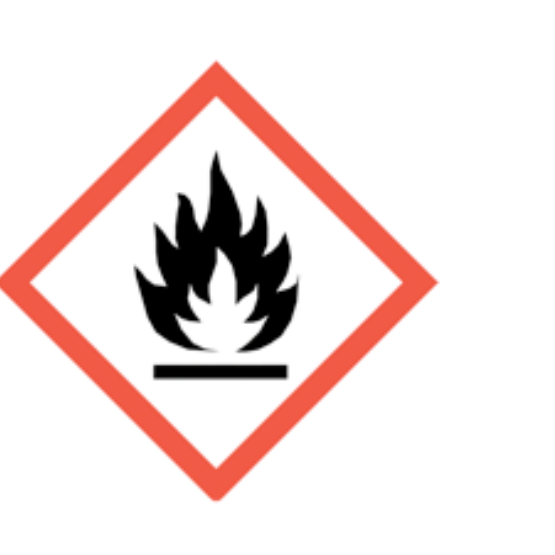
Flame
Flammable, self-heating or pyrophoric substances.
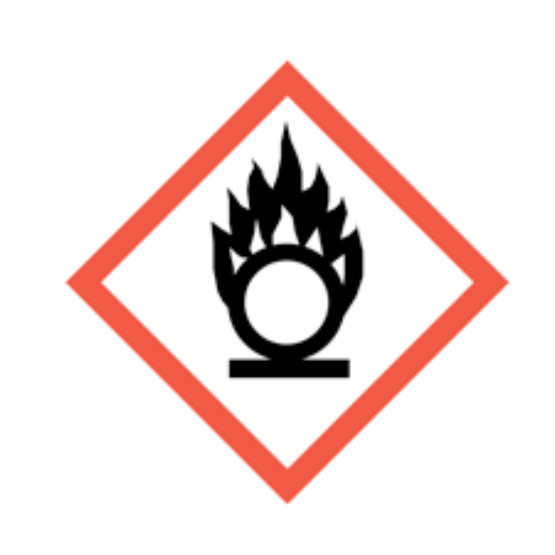
Flame over circle
Oxidising substances that can intensify fire.

Gas cylinder
Gas under pressure.
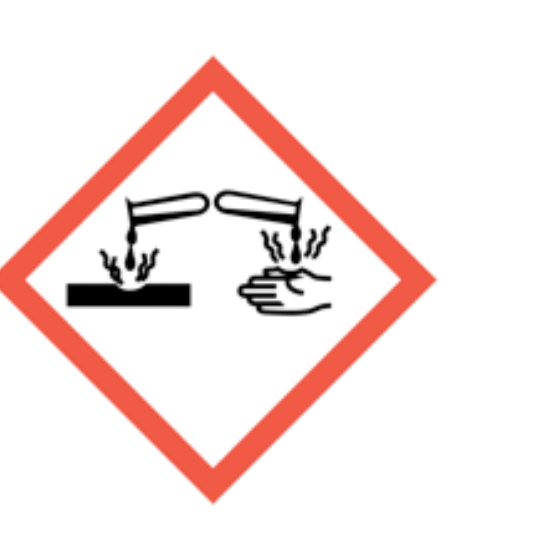
Corrosion
Skin burns, eye damage or corrosive to metals.
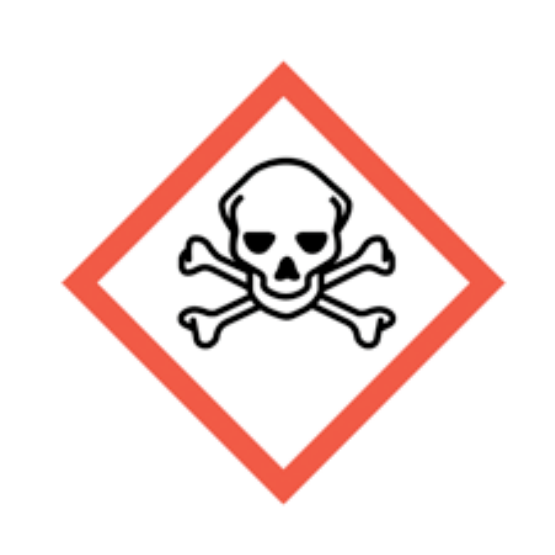
Skull and crossbones
Acute toxicity.
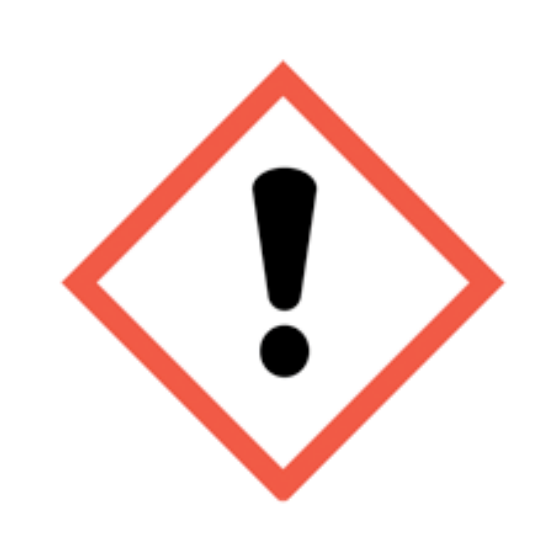
Exclamation mark
Irritation, harmful effects or skin sensitisation; some classifications cover drowsiness, dizziness or ozone-layer hazard. Read the actual hazard statements. Skin sensitisation differs from respiratory sensitisation.
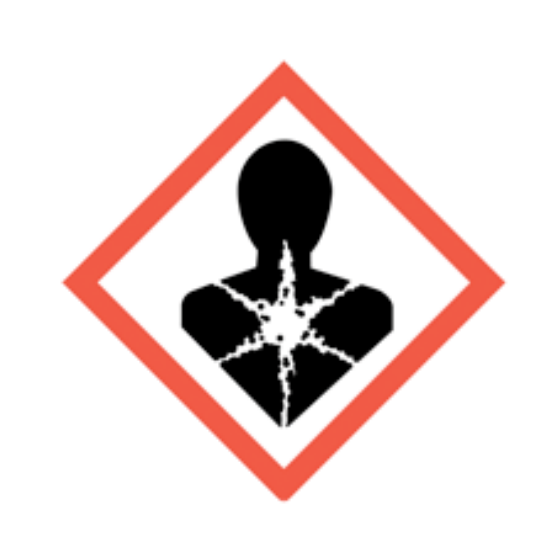
Health hazard
Serious health hazards, including organ damage, aspiration hazard, respiratory sensitisation, cancer and reproductive effects; some can follow a single exposure.
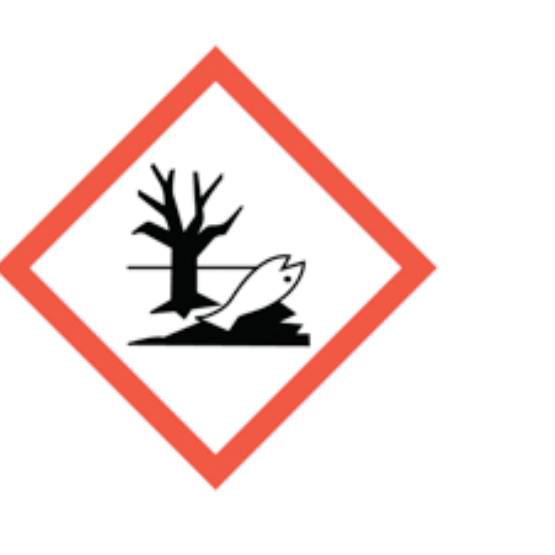
Environment
Hazardous to the aquatic environment.
What do the acronyms and key terms mean?
Acronyms should be understood before they are used in assessments, briefings, audits or learning answers.
Acronyms can exclude newer readers if they are not explained. This section keeps the main terms available at the end of the page so the article stays readable while still supporting learners and audit users.
| Acronym | Meaning | Plain-English use |
|---|---|---|
| COSHH | Control of Substances Hazardous to Health | UK regulations for hazardous substances. |
| SDS | Safety Data Sheet | Supplier information on hazards, controls and emergency action. |
| PPE | Personal Protective Equipment | Equipment worn to protect against exposure. |
| RPE | Respiratory Protective Equipment | Equipment used to protect against inhalation exposure. |
| WEL | Workplace Exposure Limit | Legal limit for airborne exposure where set. |
Unlock another resource
You have used this month’s two free downloads. Publish a post in your own words to unlock one more resource, or choose SHARE Individual for 10 downloads per month.
You decide whether to share. If you do, use the relevant platform disclosure tools and do not make claims you do not genuinely hold.