SHARE Knowledge Hub
Phosgene Poisoning and Workplace Exposure
Phosgene is a highly toxic, reactive gas associated with chemical manufacture, some process intermediates and thermal decomposition of chlorinated solvents or polymers. Occupational exposure is mainly an inhalation and eye risk, and serious lung injury can be delayed, so apparently mild early symptoms after credible exposure must be treated cautiously. This page is workplace guidance, not medical advice. Suspected significant exposure needs urgent medical assessment, removal from exposure, incident control, product and process information, competent investigation, Control of Substances Hazardous to Health (COSHH) review, monitoring, emergency planning, closed-system controls and assurance evidence.
Understanding Phosgene Poisoning and Workplace Exposure
Phosgene is a highly toxic, reactive gas associated with chemical manufacture, some process intermediates and thermal decomposition of chlorinated solvents or polymers. Occupational exposure is mainly an inhalation and eye risk, and serious lung injury can be delayed, so apparently mild early symptoms after credible exposure must be treated cautiously. This page is workplace guidance, not medical advice. Suspected significant exposure needs urgent medical assessment, removal from exposure, incident control, product and process information, competent investigation, Control of Substances Hazardous to Health (COSHH) review, monitoring, emergency planning, closed-system controls and assurance evidence.
Why this matters at work
Phosgene inhalation principally damages the respiratory tract and alveoli. UKHSA describes rapid hydrolysis to carbon dioxide and hydrochloric acid and reaction with proteins and other molecules in the lower lung. The resulting injury increases leakage from lung capillaries and can cause non-cardiogenic pulmonary oedema, meaning fluid in the lungs not primarily caused by heart failure.
Eye exposure can irritate and may cause delayed light sensitivity or watering. Direct liquid contact can cause cold injury, chemical irritation and burns. The responder must consider both vapour inhalation and surface contamination when deciding safe decontamination.
How organisations manage this in practice
Authorise changes through a record that links design assumptions to testing and training. If a detector is bypassed or ventilation is reduced, define a genuinely equivalent compensating control or suspend affected work. At commissioning, prove containment, alarm transmission, shutdown and handover under the new configuration. Update site drawings, COSHH assessment, maintenance instructions and emergency pack. A signed change form without a field test cannot establish that workers are protected from the revised release path.
Define the question for each activity: health surveillance seeks early worker effects when appropriate; exposure monitoring checks airborne control; detector testing checks warning capability; engineering inspection checks barrier condition. Keep health information confidential and give managers the corrective action and fitness restrictions they need. Review recurring low-level alarms, odour reports and minor leaks together rather than treating each as an isolated non-injury event.
A contractor may encounter phosgene without belonging to the process team: a welder heats a cleaned component, an electrician enters a trench, or a technician services a detector. Before work, the host should identify chemicals in the equipment and adjacent area, current impairments, isolation boundaries, alarm signals, escape routes and who controls the permit. The contractor should explain their own methods, solvents and tools, since those may create phosgene in a place where the host did not expect it.
What should readers understand before using this page?
This page is workplace guidance, not medical advice; credible suspected occupational phosgene exposure needs urgent medical assessment.
Phosgene exposure can be deceptive because serious lung effects may be delayed. A worker may initially report eye, nose or throat irritation, chest tightness, cough or mild breathlessness and then deteriorate later. The workplace should not wait for severe symptoms before escalating credible exposure.
The practical workplace role is to stop exposure, protect others, provide responders and clinicians with accurate information, preserve evidence and review the control system. Diagnosis, observation, treatment and return-to-work decisions must involve qualified medical or occupational health support.
| Workplace action | Medical boundary | Escalate immediately when |
|---|---|---|
| Remove from exposure, isolate area, preserve SDS/process information and activate emergency plan. | Managers should not diagnose poisoning or decide observation time. | Credible inhalation exposure, breathing symptoms, eye exposure, chest tightness, cough, collapse or alarm event. |
| Record task, substance, duration, location, alarm readings and controls in place. | Clinical observation and treatment decisions sit with emergency/medical services. | Symptoms appear after a delay or multiple people report irritation. |
What is phosgene and why is it so serious?
Phosgene is a highly toxic gas that can damage the lungs after inhalation and may cause delayed pulmonary oedema.
Phosgene is also known as carbonyl chloride. It may be present in specialist chemical manufacture, as an intermediate in producing isocyanates, polycarbonates, pesticides or pharmaceuticals, or as an unintended decomposition product when chlorinated solvents or certain chlorinated materials contact intense heat, flame or hot metal surfaces.
The key learning point is delayed harm. Phosgene is reactive and can injure the respiratory tract and lower lung tissue. UKHSA's toxicology overview notes that signs of poisoning may be delayed by up to 24 hours after exposure. That makes incident triage, medical observation and conservative restart decisions critical.
Phosgene work should therefore be managed as a high-consequence chemical hazard. Good controls include closed systems, gas detection, ventilation, scrubbers where relevant, emergency isolation, competent maintenance, permit control, exposure monitoring and clear evacuation/medical routes.
| Aspect | What it means | Management implication |
|---|---|---|
| Primary route | Inhalation is the main workplace route; eye exposure can also occur. | Treat breathing-zone control, gas detection and emergency response as critical. |
| Delayed effects | Symptoms may worsen after a latent period. | Medical assessment and observation may be needed even if early symptoms appear mild. Source: UKHSA phosgene general information |
| Sources | Chemical manufacture, intermediate use and thermal decomposition of chlorinated solvents/materials. | Control both intended phosgene systems and accidental generation scenarios. |
| Exposure limits | UK WELs exist for long- and short-term exposure. | Use competent monitoring and do not treat WEL compliance as a substitute for strong containment. |
| Critical controls | Closed system, ventilation, detection, isolation, permit control, emergency plan and training. | Audit the controls as high-consequence barriers. |
How can the hierarchy of controls reduce phosgene exposure and poisoning risk?
Two scenarios matter: a closed industrial phosgene system and accidental generation when chlorinated cleaning residues meet hot metal. Gas reaches the lungs by inhalation and can cause delayed pulmonary oedema even when the worker initially feels little. Odour and the absence of immediate symptoms are not clearance tests. HSE’s five levels are elimination, substitution, engineering, administrative control and PPE; ERICPD adds Reduce, Isolate and Discipline.
Eliminate: before hot work, the planner removes the need for chlorinated solvent cleaning or selects a method that does not involve heating the component. In a production process, engineering examines a phosgene-free synthesis route where technically feasible. The design authority checks product quality, process hazards and change-control evidence; a new route cannot be assumed safer without assessment.
Substitute and reduce: procurement selects a non-chlorinated cleaning agent only after checking its safety data, flammability and compatibility with the material and welding task. Operations minimises inventory and exposure opportunities in an industrial process. A solvent change that creates a flammable-vapour hazard is not an automatic improvement; the hot-work review must address both hazards.
Isolate and engineer: industrial users need an assessed closed system, compatible containment, leak detection and effective abatement, with maintenance and functional-test evidence. For hot work, remove residues and separate incompatible tasks before authorisation. The technical owner verifies the actual pipe, surface and isolation; an alarm, leak, unknown residue or failed detector test stops work and activates the site emergency plan.
Control, PPE and Discipline: a permit must check cleaning chemicals, thermal decomposition, nearby processes, emergency routes and contractor briefing. Trained responders select specialist respiratory and body protection through the emergency plan, with fit, air supply, maintenance and limitations verified; ordinary task PPE does not authorise entry to a phosgene release. Supervisors review alarm response and near misses. Suspected exposure means evacuation and urgent medical assessment, even after mild early symptoms; restart requires competent investigation and barrier verification.
Direct source: UKHSA - Phosgene toxicological overview
Direct source: UKHSA - Phosgene incident management
Direct source: HSE - Hierarchy of controls
How can the ERICPD hierarchy of controls reduce phosgene exposure and poisoning risk?

| ERICPD control level | Topic-specific example | Source and full task context |
|---|---|---|
| Eliminate | Avoid chlorinated-residue hot work or assess a feasible phosgene-free production route. | Read the full task example, checks and stop points on this page. delayed pulmonary oedema · emergency plan · HSE - Hierarchy of controls |
| Reduce | Assess a compatible non-chlorinated cleaning agent and its flammability; inventory reduction remains a separate decision. | Read the full task example, checks and stop points on this page. delayed pulmonary oedema · emergency plan · HSE - Hierarchy of controls |
| Isolate | Use closed systems, compatible containment, suitable detection/abatement and engineered isolation. | Read the full task example, checks and stop points on this page. delayed pulmonary oedema · emergency plan · HSE - Hierarchy of controls |
| Control | Verify chemical/cleaning history, hot-work permits, contractor briefing, alarm response and restart authority. | Read the full task example, checks and stop points on this page. delayed pulmonary oedema · emergency plan · HSE - Hierarchy of controls |
| PPE | Use specialist respiratory/other protection only within a competent plan; ordinary task PPE does not authorise rescue entry. | Read the full task example, checks and stop points on this page. delayed pulmonary oedema · emergency plan · HSE - Hierarchy of controls |
| Discipline | Stop on uncertain chemical history or detector/control failure and verify competent clearance and clinical handover. | Read the full task example, checks and stop points on this page. delayed pulmonary oedema · emergency plan · HSE - Hierarchy of controls |
How can the ISO 45001 hierarchy of controls reduce phosgene exposure and poisoning risk?

| ESEAP control level | Topic-specific example | Source and full task context |
|---|---|---|
| Elimination | Avoid chlorinated-residue hot work or assess a feasible phosgene-free production route. | Read the full task example, checks and stop points on this page. delayed pulmonary oedema · emergency plan · HSE - Hierarchy of controls |
| Substitution | Assess a compatible non-chlorinated cleaning agent and its flammability; inventory reduction remains a separate decision. | Read the full task example, checks and stop points on this page. delayed pulmonary oedema · emergency plan · HSE - Hierarchy of controls |
| Engineering controls | Use closed systems, compatible containment, suitable detection/abatement and engineered isolation. | Read the full task example, checks and stop points on this page. delayed pulmonary oedema · emergency plan · HSE - Hierarchy of controls |
| Administrative controls | Verify chemical/cleaning history, hot-work permits, contractor briefing, alarm response and restart authority. | Read the full task example, checks and stop points on this page. delayed pulmonary oedema · emergency plan · HSE - Hierarchy of controls |
| PPE | Use specialist respiratory/other protection only within a competent plan; ordinary task PPE does not authorise rescue entry. | Read the full task example, checks and stop points on this page. delayed pulmonary oedema · emergency plan · HSE - Hierarchy of controls |
Why is the delayed-effect timeline so important?
Phosgene response must be conservative because a worker can appear to recover before delayed lung injury develops. See UKHSA phosgene toxicological overview.
The dangerous feature of phosgene is not only its toxicity; it is the timing. A short exposure can cause irritation, coughing or chest discomfort, then a period where the person seems better, followed by delayed respiratory deterioration. That pattern is why credible exposure should be treated as a medical-observation problem as well as an emergency-control problem.
Managers should never use apparent recovery, absence of severe early symptoms or lack of a strong smell as evidence that exposure was harmless. UKHSA guidance describes delayed pulmonary effects, so the safe workplace approach is to preserve exposure details, pass them to medical responders, keep affected people under competent advice and investigate before restart.
- Exposure.
Recognise: Gas release, alarm, odour report, hot-work decomposition event or worker irritation.
Action/evidence: Withdraw people, isolate the area and start the emergency plan.
- Early symptoms.
Recognise: Eye/throat irritation, cough, tight chest or mild breathlessness.
Action/evidence: Treat as credible exposure where the task/source supports it; do not wait for severe illness.
- Apparent recovery.
Recognise: Symptoms may reduce or the worker may feel able to continue.
Action/evidence: Do not clear the person back to work based only on feeling better.
- Delayed pulmonary oedema risk.
Recognise: Breathlessness, worsening cough, chest symptoms or reduced oxygenation may develop later.
Action/evidence: Medical assessment and observation decisions belong to qualified clinicians.
- Control review.
Recognise: Release cause, exposure route, detection, permit, isolation or training weakness identified.
Action/evidence: Restart only after competent investigation and verified corrective action.
The cited UKHSA overview also describes rare pulmonary oedema delayed up to 72 hours. Neither 24 hours nor that rare maximum is a workplace all-clear deadline or a universal observation prescription. Clinical observation, discharge advice and any renewed-symptom response are determined by clinicians.
Why must smell and immediate symptoms not be relied on?
Do not rely on smell or immediate symptoms to judge phosgene exposure; credible exposure needs emergency control and medical advice.
This warning should be highly visible in procedures, permits and briefings: do not rely on smell or immediate symptoms. Smell may be absent, masked by other fumes, affected by individual perception or noticed only after exposure has already occurred. Immediate symptoms may also be mild or settle before delayed lung injury develops.
A competent phosgene response is evidence-led. Use the task history, product/SDS information, detector data, ventilation status, hot-work conditions, witness information and medical advice. The decision is not whether someone feels well enough to carry on; it is whether credible exposure has occurred and whether competent emergency and medical controls have been activated.
No strong smell; Phosgene smell is not a reliable warning and may be masked by other fumes.; Use detector readings, source evidence and emergency response triggers..
Symptoms settle quickly; Apparent recovery can occur before delayed lung effects.; Treat credible exposure conservatively and seek medical advice..
Only one person reports irritation; Exposure can vary by position, breathing zone, ventilation and duration.; Record who was where, what task was being done and what controls were operating..
A single normal gas reading; The reading may not represent the earlier release, the breathing zone or the worst location.; Use competent monitoring strategy, incident timeline and source investigation..
Work was short duration; Short exposure can still be serious where concentration is high or controls fail.; Assess credible dose, source and symptoms, not duration alone..
Where could phosgene exposure happen?
Phosgene exposure can arise from deliberate use, accidental release or unintended formation when chlorinated substances meet heat.
A competent COSHH assessment should not only list products bought onto site. It should ask whether the process can generate phosgene. For example, hot work on equipment contaminated with chlorinated solvent residues, welding after solvent cleaning, fire involving PVC or chlorinated materials, or maintenance on phosgene-containing process lines can all create exposure scenarios that are easy to miss.
| Scenario | How exposure could occur | Control focus |
|---|---|---|
| Chemical intermediate system | Leak from reactor, cylinder, transfer hose, valve, seal, scrubber or sample point. | Closed system integrity, detection, isolation, maintenance and emergency shutdown. |
| Cylinder or bulk transfer | Hose failure, incorrect connection, residual gas or damaged valve. | Transfer procedure, compatible hoses, inspection, exclusion and emergency isolation. |
| Hot work after chlorinated solvent cleaning | Residual solvent decomposes on hot metal or during welding/cutting. | Prohibit unsafe solvent/hot work combination, cleaning verification and permit review. |
| Maintenance line break | Residual phosgene or contaminated system opened without proven isolation/purge. | Positive isolation, purge/vent/scrub, gas testing and line-breaking permit. |
| Fire or intense heat | Chlorinated polymers/materials decompose in a fire or hot process. | Emergency planning, responder information and ventilation/evacuation. |
| Laboratory/small-scale synthesis | Reaction upset, poor containment or fume cupboard failure. | Scale control, fume cupboard, emergency plan and competent supervision. |
When can phosgene be generated accidentally?
The highest-risk missed scenario is often not a phosgene plant; it is heat applied to chlorinated residues or materials without recognising the decomposition hazard.
Hot work permits, maintenance work packs and cleaning procedures should ask a direct question: has any chlorinated solvent, degreaser, refrigerant residue, PVC, chlorinated polymer, fire residue or unknown chemical contamination been present in the area or equipment? If the answer is yes or unknown, the job should be stopped and reviewed before heat, welding, cutting, grinding, UV or hot surfaces are introduced.
Phosgene does not need to announce itself with a reliable warning smell. Smell thresholds, adaptation, mixed fumes and delayed harm mean smell must never be used as a clearance method or as a reason to continue work.
| Chlorinated source | Heat or energy trigger | Permit/control decision |
|---|---|---|
| Trichloroethylene, perchloroethylene or other chlorinated degreaser residue | Welding, cutting, brazing, hot grinding or hot metal surface. | Do not authorise hot work until cleaning method, residue risk and safer substitute are verified. |
| Chlorinated brake cleaner or aerosol cleaner | Welding or heating shortly after cleaning. | Ban chlorinated cleaners for hot-work preparation and brief maintenance teams. |
| PVC or chlorinated polymer material | Fire, thermal cutting, intense heat or decomposition during abnormal process. | Include toxic decomposition products in fire/emergency plan. |
| Refrigerant or chlorinated gas residue | Hot work on contaminated pipework or plant. | Confirm isolation, purge, ventilation and specialist advice before work. |
| Unknown contamination inside vessel, duct or pipe | Line breaking followed by heat or spark-potential work. | Treat as an unknown chemical interface and require competent review. |
| UV/intense energy near chlorinated solvent vapour | Specialist processes, lamps or hot surfaces in poorly ventilated areas. | Assess decomposition chemistry and ventilation before use. |
When should hot work be stopped for phosgene review?
Any history or suspicion of chlorinated solvent use should be a hot-work permit decision trigger, not a minor housekeeping question.
Before heating metal, the planner must establish how the surface was cleaned and whether a chlorinated residue may remain. If the history is unknown, stop the hot-work decision and get a competent assessment; a signed permit cannot establish chemical absence by itself.
| Permit question | If the answer is yes or unknown | Evidence needed before authorising work |
|---|---|---|
| Has chlorinated solvent, degreaser or aerosol cleaner been used on the item or nearby surfaces? | Stop and seek competent review. | SDS, cleaning method, residue removal evidence and safer substitute review. |
| Could the equipment contain chlorinated refrigerant, chemical residue or unknown deposits? | Do not apply heat until isolation/purge and chemical identification are confirmed. | Isolation certificate, purge/vent record and gas/contamination check. |
| Will welding, cutting, grinding, brazing, heat lamps or UV be used? | Check decomposition-product risk before the permit is issued. | Permit checklist, task method and ventilation/extraction plan. |
| Will work occur in a confined, enclosed or poorly ventilated area? | Raise the control standard and emergency plan. | Ventilation plan, rescue/emergency arrangements and atmosphere testing where relevant. |
| Are workers relying on smell or discomfort as the warning? | Reject the permit condition. | Detection/monitoring, exclusion and clear stop-work rules. |
What symptoms and warning signs need immediate action?
Any credible exposure with respiratory, eye or systemic symptoms should trigger emergency response and medical advice.
Phosgene can injure the lungs after an initially mild period, so the first response is to leave the exposure area, prevent further exposure and use the site emergency and medical escalation arrangements. An absence of immediate severe symptoms is not evidence of clearance.
| Warning sign | Why it matters | Immediate workplace response |
|---|---|---|
| Eye, nose or throat irritation | May indicate gas exposure even before serious lung effects. | Stop work, leave area, isolate source and seek medical advice if exposure is credible. |
| Cough, chest tightness or wheeze | Can precede delayed pulmonary oedema. | Emergency/medical assessment and exposure investigation. |
| Breathlessness or cyanosis | Suggests serious respiratory compromise. | Emergency response and urgent medical care. |
| Symptoms after a delay | Delayed deterioration is a known phosgene concern. | Do not dismiss as unrelated; escalate and preserve exposure details. Source: UKHSA phosgene general information |
| Alarm, odour, leak or failed containment | May expose people before visible effects occur. | Evacuate/exclude, activate emergency plan and use competent responders. |
| Multiple people affected | Indicates area release or ventilation/control failure. | Emergency isolation, headcount, medical triage and incident command. |
What emergency response flow should be followed?
The first priority is to stop exposure and protect life, then preserve information and investigate before restart.
The emergency plan should be practised before any incident. People need to know alarm meanings, evacuation routes, refuge or muster points, who can isolate the system, what information must go to responders and who decides when the area is safe. A phosgene release should not become a debate at the scene.
- Detect.
Recognise: Respond to alarm, odour, symptoms or abnormal process indication.
Action/evidence: Detector reading, location, time and people affected.
- Withdraw.
Recognise: Move people upwind/away if safe and prevent re-entry.
Action/evidence: Headcount and exclusion record.
- Isolate.
Recognise: Use trained personnel and remote/emergency shutdown where available.
Action/evidence: Isolation log and incident command record.
- Medical.
Recognise: Provide SDS/process information and exposure details to medical responders.
Action/evidence: Product/process information pack.
- Monitor.
Recognise: Use competent gas testing/clearance before re-entry.
Action/evidence: Instrument calibration, readings and clearance criteria.
- Preserve.
Recognise: Keep SDS, labels, product names, hot-work permit, detector logs, task timings and witness details available.
Action/evidence: Exposure information pack for medical, hygiene and investigation review.
- Investigate.
Recognise: Identify failure, exposure route, affected people, control weaknesses and restart conditions.
Action/evidence: Incident report and action close-out.
- People: withdraw to safety without unprotected rescue entry and obtain urgent medical/hospital assessment; use emergency services for life-threatening signs.
- Plant: exclude people, use the site’s competent isolation response and retain the area restriction pending competent clearance.
- Handover: provide chemical/cleaning history, time, location and available readings. A single normal reading or symptom improvement does not clear either person or plant.
How should phosgene exposure be assessed and monitored?
Assessment should combine process knowledge, credible release scenarios, WELs, detection, emergency modelling and competent occupational hygiene advice.
Monitoring is not just a compliance exercise. For a substance with acute serious effects and low exposure limits, fixed detection, portable instruments, maintenance testing, alarm set points, calibration, emergency response and personal exposure assessment all need competent design. Sampling should be planned around realistic tasks such as transfer, purging, maintenance, sampling and line breaking.
The COSHH assessment should also challenge rare but high-consequence events. A normal operating survey may not reveal a hose rupture, scrubber failure, blocked vent, wrong isolation, or hot-work decomposition event.
| Assessment element | What good looks like | Weakness to challenge |
|---|---|---|
| Process inventory | Clear list of where phosgene is present or could be formed. | Only finished product SDS reviewed. |
| Release scenarios | Leak, rupture, maintenance, cylinder transfer, scrubber failure and thermal decomposition considered. | Assessment covers routine operation only. |
| Detection | Suitable fixed/portable gas detection, alarms, calibration and response actions. | Alarms unclear or not linked to action. |
| WEL monitoring | Competent air monitoring where exposure could occur. | No plan for task exposure or STEL-relevant work. |
| Emergency modelling | Credible release direction, occupancy, ventilation and muster points considered. | Emergency plan not linked to gas behaviour. |
| Health records | Exposure events and medical/OH advice recorded confidentially. | Symptoms discussed informally and not linked to controls. |
GB EH40 lookup, checked 19 October 2026: phosgene has an 8-hour TWA of 0.02 ppm (0.08 mg/m³) and a 15-minute limit of 0.06 ppm (0.25 mg/m³). These are not universal alarm/re-entry settings. The competent plan separately specifies suitable instruments, locations, functional checks, response and clearance basis; check the NI-approved route separately. HSE EH40 exposure limits
How should phosgene exposure be prevented?
Controls should prevent release first, detect failures quickly and protect people through rehearsed emergency arrangements.
This section turns legal language into workplace control. The examples show how broad duties become risk assessment, competent help, consultation, maintenance and review evidence.
| Control level | Practical control | Evidence to review |
|---|---|---|
| Eliminate/substitute | Avoid phosgene chemistry or chlorinated solvent/hot work combinations where feasible. | Process review and substitution record. |
| Contain | Closed systems, compatible pipework, valves, seals, cylinders, scrubbers and secondary containment. | Inspection, pressure/leak tests and maintenance records. |
| Engineer | Local/general ventilation, gas detection, alarms, emergency shutdown and scrubber systems. | Calibration, functional tests and alarm response drills. |
| Administrative | Permit-to-work, MOC, isolation, line breaking, hot work prohibition and contractor briefing. | Permits, isolation certificates and handover records. |
| Emergency | Evacuation, exclusion, medical handover, spill/leak response and competent incident command. | Drill records and emergency equipment checks. |
| PPE/RPE | Specialist PPE/RPE only for trained emergency or specific controlled tasks. | Selection basis, fit testing, maintenance and responder competence. |
| Assurance | Barrier audits, leak history, detector trends, incident learning and action closure. | Assurance dashboard and technical review. |
How could phosgene risk be missed during hot work?
A hot-work scenario shows why process-generated phosgene must be considered even when phosgene is not bought as a product.
A maintenance team cleans a metal component with a chlorinated solvent and later carries out welding. The work pack treats the solvent as a cleaning chemical and the welding as a normal hot-work task. No one considers thermal decomposition. Workers report eye irritation and coughing after the job. The weak response is to treat this as welding fume only. The competent response is to stop work, preserve the solvent/SDS and hot-work details, seek medical advice, investigate possible phosgene formation, and change the cleaning/hot-work procedure. See UKHSA phosgene toxicological overview.
| Stage | Weak control | Better control |
|---|---|---|
| Cleaning | Chlorinated solvent used because it works quickly. | Substitute safer cleaning method and prohibit chlorinated solvent before hot work. |
| Permit review | Hot-work permit checks fire only. | Permit checks chemical residues, decomposition products and ventilation. |
| Symptoms | Irritation dismissed as routine welding fume. | Treat as credible chemical exposure and seek medical advice. |
| Investigation | No sampling or SDS review. | Review SDS, process, task sequence, exposure and controls. |
| Learning | Reminder to use masks. | Update method, training, procurement and permit checklist. |
Chlorinated cleaner residue before welding
Task material and setting: Welding a metal component previously cleaned with a chlorinated product.
People and prerequisites: Maintenance team, permit issuer and emergency responders; product SDS, cleaning history and competent hot-work assessment.
Before: Identify residues and decomposition risk; remove the hazardous cleaning route or verify a safe alternative and a clean component.
During: Maintain task boundary and ventilation or containment appropriate to the process; monitor the planned controls.
Hold or stop: Stop for unknown residues, gas alarm, suspected release or symptoms; move people to safety and activate emergency response.
Completion and hand back: Keep potentially exposed people under clinical direction; release the area only after competent assessment and control restoration.
Evidence: Work pack, solvent history, permit, atmospheric checks, emergency record, clinical referral and incident investigation.
What evidence shows phosgene risk is controlled?
Evidence should show that high-consequence chemical barriers are designed, maintained, tested and understood.
Evidence should be read as a chain rather than a filing exercise. A single record rarely proves good management on its own; stronger assurance comes from matching records, observations, interviews, trends and verified action closure.
| Evidence | What it should show | Weakness to challenge |
|---|---|---|
| COSHH assessment | Phosgene presence, formation routes, WELs, affected people and controls. | Generic toxic gas assessment. |
| Detector records | Calibration, alarm response, functional tests and action thresholds. | Detectors present but response unclear. |
| Permit/isolation records | Line breaking, hot work, purge, vent, drain and re-entry controls. | Permit does not verify chemical state. |
| Emergency drills | Evacuation, isolation, medical handover and incident command rehearsed. | Plan exists but workers cannot explain it. |
| Maintenance records | Scrubbers, valves, hoses, cylinders and ventilation maintained. | Hose/valve age or compatibility not controlled. |
| Monitoring reports | Competent interpretation of WEL/STEL and task exposure. | Monitoring not linked to work tasks. |
| Incident learning | Near misses, alarms and symptoms investigated and controls improved. | Alarm events normalised. |
Which legal duties apply to phosgene exposure?
Great Britain and Northern Ireland use separate instruments for general duties and COSHH. Apply the regulation for the actual workplace; EH40 is the HSE publication listing GB workplace exposure limits, not a substitute for preventing exposure. Health information is handled through a restricted process.
| Duty or regulation | What it requires | How to apply it |
|---|---|---|
| COSHH Regulations 2002 | Requires hazardous substance exposure to be prevented or adequately controlled. | Assess the exact compound, form, task, exposure route, control standard, emergency action and monitoring need. |
| EH40 Workplace Exposure Limits | Lists legally binding GB workplace exposure limits where set. | Check applicable WELs and use competent exposure monitoring where air exposure could be significant. |
| Health and Safety at Work etc. Act 1974 | Requires protection of workers and others from work-related health and safety risks. | Provide safe systems, information, training, supervision, welfare and emergency arrangements. |
| Management of Health and Safety at Work Regulations 1999 | Requires risk assessment, preventive arrangements, competence and review. | Include maintenance, contractors, vulnerable workers, change, emergency exposure and combined chemical risks. |
| PPE at Work Regulations 1992 | General PPE duties, as amended, apply within their scope; hazardous-substance protective equipment is governed through COSHH. | Select suitable substance-specific gloves, eye protection and RPE through COSHH; retain the general PPE route for other applicable risks. |
| UK GDPR / Data Protection Act 2018 | Health information and monitoring linked to individuals must be handled lawfully. | Keep occupational health and monitoring records confidential and proportionate. |
| Health and Safety at Work (Northern Ireland) Order 1978 | General NI employer health and safety duties. | Protect workers and others affected by the work. |
| Management of Health and Safety at Work Regulations (NI) 2000 | NI assessment and preventive arrangements. | Plan competent controls, emergency action and review. |
| Control of Substances Hazardous to Health Regulations (Northern Ireland) 2003 | Prevent or adequately control NI hazardous-substance exposure. | Assess the actual chemical, route and task, maintain controls and plan incidents. |
How should the control be managed and reviewed?
For a GB workplace, HSE guidance supports identifying the actual risk, taking practical protective steps and reviewing whether they work. Name the decision owner, check the control during the real task and correct a failed arrangement. Apply the separate Northern Ireland duties and guidance where the work is in NI.
GB management guidance: HSE managing health and safety
What training and competence helps?
Training should be role-specific and scenario-based because phosgene response depends on early recognition and disciplined emergency action.
Training should be role-based. General awareness creates a baseline, but supervisors, managers, advisers and senior leaders need different levels of decision-making, verification and escalation competence.
Practical authorisation is separate from a general awareness briefing. The assessor should observe the actual task or a credible emergency scenario, record scope and reassess after changes, incidents or weak performance.
| Role | Learning and demonstration | Assessor | Record and reassessment |
|---|---|---|---|
| All site workers and contractors | Recognise alarm, evacuation route and that mild symptoms cannot clear exposure. | Supervisor tests a drill question. | Induction and drill record; repeat after alarm or route change. |
| Operators and maintainers | Verify containment, detector status, isolation and hot-work chemical history; state stop triggers. | Technical authority observes a field scenario. | Task authorisation and practical assessment; reassess after plant change. |
| Permit issuers and supervisors | Challenge cleaning residue, incompatible work, alarm impairment and emergency readiness before release. | Process safety lead witnesses a permit exercise. | Permit sample and stop decision; repeat after incident or failed audit. |
| Emergency responders | Demonstrate exclusion, rescue limits, specialist respiratory protection and clinical handover. | Incident commander assesses a drill. | Drill and equipment check; reassess after plan or equipment change. |
| Managers and technical advisers | Review detector, abatement, leak and medical-response evidence and resource corrective action. | Independent technical lead reviews a case. | Barrier health and action closure; revisit after any credible release. |
How could Crownway Fuels Ltd manage this in practice?

Crownway would treat phosgene as a high-consequence chemical hazard requiring closed-system control, emergency planning and specialist assurance.
If Crownway used chlorinated solvents, process intermediates or contractor hot work near contaminated equipment, it would include phosgene formation and toxic gas release in its COSHH, permit-to-work and emergency planning arrangements.
| Management element | How the business would manage it | Evidence to review |
|---|---|---|
| Identify | Map phosgene presence and formation scenarios. | Chemical hazard register. |
| Prevent | Substitute unsafe solvent/hot work combinations and maintain closed systems. | MOC and maintenance records. |
| Detect | Use suitable gas detection and alarm response. | Calibration and alarm logs. |
| Respond | Train evacuation, isolation and medical handover. | Emergency drill record. |
| Assure | Audit permits, detection, maintenance, monitoring and lessons learned. | Barrier assurance review. |
Chemical hazard symbols: what do they mean?
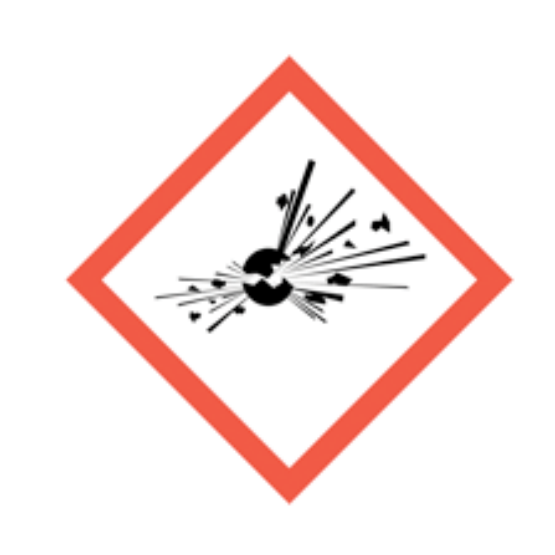
Exploding bomb
Explosive, self-reactive or organic peroxide hazards.
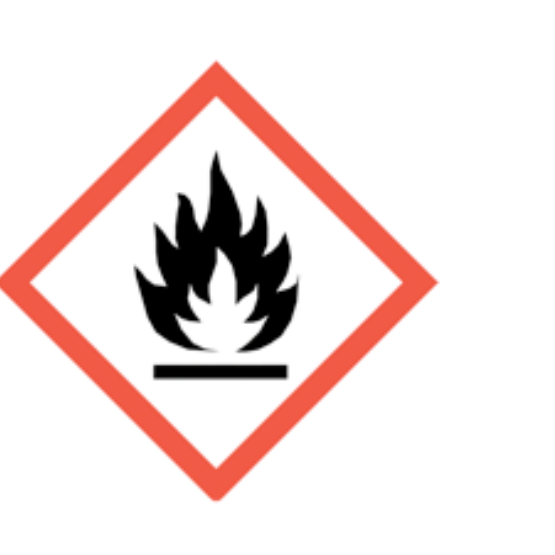
Flame
Flammable, self-heating or pyrophoric substances.
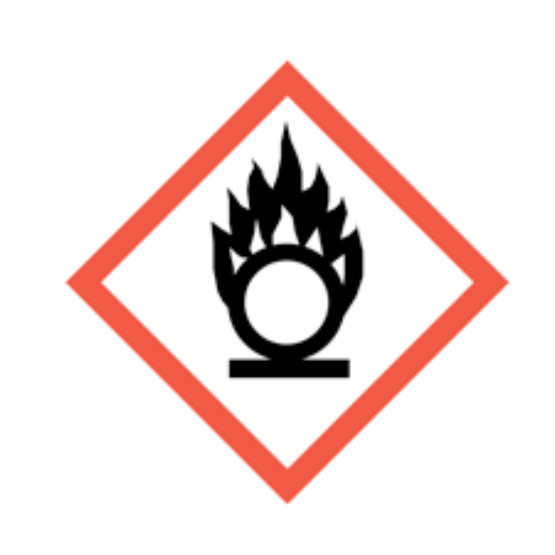
Flame over circle
Oxidising substances that can intensify fire.

Gas cylinder
Gas under pressure.
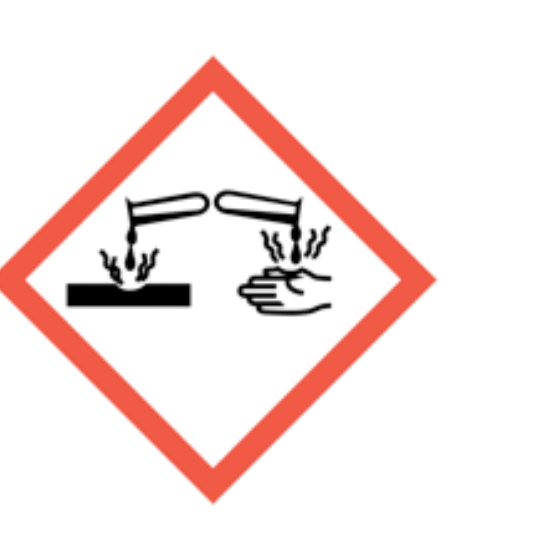
Corrosion
Skin burns, eye damage or corrosive to metals.
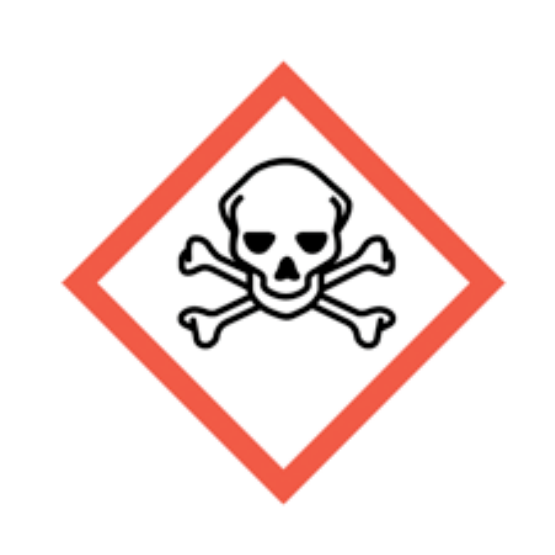
Skull and crossbones
Acute toxicity.
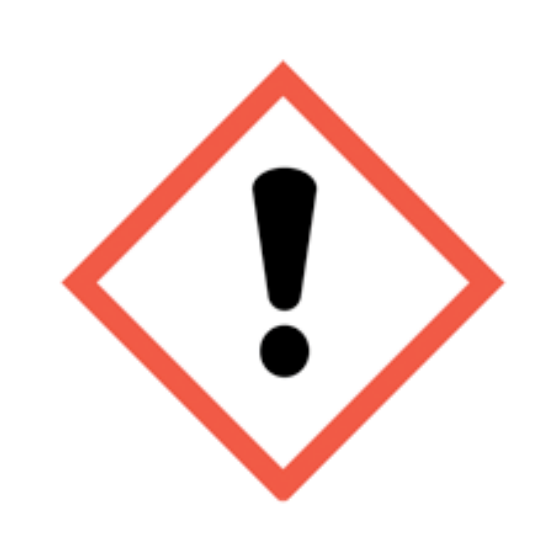
Exclamation mark
Irritation, harmful effects or skin sensitisation; some classifications cover drowsiness, dizziness or ozone-layer hazard. Read the actual hazard statements. Skin sensitisation differs from respiratory sensitisation.
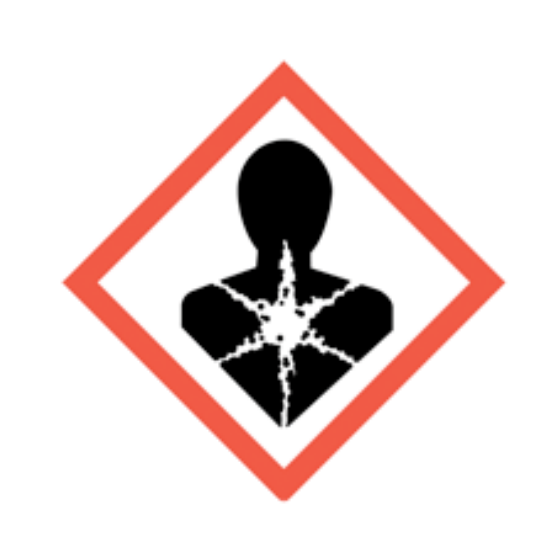
Health hazard
Serious health hazards, including organ damage, aspiration hazard, respiratory sensitisation, cancer and reproductive effects; some can follow a single exposure.
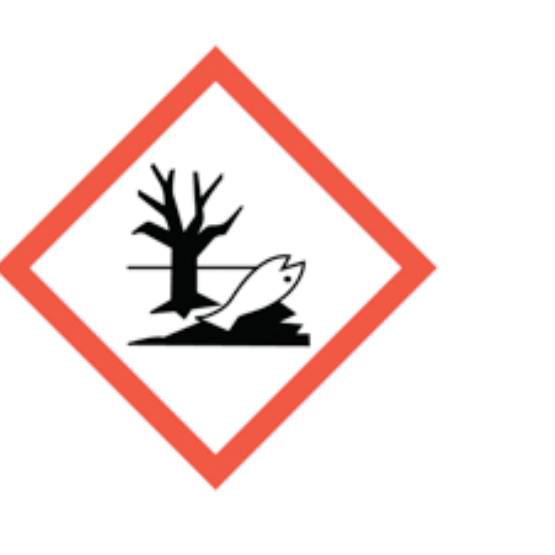
Environment
Hazardous to the aquatic environment.
What do the acronyms and key terms mean?
Acronyms should be understood before they are used in assessments, briefings, audits or learning answers.
Acronyms can exclude newer readers if they are not explained. This section keeps the main terms available at the end of the page so the article stays readable while still supporting learners and audit users.
| Acronym | Meaning | Plain-English use |
|---|---|---|
| COSHH | Control of Substances Hazardous to Health | UK regulations for hazardous substances. |
| WEL | Workplace Exposure Limit | Legal airborne exposure limit where set. |
| STEL | Short-Term Exposure Limit | 15-minute exposure reference period. |
| LTEL | Long-Term Exposure Limit | 8-hour time-weighted average exposure reference period. |
| SDS | Safety Data Sheet | Supplier information on hazards, controls and emergency action. |
| RPE | Respiratory Protective Equipment | Equipment used to reduce inhalation exposure where suitable. |
Unlock another resource
You have used this month’s two free downloads. Publish a post in your own words to unlock one more resource, or choose SHARE Individual for 10 downloads per month.
You decide whether to share. If you do, use the relevant platform disclosure tools and do not make claims you do not genuinely hold.