SHARE Knowledge Hub
Q Fever
Q fever is an infection caused by Coxiella burnetii that can spread from livestock through contaminated birth material, bedding and airborne dust. It can cause flu-like illness and, less often, serious or persistent complications. Animal work and cleaning therefore need controls that prevent inhalation and keep contamination out of clean areas.
Understanding Q Fever
Q fever is an infection caused by Coxiella burnetii, associated especially with sheep, goats and cattle.
Why this matters at work
If she has already had a concerning exposure, she should seek medical advice even if well, because pregnancy-associated Q fever may be asymptomatic. The employer documents the exposure facts, implements source controls for everyone and considers other lambing infections as well.
Define animals, tasks, materials, exposure routes and people at particular risk, then select proportionate controls and competent veterinary and occupational-health input. Check work as done, including cleaning and waste handling. Record arrangements and uncertainty. A generic zoonosis poster or reliance on gloves alone cannot establish control of contaminated airborne dust.
How organisations manage this in practice
Use current UK clinical and public-health advice, keeping human and livestock vaccination separate. Do not import another country's vaccination programme or recommend antibiotics through a workplace guide. The employer still needs effective exposure control. Occupational-health clinicians can advise individuals with particular susceptibility without the manager collecting unnecessary medical histories.
Restrict unnecessary access and obtain veterinary advice while reviewing the contamination and dust pathways. Keep potentially vulnerable people away from the relevant exposure and use a suitable controlled cleaning and waste method. Do not dry sweep or improvise an aerosol-generating clean-up. Record who may have been exposed for appropriate follow-up.
The COSHH review reconstructs who cleaned, collected waste or worked near ventilation discharge, and whether pregnant or medically vulnerable workers need confidential advice. A clinician, not the farmer, assesses anyone with compatible symptoms or concerning exposure. No one should be reassured solely because the animals look well now.
Promptly review the actual exposure with the worker and competent advice, and avoid the relevant animal-birth exposure through suitable work arrangements. PPE should not be treated as the sole answer to an avoidable reproductive-risk pathway. Coordinate the pregnancy assessment, employer control sequence and clinical support without making a diagnosis.
Coxiella burnetii can infect ruminants and other animals. Sheep, goats and cattle are major workplace reservoirs. Animals may show no obvious illness, although abortion and stillbirth events can signal elevated risk. Products of conception can carry heavy contamination; bedding, faeces, urine and wool or hides may also become contaminated.
Keep contaminated and clean routes distinct
Animal-birth materials and contaminated dust can create exposure even when animals look well. Necessary entry, waste handling and clean return need joined controls.

Control access
The task owner restricts unnecessary entry and considers nearby workers, visitors and public routes.
Follow material and people
Assess aerosol or dust, contact, waste containment, clothing change and washing arrangements; avoid dry sweeping or pressure washing that disperses contamination.
Check the air pathway
Competent assessment must consider whether a control moves exposure to others. Any RPE needs adequate and suitable selection and tight-facepiece fit where relevant.
Act on a concern
Report the task and exposure history when seeking clinical advice. Keep pregnancy-related precautions on the current professional route; no symptom clock or diagnosis is implied.
Read the complete task-specific control examples
ERICPD is a planning cross-map: Discipline verifies and sustains every control. ESEAP compares effectiveness. A label does not authorise the task; retain the owner, evidence and stop or change decision.
Q Fever · ERICPD
- Eliminate
- For the suspect lambing shed, cancel non-essential tours and defer maintenance unrelated to animal care. If cleaning is unnecessary before veterinary advice, do not disturb birth material. This removes exposure for those people, although animal-care work may still be needed.
- Reduce
- Reduce disturbance of potentially contaminated birth residue: replace dry sweeping or pressure washing with a competent low-disturbance collection method, and assess any chemical or slip hazard. Containment or local capture, if specified and installed, is engineering control rather than substitution of the pathogen.
- Isolate
- Make a physical dirty zone around the shed, controlled entrance and sealed waste route; keep public, welfare and clean-equipment routes separate. This blocks contaminated bedding or clothing reaching other people.
- Control
- Use contained handling, suitable ventilation and running-water hygiene facilities identified by the site assessment. Sequence removal so the dusty task does not occur beside another occupied activity; brief contractors on the clean exit. Ventilation is physical, while the schedule and instructions are administrative.
- PPE
- Select gloves, washable or disposable protective clothing and eye protection for the assessed material. If residual inhalation needs tight-fitting respiratory protective equipment, choose the specific make/model/size, fit-test the wearer, check the seal and compatibility with eye protection; replace damaged or contaminated items. PPE does not authorise uncontrolled dust.
- Discipline
- Brief and observe the dirty-to-clean route, supervise temporary staff, maintain equipment and learn from near misses. This sustains elimination, separation and hygiene; it is not a request to blame a worker for a failed design.
Q Fever · ESEAP
- Elimination
- Cancel non-essential tours and defer unrelated maintenance in the suspect lambing shed; avoid disturbing birth material until necessary animal-care work is assessed. Animal-care exposure may remain.
- Substitution
- No suitable substitution of Coxiella burnetii is established for the necessary animal-care task. A low-disturbance cleaning method reduces exposure but does not replace the biological agent.
- Engineering controls
- Use physical dirty-zone separation, a controlled entrance and contained waste route. Provide contained handling, suitable ventilation and running-water hygiene facilities specified by the assessment; confirm that exhaust air does not expose people elsewhere.
- Administrative controls
- Approve a low-disturbance collection method instead of dry sweeping or an aerosol-generating method. Assess chemical, slip and waste hazards; sequence work away from occupied activities, brief contractors on the clean exit, supervise temporary staff and verify hand-back.
- PPE
- Select suitable gloves, protective clothing and eye protection for the material. Where tight-fitting RPE is needed, choose an adequate and suitable make/model/size, fit-test the wearer and check seal, compatibility, condition and doffing. PPE does not authorise uncontrolled dust.
What is Q fever, and why can apparently healthy animals be a risk?
Q fever is an infection caused by Coxiella burnetii. Sheep, goats and cattle are important sources; a person may inhale contaminated dust without touching an animal.
The bacterium can be released in animal birth products and contaminate bedding, dung, clothing and the surrounding environment. Infected animals often look well. Dry material can later be disturbed by mucking out, cleaning or maintenance, so an empty shed is not automatically a clean shed. The useful workplace model is animal source → contaminated material → airborne particles or contact → exposure. Breaking this chain is more dependable than waiting for visible animal illness. See the UK Health Security Agency (UKHSA) farm and Health and Safety Executive (HSE) zoonoses guidance. See UKHSA Q fever overview.
A zoonosis is an infection passed from animals to people. Farmers, vets, abattoir staff and animal-care workers are obvious audiences, but cleaners, waste handlers, contractors and people sharing contaminated vehicles or clothing also need the assessment. Public animal-contact events add visitors and children to the plan. Laboratories handling samples or growing organisms need specialist biological-safety assessment; a farm briefing is not a laboratory procedure.
Many infections cause no symptoms or a mild illness. Some cause pneumonia or liver inflammation, and a minority become persistent, with possible heart-valve or blood-vessel complications. The practical response is to reduce exposure and make the animal-work history available to clinicians, not to diagnose colleagues. UKHSA farmer guidance explains these health effects.
How does animal work lead to immediate or later illness?
The hazard is Coxiella burnetii in contaminated animal material, not a person’s pregnancy or health condition. Handling birth products, bedding or dusty waste can carry the organism into breathing air; infection may cause acute flu-like illness, pneumonia or hepatitis, and a minority of people develop persistent infection with serious complications.
Severity and likelihood depend on the animals and materials, the task, dust or aerosol generation, airflow, proximity, time in the dirty area and whether clean and dirty routes are separated. Animals may look well, and the organism can remain in material after an animal has gone. A suspected animal abortion event, escaping dust, contaminated clothing reaching a clean area or failed washing facility is a hold point. A person’s symptoms or vulnerability call for confidential clinical or occupational-health advice; they are not the workplace hazard. See UKHSA information for farmers.
| Task or material | Exposure route and possible harm | Warning or stop point |
|---|---|---|
| Birth assistance or abortion material | Close handling of infected placenta, fluids or contaminated items can lead to inhalation exposure. Acute illness may be flu-like, pneumonia or liver inflammation. | Unexpected losses or unknown animal history: restrict access and seek veterinary and safety advice before handling. |
| Bedding removal and shed cleaning | Disturbance can carry contaminated particles into air, including towards cleaners or others outside the pen. Infection may be unnoticed at first; a minority later develop persistent infection affecting heart valves or blood vessels. | Escaping dust or aerosol, changed airflow, unsuitable respiratory protective equipment (RPE) or failed containment: stop and reassess. |
| Waste, clothing, tools or vehicle transfer | Contaminated items can move material into clean areas and create later indirect exposure. Symptoms do not establish the source, but warrant exposure-history and control review. | Leaking waste, dirty clothing entering welfare space or illness concern: contain, report and seek appropriate advice. |
How can the hierarchy of controls reduce occupational exposure to the bacteria that cause Q fever?
Avoid the source or task where feasible, then minimise and contain contaminated material before relying on personal protection. Each level has a role, but no mask or rule can compensate for a method that disperses contamination into an occupied area.
ERICPD and HSE’s five-level hierarchy are related planning lenses, not identical statutory ladders: ERICPD reduction includes substitution, isolation maps to physical engineering where it separates people, and its discipline step is administrative assurance. The table tests every level against the actual task, including why a higher-order choice may not be feasible. HSE explains the five-level order and PPE as last resort
GB COSHH and NI COSHH are separate legal routes for the same exposure-control example. The physical control choice must be checked against the actual farm and jurisdiction. Northern Ireland source
The six-prompt ERICPD mnemonic used here asks whether the task can be eliminated, exposure reduced, people isolated, residual work controlled, suitable personal protective equipment (PPE) selected, and controls sustained through supervision and learning. It is a SHARE teaching aid, not a statute or a Q fever treatment rule. HSE’s public hierarchy sets the decision order as elimination, substitution, engineering controls, administrative controls and PPE. The two sequences are cross-mapped for this example; “discipline” means keeping effective controls in place, not blaming a worker. On narrow screens, scroll the table sideways. HSE: managing risk using PPE.
How can the ERICPD hierarchy of controls reduce occupational exposure to the bacteria that cause Q fever?

| ERICPD choice | Five-level relationship | Task-specific control and feasibility | Owner, checks, failure and stop point |
|---|---|---|---|
| Eliminate | Elimination | For the suspect lambing shed, cancel non-essential tours and defer maintenance unrelated to animal care. If cleaning is unnecessary before veterinary advice, do not disturb birth material. This removes exposure for those people, although animal-care work may still be needed. | Farm manager and veterinary lead record who may enter and why. Check gates and work orders before release; unauthorised entry or a new abortion event closes the area and restarts the assessment. GB COSHH Regulations 2002, regulations 6 and 7. NI: NI COSHH Regulations 2003, regulations 6 and 7 |
| Reduce / substitute | Substitution of the biological agent is not available for the needed animal-care task; a low-disturbance method is an administrative choice, supported by engineering containment if fitted. | Reduce disturbance of potentially contaminated birth residue: replace dry sweeping or pressure washing with a competent low-disturbance collection method, and assess any chemical or slip hazard. Containment or local capture, if specified and installed, is engineering control rather than substitution of the pathogen. | Supervisor approves the method and waste container with competent animal-health input, observes first use and checks for visible dust or mist. Escaping aerosol or unsuitable product stops the task. GB COSHH Regulations 2002, regulations 6 and 7. NI: NI COSHH Regulations 2003, regulations 6 and 7 |
| Isolate | Engineering separation | Make a physical dirty zone around the shed, controlled entrance and sealed waste route; keep public, welfare and clean-equipment routes separate. This blocks contaminated bedding or clothing reaching other people. | Farm and contractor leads walk the boundary before cleaning and during hand-back. An open gate, leaking sack or dirty item in a clean area triggers containment and hold. GB COSHH Regulations 2002, regulations 6 and 7. NI: NI COSHH Regulations 2003, regulations 6 and 7 |
| Control | Engineering plus administrative controls | Use contained handling, suitable ventilation and running-water hygiene facilities identified by the site assessment. Sequence removal so the dusty task does not occur beside another occupied activity; brief contractors on the clean exit. Ventilation is physical, while the schedule and instructions are administrative. | Competent manager verifies the facility and airflow where relevant, observes the first task and retains defect/cleaning evidence. Failed washing, changed airflow or an unapproved sequence stops work. GB COSHH Regulations 2002, regulations 6 and 7. NI: NI COSHH Regulations 2003, regulations 6 and 7 |
| PPE | PPE, last layer | Select gloves, washable or disposable protective clothing and eye protection for the assessed material. If residual inhalation needs tight-fitting respiratory protective equipment, choose the specific make/model/size, fit-test the wearer, check the seal and compatibility with eye protection; replace damaged or contaminated items. PPE does not authorise uncontrolled dust. | Competent selector records choice and fit evidence; supervisor checks condition and use before entry. Wrong mask model, beard/seal conflict, damaged kit or no safe doffing route means no entry. GB COSHH Regulations 2002, regulations 6 and 7. NI: NI COSHH Regulations 2003, regulations 6 and 7 |
| Discipline | Administrative assurance, not a higher physical barrier | Brief and observe the dirty-to-clean route, supervise temporary staff, maintain equipment and learn from near misses. This sustains elimination, separation and hygiene; it is not a request to blame a worker for a failed design. | Named supervisor records observation and hand-back, checks defects closed and reassesses after new animal-health information or repeated shortcuts. An unresolved critical defect keeps the shed closed. GB COSHH Regulations 2002, regulations 6 and 7. NI: NI COSHH Regulations 2003, regulations 6 and 7 |
How can the ISO 45001 hierarchy of controls reduce occupational exposure to the bacteria that cause Q fever?

| ESEAP control level | Control mechanism | Task-specific control and feasibility | Owner, checks, failure and stop point |
|---|---|---|---|
| Elimination | Elimination | Cancel non-essential tours and defer unrelated maintenance in the suspect lambing shed; avoid disturbing birth material until necessary animal-care work is assessed. Animal-care exposure may remain. | Farm manager and veterinary lead record who may enter and why; check gates and work orders. Unauthorised entry or a new abortion event requires containment and reassessment. GB COSHH Regulations 2002, regulations 6 and 7 · NI: NI COSHH Regulations 2003, regulations 6 and 7 |
| Substitution | Substitution | No suitable substitution of Coxiella burnetii is established for the necessary animal-care task. A low-disturbance cleaning method reduces exposure but does not replace the biological agent. | Supervisor and competent animal-health adviser record the absence of a suitable hazard substitute and verify the remaining engineering and administrative controls. GB COSHH Regulations 2002, regulations 6 and 7 · NI: NI COSHH Regulations 2003, regulations 6 and 7 |
| Engineering controls | Engineering controls | Use physical dirty-zone separation, a controlled entrance and contained waste route. Provide contained handling, suitable ventilation and running-water hygiene facilities specified by the assessment; confirm that exhaust air does not expose people elsewhere. | Farm and contractor leads walk the boundary and waste route; competent manager checks facilities and relevant airflow. An open gate, leaking container, failed washing facility or dust travelling towards occupied space stops the task. GB COSHH Regulations 2002, regulations 6 and 7 · NI: NI COSHH Regulations 2003, regulations 6 and 7 |
| Administrative controls | Administrative controls | Approve a low-disturbance collection method instead of dry sweeping or an aerosol-generating method. Assess chemical, slip and waste hazards; sequence work away from occupied activities, brief contractors on the clean exit, supervise temporary staff and verify hand-back. | Supervisor approves method and waste container, observes first use and the dirty-to-clean exit, closes defects and records hand-back. Escaping aerosol, unsuitable product, changed wind, unapproved sequence or contaminated clothing in clean space requires a hold. GB COSHH Regulations 2002, regulations 6 and 7 · NI: NI COSHH Regulations 2003, regulations 6 and 7 |
| PPE | PPE | Select suitable gloves, protective clothing and eye protection for the material. Where tight-fitting RPE is needed, choose an adequate and suitable make/model/size, fit-test the wearer and check seal, compatibility, condition and doffing. PPE does not authorise uncontrolled dust. | Competent selector records selection and fit evidence. A wrong mask model, seal conflict, damaged kit or unsafe doffing route means no entry; restore higher controls before release. GB COSHH Regulations 2002, regulations 6 and 7 · NI: NI COSHH Regulations 2003, regulations 6 and 7 |
A substituted wet or chemical method can create aerosol, incompatible disinfectant exposure, slips or environmental waste; it needs its own assessment and manufacturer instructions. Isolation can also move contaminated traffic to another entrance. Check the whole route and the people it affects. This is an operational planning application of official principles, not a universal farm cleaning recipe.
Classification check: reducing disturbance is an action; contaminated residue is a condition. Containment, ventilation and washing facilities are engineering controls. The work sequence, instructions and verification are administrative controls. No suitable substitution of the biological agent has been established.
How do we prevent exposure before relying on protective equipment?
Avoid unnecessary entry into contaminated animal areas, control dust and aerosols, separate clean and dirty activities, and provide workable hygiene and waste arrangements. PPE supports these controls.
Assess the actual animals, birth or abortion history, task, people and airflow before work. Prevent exposure where possible; where this is not reasonably practicable, adequately control it. You cannot remove an infection risk simply by changing the job title or handing out gloves. The comparison below translates the HSE and Health and Safety Executive for Northern Ireland (HSENI) approaches under their separate Control of Substances Hazardous to Health (COSHH) regulations into decisions a supervisor can check. See GB COSHH Regulations 2002, regulations 6 and 7; NI COSHH Regulations 2003, regulations 6 and 7.
| Control decision | Practical action | Check before work |
|---|---|---|
| Avoid the exposure | Keep non-essential people away; relocate an event or arrange alternative work where needed. | The visitor route and alternative duties are agreed. |
| Control the task and area | Minimise disturbance of contaminated material; restrict access and keep dirty handling away from clean welfare spaces. | The cleaning method, airflow and access boundaries suit this building. |
| Control transfer | Use accessible running water, soap and drying facilities; arrange changing, boot cleaning, laundry and contained waste. | Workers can leave the dirty area without contaminating cabs, food areas or homes. |
| Protect against remaining exposure | Select gloves, clothing, eye protection and respiratory protective equipment (RPE) for the assessed task. | The equipment is suitable, serviceable and can be worn correctly. |
Dry sweeping and uncontrolled pressure washing can turn settled contamination into inhalation exposure. Agree a method that reduces dust and aerosol generation and prevents contaminated air reaching others. Cleaning removes contamination; disinfection needs a product and method supported for the organism and surface. Do not assume an ordinary farm disinfectant is effective against Q fever. Get veterinary or biological-safety advice and follow the selected product instructions; this page gives no universal dilution or contact time.
Wash with soap and running water before eating and after dirty work. Hand gel does not replace washing on farms. Cover cuts with waterproof dressings, keep food and drink out of animal areas and manage contaminated clothing through the agreed laundry route. HSE zoonoses and UKHSA farmer guidance support these precautions.
Is a mask marking enough to approve the job?
No. Respiratory protection must be adequate for the exposure and suitable for the individual, task and other equipment. A marking alone does not establish that.
UKHSA’s farmer guidance refers to EN 149, the European filtering-facepiece standard, and FFP2, a class of filtering facepiece, for disposable masks. That reference is not a universal approval for every dusty shed, outbreak, chemical disinfectant or laboratory task. A competent assessment must resolve the actual protection required. Tight-fitting respiratory protective equipment (RPE) needs fit testing for the make, model, type and size used, a good seal on each use and attention to facial hair and other PPE. Follow current manufacturer instructions. See HSE fit testing basics.
Worked selection decision: a cleaner has previously passed a fit test on one disposable respirator. The available replacement is a different model, and goggles disturb its seal. The supervisor holds the dusty task, obtains a suitable assessed combination and confirms the fit-test and wearing requirements before authorising work. The earlier test is evidence for the tested facepiece, not permission to substitute any mask.
Apply the hierarchy to the exposure, not to someone’s medical condition. Do not use a respirator as a reason to assign a pregnant worker to animal-birth exposure that official guidance says to avoid. A workplace-use assessment also differs from product-supply compliance: purchasers need the appropriate product documentation for the Great Britain (GB) or Northern Ireland (NI) market, while the employer still has to establish task and wearer suitability.
How should a lambing-shed clean be planned and handed back?
Treat shed cleaning as a planned exposure-control task with a named supervisor, agreed method, stop conditions and hand-back. Cleaning can create exposure even after animals have left.
Preparing a lambing shed for reuse
Task, material and setting: Clear contaminated bedding and prepare a lambing shed for its next agreed use without exposing workers or visitors. The covered shed contains birth residues and dusty bedding; a public path and maintenance access are nearby. This is a SHARE planning example, not an approved site method.
People and prerequisites: The farm supervisor coordinates trained animal-care workers, a contract cleaner and a waste contractor. They agree animal-health information with the vet, the cleaning/disinfection method, waste route, access restrictions, hygiene facilities and any RPE arrangements. People needing confidential pregnancy or health advice have an alternative-work route before allocation.
Before: Walk the area and identify birth material and any unusual animal losses. Close the affected visitor route and tell the maintenance contractor which areas remain dirty. Check washing and changing facilities, containers, tools and PPE. The supervisor holds release until the method and contractor responsibilities are understood; unknown residues or an unexplained abortion cluster go to the vet.
During: Use the agreed low-disturbance sequence and contain material for the approved disposal route. Keep clean equipment and vehicle cabs outside the dirty handling sequence. Watch the boundary, airflow, waste containment and condition of protective equipment. Workers report any change rather than improvising a faster cleaning method.
Hold or stop: Stop for dust or mist escaping towards others, failed washing facilities, torn protective equipment, an unsuitable respirator, an unbriefed entrant, leaking waste or unknown contamination. Restrict access and contact the supervisor. An animal abortion cluster needs veterinary assessment; suspected human illness needs the medical and reporting route below. Only the responsible supervisor, with specialist advice where necessary, agrees the revised method and restart.
Completion and hand-back: Finish the approved waste and cleaning sequence, clean or segregate tools, remove contaminated clothing safely and wash before entering clean areas. Check the completed area against the agreed method, including residual contamination and visitor separation. The supervisor records any remaining restriction before handing back to maintenance or reopening the visitor route. A visually tidy floor alone is not proof that the area is safe.
Evidence: Retain the task-specific assessment, veterinary advice where relevant, contractor briefing, cleaning product/method details, waste transfer evidence as applicable, defect actions and named hand-back. Keep personal clinical information within the confidential occupational-health route.
Changed conditions: if wind or ventilation sends dust towards an occupied area, revise the method and access controls before continuing. A defective pressure washer is removed from service; a different nozzle or machine is a method change to assess, not an automatic like-for-like replacement.
Other settings: an abattoir adds animal-product and production interfaces; veterinary birth assistance adds close contact and clinical waste; laboratory samples add containment and specialist competence. Confirm those requirements with the responsible specialist instead of transferring this shed example unchanged.
How should the dirty and clean routes fit together?
Illustrative shed plan — not to scale. The farm supervisor and veterinary adviser must adapt the boundaries and airflow to the actual building.
- Dirty work area: birth material and bedding stay inside the controlled shed boundary. Close the public entrance and prevent visitors crossing the work route.
- Waste route: contained material moves through a separate exit to the agreed secure collection point. Keep this route away from public paths, clean equipment and welfare access; contain a spill and stop movement.
- Dirty-to-clean crossing: remove contaminated outer clothing and equipment at the changing/doffing point without carrying residue into the clean area. Use running water, soap and suitable drying facilities before entering clean space.
- Clean area: welfare space and the vehicle cab sit beyond the dirty route; keep clean clothing and food here. A cab that has received contaminated boots requires action before it is used as clean space.
- Airflow check → stop or release: check where air and disturbed dust can travel from the shed. If wind changes towards a public path, changing point or occupied clean area, stop the dusty task, secure the boundary and reassess with the responsible supervisor before restart.
This is original SHARE teaching text in the SHAREhub environment, derived from the control sequence above. It prescribes no universal airflow direction, separation distance or cleaning recipe.
What should happen after exposure, symptoms or a pregnancy concern?
Report an exposure or failed control promptly, seek appropriate medical advice when concerned, and tell the clinician about livestock, birth materials and dates. Do not wait for a workplace diagnosis.
UKHSA guidance says symptoms usually begin about 2–3 weeks after infection. This is a clue for the exposure history, not a deadline before which illness can be ignored or a safe waiting period after contamination. A person who thinks they have Q fever should seek medical advice, especially if pregnant, immunocompromised or affected by heart-valve disease. Severe or worsening illness needs prompt local medical assessment; use emergency services for a life-threatening emergency. Managers should support access to care and supply exposure information without prescribing tests or treatment. See UKHSA farmer guidance for symptom timing; the clinical decision belongs to the person and their clinician.
Government advice tells pregnant people to avoid helping livestock give birth, contact with birth products and contaminated items, including clothing and boots. Risks can occur outside the usual lambing season. Give everyone clear general information, then offer a confidential individual risk review and alternative duties; do not require a public declaration or ask a supervisor to judge medical fitness. UKHSA advises people with suppressed immune systems, congenital or acquired heart-valve disease, or vascular grafts to avoid contact with pregnant cattle, sheep, goats and cats. Offer a confidential clinical or occupational-health discussion before allocating relevant animal work, and agree suitable work arrangements. The employer must still control exposure for everyone; a supervisor should not impose a blanket medical exclusion.
After a release or suspected cluster, stop the uncontrolled activity, keep others away and use the local incident arrangements. Record who may have been exposed, what they did and when; involve the responsible manager, occupational health, veterinary and public-health services as appropriate. A report of symptoms is not proof of Q fever, but it is a reason to review controls. Return to work and any testing or surveillance programme depend on competent clinical advice and the risk assessment, not a generic interval on this page.
Which duties apply in Great Britain and Northern Ireland?
Use the legal regime for the workplace location. Great Britain uses COSHH 2002; Northern Ireland uses COSHH (NI) 2003. Health guidance does not replace either set of legal duties.
Great Britain: HSE’s zoonoses guidance and GB COSHH regulations 6 and 7 explain the duty to assess hazardous biological exposure, prevent it or adequately control it where prevention is not reasonably practicable, maintain controls, train people and review effectiveness. Wider health-and-safety and management duties also require protection of workers and others affected by the work. Use the HSE biological-hazards route for the activity in question.
Northern Ireland: HSENI’s current COSHH guidance and NI COSHH regulations 6 and 7 cover biological agents under the 2003 NI Regulations. It gives the NI route for competent assessment, control, instruction, supervision and emergency planning. Confirm any pregnancy, deliberate biological-agent work or specialist surveillance requirements with HSENI and a competent adviser for the actual activity.
Incident reporting: in GB, RIDDOR 2013 regulation 9 covers disease attributable to occupational exposure to a biological agent; HSE explains the need for reasonable evidence that work was the likely source. Northern Ireland retains RIDDOR (NI) 1997. HSENI explains that the responsible person needs the specified medical diagnosis and work link, and reasonable evidence of occupational exposure rather than an infection that could equally have arisen in the community. The responsible employer or self-employed person should check the appropriate official route promptly with competent advice. Do not copy the GB test into an NI form or assume that every flu-like illness is reportable.
Guidance and local rules: the worked example and assurance suggestions are SHARE guidance. A site may impose stricter access or cleaning rules, but must identify them as local rules. This page addresses workplace exposure; it does not establish that a disinfectant, respirator or other product may lawfully be supplied in either market. Product documentation and workplace suitability are separate checks.
Who needs to do what, and what evidence should remain?
Assign responsibility for exposure controls, brief people on the actual task, and verify the controls where work happens. A course record alone does not show that hygiene, segregation or a respirator works.
The following routes help workers and managers find the right decision owner. Training should be understandable and include a practical demonstration where the task needs it. Use an interpreter, pictures or supervised practice when required; no universal Q fever certificate or refresher expiry is set here. See HSE infections at work.
| Role | Action | Evidence to check |
|---|---|---|
| Worker or cleaner | Explain the dirty-to-clean route, use agreed controls and stop when they fail. Tell a clinician about animal exposure when seeking care. | Observed practice, questions answered and defect/exposure reports. |
| Supervisor and contractor lead | Agree the sequence and interface, check facilities and keep unbriefed people out. Authorise restart after a change is assessed. | Task briefing, working facilities, revised method and hand-back. |
| Manager and purchaser | Resource washing, waste, laundry and suitable equipment. Include cleaners, visitors and temporary staff in planning. | Risk register owner, product instructions, contractor responsibilities and closed actions. |
| Veterinary, occupational-health and safety specialists | Advise within their expertise on animal-health events, vulnerable-person support, control selection and reporting. | Advice translated into controls; health information kept confidential. |
A useful risk-register entry names the animal/task exposure, people affected, current barriers, responsible owner, evidence and review triggers. Observe a dirty task through to handwashing and hand-back. Check whether waste leaks, clothing reaches homes, air reaches occupied areas or temporary staff cannot explain the controls. Review after a failed barrier, illness concern, changed task or animal-health event; absence of reported illness does not prove exposure is controlled.
HSE discusses ISO 45001 as a voluntary health and safety management standard. A system may help organise leadership, worker involvement and checking, but a certificate does not clear a contaminated shed, determine medical fitness or replace the applicable GB or NI COSHH duty. This page makes no edition, amendment or clause claim from a private standard catalogue.
How could Riverside Leisure Ltd handle an animal-contact event?

Riverside should agree the animal, public-access and cleaning arrangements with the supplier before accepting an event, then hold it if those arrangements cannot protect staff and visitors.
In this illustrative company scenario, a supplier proposes a spring educational session near the leisure centre. Riverside’s event manager asks which animals will attend, whether births or recent birth contamination are relevant, where animals and waste will be held, how people will wash and who will clean. They choose an event format and location that avoid birth-related exposure, preserve clean food areas and keep the public away from dirty servicing.
Before opening, the manager walks the routes with the supplier and briefs reception, cleaners and contractors. If an animal unexpectedly gives birth, waste escapes or washing fails, staff suspend the affected activity, separate visitors and call the supplier’s responsible animal-care lead. Reopening follows a reviewed method and recorded hand-back. Keep the supplier assessment, access plan, briefing and corrective actions. These are Riverside example controls, not a claim that the company currently runs such events.
Where should the Q fever controls transfer, and where do they change?
The same source–material–exposure logic can apply in several animal-facing sectors, but the method, specialist advice and jurisdiction must match the real task. A generic construction or logistics example would add little unless animal material is actually present.
| Setting and people | Mechanism and strongest feasible controls | Residual check or stop point |
|---|---|---|
| Agriculture: lambing, calving or shed cleaning; farm workers and contractors | Birth material or bedding can contaminate dust. Avoid non-essential contact, isolate the dirty task and use a low-disturbance assessed method. | Check animal-health information, hygiene and waste route; hold for an abortion cluster or escaping dust. Farm manager checks animal-health information, waste route and shed boundary. Source: UKHSA information for farmers |
| Veterinary practice: assistance at an animal birth; vets, nurses and cleaners | Close handling can expose people to birth fluids or contaminated clothing. Plan the work zone, contain material and separate clean areas. | Check clinical/veterinary method and suitable PPE/RPE; stop for unknown material or failed containment. Veterinary lead checks handling, containment and clean exit before the birth task. Source: HSE zoonoses / Source: UKHSA farmer guidance |
| Abattoir or animal-product processing: handling animal material; operators and sanitation staff | Contaminated material and cleaning can create droplets, dust or transfer. Use process containment, controlled cleaning and worker hygiene. | Check the plant-specific biological-agent assessment; hold for an uncontrolled aerosol or failed cleaning boundary. Plant manager checks process containment and cleaning before starting the line. Source: HSE zoonoses / Source: UKHSA farmer guidance |
| Hospitality or visitor attraction: hosted animal-contact event; venue staff, supplier and visitors | Animal birth material or contaminated waste could reach visitors or cleaners. Avoid birth-related activity and keep servicing away from public areas. | Check supplier plan and washing provision; stop for unexpected birth, waste escape or public entry. Venue manager checks supplier plan, public separation and washing facilities. Source: HSE animal contact at visitor attractions / Source: UKHSA farmer guidance |
For a laboratory, sample handling and deliberate culture introduce containment rules beyond this general animal-work example. For construction or logistics, include Q fever only if the actual project or load creates contaminated animal-material exposure. Pregnant workers and people with particular health concerns need a confidential individual advice route; their condition is not the hazard.
What competence should each role demonstrate?
A briefing is awareness, not permission to carry out a contaminated task. People need instruction and a practical check for the work they actually do, with reassessment after a changed method, failed control or observed gap.
A supervisor should watch a dirty task through to clean exit and ask the worker to explain when they would stop. The employer decides the scope of any authorisation using the actual assessment. There is no universal Q fever certificate or fixed refresher interval on this page.
| Role | Learning and practical test | Assessor, record and reassessment trigger |
|---|---|---|
| Nearby staff and visitors | Recognise restricted areas, handwashing and who to alert; no animal-task authorisation. | Event or site lead checks understanding at entry; update after a route or event change. |
| Animal workers, cleaners and contractors | Demonstrate the task method, dirty-to-clean route, waste handling, PPE checks and stop decision. | Competent supervisor observes practice, records task scope and rechecks after a changed method or failure. |
| Supervisors and contractor leads | Plan exposure control, check welfare, coordinate parties and make hold/restart decisions. | Manager checks a real briefing and release record; reassess after an incident, abnormal animal event or drift. |
| Managers, purchasers and safety advisers | Resource facilities and suitable equipment; interpret GB/NI duties and audit actual barrier effectiveness. | Competent technical lead samples decisions, observations and closed actions when risk or guidance changes. |
| Veterinary and occupational-health specialists | Advise within professional scope on animal events or confidential individual health concerns. | Professional competence and advice records remain in the appropriate service; revisit after new evidence or case change. |
Chemical hazard symbols: what do they mean?
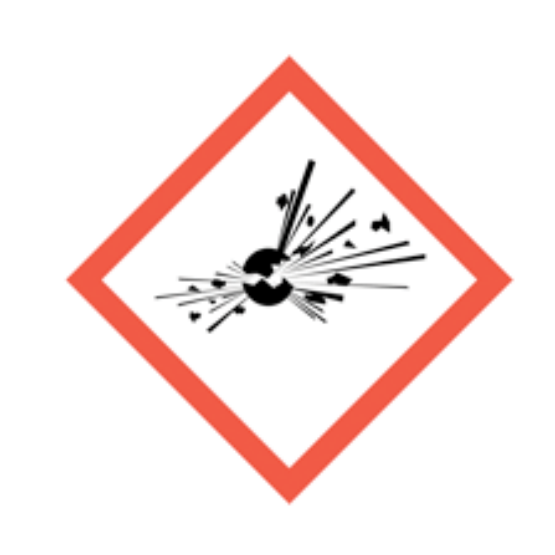
Exploding bomb
Explosive, self-reactive or organic peroxide hazards.
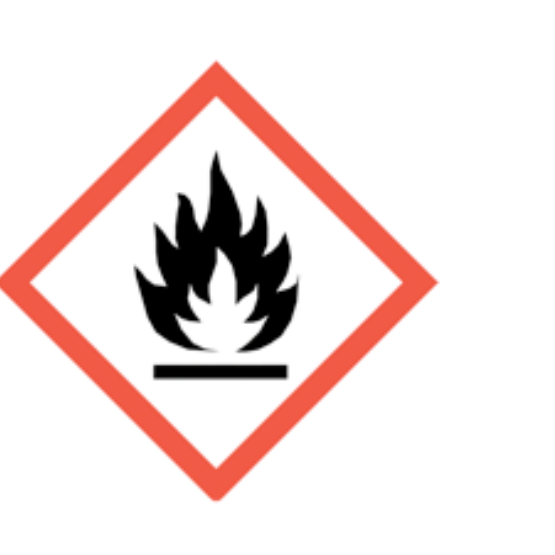
Flame
Flammable, self-heating or pyrophoric substances.
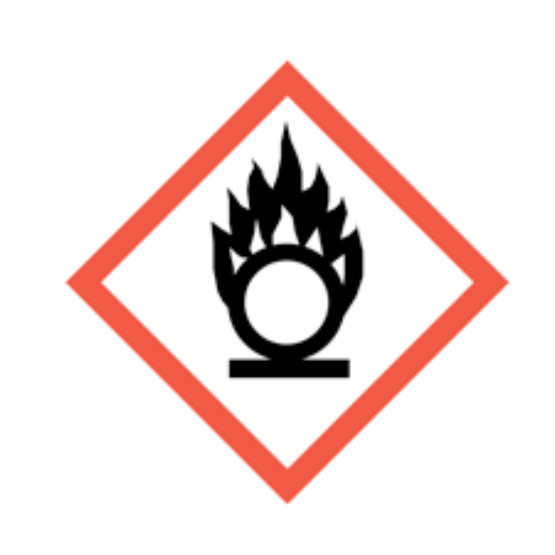
Flame over circle
Oxidising substances that can intensify fire.

Gas cylinder
Gas under pressure.
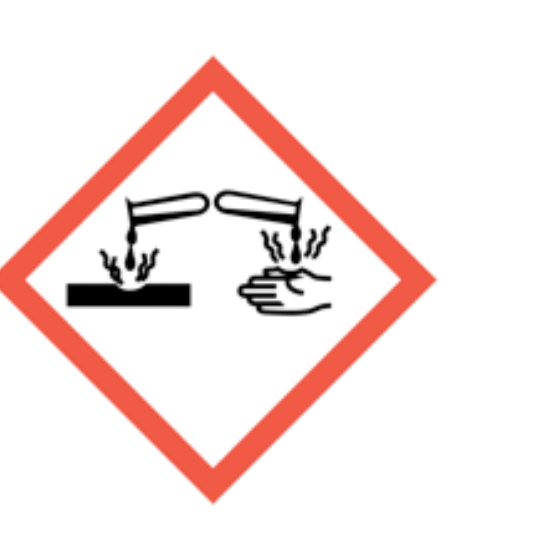
Corrosion
Skin burns, eye damage or corrosive to metals.
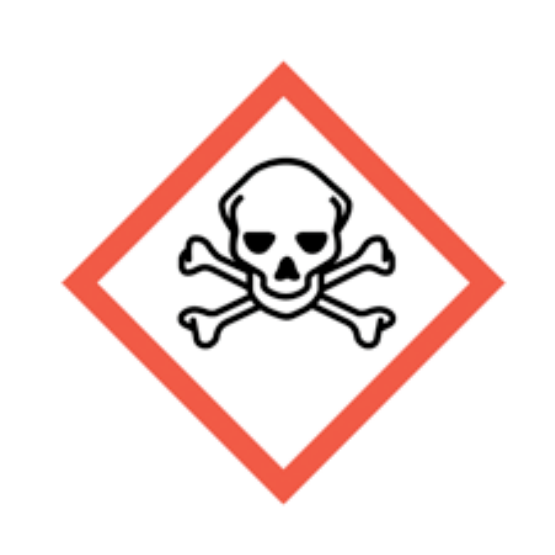
Skull and crossbones
Acute toxicity.

Exclamation mark
Irritation, harmful effects or skin sensitisation; some classifications cover drowsiness, dizziness or ozone-layer hazard. Read the actual hazard statements. Skin sensitisation differs from respiratory sensitisation.
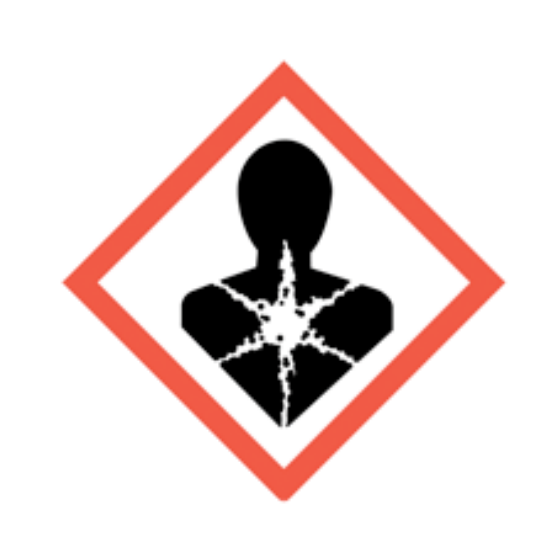
Health hazard
Serious health hazards, including organ damage, aspiration hazard, respiratory sensitisation, cancer and reproductive effects; some can follow a single exposure.
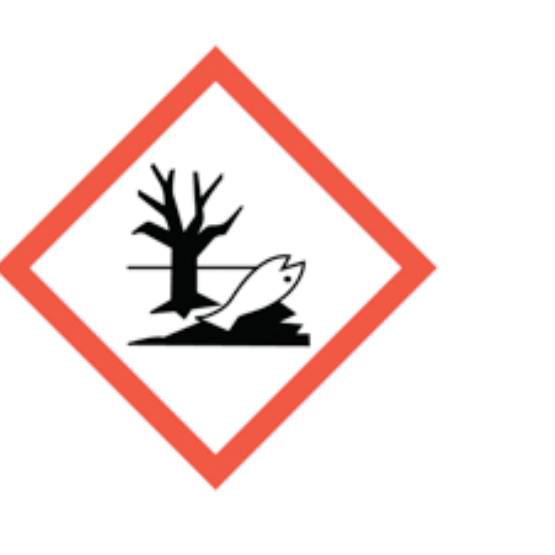
Environment
Hazardous to the aquatic environment.
What do the Q fever terms mean?
The same words should mean the same thing in the briefing, risk assessment and medical exposure history.
| Term | Full form or description | Meaning in this work |
|---|---|---|
| COSHH | Control of Substances Hazardous to Health | GB and NI have separate regulations for assessing and controlling hazardous biological exposure. |
| RPE | Respiratory protective equipment | A selected device for remaining inhalation risk; tight-fitting types require wearer-specific fit testing. |
| PPE | Personal protective equipment | Gloves, clothing, eye protection and other items selected for the task; supports stronger controls. |
| OH | Occupational health | Confidential specialist route for individual work and health advice. |
| RIDDOR | Reporting of Injuries, Diseases and Dangerous Occurrences Regulations | GB and NI have different reporting regimes; check the applicable conditions. |
| Aerosol | Suspended particles or droplets | A route by which disturbed contaminated animal material can be breathed in. |
| Afterbirth | Placenta and associated birth material | A material that may contain large amounts of the organism and needs controlled handling. |
| Endocarditis | Infection or inflammation of the heart lining or valves | A serious potential complication of persistent Q fever. |
| ERICPD | Eliminate, Reduce, Isolate, Control, PPE, Discipline | A practical control-planning framework, not a separate statutory duty. |
| HSE | Health and Safety Executive | The GB workplace health and safety regulator. |
| HSENI | Health and Safety Executive for Northern Ireland | The NI workplace health and safety regulator. |
| GB and NI | Great Britain and Northern Ireland | Separate workplace law and reporting routes. |
| UKHSA | UK Health Security Agency | Official UK infectious-disease and farm prevention guidance. |
| ISO | International Organization for Standardization | Standards body for the voluntary ISO 45001 management standard. |
| EN 149 / FFP2 | European respiratory filtering-facepiece standard / filtering-facepiece class 2 | A mask classification alone does not establish wearer fit or task suitability. |
Unlock another resource
You have used this month’s two free downloads. Publish a post in your own words to unlock one more resource, or choose SHARE Individual for 10 downloads per month.
You decide whether to share. If you do, use the relevant platform disclosure tools and do not make claims you do not genuinely hold.