

Education
Ayrshire College and Lockhart Campus
- Location
- Ayrshire
- Delivery
- 2021–2022
Education-sector assessments, including pre-occupation fire safety assessments at Lockhart Campus.
Published project · Caledonian Fire
SHARE Expertise · Fire safety
Understand the fire risks in your premises and what needs attention. We assess the building, its use, the people at risk and the fire precautions, giving you a clear report and prioritised actions to help protect people.
Based in the West of Scotland, supporting Scotland and the North of England. The scope is tailored to your premises, project and applicable national requirements.
Fire safety needs analysis
Know where to focus next. Answer ten practical questions about your premises and get a clear summary of the areas that may need attention.
A clearer next step for your premises
See your summary without entering contact details. Not sure about an answer? The check helps you identify what to confirm.
An initial support check. It does not replace a fire risk assessment or confirm compliance.
One joined-up offering
Fire safety is a core SHARE service alongside training, consultancy, occupational health and wellbeing.
SHARE's fire-safety service is led by Ian Robertson. We support employers, owners, landlords, facilities teams and others with control of premises, helping them connect assessment findings, building protection, emergency plans and staff responsibilities.
We work with single premises and multi-site organisations, including offices, industrial and warehouse operations, educational settings, hospitality, care premises and residential settings within an agreed competent scope. The service and report are shaped around the building's use and the people who may need protection, not a generic checklist.
Ian Robertson’s portfolio
Selected projects from Ian Robertson’s experience through Caledonian Fire.
Swipe or scroll to browse. Use the arrow keys when the project cards are focused.
Education
Education-sector assessments, including pre-occupation fire safety assessments at Lockhart Campus.
Published project · Caledonian FireHeritage
Fire safety review of a Grade II listed building preparing for public tours.
Published project · Caledonian FireEvents and retail
Fire risk assessment support and fire warden training tailored to the venue’s emergency arrangements.
Published project · Caledonian FireSport
Fire risk assessment support for the stadium’s multiple dutyholders.
Published project · Caledonian FireSport
Fire risk management work at Rangers’ stadium.
Project information supplied by SHARE
Commercial
Pre-occupation inspection of the new Argyle Street office development.
Published project · Caledonian FireIndustry
Four site inspections covering turbine and compressor manufacturing and subsea electrical connector testing.
Published project · Caledonian FireMulti-storey residential
Fire risk assessment support for a three-storey sheltered-living development for North Ayrshire Council.
Published project · Caledonian Fire8 projects
Project sources and delivery dates are shown where available.
Services provided by SHARE
Assess the premises, activities, occupants and fire precautions to identify how people could be harmed and which improvements are needed. The scope considers ignition and fuel sources, people especially at risk, escape arrangements, warning systems and the protection provided by the building.
You receive a readable assessment report, stated scope and limitations, and a prioritised action plan. We explain the findings with you and identify the evidence needed to close actions. The assessment should be reviewed when circumstances change or there is reason to doubt its validity; the review arrangement is agreed for the risk and applicable duties.
We agree the appropriate assessment methodology and level of investigation for the premises. Where third-party certification is a requirement, the assessor's current registration, certification scope and the contracting arrangement are confirmed before appointment. A report supports your management of risk; it is not a guarantee that every legal duty has been discharged.
Review how fire safety is organised, how your building is used and who is accountable. We translate the assessment and existing fire strategy into practical arrangements, coordinating with owners and managers and considering people who need additional evacuation support.
Evacuation arrangements must fit the building's strategy and the people using it. We agree practical responsibilities, information and review points rather than assume that one evacuation model suits every premises.
Independent inspection and audit support through design review, construction, installation, handover, occupation and remedial work. We review relevant documents and inspect the agreed passive protection features, such as fire doors, compartment walls and floors, service penetrations, fire stopping, ducts, glazing and structural fire protection.
Changes of use, refurbishment and new services can compromise protection. Our report records findings, limitations and prioritised remedial recommendations, helping you manage installation quality, handover evidence and follow-up checks. Intrusive investigation, specialist testing and remedial installation are separately scoped; a visual inspection does not prove the performance of concealed construction.
Applicable building regulations and the current national guidance are considered alongside operational fire-safety duties. Consultancy does not replace statutory building approval or automatically certify an installation.
Fire-safety induction and refresher training, Fire Warden/Marshal training, and practical extinguisher training tailored to your premises. Designated staff can learn how their roles connect to evacuation, the building's strategy, inspection records, maintenance coordination and completion of assessment actions.
Controlled live-fire extinguisher training can be arranged with appropriate equipment, competent supervision and an agreed risk-assessed venue. It is a separate training activity, not uncontrolled fire in an occupied workplace. Training does not authorise people to tackle a fire beyond their competence or compromise their escape.
Our Emergency Preparedness Training puts agreed scenarios into practice with controlled effects, role-players, on-site hot debriefs and short feedback reports. These emergency response drills do not use uncontrolled live fire.
Related routes: Fire Warden Training and Inclusive Emergency Evacuation Training.
Choose a nation to find the law, the people responsible and official guidance for your building. If you manage premises across the UK, check each location.
 England
Start with the Fire Safety Order for workplaces and other relevant premises, including shared areas of blocks of flats. Choose guidance for the building's actual use; additional residential duties may apply.
Responsible Person
Want to read more about the requirements and best practice? Explore the SHAREhub fire safety guide for England.
 Northern Ireland
Follow Northern Ireland's separate fire safety regime for non-domestic premises, including houses in multiple occupation. Choose an NIFRS guide matching the premises and use Technical Booklet E for applicable building work.
Appropriate person
Want to read more about the requirements and best practice? Explore the SHAREhub fire safety guide for Northern Ireland.
 Scotland
Follow Scotland's fire safety legislation and choose practical guidance for existing non-residential premises, sleeping accommodation or care homes. Building work follows the separate Scottish building standards route.
Employers and people with control of premises
Want to read more about the requirements and best practice? Explore the SHAREhub fire safety guide for Scotland.
 Wales
Follow the Fire Safety Order as it applies in Wales, with Welsh Government guidance for workplaces, small blocks of flats and guest accommodation. Use Welsh building guidance and check the provisions and commencement dates that apply in Wales.
Responsible Person
Want to read more about the requirements and best practice? Explore the SHAREhub fire safety guide for Wales.
Those with legal responsibility must identify and control fire risks, maintain suitable precautions and emergency arrangements, and provide appropriate information and training. Appointing SHARE to assist does not transfer the employer's, dutyholder's or responsible person's legal responsibilities. Multiple dutyholders may need to cooperate.
| Nation and framework | Who needs to act and what this means | Important distinctions and official guidance |
|---|---|---|
| Scotland Part 3 of the Fire (Scotland) Act 2005 Fire Safety (Scotland) Regulations 2006 | Employers and people with control of relevant premises have duties to assess fire risks and implement appropriate measures. Management, maintenance, emergency arrangements, training and coordination must reflect the risks and those using the premises. | The regime generally covers non-domestic premises, including relevant sleeping accommodation and licensed HMOs. Do not assume that ordinary private dwellings or every common residential area have the same status. New work and changes of use may also engage Scottish building standards. Scottish Government guidance by premises type. |
| England Regulatory Reform (Fire Safety) Order 2005 | The Responsible Person must arrange a suitable and sufficient assessment, appropriate precautions, maintenance, emergency plans and staff information and training. Since 1 October 2023, applicable section 156 changes require the full assessment and fire-safety arrangements to be recorded, alongside information-sharing and handover duties. | The Fire Safety Act 2021 clarifies coverage of external walls, structure and flat entrance doors in relevant multi-occupied residential buildings. Additional England-only residential duties are explained below. GOV.UK workplace duties and section 156 guidance. |
| Wales Regulatory Reform (Fire Safety) Order 2005 | The Responsible Person manages fire risk under the Order. The Fire Safety Act 2021 clarification and applicable section 156 recording, coordination, resident-information and handover changes also apply. Record the assessment and arrangements in full; identify who undertook the assessment. | Use Welsh Government guidance and the relevant Welsh building and housing requirements. The Fire Safety (England) Regulations 2022 and England's 2025 residential evacuation-plan regulations do not apply in Wales. Welsh Government duties guidance. |
| Northern Ireland Part III of the Fire and Rescue Services (Northern Ireland) Order 2006 Fire Safety Regulations (Northern Ireland) 2010 | Employers and persons with control of relevant premises must assess fire risk, provide appropriate measures and arrangements, review them, and provide adequate staff training. Required records and cooperation should reflect the premises and duties that apply. | The regime covers most non-domestic premises and HMOs. Private dwellings and their common areas have distinct exclusions, with specified firefighter-protection maintenance duties in common areas. Do not apply England's residential rules by analogy. NIFRS business guidance and domestic-premises scope. |
The Fire Safety (England) Regulations 2022 add resident-information duties in relevant multi-occupied residential buildings. Buildings over 11 metres have quarterly communal fire-door checks and best-endeavours annual flat-entrance-door checks. High-rise buildings, at least 18 metres or seven storeys, have further duties including plans, a secure information box, wayfinding and checks of specified equipment. Scope and measurement definitions matter.
From 6 April 2026, the Fire Safety (Residential Evacuation Plans) (England) Regulations 2025 apply to specified buildings containing at least two domestic premises: at least 18 metres or seven storeys, or over 11 metres with a simultaneous evacuation strategy. Duties include identifying relevant residents, offering person-centred assessments, agreeing evacuation statements where applicable, consent-based information sharing and a building emergency evacuation plan. Participation is voluntary for residents; the process and required reviews must follow the regulations.
Legal overview checked against the linked official sources on 13 October 2026. Building regulations, housing, licensing and dangerous-substances duties may apply separately. Special premises and enforcing authorities have exceptions. Confirm the current requirements for your actual premises before making decisions; this overview is not premises-specific legal advice.
Use the assessment to identify what needs attention, then use your checks and drills to see whether the precautions work in practice.
If a fire door fails to close during a drill, for example, record which door it was, assign the repair and keep the reinspection evidence with the door record.
Explore SHAREfire on SHAREhubEnquire about SHAREfire for your business to find out how we can help you manage fire risk across your premises.
A practical delivery route
A useful report has a clear route into the organisation's daily management.
Confirm the nation, premises, occupants, existing strategy, documents, access and required competence. Explain certification requirements and any specialist investigation before appointment.
Review relevant records, inspect within the agreed scope and speak with those managing the building. Record inaccessible areas and uncertainties.
Provide findings and a prioritised action plan. Discuss urgent precautions, responsible roles and the evidence needed to demonstrate improvements.
Help with procedures, training, records and agreed follow-up inspections. Review changes rather than treat the report as the end of the process.
Prepare for a conversation
Share the location, building use, number and type of occupants, existing fire risk assessment, known concerns and any planned changes. Let us know whether you need assessment, a management review, passive-protection advice, training or a combination. We will explain the proposed scope, outputs and delivery arrangements.
Need ongoing records and action tracking? Explore SHARE's Fire Risk Management workspace for organisational accounts. The digital workspace supports records; it is not a substitute for competent assessment or site verification.
How SHARE can help
You do not need every answer before getting in touch.
Ian Robertson and the SHARE team can discuss a competent fire risk assessment, prioritised action planning, fire-safety management, passive-protection advice and staff training. We will clarify the premises, jurisdiction, scope and any specialist investigations required before agreeing the work.
What happens next: SHARE reviews your enquiry and contacts you to clarify the support, scope and next step.
Fire Safety enquiry
Discuss your premises and priorities with Ian Robertson and the SHARE team.
Expertise in practice
See a published property-support project and explore warden training and practical emergency exercises.
Swipe or scroll to browse. Use the arrow keys when the cards are focused.
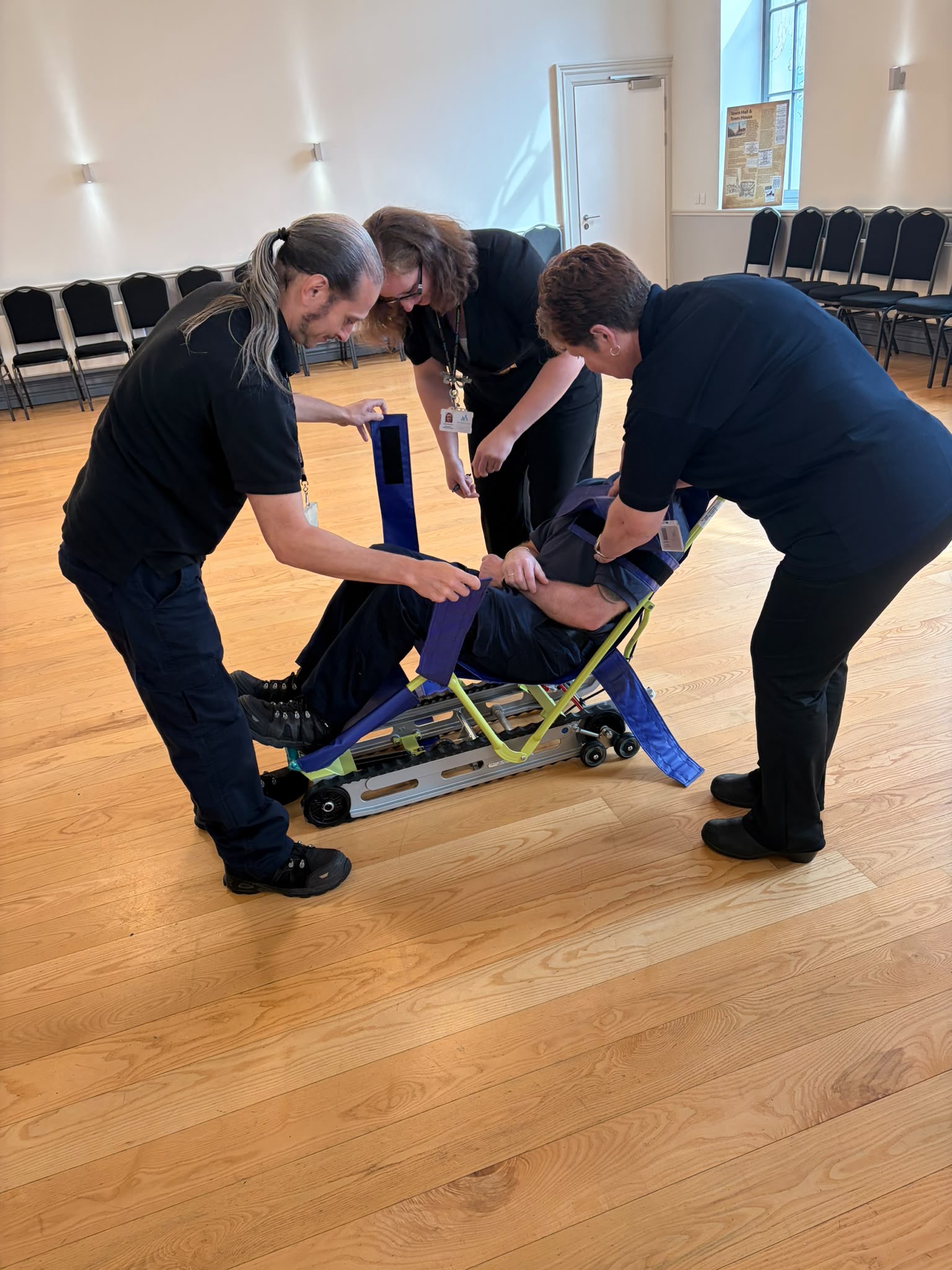
Inclusive evacuation · Local authority training
Local authority town halls, West of Scotland
Local authority teams needed practical support to address an identified fire risk assessment training gap across multiple West of Scotland town halls.
Work deliveredEvacuation-chair and inclusive evacuation learning combined discussion with practical training using the teams' exact equipment in their own locations of work.
Why it matteredThe programme helped close an identified fire risk assessment training gap, increased knowledge and built team confidence through practice with their own evacuation chairs in their actual workplaces.
Read the original case study · SHARE delivery account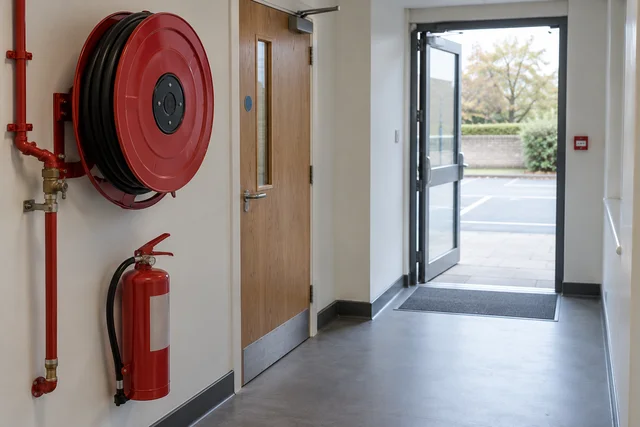
Facilities · Fire safety & retained support
UK office facilities management company
A facilities manager brought property risks and records into one programme, including fire safety, maintenance and contractor responsibilities.
Work deliveredProperty reviews, updated fire assessments and policies, a central risk register and clearer tenant emergency information.
Why it matteredBringing property reviews, fire information and records together clarified the areas needing attention and connected building-specific arrangements with tenant and contractor responsibilities.
Read the original case study · 2020 Safety TrainingFire safety · Team training
Fire wardens and staff with evacuation responsibilities
Fire Warden training connects everyday fire precautions with the actions people are expected to take during an evacuation.
What it coversFire risks, prevention, reporting and warden responsibilities, with delivery discussed around the premises and learner group.
How this can helpWorkplace-focused learning can build confidence by connecting the warden role with the premises, escape arrangements and reporting routes people will actually use.
Explore the offering · 2020 Safety Training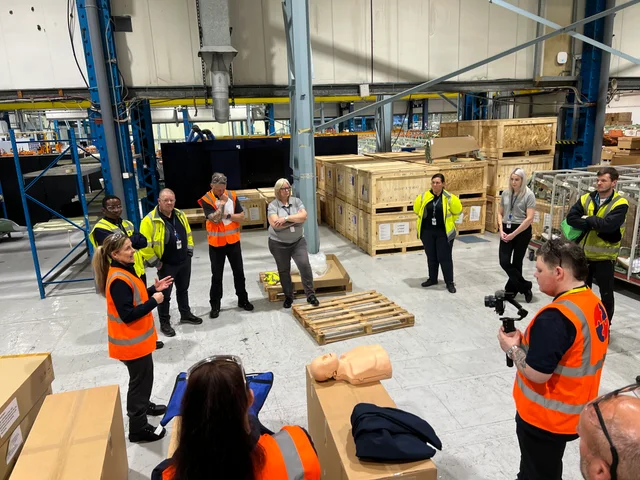
Emergency preparedness · On-site exercises
Workplace teams, wardens and emergency coordinators
Use realistic scenarios to practise emergency arrangements around the people, layout and operational risks of your site.
What it coversAgreed exercise planning, controlled simulation, an immediate debrief and specific improvement actions for the team.
How this can helpPractising in the real location can build confidence in people, equipment and communication. The debrief turns observations into specific improvement areas before an actual emergency.
Explore the offering · SHARE Expertise4 examples
Project sources are credited on each card. Sector illustrations show the work setting, rather than the client project.
Use these fictional hotel policies and records to see how a manager documents local fire precautions, evacuation arrangements and decisions on shift. Adapt the examples to the premises and obtain local approval before use.
Browse all Riverside fire examples in the Policy Builder library


