SHARE Knowledge Hub
BLEVE hazards
BLEVE hazards are major accident hazards created when a vessel containing a pressurised liquid, commonly a liquefied gas such as LPG, fails and the liquid rapidly flashes into expanding vapour. A BLEVE can produce blast, fragments, a large fireball, intense thermal radiation and rapid escalation to neighbouring vessels, so control depends on preventing loss of containment, preventing vessel heating, maintaining relief and cooling systems, designing layout for escalation, and using emergency plans that protect people before conditions become unrecoverable.
Understanding BLEVE hazards
BLEVE hazards are major accident hazards created when a vessel containing a pressurised liquid, commonly a liquefied gas such as LPG, fails and the liquid rapidly flashes into expanding vapour. A BLEVE can produce blast, fragments, a large fireball, intense thermal radiation and rapid escalation to neighbouring vessels, so control depends on preventing loss of containment, preventing vessel heating, maintaining relief and cooling systems, designing layout for escalation, and using emergency plans that protect people before conditions become unrecoverable.
Why this matters at work
Assess the complete failure sequence and the actual function credited to each safeguard. A relief device may address specified overpressure conditions, while vessel strength, heat exposure, integrity, isolation and escalation present additional questions. Confirm the protection basis and present condition through competent engineering review rather than assuming a fitted valve prevents every BLEVE scenario. Identify surrounding vessels, supports, pipework and utilities that could be damaged by an initial fire or fragments. Test whether safeguards remain available under that same event and whether shared disposal or utility systems can meet simultaneous demand. Where emergency depressurisation or another arrangement is credited, define initiation, indications, sequence and hazards of incorrect action and verify a safe destination. Ordinary workers should not have to approach a fire-exposed vessel for the plan to succeed. Record impaired protection, restrictions and the responsible decision before continued work. This answer supplies no universal valve size, cooling rate, exclusion distance or time to failure; each requires the actual scenario and specialist evidence.
Identify the actual substance, inventory, temperature, pressure, construction, condition, connected sources and external heat or damage scenarios. Trace the sequence from initiator to failure and harm, including people and surrounding equipment. Prevention, mitigation and emergency arrangements must address that sequence with evidence of current availability. A relief valve or examination certificate cannot establish every safeguard. Keep site design, emergency tactics and restart with the appropriate competent roles. GB and NI duties are separate, and historical or international examples do not provide this installation's distances, failure time or operating limits.
How organisations manage this in practice
Compare options that avoid the new demand and ensure any residual protection has justified design and installation evidence. Preserve required maintenance and response access and coordinate the change with existing responsibilities. Record assumptions, actions, restrictions and the evidence required before the route or storage area is used. Review the completed arrangement in practice and communicate operating limits to drivers and staff. Do not select a universal separation distance or barrier rating from this example. HSE small-bulk guidance supports the user-supplier interface, but a site-specific competent assessment must resolve the actual inventory, configuration, surroundings and applicable national requirements.
The responsible authority may require postponement, restriction or restoration based on the actual evidence. Do not invent an equivalent protection measure or assume that a relief valve compensates for lost fire protection. Record the decision, conditions, owner and review trigger, and communicate it across operations, maintenance and emergency response. Verify the physical restoration and relevant function before removing restrictions. Consider neighbouring vessels and shared utilities under the same fire. The emergency plan should support safe withdrawal and competent response, not require an ordinary operator to approach a heated vessel to make an improvised intervention.
Identify the scenario, impaired function, affected equipment and people, current condition and evidence. Consider interactions: maintenance can disable detection, cooling, relief or isolation relied on by a neighbouring operating area, while hot work, vehicles, scaffolding or temporary power can introduce initiators or obstruct response. Link permit and impairment information so separate jobs are assessed against the same major-accident scenario.
If a pressure vessel or liquefied gas container is exposed to fire, impact, overfilling, loss of cooling, relief impairment or unexplained pressure rise, the immediate priority is to protect people, raise alarm, isolate where this can be done safely, and follow site emergency arrangements. Firefighting close to heated pressure vessels should only be directed by competent incident command using pre-planned exclusion, cooling and evacuation decisions.
How can I practise this topic in 3D?
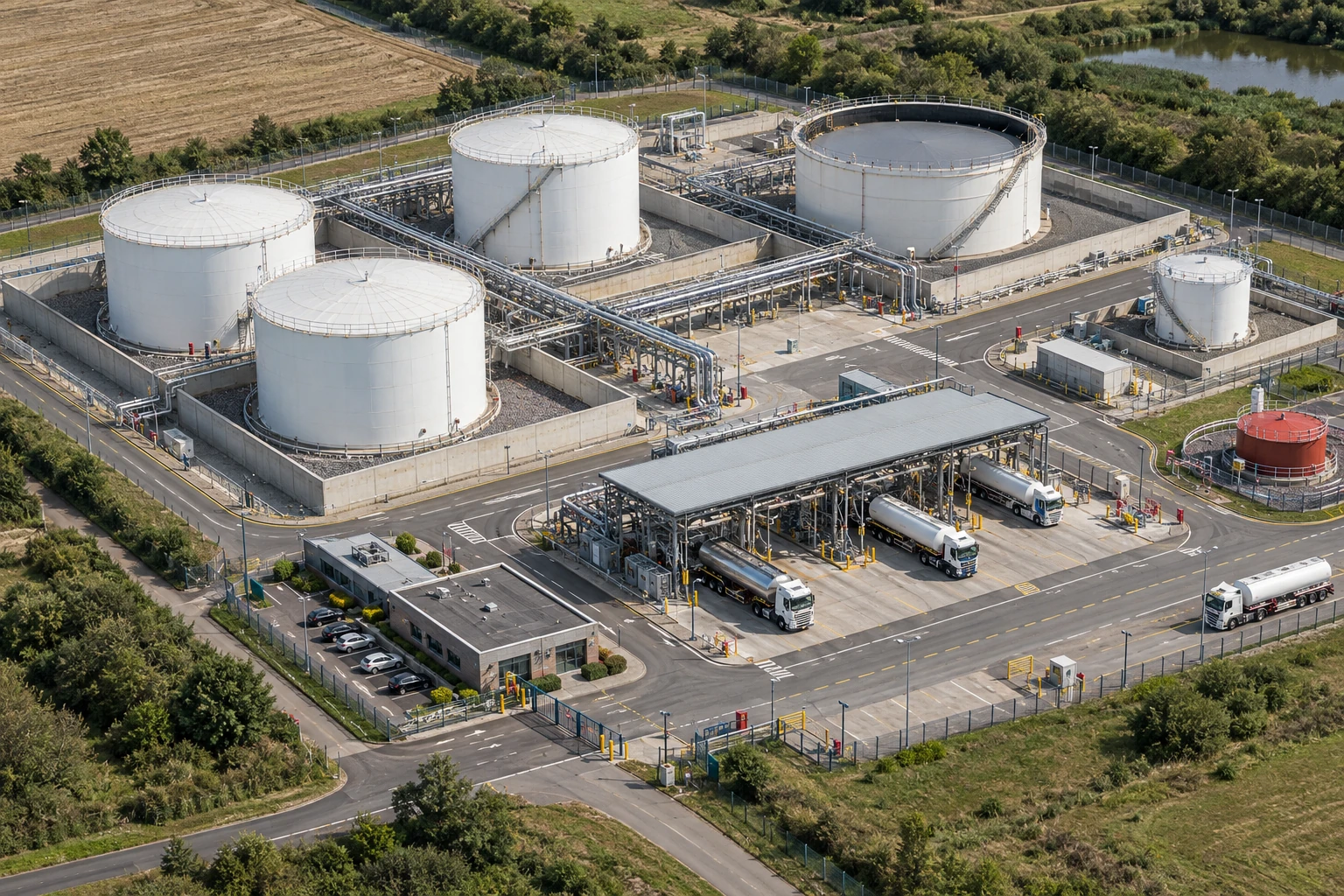

All fuel fire scenarios are treated as the same event
All related inspection points 1 across 1 location
Crown Fuels terminal 1 inspection point
Practice in the SHAREhub environment. Browser practice is separate from workplace competence and formal learning records.
Separate worker withdrawal from technical command decisions
An ordinary worker needs alarm, withdrawal and communication through the established emergency plan. A heated pressurised vessel is not a task for improvised close inspection. The existence of a relief valve does not establish a safe approach or a remaining time window.
Best-practice guide: BLEVE hazards
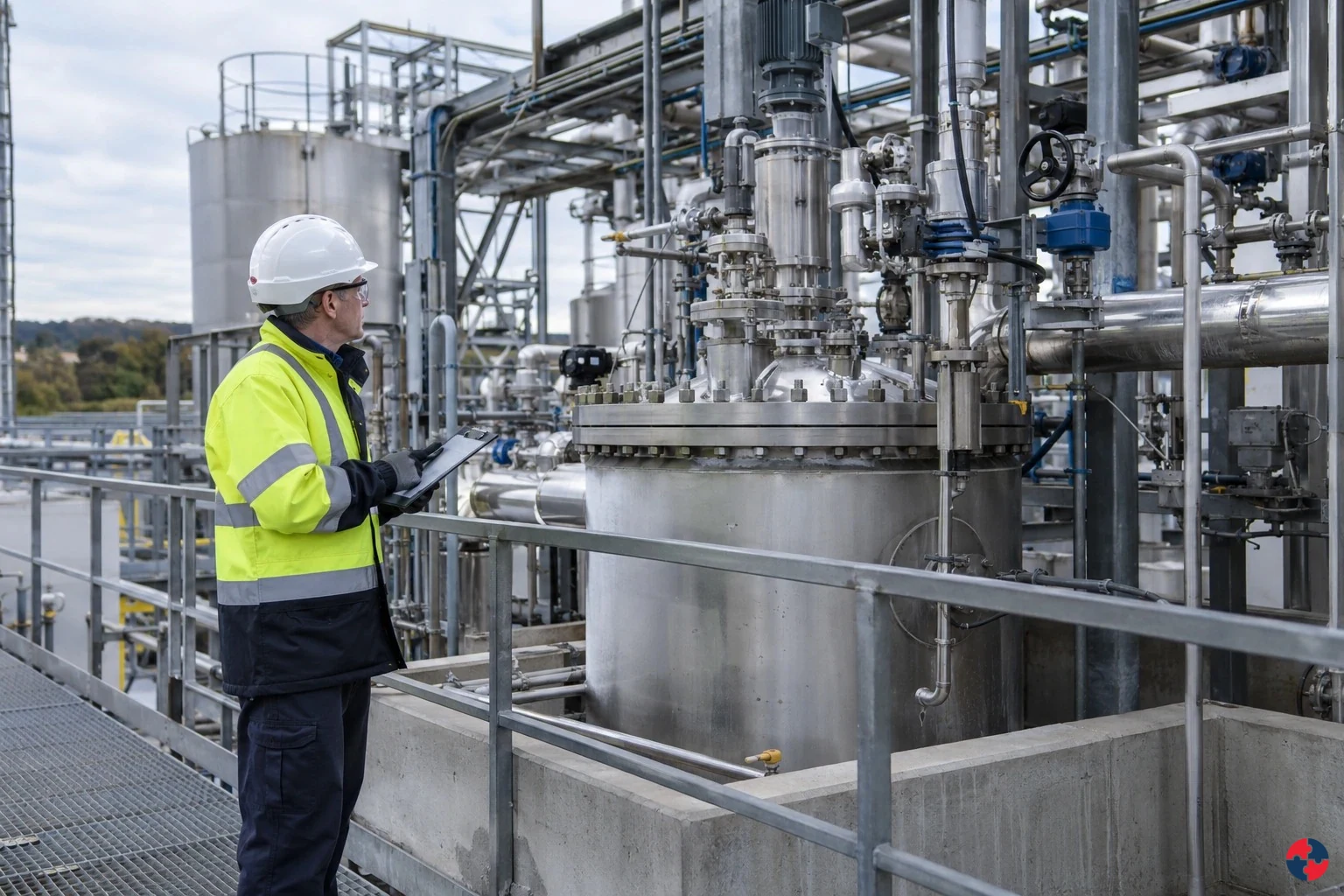
Separate worker withdrawal from technical command decisions
An ordinary worker needs alarm, withdrawal and communication through the established emergency plan. A heated pressurised vessel is not a task for improvised close inspection. BLEVE hazards are major accident hazards created when a vessel containing a pressurised liquid, commonly a liquefied gas such as LPG, fails and the liquid rapidly flashes into expanding vapour.
Turn bleve hazards knowledge into a decision
BLEVE hazards are major accident hazards created when a vessel containing a pressurised liquid, commonly a liquefied gas such as LPG, fails and the liquid rapidly flashes into expanding vapour. A BLEVE can produce blast, fragments, a large fireball, intense thermal radiation and rapid escalation to neighbouring vessels, so control depends on preventing loss of containment, preventing vessel heating, maintaining relief and cooling systems, designing layout for escalation, and using emergency plans that protect people before conditions become unrecoverable. Keep the alarm/isolation/withdrawal timeline, information available to command, cooling and relief impairments, responder communications, competent inspection and learning actions.
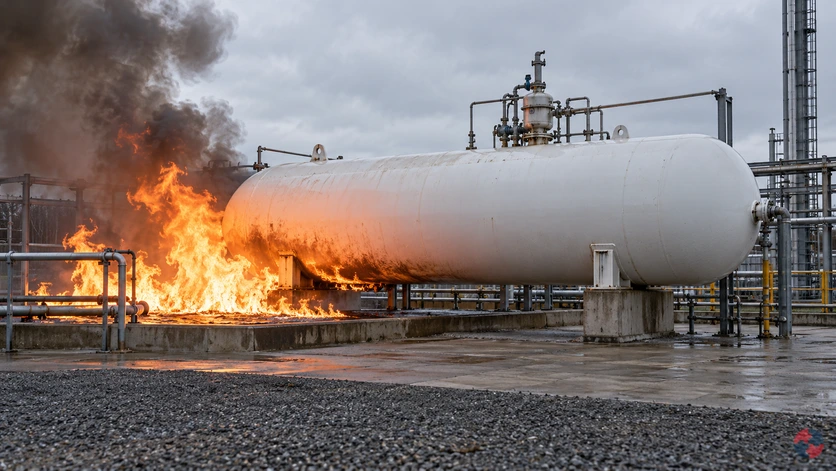
External fire beside an LPG vessel
Command records the alarm and action sequence, establishes the scenario-based exclusion/evacuation decision and coordinates trained responders from protected positions. If vessel condition or cooling cannot be confirmed safely, follow the withdrawal plan; a relief discharge is not proof the shell remains sound. Do not hand the area back until fire is controlled, vessel integrity and relief system are competently assessed and the plant is safely isolated.
The guide photograph is context only and cannot establish pressure-vessel construction, liquid/vapour state or a BLEVE scenario. Use the new pressure-vessel sequence for the mechanism and retain the planned withdrawal boundary.
Stored pressure, flashing and vessel failure
Keep pressure release, rapid liquid flashing and fragments distinct from the additional possibility of ignition. No photograph, pressure-relief discharge or simple diagram can establish a safe approach distance or remaining time.
Choose controls for bleve hazards
Elimination: Avoid large pressurised LPG inventory where feasible Substitution: Choose lower-hazard energy source or smaller inventory after system review Engineering: Separate fire exposure, protect vessel, maintain relief and emergency isolation Administrative: Inspect, control ignition, rehearse evacuation and emergency response PPE: Fire PPE is for trained responders, not vessel-failure prevention. Read the full control table for qualifications, ownership and verification. Use the actual task and applicable jurisdiction; existing technical approval remains unchanged.
Use the full bleve hazards lesson
Use the full topic for the decision points, practical examples, detailed control tables and source scope. HSE guidance applies to Great Britain; use HSENI for the Northern Ireland route and the source’s stated jurisdiction. A simplified guide does not change the page’s technical-review or approval status.

Read all six steps as text
1. Separate worker withdrawal from technical command decisions
An ordinary worker needs alarm, withdrawal and communication through the established emergency plan.
- Avoid / redesign: Avoid large pressurised LPG inventory where feasible
- Control the task: Separate fire exposure, protect vessel, maintain relief and emergency isolation
- Verify before release: Major-hazard owner verifies separation/relief and fire response; evacuate on escalating fire exposure See HSE bulk LPG valves and pressure relief
An ordinary worker needs alarm, withdrawal and communication through the established emergency plan. A heated pressurised vessel is not a task for improvised close inspection. BLEVE hazards are major accident hazards created when a vessel containing a pressurised liquid, commonly a liquefied gas such as LPG, fails and the liquid rapidly flashes into expanding vapour.
Apply it: Which part of this plan would you check at the workface before authorising the task?
2. Turn bleve hazards knowledge into a decision
Use the evidence to improve the actual work arrangement.
- Change at source: Avoid large pressurised LPG inventory where feasible
- Make it observable: Major-hazard owner verifies separation/relief and fire response; evacuate on escalating fire exposure See HSE bulk LPG valves and pressure relief
- Keep useful evidence: Keep the alarm/isolation/withdrawal timeline, information available to command, cooling and relief impairments, responder communications, competent inspection and learning actions.
BLEVE hazards are major accident hazards created when a vessel containing a pressurised liquid, commonly a liquefied gas such as LPG, fails and the liquid rapidly flashes into expanding vapour. A BLEVE can produce blast, fragments, a large fireball, intense thermal radiation and rapid escalation to neighbouring vessels, so control depends on preventing loss of containment, preventing vessel heating, maintaining relief and cooling systems, designing layout for escalation, and using emergency plans that protect people before conditions become unrecoverable. Keep the alarm/isolation/withdrawal timeline, information available to command, cooling and relief impairments, responder communications, competent inspection and learning actions.
Apply it: What evidence would show that the change improves this task, rather than only completing a record?
3. External fire beside an LPG vessel
Example: a practical application of the existing topic lesson.
- Setting: A leak ignites near a bulk LPG vessel.
- Act: Raise the alarm immediately, use the preplanned command route and activate remote isolation only from a safe position when it is available and suitable.
- Hold / review: Withdraw if the vessel is heated, cooling is lost or conditions cannot be assessed safely; do not approach solely because a PRV exists.
Command records the alarm and action sequence, establishes the scenario-based exclusion/evacuation decision and coordinates trained responders from protected positions. If vessel condition or cooling cannot be confirmed safely, follow the withdrawal plan; a relief discharge is not proof the shell remains sound. Do not hand the area back until fire is controlled, vessel integrity and relief system are competently assessed and the plant is safely isolated.
Apply it: At which point would you hold this example, and what evidence would allow it to proceed?
4. Stored pressure, flashing and vessel failure
A fireball is a conditional flammable-ignition outcome, not every BLEVE.
- Stored state: Pressurised liquid and vapour store energy. Identify the substance, physical state and vessel condition.
- Loss of integrity: Heating can weaken the shell while affecting the contents. Relief operation does not prove that the shell can withstand the actual exposure.
- Failure and response: Rapid containment failure can lead to flashing, expansion and fragments. Follow planned alarm/withdrawal and emergency-command arrangements.
Keep pressure release, rapid liquid flashing and fragments distinct from the additional possibility of ignition. No photograph, pressure-relief discharge or simple diagram can establish a safe approach distance or remaining time.
Apply it: Which mechanism and response boundary apply, and what cannot be inferred from relief operation?
5. Choose controls for bleve hazards
Start with the stronger practicable options and verify their effect.
- Elimination: Avoid large pressurised LPG inventory where feasible
- Substitution: Choose lower-hazard energy source or smaller inventory after system review
- Engineering: Separate fire exposure, protect vessel, maintain relief and emergency isolation
- Administrative: Inspect, control ignition, rehearse evacuation and emergency response
- PPE: Fire PPE is for trained responders, not vessel-failure prevention.
Elimination: Avoid large pressurised LPG inventory where feasible Substitution: Choose lower-hazard energy source or smaller inventory after system review Engineering: Separate fire exposure, protect vessel, maintain relief and emergency isolation Administrative: Inspect, control ignition, rehearse evacuation and emergency response PPE: Fire PPE is for trained responders, not vessel-failure prevention. Read the full control table for qualifications, ownership and verification. Use the actual task and applicable jurisdiction; existing technical approval remains unchanged.
Apply it: Which stronger option can be used here, and who will verify it before accepting the remaining risk?
6. Use the full bleve hazards lesson
Follow the official sources below and retain the task-specific evidence.
- Official guidance: HSE COMAH emergency response technical measures
- Official guidance: HSE bulk LPG valves and pressure relief
- Task decision: Keep the alarm/isolation/withdrawal timeline, information available to command, cooling and relief impairments, responder communications, competent inspection and learning actions.
Use the full topic for the decision points, practical examples, detailed control tables and source scope. HSE guidance applies to Great Britain; use HSENI for the Northern Ireland route and the source’s stated jurisdiction. A simplified guide does not change the page’s technical-review or approval status.
Apply it: Which official source and full-topic section will you use to resolve the next decision?
Planners should test what command will know about inventory, remote isolation, cooling, public interfaces and gathering routes. Use actual plant studies and site arrangements; do not generalise an accident-derived countdown, exclusion distance or firefighting rate.
The normal gathering route is unavailable
Illustrative example. An LPG exercise introduces external fire, uncertain remote isolation and loss of the normal muster route during contractor work.
Decision. Use command-led withdrawal and the planned alternative arrangements while the competent team evaluates the vessel scenario.
Evidence to check. Log what command knew about inventory, vessel state, barrier availability, routes and contractor accounting at each inject.
Hold or escalation point. No manual approach based on a functioning PRV, a guessed distance or a safe countdown.
Follow-up. Debrief communications, route resilience and missing plant evidence; assign owners for exercise actions.
Pressure release can flash the liquid
A BLEVE is a physical containment-failure mechanism. Heating can be part of the scenario, but a fireball additionally needs flammable contents and ignition; it is not the definition of every BLEVE.
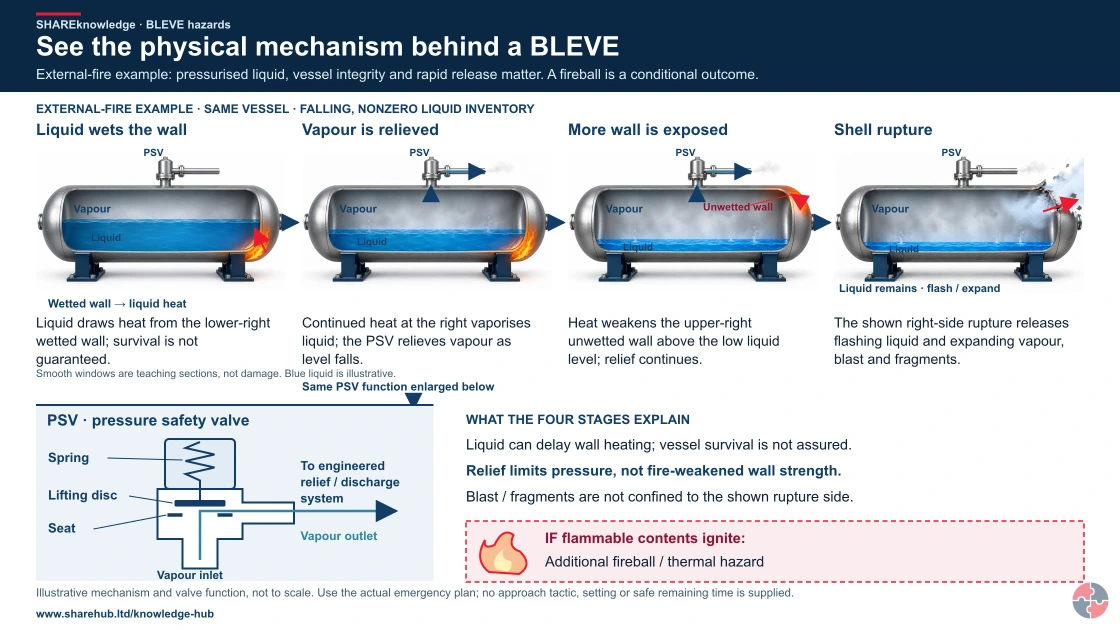
See the physical mechanism behind a BLEVE
Full written explanation
In this external-fire example, heat at the lower-right wetted wall passes into liquid and can delay wall heating, without guaranteeing survival. Continued right-side heat vaporises liquid while the pressure safety valve (PSV) relieves vapour and the illustrated inventory falls. Direct heat then reaches the upper-right unwetted wall above the low liquid level; that wall can weaken even while relief operates. The fourth cutaway opens at the corresponding right-side heat-weakened region, with liquid still remaining: rapid depressurisation can cause flashing, expansion, blast and fragments. The aligned arrows make this illustrated sequence clear; blast and fragments are not confined to that side, and no opposite-side safety is implied. A BLEVE is a physical explosion; flammable contents plus ignition can add a fireball and thermal hazards, without a universal larger-blast claim. The unchanged enlarged PSV shows spring, lifted disc/seat, bottom vapour inlet and engineered relief/discharge outlet, without settings, sizing or response tactics.
External-fire example: pressurised liquid, vessel integrity and rapid release matter. A fireball is a conditional outcome.
- Liquid wets the wall. Liquid draws heat from the lower-right wetted wall; survival is not guaranteed.
- Vapour is relieved. Continued heat at the right vaporises liquid; the PSV relieves vapour as level falls.
- More wall is exposed. Heat weakens the upper-right unwetted wall above the low liquid level; relief continues.
- Shell rupture. The shown right-side rupture releases flashing liquid and expanding vapour, blast and fragments.
Change the pathway
- Know the scenario. Identify the actual substance, inventory, state and credible exposure in the site assessment.
- Verify engineered protection. Use competent integrity and fire-protection evidence; appearance or a relief device alone is not assurance.
- Use the emergency plan. Follow the actual alarm, withdrawal and command arrangements; no approach or cooling tactic is supplied.
Evidence check: No universal pressure, distance or safe remaining time can be read from this illustration. Fireball requires flammable contents and ignition.
Full alarm, withdrawal and emergency-command context
Primary references: HSE: active and passive fire protection · HSE: emergency-planning glossary (BLEVE physical mechanism only; pipeline scope is separate) · Transport Canada: BLEVE mechanism research/transcript only; not Canadian response tactics or limits · Spirax Sarco: generic spring/disc safety-valve function only; not selection or sizing
Open the complete HD image (new tab)Download image

Full alarm, withdrawal and emergency-command context
Primary references: HSE: active and passive fire protection · HSE: emergency-planning glossary (BLEVE physical mechanism only; pipeline scope is separate) · Transport Canada: BLEVE mechanism research/transcript only; not Canadian response tactics or limits · Spirax Sarco: generic spring/disc safety-valve function only; not selection or sizing

- Pressurised liquid + vapour
- Heat / shell integrity question
- Rapid flashing + fragments
Read the labels in the full-size drawing
- Vapour
- Liquid
- Stored pressure
- Heat / weakening
- Flash / blast / fragments
Stored state
The vessel contains pressurised liquid and vapour. Describe the actual substance, state and integrity evidence rather than rely on a generic tank photograph.
Heating or weakening
External heat can affect contents and vessel strength. Relief operation may limit pressure but does not prove that the shell can survive the actual exposure.
Rapid failure
Loss of containment can allow rapid flashing and expansion, with blast and fragments. A flammable release may also ignite; these outcomes are conditional, not a countdown.
Follow the planned alarm, withdrawal and emergency-command arrangements. No approach, cooling tactic, universal radius, pressure setting or “safe remaining time” can be read from this teaching diagram.
What are the key facts about BLEVE hazards?
The key facts are that a BLEVE is driven by stored pressure, liquid flashing, vessel failure and rapid escalation.
The hazard is stored energy
Liquefied gas under pressure contains both hazardous material and mechanical energy.
Fire exposure can weaken the vessel
A vessel can fail because the metal loses strength even if the relief valve has opened.
Relief does not remove the whole risk
Pressure relief must be correctly designed, maintained and protected from impairment, but it is not a guarantee against rupture.
Escalation can be very fast
Fragments, fireball radiation and impingement on nearby vessels can turn one event into a multi-vessel incident.
Emergency plans must be scenario-based
Generic fire drills do not test the decisions needed for a heated LPG vessel or tank farm escalation.
Evidence matters
The site should hold current proof that vessels, valves, relief systems, firewater, isolation, training and exercises are effective.
What is a BLEVE?
A BLEVE is the sudden failure of a vessel containing liquid above its atmospheric boiling point, followed by rapid vapour expansion.
BLEVE stands for boiling liquid expanding vapour explosion. In simple terms, a pressurised liquid is suddenly released from containment, flashes into vapour and expands violently. Where the liquid is flammable, the release may ignite and form a large fireball with severe thermal radiation.
The classic example is a pressure vessel or LPG sphere exposed to external fire. The fire heats the vessel wall and the contents. Pressure may rise, relief valves may lift, and the wetted wall may initially be cooled by the liquid inside. As liquid level falls or fire impingement continues, part of the wall may become unwetted, overheat and lose strength. Sudden rupture can then release the inventory almost instantly.
A BLEVE should therefore be treated as a major accident hazard involving pressure, fire, fragments, thermal radiation, emergency response and escalation to neighbouring plant.
Pressurised liquid. Liquid is held above atmospheric pressure. Failure releases stored energy.
Flashing. Liquid rapidly changes to vapour. Expansion can be explosive.
Vessel failure. The containment ruptures or tears. Fragments may travel significant distances.
Fireball. Flammable contents ignite after release. Thermal radiation can be fatal or escalate plant.
Escalation. Nearby vessels, pipework or buildings are affected. One event can become a major accident.
How does a BLEVE develop?
A BLEVE develops when pressure, temperature, vessel strength and containment failure combine faster than controls can recover the situation.
How a heated pressure vessel can escalate


Read the complete visual as text
- PRESSURISED LIQUID: The vessel contains liquid above its normal atmospheric boiling condition. Containment is part of the safety system.
- EXTERNAL HEATING: Fire exposure can weaken the vessel shell while pressure and temperature change. Relief discharge does not prove shell integrity.
- RAPID FAILURE: Vessel failure can flash liquid into expanding vapour, producing blast and fragments; flammable contents can create a fireball.
- ESCALATION CONTROL: Prevent release and heating, maintain assessed protection and follow scenario-based withdrawal and emergency arrangements. No universal safe distance is shown.
The sequence usually begins with an initiating event such as a leak, external fire, overfill, impact, corrosion, wrong isolation, blocked outlet or failure of a safety critical device. If the vessel is exposed to fire, its metal wall can lose strength as it heats. If the vessel contains liquefied gas, the internal energy of the liquid and vapour space can be enormous.
Relief valves may discharge vapour and reduce pressure, but they do not cool the heated metal. Firewater cooling may help when applied early and effectively, but it depends on water availability, coverage, access, responder safety and whether water reaches the flame-impinged areas.
Once the vessel ruptures, liquid flashes, vapour expands, fragments are thrown and a flammable cloud or fireball may form. The event is often too rapid for improvisation, which is why prevention, layout, isolation, emergency cooling and evacuation decisions must be planned before the incident.
Initiation. Leak, fire, impact, overfill, corrosion or operational error begins the scenario. Identify credible scenarios in HAZID, HAZOP, DSEAR and emergency planning.
Heating or pressure rise. Vessel contents and shell are exposed to abnormal conditions. Maintain operating limits, relief, alarms, isolation and cooling.
Wall weakening. Metal loses strength, especially where no liquid cools the shell. Use fireproofing, drainage, separation and early cooling where appropriate.
Rupture. The vessel fails suddenly. Prevent people being in the hazard zone.
Expansion and fireball. Liquid flashes and ignites if flammable. Control emergency distances, escalation and public protection.
Which materials and equipment can create BLEVE risk?
BLEVE risk is mainly associated with pressurised liquids and liquefied gases stored or transferred in vessels, cylinders, tankers and connected pipework.
LPG, propane and butane are common BLEVE examples because they are stored as liquids under pressure and become large volumes of vapour if suddenly released. Other liquefied gases, pressure vessels, heated liquids, cylinders and transportable pressure receptacles may also present relevant stored-energy hazards.
The equipment matters as much as the substance. Spheres, bullets, road tankers, rail tankers, cylinders, process vessels, vapourisers and ship-loading systems all need suitable design, inspection, relief, isolation and emergency arrangements.
A site should not treat every vessel the same. Inventory, pressure, temperature, filling level, location, exposure to fire, proximity to people, access for emergency response and potential for escalation all change the risk profile.
LPG spheres and bullets. Large pressurised flammable inventory. Separation, relief, fire protection, isolation and emergency plans.
Road and rail tankers. Mobile inventory with transfer and impact risks. Loading procedures, vehicle control, grounding, emergency isolation and exclusion.
Cylinders. Smaller inventory but vulnerable to fire heating and fragment projection. Segregated storage, fire separation and emergency removal only if safe.
Process pressure vessels. Stored energy and process upset potential. Written schemes, relief, inspection and safe operating limits.
Vapourisers and heaters. External heat source near pressurised flammable material. Temperature control, trips, ventilation and maintenance.
Connected pipework. Loss of containment can feed fires or vapour clouds. Integrity, isolation, inspection and line-up checks.
Which scenarios should be assessed for BLEVE hazards?
Assessment should start with credible major accident scenarios involving heating, loss of containment, overpressure, impact and escalation.
A credible scenario is not a prediction that an event will happen tomorrow. It is a plausible event sequence that has enough consequence to require control. BLEVE assessment should include normal operation, abnormal operation, maintenance, loading, unloading, start-up, shutdown, temporary equipment and foreseeable emergency conditions.
The assessment should identify the initiating event, the top event, the consequences, the preventive barriers, the mitigative barriers, the degradation factors and the evidence that proves controls are healthy. Weak assessments often list generic controls without asking whether they would work quickly enough during a real fire or release.
For major hazard sites, scenarios should be connected to the major accident hazard register, DSEAR assessment, COMAH safety report where applicable, emergency plan, inspection programme and leadership review.
External fire impingement. Which vessel could be heated, how quickly and from what source? Fire risk assessment, layout, drainage, firewater and emergency plan.
Relief device impairment. Could a valve be isolated, blocked, undersized or poorly maintained? Relief register, inspection, isolation controls and proof testing.
Loss of containment. Could a release create fire exposure to a vessel? Leak history, isolation, gas detection and emergency shutdown.
Overfilling. Could liquid expansion or no vapour space increase pressure? Level alarms, procedures, independent overfill protection and transfer records.
Impact or mechanical damage. Could vehicles, dropped loads or external events damage equipment? Traffic plan, barriers, layout and inspection records.
Escalation between vessels. Could one fire or rupture affect neighbouring vessels? Separation, shielding, deluge coverage and emergency distances.
What barriers prevent, control and mitigate BLEVE hazards?
Effective BLEVE control uses layers of prevention, detection, control, mitigation, emergency response and assurance.
Barrier thinking is useful because a BLEVE is rarely caused by one weakness. A release may start because of corrosion, poor line-up or impact. It may escalate because isolation is slow, gas detection is absent, firewater is weak, relief is impaired, separation is poor or emergency decisions are delayed.
The strongest barriers remove or reduce the hazard before emergency response is needed. Lower inventory, less exposed vessels, good layout and robust primary containment are more reliable than expecting people to make perfect decisions near a heated pressure vessel.
Each barrier should have a named owner, a performance expectation, an impairment process and evidence of current health. For example, a deluge system is not a control simply because it appears on a drawing; it must deliver water to the right place at the right rate when needed.
Prevention. Inventory reduction, robust design, corrosion control, safe filling and traffic segregation. Design basis, inspection records and operating limits.
Detection. Gas detection, flame detection, pressure alarms, level alarms and operator rounds. Calibration, test records, alarm response review and coverage study.
Control. Emergency isolation, shutdown, depressurisation, transfer stop and remote valves. Functional tests, proof tests and emergency drill evidence.
Mitigation. Firewater, deluge, monitors, fireproofing, layout and blast/fire separation. Flow tests, coverage checks, maintenance and inspection.
Emergency response. Incident command, evacuation, public warning, mutual aid and responder safety. Scenario exercise reports and action close-out.
Assurance. Audits, barrier dashboards, safety critical maintenance and leadership review. KPIs, overdue actions, impairment records and independent verification.
How does the ERICPD hierarchy apply to BLEVE hazards?
ERICPD helps prioritise risk reduction by starting with elimination and engineering before relying on procedures or personal protection.
ERICPD stands for Eliminate, Reduce, Isolate, Control, Personal protective equipment and Discipline. For BLEVE hazards, the principle is especially important because emergency response and PPE cannot reliably protect people close to a catastrophic vessel rupture.
A strong ALARP review should ask whether the inventory can be eliminated, reduced, relocated or inherently safer before accepting complex emergency arrangements. Where hazardous inventory must remain, engineered barriers such as layout, separation, remote isolation, deluge, fireproofing and relief should carry the main risk reduction.
Administrative controls remain necessary, but they should support engineered controls rather than replace them. Procedures, permits and training are weak if the site has not dealt with poor layout, impaired isolation, unreliable firewater or unknown vessel condition.
Eliminate. Remove unnecessary LPG storage or redesign to avoid pressurised flammable inventory. Can the hazard be removed entirely?
Reduce. Lower inventory, reduce vessel exposure, reduce transfer frequency or reduce occupancy nearby. Can the scale or duration of the hazard be reduced?
Isolate. Separate vessels from occupied buildings, roadways and ignition sources. Can people and escalation targets be physically separated?
Control. Install remote isolation, relief, gas detection, deluge, fireproofing and operating limits. Can engineered controls prevent or limit escalation?
PPE. Use fire-resistant clothing or RPE only for planned responder tasks within limits. Is PPE only used for residual controlled tasks?
Discipline. Use procedures, permits, training, drills and supervision. Are people clear on stop-work and evacuation decisions?
What should be understood about relief systems and BLEVE hazards?
Relief systems are safety critical, but they must be correctly designed, maintained and understood as one barrier rather than a complete solution.
Pressure relief protects against some overpressure scenarios by discharging fluid to reduce pressure. For BLEVE hazards, relief may be vital, but it does not automatically prevent failure where the vessel wall is being weakened by flame impingement.
Relief design should consider the credible fire case, blocked-in liquid, thermal expansion, gas generation, two-phase flow, discharge destination, back pressure, isolation valves, inspection access and whether discharge could create a secondary fire or exposure.
Operational controls are equally important. Relief valves should not be isolated without formal control, temporary impairment should be risk assessed, and testing or inspection should be completed by competent people against a written scheme or safety critical maintenance regime.
Relief basis. Shows what scenario the device is designed for. Relief calculation and design standard.
Fire case. Assesses external fire heating and required capacity. Fire relief design review.
Isolation control. Prevents relief devices being accidentally isolated. Locked-open controls and permit records.
Inspection and testing. Confirms device condition and set pressure. Test certificates and defect close-out.
Discharge route. Controls where released material goes. Vent, flare, safe location or containment review.
Impairment management. Controls risk when protection is unavailable. Temporary impairment register and approval.
How should fire protection be designed for BLEVE hazards?
Fire protection should cool exposed vessels, control escalation and protect responders, but it must be designed from credible scenarios.
Fire protection for BLEVE hazards is not just portable extinguishers. It may involve hydrants, monitors, deluge, water spray, foam, passive fire protection, drainage, fire walls, emergency isolation and fixed detection. The system has to deliver the right performance under the conditions expected during an incident.
Cooling can be valuable when applied early and effectively, particularly to prevent vessel wall overheating. However, access, wind direction, flame impingement, water supply, pump reliability, blocked drains, damaged pipework and responder exposure must be considered.
The site should test firewater systems under realistic conditions and include loss of firewater, blocked access and simultaneous events in drills. A drawing of a firewater ring main is not enough evidence.
Deluge or water spray. Cools vessel shell and exposed equipment. Flow tests, coverage tests and maintenance.
Monitors and hydrants. Support cooling and firefighting from safer locations. Operational tests and access checks.
Passive fire protection. Delays structural or vessel support failure. Inspection and damage repair records.
Gas and flame detection. Enables rapid alarm and isolation. Calibration and detector mapping.
Emergency shutdown. Stops transfer and limits inventory feeding the event. Proof testing and alarm response drills.
Drainage and bunding. Reduces pool fire exposure and spread. Inspection, housekeeping and capacity checks.
Why do layout and separation matter for BLEVE hazards?
Layout and separation limit escalation, protect people and reduce the likelihood that one vessel failure becomes a multiple-vessel disaster.
BLEVE consequences can include fragments, overpressure, fireball radiation and secondary fires. Layout should therefore consider vessel spacing, orientation, occupied buildings, roads, boundaries, emergency access, firewater reach, drains, control rooms, muster points and neighbouring equipment.
Poor layout can make emergency response impossible. Responders may be forced too close to a heated vessel, access may be blocked by fire or fragments, and a rupture may expose adjacent vessels or occupied buildings.
Layout decisions are easiest to influence at design stage, but existing sites should still review whether occupancy, storage, traffic, temporary works, contractor cabins or parked vehicles have crept into hazardous areas.
Vessel spacing. Could fire or rupture affect adjacent vessels? Layout study and escalation review.
Occupied buildings. Are people protected from blast and radiation? Occupied building risk assessment.
Emergency access. Can responders approach from safe directions? Pre-incident plan and access routes.
Drainage. Could burning liquid collect under vessels? Drainage design and inspection.
Muster and evacuation. Are assembly areas outside credible hazard zones? Emergency plan and exercise learning.
Site boundary. Could the public be affected? COMAH, planning and emergency interface review.
How should emergency response be planned for BLEVE hazards?
Emergency response should be based on pre-planned scenarios, clear command decisions, safe distances and early protection of people.
A BLEVE is not an event where responders should improvise close to the vessel. The emergency plan should identify credible fire and heating scenarios, alarm triggers, evacuation or shelter decisions, exclusion zones, remote isolation, cooling tactics, mutual aid, public communication and handover to emergency services.
Drills should test decision-making under pressure, not just roll calls. Useful exercise injects include failed firewater, missing personnel, wind change, blocked access, false or conflicting alarms, loss of communications, neighbouring vessel exposure and uncertainty over whether a vessel has been heated.
Emergency plans should also make clear when withdrawal is the correct decision. Cooling a vessel may be useful, but people should not be placed in a fragment or fireball zone where the expected benefit is uncertain or the time to failure is unknown.
Raise alarm. Who triggers site and external notification. Alarm procedure and drill record.
Isolate. Which valves or systems can be operated remotely or safely. Isolation drawings and functional tests.
Cool. Which vessels need cooling, water rates and safe positions. Firewater study and exercise evidence.
Evacuate. Trigger points, routes and exclusion assumptions. Emergency plan and muster records.
Command. Who makes withdrawal, escalation and public interface decisions. Incident command roles and training.
Learn. How exercise and incident actions are closed and retested. Debrief, action tracker and retest evidence.
No fixed exclusion distance, cooling rate or time-to-failure applies to every vessel. Incident command and competent emergency services use the preplanned scenario, current fire exposure and site-specific evidence; withdrawal may be the safest decision.
Does the muster plan still work when the usual route is lost?
Test how people reach a safe location when the usual route or assembly point is affected by the incident scenario. Include contractors, delivery drivers and visitors who may not hear the same alarm or know the site. The plan must give command a reliable account of people without sending staff back toward a threatened vessel to obtain it.
For an illustrative LPG-site exercise, introduce loss of the normal exit and conflicting information about a visiting driver. Check how the alarm, alternative route, access control and missing-person information reach the incident commander. Identify the valve from a safe information source and confirm which isolation actions are designed for safe remote operation; the exercise must not teach workers to approach a heated vessel. Debrief whether the plan protected people and supported an early decision under uncertainty, then correct the route, communication or visitor-accounting weakness and safely retest it.
Guidance and scope: Original SHARE emergency exercise applying HSE GB guidance. Incident command and emergency services determine actions from the actual event and site plan; no approach permission, fixed withdrawal distance, cooling rate or time-to-failure is implied. HSE COMAH emergency response technical measures HSE bulk LPG valves and pressure relief
How should BLEVE hazards appear in a major accident hazard register?
A major accident hazard register should describe each BLEVE scenario, its causes, consequences, barriers, owners and assurance evidence.
A useful register does more than name LPG or pressure vessels. It should identify the credible event sequence: for example external fire heats LPG vessel, relief lifts, fire continues, vessel wall weakens, rupture occurs, fireball affects adjacent equipment and off-site population.
The register should connect risks to barrier ownership. Relief valves, deluge systems, inspection regimes, emergency isolation valves, gas detection and emergency plans should have named owners, inspection frequencies, performance standards and impairment controls.
Leaders should review the live condition of these barriers, not just the risk rating. Overdue inspections, firewater defects, temporary cabins near vessels, repeated transfer alarms or unclosed exercise actions are warning signs that major accident risk may be increasing.
Hazard. LPG storage sphere exposed to external fire. Makes the scenario specific.
Top event. Sudden vessel rupture following fire exposure. Focuses consequence analysis.
Consequences. Fireball, fragments, thermal radiation, escalation and public impact. Supports emergency distances and planning.
Preventive barriers. Inspection, impact protection, filling controls, release prevention and ignition control. Stops escalation starting.
Mitigative barriers. Remote isolation, relief, firewater, deluge, layout and evacuation. Limits consequence if prevention fails.
Assurance. Proof tests, drills, firewater flow tests, inspection close-out and leadership review. Proves controls remain effective.
Which legal duties apply in Great Britain and Northern Ireland?
The applicable legal route depends on where the work takes place. The duties below are scoped to Great Britain and Northern Ireland; a task assessment and the current instruments determine the actual requirements.
Great Britain
GB HSWA/Management duties apply to the work; DSEAR 2002 addresses dangerous-substance fire and explosion risk; PSSR 2000 applies to qualifying pressure systems and written schemes. COMAH 2015 applies only at qualifying dangerous-substance thresholds and adds tier-specific major accident duties. A BLEVE scenario must be assessed for the actual vessel, inventory, exposure, escalation and people. Product-supply duties for new equipment are separate from site-use duties. HSG191 references superseded COMAH 1999, so apply current COMAH 2015 for legal requirements.
Northern Ireland
Use the NI Health and Safety at Work Order and Management Regulations with DSEAR (Northern Ireland) 2003, PSSR (Northern Ireland) 2004 and, only where thresholds are met, COMAH (Northern Ireland) 2015. HSENI and the NI Environment Agency form the NI competent authority. Do not use GB instrument numbers to describe NI duties.
How could Crownway Fuels Ltd manage BLEVE hazards?
Crownway Fuels Ltd would manage BLEVE hazards by connecting LPG inventory, pressure vessels, fire escalation and emergency response to live barrier evidence.
Pressure-vessel readiness needs real barrier evidence
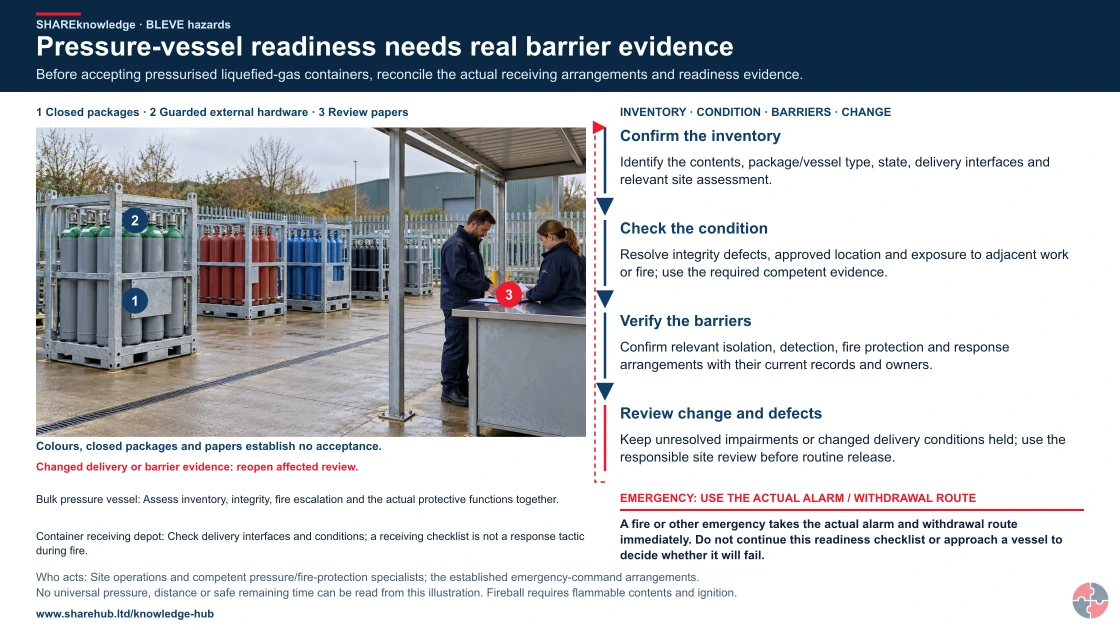
Full written explanation
An illustrative UK pre-acceptance receiving-depot setting shows closed stationary container packages with guarded external hardware and normal adults reviewing inert papers at a separate planning counter. One literal picture key identifies 1 closed packages, 2 guarded external hardware and 3 review papers. No transfer, connection, valve operation, unloading, moving vehicle, fire, leak, frost or venting is shown. Colours and shape identify no contents, liquefied state, pressure, fill, integrity, certification, transport compliance, suitable separation/location or acceptance permission. Four evidence checks follow: Confirm the inventory: Identify the contents, package/vessel type, state, delivery interfaces and relevant site assessment. Check the condition: Resolve integrity defects, approved location and exposure to adjacent work or fire; use the required competent evidence. Verify the barriers: Confirm relevant isolation, detection, fire protection and response arrangements with their current records and owners. Review change and defects: Keep unresolved impairments or changed delivery conditions held; use the responsible site review before routine release. Three forward arrows show the review order, not a transfer or valve-operation sequence. Changed inventory, delivery conditions or impaired barriers reopen the affected review; no automatic release is given. A fire or other emergency takes the actual alarm and withdrawal route immediately. Do not continue this readiness checklist or approach a vessel to decide whether it will fail. Who acts: Site operations and competent pressure/fire-protection specialists; the established emergency-command arrangements. No universal pressure, distance or safe remaining time can be read from this illustration. Fireball requires flammable contents and ignition. Bulk pressure vessel: Assess inventory, integrity, fire escalation and the actual protective functions together. Container receiving depot: Check delivery interfaces and conditions; a receiving checklist is not a response tactic during fire. An actual emergency immediately takes the established alarm, withdrawal and command route independently of this normal readiness checklist.
Before accepting pressurised liquefied-gas containers, reconcile the actual receiving arrangements and readiness evidence.
- Confirm the inventory. Identify the contents, package/vessel type, state, delivery interfaces and relevant site assessment.
- Check the condition. Resolve integrity defects, approved location and exposure to adjacent work or fire; use the required competent evidence.
- Verify the barriers. Confirm relevant isolation, detection, fire protection and response arrangements with their current records and owners.
- Review change and defects. Keep unresolved impairments or changed delivery conditions held; use the responsible site review before routine release.
When the evidence does not fit: A fire or other emergency takes the actual alarm and withdrawal route immediately. Do not continue this readiness checklist or approach a vessel to decide whether it will fail.
Who acts: Site operations and competent pressure/fire-protection specialists; the established emergency-command arrangements.
Changed workplace
Bulk pressure vessel: Assess inventory, integrity, fire escalation and the actual protective functions together.
Container receiving depot: Check delivery interfaces and conditions; a receiving checklist is not a response tactic during fire.
Evidence check: No universal pressure, distance or safe remaining time can be read from this illustration. Fireball requires flammable contents and ignition.
Full alarm, withdrawal and emergency-command context
Primary references: HSE: active and passive fire protection · HSE: emergency-planning glossary (BLEVE physical mechanism only; pipeline scope is separate) · Transport Canada: BLEVE mechanism research/transcript only; not Canadian response tactics or limits · Spirax Sarco: generic spring/disc safety-valve function only; not selection or sizing
Open the complete HD image (new tab)Download image

Full alarm, withdrawal and emergency-command context
Primary references: HSE: active and passive fire protection · HSE: emergency-planning glossary (BLEVE physical mechanism only; pipeline scope is separate) · Transport Canada: BLEVE mechanism research/transcript only; not Canadian response tactics or limits · Spirax Sarco: generic spring/disc safety-valve function only; not selection or sizing
Crownway Fuels Ltd
Crownway Fuels Ltd is used here as a fuel storage and distribution business with bulk fuel operations, LPG storage, tanker loading, contractors and emergency interfaces.
Crownway starts by creating a major accident hazard register for LPG bullets, cylinders, vapourisers, tanker loading points and any pressure vessels that could be exposed to external fire. Each register entry describes the initiating event, top event, consequences, barriers, owners and assurance checks.
The engineering team maintains a pressure systems register, written schemes of examination, relief valve records, deluge and firewater tests, gas detection calibration and emergency isolation proof tests. Defects are risk ranked, and any impaired safety critical barrier is escalated through a formal temporary impairment process.
Operations use transfer procedures, line-up checks, overfill prevention, tanker controls, permit-to-work arrangements and shift handover briefings. Frontline checks are short and binary where possible: correct connection, valve alignment, no leak, emergency stop available, alarm healthy and no unauthorised occupancy in the hazard zone.
Second-line assurance is completed by site leaders and HSSE specialists who sample records, witness tanker loading, review isolation drills, check contractor controls and test whether people understand withdrawal and evacuation triggers. Third-line assurance is completed through periodic specialist review of DSEAR, PSSR, firewater, COMAH interfaces and emergency exercises.
Learning is built into the system. Crownway reviews near misses such as transfer alarms, relief valve defects, gas detector faults, blocked access routes, firewater failures and overdue inspection actions. Findings are assigned to named owners and verified before closure.
Assess. Identifies LPG and pressure vessel BLEVE scenarios in the major accident register. Register, DSEAR assessment and PSSR register.
Analyse. Reviews vessel exposure, fire case, relief, layout, emergency distances and escalation. Scenario study, drawings and relief/firewater basis.
Implement. Maintains isolation, gas detection, deluge, relief, inspection and transfer controls. Maintenance, inspection and proof-test records.
Train. Trains operators, supervisors, contractors and emergency teams on BLEVE indicators and response. Training matrix, competence checks and drills.
Check. Uses first-line checks, second-line audits and third-line specialist assurance. Check sheets, audit reports and action tracking.
Learn and improve. Reviews incidents, near misses, exercises, defects and barrier impairments. Learning review minutes and verified close-out.
What training is needed for BLEVE hazard management?
Training should be layered so everyone understands the warning signs while safety critical roles receive deeper practical competence assessment.
BLEVE training should not be limited to a definition. People need to know what equipment and substances create the hazard, what abnormal conditions look like, which decisions are safety critical and when to withdraw rather than continue working.
The level of training should match the role. A contractor working near LPG storage needs awareness of exclusion rules and emergency alarms. A loading operator needs task competence. An engineer needs design and assurance understanding. An emergency team needs scenario-based command and cooling/withdrawal training.
Refresher training should be triggered by changes, incidents, near misses, new equipment, emergency exercise findings, relief or firewater defects, or evidence that people are not applying the controls in practice.
Competence means a person can carry out the actual task safely, recognise a changed condition and respond correctly. Attendance alone is insufficient. The matrix makes assessment, ownership, records and reassessment explicit.
| Role | Required learning | How competence is assessed | Assessor or owner | Record | Reassess when |
|---|---|---|---|---|---|
| Operators and contractors | Recognise vessel heating, relief, leak, cooling and stop triggers; use alarm and remote isolation routes. | Scenario drill with abnormal pressure/fire and safe withdrawal. | Operations lead | Authorisation and drill record | After plant or scenario change. |
| Maintenance and inspectors | Protect pressure integrity, relief devices and firewater, and record impairment. | Observed test/permit and hand-back of safety-critical equipment. | Engineering lead | Written scheme, test and repair record | After defect or modification. |
| Emergency command | Set exclusion, withdrawal, evacuation and external-service interface from approved scenario plans. | Multi-agency tabletop or field exercise with loss of cooling. | Incident commander / competent authority interface | Exercise findings and action closure | After exercise, incident or neighbouring change. |
| Design and process-safety specialists | Validate credible thermal exposure, relief limitations, escalation and barrier independence. | Peer-reviewed scenario and design evidence. | Competent engineering lead | Study, assumptions and verification | After inventory, layout or equipment change. |
How does BLEVE hazard knowledge support process safety study and professional development?
BLEVE hazard knowledge helps learners explain major accident causation, fire and explosion control, emergency planning and barrier assurance.
For process safety study, the important point is to move beyond the acronym. A strong answer explains the mechanism: pressurised liquid, vessel heating or failure, rapid flashing, fragments, fireball, thermal radiation and escalation.
Scenario-based questions may ask how a site controls LPG storage, how DSEAR and COMAH link to emergency planning, why relief systems are not enough, or what Feyzin and PEMEX teach about isolation, layout, firefighting and evacuation.
In practice, learners should be able to describe the register of major accident hazards, identify prevention and mitigation barriers, explain how those barriers are inspected or tested, and recognise weak signals such as overdue relief inspection, poor firewater assurance, generic emergency drills or unclear withdrawal criteria.
Define BLEVE. Boiling liquid expanding vapour explosion, stored energy, flashing and vessel rupture. Only saying it is a big fire.
Explain controls. Inventory, layout, relief, cooling, isolation, inspection, DSEAR and emergency planning. Only listing extinguishers and PPE.
Use an incident. Feyzin or PEMEX with specific failed barriers and outcomes. Naming an accident without learning.
Audit the topic. Samples live evidence for relief, firewater, isolation, drills and defects. Accepting a policy as proof.
Apply ALARP. Considers elimination/reduction before procedural controls. Adding more paperwork without reducing risk.
How can management systems strengthen BLEVE hazard control?
Management systems strengthen BLEVE control by making major accident barriers owned, tested, reviewed and improved.
A management system should translate the BLEVE scenario into routine work: design review, PSSR examination, DSEAR review, COMAH arrangements where applicable, maintenance planning, emergency exercises, competence checks, contractor control and leadership review.
Use the HSE Plan, Do, Check, Act approach to assign barrier owners, verify competence, control operations, monitor performance and close out failures. The evidence is the actual vessel and emergency-system condition, not a certificate or an assumed clause.
The strongest systems use indicators that show barrier condition: overdue relief inspections, firewater defects, gas detector impairments, emergency drill actions, MOC quality, permit quality, training gaps and unresolved findings.
| Management-system stage | How it supports BLEVE control | Practical evidence |
|---|---|---|
| Hazard identification | Check that credible BLEVE and escalation hazards to be identified and assessed. | Major accident register, DSEAR and risk studies. |
| Competence | Supports role-specific competence for safety critical tasks. | Training matrix and assessment records. |
| Operational control | Connects procedures, permits, maintenance and contractor controls to the risk. | Operating procedures, permits and maintenance plans. |
| Emergency preparedness | Check that emergency arrangements to be planned, tested and improved. | Scenario exercises and action close-out. |
| Performance review | Supports inspection, testing and indicator review. | Barrier KPIs and assurance reports. |
| Corrective action | Ensures failures and weak signals lead to verified improvements. | Investigations, actions and retest evidence. |
Which major accidents show why BLEVE barriers matter?
Feyzin and PEMEX San Juan Ixhuatepec show how LPG release, fire exposure, layout, emergency response and escalation can become catastrophic.
Major accident learning should be used carefully. The purpose is not to retell disasters for drama; it is to test whether a modern site has controlled the same type of weakness.
Feyzin shows the danger of LPG release during a draining operation, frozen valves, delayed control of the release, ignition, vessel fire exposure, firefighting close to the hazard and subsequent BLEVE. The learning is highly relevant to procedures, isolation, emergency command, cooling decisions and responder safety.
PEMEX San Juan Ixhuatepec shows how dense LPG storage, pipeline rupture, delayed understanding of the release, vapour cloud ignition and escalation across multiple vessels can cause mass fatality and off-site consequences. The learning is strongly connected to layout, inventory, gas detection, isolation, emergency planning and public protection.
Feyzin refinery fire, France, 1966. A propane sphere release ignited; the vessel was exposed to fire and exploded, with further escalation. Drainage procedures, emergency isolation, vessel cooling, responder withdrawal and layout must be robust.
PEMEX LPG terminal, Mexico City, 1984. A major LPG release formed a vapour cloud, ignited and escalated through the storage installation. Inventory density, detection, isolation, separation, public protection and emergency planning are critical.
HSE Feyzin case record. The HSE account describes deaths and injuries, sphere fragments, fire escalation and weaknesses in drainage design, alarm and firefighting preparation. Use its findings to test modern isolation, responder safety and site layout; determine actual consequence distances from site-specific analysis.
Historical accident names are learning prompts, not proof that a different event had the same BLEVE mechanism. Separate confirmed investigation findings from analogy before citing one.
What are the warning signs that BLEVE hazards are not controlled?
Warning signs include weak barrier evidence, unclear emergency decisions, impaired protection and people working too close to major accident hazards.
Most BLEVE weaknesses are visible before an event if people know where to look. The warning signs are not only leaks or fires. They include overdue inspections, poor drawings, relief valves with unclear status, deluge systems that have not been flow tested, blocked access routes and emergency drills that never test a heated pressure vessel scenario.
Cultural warning signs matter as well. If operators feel unable to stop transfer, if production pressure overrides barrier impairment, if contractors park near LPG vessels, or if leaders only review injury rates, the organisation may be blind to its major accident risk.
Each warning sign should trigger action: isolate and repair defects, reassess risk, update the emergency plan, improve training, verify closure and review whether similar weaknesses exist elsewhere.
Overdue pressure vessel inspection. Unknown corrosion or damage may reduce vessel integrity. Escalate, review risk and complete competent examination.
Relief valve status unclear. Relief may be isolated, impaired or unsuitable during overpressure. Verify line-up, test status and impairment controls.
Firewater not flow tested. Cooling may fail when vessel heating occurs. Test, repair and retest against scenario demand.
Generic emergency drills. People may not know evacuation or withdrawal triggers. Run BLEVE-specific command exercises.
Poor LPG transfer discipline. Misrouting, overfill or release may start the scenario. Audit transfer tasks and reinforce competence.
Occupied cabins near vessels. People may be exposed to fragments or radiation. Review layout, occupancy and temporary arrangements.
Why is a relief valve insufficient on its own?
A pressure relief valve may limit internal pressure rise from external heat, but it cannot guarantee vessel integrity when fire weakens the wall, exposure is severe, a discharge escalates fire or the device is impaired. The protection case must combine layout, inventory, fire prevention, isolation, vessel integrity, relief and cooling with a credible emergency strategy.
Do not assign a universal safe distance or time-to-failure from a generic page. Competent site analysis and emergency services must use actual vessel, contents, fire and terrain information.
What does official guidance add to this decision?
Vessel integrity, pressure protection, fire exposure and emergency arrangements require competent design and inspection for the actual installation.
Use the current HSE pressure-system guidance and the jurisdiction-specific duties listed on this page to verify the actual task and controls.
If a contract or competent design specifies a published technical standard, obtain authorised access to its current text and check its exact scope and edition. Apply the standard only within its stated scope; this guidance does not reproduce its clauses.
How are the decisions made on real work?
The scenarios show what must be known, controlled, stopped and verified before hand-back. They are illustrations, not site instructions.
Fire beside an LPG vessel: emergency decision evidence


Read the complete visual as text
- 1. ALARM: Treat shell fire exposure as an emergency; raise the alarm and use the preplanned command route.
- 2. CURRENT PLANS: Command uses current vessel, contents, fire-exposure, cooling and off-site plans; staff do not approach to fill information gaps.
- 3. PLANNED REMOTE ACTION: Activate suitable planned remote isolation only from a safe position; trained incident command directs response.
- 4. COMMAND AND ACCOUNT: Record the alarm and actions, assess protected response capability and apply the scenario-based exclusion or evacuation plan.
- 5. WITHDRAWAL: Withdraw when heating, lost cooling or uncertain conditions cannot be assessed safely; a fitted PRV is not reassurance to approach.
- 6. COMPETENT HAND-BACK: Hand back only after fire control, competent vessel/relief assessment and verified safe isolation under the site emergency arrangements.
External fire beside an LPG vessel
Task material and setting: A leak ignites near a bulk LPG vessel. Flames impinge on the shell; staff suggest approaching to hand-operate a valve because the relief valve is fitted.
People and prerequisites: Incident command and responders need current vessel contents, drawings, remote isolation, firewater status, preplanned exclusion logic and contact with the LPG supplier.
Before: Raise the alarm immediately, use the preplanned command route and activate remote isolation only from a safe position when it is available and suitable. Command obtains vessel contents, fire exposure, cooling status and off-site interfaces from current plans; do not send staff toward the heated vessel to gather missing information.
During: Command records the alarm and action sequence, establishes the scenario-based exclusion/evacuation decision and coordinates trained responders from protected positions. If vessel condition or cooling cannot be confirmed safely, follow the withdrawal plan; a relief discharge is not proof the shell remains sound.
Hold or stop: Withdraw if the vessel is heated, cooling is lost or conditions cannot be assessed safely; do not approach solely because a PRV exists.
Decision owner: Incident command owns responder safety; plant owner supplies vessel and isolation data; emergency services direct tactics.
Completion and hand back: Do not hand the area back until fire is controlled, vessel integrity and relief system are competently assessed and the plant is safely isolated.
Evidence: Keep the alarm/isolation/withdrawal timeline, information available to command, cooling and relief impairments, responder communications, competent inspection and learning actions. Never convert an earlier accident’s time-to-rupture into a safe countdown.
Changed conditions: Reassess immediately as fire impingement, wind, relief discharge, vessel integrity or cooling changes.
Source scope: Illustrative command sequence, not firefighting instruction or a prediction of rupture time/distance. HSE LPG/process evidence is GB technical guidance; NI statutory routes are separate. Actual responder tactics and exclusion boundaries need the site plan and emergency services.
Loss of firewater with nearby pressure storage
Task material and setting: During a transfer, the firewater pump is unavailable and a neighbouring pressurised-liquid vessel has a known passive-protection defect. Operations propose continuing because no fire is visible.
People and prerequisites: Operations, engineering and process safety need the live impairment register, vessel inventory, fire scenario and authorised shutdown/restart criteria.
Before: Review the credible fire escalation, inventory, separation, isolation and impairment rules before transfer; restore protection or reduce/remove the hazardous inventory where feasible.
During: Before restart, the duty holder tests whether independent barriers share the failed power, firewater supply, access route or maintenance state. Record any permitted compensating measures with owner, expiry and stop condition under the actual impairment procedure; an unverified barrier is unavailable.
Hold or stop: Hold transfer when the assessed BLEVE prevention/mitigation barriers cannot be demonstrated, or when emergency response depends on unavailable cooling.
Decision owner: Operations controls transfer; engineering owns the defect; process safety advises risk acceptance; senior duty holder approves any bounded deviation.
Completion and hand back: Engineering records repair and functional tests for firewater and passive protection, including relevant supply/coverage checks and closed defects. The plant owner confirms any required pressure-system competent-person/written-scheme assessment, closes the impairment, briefs crews and records the authorised operating envelope before release.
Evidence: Keep test, impairment, risk decision and restart evidence; recheck after layout or inventory change.
Changed conditions: Reassess if firewater, passive protection, transfer inventory or adjacent operations change.
Source scope: Illustrative impairment and restart assurance. PSSR, DSEAR and COMAH applicability must be checked separately for GB/NI and actual inventory. No generic temporary-operation permission, test interval or manufacturer acceptance is given.
The HSE Feyzin account illustrates how alarm delay, inappropriate response and vessel heating can combine. It is a historical learning example, not a timetable for another vessel. Link every planned alarm, remote-isolation, evacuation and restoration action to the current scenario and competent owner.
Which national legal route governs this decision?
Use the rule for the place and the actual activity. These rows identify the topic-specific work-risk route; existing legal sections explain other relevant instruments.
| Direct authority | Jurisdiction | Application to this topic | Practical evidence |
|---|---|---|---|
| Pressure Systems Safety Regulations 2000 | Great Britain | Use GB pressure-system duties when stored pressure and system scope apply. | Applicability, task assessment, control owner and review record. |
| Pressure Systems Safety Regulations (Northern Ireland) 2004 | Northern Ireland | Use the separate NI pressure-system regulations where applicable. | Applicability, task assessment, control owner and review record. |
| Dangerous Substances and Explosive Atmospheres Regulations 2002 | Great Britain | Assess GB dangerous-substance fire or explosion risk where the material and operation bring DSEAR into scope. | Applicability, task assessment, control owner and review record. |
| Dangerous Substances and Explosive Atmospheres Regulations (Northern Ireland) 2003 | Northern Ireland | Use the separate NI DSEAR route for the corresponding fire and explosion scenario. | Applicability, task assessment, control owner and review record. |
| Control of Major Accident Hazards Regulations 2015 | Great Britain | COMAH applies only if dangerous-substance threshold and establishment tests are met. | Applicability, task assessment, control owner and review record. |
| Control of Major Accident Hazards Regulations (Northern Ireland) 2015 | Northern Ireland | NI major-accident duties have their own threshold-based instrument. | Applicability, task assessment, control owner and review record. |
How can the hierarchy of controls prevent a BLEVE and reduce its consequences?
For each controllable work hazard, the five HSE levels and ERICPD guide a specific decision. A stronger measure is assessed for feasibility before reliance on procedures or personal protection; the owner checks whether it works and stops the task on failure. HSE examples are GB regulator guidance applied as technical principles in NI, not NI law; use the separate NI legal map. See HSE five-level hierarchy of control; HSE five-level hierarchy of control
How can the ERICPD hierarchy of controls prevent a BLEVE and reduce its consequences?

| Material harm route | Five levels and ERICPD control choice | Higher-order feasibility and risk transfer | Owner, effectiveness check and stop condition |
|---|---|---|---|
| External fire heats pressurised LPG vessel | Elimination / ERICPD Eliminate: Avoid large pressurised LPG inventory where feasible; Substitution / Reduce: Choose lower-hazard energy source or smaller inventory after system review; Engineering / Isolate and Control: Separate fire exposure, protect vessel, maintain relief and emergency isolation; Administrative / Control and Discipline: Inspect, control ignition, rehearse evacuation and emergency response; PPE / PPE: Fire PPE is for trained responders, not vessel-failure prevention. | Fuel may remain essential; smaller vessels or relocation can move risk to neighbours | Major-hazard owner verifies separation/relief and fire response; evacuate on escalating fire exposure See HSE bulk LPG valves and pressure relief |
| Overpressure or loss of containment before ignition | Elimination / ERICPD Eliminate: Remove unnecessary transfer or storage steps; Substitution / Reduce: Use lower-pressure compatible arrangement; Engineering / Isolate and Control: Engineer pressure protection, integrity and leak detection; Administrative / Control and Discipline: Written examination, maintenance and change control; PPE / PPE: PPE only for residual operational exposure. | Pressure reduction must not create uncontrolled boil-off or venting | Competent person checks relief, examination and alarms; stop transfer on leak or failed protection See HSE Pressure Systems Safety Regulations overview |
How can the ISO 45001 hierarchy of controls prevent a BLEVE and reduce its consequences?

| Material harm route | Five levels and ERICPD control choice | Higher-order feasibility and risk transfer | Owner, effectiveness check and stop condition |
|---|---|---|---|
| External fire heats pressurised LPG vessel | Elimination / ERICPD Eliminate: Avoid large pressurised LPG inventory where feasible; Substitution / Reduce: Choose lower-hazard energy source or smaller inventory after system review; Engineering / Isolate and Control: Separate fire exposure, protect vessel, maintain relief and emergency isolation; Administrative / Control and Discipline: Inspect, control ignition, rehearse evacuation and emergency response; PPE / PPE: Fire PPE is for trained responders, not vessel-failure prevention. | Fuel may remain essential; smaller vessels or relocation can move risk to neighbours | Major-hazard owner verifies separation/relief and fire response; evacuate on escalating fire exposure See HSE bulk LPG valves and pressure relief |
| Overpressure or loss of containment before ignition | Elimination / ERICPD Eliminate: Remove unnecessary transfer or storage steps; Substitution / Reduce: Use lower-pressure compatible arrangement; Engineering / Isolate and Control: Engineer pressure protection, integrity and leak detection; Administrative / Control and Discipline: Written examination, maintenance and change control; PPE / PPE: PPE only for residual operational exposure. | Pressure reduction must not create uncontrolled boil-off or venting | Competent person checks relief, examination and alarms; stop transfer on leak or failed protection See HSE Pressure Systems Safety Regulations overview |
Chemical hazard symbols: what do they mean?
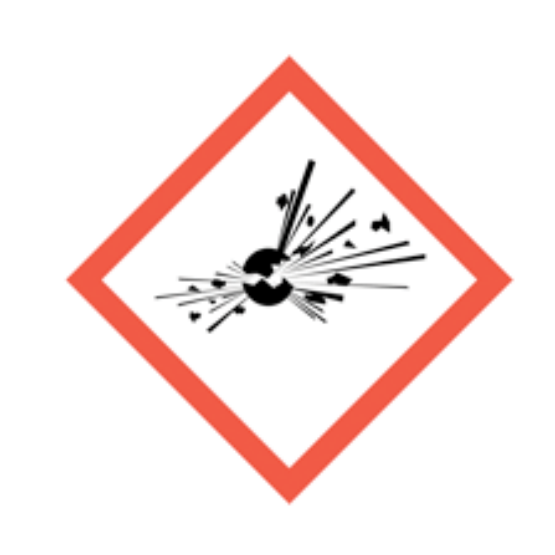
Exploding bomb
Explosive, self-reactive or organic peroxide hazards.
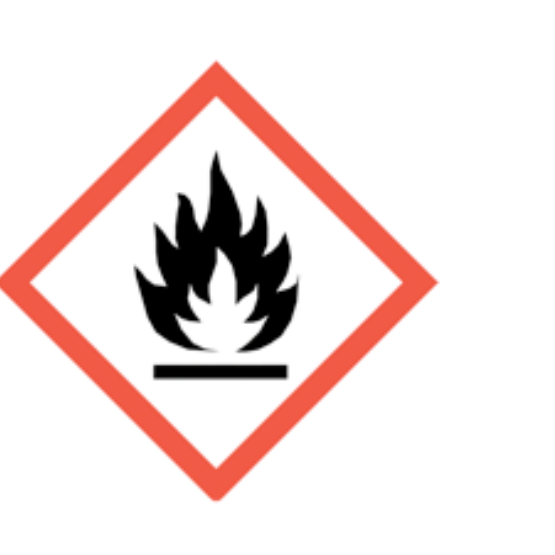
Flame
Flammable, self-heating or pyrophoric substances.
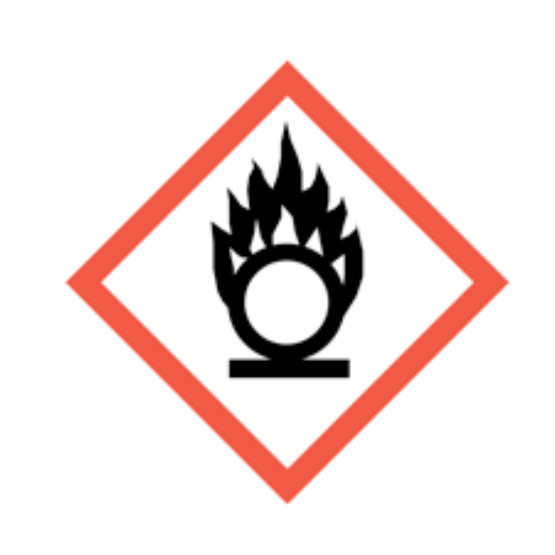
Flame over circle
Oxidising substances that can intensify fire.
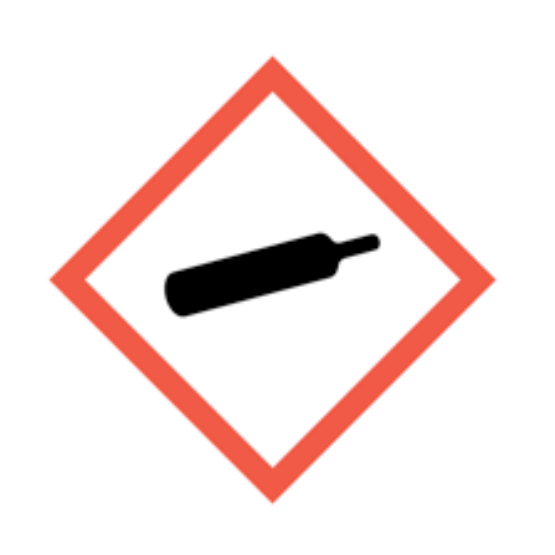
Gas cylinder
Gas under pressure.
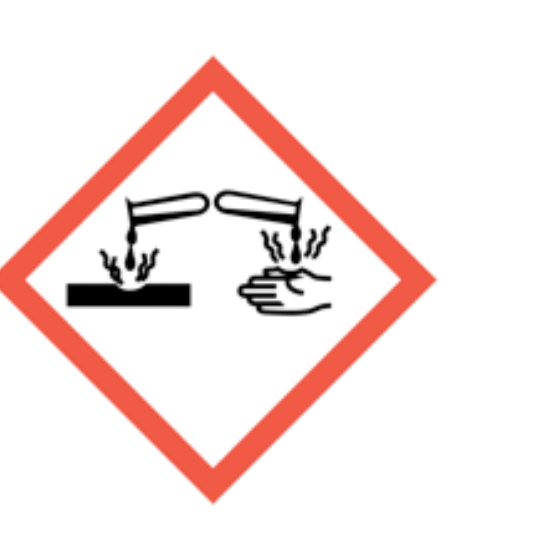
Corrosion
Skin burns, eye damage or corrosive to metals.
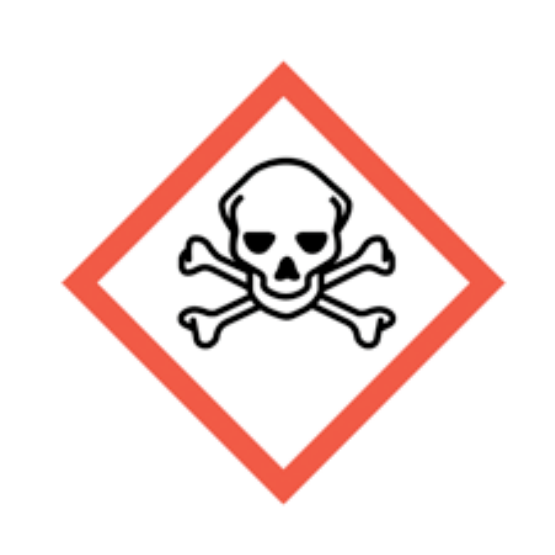
Skull and crossbones
Acute toxicity.
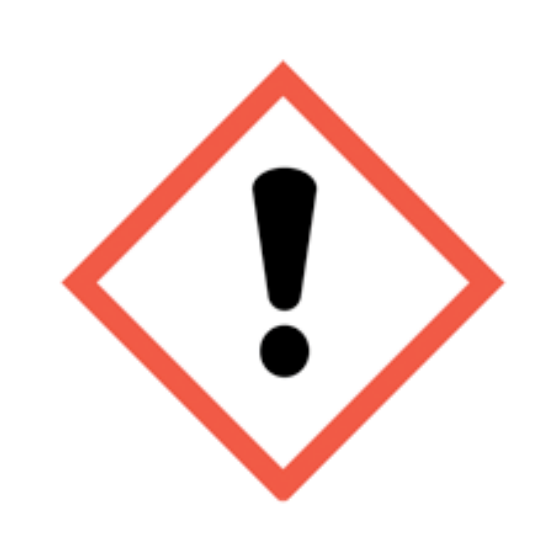
Exclamation mark
Irritation, harmful effects or skin sensitisation; some classifications cover drowsiness, dizziness or ozone-layer hazard. Read the actual hazard statements. Skin sensitisation differs from respiratory sensitisation.
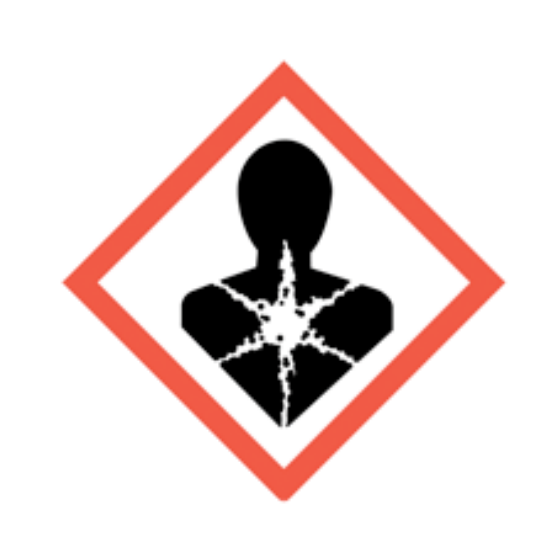
Health hazard
Serious health hazards, including organ damage, aspiration hazard, respiratory sensitisation, cancer and reproductive effects; some can follow a single exposure.
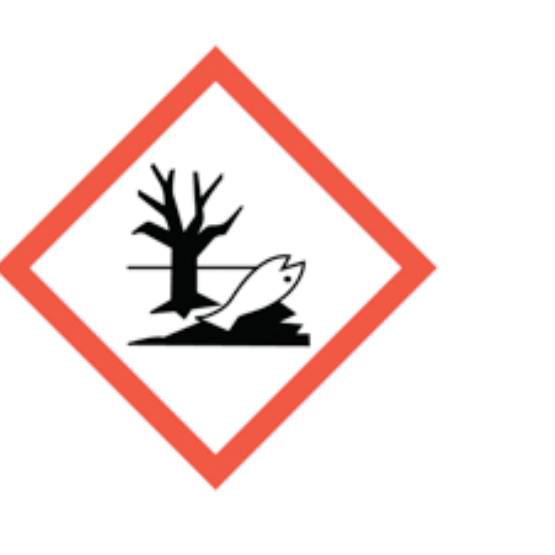
Environment
Hazardous to the aquatic environment.
What do the acronyms and key terms mean?
Acronyms should be understood before using technical process safety guidance.
| Acronym | Meaning | Why it matters |
|---|---|---|
| BLEVE | Boiling Liquid Expanding Vapour Explosion | Core event mechanism. |
| LPG | Liquefied Petroleum Gas | Common BLEVE-relevant inventory. |
| DSEAR | Dangerous Substances and Explosive Atmospheres Regulations | UK dangerous substances framework. |
| COMAH | Control of Major Accident Hazards | Major accident regulatory framework for qualifying sites. |
| PSSR | Pressure Systems Safety Regulations | Pressure system integrity and written scheme framework. |
| WSE | Written Scheme of Examination | PSSR examination plan for qualifying pressure systems. |
| ESD | Emergency Shutdown | Engineered isolation and shutdown function. |
| ALARP | As Low As Reasonably Practicable | UK risk reduction principle. |
| ERICPD | Eliminate, Reduce, Isolate, Control, PPE, Discipline | Hierarchy for practical risk reduction. |