SHARE Knowledge Hub
Histoplasmosis
Histoplasmosis is a fungal infection linked to breathing in Histoplasma spores where the fungus occurs. An ordinary UK droppings discovery does not identify Histoplasma; assess the actual biological and dust hazards. UK bird-dropping work still needs control for other biological hazards. For a worker with relevant endemic-area travel or a confirmed Histoplasma source, stop dusty disturbance, assess the real exposure, and arrange clinical advice for symptoms with the exposure history.
Understanding Histoplasmosis
Histoplasmosis is a fungal infection acquired mainly by breathing airborne Histoplasma spores released when contaminated soil or material is disturbed.
Why this matters at work
Histoplasmosis is not a routine explanation for every cough after UK construction or bird-waste work. UKHSA's recent review describes the difficulty of recognising the disease in a non-endemic setting and notes infections associated with wider geographic regions, including the Americas, Africa, Asia and some other areas. Exposure history, travel, cave visits, demolition, imported materials and immune status may be important clues. Some disease may present long after the apparent exposure, so a simple recent-work window can miss relevant history.
UKHSA describes the UK as a non-endemic setting in which cases can be overlooked; exposure may have occurred abroad or through particular imported or unusual environments. Do not tell a UK worker that all bird droppings carry Histoplasma, or that no UK work can present risk. Record location, travel or materials history, task, quantity of material, ventilation, weather and who else was nearby. The risk of a dusty outdoor task differs from a sealed indoor roof void or controlled laboratory process. Possible imported-material routes are assessment hypotheses; this source review does not demonstrate that a particular UK consignment is contaminated.
How organisations manage this in practice
Map each work phase: entry and setup, scraping or soil movement, bagging, waste transport, equipment cleaning, PPE removal and reoccupation. Include maintenance staff, roofers, cleaners, building users, visitors, delivery staff and other trades. Consider people with heightened susceptibility without compelling workers to disclose private medical details to line managers. Occupational health can advise on fitness or restrictions confidentially. Review simultaneous hazards such as work at height, unstable structures, confined spaces and other infection risks.
Workers should know to report fever, cough, chest symptoms or unusual illness after a credible dust exposure and to tell their clinician about the job, location, dates, travel and any immune-suppressing condition or medicine. NHS pneumonia advice gives urgent routes for serious respiratory symptoms. The UKHSA review explains why UK clinicians may need to consider histoplasmosis in the right history. Supervisors should facilitate care and provide facts, not label a person with fungal pneumonia.
Survey before disturbance. Record the material and its amount, location, moisture and dust potential; whether birds or bats are present; confined or poorly ventilated spaces; weather; access; and nearby occupants. A remote undisturbed accumulation may be safer left alone while access is restricted. Demolition, scraping or excavation can release material widely. Ask whether a specialist contractor and environmental or occupational-hygiene advice are needed before the method is chosen.
Who should use this histoplasmosis page?
This page helps workplaces distinguish ordinary UK bird-dropping biological hazards from credible Histoplasma exposure during endemic-area work or travel.
Who should use this histoplasmosis page? — part 1 of 2


Read the complete visual as text
- This page helps workplaces distinguish ordinary UK bird-dropping biological…: This page helps workplaces distinguish ordinary UK bird-dropping biological hazards from credible Histoplasma exposure during endemic-area work or travel.
- Construction and refurbishment teams: People working in roof voids, lofts, bridges, derelict buildings, churches, schools, warehouses and old plant rooms.
- Maintenance, facilities and pest-control teams: People cleaning, accessing or managing areas with bird or bat activity.
Who should use this histoplasmosis page? — part 2 of 2


Read the complete visual as text
- Supervisors and managers: People planning work, deciding when to stop, appointing contractors and checking controls.
- Health, safety and occupational health advisers: People advising on COSHH, vulnerable workers, symptoms, RPE, hygiene and exposure records.
Construction and refurbishment teams
People working in roof voids, lofts, bridges, derelict buildings, churches, schools, warehouses and old plant rooms.
Maintenance, facilities and pest-control teams
People cleaning, accessing or managing areas with bird or bat activity.
Supervisors and managers
People planning work, deciding when to stop, appointing contractors and checking controls.
Health, safety and occupational health advisers
People advising on COSHH, vulnerable workers, symptoms, RPE, hygiene and exposure records.
What health boundary should readers understand first?
This page is workplace guidance, not medical advice, and suspected illness after significant exposure should be assessed by a qualified health professional.
Histoplasmosis can cause a flu-like respiratory illness in some people and more serious disease in people with weakened immune systems or certain health vulnerabilities. Workplaces should not try to diagnose the condition. They should prevent exposure, record incidents, give workers clear information and support medical assessment when symptoms follow a credible exposure. CDC histoplasmosis symptoms
Privacy matters. Symptoms, medical advice and occupational health information should be handled confidentially under UK GDPR and the Data Protection Act 2018. Managers normally need work-related advice and restrictions, not clinical detail.
| Boundary | What it means | Practical action |
|---|---|---|
| Not medical advice | The page supports workplace prevention and response, not diagnosis. | Use qualified medical or occupational health advice for symptoms. CDC histoplasmosis symptoms |
| Exposure history matters | Clinicians may need to know about droppings, guano, soil or enclosed contaminated work. | Provide factual exposure information to the worker. CDC histoplasmosis symptoms |
| Confidentiality | Health information must be handled carefully. | Limit access and record only what is necessary. ICO workers health information |
| Vulnerable workers | Some people may face higher consequences from fungal infection. | Use confidential occupational health advice where needed. CDC histoplasmosis symptoms |
How should histoplasmosis be framed for UK workplaces?
A UK droppings discovery alone does not establish that Histoplasma is present. Appearance cannot identify the organism; use credible exposure history and competent advice. HSE identifies other biological hazards from bird droppings in construction; assess the actual contamination and disturbance before labelling it a Histoplasma exposure. UKHSA mycology reference service.HSE construction biological hazards.
The page should not make every small dropping or routine external cleaning task sound like a major disease event. For most UK employers, the more practical message is that bird and bat droppings, guano and contaminated dust can create biological and respiratory hazards when they are dry, extensive, enclosed or disturbed by work.
A competent UK assessment therefore looks at the job first: is there accumulated contamination, will it be disturbed, could dust become airborne, who is exposed, are vulnerable workers considered confidentially, and is the cleaning method controlled? Histoplasmosis is one possible disease context, but the control strategy is wider biological hazard management under COSHH.
| UK framing point | What it means | Practical decision |
|---|---|---|
| Uncommon disease context | Histoplasmosis is very rare in nonendemic regions such as the UK. | Avoid alarmist wording and focus on credible exposure routes. UKHSA mycology reference service |
| Biological contamination still matters | Droppings and guano can still create infection, allergy, dust and hygiene concerns. | Assess the contamination before disturbing it. HSE bird-dropping construction hazards |
| Disturbance determines UK droppings exposure | Dry sweeping, scraping or pressure washing can release contaminated dust or droplets; that does not establish Histoplasma presence. | Use stop-work triggers, wet methods and controlled cleaning. HSE bird-dropping construction hazards |
| UK construction guidance is relevant | HSE highlights bird droppings as a biological hazard on some refurbishment and demolition sites. | Use COSHH assessment, hygiene, segregation and suitable RPE where needed. HSE bird-dropping construction hazards |
| Medical history may matter | Travel, immune status and respiratory vulnerability can affect individual advice. | Use confidential occupational health or medical signposting, not public questioning. CDC histoplasmosis symptoms |
What are the key facts about histoplasmosis at work?
Where Histoplasma occurs, disturbing contaminated material can release inhalable spores. A UK droppings discovery alone does not show the fungus is present; control the hazards actually credible at that site.
Disturbance is the trigger
Dry sweeping, scraping, shovelling, demolition or pressure washing can aerosolise contaminated material.
Inhalation is the main route
Spores can be breathed in when contaminated dust becomes airborne.
Accumulated droppings need caution
Old bird or bat droppings, guano and contaminated dust should be treated as a biological hazard.
Avoidance comes first
Do not disturb contaminated material until it has been assessed and a safe method is agreed.
Worker health varies
People with weakened immune systems or respiratory vulnerability may need confidential advice before higher-risk work.
What is histoplasmosis in plain English?
Histoplasmosis is an infection linked to breathing in fungal spores from contaminated environmental material.
Histoplasmosis learning points


Read the complete visual as text
- Fungal spores: What it means: Microscopic particles can become airborne when material is disturbed. Why it matters: Visible dust is not the only concern.
- Environmental exposure: What it means: Risk comes from contaminated material, not normal contact with people. Why it matters: Controls focus on survey, disturbance and cleaning.
- Incidental exposure: What it means: The biological agent is encountered as part of another job. Why it matters: COSHH still requires assessment and control.
- Variable health outcome: What it means: Some people may have mild illness while others may be more vulnerable. Why it matters: Information and occupational health routes matter.
For workplace risk management, the important point is the exposure route. The fungus can grow in certain environmental conditions and spores can become airborne when contaminated soil, dust or droppings are disturbed. The worker may not see a visible cloud once small particles are airborne. CDC histoplasmosis symptoms
In a UK workplace, managing bird or bat droppings remains important for dust and other biological hazards. Histoplasma-specific concern needs endemic-area exposure, confirmed source evidence or qualified public-health advice; do not infer it from UK droppings alone. UKHSA mycology reference service UK control source
| Learning point | What it means | Why it matters |
|---|---|---|
| Fungal spores | Microscopic particles can become airborne when material is disturbed. | Visible dust is not the only concern. CDC histoplasmosis symptoms |
| Environmental exposure | Risk comes from contaminated material, not normal contact with people. | Controls focus on survey, disturbance and cleaning. CDC histoplasmosis symptoms |
| Incidental exposure | The biological agent is encountered as part of another job. | COSHH still requires assessment and control. Control of Substances Hazardous to Health Regulations 2002 |
| Variable health outcome | Some people may have mild illness while others may be more vulnerable. | Information and occupational health routes matter. CDC histoplasmosis symptoms |
Where might histoplasmosis exposure be relevant?
In UK roof, bridge or demolition work, bird droppings can create biological hazards such as psittacosis. Histoplasmosis becomes a specific concern only with credible exposure to Histoplasma in an endemic environment or confirmed contaminated material.
The UK task examples below are examples of droppings control, not evidence that Histoplasma is present locally. If a worker has relevant overseas travel or assignment exposure and respiratory symptoms, provide that history to a clinician. HSE bird-dropping construction hazards UKHSA mycology reference service CDC histoplasmosis symptoms HSE bird-dropping construction hazards
In the UK this should usually be treated as a targeted construction, maintenance, facilities and pest-control issue rather than a routine office hazard. Typical work includes roof-space access, loft insulation removal, demolition, bridge work, cleaning abandoned buildings, chimney or tower work, cave or cellar access, pest-control cleanup and maintenance in plant rooms or warehouses with bird ingress.
The risk is higher when contamination is extensive, dry, enclosed, disturbed mechanically or handled by people without suitable controls. Small, fresh external droppings may need normal hygiene and cleaning controls; large dry accumulations in enclosed spaces need a more cautious COSHH assessment and possibly specialist cleaning.
| Scenario | Why risk can arise | Planning response |
|---|---|---|
| Roof void refurbishment | Dry droppings and dust may be disturbed by crawling, sweeping or insulation removal. | Survey, restrict access, wet/controlled removal and RPE. HSE bird-dropping construction hazards |
| Bridge or underpass work | Bird roosting can create droppings on ledges and enclosed work areas. | Inspect before work, segregate and use controlled cleaning. HSE bird-dropping construction hazards |
| Derelict building demolition | Old contamination may be hidden behind panels, ceilings or lofts. | Pre-demolition survey and biological hazard method statement. HSE bird-dropping construction hazards |
| Pest-control cleanup | Droppings may be disturbed during removal or proofing work. | Competent contractor, wet methods and waste control. HSE bird-dropping construction hazards |
| UK cave, cellar or tunnel access | Bat activity or dust may require assessment of actual UK hazards; An ordinary UK bat-dropping finding does not by itself establish Histoplasma; assess the actual task hazards and seek qualified advice if credible exposure history exists. | Assess site-specific dust, hygiene and access needs without assuming histoplasmosis. UKHSA mycology reference service |
What symptoms should workers be told about?
Workers should be told to seek qualified medical advice if respiratory or flu-like symptoms develop after credible exposure.
Symptoms may include fever, cough, chest discomfort, shortness of breath, tiredness, chills or aches. These symptoms can look like other illnesses, so the workplace should avoid diagnosis and focus on exposure history and signposting. CDC histoplasmosis symptoms
The important management action is to make sure workers know what exposure they may have had and that they should mention bird/bat droppings, guano, dust or soil disturbance if speaking to a clinician.
| Reported issue | Workplace meaning | Response |
|---|---|---|
| Cough or chest symptoms after work | Possible respiratory response after exposure. | Record exposure and signpost to medical advice. CDC histoplasmosis symptoms |
| Fever or flu-like illness | Could be unrelated, but exposure history matters. | Advise worker to mention exposure history to clinician. CDC histoplasmosis symptoms |
| Symptoms in multiple workers | Possible uncontrolled exposure event. | Stop similar work, investigate and review controls. HSE bird-dropping construction hazards |
| Illness in vulnerable worker | Potentially higher consequence. | Use occupational health and medical advice. CDC histoplasmosis symptoms |
| No symptoms after exposure | Risk management still needed. | Review controls and prevent repetition. HSE bird-dropping construction hazards |
Who may need extra consideration?
Some people may need confidential occupational health advice before being assigned to higher-risk contaminated material work.
This includes workers who are immunocompromised, have significant respiratory illness or have other medical factors that could make infection more serious. Managers should not ask intrusive medical questions in open briefings. Instead, brief the work risk and provide a confidential route for people to raise concerns. CDC histoplasmosis symptoms
Fair planning also considers contractors, agency workers, young workers, pregnant workers and anyone who may not understand the risk because English is not their first language or they have not worked around biological contamination before.
| Person or group | Why it matters | Control response |
|---|---|---|
| Immunocompromised worker | May be at higher risk of serious infection. | Confidential occupational health advice. CDC histoplasmosis symptoms |
| Respiratory health condition | Symptoms may be more consequential or harder to interpret. | Task allocation and medical advice route. CDC histoplasmosis symptoms |
| Contractor | May not know site contamination history. | Pre-work information, induction and method review. HSE bird-dropping construction hazards |
| Cleaner or waste handler | May be exposed after the main task. | Include cleaning and waste route in COSHH assessment. HSE bird-dropping construction hazards |
| Visitor or public | Could be exposed if dust migrates. | Segregation, containment and communication. HSE bird-dropping construction hazards |
How should histoplasmosis risk be assessed under COSHH?
The COSHH assessment should focus on whether contaminated material could be disturbed and how airborne exposure will be prevented.
For an ordinary UK droppings discovery, control the observed biological contamination without presuming Histoplasma. Add Histoplasma-specific steps only when exposure history or credible source evidence warrants them. HSE bird-dropping construction hazards UKHSA mycology reference service NIOSH preventing Histoplasma exposure at work
A good assessment starts before access. Look for signs of birds, bats, droppings, nests, guano, dry dust, poor ventilation and hidden contamination. If the area is uncertain, assume the risk is present until inspected by a competent person.
The assessment should include how the material will be kept damp or otherwise controlled, who will clean it, what equipment will be used, what PPE and RPE are needed, how waste will be handled and what happens if unexpected contamination is discovered.
| Prompt | Good assessment question | Evidence |
|---|---|---|
| Contamination | Is there bird or bat droppings, guano or contaminated dust? | Survey photos and site inspection record. NIOSH preventing Histoplasma exposure at work |
| Disturbance | Will work scrape, sweep, drill, demolish or move contaminated material? | Method statement and task plan. NIOSH preventing Histoplasma exposure at work |
| Airborne exposure | How will dust or spores be prevented from becoming airborne? | Wet method, enclosure, HEPA vacuum or specialist cleaning plan. NIOSH preventing Histoplasma exposure at work |
| People exposed | Who may be exposed during cleaning, access, waste or follow-on work? | Briefing and access control record. NIOSH preventing Histoplasma exposure at work |
| Vulnerable workers | Is there a confidential route to raise health concerns? | Occupational health route and worker information. HSE bird-dropping construction hazards |
| Emergency/change | What happens if heavier contamination is found? | Stop-work instruction and escalation contact. NIOSH preventing Histoplasma exposure at work |
How can the hierarchy of controls reduce exposure to dust containing Histoplasma fungi?
Controls should prevent disturbance and airborne exposure before relying on PPE.
For an ordinary UK droppings discovery, control the observed biological contamination without presuming Histoplasma. Add Histoplasma-specific steps only when exposure history or credible source evidence warrants them. HSE bird-dropping construction hazards UKHSA mycology reference service NIOSH preventing Histoplasma exposure at work
The strongest control is to avoid disturbing contaminated material until it has been assessed and a safe method agreed. Where removal is needed, the method should avoid dry sweeping and uncontrolled shovelling. Wetting, controlled removal, HEPA-filtered vacuuming and competent specialist cleaning may be needed depending on contamination level.
Controls should also protect people not doing the task. Dust migration to corridors, occupied rooms, welfare areas or public spaces can turn a local contamination problem into a wider exposure issue.
Choose the activity
How can the ERICPD hierarchy of controls reduce risks while surveying a contaminated loft in an endemic region?

| Control level | Control for this activity | Owner and verification | Stop / restart decision |
|---|---|---|---|
| Eliminate | Use a remote survey or reroute the work so the contaminated loft does not need to be entered or disturbed. | Process owner verifies that the revised workflow achieves the required output and the hazardous step is genuinely removed. | If the hazardous step remains, retain a task assessment and select the stronger feasible remaining controls. |
| Reduce, including substitution | Choose a suitable lower-disturbance survey method after specialist review of the material and task. | Process/technical owner validates the alternative, its compatibility and any new risks before adoption. | Reject the alternative if suitability is unproved or its new hazards are unresolved. |
| Isolate | Restrict access and separate the contaminated loft and its dust path from building occupants. | Supervisor verifies the task boundaries and that the separation or isolation protects affected people and connected work. | Hold or stop for unexpected deposits, uncontrolled dust, unsafe structure or failed containment. |
| Control: physical safeguards | Use suitable remote inspection, containment and controlled dust measures specified by the biological-risk assessment. | Competent equipment/process owner checks regional/material hazard evidence, access, dust containment and specialist method. | Hold or stop for unexpected deposits, uncontrolled dust, unsafe structure or failed containment. |
| Control: work method and response | Assess regional and material evidence, structural/access hazards and contractor competence; plan cleaning and exposure response before disturbance. | Supervisor confirms the limits, response, communication and restart authority with the people doing this activity. | Stop if the agreed method, communication, competent cover or task limits cannot be maintained. |
| PPE | Select appropriate respiratory, skin and eye protection for the assessed exposure, including fit testing where a tight-fitting facepiece is used. | Assessor confirms whether PPE is needed and checks selection, condition, compatibility and any required face-fit evidence. | Do not rely on unsuitable or defective protection, or use PPE to continue after an essential source control fails. |
| Discipline | Verify containment, cleaning and waste arrangements and retain the competent release decision before reoccupation. | Release only after project and biological-risk owners accept the completed controlled work. Retain the checks and unresolved restrictions at handover. | Keep the activity on hold while defects or required reinstatement evidence remain unresolved. |
How can the ISO 45001 hierarchy of controls reduce risks while surveying a contaminated loft in an endemic region?

| Control level | Control for this activity | Owner and verification | Stop / restart decision |
|---|---|---|---|
| Elimination | Use a remote survey or reroute the work so the contaminated loft does not need to be entered or disturbed. | Process owner verifies that the revised workflow achieves the required output and the hazardous step is genuinely removed. | If the hazardous step remains, retain a task assessment and select the stronger feasible remaining controls. |
| Engineering controls | Choose a suitable lower-disturbance survey method after specialist review of the material and task. | Process/technical owner validates the alternative, its compatibility and any new risks before adoption. | Reject the alternative if suitability is unproved or its new hazards are unresolved. |
| Engineering controls | Restrict access and separate the contaminated loft and its dust path from building occupants. | Supervisor verifies the task boundaries and that the separation or isolation protects affected people and connected work. | Hold or stop for unexpected deposits, uncontrolled dust, unsafe structure or failed containment. |
| Engineering controls | Use suitable remote inspection, containment and controlled dust measures specified by the biological-risk assessment. | Competent equipment/process owner checks regional/material hazard evidence, access, dust containment and specialist method. | Hold or stop for unexpected deposits, uncontrolled dust, unsafe structure or failed containment. |
| Administrative controls | Assess regional and material evidence, structural/access hazards and contractor competence; plan cleaning and exposure response before disturbance. | Supervisor confirms the limits, response, communication and restart authority with the people doing this activity. | Stop if the agreed method, communication, competent cover or task limits cannot be maintained. |
| PPE | Select appropriate respiratory, skin and eye protection for the assessed exposure, including fit testing where a tight-fitting facepiece is used. | Assessor confirms whether PPE is needed and checks selection, condition, compatibility and any required face-fit evidence. | Do not rely on unsuitable or defective protection, or use PPE to continue after an essential source control fails. |
| Administrative controls | Verify containment, cleaning and waste arrangements and retain the competent release decision before reoccupation. | Release only after project and biological-risk owners accept the completed controlled work. Retain the checks and unresolved restrictions at handover. | Keep the activity on hold while defects or required reinstatement evidence remain unresolved. |
How can the ERICPD hierarchy of controls reduce risks while excavating contaminated soil in an endemic area?

| Control level | Control for this activity | Owner and verification | Stop / restart decision |
|---|---|---|---|
| Eliminate | Reroute or redesign the excavation to avoid disturbing the identified contaminated ground where feasible. | Process owner verifies that the revised workflow achieves the required output and the hazardous step is genuinely removed. | If the hazardous step remains, retain a task assessment and select the stronger feasible remaining controls. |
| Reduce, including substitution | Use an assessed lower-disturbance excavation method or suitable alternative construction arrangement. | Process/technical owner validates the alternative, its compatibility and any new risks before adoption. | Reject the alternative if suitability is unproved or its new hazards are unresolved. |
| Isolate | Establish a restricted work area and protect nearby occupants from the soil-dust pathway. | Supervisor verifies the task boundaries and that the separation or isolation protects affected people and connected work. | Hold or stop for uncontrolled dust, changed ground conditions or failed protection of adjacent occupants. |
| Control: physical safeguards | Use appropriate dust suppression, enclosed filtered cabs and controlled material handling suited to the site assessment. | Competent equipment/process owner checks site history, dust controls, cab filtration, weather and spoil route. | Hold or stop for uncontrolled dust, changed ground conditions or failed protection of adjacent occupants. |
| Control: work method and response | Plan weather limits, spoil handling, equipment cleaning and competent-worker arrangements before breaking ground. | Supervisor confirms the limits, response, communication and restart authority with the people doing this activity. | Stop if the agreed method, communication, competent cover or task limits cannot be maintained. |
| PPE | Select task-suitable respiratory and other protection for remaining exposure; fit-test tight-fitting facepieces and protect clean clothing areas. | Assessor confirms whether PPE is needed and checks selection, condition, compatibility and any required face-fit evidence. | Do not rely on unsuitable or defective protection, or use PPE to continue after an essential source control fails. |
| Discipline | Monitor dust controls and conditions, clean equipment under the approved method and verify safe site hand-back. | Release only after site lead accepts controlled spoil handling and a safe hand-back. Retain the checks and unresolved restrictions at handover. | Keep the activity on hold while defects or required reinstatement evidence remain unresolved. |
How can the ISO 45001 hierarchy of controls reduce risks while excavating contaminated soil in an endemic area?

| Control level | Control for this activity | Owner and verification | Stop / restart decision |
|---|---|---|---|
| Elimination | Reroute or redesign the excavation to avoid disturbing the identified contaminated ground where feasible. | Process owner verifies that the revised workflow achieves the required output and the hazardous step is genuinely removed. | If the hazardous step remains, retain a task assessment and select the stronger feasible remaining controls. |
| Engineering controls | Use an assessed lower-disturbance excavation method or suitable alternative construction arrangement. | Process/technical owner validates the alternative, its compatibility and any new risks before adoption. | Reject the alternative if suitability is unproved or its new hazards are unresolved. |
| Engineering controls | Establish a restricted work area and protect nearby occupants from the soil-dust pathway. | Supervisor verifies the task boundaries and that the separation or isolation protects affected people and connected work. | Hold or stop for uncontrolled dust, changed ground conditions or failed protection of adjacent occupants. |
| Engineering controls | Use appropriate dust suppression, enclosed filtered cabs and controlled material handling suited to the site assessment. | Competent equipment/process owner checks site history, dust controls, cab filtration, weather and spoil route. | Hold or stop for uncontrolled dust, changed ground conditions or failed protection of adjacent occupants. |
| Administrative controls | Plan weather limits, spoil handling, equipment cleaning and competent-worker arrangements before breaking ground. | Supervisor confirms the limits, response, communication and restart authority with the people doing this activity. | Stop if the agreed method, communication, competent cover or task limits cannot be maintained. |
| PPE | Select task-suitable respiratory and other protection for remaining exposure; fit-test tight-fitting facepieces and protect clean clothing areas. | Assessor confirms whether PPE is needed and checks selection, condition, compatibility and any required face-fit evidence. | Do not rely on unsuitable or defective protection, or use PPE to continue after an essential source control fails. |
| Administrative controls | Monitor dust controls and conditions, clean equipment under the approved method and verify safe site hand-back. | Release only after site lead accepts controlled spoil handling and a safe hand-back. Retain the checks and unresolved restrictions at handover. | Keep the activity on hold while defects or required reinstatement evidence remain unresolved. |
What should be considered for RPE, hygiene and waste?
RPE, hygiene and waste controls must match the contamination and cleaning method.
For an ordinary UK droppings discovery, control the observed biological contamination without presuming Histoplasma. Add Histoplasma-specific steps only when exposure history or credible source evidence warrants them. HSE bird-dropping construction hazards UKHSA mycology reference service HSE bird-dropping construction hazards
Respiratory protective equipment should not be selected casually. Where RPE is needed, it should be suitable for the task, provide adequate protection, fit the wearer and be used by trained people. Face-fit testing is important for tight-fitting masks.
Hygiene is part of exposure control. Workers need clean handwashing, no eating or drinking in contaminated areas, clean welfare, controlled doffing, safe waste bagging and arrangements to prevent contaminated clothing or equipment being taken into clean areas.
| Control | What good looks like | Common failure |
|---|---|---|
| RPE selection | Suitable APF and filter type for biological dust exposure. | Using nuisance dust masks with no fit test. HSE bird-dropping construction hazards |
| Face fit | Tight-fitting RPE is face-fit tested and clean-shaven where required. | Beards or poor fit reduce protection. NIOSH preventing Histoplasma exposure at work |
| Wet cleaning | Material damped without creating runoff or aerosol. | Dry sweeping or pressure washing. HSE bird-dropping construction hazards |
| Waste | Contaminated waste bagged, labelled and removed by agreed route. | Loose bags or waste left in public area. HSE bird-dropping construction hazards |
| Doffing | PPE removed without contaminating skin or clothing. | Workers remove dusty coveralls in welfare area. NIOSH preventing Histoplasma exposure at work |
| Welfare | Clean washing and rest area separate from contaminated work. | Eating near contaminated dust. NIOSH preventing Histoplasma exposure at work |
When should work stop?
Possible bat roost: a separate restart gate
If bats or a possible roost are suspected, pause work that could affect them and obtain competent ecological advice. Check the appropriate national wildlife/licensing route before removal, exclusion or proofing. Do not handle bats or inspect an occupied roost without the required competence and authority. A dust-cleaning method does not itself authorise wildlife disturbance.
Work should stop when contamination is unexpected, uncontrolled or beyond the planned method.
For an ordinary UK droppings discovery, control the observed biological contamination without presuming Histoplasma. Add Histoplasma-specific steps only when exposure history or credible source evidence warrants them. HSE bird-dropping construction hazards UKHSA mycology reference service HSE bird-dropping construction hazards
Stop-work triggers protect workers and the business. They prevent a small uncertainty from becoming a biological exposure incident. Supervisors should brief triggers before the task starts and make it clear that pausing for reassessment is the correct action.
The restart decision should be made by a competent person after the contamination, method, controls, RPE and waste route have been reviewed.
| Trigger | Why it matters | Restart condition |
|---|---|---|
| Unexpected droppings or guano | The assessment may not cover the real risk. | Competent reassessment and method update. HSE bird-dropping construction hazards |
| Dry dust cloud created | Airborne exposure may have occurred. | Area controlled, exposure reviewed and method changed. HSE bird-dropping construction hazards |
| RPE unavailable or not face-fit tested | Respiratory protection may be ineffective. | Suitable RPE issued and users trained. HSE bird-dropping construction hazards |
| Worker reports symptoms after exposure | Work-related illness cannot be ruled out. | Exposure recorded and medical advice signposted. HSE bird-dropping construction hazards |
| Waste route unclear | Contamination may spread. | Waste packaging and disposal route confirmed. HSE bird-dropping construction hazards |
| Public or occupants may be affected | Exposure could extend beyond the work team. | Segregation and communication controls in place. NIOSH preventing Histoplasma exposure at work |
What evidence should be kept?
Good evidence shows that the biological hazard was anticipated, assessed, controlled and reviewed.
For an ordinary UK droppings discovery, control the observed biological contamination without presuming Histoplasma. Add Histoplasma-specific steps only when exposure history or credible source evidence warrants them. HSE bird-dropping construction hazards UKHSA mycology reference service HSE bird-dropping construction hazards
The records should be proportionate to the risk. A small amount of fresh droppings on an external ledge may need a simple assessment and hygiene controls. A large dry accumulation in a roof void before refurbishment needs a much stronger record of survey, method, competence, RPE and waste control.
If exposure may have occurred, record the facts of the exposure and signposting given. Do not collect unnecessary clinical detail.
| Record | What it should show | Owner |
|---|---|---|
| Survey record | Location, extent and photographs of contamination. | Facilities or project manager HSE bird-dropping construction hazards |
| COSHH assessment | Exposure routes, controls, RPE, hygiene and waste plan. | HSE adviser NIOSH preventing Histoplasma exposure at work |
| Method statement | How droppings or dust will be controlled and removed. | Supervisor or contractor NIOSH preventing Histoplasma exposure at work |
| RPE evidence | Selection, issue, face fit, inspection and training. | Line manager HSE bird-dropping construction hazards |
| Briefing record | Workers understand symptoms, hygiene and stop-work triggers. | Supervisor NIOSH preventing Histoplasma exposure at work |
| Exposure incident record | Facts, people affected, controls and follow-up. | HSE adviser NIOSH preventing Histoplasma exposure at work |
| Cleaning completion record | Area cleaned and waste managed as planned. | Contractor manager HSE bird-dropping construction hazards |
Which duties apply in Great Britain and Northern Ireland?
Identify the workplace and apply its own GB or NI instrument. Clinical guidance and support examples do not replace law or individual professional assessment.
For droppings and other biological hazards, choose the COSHH and welfare route for the actual GB or NI site; incident reporting applies only if its criteria are met. Management of Health and Safety at Work Regulations 1999 Management of Health and Safety at Work Regulations (NI) 2000
| Decision | Great Britain | Northern Ireland | Applicability check |
|---|---|---|---|
| General worker and public risk | Health and Safety at Work etc. Act 1974; Management Regulations 1999 Health and Safety at Work etc. Act 1974 Management of Health and Safety at Work Regulations 1999 | Health and Safety at Work (NI) Order 1978; Management Regulations (NI) 2000 Health and Safety at Work (NI) Order 1978 Management of Health and Safety at Work Regulations (NI) 2000 | Confirm site, activity and threshold; verify current text. |
| Biological agents where work can expose people | COSHH Regulations 2002 Control of Substances Hazardous to Health Regulations 2002 | COSHH Regulations (NI) 2003 Control of Substances Hazardous to Health Regulations (NI) 2003 | Confirm site, activity and threshold; verify current text. |
| Task-selected PPE/RPE and washing/welfare | COSHH 2002; Workplace Regulations 1992 Control of Substances Hazardous to Health Regulations 2002 Workplace (Health, Safety and Welfare) Regulations 1992 | COSHH (NI) 2003; Workplace Regulations (NI) 1993 Control of Substances Hazardous to Health Regulations (NI) 2003 Workplace (Health, Safety and Welfare) Regulations (NI) 1993 | Use COSHH for PPE/RPE needed against the biological-agent exposure; use workplace rules for washing and welfare. |
| Specified reportable occupational event only | RIDDOR 2013 where criteria are met Reporting of Injuries, Diseases and Dangerous Occurrences Regulations 2013 | RIDDOR (NI) 1997 where criteria are met Reporting of Injuries, Diseases and Dangerous Occurrences Regulations (NI) 1997 | Confirm site, activity and threshold; verify current text. |
How should the selected controls be checked in practice?
ERICPD is used here as a planning mnemonic. The linked HSE five-level hierarchy is the official source for the order and relative reliability of controls; the two labels are not identical.
Control the UK droppings hazard in the actual roof task; a separate Histoplasma-specific plan is needed only where the organism is credibly present. The five-level hierarchy is elimination, substitution, engineering, administration and PPE.
ERICPD is a planning prompt; Isolate often maps to engineering, while Discipline maintains controls. The five-level hierarchy explicitly includes substitution. Each intervention below is an illustrative candidate subject to the actual work, clinical or equality context. HSE five-level hierarchy HSE five-level hierarchy
How should management verify controls for this task?
For UK roof-void bird-dropping discovery, contrasted with a worker returning from an endemic-area assignment, the management check should start with a real control decision: Route services away from a heavily contaminated loft. Name the person who will test it, keep evidence from the actual work, and reopen the assessment when the failure condition in the hierarchy table occurs. HSE management-system guidance.
A review should compare the planned control with what workers and supervisors can use in practice. Record the defect, owner, interim protection, verification and next review trigger so that a policy statement or certificate does not stand in for a working control.
How could BuildOut Ltd manage this in practice?

BuildOut would manage heavy UK bird droppings as a biological and dust hazard before roof work; it would not presume histoplasmosis from that finding.
BuildOut Ltd worked example — part 1 of 2


Read the complete visual as text
- Risk register: How the business would manage it: Biological contamination is recorded with affected areas, people at risk, controls and review triggers. Evidence to review: Project risk register and survey photos.
- Contractor management: How the business would manage it: Specialist cleaner is pre-qualified and briefed against BuildOut site rules and waste expectations. Evidence to review: Contractor approval, RAMS and induction record.
- Controls: How the business would manage it: Dry disturbance is avoided; wet methods, HEPA vacuuming, RPE, disposable PPE and segregated access are used. Evidence to review: Method statement, RPE records and work-area inspection.
BuildOut Ltd worked example — part 2 of 2


Read the complete visual as text
- Training and communication: How the business would manage it: Workers know stop-work triggers, hygiene rules, symptoms and confidential health escalation. Evidence to review: Toolbox talk and attendance record.
- Assurance and learning: How the business would manage it: Supervisor verifies controls daily and the HSE adviser reviews whether similar roof spaces need pre-survey. Evidence to review: Daily checks, close-out photos and lessons learned.
The controls below follow HSE UK bird-dropping guidance. If a separate endemic-area Histoplasma exposure is credible, NIOSH describes a site-specific plan; its US guidance does not establish a UK source. HSE bird-dropping construction hazards NIOSH preventing Histoplasma exposure at work UKHSA mycology reference service NIOSH preventing Histoplasma exposure at work
During a roof-space refurbishment, BuildOut's supervisor finds dry droppings across insulation and joists. The job is stopped, the area is restricted and the project HSE adviser reviews the COSHH assessment. A competent cleaning contractor is appointed, workers are briefed on biological dust, vulnerable-worker self-referral is offered confidentially, and follow-on trades are not released until cleaning and waste records are complete.
| Management element | How the business would manage it | Evidence to review |
|---|---|---|
| Risk register | Biological contamination is recorded with affected areas, people at risk, controls and review triggers. | Project risk register and survey photos. NIOSH preventing Histoplasma exposure at work |
| Contractor management | Specialist cleaner is pre-qualified and briefed against BuildOut site rules and waste expectations. | Contractor approval, RAMS and induction record. HSE bird-dropping construction hazards |
| Controls | Dry disturbance is avoided; wet methods, HEPA vacuuming, RPE, disposable PPE and segregated access are used. | Method statement, RPE records and work-area inspection. NIOSH preventing Histoplasma exposure at work |
| Training and communication | Workers know stop-work triggers, hygiene rules, symptoms and confidential health escalation. | Toolbox talk and attendance record. NIOSH preventing Histoplasma exposure at work |
| Assurance and learning | Supervisor verifies controls daily and the HSE adviser reviews whether similar roof spaces need pre-survey. | Daily checks, close-out photos and lessons learned. NIOSH preventing Histoplasma exposure at work |
What must each role demonstrate?
Use observed decisions and referral or hold-point rehearsal as evidence of task competence; a briefing attendance sheet is not sufficient by itself.
Record the assessor, observed task or simulation and when a change triggers reassessment. Keep clinical and personal-health decisions with qualified professionals and protect private information. HSE five-level hierarchy ICO workers health information
| Role | Demonstration | Assessor and record | Reassess when |
|---|---|---|---|
| Worker | Identify unexpected droppings and stop dusty disturbance. | Supervisor observes roof-entry decision. | New area or material. HSE bird-dropping construction hazards |
| Supervisor | Distinguish UK droppings hazards from Histoplasma claims and choose controlled cleaning. | Competent adviser reviews method. | Travel/source evidence changes. UKHSA mycology reference service |
| Cleaner | Demonstrate damp/contained removal and hygiene. | Supervisor observes real setup. | Method or PPE changes. HSE bird-dropping construction hazards |
| Occupational-health lead | Use travel and exposure history for confidential symptom referral. | Clinician records assessment route. | New symptom or exposure evidence. CDC histoplasmosis symptoms |
| Manager | Verify controls and close failures without overstating UK disease prevalence. | Senior reviewer samples records. | Incident or new evidence. HSE bird-dropping construction hazards |
What warning signs show histoplasmosis risk is poorly managed?
Warning signs usually involve disturbing material before the biological hazard has been understood.
For an ordinary UK droppings discovery, control the observed biological contamination without presuming Histoplasma. Add Histoplasma-specific steps only when exposure history or credible source evidence warrants them. HSE bird-dropping construction hazards UKHSA mycology reference service HSE bird-dropping construction hazards
The classic failure pattern is speed over assessment: someone sees droppings, assumes they are only a housekeeping problem, sweeps them dry and exposes themselves and others. A stronger organisation treats contamination as a potential biological hazard and pauses for a safe method.
The other failure is poor handover. Follow-on trades can enter an area believing it has been cleaned when waste, dust or contaminated insulation remains.
| Warning sign | How harm can occur | Action |
|---|---|---|
| Dry sweeping droppings | Spores and dust may become airborne. | Stop work and use controlled cleaning method. HSE bird-dropping construction hazards |
| Pressure washing contaminated material | Aerosol and spread may increase. | Review method and use safer controls. NIOSH preventing Histoplasma exposure at work |
| No RPE face fit | Mask may not protect the wearer. | Provide suitable RPE and fit testing. HSE bird-dropping construction hazards |
| Workers eat nearby | Contamination may transfer to hands and welfare. | Separate welfare and improve hygiene. HSE bird-dropping construction hazards |
| No vulnerable-worker route | Higher-risk workers may be exposed unnecessarily. | Provide confidential occupational health route. HSE bird-dropping construction hazards |
| No completion evidence | Follow-on trades may enter contaminated area. | Require cleaning close-out and inspection. NIOSH preventing Histoplasma exposure at work |
Chemical hazard symbols: what do they mean?
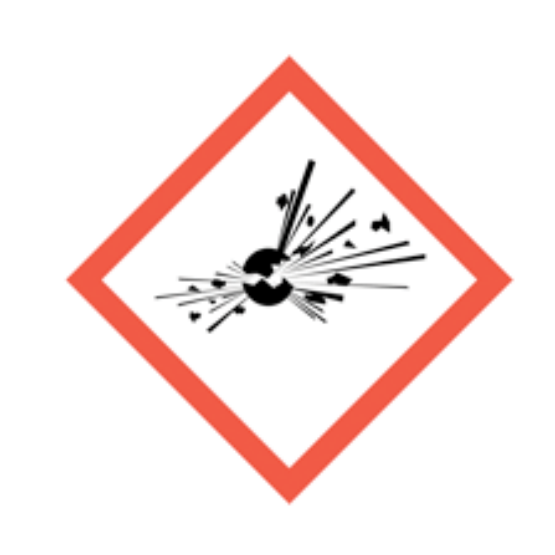
Exploding bomb
Explosive, self-reactive or organic peroxide hazards.
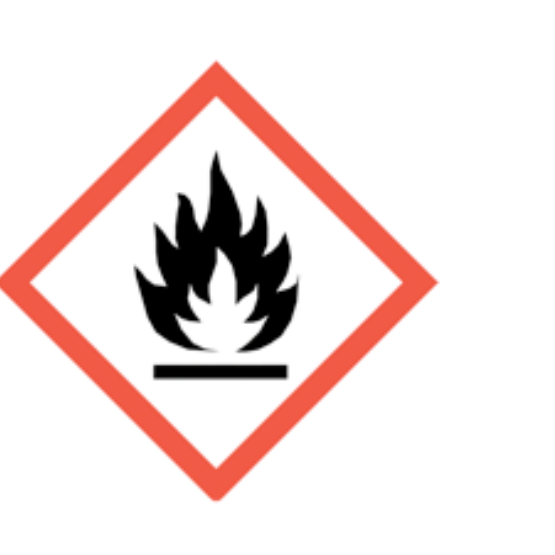
Flame
Flammable, self-heating or pyrophoric substances.
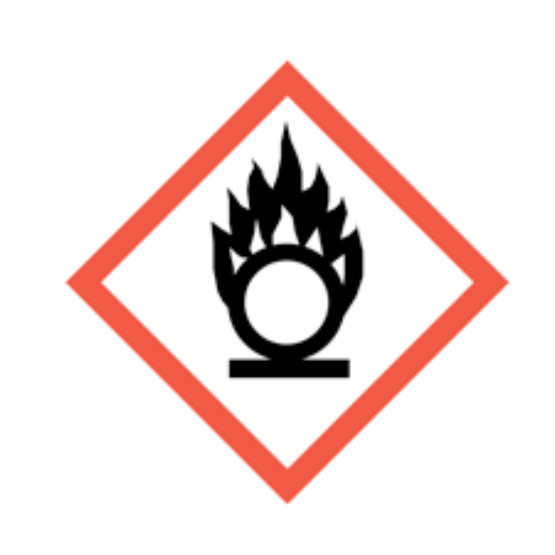
Flame over circle
Oxidising substances that can intensify fire.
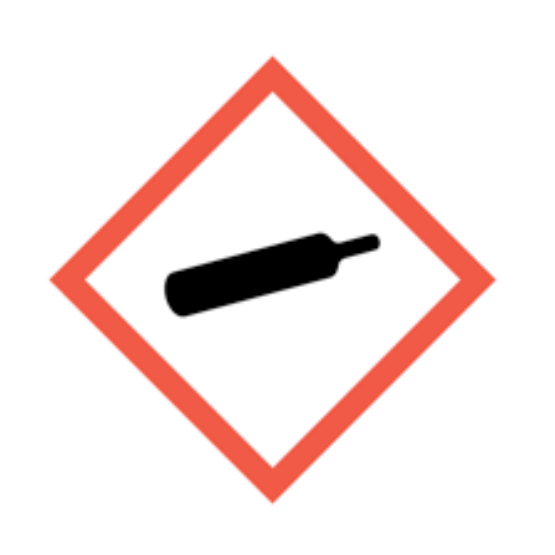
Gas cylinder
Gas under pressure.
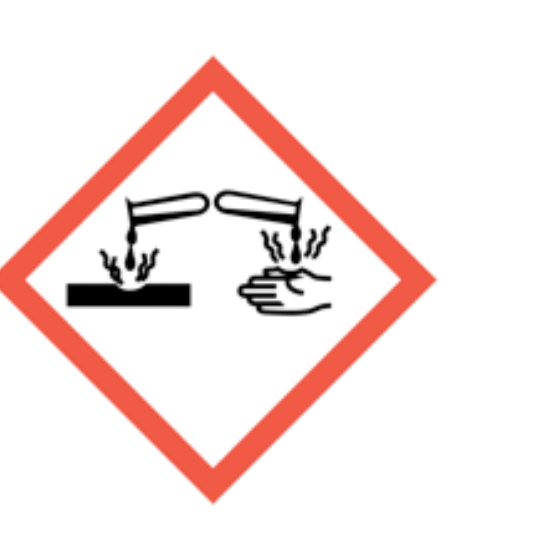
Corrosion
Skin burns, eye damage or corrosive to metals.
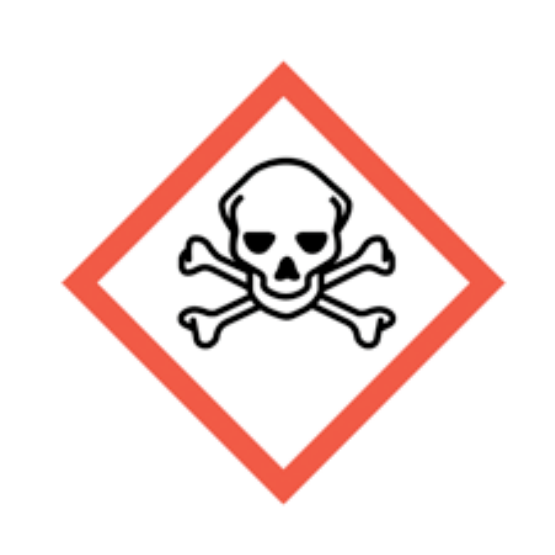
Skull and crossbones
Acute toxicity.
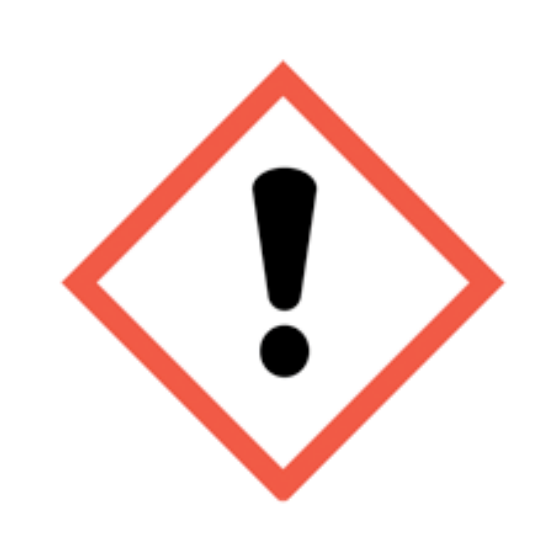
Exclamation mark
Irritation, harmful effects or skin sensitisation; some classifications cover drowsiness, dizziness or ozone-layer hazard. Read the actual hazard statements. Skin sensitisation differs from respiratory sensitisation.
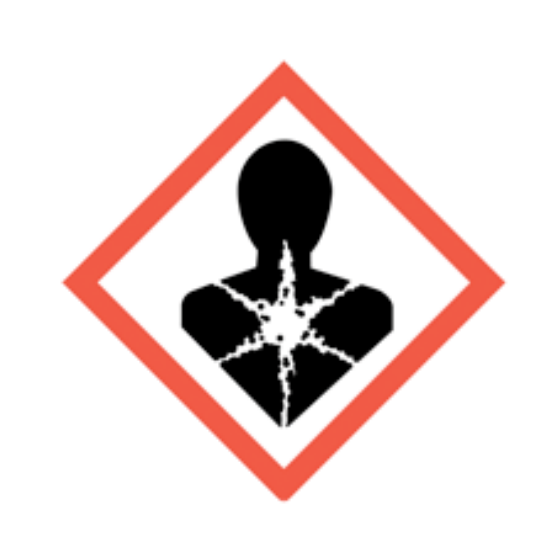
Health hazard
Serious health hazards, including organ damage, aspiration hazard, respiratory sensitisation, cancer and reproductive effects; some can follow a single exposure.
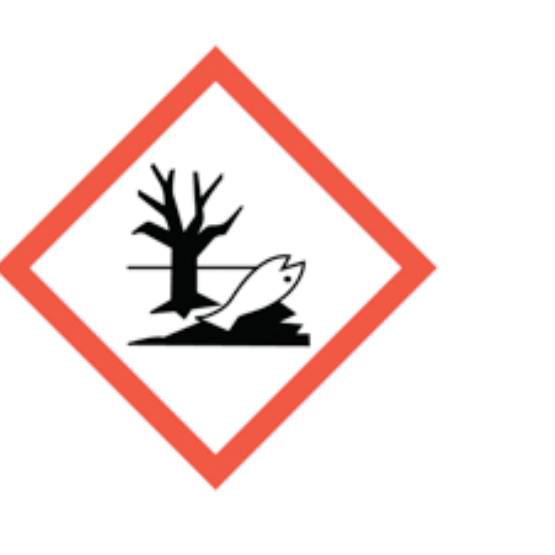
Environment
Hazardous to the aquatic environment.
What do the acronyms and key terms mean?
Acronyms should be understood before they are used in assessments, briefings, audits or learning answers.
Acronyms can exclude newer readers if they are not explained. This section keeps the main terms available at the end of the page so the article stays readable while still supporting learners and audit users.
| Acronym | Meaning | Plain-English use |
|---|---|---|
| APF | Assigned protection factor | Protection level assigned to RPE when properly selected and used. |
| COSHH | Control of Substances Hazardous to Health | Main UK framework for biological-agent exposure control. |
| FFP3 | Filtering facepiece class 3 | Disposable tight-fitting RPE with high particulate filtration when properly fitted. |
| HEPA | High efficiency particulate air | Filtration used in suitable specialist vacuum equipment. |
| OH | Occupational health | Work-focused health advice and confidential support. |
| PPE | Personal protective equipment | Protective clothing and equipment used for residual exposure. |
| RIDDOR | Reporting of Injuries, Diseases and Dangerous Occurrences Regulations | Reporting regime for specified incidents and diseases. |
| RPE | Respiratory protective equipment | Breathing protection selected for the task and wearer. |
Unlock another resource
You have used this month’s two free downloads. Publish a post in your own words to unlock one more resource, or choose SHARE Individual for 10 downloads per month.
You decide whether to share. If you do, use the relevant platform disclosure tools and do not make claims you do not genuinely hold.