SHARE Knowledge Hub
Humidifier Fever
Humidifier fever is a flu-like response reported after inhalation of contaminated aerosols from a water system; CDC describes fever, respiratory symptoms and fatigue arising within hours after contaminated humidification exposure; timing alone is not diagnostic. Stop the suspect aerosol source, protect others and arrange clinical assessment for affected workers. Breathlessness, chest pain or persistent fever needs urgent medical advice because Legionnaires disease and hypersensitivity pneumonitis require different evaluation.
Understanding Humidifier Fever
Humidifier fever is an acute, feverish respiratory and systemic illness associated with inhalation of bioaerosols from contaminated water-based humidification or air-handling systems.
Why this matters at work
Humidifier lung is a related but different label for hypersensitivity pneumonitis associated with humidifier aerosols. That illness is immune-mediated inflammation of lung tissue and may become persistent or fibrotic if exposure continues. Legionnaires’ disease is a bacterial lung infection caused by Legionella and can be severe. Occupational asthma, viral illness and other pneumonias can also resemble parts of the presentation. A workplace should avoid promising that symptoms are harmless or recommending return to exposure before medical and system risks are understood.
Identify everyone who may inhale or contact aerosols: office or production occupants, cleaners, facilities staff, contractors, visitors and people in adjacent zones. Service workers may face concentrated exposure while opening, draining or cleaning plant. Consider off-hours operation and where maintenance aerosols travel. Draw the pathway from water supply and reservoir to aerosol generation, distribution, inhalation and illness. Then place preventive barriers at the source and recovery barriers where failure is detected.
How organisations manage this in practice
Eliminate unnecessary aerosol-generating humidification if the process or occupancy does not require it. A system that stores and disperses water should not be retained solely by habit. Replace a higher-risk method with a lower-aerosol or better-controlled design where a competent designer finds it suitable, checking new scalding, energy, chemical or maintenance hazards. Isolate contaminated equipment or affected air-handling zones from occupied space during investigation and remediation. These choices interrupt exposure more strongly than asking workers to tolerate symptoms.
Water and air measurements answer different questions. A water sample may indicate microbial contamination in a reservoir or assess a Legionella scheme; an air sample may help characterise exposure under defined operating conditions. A symptom survey can identify a cluster but cannot establish a clinical diagnosis. Maintenance and monitoring records show whether the control scheme operated as intended. HSE COSHH guidance says monitoring should be selected to show control adequacy, not performed simply because a number would be reassuring. Sampling design, locations, timing and interpretation require competent advice.
A dutyholder should be able to show an inventory of aerosol-generating water systems, a current assessment of biological and Legionella risk, a defined responsible person, an operating and maintenance scheme, competence and contractor arrangements, and records of controls actually completed.
What health boundary should readers understand?
This page gives workplace risk-management guidance, not diagnosis or medical treatment advice.
Humidifier fever is not a diagnosis to make from a workplace symptom pattern. CDC describes symptoms arising within hours of contaminated humidification exposure; this is not a diagnostic time threshold. Humidifier lung (hypersensitivity pneumonitis) and Legionnaires disease are different clinical possibilities. CDC 2006 MMWR: Mold Prevention Strategies after Hurricanes and Major Floods—Inhalation Fevers (US context) CDC humidifier fever and hypersensitivity pneumonitis guidance HSE lung disease and extrinsic allergic alveolitis NHS Legionnaires disease
Humidifier fever-like symptoms can resemble viral illness, asthma, hypersensitivity pneumonitis, other respiratory infections or heat-related illness. A manager should not diagnose the cause. The workplace role is to remove people from suspected exposure, investigate the source, preserve evidence, review controls and signpost affected people to qualified health advice.
If a worker has severe breathing difficulty, collapse, confusion, a tight or heavy chest, spreading chest pain or rapidly worsening symptoms, the site should use its emergency response arrangements. Where several people develop similar symptoms after being near the same system, treat that as a workplace cluster and escalate quickly.NHS emergency breathing and chest signs
| Issue | Workplace role | Avoid |
|---|---|---|
| Symptoms | Record what was reported, when and where exposure may have occurred. | Diagnosing the illness. CDC 2006 MMWR: Mold Prevention Strategies after Hurricanes and Major Floods—Inhalation Fevers (US context) |
| Medical assessment | Signpost to NHS, GP, occupational health or emergency response. | Delaying help while maintenance investigates. NHS Legionnaires disease |
| Cluster | Escalate, isolate suspected source and review water/mist controls. | Treating repeated reports as coincidence. HSE legionella risks in workplaces |
| Return to work | Use occupational-health advice where symptoms are significant or recurring. | Pressuring people to return to the same exposure source. HSE lung disease and extrinsic allergic alveolitis |
| Records | Keep proportionate exposure and maintenance evidence. | Collecting unnecessary medical detail. ICO workers health information |
What are the key facts about humidifier fever?
The key facts are aerosol generation, contamination, respiratory symptoms and maintenance evidence.
Aerosol is the route
The concern is breathing fine contaminated droplets or mist, not ordinary contact with clean water.
Maintenance is a health control
Cleaning, water treatment, filter changes and inspection records are part of exposure prevention.
Clusters matter
Several people reporting similar flu-like symptoms after the same exposure should trigger immediate investigation.
COSHH applies
Biological agents can be hazardous substances when exposure arises from work.
Health surveillance may be needed
Repeated symptoms or ongoing exposure may need competent occupational-health advice.
What is humidifier fever in plain English?
Humidifier fever is a work-related flu-like illness linked to breathing contaminated mist from a poorly controlled system.
Humidifier fever basics — part 1 of 2


Read the complete visual as text
- Source: Explanation: Contaminated water, filters, reservoirs or mist-producing systems. Workplace meaning: Maintain, clean and inspect equipment.
- Route: Explanation: Inhalation of aerosol or mist. Workplace meaning: Control aerosol generation and worker proximity.
- Effect: Explanation: Flu-like respiratory symptoms after exposure. Workplace meaning: Investigate symptom patterns and source.
Humidifier fever basics — part 2 of 2


Read the complete visual as text
- Control: Explanation: Clean design, maintenance, water quality and isolation of suspect equipment. Workplace meaning: Treat maintenance as exposure control.
- Follow-up: Explanation: Occupational health or medical signposting when symptoms are significant. Workplace meaning: Do not manage as ordinary performance or absence issue.
The term is most often associated with humidifiers, but the practical risk concept is wider: any system that stores water or water-based fluid and then creates aerosol can become a source if it is dirty, stagnant, contaminated, poorly maintained or operated outside specification. HSE legionella risks in workplaces
For workplace purposes, the useful question is not 'what is the exact diagnosis?' but 'could work be exposing people to contaminated aerosol, and are controls good enough?' That allows the business to act before a cluster becomes bigger.
| Element | Explanation | Workplace meaning |
|---|---|---|
| Source | Contaminated water, filters, reservoirs or mist-producing systems. | Maintain, clean and inspect equipment. HSE legionella risks in workplaces |
| Route | Inhalation of aerosol or mist. | Control aerosol generation and worker proximity. CDC 2006 MMWR: Mold Prevention Strategies after Hurricanes and Major Floods—Inhalation Fevers (US context) |
| Effect | Flu-like respiratory symptoms after exposure. | Investigate symptom patterns and source. CDC 2006 MMWR: Mold Prevention Strategies after Hurricanes and Major Floods—Inhalation Fevers (US context) |
| Control | Clean design, maintenance, water quality and isolation of suspect equipment. | Treat maintenance as exposure control. HSE legionella risks in workplaces |
| Follow-up | Occupational health or medical signposting when symptoms are significant. | Do not manage as ordinary performance or absence issue. NHS Legionnaires disease |
Do not confuse humidifier fever with Legionnaires' disease, damp or general respiratory symptoms
These issues can look connected at first glance, but they are not the same and may need different competent support.
HSE distinguishes humidifier fever from nonspecific sick building syndrome. HSE describes extrinsic allergic alveolitis as a lung disease requiring clinical evaluation, while NHS describes Legionnaires disease as an infection. The same water system may raise more than one hazard, so assess each pathway separately. HSE HSG132 sick building syndrome HSE lung disease and extrinsic allergic alveolitis NHS Legionnaires disease HSE legionella risks in workplaces
Humidifier fever, Legionnaires' disease and damp or mould-related irritation can all be discussed in the same broad workplace conversation because they may involve buildings, moisture, water systems or respiratory symptoms. They are not the same issue. The controls overlap in places, especially maintenance, cleaning, water hygiene, ventilation and quick response to symptoms, but the health effects, severity and specialist response can be very different.
Managers should avoid diagnosing the condition. The practical response is to protect people, investigate the suspected source, use competent water hygiene, facilities, occupational health or medical advice, and keep workers informed. If Legionella risk is credible, the Legionella risk-management route must be followed rather than treating it as a simple comfort or housekeeping issue.
| Issue | Typical workplace route | How it differs | Workplace response |
|---|---|---|---|
| Humidifier fever | Breathing contaminated mist from humidifiers, air-handling units, water reservoirs or mist-producing systems. | Often described as a flu-like response linked to contaminated aerosol exposure. | Stop or isolate suspect source, review cleaning and maintenance, investigate symptom pattern and use OH or medical advice where needed. CDC 2006 MMWR: Mold Prevention Strategies after Hurricanes and Major Floods—Inhalation Fevers (US context) |
| Legionnaires' disease | Breathing water aerosol contaminated with Legionella bacteria from water systems such as cooling towers, showers, spa pools or poorly controlled systems. | Can be severe and requires specific Legionella risk assessment, water-system control and competent response. | Follow Legionella control arrangements, escalate to competent water hygiene support and signpost affected people to medical assessment. NHS Legionnaires disease |
| Damp or mould irritation | Exposure to damp buildings, mould growth, spores, musty rooms or poor ventilation. | May irritate airways or worsen existing respiratory conditions, but it is not automatically humidifier fever. | Fix moisture source, clean or remediate safely, improve ventilation and support workers reporting symptoms. Manchester NHS damp and mould leaflet |
| Ordinary viral illness | Person-to-person spread unrelated to the building or equipment. | Can look similar at first, so timing and clustering matter. | Use sickness and infection-control arrangements while still checking whether symptoms cluster around a workplace source. NHS flu |
Where can humidifier fever risks arise?
Risks arise where water or water-based fluids become contaminated and are turned into respirable mist.
Metalworking-fluid mist is a separate aerosol hazard. HSE links it to occupational asthma and hypersensitivity pneumonitis; do not label a machining-fluid illness “humidifier fever” without clinical and exposure evidence. HSE metalworking fluids health risks HSE lung disease and extrinsic allergic alveolitis
Typical sources can include workplace humidifiers, air-handling equipment, misting systems, poorly maintained reservoirs, contaminated filters and industrial processes that create water-based mist. Metalworking fluid systems are a related example because microbial contamination and mist can create respiratory and skin health risks.
The source may be small and local. A portable humidifier in an office, a neglected unit in a print room, a misting feature in a leisure venue or a sump in a workshop may affect only one area, so investigation should map location, timing and symptoms carefully.
| Source | Exposure route | Control focus |
|---|---|---|
| Portable humidifier | Mist near desks or treatment rooms. | Approved equipment, cleaning schedule and water change rules. HSE legionella risks in workplaces |
| Air-handling humidification | Distributed aerosol through ventilation route. | Competent maintenance, filters, access panels and water hygiene. HSE legionella risks in workplaces |
| Metalworking fluid mist | Mist from machining or spraying. | Fluid management, mist extraction, biocide control and exposure monitoring. HSE metalworking fluids health risks |
| Leisure mist or spa feature | Aerosol near users and staff. | Water management, cleaning, maintenance and closure triggers. HSE legionella risks in workplaces |
| Poorly cleaned reservoir | Microbial growth and aerosol release. | Drain, clean, disinfect and verify before reuse. HSE legionella risks in workplaces |
What symptoms and work patterns should be noticed?
Symptoms should be considered alongside when and where they occur, without managers diagnosing the person.
Ask affected people to record when symptoms began relative to the aerosol source, whether colleagues are affected and whether symptoms recur on return. Refer for clinical assessment without requiring self-diagnosis. Chest pain that comes and goes or occurs when breathing or coughing, breathlessness, or persistent fever needs urgent GP/NHS 111 advice. Call 999 for severe breathing difficulty, a tight or heavy chest, or pain spreading to the arms, back, neck or jaw. CDC 2006 MMWR: Mold Prevention Strategies after Hurricanes and Major Floods—Inhalation Fevers (US context) NHS Legionnaires disease NHS emergency breathing and chest signs
People may describe feverish feelings, chills, aches, cough, chest tightness, breathlessness, headache or feeling unwell after being in a particular area. Symptoms may improve away from work and recur after returning to the source.
The pattern matters. One person with symptoms may still need support, but several people with similar symptoms after the same shift, room or system is a strong warning that workplace exposure needs investigation.
| Pattern | Why it matters | Action |
|---|---|---|
| Several workers affected | Suggests possible shared exposure. | Escalate, isolate source and investigate. CDC 2006 MMWR: Mold Prevention Strategies after Hurricanes and Major Floods—Inhalation Fevers (US context) |
| Symptoms after mist exposure | Timing links symptoms to a possible aerosol source. | Review equipment and maintenance records. CDC 2006 MMWR: Mold Prevention Strategies after Hurricanes and Major Floods—Inhalation Fevers (US context) |
| Symptoms improve away from work | May suggest work-related trigger. | Use OH advice and exposure review. CDC 2006 MMWR: Mold Prevention Strategies after Hurricanes and Major Floods—Inhalation Fevers (US context) |
| Breathlessness or chest tightness | Respiratory symptoms may need prompt medical assessment. | Use health advice and remove from exposure. NHS Legionnaires disease |
| Symptoms ignored as flu | Workplace source may continue exposing others. | Record pattern and investigate. CDC 2006 MMWR: Mold Prevention Strategies after Hurricanes and Major Floods—Inhalation Fevers (US context) |
What should happen when humidifier fever is suspected?
Use the local urgent-care service
In Northern Ireland use the local GP or GP out-of-hours route for urgent non-emergency advice; NHS 111 is not a uniform UK service. Severe breathing difficulty, chest symptoms, confusion or collapse continue to require 999. Clinical help takes priority over maintenance investigation.
The priority is to protect people, stop ongoing exposure and investigate the source.
Stop and isolate the suspect mist source, restrict exposure and have a competent person investigate the water and ventilation system. Arrange confidential clinical assessment. Use urgent GP/NHS 111 for breathlessness or chest pain when breathing or coughing; call 999 for severe breathing difficulty, a tight or heavy chest, or pain spreading to the arms, back, neck or jaw. Do not restart on a simple water change or assume that symptoms prove humidifier fever. HSE legionella risks in workplaces HSE HSG274 Part 3 other risk systems NHS Legionnaires disease NHS emergency breathing and chest signs
If humidifier fever is suspected, managers should not wait for laboratory proof before taking sensible precautions. Isolate or stop the suspect system if safe, prevent further exposure, inform affected workers, preserve maintenance records and arrange competent investigation.
People with significant, persistent or repeated symptoms should be advised to seek qualified health advice. Occupational health can help interpret work-relatedness, restrictions and return-to-exposure decisions without breaching confidentiality.
| Step | What to do | Evidence |
|---|---|---|
| Protect people | Remove workers from suspected exposure and stop or isolate the system if safe. | Stop-use record and temporary control log. CDC 2006 MMWR: Mold Prevention Strategies after Hurricanes and Major Floods—Inhalation Fevers (US context) |
| Record facts | Capture location, timing, symptoms reported and equipment involved. | Exposure incident record. CDC 2006 MMWR: Mold Prevention Strategies after Hurricanes and Major Floods—Inhalation Fevers (US context) |
| Review maintenance | Check cleaning, filter, water-change and servicing history. | Maintenance and cleaning logs. CDC 2006 MMWR: Mold Prevention Strategies after Hurricanes and Major Floods—Inhalation Fevers (US context) |
| Get competent support | Use facilities, occupational health, HSE adviser or specialist hygiene support. | Referral or investigation brief. CDC 2006 MMWR: Mold Prevention Strategies after Hurricanes and Major Floods—Inhalation Fevers (US context) |
| Communicate | Tell workers what is being checked and how to report symptoms. | Briefing note and reporting route. CDC 2006 MMWR: Mold Prevention Strategies after Hurricanes and Major Floods—Inhalation Fevers (US context) |
How should COSHH assessment cover humidifier fever?
The assessment should identify aerosol sources, contamination routes, exposed people, maintenance controls and health follow-up arrangements.
A weak assessment simply lists the equipment. A useful assessment watches how the system is filled, drained, cleaned, serviced, operated, left idle and restarted. It checks whether contractors understand site rules and whether workers know what symptoms and defects to report. HSE legionella risks in workplaces
The assessment should also consider vulnerable workers, occupied areas, ventilation patterns, cleaning products, water quality, access for maintenance and whether mist can spread beyond the immediate equipment.
| Question | Why it matters | Evidence |
|---|---|---|
| What creates aerosol? | Mist generation is the exposure route. | Equipment list and location map. HSE legionella risks in workplaces |
| Can water become stagnant? | Stagnation can support contamination. | Drain, clean and restart procedure. HSE legionella risks in workplaces |
| Who is exposed? | Staff, contractors, visitors or cleaners may be affected. | Exposure group map. HSE legionella risks in workplaces |
| How is cleaning verified? | Maintenance is a control and needs evidence. | Cleaning log and supervisor checks. HSE legionella risks in workplaces |
| What happens after symptoms? | Early reports prevent repeated exposure. | Symptom reporting and OH route. HSE legionella risks in workplaces |
How can the hierarchy of controls prevent contaminated humidifier aerosols and humidifier fever?
Controls should prevent contamination, reduce aerosol exposure and make defects visible quickly.
Verify controls: Using a portable office humidifier


Read the complete visual as text
- Actual task: A desk humidifier creates mist near occupied workstations. Assess the need and contamination/aerosol route; fever symptoms need a health assessment, not a workplace diagnosis.
- Evidence to check: need for humidification, water condition, cleaning records and aerosol pathway
- Stop or hold condition: suspected contamination, missed maintenance or a pattern of illness requiring investigation
- Release evidence and owner: facilities owner accepts the assessed system and completed cleaning/review
Verify controls: Cleaning an air-handler humidification section


Read the complete visual as text
- Actual task: An HVAC maintenance task opens a water-containing humidification or air-washer section; assess contamination and spread to occupied spaces.
- Evidence to check: plant isolation, water-risk plan, drainage, cleanliness and occupied-air interfaces
- Stop or hold condition: uncontrolled aerosol, unknown contamination, failed isolation or incomplete cleaning
- Release evidence and owner: competent facilities/water-hygiene owner accepts recommissioning
ERICPD applies in a practical way. Eliminate unnecessary mist-generating equipment where it is not needed. Reduce exposure by using lower-risk designs, clean water and shorter use. Isolate systems from occupied areas where possible. Control through maintenance, cleaning, inspection and ventilation. PPE is rarely the main routine control for ordinary building systems, but may be needed for maintenance, cleaning or contaminated equipment work. HSE legionella risks in workplaces
A system that cannot be cleaned, inspected or maintained properly should be challenged at procurement stage.
Choose the activity
How can the ERICPD hierarchy of controls reduce risks while using a portable office humidifier?

| Control level | Control for this activity | Owner and verification | Stop / restart decision |
|---|---|---|---|
| Eliminate | Remove the unnecessary mist-producing device and address the underlying comfort problem without added aerosol. | Process owner verifies that the revised workflow achieves the required output and the hazardous step is genuinely removed. | If the hazardous step remains, retain a task assessment and select the stronger feasible remaining controls. |
| Reduce, including substitution | If humidity control is justified, select a suitable lower-aerosol system after competent design and water-risk review. | Process/technical owner validates the alternative, its compatibility and any new risks before adoption. | Reject the alternative if suitability is unproved or its new hazards are unresolved. |
| Isolate | Remove a suspect unit from use and separate contaminated equipment from occupied work and clean supplies. | Supervisor verifies the task boundaries and that the separation or isolation protects affected people and connected work. | Hold or stop for suspected contamination, missed maintenance or a pattern of illness requiring investigation. |
| Control: physical safeguards | Use a suitable designed system with accessible cleaning, drainage and controls that prevent stagnant contaminated water reaching the air. | Competent equipment/process owner checks need for humidification, water condition, cleaning records and aerosol pathway. | Hold or stop for suspected contamination, missed maintenance or a pattern of illness requiring investigation. |
| Control: work method and response | Assign ownership for filling, cleaning, water quality and idle periods under the manufacturer and risk-assessment requirements. | Supervisor confirms the limits, response, communication and restart authority with the people doing this activity. | Stop if the agreed method, communication, competent cover or task limits cannot be maintained. |
| PPE | Routine occupants are protected by source control, not masks. Select task-specific protection for any assessed cleaning exposure. | Assessor confirms whether PPE is needed and checks selection, condition, compatibility and any required face-fit evidence. | Do not rely on unsuitable or defective protection, or use PPE to continue after an essential source control fails. |
| Discipline | Check maintenance and reported symptoms, investigate the source and require a competent decision before a suspect unit returns. | Release only after facilities owner accepts the assessed system and completed cleaning/review. Retain the checks and unresolved restrictions at handover. | Keep the activity on hold while defects or required reinstatement evidence remain unresolved. |
How can the ISO 45001 hierarchy of controls reduce risks while using a portable office humidifier?

| Control level | Control for this activity | Owner and verification | Stop / restart decision |
|---|---|---|---|
| Elimination | Remove the unnecessary mist-producing device and address the underlying comfort problem without added aerosol. | Process owner verifies that the revised workflow achieves the required output and the hazardous step is genuinely removed. | If the hazardous step remains, retain a task assessment and select the stronger feasible remaining controls. |
| Substitution | If humidity control is justified, select a suitable lower-aerosol system after competent design and water-risk review. | Process/technical owner validates the alternative, its compatibility and any new risks before adoption. | Reject the alternative if suitability is unproved or its new hazards are unresolved. |
| Administrative controls | Remove a suspect unit from use and separate contaminated equipment from occupied work and clean supplies. | Supervisor verifies the task boundaries and that the separation or isolation protects affected people and connected work. | Hold or stop for suspected contamination, missed maintenance or a pattern of illness requiring investigation. |
| Engineering controls | Use a suitable designed system with accessible cleaning, drainage and controls that prevent stagnant contaminated water reaching the air. | Competent equipment/process owner checks need for humidification, water condition, cleaning records and aerosol pathway. | Hold or stop for suspected contamination, missed maintenance or a pattern of illness requiring investigation. |
| Administrative controls | Assign ownership for filling, cleaning, water quality and idle periods under the manufacturer and risk-assessment requirements. | Supervisor confirms the limits, response, communication and restart authority with the people doing this activity. | Stop if the agreed method, communication, competent cover or task limits cannot be maintained. |
| PPE | Routine occupants are protected by source control, not masks. Select task-specific protection for any assessed cleaning exposure. | Assessor confirms whether PPE is needed and checks selection, condition, compatibility and any required face-fit evidence. | Do not rely on unsuitable or defective protection, or use PPE to continue after an essential source control fails. |
| Administrative controls | Check maintenance and reported symptoms, investigate the source and require a competent decision before a suspect unit returns. | Release only after facilities owner accepts the assessed system and completed cleaning/review. Retain the checks and unresolved restrictions at handover. | Keep the activity on hold while defects or required reinstatement evidence remain unresolved. |
How can the ERICPD hierarchy of controls reduce risks while cleaning an air-handler humidification section?

| Control level | Control for this activity | Owner and verification | Stop / restart decision |
|---|---|---|---|
| Eliminate | Remove an unnecessary humidification stage or redesign the air treatment if the building function can be met safely without it. | Process owner verifies that the revised workflow achieves the required output and the hazardous step is genuinely removed. | If the hazardous step remains, retain a task assessment and select the stronger feasible remaining controls. |
| Reduce, including substitution | Select a suitable alternative humidity-control technology through a competent design and water-hygiene review. | Process/technical owner validates the alternative, its compatibility and any new risks before adoption. | Reject the alternative if suitability is unproved or its new hazards are unresolved. |
| Isolate | Isolate equipment and prevent contaminated aerosols reaching occupants during maintenance and recommissioning. | Supervisor verifies the task boundaries and that the separation or isolation protects affected people and connected work. | Hold or stop for uncontrolled aerosol, unknown contamination, failed isolation or incomplete cleaning. |
| Control: physical safeguards | Provide safe access, effective drainage and the specified cleaning/disinfection and water-control arrangements. | Competent equipment/process owner checks plant isolation, water-risk plan, drainage, cleanliness and occupied-air interfaces. | Hold or stop for uncontrolled aerosol, unknown contamination, failed isolation or incomplete cleaning. |
| Control: work method and response | Identify deposits and the water-risk assessment, control cleaning aerosols and coordinate the shutdown and restart with building users. | Supervisor confirms the limits, response, communication and restart authority with the people doing this activity. | Stop if the agreed method, communication, competent cover or task limits cannot be maintained. |
| PPE | Specify suitable respiratory, eye and skin protection for the actual maintenance exposure and cleaning products. | Assessor confirms whether PPE is needed and checks selection, condition, compatibility and any required face-fit evidence. | Do not rely on unsuitable or defective protection, or use PPE to continue after an essential source control fails. |
| Discipline | Inspect cleanliness, drainage and operation and record the competent recommissioning decision before supplying occupied areas. | Release only after competent facilities/water-hygiene owner accepts recommissioning. Retain the checks and unresolved restrictions at handover. | Keep the activity on hold while defects or required reinstatement evidence remain unresolved. |
How can the ISO 45001 hierarchy of controls reduce risks while cleaning an air-handler humidification section?

| Control level | Control for this activity | Owner and verification | Stop / restart decision |
|---|---|---|---|
| Elimination | Remove an unnecessary humidification stage or redesign the air treatment if the building function can be met safely without it. | Process owner verifies that the revised workflow achieves the required output and the hazardous step is genuinely removed. | If the hazardous step remains, retain a task assessment and select the stronger feasible remaining controls. |
| Substitution | Select a suitable alternative humidity-control technology through a competent design and water-hygiene review. | Process/technical owner validates the alternative, its compatibility and any new risks before adoption. | Reject the alternative if suitability is unproved or its new hazards are unresolved. |
| Engineering controls | Isolate equipment and prevent contaminated aerosols reaching occupants during maintenance and recommissioning. | Supervisor verifies the task boundaries and that the separation or isolation protects affected people and connected work. | Hold or stop for uncontrolled aerosol, unknown contamination, failed isolation or incomplete cleaning. |
| Engineering controls | Provide safe access, effective drainage and the specified cleaning/disinfection and water-control arrangements. | Competent equipment/process owner checks plant isolation, water-risk plan, drainage, cleanliness and occupied-air interfaces. | Hold or stop for uncontrolled aerosol, unknown contamination, failed isolation or incomplete cleaning. |
| Administrative controls | Identify deposits and the water-risk assessment, control cleaning aerosols and coordinate the shutdown and restart with building users. | Supervisor confirms the limits, response, communication and restart authority with the people doing this activity. | Stop if the agreed method, communication, competent cover or task limits cannot be maintained. |
| PPE | Specify suitable respiratory, eye and skin protection for the actual maintenance exposure and cleaning products. | Assessor confirms whether PPE is needed and checks selection, condition, compatibility and any required face-fit evidence. | Do not rely on unsuitable or defective protection, or use PPE to continue after an essential source control fails. |
| Administrative controls | Inspect cleanliness, drainage and operation and record the competent recommissioning decision before supplying occupied areas. | Release only after competent facilities/water-hygiene owner accepts recommissioning. Retain the checks and unresolved restrictions at handover. | Keep the activity on hold while defects or required reinstatement evidence remain unresolved. |
What maintenance and cleaning details matter?
Illustrative source-control and restart decision
After a symptom cluster, the facilities lead protects people and stops/isolates the suspected source safely. Preserve timing/location and system evidence, assign competent investigation and assess cleaning’s own aerosol risks. The competent system specialist sets verification and any sampling requirements. The authorised facilities manager receives completed-work and verification evidence before restart, then checks recurrence. Clean appearance or a single result alone does not establish safe return to use.
Maintenance must be specific, scheduled and checked, not left as informal housekeeping.
HSG274 Part 3 gives controls for Legionella in other risk systems including air washers; it is not a clinical humidifier-fever treatment guideline. Use system-specific cleaning, inspection and restart criteria from competent water-system assessment and manufacturer instructions. HSE HSG274 Part 3 other risk systems HSE legionella risks in workplaces
Cleaning should cover reservoirs, filters, nozzles, drip trays, pipework, accessible surfaces and any area where water can stagnate. Restart after shutdown should be treated as a higher-risk point because stagnant water and dirty filters may be disturbed.
Contractors need clear rules. A service report saying 'unit checked' is weak if it does not confirm what was cleaned, what was found, what parts were changed and whether the unit is safe to return to use.
| Maintenance item | What good looks like | Warning sign |
|---|---|---|
| Cleaning schedule | Task, frequency, method and responsible person defined. | No one knows when it was last cleaned. HSE legionella risks in workplaces |
| Filter changes | Intervals followed and defects recorded. | Filters discoloured or overdue. HSE legionella risks in workplaces |
| Water management | Stagnant water avoided and reservoirs drained as needed. | Slimy reservoir or odour. HSE legionella risks in workplaces |
| Restart checks | Unit checked before use after shutdown or storage. | Equipment restarted without inspection. HSE legionella risks in workplaces |
| Contractor report | Findings, actions and safe-to-use status clear. | Vague service note only. HSE legionella risks in workplaces |
What monitoring and health surveillance may be needed?
Monitoring should be proportionate and focused on exposure control, symptoms and evidence of system cleanliness.
For many workplaces, routine monitoring means inspection, maintenance checks, defect reports and symptom trend review. Where exposure is complex or symptoms occur, competent occupational hygiene, facilities or occupational-health advice may be needed. HSE legionella risks in workplaces
Health surveillance is not automatic, but COSHH requires suitable arrangements where there is a reasonable likelihood of disease or adverse health effect and valid methods exist. Repeated respiratory symptoms should never be dismissed as ordinary absence without considering possible work exposure.
| Option | When useful | What to record |
|---|---|---|
| Visual inspection | Routine equipment and reservoir checks. | Condition, contamination, defects and actions. HSE legionella risks in workplaces |
| Maintenance review | Before restart, after symptoms or after contractor visit. | Cleaning, parts, service date and safe status. HSE legionella risks in workplaces |
| Symptom trend review | Several reports in same area or task. | Anonymised cluster pattern and follow-up. HSE legionella risks in workplaces |
| Occupational hygiene advice | Unclear aerosol or mist exposure. | Assessment, recommendations and action close-out. HSE legionella risks in workplaces |
| Occupational health advice | Significant or repeated respiratory symptoms. | Confidential work-focused advice and review. HSE legionella risks in workplaces |
What records show humidifier fever risk is controlled?
Records should show that aerosol sources are known, maintained, checked and acted on when warning signs appear.
Records should prove that controls were selected, implemented, checked and improved. The table helps distinguish useful evidence from records that exist only because someone expected a document. HSE legionella risks in workplaces
| Record | Purpose | Review trigger |
|---|---|---|
| Equipment register | Shows which systems can generate mist or aerosol. | New equipment, relocation or change of use. HSE legionella risks in workplaces |
| Cleaning and maintenance log | Proves routine control is happening. | Missed clean, odour, contamination or symptom report. HSE legionella risks in workplaces |
| COSHH assessment | Links source, route, people and controls. | New process, new symptoms or new guidance. HSE legionella risks in workplaces |
| Defect report | Captures dirty, damaged or poorly performing equipment. | Repeat defect or delayed repair. HSE legionella risks in workplaces |
| Exposure incident record | Captures symptom reports and suspected source. | Cluster, repeated symptoms or serious illness. HSE legionella risks in workplaces |
| OH referral summary | Provides work-focused advice without unnecessary diagnosis detail. | Persistent or recurrent symptoms. HSE legionella risks in workplaces |
Which duties apply in Great Britain and Northern Ireland?
Choose the law for the actual site and task. A clinical pattern, management guide or voluntary standard does not replace the nation-specific duty.
COSHH controls the credible biological aerosol hazard; reporting depends on whether a disease is attributable to occupational biological-agent exposure, with reasonable supporting evidence. Management of Health and Safety at Work Regulations 1999 Management of Health and Safety at Work Regulations (NI) 2000
| Decision | Great Britain law | Northern Ireland law | Applicability |
|---|---|---|---|
| General safe work | Health and Safety at Work etc. Act 1974 GB law | Health and Safety at Work (NI) Order 1978 NI law | Check site, task and specified trigger. |
| Assessment and arrangements | Management of Health and Safety at Work Regulations 1999 GB law | Management of Health and Safety at Work Regulations (NI) 2000 NI law | Check site, task and specified trigger. |
| Biological aerosol exposure | COSHH Regulations 2002 GB law | COSHH Regulations (NI) 2003 NI law | Check site, task and specified trigger. |
| Ventilation/workplace conditions | Workplace (Health, Safety and Welfare) Regulations 1992 GB law | Workplace (Health, Safety and Welfare) Regulations (NI) 1993 NI law | Check site, task and specified trigger. |
| Disease attributable to occupational biological-agent exposure where reporting criteria are met | RIDDOR 2013 GB law | RIDDOR (NI) 1997 NI law | For GB, consider the biological-agent disease route and reasonable evidence of occupational causation; check NI criteria separately. |
How should the selected controls be checked in practice?
ERICPD is used here as a planning mnemonic. The linked HSE five-level hierarchy is the official source for the order and relative reliability of controls; the two labels are not identical.
Start with the exposure or failure path and prefer removal or physical redesign before procedures or PPE.
ERICPD is a planning mnemonic: Isolate generally maps to engineering, Discipline sustains controls, and the five-level hierarchy names substitution separately. Each candidate requires competent task assessment. HSE five-level hierarchy HSE five-level hierarchy
How should management verify controls for this task?
For cluster of flu-like symptoms after an aerosol-producing humidifier restarts, the management check should start with a real control decision: Stop using portable units that add no essential value. Name the person who will test it, keep evidence from the actual work, and reopen the assessment when the failure condition in the hierarchy table occurs. HSE management-system guidance.
A review should compare the planned control with what workers and supervisors can use in practice. Record the defect, owner, interim protection, verification and next review trigger so that a policy statement or certificate does not stand in for a working control.
How could Riverside Leisure Ltd manage this in practice?

Riverside Leisure Ltd would manage humidifier fever through water-system control, maintenance evidence, worker reporting and rapid investigation of symptom clusters.
Riverside Leisure Ltd worked example — part 1 of 2


Read the complete visual as text
- Assessing: How the business would manage it: Riverside identifies humidifiers, air-handling units, mist features, spa areas and cleaning tasks that could create aerosol exposure. Evidence to review: Aerosol source register and COSHH assessment.
- Analysing: How the business would manage it: Facilities and HSE review maintenance records, water quality issues, symptom reports and contractor service findings. Evidence to review: Water and maintenance review under the assessed system; no universal interval is specified.
- Implementing: How the business would manage it: Unnecessary portable humidifiers are removed; remaining systems have cleaning, inspection and restart rules. Evidence to review: Equipment standard and cleaning schedule.
Riverside Leisure Ltd worked example — part 2 of 2


Read the complete visual as text
- Training: How the business would manage it: Facilities staff, cleaners and supervisors are briefed on visible contamination, odour, symptoms, stop-use triggers and reporting routes. Evidence to review: Training records and toolbox talks.
- Oversight: How the business would manage it: Supervisors check logs and physically inspect higher-risk units; second-line HSE audits sample evidence; specialists are used after clusters. Evidence to review: Inspection reports, audit findings and specialist recommendations.
- Learning: How the business would manage it: Any symptom cluster triggers a review of equipment, maintenance, communication and return-to-use controls. Evidence to review: Incident review, action tracker and management review.
Riverside Leisure Ltd is a leisure business with gyms, pools, spa areas, changing rooms, air handling, cleaning contractors and occasional mist or humidification equipment. The business has staff and members of the public in occupied areas, so contaminated aerosol controls must be reliable and well evidenced. CDC 2006 MMWR: Mold Prevention Strategies after Hurricanes and Major Floods—Inhalation Fevers (US context)
| Management element | How the business would manage it | Evidence to review |
|---|---|---|
| Assessing | Riverside identifies humidifiers, air-handling units, mist features, spa areas and cleaning tasks that could create aerosol exposure. | Aerosol source register and COSHH assessment. CDC 2006 MMWR: Mold Prevention Strategies after Hurricanes and Major Floods—Inhalation Fevers (US context) |
| Analysing | Facilities and HSE review maintenance records, water quality issues, symptom reports and contractor service findings. | Monthly water and maintenance review. CDC 2006 MMWR: Mold Prevention Strategies after Hurricanes and Major Floods—Inhalation Fevers (US context) |
| Implementing | Unnecessary portable humidifiers are removed; remaining systems have cleaning, inspection and restart rules. | Equipment standard and cleaning schedule. CDC 2006 MMWR: Mold Prevention Strategies after Hurricanes and Major Floods—Inhalation Fevers (US context) |
| Training | Facilities staff, cleaners and supervisors are briefed on visible contamination, odour, symptoms, stop-use triggers and reporting routes. | Training records and toolbox talks. CDC 2006 MMWR: Mold Prevention Strategies after Hurricanes and Major Floods—Inhalation Fevers (US context) |
| Oversight | Supervisors check logs and physically inspect higher-risk units; second-line HSE audits sample evidence; specialists are used after clusters. | Inspection reports, audit findings and specialist recommendations. CDC 2006 MMWR: Mold Prevention Strategies after Hurricanes and Major Floods—Inhalation Fevers (US context) |
| Learning | Any symptom cluster triggers a review of equipment, maintenance, communication and return-to-use controls. | Incident review, action tracker and management review. CDC 2006 MMWR: Mold Prevention Strategies after Hurricanes and Major Floods—Inhalation Fevers (US context) |
What must each role demonstrate?
Record an observed task decision or simulation, the assessor and evidence, and a trigger for reassessment.
Briefing attendance alone cannot prove that a person recognises the hold or referral point. CDC 2006 MMWR: Mold Prevention Strategies after Hurricanes and Major Floods—Inhalation Fevers (US context)
| Role | Demonstration | Assessor and record | Reassess when |
|---|---|---|---|
| Worker | Report symptom pattern and avoid suspect aerosol area. | Supervisor observes referral drill. | New symptoms. CDC 2006 MMWR: Mold Prevention Strategies after Hurricanes and Major Floods—Inhalation Fevers (US context) |
| Facilities operator | Identify and shut down suspect humidifier safely. | Engineer verifies state. | System restart. HSE legionella risks in workplaces |
| Water-system lead | Inspect reservoir, clean and maintain to system-specific plan. | Competent peer checks record. | Sludge or schedule change. HSE HSG274 Part 3 other risk systems |
| Clinical/OH lead | Assess symptoms and rule out infection or lung disease. | Qualified clinician records confidentially. | Chest pain when breathing or coughing: urgent GP/NHS 111; tight/heavy or spreading pain, or severe breathing difficulty: 999. NHS Legionnaires diseaseNHS emergency signs |
| Manager | Protect privacy, coordinate investigation and conditional reporting. | Adviser checks evidence. | Cluster/diagnosis changes. HSE biological-agent reporting |
What warning signs show humidifier fever risk is not managed?
Warning signs include dirty equipment, odour, missed maintenance, symptom clusters and vague contractor reports.
Warning signs are included because failure usually appears before a serious event. Treat these points as prompts for inspection, audit, supervision and management review rather than as simple compliance statements. CDC 2006 MMWR: Mold Prevention Strategies after Hurricanes and Major Floods—Inhalation Fevers (US context)
| Warning sign | How harm can develop | Action |
|---|---|---|
| Slimy reservoir or dirty filter | Contamination can be aerosolised. | Stop use, clean, investigate and verify before restart. CDC 2006 MMWR: Mold Prevention Strategies after Hurricanes and Major Floods—Inhalation Fevers (US context) |
| Several flu-like reports | Possible shared exposure source. | Escalate and investigate as a cluster. CDC 2006 MMWR: Mold Prevention Strategies after Hurricanes and Major Floods—Inhalation Fevers (US context) |
| Portable units unmanaged | No cleaning responsibility or schedule. | Remove or bring into formal maintenance control. CDC 2006 MMWR: Mold Prevention Strategies after Hurricanes and Major Floods—Inhalation Fevers (US context) |
| Vague service reports | Control evidence is weak. | Require clear findings and safe-to-use status. CDC 2006 MMWR: Mold Prevention Strategies after Hurricanes and Major Floods—Inhalation Fevers (US context) |
| Symptoms dismissed as seasonal illness | Exposure source may continue. | Record pattern and review work link. CDC 2006 MMWR: Mold Prevention Strategies after Hurricanes and Major Floods—Inhalation Fevers (US context) |
Chemical hazard symbols: what do they mean?
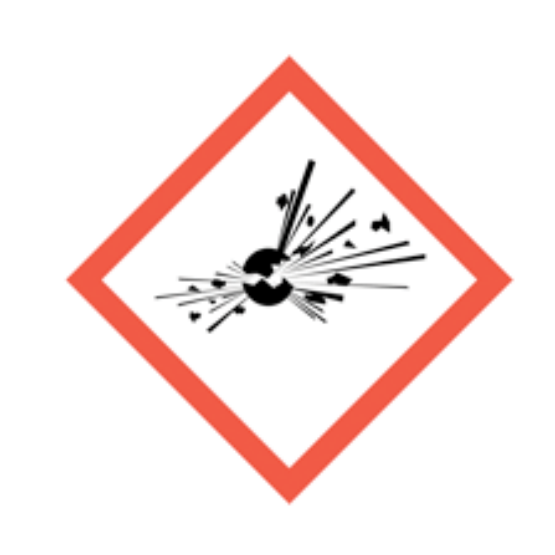
Exploding bomb
Explosive, self-reactive or organic peroxide hazards.
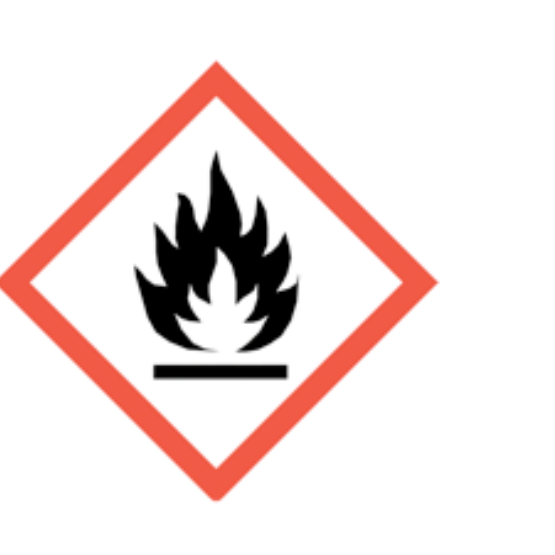
Flame
Flammable, self-heating or pyrophoric substances.
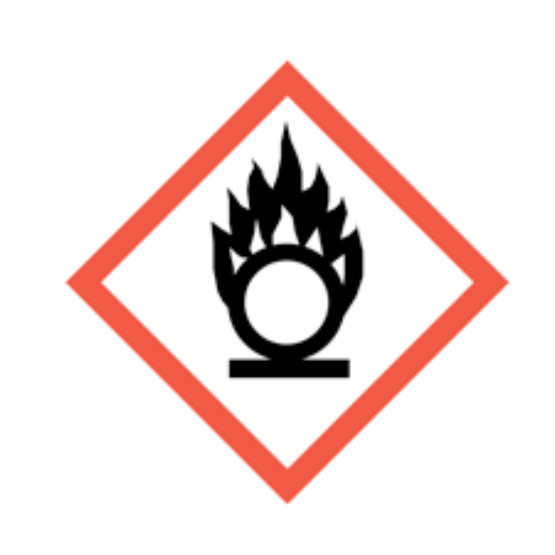
Flame over circle
Oxidising substances that can intensify fire.

Gas cylinder
Gas under pressure.
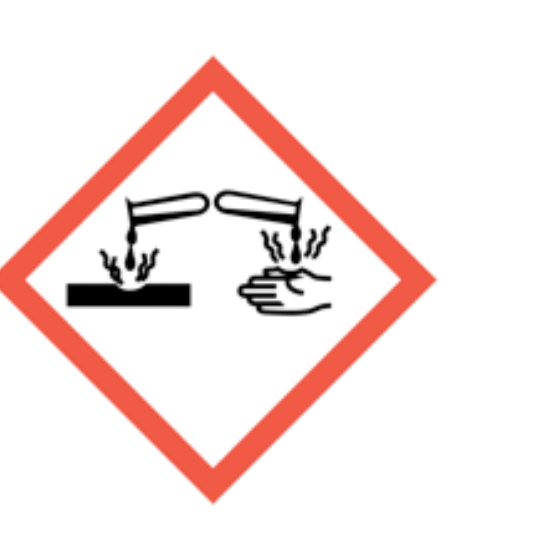
Corrosion
Skin burns, eye damage or corrosive to metals.
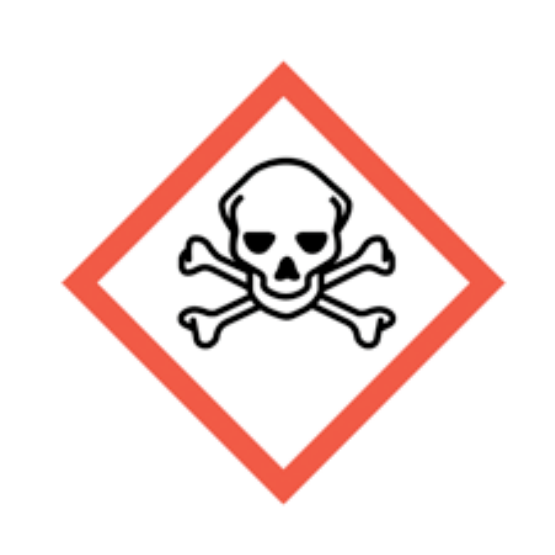
Skull and crossbones
Acute toxicity.
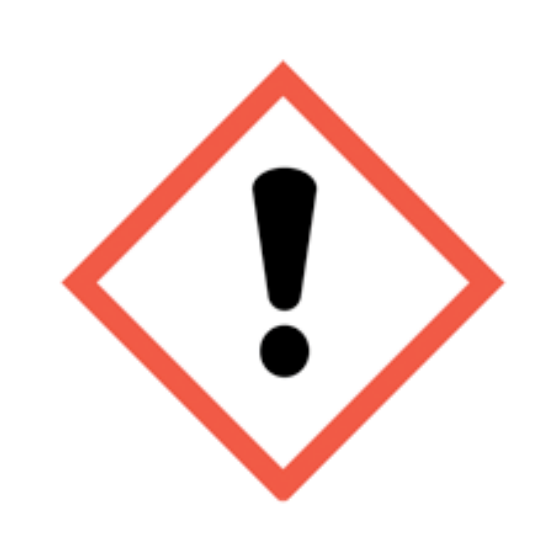
Exclamation mark
Irritation, harmful effects or skin sensitisation; some classifications cover drowsiness, dizziness or ozone-layer hazard. Read the actual hazard statements. Skin sensitisation differs from respiratory sensitisation.
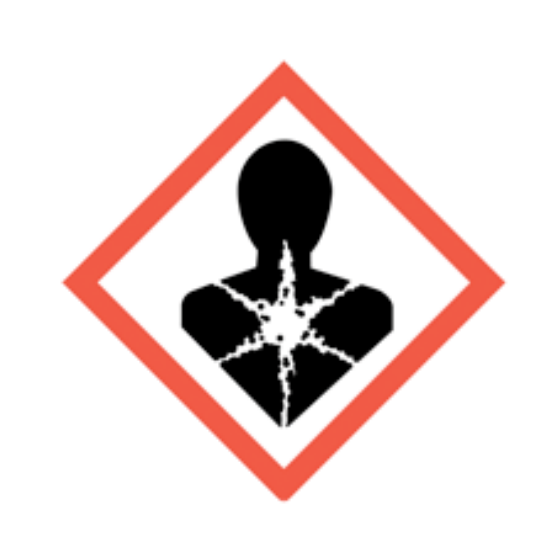
Health hazard
Serious health hazards, including organ damage, aspiration hazard, respiratory sensitisation, cancer and reproductive effects; some can follow a single exposure.
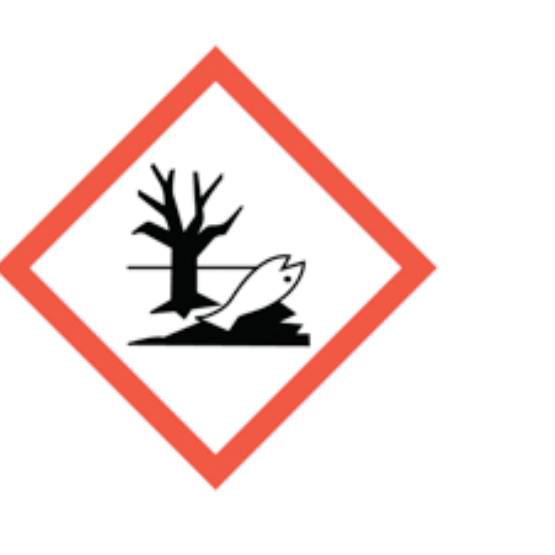
Environment
Hazardous to the aquatic environment.
What do the acronyms and key terms mean?
Acronyms should be understood before they are used in assessments, briefings, audits or learning answers.
Acronyms can exclude newer readers if they are not explained. This section keeps the main terms available at the end of the page so the article stays readable while still supporting learners and audit users.
| Acronym | Meaning | Plain-English use |
|---|---|---|
| COSHH | Control of Substances Hazardous to Health | UK framework for hazardous substance and biological-agent exposure control. |
| OH | Occupational health | Qualified health advice focused on work impact and fitness. |
| RPE | Respiratory Protective Equipment | Breathing protection used where assessed as necessary. |
| LEV | Local Exhaust Ventilation | Engineering control used to capture mist, fume or aerosol at source. |
| MWF | Metalworking fluid | Water-mix or neat fluids used in machining that can create mist and contamination risks. |
Unlock another resource
You have used this month’s two free downloads. Publish a post in your own words to unlock one more resource, or choose SHARE Individual for 10 downloads per month.
You decide whether to share. If you do, use the relevant platform disclosure tools and do not make claims you do not genuinely hold.