
SHARE Knowledge Hub
Lead Dust
Lead dust is particulate contamination released when lead-containing paint, metal or residues are disturbed. Workers can inhale it or swallow it from contaminated hands, clothing and surfaces; absorbed lead can harm blood, nerves, kidneys and reproduction before illness is obvious. The safest work plan identifies the material, avoids unnecessary disturbance and verifies containment, hygiene and medical-surveillance decisions where exposure is significant.
Understanding Lead Dust
Lead dust is particulate contamination released when lead-containing paint, metal or residues are disturbed. Workers can inhale it or swallow it from contaminated hands, clothing and surfaces; absorbed lead can harm blood, nerves, kidneys and reproduction before illness is obvious. The safest work plan identifies the material, avoids unnecessary disturbance and verifies containment, hygiene and medical-surveillance decisions where exposure is significant.
Why this matters at work
For airborne failure, stop generation, isolate the area and use competent recovery. Do not dry sweep or send unprotected staff to clean. Check adjacent areas, welfare and people who may have been exposed. Preserve filters, materials, monitoring data, photographs and task conditions.
Define stop and escalation criteria for visible uncontrolled dust, LEV failure, enclosure breach, damaged RPE, spill, unexpected lead, air result above the OEL, rising blood lead or action-level notification. Make the area safe, prevent spread and protect people before investigating.
How organisations manage this in practice
Act on the control failure promptly and restrict affected work as necessary while competent investigation establishes the safe next step. Review the task, extraction, housekeeping, workwear, hygiene, RPE, materials and changed work conditions. Consult the appointed doctor or appropriate occupational-health role about medical-surveillance findings and individual restrictions. Do not ask a supervisor to interpret blood results or decide treatment.
Communicate facts without blame and consult representatives. Verify corrective action by inspection, air or surface monitoring and biological trend as appropriate. Review similar tasks and sites, because a result can expose a wider system weakness.
Use a planned method that captures and contains contamination rather than redistributing it. Avoid uncontrolled dry sweeping or compressed-air cleaning. Select suitable vacuum or wet methods for the actual material and equipment through competent assessment, and manage filter changes and contaminated cleaning materials as exposure tasks. Protect cleaners, waste handlers and people outside the work area. Identify, package, label, store and transfer waste under the applicable national waste requirements and actual classification. Do not assume one GB-wide or UK-wide disposal form or destination applies. Keep workwear and dirty tools from contaminating clean facilities. Record the method, significant checks, disposal route and failures. HSE lead guidance requires sustained control and hygiene; it does not establish a universal decontamination threshold, vacuum specification for every task or approval of an individual waste contractor.
How can I practise this topic in 3D?


Old lead-containing paint is dry stripped
All related inspection points 1 across 1 location
Construction site 1 inspection point
Practice in the SHAREhub environment. Browser practice is separate from workplace competence and formal learning records.
What are the key facts about lead dust?
The important lead dust facts are practical: where it comes from, how it enters the body and what has to be controlled before contamination spreads.
Best-practice guide: Lead Dust
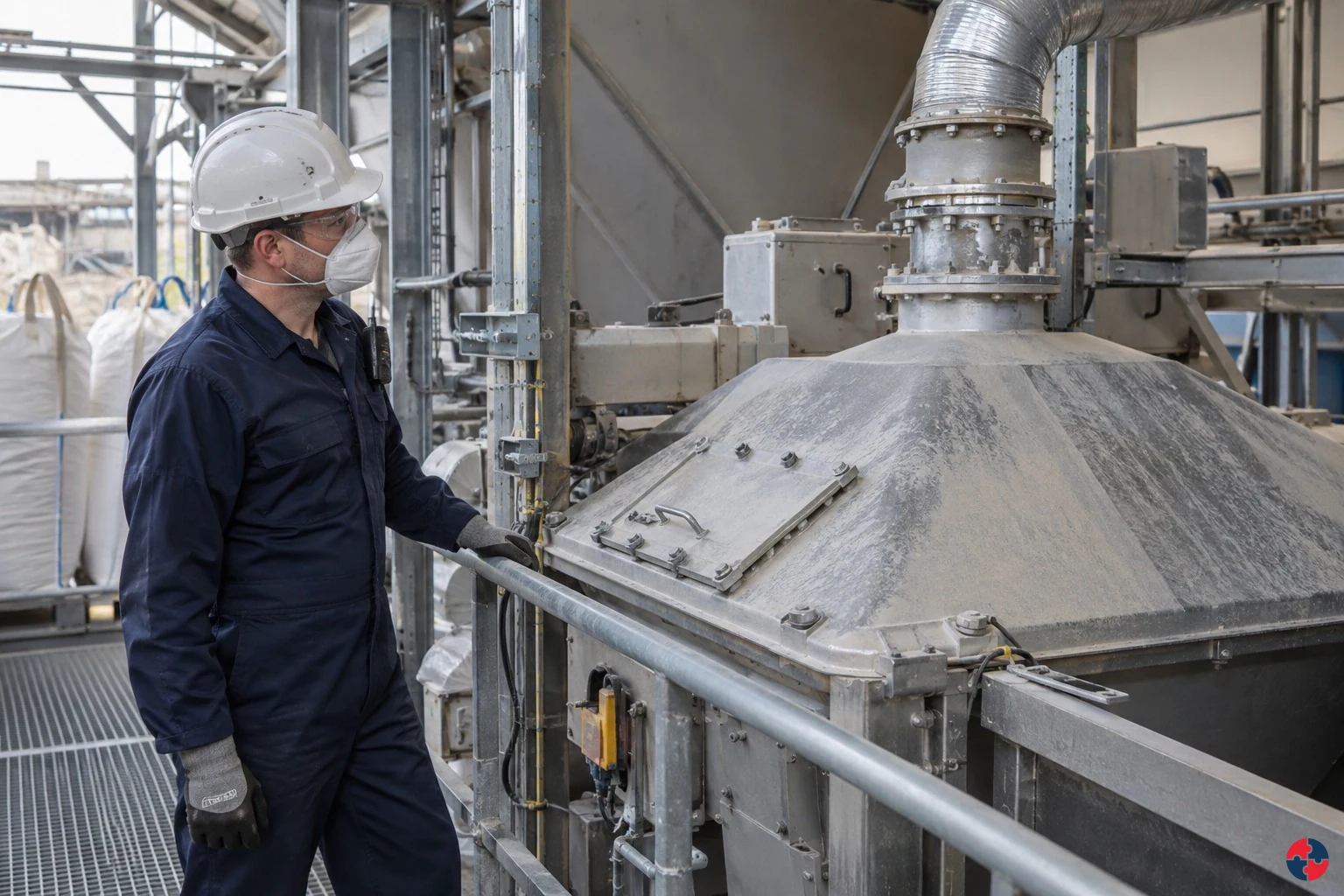
What are the key facts about lead dust?
The important lead dust facts are practical: where it comes from, how it enters the body and what has to be controlled before contamination spreads. Lead dust is particulate contamination released when lead-containing paint, metal or residues are disturbed.
Turn lead dust knowledge into a decision
Lead dust is particulate contamination released when lead-containing paint, metal or residues are disturbed. Workers can inhale it or swallow it from contaminated hands, clothing and surfaces; absorbed lead can harm blood, nerves, kidneys and reproduction before illness is obvious. Test paint, use low-dust methods, local extraction and clean welfare.
Construction lead dust examples
Window refurbishment: Test paint, use low-dust methods, local extraction and clean welfare. Steelwork modification: Check coatings, strip safely or isolate and extract before hot work.
Warning signs and actions
Unknown coatings disturbed: Lead dust or fume may be created without controls. Dry sweeping: Fine dust is re-suspended and inhaled or spread. Dirty welfare: Workers may swallow contamination during breaks.
Choose controls for lead dust
Eliminate: Leave sound lead paint in place under a verified design, or remove the painted component for controlled off-site treatment; avoids on-site dust. Reduce: Replace dry powered sanding with a suitable wet preparation or chemical stripping method checked for its own hazards; use lead-free replacement material where feasible. Isolate: For unavoidable stripping, enclose the workface, install on-tool extraction and a suitable filtered vacuum; isolate clean routes and capture at source. Control: Specify a work sequence, access boundary, bagging at source, HEPA or wet cleaning, separated welfare and hand/face washing before breaks. PPE: Where residual inhalation/skin contamination remains, select suitable respiratory protective equipment, coveralls and gloves for measured exposure and the task. Read the full control table for qualifications, ownership and verification. Use the actual task and applicable jurisdiction; existing technical approval remains unchanged.
Use the full lead dust lesson
Use the full topic for the decision points, practical examples, detailed control tables and source scope. HSE guidance applies to Great Britain; use HSENI for the Northern Ireland route and the source’s stated jurisdiction. A simplified guide does not change the page’s technical-review or approval status.

Read all six steps as text
1. What are the key facts about lead dust?
The important lead dust facts are practical: where it comes from, how it enters the body and what has to be controlled before contamination spreads.
- Avoid / redesign: Leave sound lead paint in place under a verified design, or remove the painted component for controlled off-site treatment; avoids on-site dust.
- Control the task: For unavoidable stripping, enclose the workface, install on-tool extraction and a suitable filtered vacuum; isolate clean routes and capture at source.
- Verify before release: Designer and client confirm coating condition and future interface in the work plan.
The important lead dust facts are practical: where it comes from, how it enters the body and what has to be controlled before contamination spreads. Lead dust is particulate contamination released when lead-containing paint, metal or residues are disturbed.
Apply it: Which part of this plan would you check at the workface before authorising the task?
2. Turn lead dust knowledge into a decision
Use the evidence to improve the actual work arrangement.
- Change at source: Leave sound lead paint in place under a verified design, or remove the painted component for controlled off-site treatment; avoids on-site dust.
- Make it observable: Designer and client confirm coating condition and future interface in the work plan.
- Keep useful evidence: Test paint, use low-dust methods, local extraction and clean welfare.
Lead dust is particulate contamination released when lead-containing paint, metal or residues are disturbed. Workers can inhale it or swallow it from contaminated hands, clothing and surfaces; absorbed lead can harm blood, nerves, kidneys and reproduction before illness is obvious. Test paint, use low-dust methods, local extraction and clean welfare.
Apply it: What evidence would show that the change improves this task, rather than only completing a record?
3. Construction lead dust examples
Example: a practical application of the existing topic lesson.
- Window refurbishment: Test paint, use low-dust methods, local extraction and clean welfare.
- Steelwork modification: Check coatings, strip safely or isolate and extract before hot work.
- Roof replacement: Use hygiene, clean handling areas and waste controls.
Window refurbishment: Test paint, use low-dust methods, local extraction and clean welfare. Steelwork modification: Check coatings, strip safely or isolate and extract before hot work.
Apply it: At which point would you hold this example, and what evidence would allow it to proceed?
4. Warning signs and actions
Connect the task, the route to the person and the control that can fail.
- Unknown coatings disturbed: Lead dust or fume may be created without controls.
- Dry sweeping: Fine dust is re-suspended and inhaled or spread.
- Dirty welfare: Workers may swallow contamination during breaks.
Unknown coatings disturbed: Lead dust or fume may be created without controls. Dry sweeping: Fine dust is re-suspended and inhaled or spread. Dirty welfare: Workers may swallow contamination during breaks.
Apply it: Who could be exposed, including other trades, cleaners, maintainers and people nearby?
5. Choose controls for lead dust
Start with the stronger practicable options and verify their effect.
- Eliminate: Leave sound lead paint in place under a verified design, or remove the painted component for controlled off-site treatment; avoids on-site dust.
- Reduce: Replace dry powered sanding with a suitable wet preparation or chemical stripping method checked for its own hazards; use lead-free replacement material where feasible.
- Isolate: For unavoidable stripping, enclose the workface, install on-tool extraction and a suitable filtered vacuum; isolate clean routes and capture at source.
- Control: Specify a work sequence, access boundary, bagging at source, HEPA or wet cleaning, separated welfare and hand/face washing before breaks.
- PPE: Where residual inhalation/skin contamination remains, select suitable respiratory protective equipment, coveralls and gloves for measured exposure and the task.
Eliminate: Leave sound lead paint in place under a verified design, or remove the painted component for controlled off-site treatment; avoids on-site dust. Reduce: Replace dry powered sanding with a suitable wet preparation or chemical stripping method checked for its own hazards; use lead-free replacement material where feasible. Isolate: For unavoidable stripping, enclose the workface, install on-tool extraction and a suitable filtered vacuum; isolate clean routes and capture at source. Control: Specify a work sequence, access boundary, bagging at source, HEPA or wet cleaning, separated welfare and hand/face washing before breaks. PPE: Where residual inhalation/skin contamination remains, select suitable respiratory protective equipment, coveralls and gloves for measured exposure and the task. Read the full control table for qualifications, ownership and verification. Use the actual task and applicable jurisdiction; existing technical approval remains unchanged.
Apply it: Which stronger option can be used here, and who will verify it before accepting the remaining risk?
6. Use the full lead dust lesson
Follow the official sources below and retain the task-specific evidence.
- Official guidance: HSE control guidance
- Official guidance: Lead at work
- Task decision: Test paint, use low-dust methods, local extraction and clean welfare.
Use the full topic for the decision points, practical examples, detailed control tables and source scope. HSE guidance applies to Great Britain; use HSENI for the Northern Ireland route and the source’s stated jurisdiction. A simplified guide does not change the page’s technical-review or approval status.
Apply it: Which official source and full-topic section will you use to resolve the next decision?
Lead can be hidden
Older paint, pipework, specialist coatings, flashings, tanks, solder and residues may contain lead.
Dust and fume matter
Sanding, grinding, cutting, burning and blasting can create inhalable dust or fume.
Swallowing is common
People can ingest lead from contaminated hands, food, cigarettes, phones, beards, gloves and vehicles.
Hygiene is a control
Washing, changing, clean rest areas and no eating or smoking in contaminated areas are essential.
RPE is not the first control
Respiratory protection supports, but does not replace, planning, low-dust methods, enclosure and extraction.
Medical surveillance may be required
Significant exposure needs competent assessment and lead-specific medical surveillance arrangements.
What is lead dust in plain English?
Lead dust is lead-containing particulate from a task or contaminated surface; it can reach a worker even when no cloud is visible.
Dry sanding old paint, cutting lead-coated metal, battery breaking and pigment handling are different processes with the same potential inhalation or ingestion pathway. HSE lists these high-risk processes and explains why eating, smoking or touching the mouth with contaminated hands adds a route that respiratory protection does not address.
Lead fume from hot work is a different airborne form; alkyl lead can also have a skin-absorption route. Identify the actual material and method before choosing controls. A surface with uncertain coating history should be investigated or treated as suspect for planning, not assumed harmless because the dust looks ordinary.
Where is lead dust found in real workplaces?
Lead dust risk is common where old materials, specialist materials or contaminated residues are disturbed.
Construction and refurbishment are major risk settings because older buildings can contain lead-based paints, lead pipes, lead roofwork and contaminated dust in voids. The risk rises sharply when work changes from normal handling to high-energy disturbance such as abrasive sanding, needle-gunning, grinding, burning or blasting.
Industrial settings can also create lead dust or fume during battery work, foundry work, radiator repair, soldering, scrap processing, firing-range maintenance, stained glass work, ceramics, coatings removal and contaminated plant maintenance. The task can look small, but repeated exposure and poor hygiene can build a significant body burden.
HSE construction guidance identifies older coatings, pipework and roof materials; HSE lead-risk guidance also covers battery recovery, smelting, foundry, pigment and ceramic tasks. The transfer question is always what form of lead the process releases and who may breathe, swallow or carry it away.
| Source | Example task | Main control focus |
|---|---|---|
| Lead-based paint | Sanding, scraping, heat stripping, burning or abrasive removal. | Identify coating, avoid high-dust methods, contain and clean. |
| Lead-coated steel | Cutting, grinding, welding or burning. | Avoid hot work where possible, use LEV and respiratory protection. |
| Lead pipework | Removal, cutting or replacement in older properties. | Prevent dust, manage waste and maintain hygiene. |
| Lead sheet and flashing | Roof work, cutting, shaping and removal. | Control handling contamination, cutting dust and welfare. |
| Battery and recycling work | Breaking, sorting, charging, smelting or residue cleaning. | Segregation, enclosure, hygiene and medical surveillance. |
| Firing ranges | Bullet trap cleaning and contaminated dust removal. | Specialist cleaning methods and strict contamination control. |
| Workshops and hobby-type tasks | Stained glass, solder, pigments and ceramics. | Substitution, ventilation, housekeeping and training. |
What forms and exposure routes matter?
The form of lead changes both the exposure route and the control strategy.
Lead dust is usually a particulate exposure. Lead fume can be created when lead is heated, burned, welded or cut at high temperature. Pastes, powders and residues may contaminate gloves and surfaces. Some organic lead compounds have different absorption behaviour, so the assessment must identify the substance rather than assuming every form behaves the same.
In many workplaces ingestion is underestimated. Lead dust on hands, phones, drinking bottles, cigarettes, facial hair or vehicle interiors can be swallowed. This is why clean welfare, changing arrangements and behavioural discipline are not optional extras: they are exposure controls.
| Form | Typical task | Main exposure route |
|---|---|---|
| Dust | Sanding, drilling, scraping, demolition, cleaning residues. | Inhalation and ingestion. |
| Fume | Burning, welding, hot cutting or melting lead-containing material. | Inhalation. |
| Powder or pigment | Handling old pigments, powders, contaminated bagged waste. | Inhalation and ingestion. |
| Paste or residue | Cleaning, battery work, contaminated plant maintenance. | Ingestion and skin contamination leading to transfer. |
| Solid lead | Handling sheet, pipe or flashing without dust generation. | Lower airborne risk, but surface contamination and hygiene still matter. |
| Organic lead compounds | Specialist chemical contexts. | May involve skin absorption and require specialist assessment. |
How should old lead paint be approached?
Old lead paint should be assumed possible until survey information or testing shows otherwise.
Lead pigments were widely used historically, so refurbishment work needs a deliberate check before disturbing coatings. The safest plan is to avoid unnecessary disturbance. If removal is needed, choose methods that minimise dust and fume, protect other people, contain debris and make cleaning verifiable.
A common failure is to authorise sanding or burning because the job appears minor. A small job can contaminate a room, a van, a worker's clothing and nearby trades. The work pack should state what is being disturbed, how lead has been checked, what method is allowed, where the exclusion zone is, how waste is collected and what welfare is available before the first tool is used.
| Decision | Good practice | Failure to avoid |
|---|---|---|
| Is lead present? | Use survey information, history and testing where needed. | Assuming paint is modern because it looks clean. |
| Can removal be avoided? | Over-board, encapsulate or leave undisturbed if safe and suitable. | Removing paint for convenience. |
| Which method? | Use low-dust, controlled methods and do not use blow lamps or gas torches on leaded paint, and keep hot-air or infrared equipment below 500°C. | Dry sanding, uncontrolled grinding or hot work. |
| Who is nearby? | Exclude other trades and protect occupants. | Letting dust spread through shared areas. |
| How will it be cleaned? | Use suitable vacuuming, damp cleaning and waste control. | Dry sweeping or compressed air. |
| What is the handback? | Inspect cleanliness, remove waste and confirm welfare/contamination controls. | Leaving residues for cleaners or occupants. |
For the occupied-school hand-back, agree the acceptance method before starting: which areas are inspected, whether the competent assessment calls for sampling, who interprets any results, the decision criterion and who releases occupancy. Record failed areas and re-clean/recheck them. Do not invent a universal UK clearance number or require wipes for every small job. Off-site treatment avoids exposure at this workface but transfers a hazardous task to a competent facility; removal and packaging can still disturb lead.
How does lead dust arise in construction and refurbishment?
Construction creates lead dust when hidden material meets intrusive work.
Lead risk should be considered during design, pre-construction information, surveys, risk assessment and method selection. Principal designers, principal contractors, contractors and supervisors should not wait until a worker sees grey dust or old paint flakes on site.
Good planning links lead information into RAMS, permits, inductions, toolbox talks, waste notes, welfare provision and contractor competence. A refurbishment contractor who only says 'wear a mask' has not managed lead dust.
| Scenario | Risk | Better control |
|---|---|---|
| Window refurbishment | Sanding old paint creates dust on floors, tools and clothing. | Test paint, use low-dust methods, local extraction and clean welfare. |
| Steelwork modification | Hot cutting lead-coated steel creates fume. | Check coatings, strip safely or isolate and extract before hot work. |
| Roof replacement | Cutting and handling lead flashing contaminates gloves and surfaces. | Use hygiene, clean handling areas and waste controls. |
| Pipe removal | Cutting old lead pipework creates residues and waste. | Plan removal, avoid uncontrolled cutting and segregate waste. |
| Demolition | Bulk disturbance spreads contaminated dust. | Survey, segregate, suppress dust and monitor if significant exposure is possible. |
| Occupied building works | Dust migrates to users and cleaners. | Use containment, sequencing, communication and handback checks. |
How does a refurbishment lead dust scenario develop?
A worked refurbishment pathway helps learners and site teams see how a normal-looking job becomes an exposure-control problem.
Imagine a property maintenance team asked to refurbish a 1960s staircase in an occupied office. The painted handrail and balusters look sound, but historic paint layers may contain lead. The first risk decision is not which mask to buy; it is whether the coating contains lead, whether the work can avoid disturbing it and whether the people nearby can be protected.
If dry sanding is chosen without testing, dust can spread to carpets, stair treads, workers' gloves, tools and the cleaner's vacuum. If heat stripping is used, fume may become the main route. If the team takes breaks in contaminated overalls, ingestion becomes a realistic exposure route even if airborne controls appear reasonable.
| Stage | Competent approach | Evidence to keep |
|---|---|---|
| Old painted surface | Check building age, coating history, survey information and whether testing is needed before disturbance. | Pre-work information, survey/test result and assumption log. |
| Disturbance method | Avoid removal where possible; otherwise choose low-dust methods and prohibit uncontrolled sanding, burning or grinding. | Method statement and supervisor authorisation. |
| Dust or fume route | Identify inhalation, ingestion, take-home contamination and other people affected by the work area. | COSHH/lead assessment and exposure group record. |
| Controls | Use containment, wet/low-dust method, extraction, exclusion, suitable waste control and RPE/PPE only as part of the package. | Permit/RAMS, equipment checks and area inspection. |
| Hygiene and decontamination | Provide washing, clean breaks, changing, laundry/waste rules and end-of-shift tool/vehicle cleaning. | Welfare checklist and cleaning record. |
| Exposure monitoring | Use competent air or contamination monitoring where exposure is uncertain or significant exposure is possible. | Monitoring plan, results and interpretation. |
| Medical surveillance | Identify workers needing lead medical surveillance where exposure is significant and act on blood-lead trends. | Surveillance register and OH action record. |
| Records and learning | Record decisions, defects, results, training and lessons for similar properties. | Action tracker, lessons learned and standard update. |
How should lead dust risk be assessed before work starts?
The assessment should connect material identification, task energy, exposure routes, people at risk and evidence requirements.
Use HSE construction lead guidance to check the material, exposure route and task response. An unknown coating, uncontrolled dust or suspected absorbed exposure requires a competent hold and escalation decision before routine work resumes.
A competent assessment starts with the material and the task. Is lead present? Is the work likely to create dust, fume or surface contamination? How long will it take? Is it indoors, in a void, outside or in an occupied building? Who else could be exposed? What welfare, cleaning, monitoring and medical surveillance arrangements are needed?
The assessor should avoid a generic COSHH assessment that says 'lead harmful, wear PPE'. A strong assessment describes the real job, the source of lead, the route into the body, the controls in order of effectiveness, the inspection points and the trigger for stopping or escalating.
| Prompt | What to check | Evidence |
|---|---|---|
| Material | Paint, coating, pipe, flashing, residue, solder or contaminated dust. | Survey, test result, SDS or asset information. |
| Task energy | Sanding, grinding, burning, cutting, blasting, scraping or cleaning. | Method statement and tool selection. |
| Exposure route | Inhalation, ingestion, take-home contamination or skin absorption for specific compounds. | COSHH/lead assessment. |
| People at risk | Workers, cleaners, other trades, occupants, contractors and vulnerable workers. | Work area plan and communication records. |
| Controls | Avoidance, enclosure, wet methods, LEV, RPE, welfare and cleaning. | RAMS, permit, inspection and maintenance records. |
| Monitoring | Need for air monitoring, surface checks or biological monitoring. | Occupational hygiene plan and OH referral process. |
| Review | Change in task, result, symptoms, failed control or new information. | Review log and action tracker. |
How can the hierarchy of controls reduce lead-dust exposure and contamination?
Start by avoiding lead disturbance. If the work cannot be redesigned, substitute a lower-release method, contain and capture dust, then add hygiene and suitable protective equipment.
ERICPD and the five-level hierarchy are related planning models, not separate laws. HSE construction guidance advises identifying lead-generating tasks and following assess, control and review; HSE employer guidance requires sustained control, hygiene and supervision. On a painted timber window, dry sanding in an occupied room is a poor starting method: repairing the sound coating may remove the need to strip; if stripping is essential, a tested low-dust method and verified capture should precede reliance on a respirator.
The six ERICPD stages cross-map below to elimination, substitution, engineering, administrative and PPE. “Discipline” means keeping every selected control effective through checks, maintenance and learning. Before work, the supervisor verifies coating information and the workface; during work, checks for escape and hygiene; after work, confirms cleaning, waste removal and safe hand-back. Unknown coating, failed extraction or contamination outside the boundary holds the job.
How can the ERICPD hierarchy of controls reduce lead-dust exposure and contamination?

| ERICPD | Five-level hierarchy | Task-specific intervention | Owner, check and stop |
|---|---|---|---|
| Eliminate | Elimination | Leave sound lead paint in place under a verified design, or remove the painted component for controlled off-site treatment; avoids on-site dust. | Designer and client confirm coating condition and future interface in the work plan. If disturbance becomes necessary, stop and replan.HSE control guidance. |
| Reduce | Substitution | Replace dry powered sanding with a suitable wet preparation or chemical stripping method checked for its own hazards; use lead-free replacement material where feasible. | Task designer tests finish and substitute hazards; supervisor inspects the first trial. Stop if the method creates uncontrolled dust or fume.HSE control guidance. |
| Isolate / Control | Engineering controls | For unavoidable stripping, enclose the workface, install on-tool extraction and a suitable filtered vacuum; isolate clean routes and capture at source. | Competent installer verifies capture/airflow and enclosure before use; supervisor checks during the shift. Torn sheeting, weak suction or dust escape stops work.HSE control guidance. |
| Control | Administrative controls | Specify a work sequence, access boundary, bagging at source, HEPA or wet cleaning, separated welfare and hand/face washing before breaks. | Supervisor checks workface, waste, clean/dirty route and cleaning record. Visible spread, eating in the work area or missing welfare triggers a hold.HSE control guidance. |
| PPE | PPE | Where residual inhalation/skin contamination remains, select suitable respiratory protective equipment, coveralls and gloves for measured exposure and the task. | Competent selector specifies protection; wearer has face-fit where tight-fitting, pre-use and maintenance checks. Failed seal or damaged kit stops entry.HSE control guidance. |
| Discipline | Sustaining all levels | Observe the actual method, maintain extraction, follow medical-surveillance advice and investigate exposure trends; this is not blame or a substitute for source controls. | Manager samples checks, exposure results and corrective action closure. Repeated dust or raised blood-lead trend triggers redesign and review.HSE control guidance. |
How can the ISO 45001 hierarchy of controls reduce lead-dust exposure and contamination?

| ERICPD | Five-level hierarchy | Task-specific intervention | Owner, check and stop |
|---|---|---|---|
| Eliminate | Elimination | Leave sound lead paint in place under a verified design, or remove the painted component for controlled off-site treatment; avoids on-site dust. | Designer and client confirm coating condition and future interface in the work plan. If disturbance becomes necessary, stop and replan.HSE control guidance. |
| Reduce | Substitution | Replace dry powered sanding with a suitable wet preparation or chemical stripping method checked for its own hazards; use lead-free replacement material where feasible. | Task designer tests finish and substitute hazards; supervisor inspects the first trial. Stop if the method creates uncontrolled dust or fume.HSE control guidance. |
| Isolate / Control | Engineering controls | For unavoidable stripping, enclose the workface, install on-tool extraction and a suitable filtered vacuum; isolate clean routes and capture at source. | Competent installer verifies capture/airflow and enclosure before use; supervisor checks during the shift. Torn sheeting, weak suction or dust escape stops work.HSE control guidance. |
| Control | Administrative controls | Specify a work sequence, access boundary, bagging at source, HEPA or wet cleaning, separated welfare and hand/face washing before breaks. | Supervisor checks workface, waste, clean/dirty route and cleaning record. Visible spread, eating in the work area or missing welfare triggers a hold.HSE control guidance. |
| PPE | PPE | Where residual inhalation/skin contamination remains, select suitable respiratory protective equipment, coveralls and gloves for measured exposure and the task. | Competent selector specifies protection; wearer has face-fit where tight-fitting, pre-use and maintenance checks. Failed seal or damaged kit stops entry.HSE control guidance. |
| Discipline | Sustaining all levels | Observe the actual method, maintain extraction, follow medical-surveillance advice and investigate exposure trends; this is not blame or a substitute for source controls. | Manager samples checks, exposure results and corrective action closure. Repeated dust or raised blood-lead trend triggers redesign and review.HSE control guidance. |
What practical controls reduce lead dust and fume?
Controls should prevent release, capture contamination close to source and stop spread.
The most effective work packs are specific about tools and methods. 'Control dust' is too weak. The plan should say whether wet scraping is allowed, what extraction is fitted, what vacuum class is required, how debris is bagged, how surfaces are cleaned, when RPE is worn and who checks the area before handback.
Lead fume needs special caution because hot work can create fine inhalable fume quickly. Hot cutting or burning through coated surfaces should trigger stronger planning, coating identification, removal or specialist controls before authorisation.
| Control area | Good practice | Common failure |
|---|---|---|
| Method choice | Select low-dust or no-disturbance methods. | Dry sanding or burning without assessing lead. |
| On-tool extraction | Use extraction matched to the tool and contaminant. | Extraction fitted but blocked, damaged or unused. |
| Wet methods | Use water or paste methods where safe and suitable. | Wetting creates slurry with no waste plan. |
| Enclosure | Contain the work area and protect other people. | Dust migrates through open doors, ducts or voids. |
| Cleaning | Use suitable vacuuming and damp cleaning. | Dry sweeping or compressed air spreads dust. |
| Waste | Bag, label, segregate and dispose through the correct route. | Dust and debris left for general cleaners. |
For the cited construction lead-paint task, HSE identifies on-tool extraction with an H- or M-class unit and RPE with APF20 as a control baseline, subject to the actual task assessment. Blasting, hot work and higher-risk industrial processes may need stronger or different controls; this is not a universal equipment specification. Check the coating, substrate, fire risks and suitability of any chemical method before work. Sources: HSE construction lead controls.
Why is hygiene a critical lead control?
Hygiene stops lead dust being swallowed or carried away from the work area.
Lead dust management often succeeds or fails at break time. A worker can wear good RPE during sanding, then swallow contamination while drinking from a dusty bottle or smoking with contaminated fingers. Clean welfare, hand-and-face washing, changing arrangements and contaminated clothing control are therefore central controls, not housekeeping preferences.
Take-home contamination should be challenged. Overalls, boots, gloves, hair, tools and vehicle interiors can carry dust to families and other workers. Where exposure is significant, the plan should include clean/dirty separation, laundry arrangements and rules for leaving the work area.
For lead dust, hygiene is an exposure control, not housekeeping polish: HSE employer guidance calls for separate clean and contaminated clothing storage and washing facilities. Workers wash hands and face before breaks; contaminated workwear is not taken home for domestic laundering. Check the break route and changing area during the job, not only the workface.
| Hygiene control | Why it matters | Verification |
|---|---|---|
| Clean welfare | Prevents ingestion during breaks. | Welfare inspection and rest-area cleanliness. |
| Hand and face washing | Removes contamination before eating, drinking or smoking. | Facilities available and used. |
| No food, drink or smoking in contaminated areas | Prevents direct ingestion. | Site rules and supervisor checks. |
| Changing arrangements | Stops dust leaving the work area. | Clean/dirty route and storage. |
| Laundry controls | Avoids taking contaminated clothing home. | Laundry process and issue records. |
| Tool and vehicle cleaning | Prevents transfer between sites. | Cleaning checklist and visual checks. |
How should RPE and PPE be selected for lead dust?
RPE and PPE must be selected for the task, exposure level, wearer and other controls already in place.
RPE is sometimes necessary, but it is not a shortcut around poor planning. The chosen respirator needs the right protection factor, compatible filters, face-fit testing where tight-fitting, user checks, maintenance and clean storage. People with facial hair, poor fit or damaged masks may not be protected.
Protective clothing should prevent contamination of personal clothing and skin, but it also creates waste and changing needs. Gloves should match the task and allow dexterity. PPE can introduce heat stress, communication problems and reduced visibility, so the work method still has to be practicable.
| Item | Selection point | Evidence |
|---|---|---|
| RPE type | Match assigned protection factor to exposure and task. | RPE assessment and HSG53-based selection. |
| Face-fit testing | Required for tight-fitting masks. | Face-fit certificate and clean-shaven rule. |
| Filter/cartridge | Suitable for particulate or fume as assessed. | Issue, change and storage records. |
| Protective clothing | Prevents contamination of personal clothing. | Issue, disposal or laundry process. |
| Gloves | Suitable for contamination, handling and dexterity. | Glove selection record. |
| Training | Users understand fit checks, limitations and cleaning. | Practical training and supervisor observation. |
When should exposure monitoring be considered?
Monitoring helps test whether controls are working and whether exposure is significant.
Air monitoring may be needed where the level of exposure is uncertain, controls need validation, higher-risk tasks are being carried out or changes have been made. Sampling should be planned and interpreted by competent people because a single number without context can mislead.
A useful monitoring report explains the task, duration, controls, sample type, result, comparison standard, uncertainty and actions. The best reports do not just say whether a limit was exceeded; they explain what should improve.
The GB lead ACOP, L132 defines the occupational exposure limit for lead other than lead alkyls as 0.15 mg/m³, and for lead alkyls as 0.10 mg/m³, each measured as an eight-hour time-weighted average of lead in personal air exposure. A limit is not a target; significant-exposure and surveillance decisions can arise below it or through ingestion. In Northern Ireland, use HSENI’s separate lead guidance for the applicable limit and action route.
| Monitoring question | What good looks like | Action if weak |
|---|---|---|
| What task was sampled? | Representative work, tools and duration are described. | Repeat or redesign sampling. |
| What controls were in place? | LEV, wet methods, enclosure, RPE and hygiene are recorded. | Do not compare results without control context. |
| What does the result mean? | Competent interpretation against the lead OEL and task context. | Review controls and work method. |
| Is biological monitoring needed? | Significant exposure routes are linked to medical surveillance arrangements. | Escalate to occupational health and appointed doctor route where required. |
| Are trends reviewed? | Results are compared by task, site and worker group. | Update risk assessment and risk register. |
| Are workers informed? | Results and control changes are explained plainly. | Improve communication and retraining. |
What medical surveillance applies to lead work?
Lead has specific medical surveillance expectations where exposure is significant.
HSE guidance identifies lead as a hazard where medical surveillance may be legally required. Blood-lead monitoring is used because lead absorbed into the body circulates in blood and can build up over time. Results need competent occupational-health interpretation and confidential handling.
The employer needs enough information to manage exposure, but not unnecessary diagnosis detail. The useful management output is whether a worker is fit for the lead work, whether restrictions or removal from exposure are needed, whether controls need urgent review, and what action is required for the exposure group.
HSE defines significant exposure through airborne exposure above half the lead limit, substantial ingestion risk or relevant skin exposure; HSENI gives the corresponding NI route. Use the relevant appointed-doctor or employment-medical-adviser arrangement for statutory medical surveillance. Blood-lead monitoring shows absorbed lead from all routes and must trigger control review rather than be treated as proof a dusty method is acceptable.
| Element | Purpose | Management action |
|---|---|---|
| Baseline assessment | Confirms suitability and records starting point where required. | Arrange before significant exposure starts. |
| Blood-lead monitoring | Checks absorbed dose over time. | Review result trends and exposure controls. |
| Appointed doctor route | Provides competent medical surveillance where the law requires it. | Use HSE-appointed doctor requirements where applicable. |
| Removal or restriction | Protects workers where levels or medical advice require action. | Remove from exposure and investigate controls. |
| Health record | Employer-held record of surveillance status, not confidential clinical notes. | Keep secure and separate from casual HR records. |
| Medical record | Clinical information held by occupational-health professionals. | Do not demand unnecessary medical detail. |
Significant exposure is not the only medical-surveillance gateway. In GB, CLAW regulation 10(1) also covers blood or urinary lead at or above the concentrations specified in regulation 10(2), measured during assessment or employment, and certification by the relevant doctor. The scheme must use an HSE-appointed doctor or employment medical adviser as applicable; a routine screening service is not a substitute. For NI use its separate CLAW instrument and HSENI medical-surveillance route, including the result and doctor-certification gateways. Sources: HSE L132 control of lead at work; HSENI lead and medical surveillance.
When should lead dust work stop or escalate?
Lead work should stop when the planned controls no longer match the real conditions.
The table gives practical examples, evidence expectations and common decision points so the section can be used for learning, supervision, audit and review.
| Trigger | Why it matters | Immediate action |
|---|---|---|
| Unknown old coating or material | Lead presence has not been checked. | Stop intrusive work and assess/test. |
| Dry sanding, burning or grinding not in method | Exposure may exceed planned controls. | Stop and review RAMS/permit. |
| Dust escaping enclosure | Other people may be exposed. | Stop, isolate area and clean safely. |
| RPE damaged or poor fit | Worker may inhale dust or fume. | Replace, refit and review exposure. |
| No washing/changing facilities | Ingestion and take-home contamination risk rises. | Pause work until welfare is provided. |
| Worker reports symptoms or high blood-lead result | Exposure may be causing harm. | Remove from exposure and refer through OH process. |
| Cleaning is dry sweeping or compressed air | Dust is being spread. | Stop cleaning method and use suitable controls. |
What records should be kept for lead dust control?
Records should prove that the job was understood, controlled, monitored and reviewed.
Records should prove that controls were selected, implemented, checked and improved. The table helps distinguish useful evidence from records that exist only because someone expected a document.
| Record | What it should show | Owner |
|---|---|---|
| Lead survey or material check | Whether lead was present or assumed. | Client/designer/contractor. |
| Lead/COSHH assessment | Task, exposure routes, controls and review triggers. | Competent assessor. |
| Method statement/permit | Approved method, exclusion zone, welfare and handback. | Supervisor/permit issuer. |
| RPE records | Selection, face fit, issue, checks and maintenance. | Supervisor/HSE adviser. |
| Exposure monitoring report | Task sampled, result, interpretation and actions. | Occupational hygienist. |
| Medical surveillance record | Surveillance status and fitness/restriction outcome. | Employer/OH with privacy controls. |
| Cleaning and waste records | Dust/debris removed and waste managed. | Site supervisor. |
| Action tracker | Defects, owners, due dates and verification. | Manager. |
How could BuildOut Ltd plan a lead-painted window job?

BuildOut Ltd’s example begins with an occupied-school window, unknown old coating and a proposed dry-sanding method.
Before work, the client provides coating history and the designer challenges whether sound paint can be retained. The lead-work lead records a material test or conservative assumption, checks school occupancy and selects a trial low-release method. A competent person confirms enclosure, extraction, clean access, welfare and waste route; the supervisor authorises only the tested method.
During stripping, a contractor finds another painted layer and extraction weakens. The supervisor stops work, keeps people outside the boundary, checks the new layer and repairs and retests capture before restart. After cleaning, the lead checks surfaces, waste and hand-back with the client; exposure results and any health advice inform the next similar job. This is an illustrative method, not a universal safe-work certificate.
What training is needed for lead dust work?
Competence is demonstrated on the actual lead task; a general awareness course does not authorise paint stripping or clinical interpretation.
HSE employer guidance calls for workers and supervisors to understand lead hazards, dust controls, equipment care, PPE and what to do when something fails. The employer must check that the person can use the specified method under real conditions. An appointed doctor makes medical-surveillance judgements; the line manager acts on work restrictions without receiving unnecessary clinical detail.
| Role | Learning and practical test | Assessor and record | Reassessment trigger |
|---|---|---|---|
| Nearby people and new starters | Recognise suspect lead paint or dust and the no-entry/report route. | Supervisor checks a scenario; briefing recorded. | New workface or discovered coating. |
| Lead-task workers and contractors | Demonstrate the actual low-dust method, extraction pre-use check, clean/dirty separation and stop decision. | Competent supervisor observes practical work and records authorised task scope. | Tool, coating, method or control changes. |
| Supervisor and contractor coordinator | Challenge unknown coatings, failed enclosure/extraction, welfare or cleaning; hold and hand back the job. | Manager samples a work pack, observation and signed restart. | Failed check, contamination or monitoring result. |
| Manager, purchaser or designer | Select a method that avoids disturbance where feasible; resource ventilation, welfare and monitoring. | Technical lead checks specification, survey, work plan and action closure. | New project type or repeated control failure. |
| Occupational hygienist and appointed doctor | Assess airborne and absorbed exposure within professional scope and advise surveillance/action. | Accredited/competent sampling and confidential medical record; manager receives necessary fitness/control advice. | New exposure pattern, symptoms or abnormal result. |
How should learners explain lead dust?
Strong learner answers connect lead dust to source, route, control hierarchy, hygiene and surveillance.
The table gives practical examples, evidence expectations and common decision points so the section can be used for learning, supervision, audit and review.
| Prompt | Strong answer should include | Weak answer |
|---|---|---|
| Explain how lead dust enters the body. | Inhalation of dust/fume and ingestion from contaminated hands, food, cigarettes and surfaces. | People breathe it in only. |
| Control old lead paint removal. | Identify lead, avoid high-dust methods, contain, extract, clean, manage waste and maintain welfare. | Wear a mask. |
| Explain why hygiene matters. | It prevents swallowing lead and take-home contamination. | It keeps the site tidy. |
| Explain monitoring. | Air monitoring tests exposure; biological monitoring/medical surveillance checks absorbed dose where required. | Take one sample and file it. |
| Apply ERICPD. | Eliminate, reduce, isolate, control, PPE and discipline in that order. | Give everyone PPE first. |
Which legal duties apply to lead dust?
Lead has its own GB and Northern Ireland regulations; use the instrument for the work location and competent advice for medical decisions.
The GB Control of Lead at Work Regulations 2002 and the NI Control of Lead at Work Regulations 2003 require exposure to be prevented or adequately controlled. Other task hazards still need assessment, but the lead-specific scheme is the starting point for lead work.
HSE L132 gives GB approved-code and guidance detail. HSENI lead guidance describes the NI medical-surveillance route. A blood result or airborne limit is an intervention signal, not a target concentration or permission to expose workers.
| Jurisdiction | Instrument or authority | Practical decision |
|---|---|---|
| Great Britain | Control of Lead at Work Regulations 2002 | Assess the risk; prevent or adequately control exposure; maintain controls and arrange monitoring and medical surveillance where the criteria apply. |
| Northern Ireland | Control of Lead at Work Regulations (Northern Ireland) 2003 | Separate NI regulations impose a lead-specific assessment, prevention/control, monitoring, medical-surveillance and information route. |
| Great Britain | HSE L132, third edition, ACOP and guidance | Use the approved code and guidance to interpret the GB lead regulations; an ACOP has a different legal status from ordinary guidance. |
| Northern Ireland | HSENI lead guidance | Use the NI regulator route for significant exposure, medical surveillance and action/suspension decisions. |
How should controls be owned and reviewed?
Assign a competent owner, check that task controls work, involve workers and act when evidence changes.
For Lead Dust, record the actual hazard and task, the chosen control, the person responsible, the evidence that it works and the point at which work must stop or be reassessed. HSE management guidance for Great Britain describes planning, worker consultation, checking and action. HSENI guidance for Northern Ireland describes competent help, risk control and review. These management steps do not prove that a particular task control is suitable; use the topic-specific evidence and the applicable GB or NI law elsewhere on this page.
What warning signs show lead dust is not controlled?
Warning signs usually show as weak planning, visible contamination, poor hygiene or health-surveillance signals.
Warning signs are included because failure usually appears before a serious event. Treat these points as prompts for inspection, audit, supervision and management review rather than as simple compliance statements.
| Warning sign | How harm can develop | Action |
|---|---|---|
| Unknown coatings disturbed | Lead dust or fume may be created without controls. | Stop and assess/test. |
| Dry sweeping | Fine dust is re-suspended and inhaled or spread. | Use suitable vacuum/damp methods. |
| Dirty welfare | Workers may swallow contamination during breaks. | Clean, segregate and supervise welfare. |
| RPE worn with poor fit | Inhalation exposure continues despite apparent PPE. | Face fit, replace or change method. |
| Contaminated clothing in vans | Dust can transfer to vehicles and homes. | Provide changing/laundry controls. |
| Blood-lead results rising | Controls are not preventing uptake. | Review exposure, remove/restrict where required and investigate. |
| Other trades complain of dust | Containment is failing. | Stop work and protect affected people. |
Chemical hazard symbols: what do they mean?
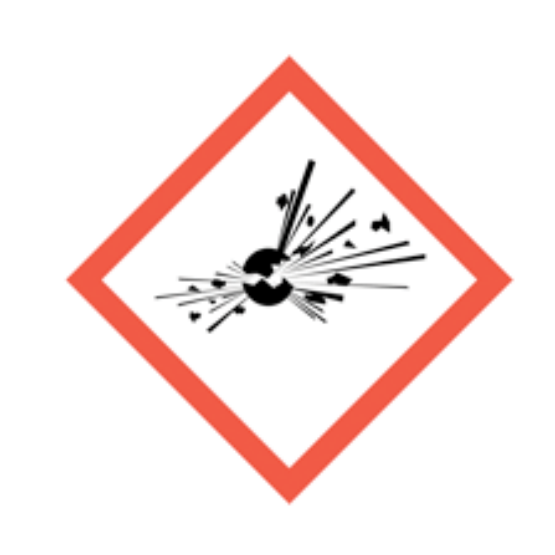
Exploding bomb
Explosive, self-reactive or organic peroxide hazards.
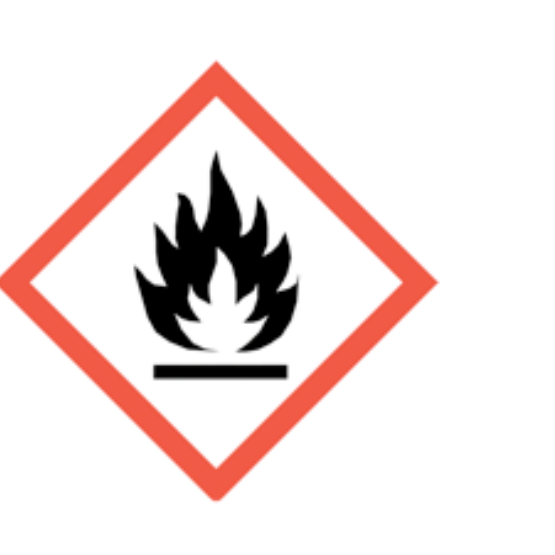
Flame
Flammable, self-heating or pyrophoric substances.
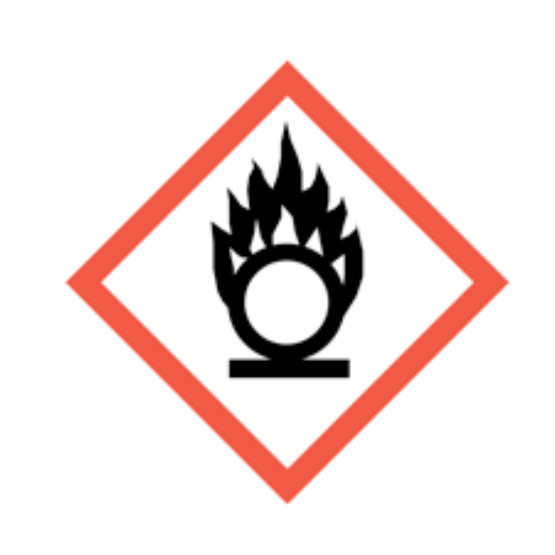
Flame over circle
Oxidising substances that can intensify fire.

Gas cylinder
Gas under pressure.
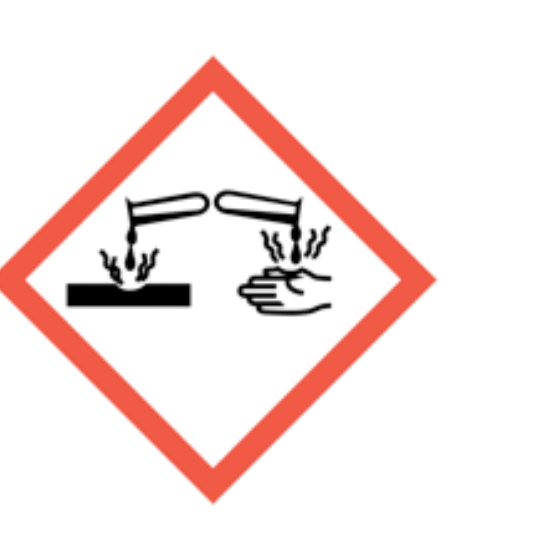
Corrosion
Skin burns, eye damage or corrosive to metals.
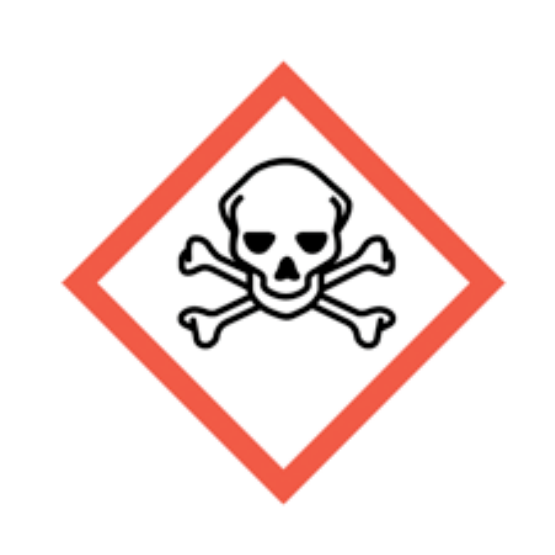
Skull and crossbones
Acute toxicity.

Exclamation mark
Irritation, harmful effects or skin sensitisation; some classifications cover drowsiness, dizziness or ozone-layer hazard. Read the actual hazard statements. Skin sensitisation differs from respiratory sensitisation.
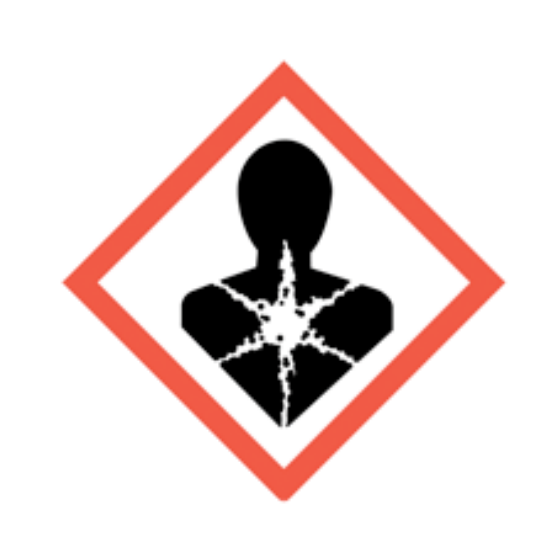
Health hazard
Serious health hazards, including organ damage, aspiration hazard, respiratory sensitisation, cancer and reproductive effects; some can follow a single exposure.
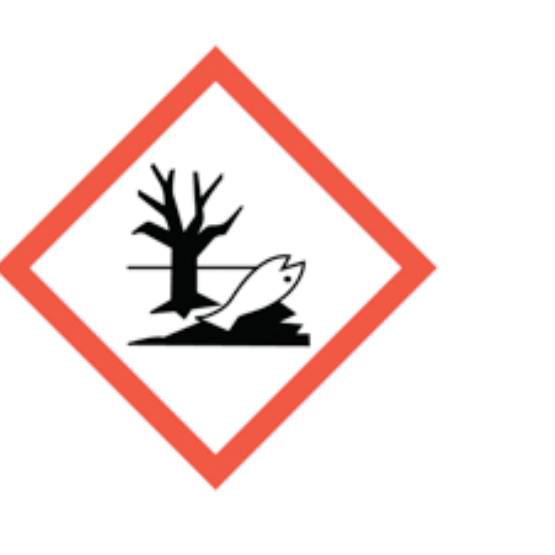
Environment
Hazardous to the aquatic environment.
Which acronyms and terms matter for lead work?
These terms distinguish the material, air and biological measures, protection and legal route.
| Term | Full form or meaning | Plain-English use |
|---|---|---|
| CLAW | Control of Lead at Work | Shorthand for the separate GB 2002 and NI 2003 lead regulations; use the correct instrument. |
| OEL | Occupational exposure limit | Lead-in-air legal limit for the relevant jurisdiction; not a safe exposure target. |
| RPE | Respiratory protective equipment | Task-suitable respirator for residual inhalation risk; it does not stop ingestion. |
| LEV | Local exhaust ventilation | Engineered capture of dust or fume close to the source. |
| PPE | Personal protective equipment | Last-layer task protection such as RPE, gloves and coveralls. |
| OH | Occupational health | Competent work-health advice, with clinical details kept confidential. |
| ERICPD | Eliminate, Reduce, Isolate, Control, PPE, Discipline | Six-stage planning model; Discipline means sustaining controls and learning. |
| HEPA | High-efficiency particulate air | A filter class used in a suitable lead-dust vacuum; the entire machine and method must be appropriate. |
| GB | Great Britain | England, Scotland and Wales; use GB lead regulations. |
| NI | Northern Ireland | Use NI lead regulations and HSENI guidance. |
| HSE | Health and Safety Executive | GB workplace safety regulator. |
| HSENI | Health and Safety Executive for Northern Ireland | Northern Ireland workplace safety regulator. |
| ACOP | Approved Code of Practice | Regulator-approved guidance with a distinct legal status from ordinary guidance. |
| COSHH | Control of Substances Hazardous to Health | Separate hazardous-substance rules relevant to other materials; lead has its own specific regulations. |
| WEL | Workplace exposure limit | General term in other substance regimes; lead regulations use an occupational exposure limit. |
| RAMS | Risk assessments and method statements | Local work-planning documents, not a substitute for effective controls. |
| SDS | Safety data sheet | Supplier substance information; check the actual product and task. |