
SHARE Knowledge Hub
Liver Angiosarcoma
Angiosarcoma of the liver is a rare, serious cancer with a well-established causal association to vinyl chloride monomer (VCM) exposure. The occupational lesson is to prevent VCM release, especially during maintenance and abnormal work, verify closed-system and exposure controls and preserve reliable exposure records. A clinician investigates symptoms and diagnosis; an employer cannot infer an individual cause from a job title alone.
Understanding Liver Angiosarcoma
Angiosarcoma of the liver is a rare, serious cancer with a well-established causal association to vinyl chloride monomer (VCM) exposure. The occupational lesson is to prevent VCM release, especially during maintenance and abnormal work, verify closed-system and exposure controls and preserve reliable exposure records. A clinician investigates symptoms and diagnosis; an employer cannot infer an individual cause from a job title alone.
Why this matters at work
Avoid frightening or reassuring slogans. Explain that VCM causes cancer, that risk depends on exposure, that the organisation must minimise exposure and that symptoms are not an exposure detector. Workers should know where to obtain confidential clinical advice and how to access their records.
Organisational failures include weak contractor records, temporary detector bypasses, permit systems detached from field isolation, lost historic monitoring, screening offered without clinical validity and a case investigation focused on defending the organisation rather than finding exposure pathways.
How organisations manage this in practice
The prevention priority is exposure control. Vinyl chloride is a human carcinogen and an extremely flammable gas. A historic case should prompt compassionate support and exposure reconstruction; a current process should be controlled by prevention, containment and engineering, with monitoring, maintenance, emergency arrangements and competent review. Medical activity must never be used as a substitute for control.
Review when the assessment may no longer be valid or there has been significant change, and after evidence of control failure, exposure or disease. The review should test the physical plant and work as done. Updating the date on an unchanged template is not a review.
Board or senior review should challenge ALARP improvement, ageing plant, contractor exposure, legacy records and bad-news flow. A low current average concentration does not answer whether peaks, maintenance and emergency scenarios are controlled. Visit the plant and compare records with work as done.
Apply the hierarchy to normal and abnormal work. Use substitution or elimination, minimise quantities, enclose the process, extract at source, reduce the number exposed, maintain clean work areas, use safe storage and waste routes, provide hygiene facilities and define emergency action. PPE is supplementary where higher-order measures do not fully control residual exposure.
Build a dated chronology from first possible exposure to the end of relevant work. Record employer and predecessor names, sites, plants, departments, job titles, actual tasks, shift patterns, shutdowns, incidents, process changes and controls. Ask open questions before testing detail against records. Use multiple sources: personnel and payroll files, training, permits, work orders, plant drawings, operating instructions, monitoring, health records, regulator correspondence, union records, photographs, maintenance histories and witness accounts. A later procedure may not describe earlier work; a witness may accurately recall a task but not a concentration. Create task episodes rather than one exposure label. For each, identify material, route, frequency, duration, enclosure, ventilation, opening of equipment, RPE, abnormal events and evidence strength. Use process modelling or comparable-worker data only with documented assumptions and competent occupational-hygiene judgement.
What medical boundary should readers understand?
This page is workplace guidance, not medical advice. Suspected liver disease, cancer symptoms or significant vinyl chloride exposure should be handled through qualified medical routes.
Liver angiosarcoma is rare and serious. A workplace should never attempt to diagnose it from symptoms. Symptoms such as abdominal pain, jaundice, swelling, unexplained weight loss or persistent malaise can have many causes and should be medically assessed through NHS, GP or specialist routes.
The employer's role is exposure prevention, record keeping, confidential support and competent investigation of any current or historical exposure concern. If a worker has a relevant diagnosis or concern, occupational health should help translate medical advice into work restrictions, adjustments and exposure-review needs while protecting confidentiality.
Not diagnosis
Managers should not interpret symptoms or speculate about cancer.
Medical signposting
Use NHS/GP/specialist routes for symptoms, diagnosis and treatment.
Exposure review
Use competent COSHH, process safety and occupational hygiene support for VCM exposure concerns.
Privacy
Health information needs careful handling under UK GDPR and the Data Protection Act 2018.
New yellow skin or eye whites needs an urgent GP or local urgent-care assessment; do not wait for OH or an adjustment meeting. Other symptoms still need appropriate clinical assessment and may have many causes. Use the urgent-care service for the UK nation concerned. Sources: NHS jaundice.
What are the key facts about liver angiosarcoma and work?
The workplace significance is high because a rare disease can signal serious past exposure control failure.
Rare but serious
Liver angiosarcoma is uncommon, but historically important in VCM/PVC work.
VCM is the classic agent
Vinyl chloride monomer is strongly associated with angiosarcoma of the liver.
Inhalation is central
VCM is a gas at room temperature, so inhalation is usually the major route.
The liver is the target organ
Vinyl chloride is metabolised mainly in the liver into reactive metabolites.
Closed systems matter
Modern prevention relies on containment, leak detection, purging, isolation and maintenance control.
Long latency matters
Exposure records may matter years after the work was done.
What is liver angiosarcoma in plain English?
It is a rare liver cancer that became a landmark occupational-health warning about vinyl chloride exposure.
Vinyl chloride monomer is used to make PVC. In modern controlled production it should be kept inside closed systems. Historically, workers in VCM production and PVC polymerisation could be exposed during reactor work, cleaning, maintenance, leaks and open handling. Liver angiosarcoma became the sentinel disease showing why containment and exposure records matter.
The page should be read as both an occupational cancer page and a process safety page. The same loss of containment that exposes people to a carcinogen can also create fire, explosion, toxic release and emergency-response problems.
| Element | Plain-English meaning | Workplace significance |
|---|---|---|
| Condition | Rare aggressive cancer in the liver's blood-vessel lining cells. | Medical diagnosis belongs with specialists. |
| Classic cause | Vinyl chloride monomer exposure. | PVC/VCM work needs tight containment and records. |
| Main route | Inhalation of VCM gas. | Ventilation, gas detection and isolation matter. |
| Target organ | Liver. | Health concerns may involve liver symptoms and medical review. |
| Work lesson | Control chronic exposure and loss of containment. | COSHH, DSEAR and process safety must align. |
What is vinyl chloride monomer?
Vinyl chloride monomer is the relevant agent, especially where it is made or polymerised; finished PVC should not be treated as equivalent exposure.
UKHSA vinyl chloride toxicology identifies inhalation of the gas as the principal route at ordinary temperature and a causal association with liver angiosarcoma. The historical risk arose in VCM and PVC-polymerisation work, including reactor cleaning and maintenance. Assess the actual monomer, process state and task, not a broad “plastics worker” label.
HSE carcinogen exposure guidance requires exposure to be as low as reasonably practicable even when a workplace exposure limit is met. A specialist should assess releases, personal sampling and the containment/ventilation method for planned and abnormal operations.
| Task | Potential VCM route | Preventive decision | Direct source |
|---|---|---|---|
| Closed polymerisation | Gas remains in engineered process. | Maintain containment and leak detection. | UKHSA VCM |
| Reactor entry or cleaning | Residual monomer may be released when equipment opens. | Isolate, purge and verify atmosphere before entry. | HSE carcinogen control |
| Leak/incident | Unexpected gas release and possible acute exposure. | Withdraw, isolate remotely if safe and use the emergency plan. | UKHSA VCM effects |
How does vinyl chloride exposure relate to liver angiosarcoma?
Vinyl chloride is absorbed and metabolised mainly in the liver, where reactive metabolites are associated with carcinogenic effects.
For learners, the key toxicology route is: VCM is inhaled, absorbed into the body, distributed to organs including the liver and metabolised into reactive intermediates. Over time and depending on exposure, that can contribute to genetic and cellular damage associated with cancer.
The workplace conclusion is straightforward: minimise exposure before there is any sign of disease. Long-latency cancer prevention depends on process integrity, monitoring, maintenance discipline and good records.
UKHSA vinyl chloride toxicology describes inhalation uptake, liver metabolism and the established angiosarcoma association; the exact individual pathway is a specialist question.
| Stage | Explanation | Control lesson |
|---|---|---|
| Release | VCM escapes from process, line, vessel, seal or incident. | Prevent loss of containment. |
| Exposure | Worker inhales gas, especially during maintenance, cleaning or leaks. | Use isolation, purging, ventilation and monitoring. |
| Absorption | VCM enters the body. | Control before uptake occurs. |
| Liver metabolism | Reactive metabolites are formed mainly in the liver. | Target-organ risk supports strong prevention. |
| Latency | Cancer may appear long after exposure. | Keep exposure and health records. |
| Learning | A case may indicate historical system failure. | Investigate current and historic controls. |
Where may VCM-related risk occur?
Risk is concentrated in specialist chemical and PVC contexts, especially non-routine work.
Modern VCM/PVC production should use enclosed systems, but exposure risk can arise when containment is opened, equipment is cleaned, reactors are entered, pipework is broken, seals leak, transfer systems fail or emergency response is needed. Contractors and maintenance workers can be especially exposed if they are less familiar with the process inventory and residual monomer.
Historic exposure is important. Older workers or retired workers may have been exposed before modern containment standards. A good occupational history should ask about plant, era, tasks, incidents and controls.
UKHSA vinyl chloride toxicology supports the VCM exposure concern. Historic exposure levels are not a prediction for every modern PVC workplace; assess the actual monomer task, especially non-routine openings.
| Setting | Possible exposure route | Management focus |
|---|---|---|
| VCM production | Routine process leaks, sampling or maintenance. | Closed systems, detection and competent operations. |
| PVC polymerisation | Residual monomer in reactors and resin systems. | Ventilation, purge and reactor controls. |
| Reactor cleaning | Opening or entering equipment with residual VCM. | Confined space, isolation, gas testing and permits. |
| Line breaking | Residual pressure or trapped liquid/gas. | Positive isolation, drain, vent, purge and test. |
| Bulk transfer | Hose, valve, coupling or loading-arm release. | Transfer procedures, emergency shut-off and exclusion. |
| Leaks/incidents | Unplanned release and emergency response. | Alarm response, evacuation and exposure recording. |
| Legacy plant | Historical contamination or undocumented residues. | Pre-work information and conservative assumptions. |
How does process safety connect to liver angiosarcoma prevention?
VCM containment protects both acute safety and long-term health.
A VCM leak is not only a chronic health concern. It can be a flammable gas release, a toxic exposure event, a potential emergency and a sign that process containment is degrading. Therefore, the same barriers that prevent major accident scenarios also reduce occupational cancer risk.
Process safety thinking asks: what can release VCM, how would we detect it, what shuts it off, how are people warned, how is exposure prevented, how is maintenance controlled, and what evidence shows barriers remain reliable?
UKHSA vinyl chloride general information identifies the gas as flammable. Keep ignition-control and toxic-inhalation controls together in the release plan, with separate GB/NI DSEAR instruments as listed below.
| Barrier type | VCM example | Evidence |
|---|---|---|
| Prevention | Design integrity, compatible materials, maintenance and operating limits. | Inspection, design standards and integrity records. |
| Detection | Fixed gas detection and operator monitoring. | Alarm tests and calibration. |
| Control | Emergency shutdown, isolation valves and process interlocks. | Proof tests and override records. |
| Mitigation | Ventilation, drainage, exclusion and emergency procedures. | Emergency drills and inspection records. |
| Exposure control | Permits, purging, gas testing and RPE for residual risk. | Permit pack and exposure records. |
| Assurance | Audit, incident learning and barrier health reviews. | Barrier dashboard and actions. |
Why is maintenance and line breaking high-risk?
Non-routine work can defeat the protection provided by closed systems.
Routine operation may keep VCM inside equipment, but maintenance deliberately opens the boundary. That is why line breaking, vessel entry, gasket replacement, pump maintenance, sampling system repair and reactor cleaning need strict planning.
A permit is not a form. It should prove that the line has been identified, isolated, drained, vented, purged, tested, locked, labelled, handed over and controlled for the whole task. Contractors should understand site rules and the specific VCM hazards before work starts.
| Control point | Purpose | Evidence |
|---|---|---|
| Identify equipment | Prevent opening the wrong line or vessel. | Marked-up P&ID and field verification. |
| Isolate | Stop flow and energy release. | Isolation certificate and lock/tag record. |
| Drain/vent/purge | Remove residual monomer and pressure. | Purge and vent record. |
| Gas test | Check atmosphere before breaking containment and during work. | Gas-test record and instrument calibration. |
| Permit | Authorise work with controls and responsibilities. | Permit pack and handover. |
| Confined space controls | Protect entrants where entry is needed. | Entry permit, rescue plan and atmosphere monitoring. |
| Handback | Confirm leak-free reinstatement and no exposure concern. | Close-out and restart check. |
What symptoms and medical signposting should be understood?
Symptoms of liver cancer are often non-specific; workers should seek medical assessment without workplace diagnosis.
NHS liver-cancer symptoms describes possible symptoms and when to seek advice. A worker with a relevant VCM history can tell their GP about tasks, periods, releases and any exposure records. A manager should facilitate access and review current controls, not attribute an individual illness to work or prescribe investigations.
How can the hierarchy of controls reduce occupational vinyl-chloride exposure and liver-cancer risk?
Prevent VCM release at source and use a verified isolation and atmosphere decision before maintenance.
ERICPD below is a planning aid mapped to the five-level hierarchy. HSE carcinogen guidance supports reducing exposure ALARP. A line opening or reactor clean needs an owner who can hold the work when isolation, purge, gas testing or suitable residual protection fails.
Do not allow a low routine sample result to override a failed valve, alarm or changed process state. Reassess and verify the repaired system before restart.
How can the ERICPD hierarchy of controls reduce occupational vinyl-chloride exposure and liver-cancer risk?

| ERICPD source label | ESEAP control level | VCM task intervention | Owner, proof and stop |
|---|---|---|---|
| Eliminate | Elimination | Remove unnecessary open handling or manual reactor entry where feasible. | Process owner verifies design; unreviewed change holds work. |
| Reduce | Substitution / Administrative controls | Use an alternative process/material only where technically compatible; minimise residual monomer. | Designer checks performance; no undocumented substitute. |
| Isolate / Control | Engineering controls | Closed transfer, double isolation, purge, leak detection and suitable capture. | Supervisor proves isolation and atmosphere; failed test stops opening. |
| Control | Administrative controls | Permit, exclusion, personal monitoring, maintenance plan and emergency drill. | Shift lead checks real task; abnormal release triggers evacuation. |
| PPE | PPE | Select task-suitable chemical protection and RPE for residual or emergency exposure. | Competent selector verifies fit and condition; failure stops task. |
| Discipline | Administrative controls | Trend leaks, alarms and monitoring; close defects and preserve exposure history. | Manager verifies repair and recurrence review. |
How can the ISO 45001 hierarchy of controls reduce occupational vinyl-chloride exposure and liver-cancer risk?

| ERICPD source label | ESEAP control level | VCM task intervention | Owner, proof and stop |
|---|---|---|---|
| Eliminate | Elimination | Remove unnecessary open handling or manual reactor entry where feasible. | Process owner verifies design; unreviewed change holds work. |
| Reduce | Substitution / Administrative controls | Use an alternative process/material only where technically compatible; minimise residual monomer. | Designer checks performance; no undocumented substitute. |
| Isolate / Control | Engineering controls | Closed transfer, double isolation, purge, leak detection and suitable capture. | Supervisor proves isolation and atmosphere; failed test stops opening. |
| Control | Administrative controls | Permit, exclusion, personal monitoring, maintenance plan and emergency drill. | Shift lead checks real task; abnormal release triggers evacuation. |
| PPE | PPE | Select task-suitable chemical protection and RPE for residual or emergency exposure. | Competent selector verifies fit and condition; failure stops task. |
| Discipline | Administrative controls | Trend leaks, alarms and monitoring; close defects and preserve exposure history. | Manager verifies repair and recurrence review. |
How can a VCM reactor maintenance scenario be worked through?
A worked scenario turns the toxicology into operational control.
A PVC plant plans to open a polymerisation reactor for inspection. The reactor has been isolated, but residual monomer could remain in pipework, dead legs, deposits or internal spaces. The job involves process safety, COSHH, confined-space and contractor-management controls.
A weak plan says 'gas test before entry'. A strong plan identifies all energy and product sources, positively isolates, drains, vents, purges, tests, verifies ventilation, controls ignition, briefs the team, sets rescue arrangements, records potential exposure and only hands back after leak-free reinstatement.
| Step | Competent approach | Evidence expected |
|---|---|---|
| Define scope | Confirm equipment, product, history, drawings and residual VCM potential. | Work pack and marked-up P&ID. |
| Isolate | Positive isolation from feeds, vents, drains, utilities and connected systems. | Isolation certificate and lock/tag record. |
| Drain/vent/purge | Remove residual monomer and verify route is safe. | Purge record and discharge control. |
| Gas test | Use calibrated instruments before and during work. | Gas-test log and monitoring plan. |
| Control entry | Apply confined-space, ventilation, rescue and supervision controls where entry is needed. | Entry permit and rescue plan. |
| Protect workers | Select RPE/PPE for residual or emergency risk and brief use limits. | PPE/RPE record and training. |
| Manage ignition | Apply DSEAR/hot work restrictions and control equipment suitability. | DSEAR review and permit conditions. |
| Handback | Confirm reinstatement, leak test, no exposure concern and learning captured. | Close-out record and action tracker. |
What monitoring and records are needed?
Monitoring should prove both current control and future traceability.
VCM has agent-specific monitoring and medical-surveillance requirements under the applicable COSHH instrument. Fixed detection, personal/area monitoring, leak and alarm histories, emergency-exposure logs and clinical arrangements answer different questions; apply the specific statutory gateways below rather than treating all monitoring as discretionary. Records are especially important because occupational cancer may have long latency.
A monitoring result should never sit in isolation. It should be interpreted against the task, controls, instrument limits, worker location, PPE/RPE, alarms, symptoms and whether similar tasks may also be affected.
HSE carcinogen guidance means monitoring should test the real task and the control state, not merely confirm a routine average is below a WEL. Document the sampling plan, openings, abnormal releases, result interpretation and decisions; use a competent occupational hygienist.
For monitoring required under COSHH, a result representative of an identifiable worker’s personal exposure is kept at least 40 years under GB COSHH regulation 10 or NI COSHH regulation 10. HSE exposure-monitoring guidance distinguishes personal air sampling from area indicators. Do not apply this retention rule blindly to every area meter reading or incident note.
| Record | What it shows | Use |
|---|---|---|
| Fixed gas detection | Possible release or barrier failure. | Alarm response and trend review. |
| Personal exposure monitoring | Worker exposure during task. | COSHH review and control improvement. |
| Area monitoring | Potential exposure to bystanders or zones. | Access control and ventilation review. |
| Leak records | Containment weak points. | Maintenance prioritisation. |
| Permit records | Non-routine exposure was controlled. | Audit and incident review. |
| Exposure register | Who may have been exposed, when and how. | Long-term traceability. |
| Health surveillance/OH record | Health follow-up and work advice. | Confidential support and control feedback. |
In GB, COSHH regulation 10(4) and Schedule 5 specify continuous monitoring for vinyl chloride monomer, or a procedure approved by HSE. The competent owner documents the applicable approved method, locations/coverage and response to a failed monitor. A release alarm, personal-exposure result and pre-entry atmosphere test are not interchangeable evidence. For NI, assess the corresponding regulation 10 and Schedule 5 under its own COSHH instrument. Sources: GB COSHH Schedule 5; HSE L5 COSHH ACOP.
Assess VCM’s Schedule 6 process/exposure entry and regulation 11(2)(a) conditions. Where that duty applies, regulation 11(5) requires medical surveillance supervised by the relevant doctor at intervals no greater than 12 months, or sooner as that doctor directs. GB uses the HSE-appointed-doctor route; NI has its corresponding statutory and medical route. This is not blanket liver testing or cancer screening for everyone handling finished PVC. Under GB regulation 10, other monitoring records have a five-year minimum from the last entry, while identifiable personal-exposure results retain the existing 40-year rule; check the corresponding NI duty. Sources: GB COSHH regulation 11; HSE appointed doctors for employers.
How should routine occupational health support differ from carcinogen exposure records?
The page should separate ordinary worker support from high-control exposure traceability.
Routine occupational health support is about helping an individual work safely and fairly: functional advice, restrictions, adjustments, return-to-work support, symptom signposting and confidentiality. The manager usually needs to know what work changes are required, not the detailed medical record.
High-control carcinogen exposure records are different. They are about proving who may have been exposed to vinyl chloride, during which task or incident, under which controls, with what monitoring evidence and what follow-up action. These records support future health review, legal defensibility, process safety learning and protection of other workers. They must still be privacy-controlled, but they cannot be treated like a casual wellbeing note.
A COSHH health-surveillance health record for an enrolled worker is a different record: GB COSHH regulation 11 and NI COSHH regulation 11 require at least 40 years from its last entry. HSE record guidance distinguishes this employer health record from confidential clinical medical records held by occupational health. Both rules are conditional on the actual monitoring or surveillance duty, not a blanket order to retain all wellbeing notes.
| Record type | Main purpose | How it should be handled |
|---|---|---|
| Routine OH advice | Translate health needs into work restrictions, adjustments and review dates. | Confidential OH route; manager receives functional advice only where needed. |
| Medical record | Clinical history, diagnosis, tests and treatment details. | Held by clinical professionals, not line managers. |
| Health surveillance record | Show surveillance status, fitness outcome and required action where legally/risk required. | Kept securely with limited access and clear retention rules. |
| VCM exposure record | Trace who may have been exposed, when, where, to what level and under which controls. | Managed as high-control occupational exposure evidence with long-term value. |
| Incident exposure log | Record people potentially affected by a leak, alarm, failed purge or emergency response. | Created promptly, reviewed by competent people and linked to medical/OH signposting. |
| Control review record | Show what changed after exposure evidence, alarm trends or health concerns. | Action tracker with owner, due date and verified close-out. |
What emergency controls matter for VCM releases?
VCM emergency planning should address flammability, toxicity, exposure recording and communication.
A VCM release should trigger predetermined emergency arrangements. People may need to evacuate or shelter depending on site arrangements, the source should be isolated if safe, ignition sources controlled, emergency teams protected and potentially exposed people identified.
After the immediate event, the organisation should record who may have been exposed, what monitoring showed, what medical advice was given, what equipment failed and what must change before restart. This is not only an incident report; it is a future occupational-health record.
Vinyl chloride is a flammable gas according to UKHSA vinyl chloride information. For GB, DSEAR 2002 and HSE DSEAR guidance address fire/explosion risk; in Northern Ireland, use DSEAR (NI) 2003 and HSENI explosive-atmosphere guidance. The site plan must join ignition control to toxic-exposure response while keeping the two risks distinct.
| Element | Purpose | Evidence |
|---|---|---|
| Alarm response | Warn people and initiate emergency actions. | Alarm cause-and-effect and drill records. |
| Evacuation/exclusion | Protect people from toxic and flammable release. | Muster and exclusion records. |
| Isolation | Stop or reduce release if safe. | Emergency shutdown and valve records. |
| Ignition control | Prevent fire/explosion. | DSEAR emergency plan. |
| Responder protection | Protect emergency team from VCM. | RPE/PPE and training records. |
| Exposure recording | Identify people who may need health advice. | Exposure log and OH referral route. |
| Restart review | Prevent recurrence. | Investigation and management approval. |
A significant acute VCM exposure needs prompt qualified medical assessment even if symptoms have not yet appeared, because effects can be delayed. Activate the emergency plan and provide exposure information safely; do not wait for the next routine OH appointment. Sources: UKHSA vinyl chloride toxicology.
What evidence shows VCM risk is managed?
Evidence should prove that containment, non-routine work and health records are controlled.
Evidence should be read as a chain rather than a filing exercise. A single record rarely proves good management on its own; stronger assurance comes from matching records, observations, interviews, trends and verified action closure.
| Evidence | What it proves | Quality check |
|---|---|---|
| Chemical inventory | VCM and connected systems are identified. | Does it include residual and legacy material? |
| COSHH assessment | Health risks and exposure routes are assessed. | Does it include maintenance and incidents? |
| DSEAR assessment | Fire and explosion risks are controlled. | Are ignition sources and zoning addressed? |
| P&IDs and asset data | System boundaries are understood. | Are drawings current and field verified? |
| Gas detection records | Detection barriers work. | Are alarms tested and acted on? |
| Permit/isolation records | Non-routine work is controlled. | Are isolations verified and handed back? |
| Monitoring results | Exposure is checked where needed. | Are results interpreted and linked to action? |
| Exposure and health records | Long-term traceability exists. | Are privacy and retention managed? |
When should work stop or escalate?
VCM work should stop when containment, monitoring or work controls are uncertain.
Hold a VCM line break or reactor opening when isolation, purge, atmosphere check, containment or emergency response is uncertain. A detector alarm or leak prompts withdrawal and investigation; repair and a verifying test precede hand-back.
| Trigger | Why it matters | Immediate response |
|---|---|---|
| Unknown VCM status | The system may contain residual monomer. | Stop and verify process information. |
| Gas detector alarm | Potential release or exposure. | Follow emergency response and investigate. |
| Failed purge or gas test | System not safe to open. | Continue controls, ventilate/purge and retest. |
| Isolation cannot be verified | Loss of containment possible. | Stop work and escalate to authorised isolator. |
| Ventilation or detection unavailable | Key barrier missing. | Suspend affected work. |
| RPE/PPE not suitable | Residual exposure control weak. | Reassess task and controls. |
| Exposure or symptom concern | Health review and control review needed. | Private medical/OH signposting and investigation. |
Which UK legal duties apply to VCM and liver angiosarcoma risk?
Apply the legal route for the work location and test the actual controls, responsibilities and records.
Great Britain and Northern Ireland have distinct primary and management regulations. Official guidance helps interpret practical arrangements, but is not a replacement for the applicable instrument. Specialist legal advice is needed for a disputed duty or enforcement decision.
| Jurisdiction | Direct instrument or guidance | Operational decision supported |
|---|---|---|
| Great Britain | Health and Safety at Work etc. Act 1974 | General employer, worker and public protection duties. |
| Northern Ireland | Health and Safety at Work (NI) Order 1978 | The separate NI general-duty route. |
| Great Britain | Management of Health and Safety at Work Regulations 1999 | Risk assessment, arrangements, competence and emergency planning. |
| Northern Ireland | Management of Health and Safety at Work Regulations (NI) 2000 | The separate NI management and risk-assessment route. |
| Great Britain | COSHH Regulations 2002 | VCM carcinogen assessment, control and surveillance decision. |
| Northern Ireland | COSHH Regulations (NI) 2003 | Separate NI VCM chemical-control route. |
| Great Britain | DSEAR 2002 | VCM fire/explosion assessment and emergency control. |
| Northern Ireland | DSEAR (NI) 2003 | Separate NI flammable-gas risk route. |
How could Crownway Fuels Ltd manage this in practice?

Crownway Fuels Ltd would manage VCM-related liver angiosarcoma risk as a chronic health and process safety critical risk.
For this worked example, Crownway Fuels Ltd is treated as a high-hazard chemical operator with a legacy polymer handling area and contractor maintenance interface. It treats VCM as a substance requiring closed containment, gas detection, maintenance control, exposure traceability and emergency planning.
| Management element | How the business would manage it | Evidence to review |
|---|---|---|
| Assessing | Crownway maps VCM systems, residual monomer tasks, maintenance openings, contractor exposures and emergency release scenarios. | VCM risk map, COSHH and DSEAR assessments. |
| Analysing | Process safety, COSHH and occupational hygiene teams review barriers, exposure data, alarm trends and non-routine work. | Barrier review and exposure monitoring plan. |
| Implementing | Closed systems, gas detection, isolation, purge, permits, confined-space controls and training are embedded into work packs. | Permit packs and operating procedures. |
| Checking | Managers verify detectors, isolation quality, TExT/ventilation, permits, monitoring and exposure records. | Assurance dashboard and action tracker. |
| Learning | Any VCM alarm, leak, failed purge, exposure result or health concern triggers investigation and management review before recurrence. | Incident learning and restart approval. |
What training supports VCM and liver angiosarcoma prevention?
Training should connect toxicology, process safety, maintenance controls and health record boundaries.
Training should be role-based. General awareness creates a baseline, but supervisors, managers, advisers and senior leaders need different levels of decision-making, verification and escalation competence.
| Training level | Who needs it | What it should cover |
|---|---|---|
| General awareness | Everyone who may encounter the topic. | Plain-English awareness of vinyl chloride and liver angiosarcoma risk, why it matters, common situations, basic controls, reporting routes and where to get help. |
| Topical practical training | Workers most directly involved in the task or support process. | Task examples, control expectations, warning signs, stop-work points, escalation and records. |
| Supervisor and manager training | People allocating work, authorising tasks, holding conversations or checking controls. | Decision quality, private conversations, supervision, risk assessment, evidence, escalation and review. |
| Specialist or competent-person training | Process safety engineers, COSHH assessors, occupational hygienists, occupational health teams, permit issuers, isolation authorities, maintenance leaders, emergency responders and senior managers in VCM/PVC operations. | Technical assessment, occupational health, fire safety, process safety, auditing, investigation or legal/privacy support where needed. |
| Refresher and learning | People in roles where drift, rare tasks or changing work creates risk. | Scenario refreshers, incident learning, audit findings, drills, reassessment and updates after change. |
How should learners study liver angiosarcoma?
Strong answers show how a rare disease teaches control of a specific industrial carcinogen.
Link the specific monomer, inhalation route, long latency, rare cancer association, process task and exposure-control evidence. Do not treat finished PVC or any liver disease as evidence of VCM exposure.
| Prompt | Strong answer should include | Weak answer |
|---|---|---|
| Explain the occupational link. | Liver angiosarcoma is strongly associated with VCM exposure in PVC/VCM work. | It is a liver cancer from chemicals. |
| Explain exposure route. | VCM is a gas at room temperature; inhalation is the major route. | People touch it. |
| Connect COSHH and DSEAR. | VCM is carcinogenic and flammable, so health and process safety controls both matter. | Use PPE. |
| Use maintenance scenario. | Isolation, purge, gas test, permit, confined-space controls, monitoring and handback. | Check the atmosphere. |
| Explain records. | Long latency requires exposure records, monitoring, incident and health-surveillance traceability. | Keep the permit. |
How should controls be owned and reviewed?
Assign a competent owner, check that task controls work, involve workers and act when evidence changes.
For Liver angiosarcoma, record the actual hazard and task, the chosen control, the person responsible, the evidence that it works and the point at which work must stop or be reassessed. HSE management guidance for Great Britain describes planning, worker consultation, checking and action. HSENI guidance for Northern Ireland describes competent help, risk control and review. These management steps do not prove that a particular task control is suitable; use the topic-specific evidence and the applicable GB or NI law elsewhere on this page.
What warning signs show VCM risk is poorly managed?
Warning signs are often process-control and record-control weaknesses before illness appears.
Warning signs are included because failure usually appears before a serious event. Treat these points as prompts for inspection, audit, supervision and management review rather than as simple compliance statements.
| Warning sign | What it suggests | Action |
|---|---|---|
| VCM odour complaints | Possible release; odour is not a safe control. | Investigate with instruments and review controls. |
| Repeated gas alarms | Containment or detection/action logic issue. | Escalate barrier review and maintenance. |
| Poor purging before maintenance | Residual monomer exposure possible. | Stop work and verify purge/gas test. |
| Unclear isolation boundaries | Wrong-line opening risk. | Field-verify P&IDs and isolation plan. |
| Missing exposure records | Long-term traceability is weak. | Create exposure-record process. |
| Contractors not briefed | Interface risk. | Strengthen induction, permits and supervision. |
| Incident restart without review | Learning system is weak. | Require management review and action close-out. |
Chemical hazard symbols: what do they mean?
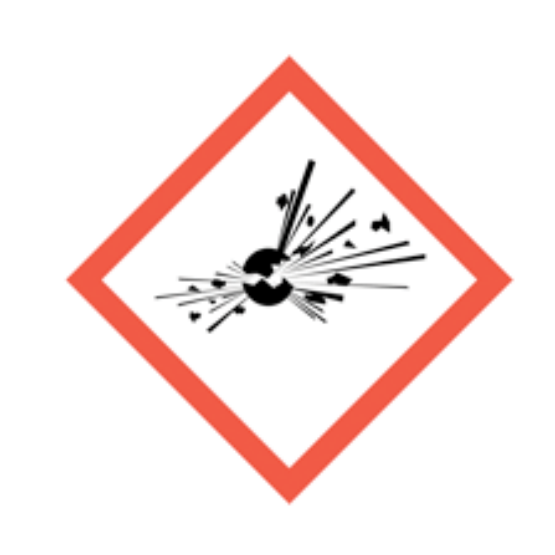
Exploding bomb
Explosive, self-reactive or organic peroxide hazards.
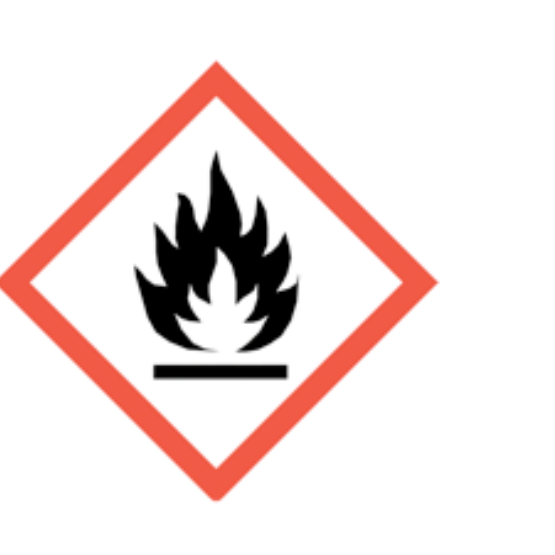
Flame
Flammable, self-heating or pyrophoric substances.
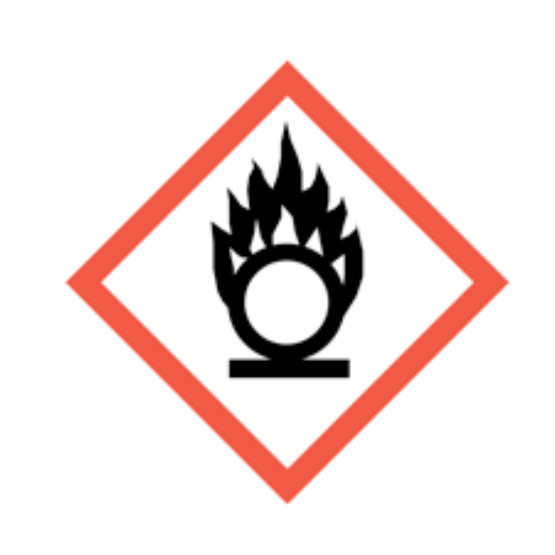
Flame over circle
Oxidising substances that can intensify fire.

Gas cylinder
Gas under pressure.
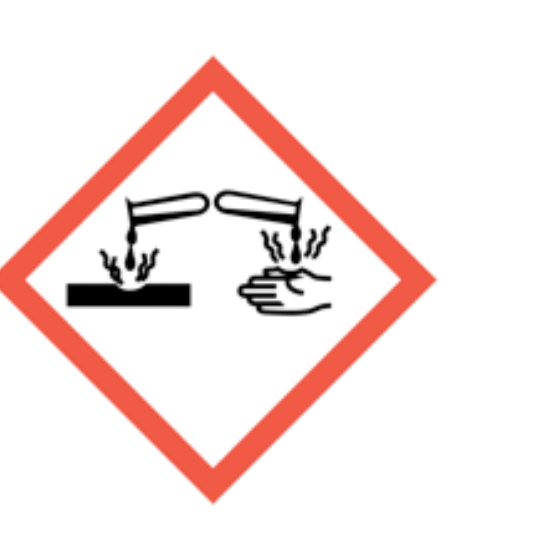
Corrosion
Skin burns, eye damage or corrosive to metals.
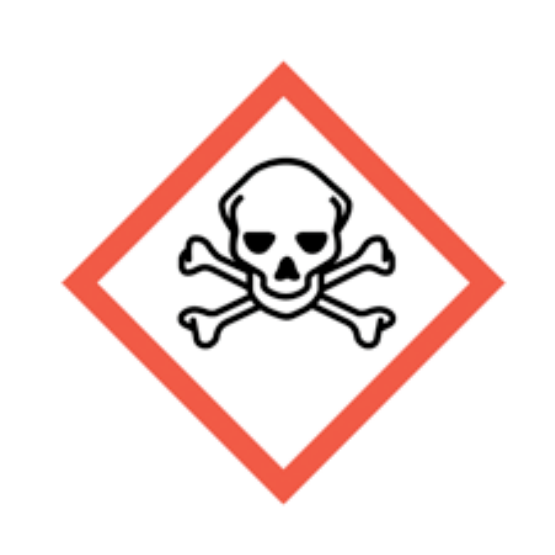
Skull and crossbones
Acute toxicity.
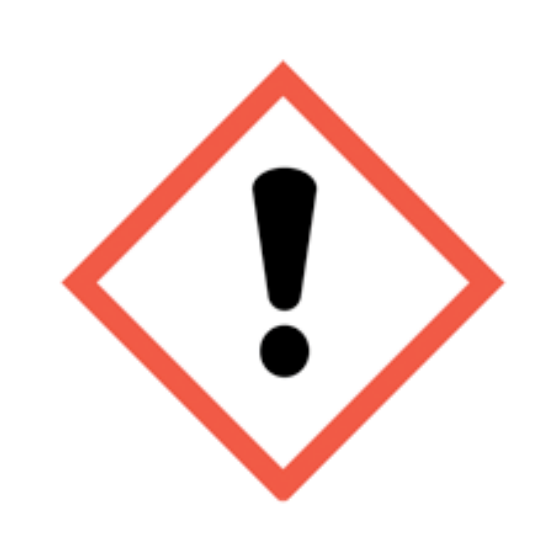
Exclamation mark
Irritation, harmful effects or skin sensitisation; some classifications cover drowsiness, dizziness or ozone-layer hazard. Read the actual hazard statements. Skin sensitisation differs from respiratory sensitisation.
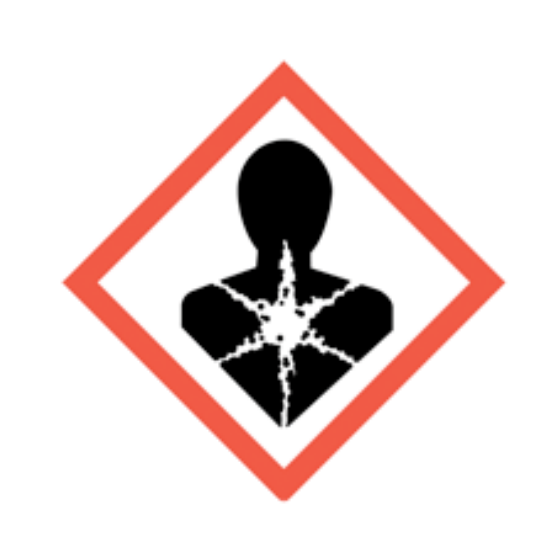
Health hazard
Serious health hazards, including organ damage, aspiration hazard, respiratory sensitisation, cancer and reproductive effects; some can follow a single exposure.
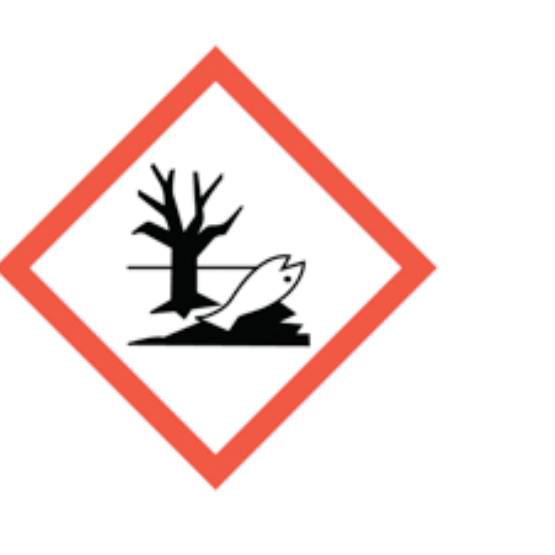
Environment
Hazardous to the aquatic environment.
Which acronyms and terms are useful for liver angiosarcoma?
These terms identify the agent, route and decision boundary.
| Term | Meaning | Use here |
|---|---|---|
| VCM | Vinyl chloride monomer | Carcinogenic gas relevant to the occupational association. |
| PVC | Polyvinyl chloride | Finished polymer; do not equate automatically with VCM gas exposure. |
| COSHH | Control of Substances Hazardous to Health | Separate GB/NI chemical-exposure laws. |
| ALARP | As low as reasonably practicable | Carcinogen control beyond a WEL pass. |
| WEL | Workplace exposure limit | Benchmark, not proof of adequate overall control. |
| RPE | Respiratory protective equipment | Residual protection after higher-order controls. |
| ERICPD | Eliminate, Reduce, Isolate, Control, PPE, Discipline | Task control selection and sustainment. |
Unlock another resource
You have used this month’s two free downloads. Publish a post in your own words to unlock one more resource, or choose SHARE Individual for 10 downloads per month.
You decide whether to share. If you do, use the relevant platform disclosure tools and do not make claims you do not genuinely hold.