
SHARE Knowledge Hub
Occupational Tuberculosis
Occupational tuberculosis is TB infection that may be linked to workplace exposure, most often where workers have close contact with infectious people, clinical specimens, contaminated aerosols or high-risk environments. It needs careful handling because TB is a medical condition, a public-health concern and a workplace biological-agent risk. Good management combines government health or public-health referral, COSHH biological-agent assessment, ventilation, hygiene, respiratory protection where needed, occupational health advice, confidentiality, contact tracing support and evidence-based review.
Understanding Occupational Tuberculosis
Occupational tuberculosis is infection or disease plausibly acquired through work with an infectious person or infectious material. Inhalation of airborne Mycobacterium tuberculosis is the principal workplace route. Exposure, infection, latent TB infection and active TB disease are different states; none can be inferred from a job title or a single symptom.
Why this matters at work
Room suitability must be decided with the clinical IPC and estates teams for the case and procedure. Record the operating state during the possible exposure window and at the time of response. If pressure or airflow evidence is missing, label it unknown. A display reading, a maintenance certificate and observation of real use each answer different questions; triangulate rather than treating one as complete proof.
Define an alarm and failure rule that staff can execute immediately: who stops a procedure, who moves the patient, who verifies recovery and when the room can be used again. Doors held open, blocked grilles and changes in adjacent air systems may defeat an otherwise sound design. General fresh-air duties support prevention but do not replace TB-specific IPC requirements.
How organisations manage this in practice
Prevention begins with rapid recognition and treatment referral for symptomatic people, reducing unnecessary shared-air exposure, appropriate placement or isolation, and effective ventilation. Organisational controls include triage, patient or resident movement plans, time and occupancy management, and clear escalation if a room or system fails.
Maintain ventilation, appropriate placement or isolation, safe procedures and a managed respiratory-protection programme where required. Arrange pre-placement or other screening through competent services according to the role and pathway. An offer, refusal or uncertain vaccination record needs an individual assessment rather than an automatic sanction or assumption of safety. Explain the purpose and limits and preserve confidentiality. Record the work-side decisions and any restrictions while detailed clinical information stays with the service. Review control failures and symptom reports even for vaccinated workers; vaccination cannot compensate for repeatedly exposing staff to an unresolved shared-air hazard.
An exposure investigation should identify why the pathway existed: late recognition, lack of an available room, unclear transfer advice, ventilation failure, unavailable RPE, a missed contractor, or a laboratory method that escaped its enclosure. A statement that staff have been reminded is weak closure when the underlying system remains unchanged. Assign an owner and target date for every control correction.
What is occupational tuberculosis?
Occupational tuberculosis is TB infection or disease that may be attributable to workplace exposure; a suspected exposure alone is a separate event that needs assessment.
Occupational tuberculosis at a glance — part 1 of 2


Read the complete visual as text
- Condition: Explanation: TB is an infection that usually affects the lungs and may be active or latent. Workplace implication: Signpost to government health/public-health routes and do not manage diagnosis internally. UKHSA tuberculosis factsheet UKHSA TB diagnosis and management collection
- Main workplace concern: Explanation: Exposure to infectious aerosols or contaminated clinical/laboratory material. Workplace implication: Assess close contact, ventilation, aerosol-generating work, specimens and vulnerable workers. UKHSA tuberculosis factsheet UKHSA TB diagnosis and management collection
- Higher-risk settings: Explanation: Healthcare, social care, prisons, laboratories, homelessness services and some community-facing roles. Workplace implication: Use sector-specific assessment rather than generic infection posters. UKHSA tuberculosis factsheet UKHSA TB diagnosis and management collection
Occupational tuberculosis at a glance — part 2 of 2


Read the complete visual as text
- Control framework: Explanation: Biological-agent risk assessment under COSHH with public-health and OH support. Workplace implication: Plan prevention, response, confidentiality and review. UKHSA tuberculosis factsheet UKHSA TB diagnosis and management collection
- Evidence focus: Explanation: Risk assessment, information, ventilation, PPE/RPE, cleaning, incident records and contact tracing support. Workplace implication: Prove controls were applied and reviewed. UKHSA tuberculosis factsheet UKHSA TB diagnosis and management collection
Tuberculosis is a bacterial infection, usually affecting the lungs, that can be serious if not treated. In workplace terms, the important distinction is between general community TB, latent TB and a credible occupational exposure route. A manager should not diagnose TB or decide whether a case is work-related. The workplace role is to control foreseeable exposure, respond quickly to suspected workplace risk, support public-health or clinical advice and protect confidentiality.UKHSA tuberculosis factsheet UKHSA TB diagnosis and management collection
TB matters at work because some roles involve close contact with infectious people, respiratory secretions, clinical samples, poorly ventilated settings or populations with higher TB prevalence. Examples include healthcare, social care, prison or custody settings, homelessness outreach, laboratory diagnostics, mortuary or post-mortem work, migration health services and some community support roles.
Strong management separates illness management from exposure management. The worker's symptoms and treatment belong with government health, GP, specialist TB or occupational health routes. The employer's evidence should show risk assessment, ventilation, hygiene, respiratory controls, worker information, contact tracing support, cleaning and work restrictions where competent advice requires them.
| Element | Explanation | Workplace implication |
|---|---|---|
| Condition | TB is an infection that usually affects the lungs and may be active or latent. | Signpost to government health/public-health routes and do not manage diagnosis internally. UKHSA tuberculosis factsheet UKHSA TB diagnosis and management collection |
| Main workplace concern | Exposure to infectious aerosols or contaminated clinical/laboratory material. | Assess close contact, ventilation, aerosol-generating work, specimens and vulnerable workers. UKHSA tuberculosis factsheet UKHSA TB diagnosis and management collection |
| Higher-risk settings | Healthcare, social care, prisons, laboratories, homelessness services and some community-facing roles. | Use sector-specific assessment rather than generic infection posters. UKHSA tuberculosis factsheet UKHSA TB diagnosis and management collection |
| Control framework | Biological-agent risk assessment under COSHH with public-health and OH support. | Plan prevention, response, confidentiality and review. UKHSA tuberculosis factsheet UKHSA TB diagnosis and management collection |
| Evidence focus | Risk assessment, information, ventilation, PPE/RPE, cleaning, incident records and contact tracing support. | Prove controls were applied and reviewed. UKHSA tuberculosis factsheet UKHSA TB diagnosis and management collection |
How do active TB and latent TB differ at work?
Active and latent TB require different workplace responses because infectiousness, symptoms and return-to-work decisions are not the same.
government health guidance distinguishes active TB, where a person has symptoms and may spread TB through close contact if the lungs are affected, from latent TB, where TB bacteria are present but the person has no symptoms and cannot spread it to others. That distinction matters in workplace conversations because a manager may hear the word TB and overreact, underreact or disclose private health information unnecessarily.UKHSA tuberculosis factsheet UKHSA TB diagnosis and management collection
The practical rule is to keep the manager role work-focused. Managers should not decide whether someone has active or latent TB, whether they are infectious, or who needs testing. They should protect confidentiality, seek competent occupational health or public-health advice where workplace exposure is suspected, preserve work facts and follow any work restriction or return-to-work guidance provided by competent health routes.
| Issue | Active TB | Latent TB | Workplace action |
|---|---|---|---|
| Symptoms | Usually involves symptoms such as persistent cough, fever, night sweats, weight loss or fatigue. | No symptoms, but tests may show TB infection. | Signpost to government health/GP route; do not ask managers to interpret symptoms or tests. UKHSA tuberculosis factsheet UKHSA TB diagnosis and management collection |
| Infectiousness | Pulmonary active TB may spread through airborne droplets during close or repeated contact. | Latent TB cannot be spread to others. | Do not assume workplace transmission; use competent advice for exposure decisions. UKHSA tuberculosis factsheet UKHSA TB diagnosis and management collection |
| Workplace concern | May require immediate work adjustment, contact tracing support, ventilation/control review and confidentiality. | Usually about medical treatment support, appointment time and privacy rather than exposure control. | Separate health support from exposure investigation. UKHSA tuberculosis factsheet UKHSA TB diagnosis and management collection |
| Contact tracing | May be needed where competent public-health advice identifies relevant close contacts. | Not normally needed because latent TB is not infectious. | Managers provide factual rosters and work-location information only through the agreed route. UKHSA tuberculosis factsheet UKHSA TB diagnosis and management collection |
| Communication | Need-to-know information may be required without unnecessary naming or gossip. | No team-wide disclosure is normally justified. | Protect special-category health information and avoid stigma. UKHSA tuberculosis factsheet UKHSA TB diagnosis and management collection |
| Return to work | Return should follow medical/OH/public-health advice, especially for close-contact roles. | Work can often continue unless treatment, fatigue or other work impacts need support. | Agree adjustments and review dates without recording unnecessary clinical details. UKHSA tuberculosis factsheet UKHSA TB diagnosis and management collection |
Specialist exposure assessment includes infectious pulmonary or laryngeal TB; a manager must not determine infectiousness from this comparison table. UKHSA TB contact-tracing guidance: summary
What health and confidentiality boundary matters?
This page is workplace guidance, not medical advice or public-health case management.
A cough lasting more than three weeks, night sweats, fever, weight loss or unexplained fatigue needs clinical assessment. Coughing up blood needs urgent medical advice: in Great Britain request an urgent GP appointment or NHS 111 (England); in Northern Ireland see a GP as soon as possible or use GP out of hours. For significant blood, breathing difficulty or chest pain, use 999 or emergency care. This is symptom triage, not a TB diagnosis. Managers should share only work-relevant information and use occupational-health/infection-control routes for work decisions. UKHSA tuberculosis factsheet nidirect coughing-up-blood advice GOV.UK personal data an employer may keep
Where a workplace exposure is suspected, the organisation should involve competent occupational health, infection control or public-health advice. Contact tracing, testing and treatment decisions are specialist matters. The employer can support those processes by preserving exposure information, worker rosters, visitor records where appropriate, ventilation information and task details.
| Situation | Workplace response | Boundary |
|---|---|---|
| Worker reports symptoms | Encourage medical advice and review whether work should be adjusted pending advice. | Do not diagnose or ask the team to speculate. UKHSA TB diagnosis and management collection GOV.UK personal data an employer may keep |
| Confirmed or suspected workplace exposure | Escalate to OH/infection control/public-health route and preserve exposure details. | Do not run informal contact tracing through line managers. UKHSA TB diagnosis and management collection GOV.UK personal data an employer may keep |
| Worker needs treatment support | Consider time off, phased return, fatigue, medication effects and privacy. | Do not disclose TB status unless there is a lawful, necessary route. UKHSA TB diagnosis and management collection GOV.UK personal data an employer may keep |
| Laboratory or clinical incident | Follow biological-agent incident procedure, exposure assessment and reporting review. | Do not treat it as a simple hygiene reminder. UKHSA TB diagnosis and management collection GOV.UK personal data an employer may keep |
| Vulnerable worker concern | Seek competent advice on risk and adjustment. | Avoid assumptions based on nationality, housing status or health history. UKHSA TB diagnosis and management collection GOV.UK personal data an employer may keep |
Contact route. Workers with symptoms use their GP or the locally available urgent NHS service; keep NI GP/out-of-hours advice separate from England’s NHS 111 service. Record the local OH/infection-control lead and deputy in the employer’s plan. Find an England health-protection team also directs users to the Welsh, Scottish and NI agencies. Continue to use 999 for the severe breathing/chest-pain emergency signs already described.
How can TB exposure happen at work?
TB exposure can happen where infectious aerosols, close prolonged contact or contaminated specimens are not adequately controlled.
TB is not managed well by vague infection-control statements. The assessment should identify who may be infectious, what work creates close or repeated contact, how air moves in the space, whether the work involves sputum or respiratory samples, whether aerosol-generating tasks occur, and how quickly concerns are escalated.HSE infections at work UKHSA TB diagnosis and management collection
Incidental exposure is different from deliberate work with biological agents. A homelessness outreach worker, prison officer or healthcare receptionist may be exposed because of the people and environment they work with. A diagnostic laboratory worker may be exposed through planned work with specimens. The control standard, competence and records should match the route.
| Exposure route | Workplace examples | Control focus |
|---|---|---|
| Close contact with infectious person | Healthcare, social care, custody, reception, shelters or outreach. | Early identification route, ventilation, distancing where practical, triage, worker information and escalation. HSE infections at work UKHSA TB diagnosis and management collection |
| Poorly ventilated indoor contact | Small rooms, vehicles, interview rooms, treatment rooms or shared accommodation support. | Ventilation assessment, room use limits, scheduling and review of repeated exposure. HSE infections at work UKHSA TB diagnosis and management collection |
| Respiratory samples | Laboratory, clinical collection, sputum handling or specimen transport. | Containment, sealed transport, biosafety procedures, competence and incident response. HSE infections at work UKHSA TB diagnosis and management collection |
| Aerosol-generating procedures | Clinical procedures or cleaning tasks that disturb respiratory contamination. | Specific procedure controls, suitable RPE, training and post-incident review. HSE infections at work UKHSA TB diagnosis and management collection |
| Post-mortem or mortuary work | Handling bodies where TB may be suspected or unknown. | Pre-work information, competent procedures, ventilation, PPE/RPE and cleaning. HSE infections at work UKHSA TB diagnosis and management collection |
| International or high-prevalence context | Overseas work, migration health services or work with recently arrived vulnerable groups. | Risk assessment without stigma, health signposting and competent public-health advice. HSE infections at work UKHSA TB diagnosis and management collection |
Which work contexts need a more detailed TB assessment?
A detailed TB assessment is needed where the job creates credible close-contact, aerosol, specimen or poorly ventilated exposure pathways.
A high-quality assessment should be context-led. Healthcare and social care settings may need triage, isolation, ventilation, specimen and PPE/RPE arrangements. Custody, detention, security and homelessness services may need plans for close conversations, shared vehicles, interview rooms, overnight accommodation, outreach visits and emergency situations where normal appointment controls do not exist.UKHSA TB diagnosis and management collection HSE infections and biological agents at work
Laboratory and sample-handling work is different again because the agent may be present in specimens rather than in ordinary person-to-person contact. Overseas work and travel can also matter, but the assessment must avoid stigma: it should focus on work activity, local public-health advice, duration, ventilation, exposure route and medical signposting rather than assumptions about nationality or background.
| Context | What can create exposure | What a stronger assessment should include |
|---|---|---|
| Healthcare and clinical services | Close contact, respiratory symptoms, sputum, treatment rooms and possible aerosol-generating procedures. | Triage, room selection, ventilation, PPE/RPE decision, cleaning and escalation route. UKHSA TB diagnosis and management collection HSE infections and biological agents at work |
| Social care and community support | Home visits, shared transport, prolonged close contact and vulnerable clients. | Pre-visit information, visit planning, ventilation, lone-worker escalation and privacy. UKHSA TB diagnosis and management collection HSE infections and biological agents at work |
| Custody, security and detention settings | Interview rooms, holding areas, cells, transport and repeated close contact. | Room ventilation, symptoms escalation, custody health interface and staff briefing. UKHSA TB diagnosis and management collection HSE infections and biological agents at work |
| Homelessness and outreach work | Hostels, shelters, street outreach, shared accommodation and poor ventilation. | Non-stigmatising risk assessment, public-health liaison, welfare and worker information. UKHSA TB diagnosis and management collection HSE infections and biological agents at work |
| Laboratory/sample handling | Sputum, cultures, clinical specimens or accidental release. | Containment, trained staff, sealed transport, incident response and COSHH Schedule 3 awareness where relevant. UKHSA TB diagnosis and management collection HSE infections and biological agents at work |
| Overseas work or travel | Work in higher-prevalence areas or prolonged contact in crowded settings. | Pre-travel advice, medical signposting, work controls and return-to-work reporting route. UKHSA TB diagnosis and management collection HSE infections and biological agents at work |
| Crowded or poorly ventilated workplaces | Repeated close contact in small rooms, vehicles or welfare areas. | Ventilation review, occupancy, duration control and communication without stigma. UKHSA TB diagnosis and management collection HSE infections and biological agents at work |
How should occupational tuberculosis be managed in practice?
TB risk should be managed through biological-agent risk assessment, infection-control design and competent escalation.
The practical system should start before anyone is ill. Employers should identify roles where TB exposure is foreseeable, check ventilation and room use, provide worker information, define escalation routes, decide when respiratory protection may be required, agree cleaning and waste arrangements and ensure managers know how to protect confidentiality.UKHSA TB diagnosis and management collection HSE COSHH
If a possible work-related exposure occurs, the response should be calm and structured. Gather factual work information, identify potentially affected groups through competent advice, preserve records, review controls and communicate only what is necessary. Panic, gossip and informal diagnosis can cause harm and undermine trust.
| Control area | What good looks like | Weak practice to challenge |
|---|---|---|
| Risk assessment | Identifies exposure route, duration, ventilation, vulnerable workers and competent advice route. | Generic infection risk assessment with no TB-specific triggers. UKHSA TB diagnosis and management collection HSE COSHH |
| Ventilation and room use | Higher-risk discussions or clinical tasks use suitable spaces with ventilation considered. | Repeated close contact in small unventilated rooms. UKHSA TB diagnosis and management collection HSE COSHH |
| Information and training | Workers know symptoms, reporting route, confidentiality and controls. | Fear-based messaging or no reporting route. UKHSA TB diagnosis and management collection HSE COSHH |
| PPE/RPE | Used where competent assessment requires it, with selection, training and face-fit testing for tight-fitting RPE where needed. | Masks issued casually without selection or fit. UKHSA TB diagnosis and management collection HSE COSHH HSE fit testing basics |
| Occupational health | Advises on fitness, restrictions, return to work and health records. | Line managers making clinical decisions. UKHSA TB diagnosis and management collection HSE COSHH |
| Incident response | Exposure facts, rosters, controls and communications are managed through a defined route. | Uncontrolled emails naming suspected cases. UKHSA TB diagnosis and management collection HSE COSHH |
How do control hierarchy and the five-level hierarchy change these tasks?
For the actual task hazard, HSE places elimination first, then substitution, engineering controls, administrative controls and suitable PPE for residual risk. Record why a higher control is not practicable and how the chosen measure is checked in use. HSE hierarchy of controls
| Task hazard | Eliminate, substitute, engineer | Administration, PPE, owner and check | Failure, stop and direct sources |
|---|---|---|---|
| Shared air with a person who may have infectious pulmonary TB | Eliminate avoidable prolonged close contact through early triage and remote or alternative service where feasible. Essential care cannot simply be removed; substitute a safer appointment route and use suitable room ventilation or isolation, with clinical infection-control advice. Choose triage and a room/isolation arrangement with infection-control advice for the exposure scenario; verify the room ventilation route and function before close contact. | Service lead checks triage, room use and ventilation; OH/infection-control specialists set exposure and contact routes. Limit entry and time, brief workers, and select respiratory protection only for residual risk under competent instructions. administrative supervision and checking sustain controls without blame. Record ventilation check, occupancy/contact duration and escalation. If room performance or triage fails, move or pause non-urgent contact and seek specialist advice; RPE is residual task protection. | Stop routine close-contact work and refer promptly when suspected infectious TB is identified but the planned room, ventilation or competent pathway is unavailable.UKHSA TB diagnosis and management collection HSE infections at work HSE five-level hierarchy |
| Laboratory sputum or clinical specimen aerosol | Eliminate unnecessary aerosol-generating manipulation and test a safer method; essential diagnostic work still needs containment. Use validated containment equipment, closed transport and controlled access; do not assume a surgical mask replaces containment. Select containment cabinet and method for the specimen/aerosol task under biosafety advice; verify certification, airflow indication and seal/transport checks before processing. | Biosafety lead checks cabinet/containment performance, specimen route and competent staff before work; procedures and PPE cover residual risk. Investigate spills and near misses; occupational-health advice handles individual exposure follow-up. Record cabinet test, daily airflow check, specimen integrity and staff competence. Fault, spill or unsealed container stops processing and triggers the trained incident route. | Stop processing for containment fault, unsealed specimen, spill or uncertain agent handling; secure area and use a trained response route.HSE infections and biological agents at work HSE COSHH HSE five-level hierarchy |
| Poorly ventilated hostel or custody interview | Eliminate avoidable crowded indoor waiting, offer a safer remote or shorter contact route where appropriate, and improve fresh-air ventilation and room layout. Essential face-to-face support may remain; assess capacity and alternative space before using the room. Choose an alternative outdoor/remote or better-ventilated room where practical; verify ventilation function, occupancy and layout before prolonged interview. | Manager checks ventilation, occupancy, waiting time and symptom escalation, consults workers and public-health advice; respiratory protection is task-specific residual protection. administrative supervision and checking means reliable booking, checks and learning, not stigmatising clients. Record room check and time/occupancy review. If suspected infectious TB and air control cannot be verified, pause the room and follow clinical/public-health advice; avoid treating a mask as a substitute for a suitable space. | Pause use of a poorly ventilated room when suspected infectious TB and prolonged close contact cannot be controlled; seek clinical/public-health advice.UKHSA TB diagnosis and management collection HSE infections at work HSE five-level hierarchy |
For relevant exposed roles, OH should check pre-placement assessment and immunisation eligibility against Green Book chapter 32 and the applicable national pathway. Do not promise BCG to every worker or infer protection from vaccination alone.
What should happen after suspected occupational TB exposure?
A suspected TB exposure should follow a clear pathway that protects people, evidence and confidentiality.
The pathway should be written before an incident occurs. Managers need to know who to call, what facts to preserve, what not to say, how to support the worker and how to avoid stigmatising language. The response must be prompt enough to protect health but controlled enough to avoid rumours and unnecessary disclosure of special-category health information.UKHSA TB diagnosis and management collection UKHSA tuberculosis factsheet
Competent advice is central. Occupational health, infection control, the applicable NHS and national public-health routes or biosafety specialists should guide contact tracing, testing, work restrictions and return-to-work decisions. The employer should then use the learning to strengthen ventilation, room use, triage, specimen handling, cleaning, training or supervision.
| Stage | Action | Why it matters |
|---|---|---|
| Concern raised | Hold a private conversation and gather only work-relevant facts: role, location, contact type, dates, symptoms disclosed voluntarily and any immediate work impact. | Protects dignity, stops rumours and preserves useful evidence. UKHSA TB diagnosis and management collection UKHSA tuberculosis factsheet |
| Immediate controls | Review close-contact work, room use, specimen handling, ventilation, cleaning and PPE/RPE while competent advice is obtained. | Prevents further exposure without making informal medical judgements. UKHSA TB diagnosis and management collection UKHSA tuberculosis factsheet |
| OH/public-health input | Escalate through occupational health, infection-control, public-health or biosafety routes as appropriate. | Ensures testing, infectiousness, restrictions and treatment questions are handled by competent people. UKHSA TB diagnosis and management collection UKHSA tuberculosis factsheet |
| Contact tracing support | Provide rosters, visitor records, room-use information and task details through the agreed confidential route. | Supports accurate tracing without line managers running informal investigations. UKHSA TB diagnosis and management collection UKHSA tuberculosis factsheet |
| Confidentiality and communication | Share factual, need-to-know information only, avoiding names and clinical details unless there is a lawful and necessary basis. | Maintains trust and reduces stigma. UKHSA TB diagnosis and management collection UKHSA tuberculosis factsheet |
| Return-to-work advice | Follow OH/government health/public-health advice on timing, restrictions, fatigue, medication effects, close-contact duties and review dates. | Separates medical fitness from ordinary absence management. UKHSA TB diagnosis and management collection UKHSA tuberculosis factsheet |
| Learning and evidence | Update assessments, training, ventilation records, escalation routes and control actions. | Embeds the lesson into the system. UKHSA TB diagnosis and management collection UKHSA tuberculosis factsheet |
For England, UKHSA TB contact-tracing guidance: summary is the qualified-professional public-health route updated on 6 October 2026. It replaces relevant wider public-health sections of NICE NG33; it does not mean every NICE clinical recommendation has been withdrawn. Clinical recommendations are under review. Wales, Scotland and Northern Ireland have separate agencies and guidance. Managers supply factual work/ventilation/roster information through OH or infection control; they do not select contacts or apply clinical testing thresholds.
How could a TB workplace concern be handled well?
A hostel outreach team learns that a prolonged interview took place in a poorly ventilated room with a person later referred for possible infectious TB.
TB concern worked example — part 1 of 2


Read the complete visual as text
- Concern raised: Poor response: Manager tells the team someone may have TB. Better response: Manager keeps information confidential and asks what work support is needed. UKHSA TB diagnosis and management collection HSE COSHH
- Immediate work review: Poor response: Worker remains in close-contact duties without review. Better response: Manager seeks OH/public-health advice and considers temporary adjustment. UKHSA TB diagnosis and management collection HSE COSHH
- Exposure information: Poor response: No one can identify rooms, shifts or close contacts. Better response: Rosters, room use, visitor logs and task information are preserved. UKHSA TB diagnosis and management collection HSE COSHH
TB concern worked example — part 2 of 2


Read the complete visual as text
- Communication: Poor response: Rumours fill the gap. Better response: Workers receive factual, need-to-know guidance from competent source. UKHSA TB diagnosis and management collection HSE COSHH
- Control review: Poor response: Focus stays on the individual. Better response: Ventilation, contact duration, triage and infection-control procedures are reviewed. UKHSA TB diagnosis and management collection HSE COSHH
- Learning: Poor response: Issue closes when absence ends. Better response: Risk assessment and manager training are updated. UKHSA TB diagnosis and management collection HSE COSHH
The manager does not identify the person to the wider team. The service lead records who used the room, dates and contact duration, pauses further prolonged use until ventilation is checked, and seeks infection-control/public-health advice. Occupational health offers a confidential worker route; clinical services decide testing and contacts. The manager records the control failure and verifies a safer room or remote process before restarting. UKHSA TB diagnosis and management collection HSE infections and biological agents at work GOV.UK personal data an employer may keep
The hostel manager should preserve the room, shift and contact facts needed by occupational health and public-health specialists, without circulating the person's identity. The team can pause comparable prolonged close-contact interviews in poorly ventilated rooms while a safer location and work method are agreed. A specialist decides whether exposure follow-up or testing is needed; the employer verifies the revised room controls and brief before that type of interview restarts. UKHSA TB diagnosis and management collectionHSE COSHH HSENI COSHH
| Stage | Poor response | Better response |
|---|---|---|
| Concern raised | Manager tells the team someone may have TB. | Manager keeps information confidential and asks what work support is needed. UKHSA TB diagnosis and management collection HSE COSHH |
| Immediate work review | Worker remains in close-contact duties without review. | Manager seeks OH/public-health advice and considers temporary adjustment. UKHSA TB diagnosis and management collection HSE COSHH |
| Exposure information | No one can identify rooms, shifts or close contacts. | Rosters, room use, visitor logs and task information are preserved. UKHSA TB diagnosis and management collection HSE COSHH |
| Communication | Rumours fill the gap. | Workers receive factual, need-to-know guidance from competent source. UKHSA TB diagnosis and management collection HSE COSHH |
| Control review | Focus stays on the individual. | Ventilation, contact duration, triage and infection-control procedures are reviewed. UKHSA TB diagnosis and management collection HSE COSHH |
| Learning | Issue closes when absence ends. | Risk assessment and manager training are updated. UKHSA TB diagnosis and management collection HSE COSHH |
What evidence shows occupational tuberculosis risk is controlled?
Evidence should show the employer can identify, control and respond to credible TB exposure without breaching confidentiality.
TB evidence and assurance — part 1 of 2


Read the complete visual as text
- Biological-agent risk assessment: What it should show: Foreseeable TB exposure routes and controls are identified. What to challenge: No distinction between ordinary hygiene and higher-risk exposure. HSE COSHH HSENI COSHH
- Ventilation and room review: What it should show: Close-contact spaces are suitable for the work. What to challenge: Small rooms used repeatedly without ventilation consideration. HSE COSHH HSENI COSHH
- Training and briefing: What it should show: Workers understand symptoms, reporting, controls and privacy. What to challenge: Workers rely on rumours or stigma. HSE COSHH HSENI COSHH
TB evidence and assurance — part 2 of 2


Read the complete visual as text
- OH/infection-control referral route: What it should show: Managers know who to contact and what to record. What to challenge: Clinical decisions made by supervisors. HSE COSHH HSENI COSHH
- Incident records: What it should show: Exposure facts, controls and follow-up are recorded proportionately. What to challenge: Names and medical details copied into broad emails. HSE COSHH HSENI COSHH
- Action tracking: What it should show: Control weaknesses are closed and reviewed. What to challenge: Learning stops after one case. HSE COSHH HSENI COSHH
A credible exposure review links the room and contact facts, ventilation controls, worker briefing and the specialist response. Rosters and task records can support contact decisions without a widely shared list of names and diagnoses. Check that a revised work method was observed in practice before the same close-contact activity resumed. HSE COSHH
| Evidence | What it should show | What to challenge |
|---|---|---|
| Biological-agent risk assessment | Foreseeable TB exposure routes and controls are identified. | No distinction between ordinary hygiene and higher-risk exposure. HSE COSHH HSENI COSHH |
| Ventilation and room review | Close-contact spaces are suitable for the work. | Small rooms used repeatedly without ventilation consideration. HSE COSHH HSENI COSHH |
| Training and briefing | Workers understand symptoms, reporting, controls and privacy. | Workers rely on rumours or stigma. HSE COSHH HSENI COSHH |
| OH/infection-control referral route | Managers know who to contact and what to record. | Clinical decisions made by supervisors. HSE COSHH HSENI COSHH |
| Incident records | Exposure facts, controls and follow-up are recorded proportionately. | Names and medical details copied into broad emails. HSE COSHH HSENI COSHH |
| Action tracking | Control weaknesses are closed and reviewed. | Learning stops after one case. HSE COSHH HSENI COSHH |
Which legal duties apply to occupational tuberculosis?
Use the law and regulator route for the work location. GB and Northern Ireland have separate workplace health-and-safety instruments; clinical guidance and voluntary standards do not replace them.
The workplace question is whether exposure to a biological agent is foreseeable in the task and what prevention controls are needed. GB and NI have distinct COSHH and reporting routes; a possible case does not by itself establish that workplace acquisition or statutory reporting criteria are met. Clinical diagnosis, contact tracing and testing remain with appropriate health or public-health professionals. HSE COSHHHSENI COSHH
| Jurisdiction | Duty or guidance | What the decision requires | Direct official source |
|---|---|---|---|
| Great Britain | COSHH biological-agent controls | Assess foreseeable occupational TB exposure and use source and engineering controls, competence and response arrangements. | HSE COSHH HSE infections and biological agents at work |
| Northern Ireland | Separate NI COSHH route | Apply NI COSHH 2003 to biological-agent exposure and involve the appropriate NI specialist/regulator. | HSENI COSHH |
| Great Britain | RIDDOR biological-agent disease | Report when reasonable evidence indicates that occupational exposure likely caused the disease; a community diagnosis alone is not automatic reporting. | HSE RIDDOR biological-agent disease reporting |
| Northern Ireland | Separate NI disease-reporting route | Use HSENI guidance for work-attributed biological-agent disease; follow the NI trigger and responsible-person route. | HSENI occupational biological-agent reporting |
| Clinical guidance; check national adoption | TB prevention, infection control and contacts | NICE NG33 clinical guidance and UKHSA public-health contact-tracing guidance informs clinical/public-health decisions; contact tracing, testing and treatment belong with competent clinical and public-health services. | UKHSA TB diagnosis and management collection |
| United Kingdom | Confidentiality | Share only work-relevant functional and exposure facts; keep diagnosis and contact details on controlled routes. | GOV.UK personal data an employer may keep |
Check two separate employer-reporting questions: diagnosed occupational disease and a qualifying dangerous occurrence involving biological-agent release/escape. A reportable dangerous occurrence can arise before illness, but a possible exposure or spill is not automatically reportable. Use HSE dangerous occurrences and the separate HSENI reporting route; clinical notification and contact tracing are different decisions.
NICE owns NG33. For the current England public-health contact route use UKHSA TB contact-tracing guidance: summary rather than the broad collection page. Preserve the separate clinical and devolved pathways.
How should management arrangements verify controls?
Assign an owner, involve workers, check the control in use and act on failures before returning to routine work.
HSE’s Plan, Do, Check, Act guidance provides the government management route for this topic. Apply it to the actual task, equipment, people and jurisdiction, then keep the verification and corrective-action record. Standards-specific claims are held until their rights and competent review are resolved. HSE Plan, Do, Check, Act
What training and awareness helps?
Training should build confidence in biological-agent controls, confidentiality and escalation.
The worker needs to recognise a credible exposure concern and know the confidential route for reporting it. Supervisors should practise preserving room, shift and contact facts while holding a comparable high-risk task; infection-control and public-health specialists decide the follow-up pathway. A scenario test should distinguish workplace prevention from diagnosis or contact tracing. UKHSA tuberculosis factsheet
| Level | Who and what | Demonstrated competence | Assessor, record and reassessment | Direct source |
|---|---|---|---|---|
| Awareness and escalation | Workers with credible contact risk — Recognise possible TB symptoms, safe reporting and confidentiality; avoid diagnosis by managers. | Scenario check shows correct urgent symptom referral and no unnecessary disclosure. | Service lead records attendance and result; repeat when public-health guidance or exposure route changes. | UKHSA tuberculosis factsheet UKHSA TB diagnosis and management collection GOV.UK personal data an employer may keep |
| Exposure control | Clinical, outreach and laboratory workers — Demonstrate triage, room/ventilation selection, specimen containment and residual RPE where assessed. | Competent infection-control or biosafety assessor observes a task and a failed-ventilation/containment stop drill. | Lead signs assessed task, device check and refresher record; repeat after failed check, incident or changed procedure. | HSE infections and biological agents at work HSE COSHH HSENI COSHH |
| Manager response | Supervisors and managers — Record exposure facts, protect privacy, stop uncontrolled work and request clinical/public-health advice. | Assessor tests a case simulation for room withdrawal, worker contact route and reporting decision. | Manager records decision, owner and corrective action; reassess after suspected exposure or control failure. | UKHSA TB diagnosis and management collection HSE RIDDOR biological-agent disease reporting HSENI occupational biological-agent reporting GOV.UK personal data an employer may keep |
| Specialist oversight | Infection-control, OH and biosafety leads — Set containment and ventilation performance checks and separate clinical from employer decisions. | Peer review tests a control-assurance file and incident response against the actual work route. | Specialist signs checks and restricted record; revisit when agent, setting, advice or plant changes. | HSE infections and biological agents at work HSENI COSHH UKHSA TB diagnosis and management collection |
How could Riverside Leisure Ltd manage this in practice?

Riverside would manage TB risk by linking public-facing work, ventilation, OH advice and privacy.
A leisure business may have reception teams, instructors, cleaners, first aiders and managers working with the public, clubs, vulnerable visitors and contractors. Riverside would avoid stigma and instead focus on credible work exposure, room use, close-contact duration, reporting routes, worker information and competent advice.UKHSA TB diagnosis and management collection HSE infections and biological agents at work
Riverside should identify roles that involve prolonged close contact or repeated use of poorly ventilated rooms, then change the room and interview method before relying on masks or symptom screening. If a credible exposure concern arises, the duty manager preserves contact facts discreetly and asks OH or public-health specialists for the appropriate pathway. The site lead checks that the revised room and briefing are in use; clinical testing and diagnosis remain outside the employer’s decision. UKHSA TB diagnosis and management collection
| Management element | How the business would manage it | Evidence to review |
|---|---|---|
| Assess | Identify roles with close contact, poorly ventilated spaces or small first-aid rooms and indoor coaching spaces. | Biological-agent risk assessment. UKHSA TB diagnosis and management collection HSE infections and biological agents at work |
| Control | Use room planning, ventilation checks, hygiene, PPE/RPE where needed and escalation rules. | Control plan and briefing records. UKHSA TB diagnosis and management collection HSE infections and biological agents at work |
| Support | Use OH and public-health advice for suspected exposure, restrictions and return to work. | Confidential OH referral and adjustment plan. UKHSA TB diagnosis and management collection HSE infections and biological agents at work |
| Communicate | Share factual, need-to-know information without naming people unnecessarily. | Communication record and data boundary. UKHSA TB diagnosis and management collection HSE infections and biological agents at work |
| Review | Update risk assessment after cases, incidents, outbreaks or changed service delivery. | Action tracker and management review. UKHSA TB diagnosis and management collection HSE infections and biological agents at work |
How can the hierarchy of controls reduce risks while planning a patient-facing contact where TB is suspected?
How can the ERICPD hierarchy of controls reduce risks while planning a patient-facing contact where TB is suspected?

| Control level | Control for this activity | Owner and verification | Stop / restart decision |
|---|---|---|---|
| Eliminate | Avoid unnecessary face-to-face contact or aerosol-generating work where the clinical service approves an effective alternative. | Task owner verifies that the proposed change removes the named hazardous step, including foreseeable cleaning, maintenance and work transferred elsewhere. | If the hazardous step remains, keep it within the task assessment and select the stronger feasible remaining controls. |
| Reduce, including substitution | Use a clinically approved lower-exposure method for the necessary assessment; do not replace essential care with an unsuitable remote option. | Competent task/process owner validates suitability, compatibility and new hazards against the actual operating requirements before the alternative is adopted. | Reject an alternative if its performance is unproved or its new hazards are unresolved. |
| Isolate | Use the designated patient pathway, room and access restrictions specified by the clinical infection-control assessment. | Supervisor checks the actual boundary, affected people and connected work; verify separation or isolation before allowing access. | Hold or stop for unavailable required ventilation/protection, an unplanned aerosol procedure or uncertain infection-control instructions. |
| Control: physical safeguards | Verify ventilation, room suitability and any required containment arrangements before the assessed contact or procedure. | Competent equipment/process owner checks clinical pathway, room/ventilation suitability, procedure risk and selected protection. | Hold or stop for unavailable required ventilation/protection, an unplanned aerosol procedure or uncertain infection-control instructions. |
| Control: work method and response | Coordinate clinical triage, trained staffing, exposure reporting, cleaning and referral through the approved infection-control procedure while protecting confidentiality. | Supervisor confirms the work limits, competent cover, communication and stop/restart authority with the people doing this activity. | Hold work when the agreed limits, competent cover or effective communication cannot be maintained. |
| PPE | Use the RPE and other protection required by the actual clinical/biological-risk assessment, including fit requirements for tight-fitting facepieces. | Assessor confirms whether personal protection is needed and checks suitability, condition, compatibility and any required fit evidence. | Do not use unsuitable protection or rely on PPE to continue after an essential source control fails. |
| Discipline | Check ventilation and room release criteria, document potential exposure through the authorised route and review failures with infection-control specialists. | Release only after clinical and infection-control owners approve the work arrangement and room release. Retain verification and unresolved restrictions at handover. | Keep the task on hold until required reinstatement evidence and unresolved defects are accepted by the responsible owner. |
How can the ISO 45001 hierarchy of controls reduce risks while planning a patient-facing contact where TB is suspected?

| Control level | Control for this activity | Owner and verification | Stop / restart decision |
|---|---|---|---|
| Elimination | Avoid unnecessary face-to-face contact or aerosol-generating work where the clinical service approves an effective alternative. | Task owner verifies that the proposed change removes the named hazardous step, including foreseeable cleaning, maintenance and work transferred elsewhere. | If the hazardous step remains, keep it within the task assessment and select the stronger feasible remaining controls. |
| Administrative controls | Use a clinically approved lower-exposure method for the necessary assessment; do not replace essential care with an unsuitable remote option. | Competent task/process owner validates suitability, compatibility and new hazards against the actual operating requirements before the alternative is adopted. | Reject an alternative if its performance is unproved or its new hazards are unresolved. |
| Engineering controls | Use the designated patient pathway, room and access restrictions specified by the clinical infection-control assessment. | Supervisor checks the actual boundary, affected people and connected work; verify separation or isolation before allowing access. | Hold or stop for unavailable required ventilation/protection, an unplanned aerosol procedure or uncertain infection-control instructions. |
| Engineering controls | Verify ventilation, room suitability and any required containment arrangements before the assessed contact or procedure. | Competent equipment/process owner checks clinical pathway, room/ventilation suitability, procedure risk and selected protection. | Hold or stop for unavailable required ventilation/protection, an unplanned aerosol procedure or uncertain infection-control instructions. |
| Administrative controls | Coordinate clinical triage, trained staffing, exposure reporting, cleaning and referral through the approved infection-control procedure while protecting confidentiality. | Supervisor confirms the work limits, competent cover, communication and stop/restart authority with the people doing this activity. | Hold work when the agreed limits, competent cover or effective communication cannot be maintained. |
| PPE | Use the RPE and other protection required by the actual clinical/biological-risk assessment, including fit requirements for tight-fitting facepieces. | Assessor confirms whether personal protection is needed and checks suitability, condition, compatibility and any required fit evidence. | Do not use unsuitable protection or rely on PPE to continue after an essential source control fails. |
| Administrative controls | Check ventilation and room release criteria, document potential exposure through the authorised route and review failures with infection-control specialists. | Release only after clinical and infection-control owners approve the work arrangement and room release. Retain verification and unresolved restrictions at handover. | Keep the task on hold until required reinstatement evidence and unresolved defects are accepted by the responsible owner. |
Chemical hazard symbols: what do they mean?
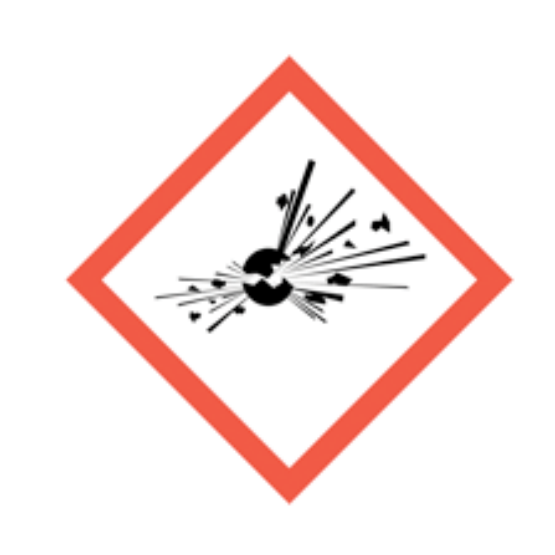
Exploding bomb
Explosive, self-reactive or organic peroxide hazards.
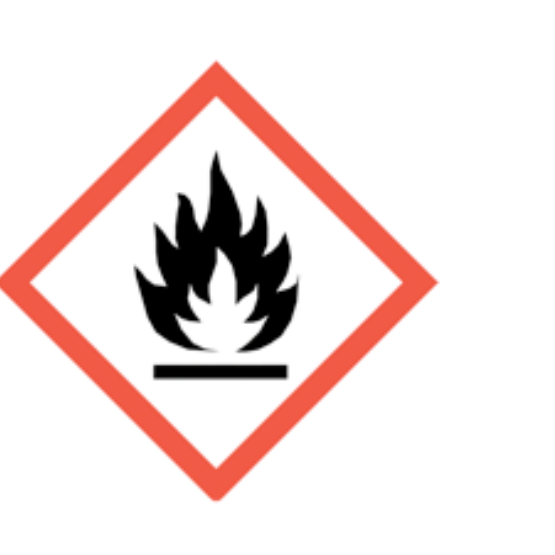
Flame
Flammable, self-heating or pyrophoric substances.
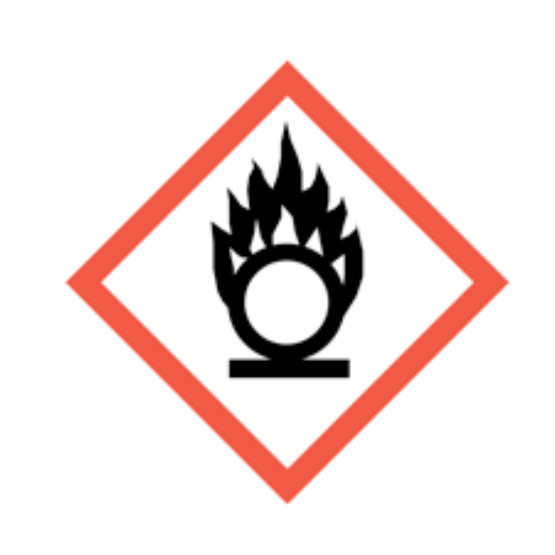
Flame over circle
Oxidising substances that can intensify fire.

Gas cylinder
Gas under pressure.
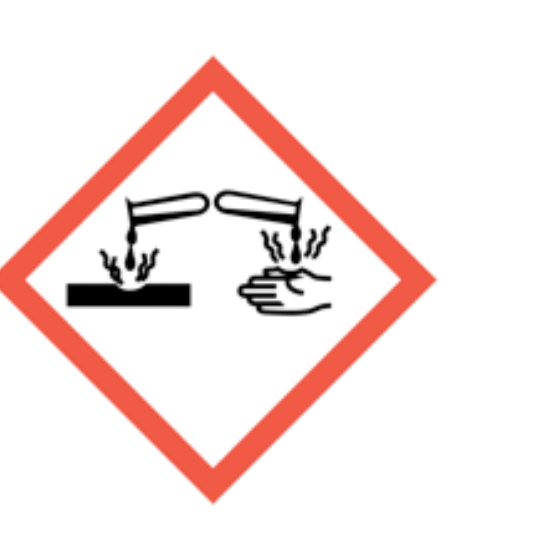
Corrosion
Skin burns, eye damage or corrosive to metals.
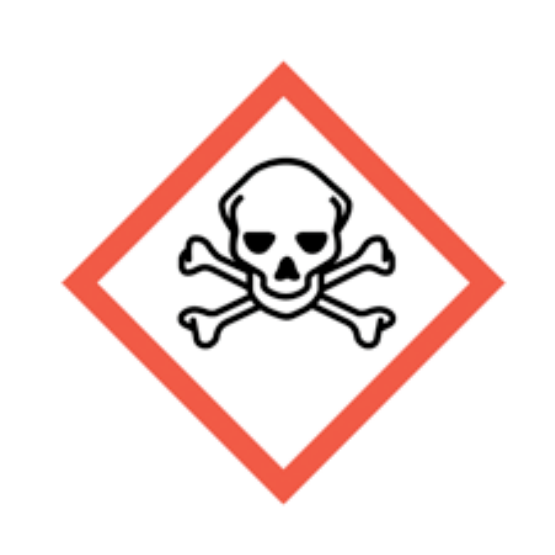
Skull and crossbones
Acute toxicity.

Exclamation mark
Irritation, harmful effects or skin sensitisation; some classifications cover drowsiness, dizziness or ozone-layer hazard. Read the actual hazard statements. Skin sensitisation differs from respiratory sensitisation.
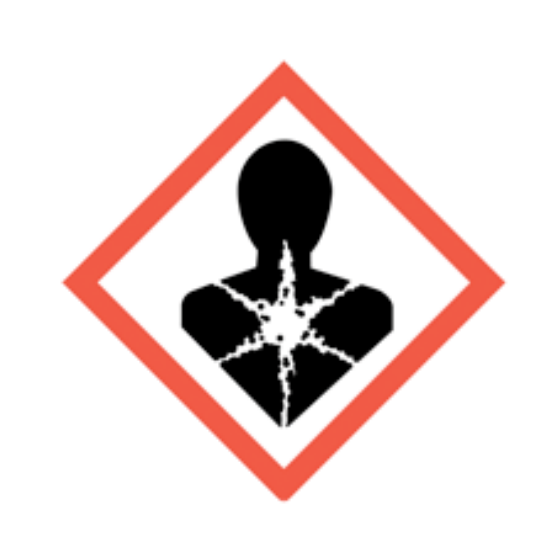
Health hazard
Serious health hazards, including organ damage, aspiration hazard, respiratory sensitisation, cancer and reproductive effects; some can follow a single exposure.
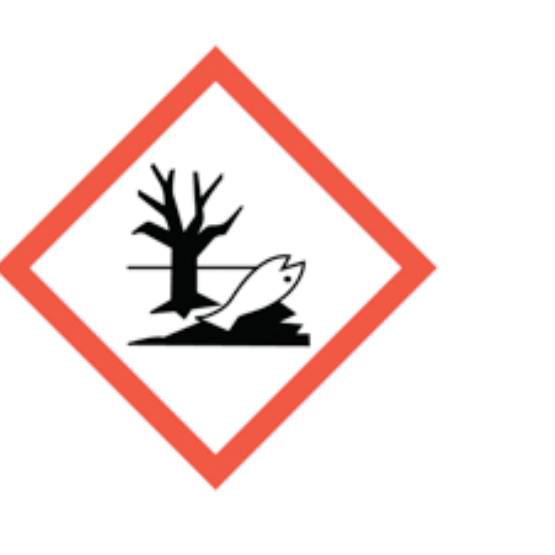
Environment
Hazardous to the aquatic environment.
What do the acronyms and key terms mean?
Acronyms should be understood before they are used in assessments, briefings, audits or learning answers.
Acronyms can exclude newer readers if they are not explained. This section keeps the main terms available at the end of the page so the article stays readable while still supporting learners and audit users.
| Acronym | Meaning | Plain-English use |
|---|---|---|
| TB | Tuberculosis | A bacterial infection that usually affects the lungs. UKHSA TB diagnosis and management collection |
| COSHH | Control of Substances Hazardous to Health | Great Britain COSHH 2002 and separate Northern Ireland COSHH 2003 routes, including relevant biological agents. HSE COSHH HSENI COSHH |
| OH | Occupational Health | Specialist work-health advice. UKHSA TB diagnosis and management collection |
| RPE | Respiratory Protective Equipment | Equipment worn to protect against inhaling hazardous substances or aerosols. UKHSA TB diagnosis and management collection |
| RIDDOR | Reporting of Injuries, Diseases and Dangerous Occurrences Regulations | Work-related disease reporting uses GB RIDDOR 2013 or separate NI RIDDOR 1997 routes. HSE RIDDOR HSENI RIDDOR |
Unlock another resource
You have used this month’s two free downloads. Publish a post in your own words to unlock one more resource, or choose SHARE Individual for 10 downloads per month.
You decide whether to share. If you do, use the relevant platform disclosure tools and do not make claims you do not genuinely hold.