SHARE Knowledge Hub
Fire Risk Assessment Principles and Practice
A fire risk assessment connects credible ignition and smoke paths to the people who could be harmed, then turns evidence into owned controls. Walk the premises at the conditions that matter, prefer removal, substitution and engineered protection before procedures or PPE, and keep required escape routes clear continuously. In England and Wales the full assessment and fire safety arrangements must be recorded; Scotland and Northern Ireland use separate legal routes. Reassess changed processes, occupants, barriers and failed controls before relying on the previous decision.
Understanding Fire Risk Assessment Principles and Practice
Fire risk assessment principles and practice are the disciplined process of identifying fire hazards, people at risk, existing precautions, further measures, evidence, responsibility and review.
Why this matters at work
Priority should follow credible harm, barrier condition and uncertainty. Immediate serious danger needs immediate action even if the permanent solution takes longer. Temporary measures require a competent basis and workable limits. Vague reminders or a medium score should not disguise an unresolved warning, escape or separation failure that demands an operating or occupancy decision.
The historic conditional recording rule under the Fire Safety Order must not be reused as current Wales advice. The amended assessment and arrangements requirements apply within their actual scope regardless of a small headcount. Full recording should remain proportionate and useful, linking hazards, people, measures, limitations and actions rather than copying an irrelevant large-site template.
How organisations manage this in practice
Review is part of managing change and learning, not a document expiry exercise. Patterns of defects, incidents, poor drills and workarounds can challenge earlier assumptions. The current national duty and relevant guidance determine the required review, with significant change or suspected invalidity requiring timely action. Updated records should lead to communicated, effective operating arrangements. Feed defects, incidents, altered work and worker feedback into the assessment and the wider Plan Do Check Act process. Verify that controls remain effective and that earlier actions have not transferred risk. Update instructions and relevant dutyholders when the decision changes. Distinguish a planned review date from the legal and practical triggers that demand earlier action. A management meeting closes the loop only when the necessary changes are implemented and their effect is checked.
Preparation establishes scope, access and the evidence needed for a representative inspection. Plans, system records and prior actions help identify questions, while observation and worker discussion test whether they reflect work as done. Shared premises and unusual shifts create interfaces that a daytime document review can miss. Uncertainty should remain visible until resolved. Define the national legal route, scope, occupancy and areas shared with others. Gather current drawings, previous actions, system information, alteration records and incident history, then plan access and representative work observations. Speak with people who know nights, deliveries and maintenance as well as daytime management. List missing evidence and what decisions depend on it. Preparation should improve the on-site assessment, not turn documents into a substitute for observing actual conditions.
The retained England five-step checklist supports identifying hazards and people, evaluating and acting, recording/planning/training and reviewing. Its historic five-person fire-recording wording is superseded within E/W FSO scope, whose current law must be read separately. It supplies neither premises approval nor a generic engineering specification.
Follow one observed condition through to field-verified closure
Walk the premises during the conditions the assessment must cover. A quiet-hours visit may miss peak pallet overflow, loading noise, agency staffing, visiting drivers and simultaneous maintenance. Record who may be harmed, how prevention or escape could fail, existing controls and the improvement needed; preserve the actual national and premises scope.
Write each action so the owner knows the required outcome and urgency. Give it an accountable person, date, interim restriction and verification method. For example, moving overflow pallets once does not close a recurring escape obstruction: observe the route at the next peak shift and check that the storage arrangement remains effective. An administrative closed status cannot replace a working warning or escape control.
The route is clear only when the warehouse is quiet
Illustrative example. At peak dispatch, pallet overflow narrows escape and loading noise masks warning for agency workers.
Decision. The assessor records the live condition and the manager controls affected use, changes storage and verifies warning and briefing.
Evidence to check. Observed peak operations, actual people/routes, owned actions, interim controls and a repeat field check.
Hold or escalation point. Keep the affected activity restricted if a credited escape or warning control is ineffective, even if the action tracker says closed.
Follow-up. Check another busy shift and review after layout, staffing or stock changes.
Close a finding only when the route works in real use
A warehouse escape-route finding needs physical correction and evidence under real operating conditions. A signed action list does not move stock.
Fire safety is a connected system
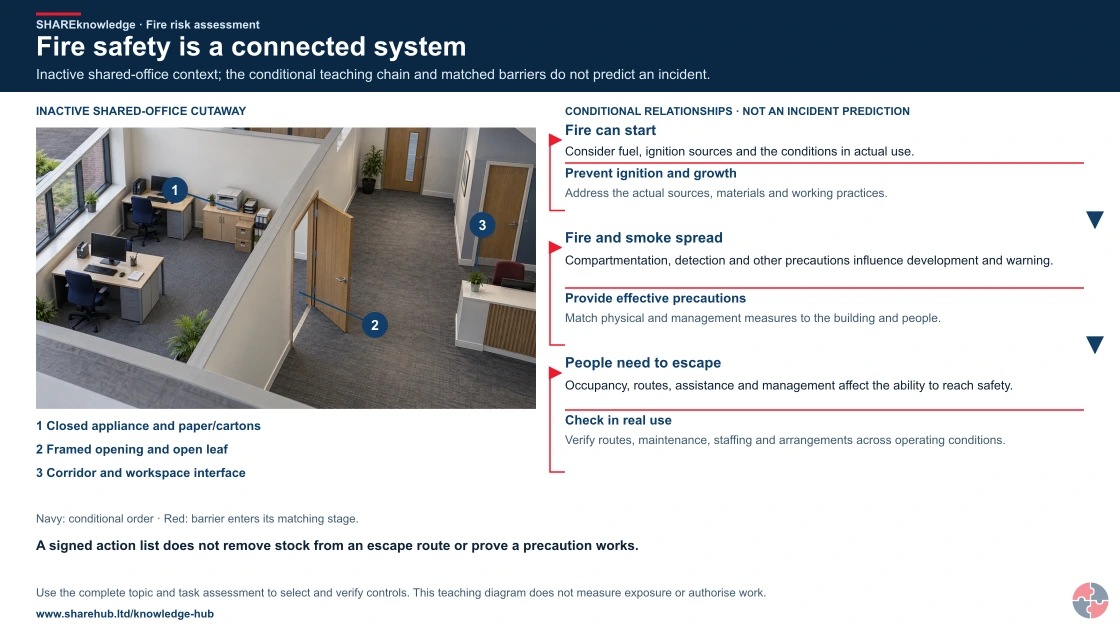
Full written explanation
An illustrative empty, inactive shared-office cutaway shows closed electrical-appliance casing beside paper, stationery and archive cartons, an actual framed internal opening with an attached open door leaf and free gap, and adjoining corridor and tenant/workspace interfaces. Picture key: 1 Closed appliance and paper/cartons · 2 Framed opening and open leaf · 3 Corridor and workspace interface. The full conditional teaching chain is separate from the image: potential fire-start conditions, fire/smoke development and warning, then people and escape dependencies. Each stage retains its matched barrier question. Navy arrows show the original conditional order and red arrows show a barrier entering its own stage. All arrows remain outside the picture. The scene depicts no ignition, fire, smoke, heat, evacuation or incident prediction. Visible materials, open leaf and corridor establish no electrical state, temperature, separation, tested assembly, rating, alarm coverage, strategy, capacity or usable escape. Actual occupants, assistance, maintenance, working conditions and competent evidence still determine the assessment.
Inactive shared-office context; the conditional teaching chain and matched barriers do not predict an incident.
- Fire can start. Consider fuel, ignition sources and the conditions in actual use.
- Fire and smoke spread. Compartmentation, detection and other precautions influence development and warning.
- People need to escape. Occupancy, routes, assistance and management affect the ability to reach safety.
Change the pathway
- Prevent ignition and growth. Address the actual sources, materials and working practices.
- Provide effective precautions. Match physical and management measures to the building and people.
- Check in real use. Verify routes, maintenance, staffing and arrangements across operating conditions.
Evidence check: A signed action list does not remove stock from an escape route or prove a precaution works.


Observe the actual problem
Locate encroaching stock, people affected, peak delivery conditions and the escape route involved.
Assign a feasible correction
The premises owner arranges suitable storage and delivery controls, with competent review of any fire-protection change.
Verify in use
Check the corrected route at representative busy times with users and relevant shifts.
Keep recurrence visible
Keep the action open or reopen it if obstruction returns; record the owner, evidence and next check rather than relying on a signature.
Read the complete task-specific control examples
ERICPD is a planning cross-map: Discipline verifies and sustains every control. ESEAP compares effectiveness. A label does not authorise the task; retain the owner, evidence and stop or change decision.
Fire Risk Assessment Principles and Practice · ERICPD
- Eliminate
- Move the fabrication off site or use a prefinished component so no hot work occurs next to fuel.
- Reduce
- If in-situ joining is necessary, assess a suitable cold-fixing method and remove or reduce flammable stock; check engineering strength and process compatibility.
- Isolate
- Where hot work remains necessary, physically clear/separate combustibles and isolate relevant plant; control vapour sources and provide a suitable protected work zone without compromising exits.
- Control
- Use a task-specific permit, named fire watch, alarm route, occupancy coordination and post-work monitoring; a signature cannot replace physical separation.
- PPE
- Select welding face, hand and body protection for the authorised worker’s task and inspect it; it cannot protect bystanders from flash fire or make solvent vapour acceptable.
- Discipline
- Observe permits in the field, audit fuel removal and investigate scorched material or near misses; verify corrective actions before repeat work.
Fire Risk Assessment Principles and Practice · ESEAP
- Elimination
- Move the fabrication off site or use a prefinished component so no hot work occurs next to fuel.
- Substitution
- If in-situ joining is necessary, assess a suitable cold-fixing method and remove or reduce flammable stock; check engineering strength and process compatibility.
- Engineering controls
- Where hot work remains necessary, physically clear/separate combustibles and isolate relevant plant; control vapour sources and provide a suitable protected work zone without compromising exits.
- Administrative controls
- Use a task-specific permit, named fire watch, alarm route, occupancy coordination and post-work monitoring; a signature cannot replace physical separation.
- PPE
- Select welding face, hand and body protection for the authorised worker’s task and inspect it; it cannot protect bystanders from flash fire or make solvent vapour acceptable.
What is the practical purpose of a fire risk assessment?
It should help the responsible person prevent fire, protect people if fire occurs and prove that suitable precautions are maintained.
A fire risk assessment (FRA) is a decision cycle: identify fire sources and people exposed, evaluate prevention and protection, choose higher-order controls, record the whole judgement where the England and Wales Fire Safety Order applies, implement actions, inform people and review change. Follow the fire from ignition through smoke paths to the person and the escape route. A low-risk label without observed controls, ownership and a stop decision is not enough.
The Home Office five-step checklist gives a useful structure; Home Office Section 156 guidance explains full recording in England, and Welsh guidance confirms the Wales route. Scottish and NI sites must use their own legal route.
A fire risk assessment is a structured decision process, not a paperwork ritual. It should identify how fire could start, what could burn, who could be harmed, how people would be warned, how they would escape, what protection exists, what needs improvement and how the responsible person will review the arrangements.
The familiar five-step approach is useful because it keeps the assessor focused: identify hazards, identify people at risk, evaluate and reduce risk, record findings and emergency arrangements, then review. The professional skill is applying those steps to the real building, not simply copying generic fire hazards into a template.
Good practice combines a physical walk-through, conversations with people who use the premises, review of maintenance and training records, understanding of building features, evidence sampling and clear action planning. The output should be usable by managers, supervisors, wardens and contractors.
| Step | Assessor question | Good practical output |
|---|---|---|
| Identify fire hazards | What ignition sources, fuel, oxygen or dangerous substances are present? | Specific hazards by area, task, equipment, storage or contractor activity. |
| Identify people at risk | Who may be affected and who may need extra support? | Workers, visitors, contractors, public, disabled people, young people, lone workers and night staff considered. |
| Evaluate and reduce risk | Are prevention, detection, escape, compartmentation, firefighting and training suitable? | Clear judgement on what is adequate and what needs action. |
| Record and plan | What hazards, people, controls, emergency plan and training arrangements must the full assessment record? | Written findings, action plan, emergency arrangements and responsible owners. |
| Review | What could make the assessment no longer valid? | Review triggers after change, drill learning, incidents, enforcement, new hazards or vulnerable-person needs. |


Fire Risk Assessment Principles and Practice in a working scene
Try 2 scenarios with images, explanations and decisions that develop into follow-on situations. Trace how a hazard can cause harm, compare work arrangements and choose controls.
How should an assessor carry out the assessment?
The assessor should prepare, inspect, test evidence, speak to users, judge suitability, record findings and convert gaps into managed actions.
Before the walk-round, gather drawings, occupancy and shift patterns, maintenance and alarm records, contractor plans, charging equipment identity, dangerous-substance inventory and prior defects. On site, speak to workers and visitors, trace doors and routes during peak operation, and test whether evidence matches conditions. For battery charging, record chemistry and manufacturer instructions; for hot work, inspect the exact substance, separation and ventilation before deciding whether the work can proceed.
For ignition and dangerous-substance work, HSE work-process fire guidance and HSE DSEAR guidance define the GB process-risk route; Home Office premises guidance addresses general precautions for relevant England premises.
A strong assessment starts before the walk-round. The assessor should understand the premises use, occupancy, layout, fire strategy, previous actions, incidents, contractor works, dangerous substances, maintenance records and areas of known uncertainty.
During the assessment, the assessor should test what is seen against what is documented. If the log says fire doors are checked, are doors actually closing? If training is recorded, do staff know what to do? If emergency lighting is tested, are escape routes clear and direct?
| Stage | What to do | Evidence standard |
|---|---|---|
| Prepare | Review layout, previous FRA, fire strategy, maintenance records, incidents and changes. | Known issues and scope are clear before inspection. |
| Walk the premises | Inspect ignition, fuel, routes, doors, alarms, lighting, firefighting equipment and high-risk areas. | Findings are location-specific with photos where useful. |
| Talk to users | Ask staff, wardens, security, facilities and contractors how controls work in practice. | The assessment reflects work as done. |
| Sample records | Check alarm tests, emergency lighting, drills, training, door checks and action closure. | Evidence proves controls are maintained. |
| Judge risk | Decide whether precautions are suitable for people, premises and fire development. | Assumptions and competence limits are clear. |
| Plan action | Risk-rank findings and assign owner, due date and interim control. | Actions are useful, specific and trackable. |
How might a warehouse fire risk assessment be carried out?
A warehouse example shows why a competent assessment looks at the whole fire system, not isolated items.
Turn the finding into a working precaution
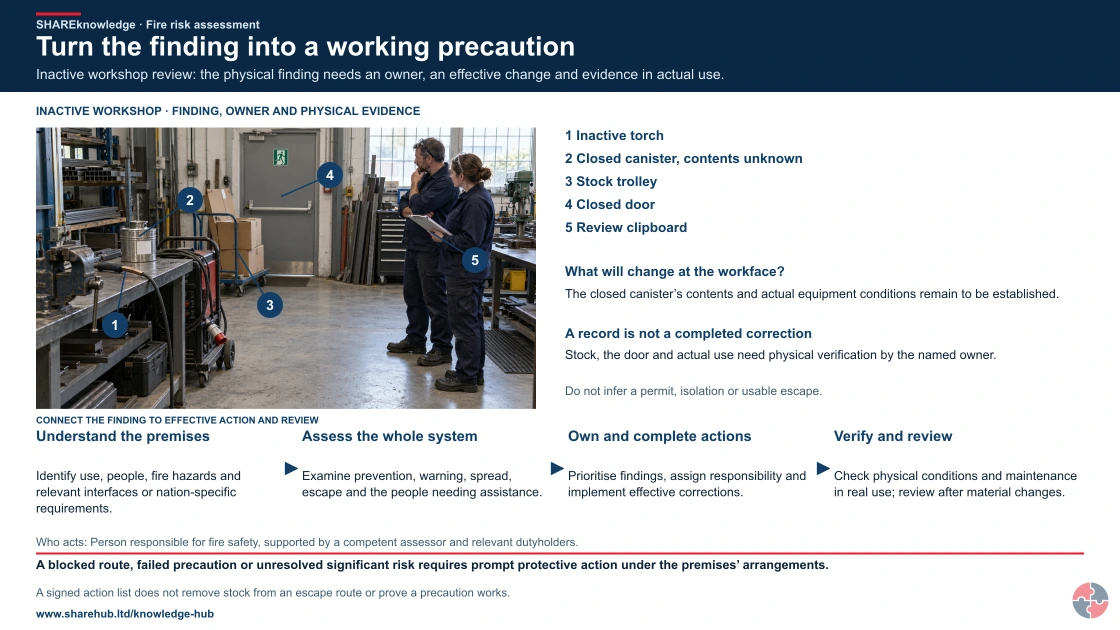
Full written explanation
An illustrative inactive workshop scene grounds finding-to-action questions in visible equipment, stock, a closed door and inert review papers. Picture key: 1 Inactive torch · 2 Closed canister, contents unknown · 3 Stock trolley · 4 Closed door · 5 Review clipboard. The torch and equipment are not operating, and a loose-looking plug does not establish isolation. The canister is not identified as a chemical, fuel or flammable substance. Stock beside the closed door raises an actual-use and evidence question, without establishing door function, usable escape, clearance or a completed correction. The four unnumbered checks understand the premises, assess the whole system, own and complete actions, then verify and review. Full hold, owner, evidence and changed-workplace cases apply. The source’s warehouse peak-dispatch and proposed-hot-work examples remain distinct from this workshop illustration. No permit, electrical method, fire-watch duration, tank/drum treatment, firefighting, evacuation technique or operating permission is provided.
Inactive workshop review: the physical finding needs an owner, an effective change and evidence in actual use.
- Understand the premises. Identify use, people, fire hazards and relevant interfaces or nation-specific requirements.
- Assess the whole system. Examine prevention, warning, spread, escape and the people needing assistance.
- Own and complete actions. Prioritise findings, assign responsibility and implement effective corrections.
- Verify and review. Check physical conditions and maintenance in real use; review after material changes.
When the evidence does not fit: A blocked route, failed precaution or unresolved significant risk requires prompt protective action under the premises’ arrangements.
Who acts: Person responsible for fire safety, supported by a competent assessor and relevant dutyholders.
Changed workplace
Shared office building: Coordinate occupiers, assistance arrangements and different working hours.
Workshop and warehouse: Consider changing storage, ignition sources, charging activities and shift conditions.
Evidence check: A signed action list does not remove stock from an escape route or prove a precaution works.

A warehouse stores cardboard-packaged goods, aerosols and returned electrical items. There is battery charging, racking, shrink-wrap, delivery drivers, temporary workers, a mezzanine office and occasional maintenance hot work. The assessor starts with the layout and previous FRA, then walks the site during normal operations rather than after it has been tidied for inspection.
For the concrete tasks, Home Office factories-and-warehouses guide supports the England warehouse assessment, while HSE welding fire-risk advice calls for clearing combustible material and a fire watch when hot work cannot be made safe by removal or relocation. Actual battery and charger controls remain equipment-specific.
The assessment finds that the alarm is audible in offices but harder to hear near loading operations, fire doors near dispatch are repeatedly obstructed, waste builds up near the compactor, chargers are close to packaging and agency workers receive only a short induction. The output is not simply 'improve housekeeping'; it sets specific controls, owners and evidence.
| Finding | Assessor judgement | Action and evidence |
|---|---|---|
| Battery charging near packaging | Ignition source too close to fuel load. | Create charging area standard, inspect chargers and separate combustibles. |
| Alarm hard to hear at loading bay | Warning may not reach all relevant persons. | Test audibility/visual alarm need and record competent recommendation. |
| Fire doors obstructed by pallets | Protected route could fail during evacuation. | Change storage layout, brief supervisors and audit repeat findings. |
| Agency worker induction weak | People may not know alarm, exits or assembly. | Add fire emergency briefing to induction and sample understanding. |
| Aerosols mixed with general stock | Dangerous substance/fire load issue may need specific storage. | Review SDS, segregation and DSEAR interface. |
What makes a fire risk assessment action good?
A good action removes or controls a real weakness; it is not a vague reminder.
Weak fire assessment actions often say 'review training', 'improve housekeeping' or 'ensure doors remain closed'. Strong actions identify the exact condition, why it matters, who owns it, what interim control applies, when it will close and what evidence proves closure.
Action quality matters because many serious fire-safety failures are not unknown hazards. They are known findings that stayed open, were downgraded without evidence or were closed by paperwork without checking whether the physical condition changed.
| Weak action | Why it is weak | Stronger action |
|---|---|---|
| Improve housekeeping | No location, owner or standard. | Remove pallets immediately and hold affected dispatch or storage until the required route is usable. Keep it clear continuously; complete the permanent storage-layout improvement by Friday and verify it during peak dispatch. |
| Review fire doors | Does not say what defect or what outcome. | Repair dispatch corridor fire door closer and record retest by competent contractor. |
| Train staff | May become attendance-only. | Brief loading bay team on alarm response and sample three workers for understanding. |
| Check alarm | No affected area or technical basis. | Carry out audibility check in loading bay during normal operations and close findings. |
| Monitor contractors | Too general. | Add fire stopping handback photos to every permit that breaches compartment lines. |
What should an assessor look for during a premises walk-through?
A walk-through should follow the fire from possible ignition to possible harm and escape.
The assessor should not inspect the premises as a random list. A useful walk follows the logic of fire: where could ignition occur, what fuel is nearby, how would smoke and heat move, who is present, how would warning reach them, which route would they use and what could fail?
This makes the assessment teachable for learners and practical for managers. It turns fire theory into visible conditions.
| Area to inspect | What to look for | Why it matters |
|---|---|---|
| Entrances and reception | Visitor control, alarm awareness, escape information and access for emergency services. | Visitors and contractors may not know what to do. |
| Work areas | Ignition sources, equipment, storage, housekeeping and staff knowledge. | Most fire hazards arise from normal work. |
| Stores and waste | Fire load, flammable goods, aerosols, cylinders, waste and separation. | Fuel load influences fire growth. |
| Escape routes | Obstruction, travel direction, lighting, signage, floor condition and final exits. | Routes must remain usable in an emergency. |
| Plant and electrical rooms | Access control, combustible storage, maintenance and isolation. | High ignition potential and critical services. |
| Boundary/shared areas | Landlord interfaces, shared alarms, common stairs and access routes. | Responsible persons must coordinate. |
What does a complete mini fire risk assessment example look like?
A complete mini example connects hazards, people, controls, recorded findings and action quality.
In the dispatch example, a narrowed required escape route is a present condition, not a seven-day paperwork item. Stop or redirect dispatch/storage until the route is clear and credible at every active wave. A shift-start check alone cannot justify pallets reappearing during work; use a physical layout or storage redesign and observe peak operation before closeout.
A useful fire risk assessment does not jump from a hazard to a vague recommendation. It shows the decision trail: the hazard, the people at risk, the existing controls, the assessor judgement, the significant finding, the action, the owner, the due date and the review trigger.
This example is deliberately compact, but it shows the standard of thinking expected. In a larger or more complex premises, each row may need more technical evidence, drawings, photos, competent advice or contractor records.
| Assessment element | Example entry | Quality point |
|---|---|---|
| Area and activity | Warehouse dispatch area with pallet storage, shrink-wrap, forklift charging nearby and visiting drivers. | The scope is specific enough for someone to find the risk. |
| Fire hazards | Combustible packaging and pallets, charger/electrical ignition, vehicle interface and occasional contractor hot work. | Fuel and ignition are described together, not as isolated lists. |
| People at risk | Warehouse workers, agency staff, visiting drivers, cleaners, maintenance contractors and mezzanine office staff. | Includes non-employees and people unfamiliar with routes. |
| Existing controls | Fire alarm, extinguishers, emergency lighting, marked routes, weekly route checks and hot work permit process. | Controls are named, but not assumed effective until checked. |
| Significant finding | Pallet overflow narrows the rear escape route during peak dispatch; agency workers are not always briefed on the alternative route. | The finding explains the specific weakness and why it matters. |
| Action quality | Create marked no-storage zone, brief dispatch supervisors, add route check to shift start and update agency induction. | Action changes the condition, not just reminds people. |
| Owner and due date | Warehouse manager owns a revised storage layout; hold dispatch or storage use until the required route remains clear, then verify at peak operation and record permanent markings. | Ownership matches control authority. |
| Interim control | Keep the required escape route clear continuously. Hold dispatch if pallets obstruct it; a supervisor verifies the route during every active wave until a physical no-storage layout is effective. | Risk is controlled before permanent close-out. |
| Review trigger | Review after racking/layout change, new shift pattern, drill learning or repeat route obstruction. | Assessment stays alive after change. |
How can the hierarchy of controls turn fire risk assessments into effective precautions?
Use the two related frameworks as decision aids: ERICPD names Eliminate, Reduce, Isolate, Control, PPE and Discipline; the HSE five levels are elimination, substitution, engineering, administrative controls and PPE. Start at source, justify any lower-level reliance and verify effectiveness in the field.
The control matrices are illustrations; premises-specific suitability, implementation and specialist design approval remain held for competent review.
A contractor proposes welding beside cardboard and a cleaning-fluid store in an occupied workshop. Sparks or vapour ignition can injure workers and send smoke into the public corridor.
Pallets narrow a route and an altered cable opening connects a stockroom to a protected corridor. A small stock fire can make evacuation fail before flame reaches people.
How can the ERICPD hierarchy of controls turn fire risk assessments into effective precautions?

| Hazard and harm route | ERICPD → five-level control | Task-specific measure and feasibility | Owner, checks and evidence | Failure and stop decision |
|---|---|---|---|---|
| Workshop hot work near solvent and packaging | Eliminate → Elimination | Move the fabrication off site or use a prefinished component so no hot work occurs next to fuel. Project lead checks dimensions and fit before ordering. Source: HSE guidance. | Supervisor records the no-hot-work choice. Stop if the planned weld returns without reassessment. | Stop if the planned weld returns without reassessment. |
| Same scenario | Reduce → Substitution | If in-situ joining is necessary, assess a suitable cold-fixing method and remove or reduce flammable stock; check engineering strength and process compatibility. Source: HSE guidance. | Designer approves method; assessor checks substance inventory and safety data. Do not substitute without technical verification. | Do not substitute without technical verification. |
| Same scenario | Isolate → Engineering | Where hot work remains necessary, physically clear/separate combustibles and isolate relevant plant; control vapour sources and provide a suitable protected work zone without compromising exits. Source: HSE guidance. | Competent hot-work lead verifies isolation, atmosphere where indicated and fire-protection interfaces before start. Stop on unknown vapour or failed isolation. | Stop on unknown vapour or failed isolation. |
| Same scenario | Control → Administrative | Use a task-specific permit, named fire watch, alarm route, occupancy coordination and post-work monitoring; a signature cannot replace physical separation. Source: HSE guidance. | Permit issuer and watch record checks before, during and after work. Stop if watch cover or warning fails. | Stop if watch cover or warning fails. |
| Same scenario | PPE → PPE | Select welding face, hand and body protection for the authorised worker’s task and inspect it; it cannot protect bystanders from flash fire or make solvent vapour acceptable. Source: HSE guidance. | Contractor supervisor checks equipment and replacement; do not credit PPE as the primary fire-prevention measure. | Contractor supervisor checks equipment and replacement; do not credit PPE as the primary fire-prevention measure. |
| Same scenario | Discipline → Administrative assurance | Observe permits in the field, audit fuel removal and investigate scorched material or near misses; verify corrective actions before repeat work. Source: Home Office guide. | Responsible person samples records and conditions. Suspend repeated unsafe hot work. | Suspend repeated unsafe hot work. |
| Warehouse escape route and smoke path | Eliminate → Elimination | Redesign the storage plan to remove pallets from the escape route and avoid new crossings of the protected line. Source: Home Office guide. | Warehouse manager verifies floor plan and observed peak shift. Stop use if safe escape is obstructed. | Stop use if safe escape is obstructed. |
| Same scenario | Reduce → Substitution | Use smaller stock lots or a designated store that does not load the corridor; validate deliveries and stock rotation so obstruction does not recur. Source: Home Office guide. | Operations owner checks capacity and shift records. Do not shift the same hazard to another exit. | Do not shift the same hazard to another exit. |
| Same scenario | Isolate → Engineering | Restore the specified fire-stopping assembly and door closure; maintain detection, lighting and route width according to the building strategy. Source: Home Office guide. | Competent fire lead inspects installation and tests alarm response. Restrict affected occupancy until route protection is verified. | Restrict affected occupancy until route protection is verified. |
| Same scenario | Control → Administrative | Add route walks at opening and after deliveries, defect escalation and an impairment plan for contractors and night staff. Source: Home Office guide. | Supervisor records observed route and action closure. Stop when the route or warning is unusable. | Stop when the route or warning is unusable. |
| Same scenario | PPE → PPE | No ordinary worker PPE can make a smoke-filled route tenable; task PPE for a repair contractor is assessed separately. Source: Home Office guide. | Assessor records why PPE is not credited for occupant escape. | Do not proceed if the chosen measure or its field evidence cannot be verified for this task. |
| Same scenario | Discipline → Administrative assurance | Sample route photographs, alarm/drill observations and repeat obstructions, then change layout or staffing if administrative checks fail. Source: Home Office guide. | Dutyholder reviews trends and verifies fixes in the building. Reopen only after the route works. | Reopen only after the route works. |
How can the ISO 45001 hierarchy of controls turn fire risk assessments into effective precautions?

| Hazard and harm route | ERICPD → five-level control | Task-specific measure and feasibility | Owner, checks and evidence | Failure and stop decision |
|---|---|---|---|---|
| Workshop hot work near solvent and packaging | Eliminate → Elimination | Move the fabrication off site or use a prefinished component so no hot work occurs next to fuel. Project lead checks dimensions and fit before ordering. Source: HSE guidance. | Supervisor records the no-hot-work choice. Stop if the planned weld returns without reassessment. | Stop if the planned weld returns without reassessment. |
| Same scenario | Reduce → Substitution | If in-situ joining is necessary, assess a suitable cold-fixing method and remove or reduce flammable stock; check engineering strength and process compatibility. Source: HSE guidance. | Designer approves method; assessor checks substance inventory and safety data. Do not substitute without technical verification. | Do not substitute without technical verification. |
| Same scenario | Isolate → Engineering | Where hot work remains necessary, physically clear/separate combustibles and isolate relevant plant; control vapour sources and provide a suitable protected work zone without compromising exits. Source: HSE guidance. | Competent hot-work lead verifies isolation, atmosphere where indicated and fire-protection interfaces before start. Stop on unknown vapour or failed isolation. | Stop on unknown vapour or failed isolation. |
| Same scenario | Control → Administrative | Use a task-specific permit, named fire watch, alarm route, occupancy coordination and post-work monitoring; a signature cannot replace physical separation. Source: HSE guidance. | Permit issuer and watch record checks before, during and after work. Stop if watch cover or warning fails. | Stop if watch cover or warning fails. |
| Same scenario | PPE → PPE | Select welding face, hand and body protection for the authorised worker’s task and inspect it; it cannot protect bystanders from flash fire or make solvent vapour acceptable. Source: HSE guidance. | Contractor supervisor checks equipment and replacement; do not credit PPE as the primary fire-prevention measure. | Contractor supervisor checks equipment and replacement; do not credit PPE as the primary fire-prevention measure. |
| Same scenario | Discipline → Administrative assurance | Observe permits in the field, audit fuel removal and investigate scorched material or near misses; verify corrective actions before repeat work. Source: Home Office guide. | Responsible person samples records and conditions. Suspend repeated unsafe hot work. | Suspend repeated unsafe hot work. |
| Warehouse escape route and smoke path | Eliminate → Elimination | Redesign the storage plan to remove pallets from the escape route and avoid new crossings of the protected line. Source: Home Office guide. | Warehouse manager verifies floor plan and observed peak shift. Stop use if safe escape is obstructed. | Stop use if safe escape is obstructed. |
| Same scenario | Reduce → Substitution | Use smaller stock lots or a designated store that does not load the corridor; validate deliveries and stock rotation so obstruction does not recur. Source: Home Office guide. | Operations owner checks capacity and shift records. Do not shift the same hazard to another exit. | Do not shift the same hazard to another exit. |
| Same scenario | Isolate → Engineering | Restore the specified fire-stopping assembly and door closure; maintain detection, lighting and route width according to the building strategy. Source: Home Office guide. | Competent fire lead inspects installation and tests alarm response. Restrict affected occupancy until route protection is verified. | Restrict affected occupancy until route protection is verified. |
| Same scenario | Control → Administrative | Add route walks at opening and after deliveries, defect escalation and an impairment plan for contractors and night staff. Source: Home Office guide. | Supervisor records observed route and action closure. Stop when the route or warning is unusable. | Stop when the route or warning is unusable. |
| Same scenario | PPE → PPE | No ordinary worker PPE can make a smoke-filled route tenable; task PPE for a repair contractor is assessed separately. Source: Home Office guide. | Assessor records why PPE is not credited for occupant escape. | Do not proceed if the chosen measure or its field evidence cannot be verified for this task. |
| Same scenario | Discipline → Administrative assurance | Sample route photographs, alarm/drill observations and repeat obstructions, then change layout or staffing if administrative checks fail. Source: Home Office guide. | Dutyholder reviews trends and verifies fixes in the building. Reopen only after the route works. | Reopen only after the route works. |
In hospitality, a kitchen extract and late-night guests change the fuel, ventilation and escape analysis; in construction, a temporary opening through a protected stair demands an impairment plan and verified fire stopping. The assessor must identify the actual people and stop the affected activity if the credited route fails.
How should the FRA approach change by premises type?
The assessment method is consistent, but the judgement changes with occupancy, fire load, escape, vulnerability and building complexity.
GOV.UK publishes different fire risk assessment guides for different premises because a single generic approach is not enough. The assessor should understand the premises type, how people behave there, what activities create fire risk and which controls are most critical.
A small shop may need practical focus on stock, public escape and staff training. A care home needs deeper assisted evacuation and compartmentation judgement. A refurbishment site needs temporary fire arrangements that change as the work changes.
| Premises | Assessment emphasis | Example significant finding |
|---|---|---|
| Small shop | Public escape, rear exit, stock display, electrical items and staff cover. | Seasonal displays narrow route to rear exit and staff do not check it before opening. Context: Home Office premises guidance; Home Office Section 156 guidance; Welsh guidance. |
| Office | Electrical equipment, hybrid occupancy, contractors, kitchen areas and shared stairs. | Shared stair door closer fails and landlord/tenant action route is unclear. Context: Home Office premises guidance; Home Office Section 156 guidance; Welsh guidance. |
| Warehouse | High fire load, racking, vehicles, chargers, visiting drivers and long routes. | Alarm audibility is poor near loading activity. Context: Home Office factories-and-warehouses guide; HSE DSEAR guidance. |
| Care home | Progressive horizontal evacuation, staffing, vulnerable residents and fire doors. | Night staffing cannot support the written evacuation assumptions. Context: Home Office residential care fire-risk-assessment guide; Home Office disabled means-of-escape guide. |
| School | Young people, assembly, laboratories, kitchens, displays and safeguarding. | Fire drill shows pupils and visitors using different assembly routes. Context: Scottish existing non-residential fire guidance. |
| Factory | Process heat, maintenance, hot work, plant rooms and shutdowns. | Hot work permits do not require post-work fire watch in adjacent stores. Context: Home Office factories-and-warehouses guide; HSE DSEAR guidance. |
| Refurbishment site | Temporary routes, incomplete fire stopping, hot work and changing layout. | Contractor penetrations are not being fire-stopped before handback. Context: HSG168 Fire safety in construction. |
How should findings become owned controls?
For each material hazard, record its fire and harm route, people affected, hierarchy choice and rejected higher options, owner, evidence, interim restriction and field closeout.
In a welding task, identify the actual cleaning fluid and packaging, whether cold work is feasible, how fuel is removed or isolated, the authorised permit and watch, and when vapour uncertainty stops work. For the warehouse route, observe the busiest dispatch period and document the exact owner who may halt deliveries.
The responsible person should keep the complete assessment in England and Wales and communicate relevant parts to people who act on it. A changed tenant, battery, store or contractor penetration opens the finding again; a closed spreadsheet row alone is not proof of control.
When should a fire risk assessment be reviewed or escalated?
Review or escalation is needed whenever the assessment may no longer describe the premises, people, hazards or controls accurately.
Triggers include refurbishment, change of use, new stock, new equipment, dangerous substances, failed drill, alarm fault, enforcement feedback, fire or near miss, new vulnerable-person need, shared-premises change or repeated defects.
Escalation should be proportionate but prompt. If the issue affects warning, escape, compartmentation, dangerous substances or people who need help, temporary controls may be needed before normal work continues.
| Trigger or question | Immediate action | Evidence before normal operation |
|---|---|---|
| Has the premises, occupancy or work activity changed? | Review the fire risk assessment and decide whether the current controls still work. | Updated assessment, action tracker and briefing record. |
| Is a critical fire precaution impaired? | Apply temporary controls and escalate to the responsible person. | Impairment record, competent repair and retest evidence. |
| Is the finding outside internal competence? | Seek competent fire safety advice before making assumptions. | Scope of advice, report, decision record and action closure. |
| Did a drill, alarm, inspection or incident reveal weakness? | Investigate the cause and update the arrangement. | Learning record, corrective action and re-test. |
| Could delay expose people to smoke, heat or blocked escape? | Stop normal reliance on the weak arrangement until a safe interim control exists. | Temporary control approval and communication record. |
Where do fire risk assessments fail in practice?
They fail when the report is generic, competence is mismatched, action is weak or management does not review change.
A fire risk assessment can fail even if it is neatly formatted. The test is whether it reflects the real premises, identifies people at risk, judges controls properly and drives action that managers can verify.
The most useful assessments help a responsible person decide what is good enough today, what must change and what would make the assessment invalid tomorrow.
| Failure or weak practice | How it develops | What good looks like |
|---|---|---|
| Paper compliance | fire risk assessment exists as a document but does not describe real conditions. | Walk the premises, talk to staff and compare records with the work as done. |
| Unowned actions | Findings are made but no one owns budget, deadline or close-out. | Assign accountable owner and escalate high-risk delay. |
| Poor coordination | Landlord, tenant, contractor or shared-premises controls do not join up. | Record responsibilities and information sharing. |
| Unmanaged change | Refurbishment, layout, stock, staffing, plant or contractor changes undermine controls. | Add fire review to change and handover. |
| Weak evidence | Certificates and tick sheets exist but do not prove the control works today. | Check defects, retests, drill learning and close-out quality. |
What evidence shows fire risk assessment principles and practice is controlled?
Evidence should show that fire precautions are suitable, available, maintained, tested, understood and reviewed.
Fire evidence should connect the fire risk assessment to real controls. A log book alone is not enough if defects remain open, staff do not know the procedure or equipment cannot be reached during normal work.
Good records show what was checked, what failed, who owned the action, when it was closed and how the responsible person knows the arrangement still protects relevant persons.
| Evidence item | What it should show | Assurance question |
|---|---|---|
| Full written FRA record | The assessment records findings, arrangements and assessor identity where applicable. | Complies with current responsible-person recording expectations. |
| Walk-through notes and photos | Findings are grounded in real premises conditions. | Locations and issues can be found again. |
| Assessor competence record | The assessor's competence matches the premises complexity. | Scope and limits are clear. |
| Fire risk assessment | The full record covers hazards, people, controls, actions and review triggers and matches current conditions. | Assessment reflects real premises, not just a template. |
| Action tracker | Actions have owner, date, priority, interim control and close-out evidence. | High-risk actions are escalated when overdue. |
| Inspection and test records | Alarms, emergency lighting, doors, routes, extinguishers and relevant systems are checked. | Records show defects and repairs, not just completed ticks. |
| Training and drill evidence | People understand their role and drills produce learning. | Records include observations and improvements. |
| Management review | Trends, repeat defects, enforcement feedback and major changes are reviewed. | Resources and priorities follow the risk. |
How should fire risk assessment principles and practice be assured?
Assurance should test whether the fire arrangement works in the building, at the time, with the people who may need it.
First-line assurance comes from daily checks, weekly tests, warden observations and immediate defect reporting. Second-line assurance reviews fire risk assessment actions, drills, maintenance, contractor records and repeat findings. Specialist assurance may include competent fire risk assessor review, fire alarm contractor reports, extinguisher servicing, emergency lighting testing and enforcement feedback.
The test is practical: if the alarm operates today, can everyone hear, understand, move, escape, account for vulnerable people and keep routes safe without relying on luck?
| Assurance layer | What to check | What good looks like |
|---|---|---|
| Frontline checks | Workers, supervisors and wardens check that fire risk assessment controls are present, usable and understood during normal work. | Defects are corrected or escalated before people rely on weak controls. |
| Manager review | Managers review assessment actions, drills, inspections, contractor effects, training, maintenance and repeat weak signals. | Action ownership, resources and deadlines match the fire risk. |
| Competent review | Competent fire safety support reviews complex premises, technical assumptions, enforcement concerns or uncertainty. | Advice is recorded, risk-ranked and converted into practical action. |
| Leadership review | Senior leaders review overdue high-risk actions, notices, significant impairments, insurance concerns and recurring failures. | Important fire risks are visible in governance and business planning. |
Which fire-risk-assessment duties apply in each UK jurisdiction?
England and Wales, Scotland and Northern Ireland have separate non-domestic premises fire routes; work and dangerous-substance duties must also be checked for the actual location and activity.
The Dangerous Substances and Explosive Atmospheres Regulations (DSEAR) address relevant dangerous-substance work in Great Britain; the Health and Safety Executive (HSE) or local authority may enforce work-process precautions. Northern Ireland has corresponding but separate legislation and enforcement. A premises fire assessment should still connect these process controls to warning and escape without collapsing the legal routes.
The Fire Safety Order is the England and Wales premises route. Scottish and Northern Irish instruments are separate. GB work-health rules and DSEAR do not silently apply in NI; use the corresponding NI rules where in scope. This table identifies routes, not legal approval for a site-specific strategy.
For this page’s fire assessment and control decisions, Fire Safety Order prevention principles apply in England and Wales, while HSE work-process guidance explains the separate GB route for dangerous substances and ignition from work. Check the corresponding NI rules and regulator for an NI site.
| Jurisdiction | Duty or guidance | What it means | How to apply it |
|---|---|---|---|
| E&W | Regulatory Reform (Fire Safety) Order 2005 | Requires the responsible person to assess fire risk and maintain suitable fire precautions in non-domestic premises. | Use as the main fire safety legal framework for England and Wales. |
| GB | Health and Safety at Work etc. Act 1974 | Requires employers to protect employees and others affected by work so far as reasonably practicable. | Use for work activities that create fire, emergency or firefighting risk. |
| GB | Management of Health and Safety at Work Regulations 1999 | Requires suitable and sufficient risk assessment, preventive arrangements, competent help, emergency arrangements and review. | Use for management arrangements, competence and emergency procedures. |
| GB | Dangerous Substances and Explosive Atmospheres Regulations 2002 | Requires fire and explosion risk from dangerous substances to be assessed and controlled. | Use where flammable substances, gases, vapours, dusts or oxygen enrichment affect the fire arrangements. |
| England | Building Safety Act Section 156 implementation guidance | England guidance on the Fire Safety Order amendments: full FRA record, information sharing and uncommenced appointed-assessor competence provision. | Updated 2023 |
| Wales | Welsh Government Section 156 guidance | Wales guidance on the same Fire Safety Order amendments: full FRA record, information sharing and uncommenced appointed-assessor competence provision. | Updated 2023 |
| Scotland | Fire (Scotland) Act 2005 | Scottish non-domestic premises fire framework. | Assess people and fire precautions in the actual premises. |
| Scotland | Fire Safety (Scotland) Regulations 2006 | Scottish detailed premises precautions. | Warning, escape, maintenance and coordination. |
| NI | Fire and Rescue Services (NI) Order 2006 | NI non-domestic premises fire framework. | Identify the appropriate person and affected premises. |
| NI | Fire Safety Regulations (NI) 2010 | NI detailed premises precautions. | Warning, escape, maintenance and review. |
| NI | Health and Safety at Work (NI) Order 1978 | NI general work-health and safety route. | Control work-created fire and emergency risks. |
| NI | Management Regulations (NI) 2000 | NI risk-assessment and emergency arrangements. | Coordinate workers, contractors, competence and emergency action. |
| NI | DSEAR (NI) 2003 | NI dangerous-substance work-risk route where relevant. | Plan release, ignition and emergency controls. |
In England and Wales, Article 14 of the Fire Safety Order addresses emergency routes and exits; Article 15 addresses procedures for serious and imminent danger, including appropriate drills. The Workplace Regulations 1992 address ordinary traffic routes, not emergency escape routes.
For the England and Wales Fire Safety Order amendments, Home Office Section 156 guidance explains the England implementation, full recorded assessment and uncommenced appointed-assessor provision; Welsh Government guidance gives the corresponding Wales implementation. Scotland and Northern Ireland have different recording tests.
Separate the premises and work-process routes: Fire Safety Order Article 4 defines general fire precautions in England and Wales; HSE work-process fire guidance explains that HSE or the local authority generally enforce process precautions such as flammable storage, ventilation and ignition control under work-health rules. The appropriate enforcing body can differ by premises or activity.
How can BS EN ISO 45001 support fire risk assessment principles and practice management?
A voluntary occupational health and safety system can support risk identification, worker consultation, operational controls, records, corrective action and review when the premises or work changes.
HSE public guidance supports practical management themes. Exact ISO clause mapping requires an authorised licensed copy and specialist review; no clause-level compliance or certification is asserted.
Who needs competence, and how should it be demonstrated?
Test the decisions and actions each role must make in a realistic fire scenario, including faults, absent staff and hand-back.
| Role | Learning to test | Competence demonstration | Assessor and record | Reassessment trigger |
|---|---|---|---|---|
| Workers, agency staff and drivers | Recognise fire hazards, warning and routes. | Show alarm action and report a pallet obstruction. | Supervisor observes induction. | New shift or route. |
| Operators and contractors | Apply charging, storage or hot-work controls. | Demonstrate pre-start, stop and hand-back on the actual task. | Authorised supervisor keeps observation and permit. | New substance or method. |
| Fire assessor and specialist | Inspect fire paths, people, evidence and residual uncertainty. | Write a complete, traceable finding and reject unsafe interim control. | Competent peer reviews assessment. | New process, building or law. |
| Managers and dutyholders | Resource higher-order fixes and halt unsafe work. | Approve storage redesign and verify peak-shift escape. | Leadership signs field closeout. | Repeated obstruction or defect. |
| Assurance and technical leads | Test actions against site evidence and jurisdiction. | Sample assessment, installation, shift and drill. | Independent audit records findings and recheck. | Incident or weak trend. |
Plan exercises safely: represent an unavailable route or helper through a briefing or simulation while keeping real emergency exits usable. Agree participation and assistance with the person. Use trained operators and suitable manual-handling assessment; simulate carry-down where practice would create avoidable injury risk. Stop the exercise if it threatens anyone’s safety.
How could Riverside Leisure Ltd manage this in practice?

At Riverside Distribution, an assessor walks the warehouse during peak dispatch and finds pallet overflow narrowing the rear escape route while a welding contractor is due near cleaning fluids. The manager holds dispatch on that route and moves pallets to a designed store, while the permit issuer checks substance identity, removes fuel and considers a cold method. The assessor records the full judgement, names an owner for each change and checks both conditions at the next peak shift. Normal work resumes only after the route stays clear and the hot-work controls are observed in place.
A warehouse or mixed-use premises can use fire risk assessment as the control hub for actions, training, emergency planning and management review.
Riverside Leisure Ltd uses its FRA to link public areas, plant rooms, contractor works, cafe kitchens and shared premises responsibilities.
| Management element | How the business would manage it | Evidence to review |
|---|---|---|
| Assessment scope | Includes all occupied areas, plant, storage, contractors and shared escape. | Scope note and premises plan. |
| Full assessment and significant findings | Findings are specific and risk-ranked. | Action tracker with owner and due date. |
| Emergency arrangements | FRA links to evacuation, training, wardens and assisted escape. | Drill and briefing evidence. |
| Review | Changes and drill learning trigger updates. | Review record and management sign-off. |
What can a fuel-site example add to practical fire-risk assessment?
Connect the activity and release source with ignition, people, containment and response. The picture does not replace the evidence behind those decisions.
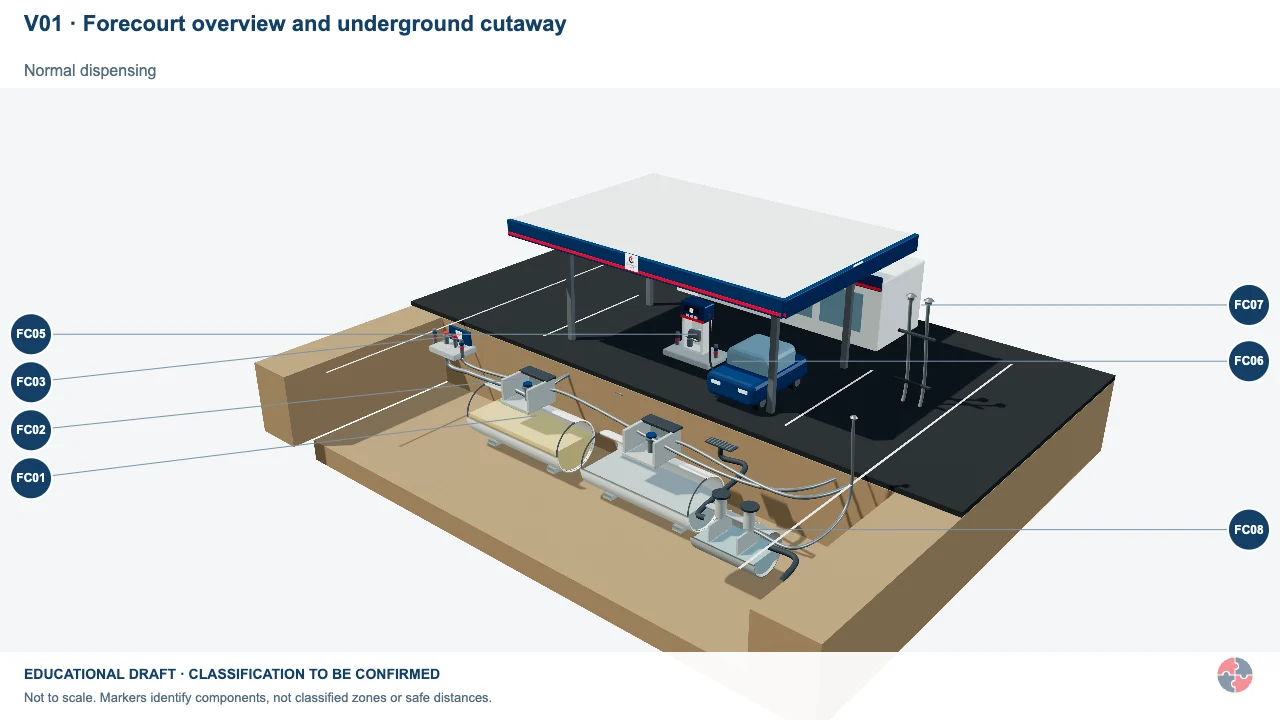
Forecourt overview and underground cutaway
A familiar forecourt contains connected systems above and below ground. Locate each source before considering where an explosive atmosphere could form.
Activity focus: Switch to delivery to inspect the added connection and changed activity.
Contextual illustration. The image alone does not establish equipment state, effective controls, individual health or authorisation; use the task-specific checks and competent evidence.
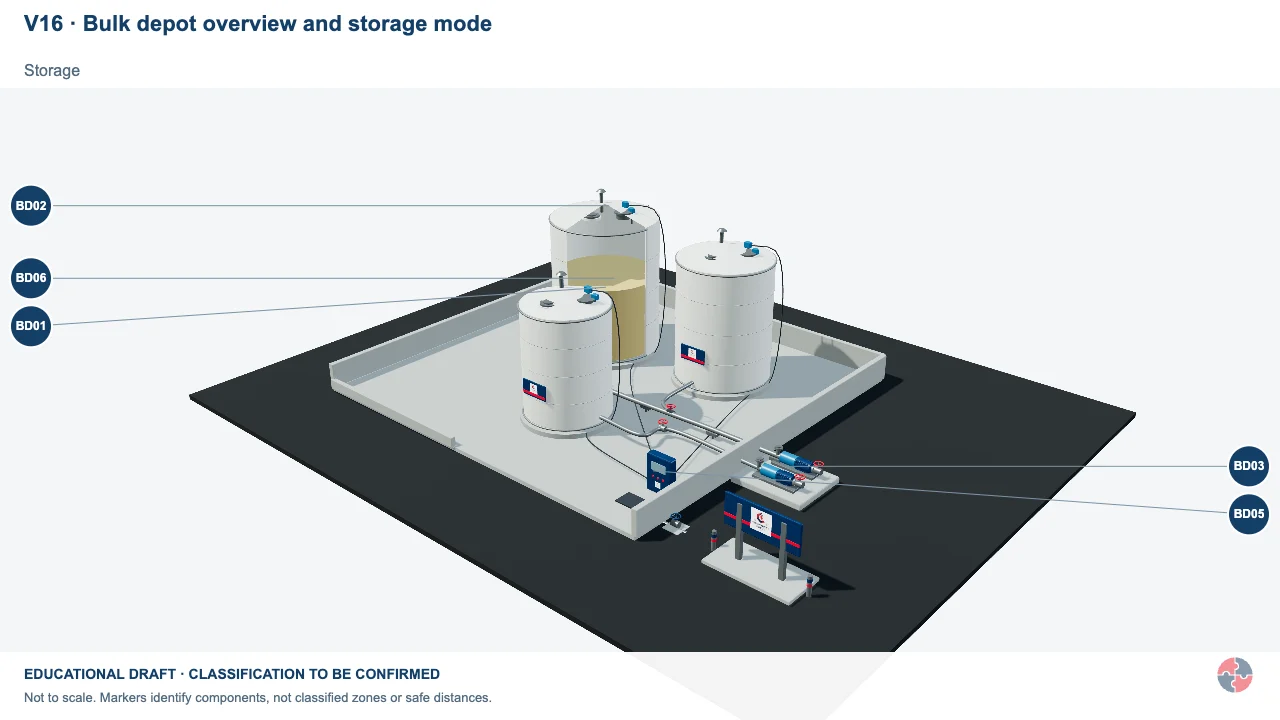
Bulk depot overview and storage mode
Explore the bulk depot system and compare selectable Zone 0, Zone 1 and Zone 2 teaching volumes around its petrol example.
Activity focus: Use cutaway for the internal vapour spaces, then compare the rounded vent, pump and mode-dependent connection envelopes.
Contextual illustration. The image alone does not establish equipment state, effective controls, individual health or authorisation; use the task-specific checks and competent evidence.
Educational illustration, not to scale. Coloured zones are teaching examples, not a site-specific hazardous-area classification.
How does portable-extinguisher recognition support this topic?
Identify the fuel and additional electrical hazard, read the actual extinguisher label and follow the site fire plan. Raise the alarm and protect escape first; only trained, authorised people should consider a small initial fire within their safe response limits.
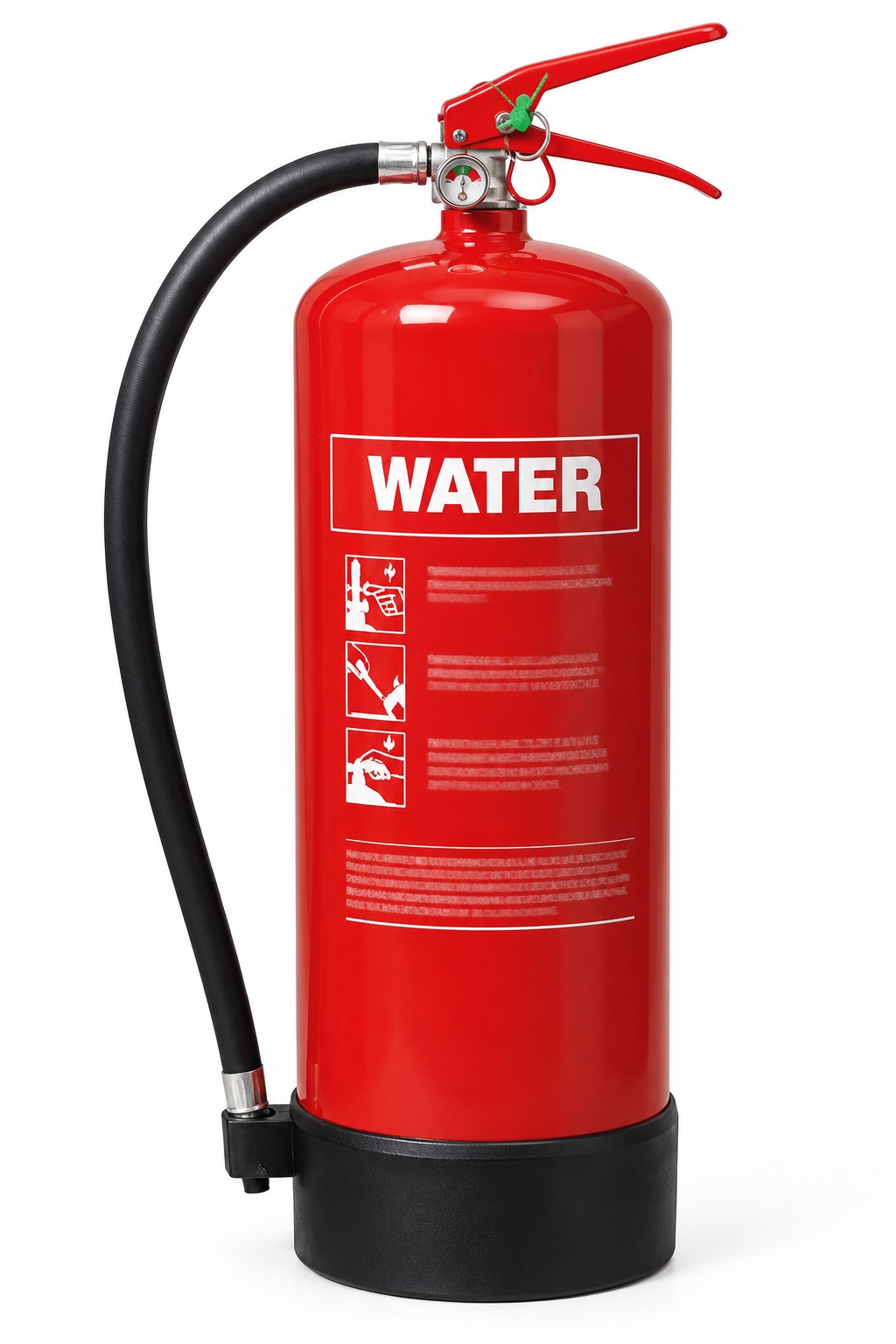

Recognise the pin, seal, pressure gauge and agent marking.
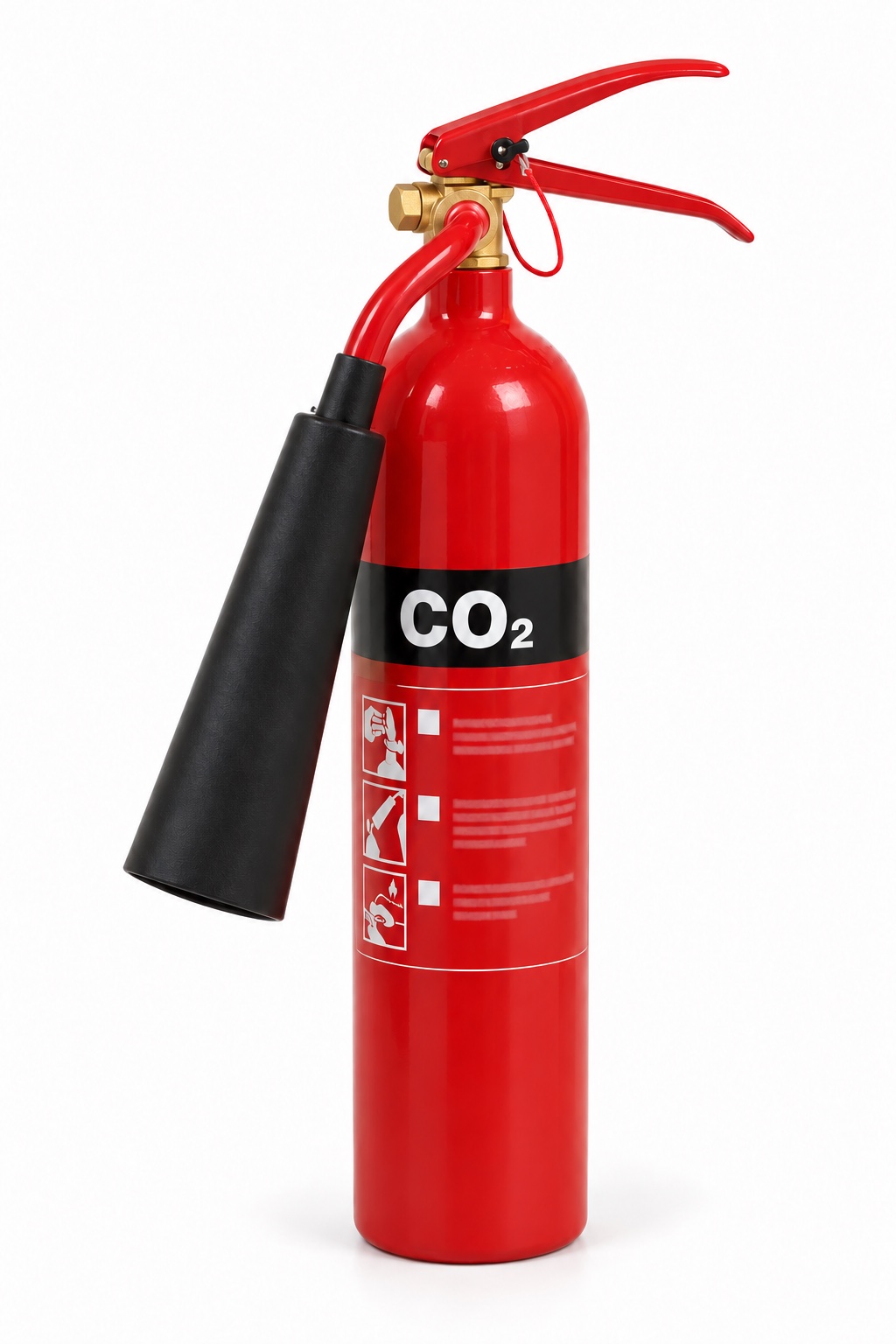
A different cylinder and discharge arrangement; cold and atmosphere hazards still matter.
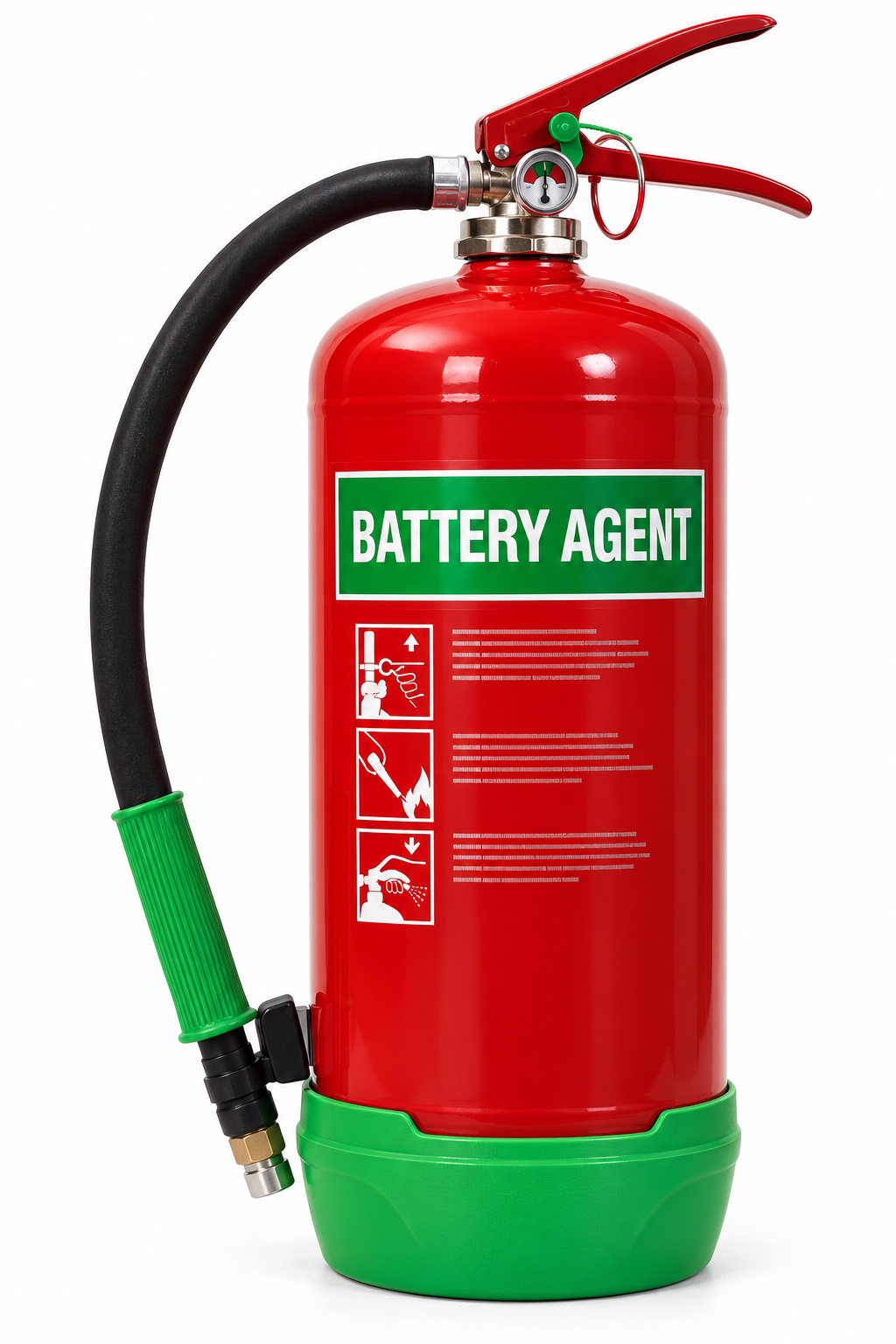
The named product and battery scope matter; green is not a universal Class L colour code.
Raise the alarm, follow the site’s evacuation plan and arrange the emergency call to 999. Only consider a small fire in its earliest stage if you are trained, authorised, have the correct equipment and a clear escape behind you. Smoke, spreading fire, uncertainty or an unsafe approach mean withdraw. Never delay escape to fetch an extinguisher.
Riverside hotel fire safety examples
Use these fictional hotel policies and records to see how a manager documents local fire precautions, evacuation arrangements and decisions on shift. Adapt the examples to the premises and obtain local approval before use.
- England Word and PDF pack (ZIP) · England reading copy (PDF)
- Northern Ireland Word and PDF pack (ZIP) · Northern Ireland reading copy (PDF)
- Scotland Word and PDF pack (ZIP) · Scotland reading copy (PDF)
- Wales Word and PDF pack (ZIP) · Wales reading copy (PDF)
Browse all Riverside fire examples in the Policy Builder library
What do the acronyms and key terms mean?
Use these terms to read the fire assessment, legal duties and control decisions without confusing a role, a hazard or a record.
Acronyms can exclude newer readers if they are not explained. This section keeps the main terms available at the end of the page so the article stays readable while still supporting learners and audit users.
| Term or acronym | Meaning | Plain-English use |
|---|---|---|
| FRA | Fire Risk Assessment | A structured assessment of fire hazards, people at risk, controls, emergency arrangements and review needs. |
| HSE | Health and Safety Executive | Great Britain workplace health and safety regulator. |
| HSWA | Health and Safety at Work etc. Act 1974 | Great Britain general work-health and safety statute; Northern Ireland has a separate 1978 Order. |
| MHSWR | Management of Health and Safety at Work Regulations 1999 | Regulations requiring suitable and sufficient risk assessment and management arrangements. |
| DSEAR | Dangerous Substances and Explosive Atmospheres Regulations | GB work-process fire/explosion rules for dangerous substances; NI has separate corresponding regulations. |
| Relevant person | Person exposed to fire risk | Person the premises fire assessment must consider, including workers and visitors where in scope. |
Which Crownway Fuels documents support this topic?
Open an editable document, read the preview, or find its place in the Crownway hierarchy. 7 resources relate to this page.
Fictional Crownway Fuels examples for English forecourts, with a separate illustrative bulk terminal. Check site applicability, permissions and actual controls before adapting any document for use.
Shop building and occupied premises fire safety policy (7)
- Shop building and occupied premises fire safety policy (CWF-POL-FIRE · Completed fictional example)
Set company expectations, responsibilities and resources for shop building and occupied premises fire safety.
Read preview · Download DOCX · Show in hierarchy - Shop building and occupied premises fire safety procedure (CWF-PRO-FIRE · Completed fictional example)
Explain who does what, in what sequence, the control rationale, evidence, escalation and safe restart conditions.
Read preview · Download DOCX · Show in hierarchy - Premises fire risk assessment and arrangements (CWF-RA-FIRE-01 · Blank editable master)
Provide the site/task-specific premises fire risk assessment and arrangements and retain its controlled output.
Read preview · Download DOCX · Show in hierarchy - Fire protection inspection service and defect register (CWF-REG-FIRE-01 · Blank register with separate fictional worked entries)
Provide the site/task-specific fire protection inspection service and defect register and retain its controlled output.
Read preview · Download XLSX · Show in hierarchy - Opening and shift fire safety check (CWF-CHK-FIRE-01 · Blank editable master)
Provide the site/task-specific opening and shift fire safety check and retain its controlled output.
Read preview · Download DOCX · Download PDF · Show in hierarchy - Evacuation assistance and accountability plan (CWF-PLN-FIRE-01 · Completed fictional example)
Provide the site/task-specific evacuation assistance and accountability plan and retain its controlled output.
Read preview · Download DOCX · Show in hierarchy - Fire training drill and learning record (CWF-FRM-FIRE-01 · Blank editable master)
Provide the site/task-specific fire training drill and learning record and retain its controlled output.
Read preview · Download DOCX · Show in hierarchy
Unlock another resource
You have used this month’s two free downloads. Publish a post in your own words to unlock one more resource, or choose SHARE Individual for 10 downloads per month.
You decide whether to share. If you do, use the relevant platform disclosure tools and do not make claims you do not genuinely hold.