SHARE Knowledge Hub
HIV and Workplace Blood-Borne Virus Risk
After a needlestick or blood splash, give immediate first aid and obtain urgent clinical assessment without waiting for a manager to decide whether HIV PEP is needed. NHS and Northern Ireland public-health guidance say PEP, if prescribed, must start within 72 hours of possible exposure; use sexual-health/GUM or emergency-department services immediately. Ordinary workplace contact does not spread HIV. Prevent sharps exposure, preserve confidentiality and use the correct GB or NI legal route.
Understanding HIV and Workplace Blood-Borne Virus Risk
After a needlestick or blood splash, give immediate first aid and obtain urgent clinical assessment without waiting for a manager to decide whether HIV PEP is needed. NHS and Northern Ireland public-health guidance say PEP, if prescribed, must start within 72 hours of possible exposure; use sexual-health/GUM or emergency-department services immediately. Ordinary workplace contact does not spread HIV. Prevent sharps exposure, preserve confidentiality and use the correct GB or NI legal route.
Why this matters at work
A COSHH assessment should describe the real work and route of exposure, not merely list 'HIV' as a hazard. Identify relevant sources and fluids; penetrating, splash or broken-skin routes; frequency and credible severity; who may be exposed; equipment and staffing; current prevention; spill and injury response; and how the system will be checked. Include contractors and members of the public affected by the undertaking. Risk varies by task and setting, not just by sector label.
HSE advises washing a puncture or needlestick wound with soap and water, gently encouraging bleeding without scrubbing or sucking it, and copiously washing eyes or mouth exposed to blood or body fluid with water. Report the possible exposure promptly to the designated supervisor and occupational-health or emergency pathway. The immediate priorities are first aid, preventing another exposure and reaching an appropriate clinician; do not wait for symptoms.
How organisations manage this in practice
Review the assessment after an incident, near miss, change of device, new service, altered waste stream, contract change, or evidence that incident care is not accessible. Workers and safety representatives should be able to challenge a control that is impractical during peak demand. The output should identify accountable owners, foreseeable failure states, stop/escalate decisions and recovery measures, not merely distribute a generic infection-control leaflet.
Start by asking whether the sharp or blood-contact step can be removed. Where a clinical sharp remains necessary, assess safer engineered devices, handing-off arrangements, placement of disposal containers, and how a patient or workpiece could move. For cleaning or waste tasks, assess concealed sharps and segregation. Where gloves or visors are proposed, state which route they address and what they cannot prevent. A glove is not proof against needlestick.
An exposed worker should give clinicians the incident facts: time, route, type of sharp, known fluid, depth and source information available lawfully, plus relevant medical history. The employer should make those facts available without coercing disclosure or delaying care while trying to identify a source. HSE says the needle involved in an injury need not be retained for laboratory testing and must not be re-sheathed; dispose of it safely in an appropriate container.
What should happen immediately after possible HIV exposure at work?
After needlestick or a credible blood/body-fluid exposure, give immediate first aid and arrange urgent clinician assessment now. A manager must not delay clinical access while deciding whether HIV PEP is indicated.
HSE requires urgent assessment after needlestick. NHS guidance in England and Public Health Agency guidance in NI both require immediate clinical access for a possible HIV exposure; PEP, if prescribed, must start within 72 hours, and sooner is better. Use sexual-health/GUM or emergency-department routes. The clinician decides whether it is indicated. HSE dealing with a BBV exposure incident NHS HIV and AIDS nidirect urgent HIV exposure and PEP advice HSE dealing with a BBV exposure incident
The immediate aim is to reduce contamination, report the incident and get the exposed person to the right clinical advice route quickly. The workplace procedure should tell people who to contact, where to go, what first aid to do, what information to record and who has authority to stop the work area if there is continuing contamination.
A manager should not decide whether HIV transmission is likely, whether PEP is needed, or whether the worker can wait until the next day. That assessment belongs with clinicians or occupational health routes identified in the emergency plan. The manager's job is to keep the person safe, preserve dignity, arrange support and make sure the incident is investigated without blame.
| Situation | Immediate workplace action | Why it matters |
|---|---|---|
| Needlestick or puncture wound | Encourage bleeding gently, wash with soap and water, do not scrub or suck, report and seek clinical assessment. | A puncture can bypass the skin barrier and needs prompt assessment. HSE dealing with a BBV exposure incident |
| Blood in eyes or mouth | Wash copiously with water and follow the exposure procedure. | Mucous membrane exposure needs proper follow-up. HSE dealing with a BBV exposure incident |
| Blood on intact skin | Wash the area and check for cuts, dermatitis or broken skin. | Intact skin is a strong barrier, but damaged skin changes the risk. HSE dealing with a BBV exposure incident |
| Discarded needle found | Do not handle by hand; isolate the area and use trained removal arrangements or local authority collection. | Manual handling of sharps creates avoidable exposure. HSE dealing with a BBV exposure incident |
| Large blood spill | Restrict access, use trained spill response and dispose of waste safely. | Cleaning can expose others if not controlled. HSE dealing with a BBV exposure incident |
What are the key points for managing HIV risk at work?
The most important points are exposure prevention, incident readiness, confidentiality and stigma-free decision making.
What are the key points for managing HIV risk at work? — part 1 of 2


Read the complete visual as text
- The most important points are exposure prevention, incident readiness,…: The most important points are exposure prevention, incident readiness, confidentiality and stigma-free decision making.
- Separate person from hazard: A person living with HIV is not the workplace hazard; uncontrolled exposure to blood or certain body fluids is the hazard.
- Design out sharps where possible: Avoid unnecessary sharps and use safer devices, tools and collection systems where the task allows.
What are the key points for managing HIV risk at work? — part 2 of 2


Read the complete visual as text
- Make response immediate: People should know the first-aid steps and clinical escalation route before an incident happens.
- Use the right waste route: Sharps, spill waste and contaminated materials need suitable containers, labelling and disposal arrangements.
- Protect privacy: Health information is sensitive and should not be shared through gossip, informal notes or unnecessary disclosure.
Separate person from hazard
A person living with HIV is not the workplace hazard; uncontrolled exposure to blood or certain body fluids is the hazard.
Design out sharps where possible
Avoid unnecessary sharps and use safer devices, tools and collection systems where the task allows.
Make response immediate
People should know the first-aid steps and clinical escalation route before an incident happens.
Use the right waste route
Sharps, spill waste and contaminated materials need suitable containers, labelling and disposal arrangements.
Protect privacy
Health information is sensitive and should not be shared through gossip, informal notes or unnecessary disclosure.
What health, legal and HR boundary should readers understand?
This page gives workplace prevention and response guidance; it is not medical, legal or HR advice for an individual case.
HIV, testing, PEP, PrEP, treatment and personal health status should be handled through qualified health routes. A workplace page can explain how to prevent exposure and what to do after an incident, but it should not diagnose infection, interpret test results or advise on treatment. HSE dealing with a BBV exposure incident
Employment decisions about disclosure, adjustments, fitness, discipline or redeployment need careful handling because HIV-related information is sensitive, and discrimination risk is real. Managers should use occupational health, HR and legal support where needed, and keep the focus on work facts rather than assumptions.
| Issue | Workplace role | What to avoid |
|---|---|---|
| Clinical treatment | Signpost to occupational health, sexual health clinic, A&E or specialist route. | Managers deciding whether PEP is needed. HSE dealing with a BBV exposure incident |
| Disclosure | Keep information confidential and voluntary unless a clear lawful duty applies. | Asking teams whether someone has HIV. ICO workers health information |
| Risk assessment | Assess tasks involving blood, body fluids, sharps, waste or contaminated equipment. | Treating ordinary contact as a hazard. HSE bloodborne viruses |
| Fitness and adjustments | Use work-impact advice and reasonable adjustments where relevant. | Making assumptions about capability. Equality Act 2010 Schedule 1 paragraph 6 |
| Incident investigation | Investigate exposure controls and management failures. | Blaming the exposed worker without checking the system. HSE bloodborne viruses |
What does HIV mean in workplace risk management?
HIV is managed at work through blood-borne virus controls, equality-aware support and confidential health information handling.
HIV stands for human immunodeficiency virus. In health terms, it can weaken the immune system if untreated, but modern treatment means many people live long and healthy lives. In workplace health and safety, the control issue is not someone's diagnosis. The control issue is whether work could expose a person to blood or certain body fluids in a way that crosses the body's natural barriers. NHS HIV and AIDS
That distinction protects both safety and dignity. A leisure centre, construction site, transport depot, school, care setting or waste operation may all encounter blood through first aid, accidents, toilets, discarded sharps, vehicle recovery, cleaning or public incidents. Those situations need controls. Ordinary work alongside a colleague living with HIV does not.
| Concept | Plain-English meaning | Workplace implication |
|---|---|---|
| HIV | Human immunodeficiency virus. | Use NHS and clinical sources for health advice. NHS HIV and AIDS |
| AIDS | Late-stage or advanced HIV where serious illnesses occur. | Do not use outdated or stigmatising language in workplace policies. NHS HIV and AIDS |
| BBV | Blood-borne virus, including HIV, hepatitis B and hepatitis C. | Manage the exposure route, not assumptions about individuals. HSE bloodborne viruses |
| PEP | Post-exposure prophylaxis after possible exposure. | Needs rapid clinical assessment. NHS HIV and AIDS |
| Undetectable viral load | Very low virus level due to effective treatment. | Reinforces why policies should avoid fear-based assumptions. NHS HIV and AIDS |
How is HIV transmitted, and what is not a workplace risk?
HIV transmission requires infected body fluid to enter the bloodstream through a credible route.
For most workplaces, the relevant route is not everyday contact. The credible occupational routes are penetrating injury with a contaminated sharp, blood or body fluid contacting broken skin, or splashes to the eyes or mouth. In practice, the same control system should usually cover HIV, hepatitis B and hepatitis C because workers rarely know the status of the source at the time of exposure. NHS HIV and AIDS
Stigma often grows when people do not understand transmission. Clear training should say what is not a risk: shaking hands, sharing facilities, using the same toilet, sharing crockery, normal cleaning, working in the same room or helping someone without contact with blood or certain body fluids. That knowledge reduces fear and makes reporting more accurate.
| Example | Risk judgement | Control message |
|---|---|---|
| Needlestick from used needle | Credible BBV exposure route. | Use sharps controls and exposure incident procedure. NHS HIV and AIDS |
| Blood splash to eye | Credible mucous membrane exposure. | Wash and seek clinical assessment. NHS HIV and AIDS |
| Blood on intact skin | Low risk if skin is intact. | Wash and check for cuts or dermatitis. NHS HIV and AIDS |
| Shared toilet or changing room | Not an HIV transmission route. | Avoid stigma and misinformation. NHS HIV and AIDS |
| Working beside a colleague with HIV | Not an exposure route. | Respect privacy and equality. NHS HIV and AIDS |
| Handling blood-soiled waste without control | Possible exposure depending on sharps, splash and skin condition. | Use segregation, PPE, training and waste contractor controls. NHS HIV and AIDS |
Which work activities can create blood-borne virus exposure?
The activities that matter are those where blood, body fluids, sharps, contaminated waste or traumatic injury may be present.
The risk profile varies by sector. Healthcare, dentistry, tattooing, piercing, beauty treatment and chiropody can involve routine sharps. Emergency services, security, transport, schools, leisure, hospitality, vehicle recovery, cleaning, waste and construction may encounter exposure less often, but with less predictable conditions. HSE bloodborne viruses
Unpredictability is why simple procedures matter. A cleaner finding a needle in a toilet, a lifeguard treating a cut foot, a recovery driver opening a crashed vehicle, or a maintenance worker clearing an abandoned area should not have to improvise. The business should already have a safe route for stopping, isolating, removing, cleaning, recording and escalating.
| Sector or task | Exposure situation | Management focus |
|---|---|---|
| Leisure and hospitality | First aid, changing rooms, toilets, sharps finds, public injuries. | Spill kits, sharps procedure, first-aid training and privacy. HSE bloodborne viruses |
| Cleaning and facilities | Blood spill, used sanitary waste, sharp objects in bins. | Task assessment, PPE, no-hand sorting and waste routes. HSE bloodborne viruses |
| Vehicle recovery and repair | Blood contamination, broken glass, hidden sharps in vehicles. | Pre-work visual checks, tongs, puncture-resistant gloves and escalation. HSE bloodborne viruses |
| Healthcare and care | Clinical sharps, body fluids, contaminated instruments. | Safer sharps, infection prevention, immunisation routes and specialist policy. HSE bloodborne viruses |
| Waste and recycling | Discarded needles or contaminated items in waste streams. | Sharps-resistant systems, reporting and worker training. HSE bloodborne viruses |
| Construction/refurbishment | Discarded needles in derelict buildings or public areas. | Site survey, exclusion, local authority collection and induction. HSE bloodborne viruses |
How should HIV and BBV exposure risk be assessed?
Risk-based hepatitis B protection
For foreseeable occupational hepatitis B exposure, obtain OH-led assessment and offer indicated employer-funded immunisation and follow-up. This does not replace source controls or make uptake compulsory; keep health records confidential and review other controls if protection is absent. HIV and hepatitis C do not have vaccines. An exposed person needs urgent clinical assessment even if presenting later than the preferred PEP window; clinicians decide treatment and follow-up.
The assessment should identify tasks, exposure routes, people affected, existing controls, incident arrangements and evidence that controls work.
A good BBV risk assessment starts with the task, not the label 'HIV'. Ask where blood or body fluids may appear, who may encounter them, whether sharps are used or found, what happens during cleaning, whether workers have broken skin risk, what PPE is suitable, and how quickly the person can access clinical follow-up after an incident. HSE bloodborne viruses
The assessment should also include contractors and public interfaces. A venue may outsource cleaning, security or waste, but it cannot outsource the need for clear site rules, emergency contacts, welfare, waste storage and reporting. Contractors need the same information before they start work.
| Assessment prompt | What to check | Evidence |
|---|---|---|
| Where can exposure occur? | First aid, cleaning, waste, sharps, vehicles, toilets, incidents. | Task inventory and risk register. HSE bloodborne viruses |
| Who may be exposed? | Employees, contractors, first-aiders, cleaners, security, public-facing teams. | Affected-persons list and role matrix. HSE bloodborne viruses |
| What is the route? | Needlestick, cut, broken skin, eye, mouth, contaminated equipment. | Exposure route assessment. HSE bloodborne viruses |
| What controls exist? | Avoidance, safer tools, sharps bins, spill kits, PPE, training. | Inspection and procurement records. HSE bloodborne viruses |
| What happens after exposure? | First aid, reporting, clinical advice, RIDDOR review, investigation. | Exposure incident procedure and drill evidence. HSE bloodborne viruses |
How can the hierarchy of controls prevent occupational blood exposure and blood-borne virus transmission?
ERICPD helps keep the focus on preventing exposure rather than simply issuing gloves after the risk has already been created.
Verify controls: Collecting a discarded needle from a public area


Read the complete visual as text
- Actual task: A facilities worker finds a needle. Keep others away and use the authorised collection service or trained sharps-response method.
- Evidence to check: trained response, tools, suitable container and urgent exposure-reporting route
- Stop or hold condition: unsafe access, missing container, hand retrieval or an exposure incident
- Release evidence and owner: facilities owner verifies removal and secure sharps disposal
Verify controls: Taking a clinical blood sample


Read the complete visual as text
- Actual task: A trained clinical worker performs a necessary blood-sampling procedure; use the approved clinical method and standard precautions.
- Evidence to check: clinical procedure, safety-device suitability, container position and exposure response
- Stop or hold condition: unsafe device, unavailable disposal, unplanned splash or a sharps injury
- Release evidence and owner: clinical lead accepts the approved method, equipment and competent operator
For biological-agent exposure, elimination and reduction often mean avoiding unnecessary sharps, redesigning cleaning tasks, stopping manual hand sorting, removing abandoned sharps through competent routes, and using safer devices. Engineering and isolation may mean physical sharps containers, tongs, barriers, spill kits, designated dirty areas and secure waste storage. HSE bloodborne viruses
PPE is important, but it is not the whole control system. Gloves do not make a needlestick safe, and eye protection does not make poor spill control acceptable. PPE should support a controlled task, not compensate for poor planning or vague procedures.
Choose the activity
How can the ERICPD hierarchy of controls reduce risks while collecting a discarded needle from a public area?

| Control level | Control for this activity | Owner and verification | Stop / restart decision |
|---|---|---|---|
| Eliminate | Eliminate avoidable sharps use in the originating service where a validated needle-free method is feasible. An already discarded needle remains a hazard until controlled collection; passing the job to another person does not eliminate their exposure. | Service owner checks whether sharps generation can be removed upstream. For the current find, the trained collector checks tools, safe access and a suitable container before approaching. | If the hazardous step remains, retain a task assessment and select the stronger feasible remaining controls. |
| Reduce, including substitution | Use suitable sharps collection tools and packaging rather than picking up the needle by hand. | Process/technical owner validates the alternative, its compatibility and any new risks before adoption. | Reject the alternative if suitability is unproved or its new hazards are unresolved. |
| Isolate | Restrict the immediate area and protect the collector and public from the exposed sharp. | Supervisor verifies the task boundaries and that the separation or isolation protects affected people and connected work. | Hold or stop for unsafe access, missing container, hand retrieval or an exposure incident. |
| Control: physical safeguards | Provide a suitable sharps container at the collection point and task-suitable tools; never place the needle in a general waste bag. | Competent equipment/process owner checks trained response, tools, suitable container and urgent exposure-reporting route. | Hold or stop for unsafe access, missing container, hand retrieval or an exposure incident. |
| Control: work method and response | Follow the approved collection and exposure-incident procedure; do not recap, bend or investigate the needle. | Supervisor confirms the limits, response, communication and restart authority with the people doing this activity. | Stop if the agreed method, communication, competent cover or task limits cannot be maintained. |
| PPE | Use assessed hand and other contact protection; gloves do not make a needlestick harmless or remove the need for tools. | Assessor confirms whether PPE is needed and checks selection, condition, compatibility and any required face-fit evidence. | Do not rely on unsuitable or defective protection, or use PPE to continue after an essential source control fails. |
| Discipline | Arrange secure disposal, record the finding and act on repeated sharps locations or failures in the waste system. | Release only after facilities owner verifies removal and secure sharps disposal. Retain the checks and unresolved restrictions at handover. | Keep the activity on hold while defects or required reinstatement evidence remain unresolved. |
How can the ISO 45001 hierarchy of controls reduce risks while collecting a discarded needle from a public area?

| Control level | Control for this activity | Owner and verification | Stop / restart decision |
|---|---|---|---|
| Elimination | Eliminate avoidable sharps use in the originating service where a validated needle-free method is feasible. An already discarded needle remains a hazard until controlled collection; passing the job to another person does not eliminate their exposure. | Service owner checks whether sharps generation can be removed upstream. For the current find, the trained collector checks tools, safe access and a suitable container before approaching. | If the hazardous step remains, retain a task assessment and select the stronger feasible remaining controls. |
| Engineering controls | Use suitable sharps collection tools and packaging rather than picking up the needle by hand. | Process/technical owner validates the alternative, its compatibility and any new risks before adoption. | Reject the alternative if suitability is unproved or its new hazards are unresolved. |
| Engineering controls | Restrict the immediate area and protect the collector and public from the exposed sharp. | Supervisor verifies the task boundaries and that the separation or isolation protects affected people and connected work. | Hold or stop for unsafe access, missing container, hand retrieval or an exposure incident. |
| Engineering controls | Provide a suitable sharps container at the collection point and task-suitable tools; never place the needle in a general waste bag. | Competent equipment/process owner checks trained response, tools, suitable container and urgent exposure-reporting route. | Hold or stop for unsafe access, missing container, hand retrieval or an exposure incident. |
| Administrative controls | Follow the approved collection and exposure-incident procedure; do not recap, bend or investigate the needle. | Supervisor confirms the limits, response, communication and restart authority with the people doing this activity. | Stop if the agreed method, communication, competent cover or task limits cannot be maintained. |
| PPE | Use assessed hand and other contact protection; gloves do not make a needlestick harmless or remove the need for tools. | Assessor confirms whether PPE is needed and checks selection, condition, compatibility and any required face-fit evidence. | Do not rely on unsuitable or defective protection, or use PPE to continue after an essential source control fails. |
| Administrative controls | Arrange secure disposal, record the finding and act on repeated sharps locations or failures in the waste system. | Release only after facilities owner verifies removal and secure sharps disposal. Retain the checks and unresolved restrictions at handover. | Keep the activity on hold while defects or required reinstatement evidence remain unresolved. |
How can the ERICPD hierarchy of controls reduce risks while taking a clinical blood sample?

| Control level | Control for this activity | Owner and verification | Stop / restart decision |
|---|---|---|---|
| Eliminate | Remove unnecessary sampling and sharps use where the clinical decision and a validated alternative permit. | Process owner verifies that the revised workflow achieves the required output and the hazardous step is genuinely removed. | If the hazardous step remains, retain a task assessment and select the stronger feasible remaining controls. |
| Reduce, including substitution | Use a suitable approved safer-sharp device after clinical and user evaluation. | Process/technical owner validates the alternative, its compatibility and any new risks before adoption. | Reject the alternative if suitability is unproved or its new hazards are unresolved. |
| Isolate | Arrange the work area so other people cannot contact the sharp and used items remain separate from clean supplies. | Supervisor verifies the task boundaries and that the separation or isolation protects affected people and connected work. | Hold or stop for unsafe device, unavailable disposal, unplanned splash or a sharps injury. |
| Control: physical safeguards | Provide the appropriate safety device, stable workspace and suitable sharps container within safe reach. | Competent equipment/process owner checks clinical procedure, safety-device suitability, container position and exposure response. | Hold or stop for unsafe device, unavailable disposal, unplanned splash or a sharps injury. |
| Control: work method and response | Confirm patient/procedure identity, competent staffing and the exposure-incident route; dispose of sharps directly using the approved method. | Supervisor confirms the limits, response, communication and restart authority with the people doing this activity. | Stop if the agreed method, communication, competent cover or task limits cannot be maintained. |
| PPE | Use suitable gloves and other standard-precaution protection for the assessed blood/splash exposure; PPE is a residual layer. | Assessor confirms whether PPE is needed and checks selection, condition, compatibility and any required face-fit evidence. | Do not rely on unsuitable or defective protection, or use PPE to continue after an essential source control fails. |
| Discipline | Report device failures and exposures promptly and check safe disposal before the next procedure. | Release only after clinical lead accepts the approved method, equipment and competent operator. Retain the checks and unresolved restrictions at handover. | Keep the activity on hold while defects or required reinstatement evidence remain unresolved. |
How can the ISO 45001 hierarchy of controls reduce risks while taking a clinical blood sample?

| Control level | Control for this activity | Owner and verification | Stop / restart decision |
|---|---|---|---|
| Elimination | Remove unnecessary sampling and sharps use where the clinical decision and a validated alternative permit. | Process owner verifies that the revised workflow achieves the required output and the hazardous step is genuinely removed. | If the hazardous step remains, retain a task assessment and select the stronger feasible remaining controls. |
| Substitution | Use a suitable approved safer-sharp device after clinical and user evaluation. | Process/technical owner validates the alternative, its compatibility and any new risks before adoption. | Reject the alternative if suitability is unproved or its new hazards are unresolved. |
| Engineering controls | Arrange the work area so other people cannot contact the sharp and used items remain separate from clean supplies. | Supervisor verifies the task boundaries and that the separation or isolation protects affected people and connected work. | Hold or stop for unsafe device, unavailable disposal, unplanned splash or a sharps injury. |
| Engineering controls | Provide the appropriate safety device, stable workspace and suitable sharps container within safe reach. | Competent equipment/process owner checks clinical procedure, safety-device suitability, container position and exposure response. | Hold or stop for unsafe device, unavailable disposal, unplanned splash or a sharps injury. |
| Administrative controls | Confirm patient/procedure identity, competent staffing and the exposure-incident route; dispose of sharps directly using the approved method. | Supervisor confirms the limits, response, communication and restart authority with the people doing this activity. | Stop if the agreed method, communication, competent cover or task limits cannot be maintained. |
| PPE | Use suitable gloves and other standard-precaution protection for the assessed blood/splash exposure; PPE is a residual layer. | Assessor confirms whether PPE is needed and checks selection, condition, compatibility and any required face-fit evidence. | Do not rely on unsuitable or defective protection, or use PPE to continue after an essential source control fails. |
| Administrative controls | Report device failures and exposures promptly and check safe disposal before the next procedure. | Release only after clinical lead accepts the approved method, equipment and competent operator. Retain the checks and unresolved restrictions at handover. | Keep the activity on hold while defects or required reinstatement evidence remain unresolved. |
What should a workplace exposure incident procedure contain?
The procedure should be short enough to use under pressure and detailed enough to get the person to the right clinical advice quickly.
The procedure must identify a route available immediately, including out of hours. First aid and reporting happen alongside, not before, urgent clinician assessment; the manager does not make the PEP decision. HSE dealing with a BBV exposure incident NHS HIV and AIDS nidirect urgent HIV exposure and PEP advice HSE dealing with a BBV exposure incident
A common failure is writing a long infection-control policy that nobody can use in the moment. Exposure procedures need a quick action card for workers, a supervisor checklist and a manager route for follow-up, investigation, RIDDOR review and confidentiality.
The procedure should be rehearsed for roles that may need it. First-aiders, cleaners, leisure supervisors, security teams, vehicle recovery workers and facilities teams should know the first-aid step, who to call, how to isolate the area and what information to record without exposing private health details.
| Procedure element | What it should include | Quality test |
|---|---|---|
| Immediate first aid | What to wash, what not to do and when to stop work. | Can a worker follow it in one minute? HSE dealing with a BBV exposure incident |
| Reporting route | Named supervisor, HSE/OH contact and out-of-hours route. | Is the route live on night shifts and weekends? HSE dealing with a BBV exposure incident |
| Clinical access | Where the worker gets specialist assessment and timing expectations. | Does the plan avoid delay? HSE dealing with a BBV exposure incident |
| Area control | How to isolate, clean and reopen the area. | Can contamination be controlled without exposing others? HSE dealing with a BBV exposure incident |
| Evidence | Facts of exposure, controls used, source if known, and action taken. | Are records factual and non-stigmatising? HSE dealing with a BBV exposure incident |
| Review | RIDDOR check, root cause, worker support and control improvement. | Does learning update the risk assessment? HSE dealing with a BBV exposure incident |
How should sharps and needlestick risk be controlled?
Sharps risk should be designed down through avoidance, safer devices, safe handling, immediate disposal and trained response.
Needlestick injuries are one of the clearest occupational BBV exposure routes. The control standard should be simple: do not use sharps where they are not needed, choose safer devices where possible, never hand-handle unknown sharps, dispose of sharps immediately into suitable containers, and make the response to injury automatic. HSE bloodborne viruses
Public-facing and non-clinical workplaces often fail here because the event is rare. A rare event still needs a ready system. A used needle in a toilet or car park should trigger isolation, reporting and trained removal, not a cleaner placing it in a plastic bag or a supervisor carrying it through reception.
| Control | Good practice | Poor practice to challenge |
|---|---|---|
| Avoidance | Remove unnecessary sharps from tasks. | Using blades or needles because that is how it has always been done. HSE bloodborne viruses |
| Safer devices | Use shielded or retractable devices where suitable. | Buying cheaper sharp devices without safety review. HSE bloodborne viruses |
| Handling | Use tongs, forceps or holders where appropriate. | Picking up needles by hand. HSE bloodborne viruses |
| Disposal | Dispose directly into suitable sharps containers. | Leaving sharps on trays, desks or in ordinary bins. HSE bloodborne viruses |
| Training | Train on risk, handling, disposal and injury response. | Assuming common sense is enough. HSE bloodborne viruses |
How should blood spills, cleaning and waste be managed?
Decontamination should protect the person cleaning, prevent further contact and leave clear evidence that the area was made safe.
Spill response should be proportionate to the setting. A small blood spot in an office first-aid room, a changing-room floor, a crash-damaged vehicle and a suspected clinical waste bag all need different levels of control. The common principles are to keep others away, protect the cleaner, avoid sharps injuries, use the correct disinfectant method, dispose of waste safely and wash hands afterwards. HSE bloodborne viruses
Cleaning contractors must be included in the system. They need instructions, spill kits, PPE, waste routes, escalation authority and permission to stop cleaning if a sharp, broken glass or heavy contamination changes the risk.
| Situation | Control focus | Evidence |
|---|---|---|
| Small blood spill | Gloves, absorbent material, suitable disinfectant and detergent wash. | Spill response log. HSE bloodborne viruses |
| Broken glass in spill | Use tools, not hands, and dispose of sharp fragments safely. | Sharps/spill procedure. HSE bloodborne viruses |
| Discarded needle | Isolate, report and use trained removal route. | Sharps collection record. HSE bloodborne viruses |
| Contaminated clothing | Use agreed bagging and laundering/disposal route. | Laundry or waste contractor instruction. HSE bloodborne viruses |
| Clinical/infectious waste | Segregate, label and store securely for correct disposal. | Waste transfer and collection records. HSE bloodborne viruses |
What evidence shows HIV and BBV exposure is managed?
Evidence should show that exposure risk has been assessed, controls are available, people are trained and incidents are learned from.
A strong evidence set does not need to name people's health status. It needs to show that foreseeable exposures were controlled: risk assessments, spill kits, sharps bins, training, contractor instructions, exposure incident records, decontamination records, waste transfer records, RIDDOR decisions and action close-out. HSE bloodborne viruses
The best records are factual and calm. They say what happened, what route of exposure existed, what controls were present, what immediate action was taken, who was contacted, what area was cleaned and what was changed afterwards.
| Evidence | What it can evidence | What to check |
|---|---|---|
| COSHH/BBV assessment | Tasks and exposure routes have been identified. | Does it cover contractors and public areas? HSE bloodborne viruses |
| Sharps/spill inspection | Equipment and waste routes are available. | Are bins not overfilled and kits in date? HSE bloodborne viruses |
| Training matrix | Affected roles know what to do. | Does night shift and cleaning contractor training appear? HSE bloodborne viruses |
| Exposure incident record | Facts, action and follow-up were captured. | Is it factual without health gossip? HSE bloodborne viruses |
| RIDDOR review | Reporting duties were considered. | Is the decision reason recorded? HSE bloodborne viruses |
| Action tracker | Root causes were corrected. | Was effectiveness verified? HSE bloodborne viruses |
Which duties apply in Great Britain and Northern Ireland?
Identify the workplace and apply its own GB or NI instrument. Clinical guidance and support examples do not replace law or individual professional assessment.
For blood-borne viruses, choose the site’s COSHH and emergency arrangements; healthcare sharps law applies only within its scope, and HIV disability duties follow separate GB and NI legislation. Management of Health and Safety at Work Regulations 1999 Management of Health and Safety at Work Regulations (NI) 2000
| Decision | Great Britain | Northern Ireland | Applicability check |
|---|---|---|---|
| General BBV prevention and emergency arrangements | Health and Safety at Work etc. Act 1974; Management Regulations 1999 Health and Safety at Work etc. Act 1974 Management of Health and Safety at Work Regulations 1999 | Health and Safety at Work (NI) Order 1978; Management Regulations (NI) 2000 Health and Safety at Work (NI) Order 1978 Management of Health and Safety at Work Regulations (NI) 2000 | Confirm site, activity and threshold; verify current text. |
| Occupational biological-agent exposure | COSHH Regulations 2002 Control of Substances Hazardous to Health Regulations 2002 | COSHH Regulations (NI) 2003 Control of Substances Hazardous to Health Regulations (NI) 2003 | Confirm site, activity and threshold; verify current text. |
| Healthcare sharps within statutory scope | Sharp Instruments in Healthcare Regulations 2013 Health and Safety (Sharp Instruments in Healthcare) Regulations 2013 | Sharp Instruments in Healthcare Regulations (NI) 2013 Health and Safety (Sharp Instruments in Healthcare) Regulations (NI) 2013 | Confirm site, activity and threshold; verify current text. |
| HIV infection and disability discrimination | Equality Act 2010 Schedule 1 paragraph 6 Equality Act 2010 Schedule 1 paragraph 6 | Disability Discrimination Act 1995 as amended by NI Order 2006 article 18 Disability Discrimination (NI) Order 2006 article 18 | Confirm site, activity and threshold; verify current text. |
| Specified reportable occupational event only | RIDDOR 2013 where criteria are met Reporting of Injuries, Diseases and Dangerous Occurrences Regulations 2013 | RIDDOR (NI) 1997 where criteria are met Reporting of Injuries, Diseases and Dangerous Occurrences Regulations (NI) 1997 | Confirm site, activity and threshold; verify current text. |
How should the selected controls be checked in practice?
ERICPD is used here as a planning mnemonic. The linked HSE five-level hierarchy is the official source for the order and relative reliability of controls; the two labels are not identical.
For a healthcare sharps task, remove avoidable sharps, use approved safer devices and point-of-use disposal, then provide task-specific procedures, incident response and residual PPE. Clinical treatment decisions remain with clinicians.
ERICPD is a planning prompt; Isolate often maps to engineering, while Discipline maintains controls. The five-level hierarchy explicitly includes substitution. Each intervention below is an illustrative candidate subject to the actual work, clinical or equality context. HSE five-level hierarchy HSE five-level hierarchy
How should management verify controls for this task?
For community healthcare needlestick and urgent clinical referral, the management check should start with a real control decision: Use needle-free routes or local authority collection for public sharps. Name the person who will test it, keep evidence from the actual work, and reopen the assessment when the failure condition in the hierarchy table occurs. HSE management-system guidance.
A review should compare the planned control with what workers and supervisors can use in practice. Record the defect, owner, interim protection, verification and next review trigger so that a policy statement or certificate does not stand in for a working control.
How should confidentiality, stigma and worker health information be handled?
HIV-related information and exposure records need careful privacy controls because health data is highly sensitive and stigma can cause real harm.
The workplace should not create lists of people living with HIV, ask unnecessary questions or share health information with teams. If a worker chooses to disclose, the conversation should be private, supportive and limited to work impact, support, adjustments and any relevant risk controls. ICO workers health information
Exposure incident records are different from personal medical status records. A needlestick record should capture exposure facts and control learning. It should not invite rumours about the source or exposed person.
| Control | How to apply it | Evidence |
|---|---|---|
| Purpose | Collect information only where it is needed to manage HIV, BBV exposure and worker support, support a person, meet a duty or review controls. | Avoid curiosity questions, informal labels or records that do not change the work decision. ICO workers health information |
| Minimum detail | Managers usually need work impact, restrictions, adjustments, exposure facts or support needs, not diagnosis or clinical detail. | Keep medical interpretation with qualified health professionals. ICO workers health information |
| Transparency | Explain what information is collected, why, who can see it, how long it is kept and how it will be used. | Use privacy notices, referral information and clear consent routes where relevant. ICO workers health information |
| Access control | Limit access to people who genuinely need the information. | Use role-based access and separate health or exposure records from ordinary management notes. ICO workers health information |
| Respectful language | Use neutral, non-stigmatising wording in notes, policies and briefings. | Protects dignity, confidence and legal fairness. ICO workers health information |
| Equality-aware language | Write policies around blood-borne virus exposure rather than assumptions about people living with HIV. | Policy review and manager briefing. ICO workers health information |
| Case access | Limit access to HR/OH/HSE roles who need the information. | Access permissions and audit trail. ICO workers health information |
| Disclosure handling | Agree what can be shared and with whom. | Confidential note or OH advice summary. ICO workers health information |
How could Riverside Leisure Ltd manage this in practice?

Riverside Leisure Ltd would manage HIV risk by treating blood exposure as a practical BBV control system and HIV-related information as sensitive health information.
Riverside Leisure Ltd worked example — part 1 of 2


Read the complete visual as text
- Assessing exposure: How the business would manage it: The company identifies first aid, poolside cuts, gym injuries, changing-room blood spills, discarded sharps, cleaning tasks, car park incidents and event security as BBV exposure scenarios. Evidence to review: BBV risk register and site task inventory.
- Controls and equipment: How the business would manage it: Each site has spill kits, sharps bins where justified, tongs, gloves, eye protection, waste routes and a clear stop-and-call procedure for needles. Evidence to review: Monthly kit inspection and replenishment record.
- Training: How the business would manage it: First-aiders, cleaners, duty managers and security receive practical exposure-response training; all staff receive stigma-free awareness during induction. Evidence to review: Training matrix and scenario briefing records.
- Contractor management: How the business would manage it: Cleaning and waste contractors are given site rules, reporting routes, waste storage locations and authority to stop if contamination is unsafe. Evidence to review: Contractor induction and service-level evidence.
Riverside Leisure Ltd worked example — part 2 of 2


Read the complete visual as text
- Incident response: How the business would manage it: Exposure incidents are reported immediately, first aid is given, the person is referred to the clinical route and the area is cleaned before reopening. Evidence to review: Exposure report, decontamination record and support note.
- Learning and improvement: How the business would manage it: The HSE adviser reviews every BBV incident for root cause, such as poor bin location, missing PPE, inadequate cleaning instructions or weak public-area checks. Evidence to review: Action tracker and manager review minutes.
- Privacy and dignity: How the business would manage it: The company does not ask staff or customers about HIV status unless a lawful, work-relevant and supported reason exists. Notes are factual and access controlled. Evidence to review: Privacy notice, case access log and manager guidance.
Riverside Leisure Ltd is a leisure and hospitality business with swimming pools, gyms, cafes, changing rooms, first-aid incidents, public toilets, cleaning contractors, security, events and seasonal workers. Its realistic HIV-related risk is not ordinary contact with staff or customers; it is uncontrolled exposure to blood, body fluids or sharps. HSE bloodborne viruses
| Management element | How the business would manage it | Evidence to review |
|---|---|---|
| Assessing exposure | The company identifies first aid, poolside cuts, gym injuries, changing-room blood spills, discarded sharps, cleaning tasks, car park incidents and event security as BBV exposure scenarios. | BBV risk register and site task inventory. HSE bloodborne viruses |
| Controls and equipment | Each site has spill kits, sharps bins where justified, tongs, gloves, eye protection, waste routes and a clear stop-and-call procedure for needles. | Monthly kit inspection and replenishment record. HSE bloodborne viruses |
| Training | First-aiders, cleaners, duty managers and security receive practical exposure-response training; all staff receive stigma-free awareness during induction. | Training matrix and scenario briefing records. HSE bloodborne viruses |
| Contractor management | Cleaning and waste contractors are given site rules, reporting routes, waste storage locations and authority to stop if contamination is unsafe. | Contractor induction and service-level evidence. HSE bloodborne viruses |
| Incident response | Exposure incidents are reported immediately, first aid is given, the person is referred to the clinical route and the area is cleaned before reopening. | Exposure report, decontamination record and support note. HSE bloodborne viruses |
| Learning and improvement | The HSE adviser reviews every BBV incident for root cause, such as poor bin location, missing PPE, inadequate cleaning instructions or weak public-area checks. | Action tracker and manager review minutes. HSE bloodborne viruses |
| Privacy and dignity | The company does not ask staff or customers about HIV status unless a lawful, work-relevant and supported reason exists. Notes are factual and access controlled. | Privacy notice, case access log and manager guidance. HSE bloodborne viruses |
What must each role demonstrate?
Use observed decisions and referral or hold-point rehearsal as evidence of task competence; a briefing attendance sheet is not sufficient by itself.
Record the assessor, observed task or simulation and when a change triggers reassessment. Keep clinical and personal-health decisions with qualified professionals and protect private information. HSE five-level hierarchy ICO workers health information
| Role | Demonstration | Assessor and record | Reassess when |
|---|---|---|---|
| Worker | Give first aid and seek urgent clinician after needlestick. | Clinical lead observes drill. | Exposure route or service changes. HSE dealing with a BBV exposure incident |
| Supervisor | Release worker immediately to clinical assessment; protect privacy. | Manager checks timed simulation. | Delay or route failure. HSE dealing with a BBV exposure incident |
| Clinical lead | Assess PEP eligibility and timing rather than delegate to manager. | Qualified peer reviews pathway. | NHS guidance changes. NHS HIV and AIDS |
| Sharps lead | Verify approved safer device and point-of-use disposal. | Clinical peer observes task. | Device or procedure changes. HSE bloodborne viruses |
| HR/OH lead | Limit health data and apply GB/NI disability route. | Privacy and equality reviewer checks sample. | Case or law changes. ICO workers health information |
What are the warning signs that BBV controls are weak?
Warning signs usually show up as improvisation, missing equipment, stigma, poor records or delayed clinical follow-up.
Warning signs are included because failure usually appears before a serious event. Treat these points as prompts for inspection, audit, supervision and management review rather than as simple compliance statements. HSE bloodborne viruses
| Warning sign | How it can cause harm | What to do |
|---|---|---|
| No exposure card | People delay first aid or clinical assessment because nobody knows the route. | Create a simple one-page exposure action card. HSE bloodborne viruses |
| Sharps found in ordinary bins | Cleaners and waste handlers can receive puncture injuries. | Review waste controls, signage, contractors and inspections. HSE bloodborne viruses |
| Gloves only control | Gloves may not prevent sharps injury or splash exposure. | Strengthen avoidance, tools, containers and training. HSE bloodborne viruses |
| Gossip after incident | Privacy harm and stigma can discourage reporting. | Rebrief confidentiality and restrict records. HSE bloodborne viruses |
| No contractor route | Cleaners or waste contractors may be exposed outside the employer's system. | Include contractors in BBV control arrangements. HSE bloodborne viruses |
Chemical hazard symbols: what do they mean?
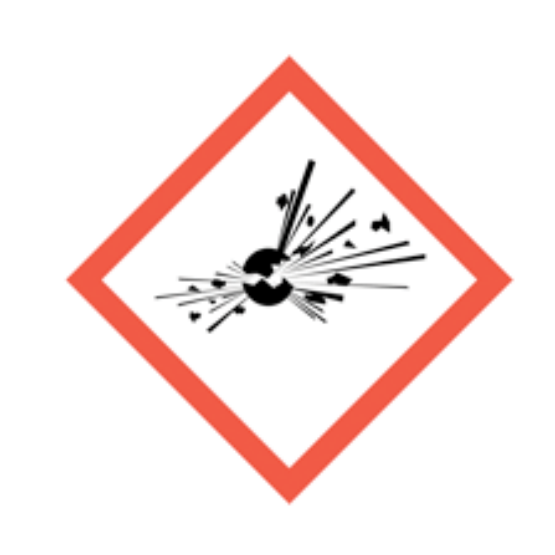
Exploding bomb
Explosive, self-reactive or organic peroxide hazards.
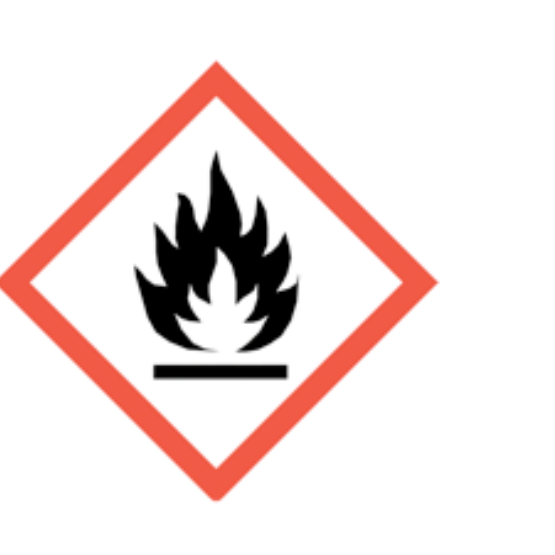
Flame
Flammable, self-heating or pyrophoric substances.
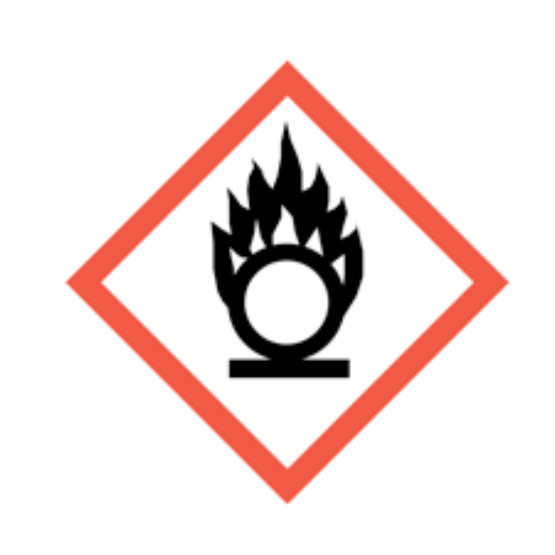
Flame over circle
Oxidising substances that can intensify fire.

Gas cylinder
Gas under pressure.
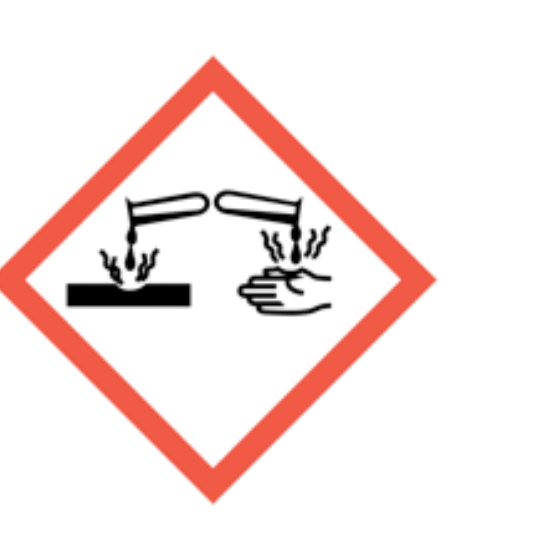
Corrosion
Skin burns, eye damage or corrosive to metals.
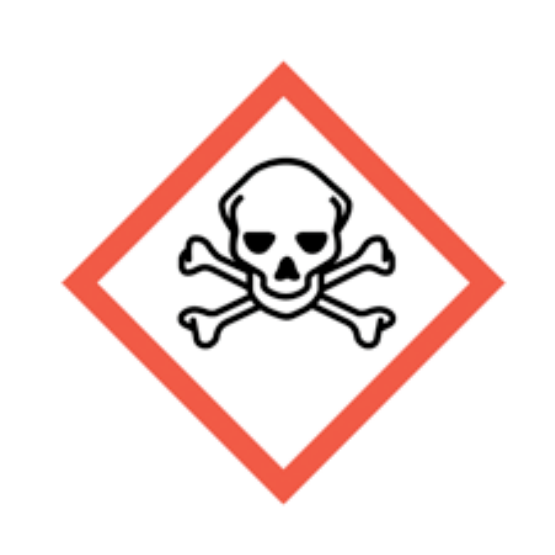
Skull and crossbones
Acute toxicity.

Exclamation mark
Irritation, harmful effects or skin sensitisation; some classifications cover drowsiness, dizziness or ozone-layer hazard. Read the actual hazard statements. Skin sensitisation differs from respiratory sensitisation.
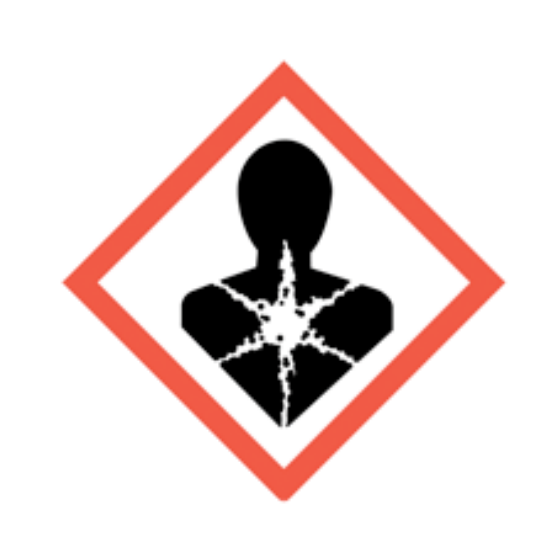
Health hazard
Serious health hazards, including organ damage, aspiration hazard, respiratory sensitisation, cancer and reproductive effects; some can follow a single exposure.
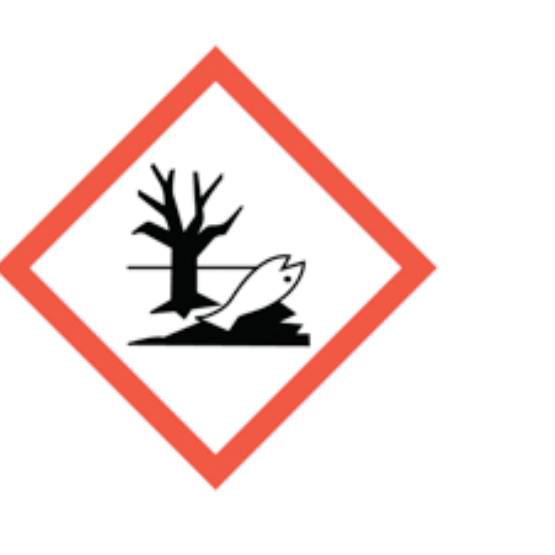
Environment
Hazardous to the aquatic environment.
What do the acronyms and key terms mean?
Acronyms should be understood before they are used in assessments, briefings, audits or learning answers.
Acronyms can exclude newer readers if they are not explained. This section keeps the main terms available at the end of the page so the article stays readable while still supporting learners and audit users.
| Acronym | Meaning | Plain-English use |
|---|---|---|
| AIDS | Acquired immune deficiency syndrome | Late-stage or advanced HIV-related illness. |
| BBV | Blood-borne virus | A virus that can be carried in blood and transmitted through exposure routes such as sharps injuries. |
| COSHH | Control of Substances Hazardous to Health | UK framework for hazardous substances including biological agents. |
| DPA 2018 | Data Protection Act 2018 | UK data protection legislation used alongside UK GDPR. |
| HIV | Human immunodeficiency virus | Virus managed in workplace risk terms through BBV exposure controls and confidentiality. |
| PEP | Post-exposure prophylaxis | Time-critical clinical treatment considered after possible HIV exposure. |
| PPE | Personal protective equipment | Protective equipment used where exposure risk remains. |
| RIDDOR | Reporting of Injuries, Diseases and Dangerous Occurrences Regulations | Reporting regime for specified work-related injuries, diseases and dangerous occurrences. |
Unlock another resource
You have used this month’s two free downloads. Publish a post in your own words to unlock one more resource, or choose SHARE Individual for 10 downloads per month.
You decide whether to share. If you do, use the relevant platform disclosure tools and do not make claims you do not genuinely hold.