SHARE Knowledge Hub
Ignition Properties of Solids, Liquids and Gases
Ignition properties explain how solids, liquids, gases, vapours, mists and dusts can catch fire. Flash point, flammable limits, temperature, particle size and release conditions determine whether a routine task can create a fire or explosion hazard. A release can burn people, damage lungs through smoke or pressure effects and injure others beyond the immediate work area.
Understanding Ignition Properties of Solids, Liquids and Gases
Ignition properties explain how solids, liquids, gases, vapours, mists and dusts can catch fire. Flash point, flammable limits, temperature, particle size and release conditions determine whether a routine task can create a fire or explosion hazard. A release can burn people, damage lungs through smoke or pressure effects and injure others beyond the immediate work area.
Why this matters at work
Harm can include blast injury, burns, impact from damaged structures, collapse, projectiles, smoke and toxic exposure, failure of adjacent plant, secondary releases, loss of control systems, blocked escape, responder exposure and off-site effects. The severity may be magnified when an initiating event damages multiple barriers or when people are in vulnerable buildings or work locations.
Typical mechanisms include spill or transfer release, vapour from paint or solvent work, gas leakage, fuel ignition, battery or electrical fault, dust accumulation, hot work near residues, vapour migration into pits or drains, vehicle movement and defective ventilation. Potential harm includes burns, explosion injury, smoke and toxic exposure, falls, damage to people and property and responder exposure.
How organisations manage this in practice
For each ignition-control barrier, define what success looks like and how it will be tested. Containment can be checked by leak inspection or pressure testing appropriate to design; ventilation by performance measurement; detection by calibration and functional testing; static control by continuity or other specified inspection; hot-work control by field observation; protection systems by specialist examination. The test must reflect the operating state in which the barrier is needed. A log entry saying "checked" without method, result or acceptance criterion is weak evidence.
Evidence includes MOC records, design and risk review, temporary and permanent control plans, action registers, drawings and asset updates, DSEAR and zone review, detector and alarm changes, training and communication, commissioning and test results, handback, post-start-up review, audits and findings from incidents or near misses.
Evidence includes permits, task assessments, isolation and restoration records, contractor information, SIMOPS plans, gas-testing arrangements where required, equipment status, hot-work controls, temporary equipment approvals, inspection, shift handover, handback and review after any deviation, alarm, release or change.
Assess the material and process, stock age, turnover, temperature, moisture, contamination, stacking, ventilation, hidden voids, adjacent ignition sources and accessible escape. Eliminate unnecessary combustible stock or replace a hazardous process where practicable; reduce accumulation and storage duration; isolate heat sources, equipment and people; control through suitable storage design, temperature or condition monitoring where warranted, inspection, housekeeping, electrical maintenance and hot-work control. PPE protects residual tasks only; emergency planning must consider smouldering, restricted access and re-ignition.
What does this page cover and how should it be used?
Ignition properties describe how a material can catch fire or support a rapidly burning mixture with air. Use them to understand the hazard and ask the right questions before storage, transfer, cleaning or maintenance.
Best-practice guide: Ignition Properties of Solids, Liquids and Gases
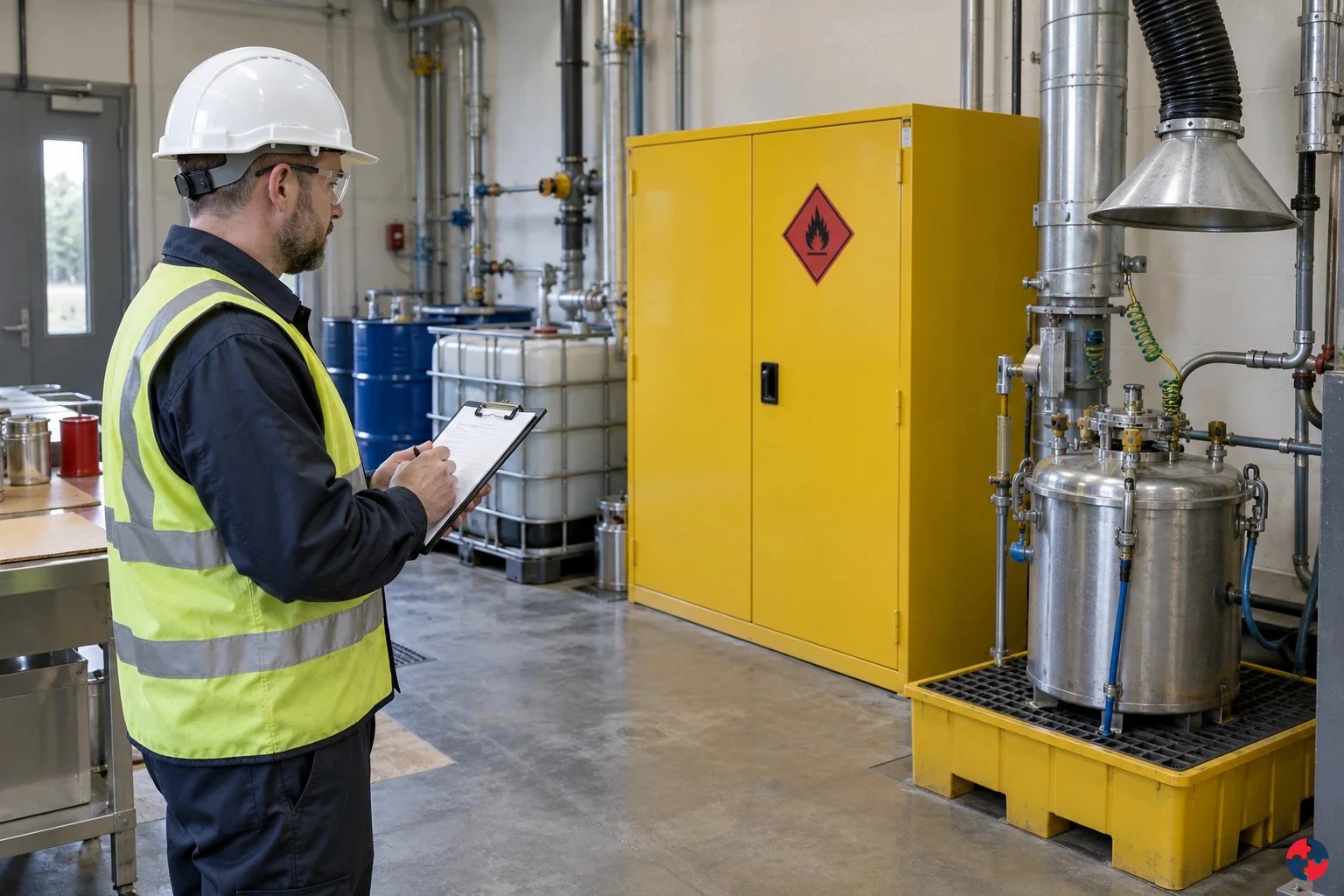
What does this page cover and how should it be used?
Ignition properties describe how a material can catch fire or support a rapidly burning mixture with air. Use them to understand the hazard and ask the right questions before storage, transfer, cleaning or maintenance. Ignition properties explain how solids, liquids, gases, vapours, mists and dusts can catch fire.
Turn ignition properties of solids, liquids and gases knowledge into a decision
Ignition properties explain how solids, liquids, gases, vapours, mists and dusts can catch fire. Flash point, flammable limits, temperature, particle size and release conditions determine whether a routine task can create a fire or explosion hazard. Retain the product comparison and rejected assumptions, revised assessment, control checks, contractor coordination, defects and the named hand-back record.
Selecting a cleaner before maintenance
Use only the approved product, quantity and application method. Keep containers controlled and waste in the specified receptacle. Secure product and waste, check the work area and component, close the permit/isolation through the authorised process and confirm that affected contractors know the new status.
Ignition harm chain
Exposure route 1: Liquid vapour or gas leaks and mixes with air; flame can travel through the cloud. Exposure route 2: Suspended combustible dust ignites; pressure may disperse settled layers.
Choose controls for ignition properties of solids, liquids and gases
Elimination: Remove an unnecessary solvent use or open decanting step through process redesign. Substitution: Validate a suitable less flammable product or solvent-free method against operating temperature, quality and new hazards. Engineering controls: Use an assessed dedicated dispensing area separated from ignition sources, occupied routes and incompatible materials. Engineering controls: Provide compatible closed transfer, containment and ventilation, with assessed electrical, bonding and earthing measures where required. Administrative controls: Verify product identity, receiving capacity, connections and spill response; prevent unapproved containers and hot work in the affected area. Read the full control table for qualifications, ownership and verification. Use the actual task and applicable jurisdiction; existing technical approval remains unchanged.
Use the full ignition properties of solids, liquids and gases lesson
Use the full topic for the decision points, practical examples, detailed control tables and source scope. HSE guidance applies to Great Britain; use HSENI for the Northern Ireland route and the source’s stated jurisdiction. A simplified guide does not change the page’s technical-review or approval status.

Read all six steps as text
1. What does this page cover and how should it be used?
Ignition properties describe how a material can catch fire or support a rapidly burning mixture with air.
- Avoid / redesign: Remove an unnecessary solvent use or open decanting step through process redesign.
- Control the task: Use an assessed dedicated dispensing area separated from ignition sources, occupied routes and incompatible materials.
- Verify before release: If the hazardous step remains, keep it within the task assessment and select the stronger feasible remaining controls.
Ignition properties describe how a material can catch fire or support a rapidly burning mixture with air. Use them to understand the hazard and ask the right questions before storage, transfer, cleaning or maintenance. Ignition properties explain how solids, liquids, gases, vapours, mists and dusts can catch fire.
Apply it: Which part of this plan would you check at the workface before authorising the task?
2. Turn ignition properties of solids, liquids and gases knowledge into a decision
Use the evidence to improve the actual work arrangement.
- Change at source: Remove an unnecessary solvent use or open decanting step through process redesign.
- Make it observable: If the hazardous step remains, keep it within the task assessment and select the stronger feasible remaining controls.
- Keep useful evidence: Retain the product comparison and rejected assumptions, revised assessment, control checks, contractor coordination, defects and the named hand-back record.
Ignition properties explain how solids, liquids, gases, vapours, mists and dusts can catch fire. Flash point, flammable limits, temperature, particle size and release conditions determine whether a routine task can create a fire or explosion hazard. Retain the product comparison and rejected assumptions, revised assessment, control checks, contractor coordination, defects and the named hand-back record.
Apply it: What evidence would show that the change improves this task, rather than only completing a record?
3. Selecting a cleaner before maintenance
Example: a practical application of the existing topic lesson.
- Setting: the process operator wants to remove grease from a pump component at a designated maintenance bench.
- Act: Candidate A forms flammable vapour under the proposed conditions.
- Hold / review: Hold for missing SDS data, unsuitable materials, uncertain static protection or unresolved contractor overlap.
Use only the approved product, quantity and application method. Keep containers controlled and waste in the specified receptacle. Secure product and waste, check the work area and component, close the permit/isolation through the authorised process and confirm that affected contractors know the new status.
Apply it: At which point would you hold this example, and what evidence would allow it to proceed?
4. Ignition harm chain
Connect the task, the route to the person and the control that can fail.
- Exposure route 1: Liquid vapour or gas leaks and mixes with air; flame can travel through the cloud.
- Exposure route 2: Suspended combustible dust ignites; pressure may disperse settled layers.
Exposure route 1: Liquid vapour or gas leaks and mixes with air; flame can travel through the cloud. Exposure route 2: Suspended combustible dust ignites; pressure may disperse settled layers.
Apply it: Who could be exposed, including other trades, cleaners, maintainers and people nearby?
5. Choose controls for ignition properties of solids, liquids and gases
Start with the stronger practicable options and verify their effect.
- Elimination: Remove an unnecessary solvent use or open decanting step through process redesign.
- Substitution: Validate a suitable less flammable product or solvent-free method against operating temperature, quality and new hazards.
- Engineering controls: Use an assessed dedicated dispensing area separated from ignition sources, occupied routes and incompatible materials.
- Engineering controls: Provide compatible closed transfer, containment and ventilation, with assessed electrical, bonding and earthing measures where required.
- Administrative controls: Verify product identity, receiving capacity, connections and spill response; prevent unapproved containers and hot work in the affected area.
Elimination: Remove an unnecessary solvent use or open decanting step through process redesign. Substitution: Validate a suitable less flammable product or solvent-free method against operating temperature, quality and new hazards. Engineering controls: Use an assessed dedicated dispensing area separated from ignition sources, occupied routes and incompatible materials. Engineering controls: Provide compatible closed transfer, containment and ventilation, with assessed electrical, bonding and earthing measures where required. Administrative controls: Verify product identity, receiving capacity, connections and spill response; prevent unapproved containers and hot work in the affected area. Read the full control table for qualifications, ownership and verification. Use the actual task and applicable jurisdiction; existing technical approval remains unchanged.
Apply it: Which stronger option can be used here, and who will verify it before accepting the remaining risk?
6. Use the full ignition properties of solids, liquids and gases lesson
Follow the official sources below and retain the task-specific evidence.
- Official guidance: HSE DSEAR overview
- Official guidance: HSENI approved GB ACOPs
- Task decision: Retain the product comparison and rejected assumptions, revised assessment, control checks, contractor coordination, defects and the named hand-back record.
Use the full topic for the decision points, practical examples, detailed control tables and source scope. HSE guidance applies to Great Britain; use HSENI for the Northern Ireland route and the source’s stated jurisdiction. A simplified guide does not change the page’s technical-review or approval status.
Apply it: Which official source and full-topic section will you use to resolve the next decision?
This page covers solids, liquids, gases, vapours, mists and combustible dusts. It supports workers, supervisors, purchasers, maintainers, fire and DSEAR assessors, managers and fire-safety learners. It explains decisions; it does not authorise hot work, confined-space entry, equipment selection or emergency intervention.
Great Britain (GB) and Northern Ireland (NI) have separate DSEAR legislation. General fire law also differs within GB. The legal section explains the routes. Operational examples are SHARE good practice, and Crownway Fuels Ltd is example.
How does ignition develop into harm?
Ignition begins when a fuel and an oxidiser receive enough energy under the actual conditions. The same substance can behave very differently as a large solid, a fine powder, a liquid film or a vapour cloud.
The familiar fire triangle is fuel, oxygen and ignition energy. A flame, electrical spark, static discharge, hot surface, friction or self-heating reaction can supply energy. Oxygen enrichment can make materials easier to ignite and fires more intense; oxygen itself is not a fuel. Heat released by burning can warm nearby material and keep the reaction going. See HSE DSEAR overview.
Many solids first release combustible gases as they heat and decompose. Some can smoulder without visible flame. Fine particles expose much more surface to air than a solid block. Liquids commonly burn through vapour above their surface. Gases and vapours can mix with air and ignite some distance from a leak. Confinement and congestion can increase the consequences of rapid flame spread.
People may suffer burns, blast injury, impact from debris, toxic smoke exposure or loss of an escape route. Harm may extend to contractors, neighbours and responders. A small quantity or small spark does not by itself mean a small risk. Start with the release path and who it can reach. HSE Fire and explosion and HSE INDG370 Fire and explosion risks explain the wider fire and explosion context.
How can an ignition event injure people?
The harm depends on the fuel form, concentration, confinement, ignition energy and people’s location. Fire, flash fire and explosion can also create secondary harm when smoke, pressure or debris travels beyond the release point.
A liquid spill may evaporate into a flammable vapour near floor level; a spark can ignite the vapour and flash back towards the source. Fine combustible dust may form a cloud during transfer or cleaning, ignite, and lift settled deposits into a larger secondary explosion. Hot solids or reactive stock can self-heat before visible flames appear. Smoke and combustion products can irritate or injure the airways, while heat burns skin and blast pressure or fragments can cause immediate traumatic injury; longer respiratory effects require medical assessment rather than assumption.
| Source and route | People and harm | Warning and stop decision |
|---|---|---|
| Liquid vapour or gas leaks and mixes with air; flame can travel through the cloud. | Operators and bystanders may suffer burns, smoke inhalation or blast injury. | Unexpected odour, alarm, leak or ventilation failure: stop, isolate only if safe, warn others and follow the emergency plan. |
| Suspended combustible dust ignites; pressure may disperse settled layers. | Workers in the room and adjacent areas may be burned or struck by debris. | Visible dust escape, build-up or failed extraction: stop transfer and prevent ignition; do not clean with compressed air. |
Which properties change a workplace decision?
Use the property together with the material identity, test conditions and task. A safety data sheet (SDS) is an input to assessment, not a complete assessment or a guarantee of safe use.
The comparison below links each term to a decision. Check the current SDS and supplier data for the actual mixture, including physical properties and stability/reactivity information. Missing data needs clarification; a blank field does not mean no hazard.
| Property | What it means | Decision it informs |
|---|---|---|
| Flash point | Lowest temperature at which a liquid produces an ignitable vapour mixture in a specified test. | Compare with actual handling conditions. It is not an autoignition temperature or an all-purpose safe-temperature limit. |
| Fire point | Test temperature at which ignition can develop into sustained burning. | Explains continued burning; do not use it as permission to handle a liquid without controls. |
| Autoignition temperature | Ignition without a separate spark or flame under stated conditions. | Assess hot surfaces and actual equipment duty; use specialist temperature selection, not a direct comparison alone. |
| Vapour pressure and density | Pressure indicates tendency to form vapour at a stated temperature; relative density compares vapour with air. | Consider temperature, ventilation and escape paths. Density alone does not predict a real release plume. |
| LFL or LEL and UFL or UEL | Lower and upper limits for flame propagation in a gas or vapour mixture under test conditions. | Specify substance, units and conditions. A rich mixture can burn at its air interface and pass through the flammable range on dilution. |
| Minimum ignition energy and dust test data | Energy needed under stated test conditions; dust data also describe cloud/layer ignition and explosion severity. | Use representative material and competent interpretation. Particle size, moisture, concentration and process conditions matter. |
For liquid behaviour see HSE HSG140 Flammable liquids; for dust testing see HSE HSG103 Combustible dusts. No universal safe concentration, clearance or surface-temperature value is supplied here. Obtain the actual substance data and the competent assessment before making a safety-critical choice.
Worked SDS interpretation — illustrative, not a safe operating limit
Example: a supervisor is asked to substitute a solvent for a sprayed cleaning task. Record the exact mixture and revision of its SDS, flash-point test method and stated temperature, proposed spray form and actual operating temperature. Check ventilation, ignition sources, incompatible residues and available mist data. A bulk-liquid flash point does not establish that spraying is safe.
If the SDS or supplier cannot resolve the spray conditions, hold the proposed change and refer to a competent DSEAR assessment. Link the evidence to the decision: fuel form determines containment/capture; ignition properties inform suitable equipment, bonding and temperature control; hot-work coordination and exclusion rules sustain those engineered measures. Do not invent a safe threshold from an incomplete SDS.
Can a liquid below its flash point still be dangerous?
Yes. Flash point describes a particular test. A spray or mist, a thin liquid film, contamination with a more volatile liquid, or a spill onto absorbent material can create an ignition risk that a bulk-liquid temperature comparison misses.
Heating and a larger exposed surface can increase vapour release. Closed handling, suitable extraction, spill prevention and ignition control therefore matter alongside product selection. Consider waste cloths and drains as well as the main container. Bonding connects conductive objects; earthing provides a path to earth. Their suitability and continuity need verification, and they do not remove every electrostatic hazard, particularly with insulating materials.
A higher-flash-point replacement may reduce one risk while introducing other chemical, health or process hazards. Review compatibility, spray conditions and manufacturer instructions before substitution. HSE HSG140 Flammable liquids provides the technical basis.
What changes when a solid becomes dust or starts self-heating?
Combustible dust can burn as a layer or ignite when suspended in air. A first event can lift settled deposits and create a more damaging secondary event, so hidden deposits matter as well as the visible work surface.
Grinding, conveying and emptying bags can generate finer material than the delivered product. Do not infer dust safety from the bulk material name. Ask whether available test data represent the dust actually produced. Metal powders need particular care: cleaning, water contact and extinguishing methods must suit the specific material.
Prevent releases through enclosure and effective extraction, then remove deposits by a method assessed for the material and location. Do not blow deposits into the air with a compressed-air line. A domestic vacuum is not an assumed safe substitute for a specified dust-cleaning system. HSE HSG103 Combustible dusts explains the prevention and testing principles.
Self-heating is a different route: heat from oxidation or another reaction can accumulate faster than it escapes. Oily waste, stored material or deposits may warm internally without an external flame. Follow substance-specific storage and waste arrangements; unexpected warmth, discolouration or smoke calls for the local emergency response, not casual disturbance.
Where can gas or vapour accumulate and why can one test mislead?
A release follows pressure, temperature, ventilation and the layout of the space. Relative density helps identify possible accumulation points, but a competent assessment must consider the whole release and its mixing with air.
LPG and many solvent vapours can collect in low areas; light gases can collect beneath roofs. A jet, a cold release, obstructions or moving air can change that pattern. Include pits, bunds, ducts, drains and nearby work when considering the area at risk. Do not use smell as a detector or enter an affected space to investigate.
A reading is evidence about the instrument, place and time of that measurement. It needs the correct sensor, calibration, sampling arrangements and interpretation. A display in percent of LEL is not the same as percent by volume. Neither a single reading nor a low flammable-gas reading demonstrates freedom from toxic gas or oxygen deficiency. Inerting and purging require competent design and can create an asphyxiation hazard.
Gas detection can warn of loss of control and support a designed shutdown; it does not prevent a leak. For welding gases, use current supplier instructions and the equipment-specific check and emergency arrangements. HSE HSG139 Compressed gases for welding is retained as dated technical background, not a universal operating method.
What should be controlled before work starts?
First remove the need for the dangerous substance or process where reasonably practicable. Where it remains, prevent or minimise releases and flammable atmospheres, control ignition, and provide measures that limit harm if prevention fails.
A useful control sequence follows the DSEAR hierarchy. HSE INDG370 Fire and explosion risks gives the accessible explanation; HSE L138 DSEAR ACOP supports the detailed assessment.
- Choose and design: consider a less hazardous product or method, minimise the quantity needed, use compatible closed equipment and keep incompatible materials apart.
- Control the release: maintain containment, control releases at source and provide assessed ventilation or extraction. Confirm where extracted material goes and how failure is detected.
- Control ignition: address hot surfaces, electrical and mechanical faults, static, vehicles, portable devices and contractor hot work. Equipment must be suitable for the substance and hazardous area, not merely carry a familiar mark.
- Limit consequences: use the assessed separation, fire/explosion protection, emergency warning and escape arrangements. Explosion relief or suppression is engineered protection, not an improvised retrofit.
- Support the people: explain the local method and limits; select PPE for residual risks. PPE cannot make an explosive atmosphere safe.
Before, during and after: confirm identity, conditions, controls and authority before starting; watch for changes and defects during the task; secure materials, remove waste safely and verify hand-back at completion. Inspection and test intervals come from applicable duties, the risk assessment and manufacturer requirements, not an invented universal expiry.
How should solvent-transfer ignition risks be controlled?
For a solvent-transfer task, first remove an unnecessary flammable step or use a suitable lower-risk method. If transfer remains, contain vapour, separate ignition sources, verify engineered controls and stop for a leak or failed safeguard.
| Control priority | Task-specific option and feasibility | Owner, verification, failure and stop point |
|---|---|---|
| Elimination | Remove the solvent-cleaning or transfer step if a dry or closed supplied component meets specification. | Process designer approves trial; stop if cleaning or transfer is silently reintroduced. |
| Substitution | Trial a less flammable compatible cleaner and the smallest feasible inventory; compare flash point, vapour and process quality. | Technical lead checks safety data and trial; reject a substitute that creates another uncontrolled exposure. |
| Engineering | Use closed transfer, bonding/earthing and suitable ventilation with rated equipment for the assessed zone. | Engineer commissions continuity and airflow; pre-use check leaks; stop for failed bonding, ventilation or unexplained vapour. |
| Administrative | Control ignition sources, permit hot work and inspect storage/transfer practice; reassess after product or temperature change. | Supervisor checks a live shift and area classification; hold work for an unapproved ignition source. |
| Personal protection | Specify flame-resistant/antistatic clothing and eye protection for residual splash or flash risk; PPE cannot prevent an explosive atmosphere. | Supervisor checks compatibility and condition; withdraw damaged PPE and stop if the physical controls fail. |
These are illustrative controls for the stated task, to be selected and verified by a competent local dutyholder. HSG140 - Safe use and handling of flammable liquids supports the topic-specific risk route; the exact engineering design and stop decision require site approval.
How do the decisions work in a real task?
The two SHARE examples below show how to translate material properties into a controlled job. The authorised site assessment must settle the actual product, equipment, environmental limits and emergency arrangements before either task proceeds.
Selecting a cleaner before maintenance
Task, material and setting: Crownway Fuels Ltd wants to remove grease from a pump component at a designated maintenance bench. Two candidate cleaners are being considered. Workers, a maintainer and a contractor planning nearby hot work may be affected. The room is warm and relies on extraction.
People and prerequisites: The supervisor and competent assessor check the actual SDS, component compatibility, application method, waste arrangements and the existing DSEAR assessment. The maintainer is authorised for the task and isolation. Purchasing cannot approve a replacement on flash point alone.
Before: Candidate A forms flammable vapour under the proposed conditions. Candidate B has a higher flash point but would be sprayed. The team rejects the claim that B is automatically safe and first considers a compatible non-flammable method. Before any approved method starts, isolate the component, verify extraction and suitable equipment, remove conflicting work through the permit coordinator, and brief the people involved.
During: Use only the approved product, quantity and application method. Keep containers controlled and waste in the specified receptacle. Observe extraction status, spills and work entering the area. The contractor does not begin hot work merely because a separate permit has been issued.
Hold or stop: Hold for missing SDS data, unsuitable materials, uncertain static protection or unresolved contractor overlap. Stop for failed extraction, an alarm, a leak or a changed method. Withdraw and use the emergency arrangements where an atmosphere may be dangerous; the supervisor and assessor resolve the cause before restart.
Completion and hand back: Secure product and waste, check the work area and component, close the permit/isolation through the authorised process and confirm that affected contractors know the new status. The designated person authorises return to service only after the controls and hand-back conditions are met.
Evidence: Retain the product comparison and rejected assumptions, revised assessment, control checks, contractor coordination, defects and the named hand-back record. Record the actual product data; this example supplies no numerical safe margin.
Removing dust before a bearing repair
Task, material and setting: A flour-handling site plans non-routine repair of a conveyor bearing. Dust is visible on the housing and overhead ledges. Operators, a maintenance contractor and people in the adjoining bay may be exposed. The aim is to clean and repair without dispersing dust or introducing ignition.
People and prerequisites: The site confirms the dust identity and relevant process test data, and selects a cleaning system suitable for that dust and area. An authorised maintainer controls isolation and stored energy. The supervisor coordinates the contractor, overhead access and nearby operations; this is not permission to use a domestic vacuum.
Before: Stop and isolate the relevant plant under the local method. Check whether dust is hot or smouldering before any disturbance. Agree access, separation and waste handling; verify the specified cleaning equipment and extraction. Resolve the proposed repair method and any permit needs before work starts.
During: Use the assessed cleaning method without raising a cloud. Do not use compressed air to blow deposits away. Maintain the agreed isolation and separation; inspect the source of dust escape and the bearing fault rather than just cleaning the visible floor.
Hold or stop: Hold if dust identity, equipment suitability or safe overhead access is uncertain. Stop for smoke, unusual heat, damaged equipment, loss of extraction or disturbed dust reaching other work. Raise the alarm and withdraw if fire or a dangerous atmosphere is suspected; do not open or disturb a hot dust collector to investigate.
Completion and hand back: The maintainer checks the repair, guards and extraction; the supervisor confirms accessible deposits and waste are dealt with and people and tools are clear. Use the authorised controlled restart and check for recurring heat or dust escape. Do not restart until the cause and controls are resolved.
Evidence: Keep the dust-data basis, equipment selection, isolation and permit records, fault/repair evidence, cleaning check and named restart decision. Feed repeated dust leakage or bearing heating into the risk register and maintenance plan.
Other settings: for a gas leak near a pit, keep people out and use the emergency plan; density is a reason to consider low points, not a reason to enter one. A pressure leak that atomises oil needs reassessment even if normal bulk-liquid handling was acceptable. After a new product, hotter process or changed ventilation, return to the assessment before continuing.
How do ignition decisions change between sectors?
The fuel form, release route and people nearby matter more than the sector label. The same hierarchy should be applied to the actual job and checked before work starts.
For example, a warehouse decanting solvent and a food plant clearing combustible flour dust do not share the same material, but both must first stop an uncontrolled release and keep potential ignition sources away. The supervisor checks the container or dust collector, extraction and neighbouring work; a purchasing or engineering change is useful only if the material and equipment suit the assessed atmosphere. HSE DSEAR guidance frames that assessment. A smell, dust cloud or hot bearing is a hold point, not a reason to hurry the task.
| Task and people | Harm route and strongest control | Residual check or stop point |
|---|---|---|
| Manufacturing: powder transfer near operators and cleaners. | Dust cloud and secondary deposits can ignite; enclose transfer and capture dust at source. | Inspect hidden deposits and extraction; stop on escape or extraction failure. |
| Construction: hot work near stored liquids and other trades. | Sparks can reach vapour or contaminated materials; remove combustibles or relocate the work. | Coordinate permits and fire watch; stop if work or storage changes. |
| Logistics: decanting flammable liquid near drivers and warehouse staff. | Vapour release can reach a vehicle or static source; use closed, compatible transfer and separation. | Verify bonding, ventilation and exclusion; stop on leaks or unknown containers. |
When should work stop and what should happen in an emergency?
Stop when a critical control fails, the task changes beyond the assessment or the material or atmosphere is uncertain. For a suspected dangerous release or fire, raise the alarm, withdraw by a safe route and follow the site emergency plan.
Typical warning signs are damaged hoses or containers, failed extraction, unexpected dust deposits, unusual heating, gas-detector alarms, an unlabelled product or hot work entering the area. Workers report the problem and keep others away without entering the affected area. Call 999 from a safe place for a fire, explosion or immediate danger.
Do not operate ordinary electrical switches or take unsuitable devices into a suspected flammable atmosphere. Do not search for a leak with a flame, attempt an unplanned rescue, disturb a hot collector or begin improvised spill cleanup. Only designated, trained people may use planned isolation or shutdown actions where these can be carried out safely; do not approach a release to reach a valve. The response must account for smoke, oxygen deficiency, pressure, electricity and material-specific extinguishing hazards.
Re-entry and restart need a named competent decision after the source is controlled, the atmosphere and equipment are assessed, damaged protection is restored and the cause is addressed. Preserve evidence when safe, record the event and check applicable incident-reporting duties for the jurisdiction. HSE L138 DSEAR ACOP and HSE INDG370 Fire and explosion risks support emergency planning; use the site plan for actual actions.
Which Great Britain and Northern Ireland duties apply?
GB DSEAR 2002 and NI DSEAR 2003 provide separate workplace routes for dangerous substances. General fire precautions and product-supply duties must also be checked for the actual jurisdiction and activity.
Use this map to find the correct authority for the task and location. The site assessment must still identify applicable amendments and local fire duties.
| Where and what | Legal route | How to use it |
|---|---|---|
| GB workplace use | DSEAR 2002; HSE DSEAR overview | Assess dangerous substances and apply prevention, mitigation, information/training, emergency and hazardous-area arrangements as applicable. Official text and guidance: DSEAR 2002; HSE DSEAR overview |
| NI workplace use | DSEAR NI 2003; HSENI approved GB ACOPs | Use NI legislation. HSENI explicitly approves L138 for this route; do not relabel GB regulations as NI law. Official text and guidance: DSEAR NI 2003; HSENI approved GB ACOPs |
| England and Wales general fire | GOV UK workplace fire safety responsibilities | Regulatory Reform (Fire Safety) Order 2005 as amended is the main route for most non-domestic premises; check premises scope and duty holder. Official text and guidance: GOV UK workplace fire safety responsibilities |
| Scotland general fire | Scottish Government fire safety guidance | Part 3 of the Fire (Scotland) Act 2005 and Fire Safety (Scotland) Regulations 2006, subject to scope. Official text and guidance: Scottish Government fire safety guidance |
| NI general fire | HSENI fire safety | Fire and Rescue Services (NI) Order 2006 and Fire Safety Regulations (NI) 2010; use the relevant NIFRS premises guide. Official text and guidance: HSENI fire safety |
| Product supply | DBT equipment for explosive atmospheres | Separate GB 2016 and NI 2017 explosive-atmosphere equipment regimes. Verify market, product scope, actor and current conformity route before purchase or supply. Official text and guidance: DBT equipment for explosive atmospheres |
An Ex marking or product declaration does not prove site suitability. Check the hazardous-area classification, substance characteristics, temperature requirements, installation conditions and manufacturer documentation. Ordinary combustibles also need fire precautions even when no explosive atmosphere is expected. Gas installation, construction, pressure systems and major-accident rules may add duties where in scope; use specialist routes rather than applying them to every ignition task.
What does each role need to know and demonstrate?
Competence should match the decision being made. Workers need usable task and emergency instructions; specialist assessment, hazardous-area design and equipment selection require deeper knowledge and experience.
Workers and contractors should recognise the product, controls, alarms and stop conditions, and know whom to contact. A supervisor should be able to explain why the selected method is acceptable, coordinate other work and verify that controls are operating. Purchasers should obtain enough product and equipment information for competent assessment before substitution.
Maintainers and assessors need authority and task-specific capability for isolation, examination, tests and restart decisions. Demonstration, observation and assessment of real work give stronger evidence than attendance alone. There is no generic ignition-properties certificate expiry or mandatory training brand established by this page. Review capability after change, incidents or evidence of a gap. HSE L138 DSEAR ACOP and HSE ATEX and explosive atmospheres describe the regulatory competence context.
For learners: explain a property, predict how the task could change it, choose a control and say what would make you stop. For example, explain why a higher-flash-point cleaner used as a mist is not automatically safer. A memorised definition without the decision is incomplete.
Assess competence at the worksite. The assessor should be competent in the task being judged; a record of attendance alone cannot release a person to work.
| Role and learning | Demonstration and assessor | Record and reassessment trigger |
|---|---|---|
| Worker or contractor: material identity, controls, alarms and stop conditions. | Supervisor observes pre-use checks and a stop/escalation scenario. | Task authorisation or observation; repeat after product, method or control change. |
| Supervisor or permit issuer: simultaneous work, atmosphere evidence and release decisions. | Competent manager reviews a live plan and challenges a failed control. | Permit and field-check record; reassess after incident or permit failure. |
| Maintainer or assessor: isolation, hazardous-area equipment and testing within authorised scope. | Technical lead witnesses practical examination and restart decision. | Scope of authorisation and test record; reassess after equipment or standard change. |
| Manager or purchaser: substitution, resources and assurance. | Senior competent reviewer tests a product decision and critical-control trend. | Approved specification and review minutes; revisit after new process or evidence of drift. |
How could Crownway Fuels Ltd manage ignition risk?
Crownway Fuels Ltd, the established fuel-storage and distribution example, would link substance data to release scenarios, operating limits, equipment and maintenance decisions, contractor coordination and emergency arrangements.
Its risk register would describe a scenario such as a transfer leak reaching an ignition source, name the people affected, identify the prevention and mitigation measures and assign an owner for each critical control. The SDS, area drawings, suitability decisions, maintenance evidence and response plan should agree with what happens on site.
For tanker loading, the company would use the applicable detailed loading arrangements and competent assessment rather than transplant the small maintenance-bench example. For planned hot work, its permit coordinator would check simultaneous operations and isolation, set the required atmosphere-test and monitoring arrangements, and define suspension and hand-back conditions. A permit is a company control for implementing the assessment, not evidence that the atmosphere cannot change.
Managers would sample real transfers, cleaning and contractor work, speak with workers and track recurring spills, alarms, extraction defects and uncertain material data. An action closes when the control is verified effective, not simply when a repair invoice arrives. Unknown substance identity or a failed critical control stays visible as a restriction, with a named resolution owner.
How do petrol vapour and diesel mist illustrate ignition properties?
Separate evaporation, vapour and suspended droplets, and distinguish flashpoint from automatic ignition. The release conditions matter alongside the substance name.
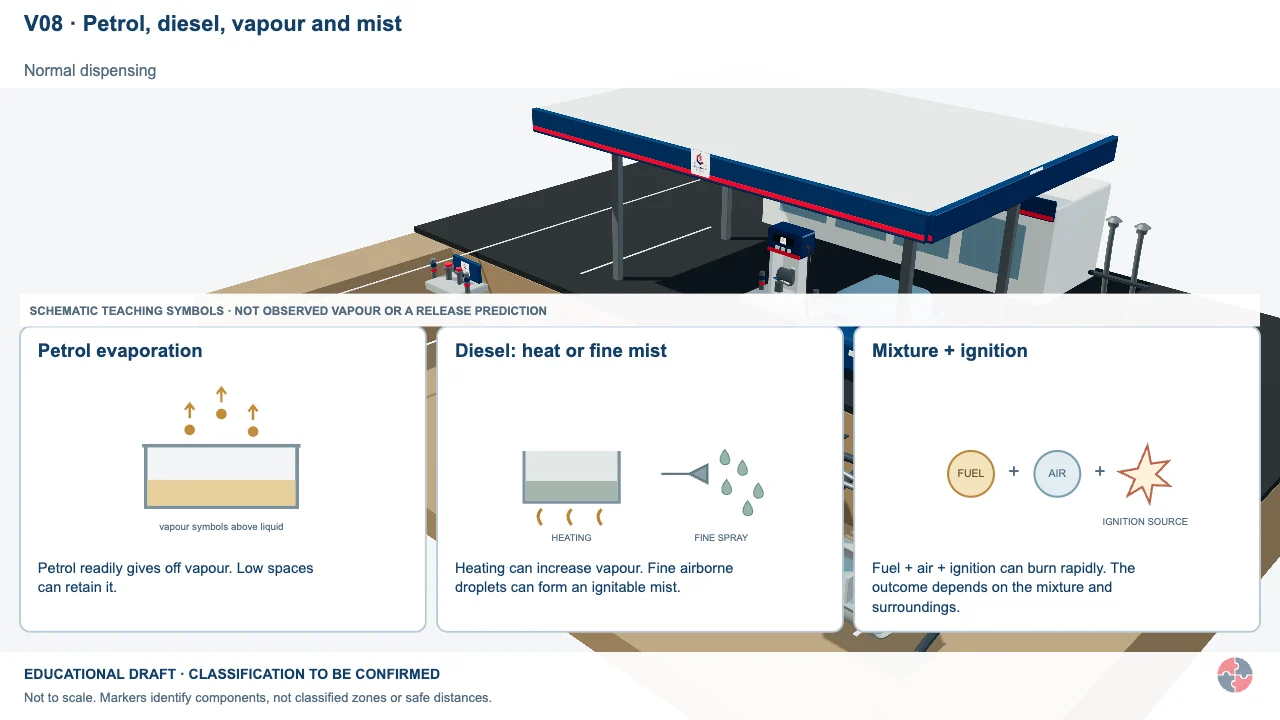

Petrol, diesel, vapour and mist
Compare petrol evaporation, diesel conditions and fine droplets. Petrol carried into a separator can remain a vapour source after the visible forecourt spill has passed.
Activity focus: Identify the actual product and release mechanism. For drainage, ask whether petrol could reach or remain in the separator; for refuelling, confirm the stated Stage II recovery arrangement.
Educational illustration, not to scale. Coloured zones are teaching examples, not a site-specific hazardous-area classification.
How should management check and improve these controls?
HSE’s Plan, Do, Check, Act approach helps an organisation plan controls, put them into use, check performance and correct failures. It is management guidance, not a substitute for the GB or Northern Ireland legal duties that apply to the task.
Assign an owner to the DSEAR assessment, hazardous-area controls and change review. Check that material identity, ventilation, equipment suitability and emergency arrangements are supported by site evidence. HSE management guidance
How can the hierarchy of controls control ignition and flammable vapour during solvent dispensing?
How can the ERICPD hierarchy of controls control ignition and flammable vapour during solvent dispensing?

| Control level | Control for this activity | Owner and verification | Stop / restart decision |
|---|---|---|---|
| Eliminate | Remove an unnecessary solvent use or open decanting step through process redesign. | Task owner verifies that the proposed change removes the named hazardous step, including foreseeable cleaning, maintenance and work transferred elsewhere. | If the hazardous step remains, keep it within the task assessment and select the stronger feasible remaining controls. |
| Reduce, including substitution | Validate a suitable less flammable product or solvent-free method against operating temperature, quality and new hazards. | Competent task/process owner validates suitability, compatibility and new hazards against the actual operating requirements before the alternative is adopted. | Reject an alternative if its performance is unproved or its new hazards are unresolved. |
| Isolate | Use an assessed dedicated dispensing area separated from ignition sources, occupied routes and incompatible materials. | Supervisor checks the actual boundary, affected people and connected work; verify separation or isolation before allowing access. | Hold or stop for leak, failed ventilation, uncontrolled ignition source or uncertain container compatibility. |
| Control: physical safeguards | Provide compatible closed transfer, containment and ventilation, with assessed electrical, bonding and earthing measures where required. | Competent equipment/process owner checks solvent properties, connections, ventilation, static precautions and receiving capacity. | Hold or stop for leak, failed ventilation, uncontrolled ignition source or uncertain container compatibility. |
| Control: work method and response | Verify product identity, receiving capacity, connections and spill response; prevent unapproved containers and hot work in the affected area. | Supervisor confirms the work limits, competent cover, communication and stop/restart authority with the people doing this activity. | Hold work when the agreed limits, competent cover or effective communication cannot be maintained. |
| PPE | Select compatible splash and other assessed protection, including anti-static requirements where identified; PPE does not prevent a vapour explosion. | Assessor confirms whether personal protection is needed and checks suitability, condition, compatibility and any required fit evidence. | Do not use unsuitable protection or rely on PPE to continue after an essential source control fails. |
| Discipline | Inspect hoses, seals and ignition controls and safely manage solvent-contaminated waste before hand-back. | Release only after process supervisor accepts a secure transfer system and controlled waste route. Retain verification and unresolved restrictions at handover. | Keep the task on hold until required reinstatement evidence and unresolved defects are accepted by the responsible owner. |
How can the ISO 45001 hierarchy of controls control ignition and flammable vapour during solvent dispensing?

| Control level | Control for this activity | Owner and verification | Stop / restart decision |
|---|---|---|---|
| Elimination | Remove an unnecessary solvent use or open decanting step through process redesign. | Task owner verifies that the proposed change removes the named hazardous step, including foreseeable cleaning, maintenance and work transferred elsewhere. | If the hazardous step remains, keep it within the task assessment and select the stronger feasible remaining controls. |
| Substitution | Validate a suitable less flammable product or solvent-free method against operating temperature, quality and new hazards. | Competent task/process owner validates suitability, compatibility and new hazards against the actual operating requirements before the alternative is adopted. | Reject an alternative if its performance is unproved or its new hazards are unresolved. |
| Engineering controls | Use an assessed dedicated dispensing area separated from ignition sources, occupied routes and incompatible materials. | Supervisor checks the actual boundary, affected people and connected work; verify separation or isolation before allowing access. | Hold or stop for leak, failed ventilation, uncontrolled ignition source or uncertain container compatibility. |
| Engineering controls | Provide compatible closed transfer, containment and ventilation, with assessed electrical, bonding and earthing measures where required. | Competent equipment/process owner checks solvent properties, connections, ventilation, static precautions and receiving capacity. | Hold or stop for leak, failed ventilation, uncontrolled ignition source or uncertain container compatibility. |
| Administrative controls | Verify product identity, receiving capacity, connections and spill response; prevent unapproved containers and hot work in the affected area. | Supervisor confirms the work limits, competent cover, communication and stop/restart authority with the people doing this activity. | Hold work when the agreed limits, competent cover or effective communication cannot be maintained. |
| PPE | Select compatible splash and other assessed protection, including anti-static requirements where identified; PPE does not prevent a vapour explosion. | Assessor confirms whether personal protection is needed and checks suitability, condition, compatibility and any required fit evidence. | Do not use unsuitable protection or rely on PPE to continue after an essential source control fails. |
| Administrative controls | Inspect hoses, seals and ignition controls and safely manage solvent-contaminated waste before hand-back. | Release only after process supervisor accepts a secure transfer system and controlled waste route. Retain verification and unresolved restrictions at handover. | Keep the task on hold until required reinstatement evidence and unresolved defects are accepted by the responsible owner. |
Chemical hazard symbols: what do they mean?
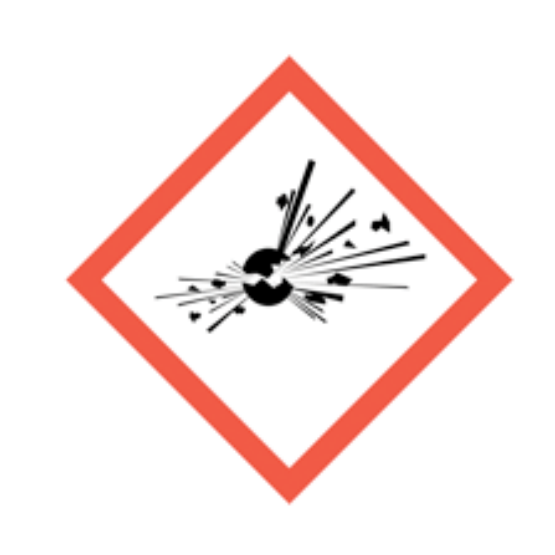
Exploding bomb
Explosive, self-reactive or organic peroxide hazards.
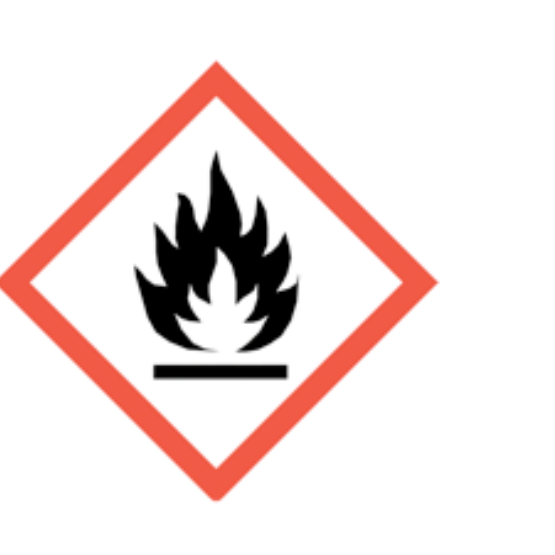
Flame
Flammable, self-heating or pyrophoric substances.
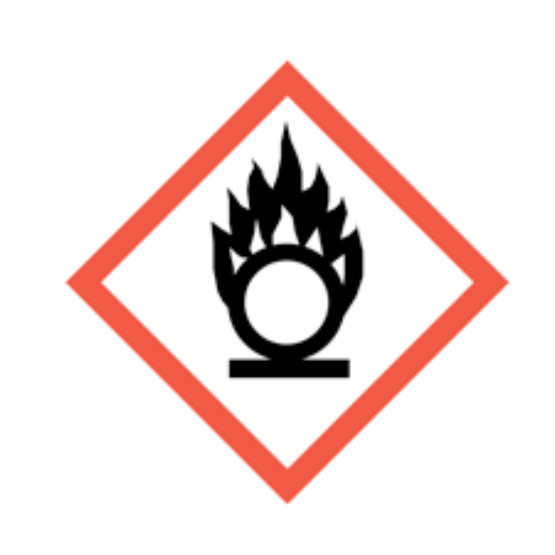
Flame over circle
Oxidising substances that can intensify fire.

Gas cylinder
Gas under pressure.
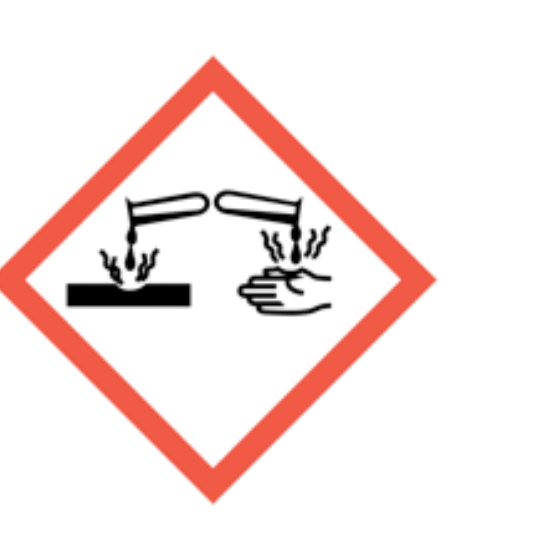
Corrosion
Skin burns, eye damage or corrosive to metals.
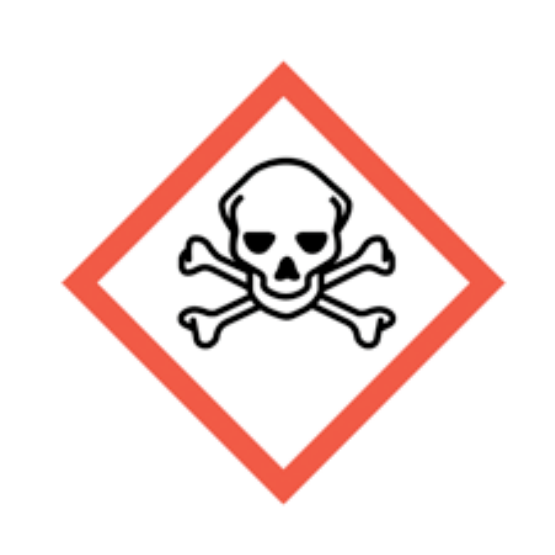
Skull and crossbones
Acute toxicity.
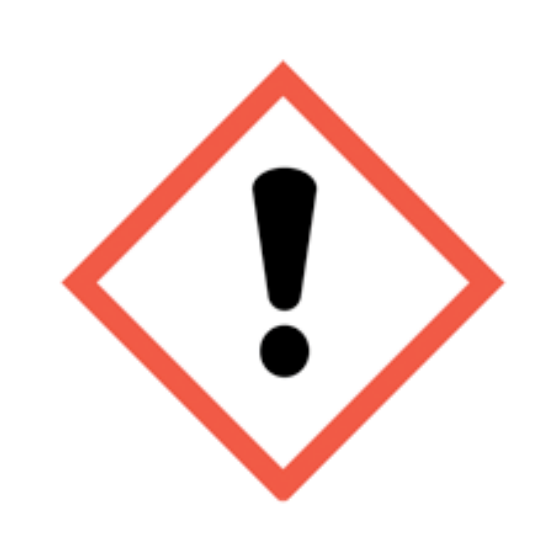
Exclamation mark
Irritation, harmful effects or skin sensitisation; some classifications cover drowsiness, dizziness or ozone-layer hazard. Read the actual hazard statements. Skin sensitisation differs from respiratory sensitisation.
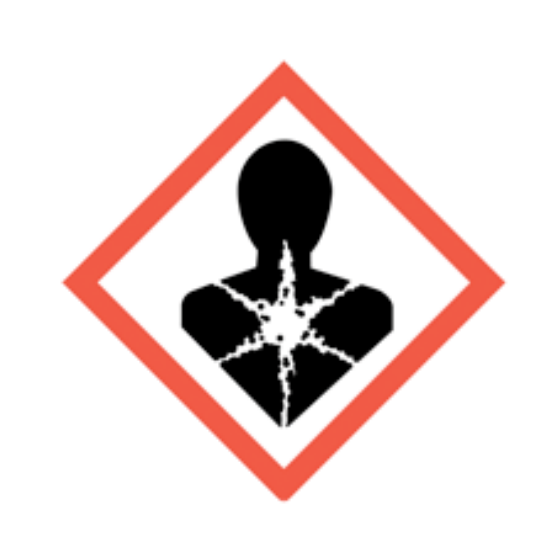
Health hazard
Serious health hazards, including organ damage, aspiration hazard, respiratory sensitisation, cancer and reproductive effects; some can follow a single exposure.
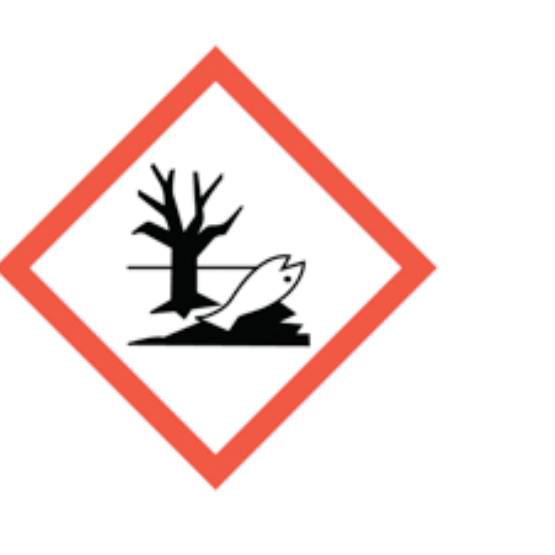
Environment
Hazardous to the aquatic environment.
What do the acronyms and key terms mean?
The terms below help turn material data into a task decision; test conditions and actual use still matter.
| Term | Full form | Meaning here |
|---|---|---|
| DSEAR | Dangerous Substances and Explosive Atmospheres Regulations | Separate GB and NI workplace regimes for fire and explosion risks. |
| SDS | Safety data sheet | Product information input, not the complete task assessment. |
| LFL/LEL; UFL/UEL | Lower/upper flammable or explosive limit | Tested concentration boundaries for a fuel-air mixture; neither is a safe operating target. |
| MIE | Minimum ignition energy | Test result for an ignitable mixture under specified conditions. |
| LEV | Local exhaust ventilation | Capture near the release source. |
| LPG | Liquefied petroleum gas | Stored gas that may release a flammable vapour. |
| ATEX | Atmosphères explosibles | Common shorthand for explosive-atmosphere frameworks; check the specific regime. |
| Hold point | Operational term | Work pauses until evidence or authority is confirmed. |
Unlock another resource
You have used this month’s two free downloads. Publish a post in your own words to unlock one more resource, or choose SHARE Individual for 10 downloads per month.
You decide whether to share. If you do, use the relevant platform disclosure tools and do not make claims you do not genuinely hold.