SHARE Knowledge Hub
Metal Fume Fever (Inhalation Fever)
Metal fume fever is a flu-like illness that can follow inhalation of freshly generated metal oxide fume, often during hot work on galvanised steel. Symptoms may start hours after the task, so a worker may not connect illness with the fume exposure. A suspected case calls for medical assessment when symptoms are significant and for an immediate review of the material, extraction, respiratory protection and everyone else exposed; other welding-fume disease risks remain separate.
Understanding Metal Fume Fever (Inhalation Fever)
Metal fume fever is an acute, influenza-like illness associated with breathing freshly generated metal oxide fume, especially during welding or other hot work on zinc-coated or galvanised metal. HSE says symptoms often start a few hours after exposure and can be worse at the start of the working week. The illness does not usually leave lasting effects, but a symptomatic worker needs appropriate medical assessment and the workplace must investigate the exposure. Welding fume can also cause much more serious acute and chronic disease.
Why this matters at work
The fine-particle pathway differs from direct thermal burns, high-concentration irritant gas injury and asphyxiation. Hot work may produce all of these hazards in one job. Nitrogen oxides or ozone can irritate the airways; oxygen-deficient atmospheres in enclosed work can cause rapid collapse; certain metal coatings can cause toxic injury. A careful incident history distinguishes the plume and composition before drawing a conclusion.
HSE describes an onset a few hours after exposure, with effects continuing after the work ends. Symptoms can be worse early in the working week after a break from exposure. This apparent change in response must never be treated as immunity or a control strategy. Repeated symptomatic exposure means the process still needs review, even if the worker believes later-week symptoms are milder.
How organisations manage this in practice
Manufacturing and heavy industry should control repetitive indoor welding through material identification, cold-joining or lower-fume options where practicable, well-designed LEV, maintenance and competent supervision. Foundry or smelting operations may involve different metals and release profiles, so a welding-only assessment is inadequate. A manager should know which stations have impaired capture and what work is prohibited until repair.
HSE expects a risk assessment for any welding work. For regular or higher-intensity indoor welding, suitable engineering capture at source is central. On-torch extraction, extracted benches, booths and properly positioned movable hoods can be appropriate depending on the task. Where extraction alone does not adequately control residual fume, suitable RPE is needed. Workers and neighbours must be protected, and controls should be maintained and tested.
Set response thresholds. Failed capture, unknown coating, recurring symptoms, unavailable RPE, inadequate bystander protection or unassessed change should trigger a safe stop and competent review. Record the owner, temporary restriction, repair or redesign, commissioning result and release. Audit the route from a worker's symptom report to a control decision; an occupational-health referral with no engineering action is an incomplete response.
What health boundary should readers understand?
This page is workplace guidance, not medical diagnosis or treatment advice.
Managers should not diagnose metal fume fever or decide that symptoms are harmless. Flu-like symptoms after welding or metal heating should trigger exposure review and appropriate health signposting. Severe breathing difficulty, chest pain, collapse, confusion or rapidly worsening symptoms should be handled through first-aid and emergency arrangements.
Recurring symptoms after similar work should not be normalised as part of the job. They are evidence that the work method, ventilation, extraction, respiratory protective equipment (RPE), supervision or task planning may be failing.
- Symptoms after fume exposure — Do: Record task, metal, coating, duration, controls and timing. Avoid: Telling workers it is just a normal welding reaction.
- Medical advice — Do: Signpost NHS, GP or occupational health where symptoms are significant or recurring. Avoid: Diagnosing locally.
- Exposure control — Do: Stop or redesign uncontrolled fume-generating work. Avoid: Letting work continue until someone becomes seriously ill.
- Privacy — Do: Record work facts and restrictions, not unnecessary clinical detail. Avoid: Sharing symptom details casually.
Breathing symptoms take priority over the investigation
Call 999 for severe breathing difficulty, chest pain with serious breathing symptoms, collapse or confusion. Follow first aid and emergency arrangements and keep the person away from further exposure. Other concerning breathing symptoms after fume exposure need an appropriate urgent clinical route; do not wait for routine occupational health or completion of COSHH enquiries. Use the local out-of-hours service, including the appropriate NI route. No unprotected rescue or deliberate re-exposure.
What are the key facts about metal fume fever?
The key learning point is that acute symptoms can reveal uncontrolled fume exposure.
Hot work on galvanised steel can generate zinc oxide fume that is inhaled into the lungs. Flu-like symptoms can appear hours after exposure, so the connection to the task may be missed. A suspected case is a reason to stop the exposure, seek appropriate health advice, check source capture and assess other welding-fume risks as well as the acute fever.
Freshly generated fume matters
Heating metal can create fine metal oxide particles that are easily inhaled.
Galvanised metal is a classic risk
Zinc oxide fume from galvanised steel is strongly associated with metal fume fever.
Symptoms can look like flu
Fever, chills, cough, headache, muscle aches and fatigue may appear after exposure.
Welding fume has wider risks
The Health and Safety Executive (HSE) expects all welding fume risks to be controlled, including long-term respiratory harm.
Controls need verification
local exhaust ventilation (LEV), RPE, general ventilation, method choice and training must be checked in practice.
What is inhalation fever or metal fume fever?
Inhalation fever is a wider group of acute flu-like responses to inhaled workplace aerosols. Metal fume fever is the metalworking form, often linked to zinc oxide fume from hot work on galvanised steel.
This lesson addresses metal fume fever after welding or heating metal. Other fume- or dust-related illnesses need their own exposure assessment and clinical advice. HSE describes metal fume fever and the wider health risks of welding. HSE welding health risks
Metal fume fever is often linked with zinc oxide fume from welding or heating galvanised steel, but other metal fumes can also be relevant. The important workplace point is that the fume is generated by the task. A clean-looking job can still create invisible respirable fume.
It should be treated as a control failure warning. Even if symptoms improve, the exposure route may still exist for the next person or the next shift.
- Metal oxide fume — Fine particles created when metal is heated and reacts. Can be inhaled deeply during welding or cutting.
- Galvanised steel — Steel coated with zinc to prevent corrosion. Heating can generate zinc oxide fume.
- Acute symptoms — Symptoms occurring after exposure over a short period. May suggest recent uncontrolled fume exposure.
- Respirable fume — Fine airborne material that can enter the lungs. Needs source control, LEV and sometimes RPE.
- COSHH assessment — Structured assessment of hazardous substance exposure. Should specify task controls and review triggers.
Where can metal fume exposure arise?
Metal fume exposure arises when hot processes such as welding, cutting and brazing generate metal oxide particles. Grinding can create dust, which needs separate assessment.
High-risk situations include welding galvanised steel, cutting coated metal, heating old paint or plated parts, welding stainless steel, confined or poorly ventilated work, outdoor work without effective capture, repair work where the metal coating is uncertain, and temporary maintenance where extraction has not been planned.
The risk changes with process, metal, coating, current, consumable, work position, enclosure, ventilation and duration.
- Welding galvanised steel — Zinc oxide fume can be generated. Avoid heating coating, remove coating where safe, use LEV/RPE.
- Cutting coated metal — Paints, primers, plating or residues can decompose. Identify coating and use COSHH controls.
- Stainless steel welding — Can generate hazardous metal fume including chromium/nickel compounds. Use suitable extraction, RPE and monitoring where needed.
- Confined or restricted work — Fume concentration can rise quickly. Plan ventilation, rescue, permits and atmosphere controls.
- Maintenance hot work — Unknown residues or coatings may be present. Survey, isolate, clean and assess before heating.
What symptoms and patterns should trigger action?
Symptoms should be treated as a health and exposure-control signal.
Possible symptoms include feverish feelings, chills, cough, chest tightness, shortness of breath, headache, metallic taste, muscle aches and fatigue after fume exposure. The timing matters: symptoms after welding, cutting or heating a particular material should be reported and investigated.
Do not wait for several workers to be affected before reviewing controls. One credible report can be enough to pause and reassess the task.
- Flu-like symptoms after welding — Possible exposure link. Record task and review controls.
- Symptoms improve away from work — Work pattern may be present. Use occupational health and exposure review.
- Several workers affected — Shared exposure source likely. Stop task and investigate controls.
- Chest tightness or breathlessness — Could indicate significant respiratory effect. Use health support and do not re-expose without review.
- Recurring symptoms after same material — Control failure may be repeated. Revise COSHH assessment and work method.
Do not confuse metal fume fever with wider welding fume risks
Metal fume fever is acute, but welding fume can also cause serious long-term respiratory disease.
Metal fume fever is not the only health risk from welding fume. Metal fume fever is usually discussed as an acute flu-like response after certain metal oxide fume exposure, but welding fume control is much broader than that. HSE expects welding fume to be controlled because all welding fume, including mild-steel fume, can cause lung cancer. Process, material and exposure still affect assessment of the wider respiratory hazards.
This distinction helps supervisors understand two things at once: acute symptoms need prompt exposure review and health signposting, and routine fume exposure still needs long-term prevention, monitoring, health surveillance and assurance even if nobody feels unwell at the end of a shift.
| Risk area | What it means | Control message |
|---|---|---|
| Short-term metal fume fever | Flu-like symptoms can occur after inhaling certain freshly generated metal oxide fumes, often after heating galvanised or coated metal. | Treat symptoms as an exposure warning, pause similar work, review COSHH controls and signpost health support. |
| Routine welding fume exposure | Fume can be inhaled even when symptoms are not obvious and even during short or occasional welding tasks. | Control fume at source, use suitable LEV and RPE where needed, and verify controls in practice. |
| Long-term respiratory disease | Repeated exposure can contribute to chronic respiratory harm depending on material, process, controls and duration. | Use exposure assessment, health surveillance where indicated, maintenance and occupational hygiene advice. |
| Cancer risk | Welding fume is treated as a serious long-term health hazard and should not be normalised as a nuisance smoke. | Prevent or adequately control exposure, including fume that is not readily visible; capture at source, protect bystanders and keep control-assurance records. |
| Mixed exposures | Coatings, paints, stainless steel, residues, shielding gases and confined work can add extra hazards. | Identify the material and setting before heating, cutting, welding or grinding. |
| Issue | Typical clue | Management response |
|---|---|---|
| Metal fume fever | Flu-like symptoms after metal fume exposure. | Stop/review exposure and signpost health advice. |
| Occupational asthma | Wheeze or variable symptoms linked to sensitising exposure. | COSHH control and health surveillance. |
| Acute inhalation injury | Severe respiratory symptoms after high exposure. | Emergency/medical response and incident investigation. |
| Welding fume long-term risk | Routine fume exposure over time. | LEV, RPE, monitoring, health surveillance and assurance. |
| Carbon monoxide or shielding gas issue | Headache, dizziness, confined space or poor ventilation. | Emergency response and atmosphere controls. |
How should the risk be assessed?
Assessment should identify the metal, coating, process, exposure route, duration, controls and health follow-up.
A suitable COSHH assessment for fume-producing work should not simply state 'welding'. It should identify process, material, coatings, location, extraction, ventilation, duration, worker position, other people nearby, cleaning methods, RPE, maintenance and emergency arrangements.
Occasional welding still needs control. HSE guidance applies to specialist welders and workers who do some welding, however small the amount.
- What metal and coating are present? — Fume composition changes with material. Material information, safety data sheet (SDS), drawings or survey.
- What process is used? — Fume generation differs by welding/cutting method. Task observation and process setting.
- Where is the fume going? — Worker position and ventilation shape exposure. LEV capture check and smoke test.
- Who else is exposed? — Bystanders and adjacent workers may inhale fume. Exposure group and exclusion controls.
- Are controls maintained? — Extraction and RPE can degrade. LEV examination, RPE checks and training.
- Have symptoms been reported? — Health reports may show controls are not adequate. Confidential reporting and occupational health (OH) referral route.
How should metal fume exposure be controlled?
Controls should prioritise eliminating or reducing fume before relying on personal protective equipment (PPE).
Choose controls by their ability to prevent welding fume at the source. Avoid unnecessary hot work, use a suitable lower-fume method, capture fume, separate bystanders and use respiratory protection for remaining exposure. Stop when the coating or extraction is uncertain. HSE welding-fume controls
RPE is important but it is the last personal layer, not the first design decision. If workers regularly smell, taste or see fume escaping around the task, controls need review.
| Control priority | Practical control | Example |
|---|---|---|
| Eliminate | Avoid heating coated metal where possible. | Use bolting, cold cutting or prefabrication. |
| Substitute | Use lower-fume process or remove coating safely. | Prepare galvanised steel before welding where suitable. |
| Engineering | Enclose or separate the task and capture aerosol or fume at source. | Verify booth or local exhaust ventilation, access control and bystander separation. |
| Administrative | Brief, supervise and stop work if controls fail. | Pre-use checks and supervisor observation. |
| Personal protection | Use suitable respiratory and eye/skin protection. | Fit-tested RPE and welding helmet integration. |
How should LEV and RPE be managed?
LEV and RPE only protect people when they are suitable, used correctly, maintained and verified.
LEV should capture fume close to the source. It should be designed for the process, positioned correctly, checked before use, maintained and thoroughly examined and tested at suitable intervals. Workers need to know how to position extraction and how to recognise poor capture.
RPE must be selected for the contaminant and task, compatible with other PPE, fit-tested where tight-fitting, maintained, cleaned and stored properly.
| Control | Good practice | Evidence |
|---|---|---|
| LEV design | Suitable for welding/cutting process and fume plume. | Design specification and commissioning record. |
| LEV use | Hood or capture point positioned correctly. | Pre-use check and observation. |
| LEV maintenance | Airflow and condition checked and defects repaired. | Maintenance and examination record. |
| RPE selection | Adequate protection factor and task compatibility. | RPE assessment and fit-test record. |
| RPE use | Worker can fit, check and maintain it. | Training and supervisor check. |
Choose the control route for the setting
Indoors, use effective source extraction and suitable RPE where extraction does not adequately control exposure. Outdoors, provide suitable RPE because extraction cannot be relied on to control the fume; protect nearby people too. Particulate filters do not protect against oxygen deficiency or every welding gas. Confined-space work needs its separate specialist assessment.
Check LEV performance before use and maintain it. HSE’s welding guidance calls for thorough examination and test at least every 14 months and retention of those examination records for at least five years. A periodic test does not replace pre-use checks or action on poor capture.
HSE: indoor and outdoor welding-fume controls · HSE: welding LEV checks, examination and records
When may exposure monitoring or workplace exposure limit (WEL) review be needed?
Monitoring helps check whether controls are adequate where exposure may be significant or uncertain.
Workplace exposure limits, monitoring results and competent occupational hygiene advice can help decide whether fume is adequately controlled. Monitoring should be task-based and interpreted by someone competent, not treated as a tick-box sample.
Monitoring may be needed after process changes, symptoms, uncertain exposure, new materials, poor extraction performance or regulatory/assurance concerns.
- New material or coating — Unknown fume composition. COSHH review and monitoring plan.
- Symptoms reported — Controls may not be adequate. Exposure review and OH referral.
- LEV defect or poor capture — Actual exposure may be higher than assumed. Repair record and retest.
- Confined or restricted work — Fume can accumulate. Atmosphere plan and task monitoring.
- Assurance requirement — Need evidence controls remain effective. Occupational hygiene report.
When may health surveillance be needed?
Formal health surveillance follows the risk assessment for relevant welding-fume hazards, especially respiratory sensitisation; a metal fume fever report itself requires exposure investigation and suitable medical advice.
Fit testing, wearer checks and maintenance of respiratory protective equipment belong to exposure-control assurance, not to the health-surveillance scheme. They should still be checked after a symptom report or control change.
- Regular welding fume exposure — Respiratory health surveillance where risk assessment justifies it. OH scheme and health records.
- Reported respiratory symptoms — Prompt occupational health review and exposure investigation. Referral and control review.
- Skin exposure from related work — Skin checks where irritants/sensitisers present. Skin surveillance record.
- Control change — Review whether surveillance remains suitable. COSHH review and OH advice.
What should trigger stopping or escalating the work?
Work should be paused when controls are absent, fume is uncontrolled or symptoms suggest exposure.
- LEV unavailable or ineffective — Fume may enter breathing zone. Stop and use alternative control or repair.
- Unknown coating or residue — Hazard may be underestimated. Identify material before heating.
- Confined space or poor ventilation — Fume or gases can accumulate. Use permit, ventilation and rescue planning.
- Worker reports flu-like symptoms after task — Possible metal fume fever or other inhalation harm. Remove exposure, record and review controls.
- Bystanders exposed — Controls are not containing the hazard. Segregate and revise method.
How can this appear in a real workshop?
A realistic scenario helps supervisors see how ordinary repair work can create fume risk.
A fabrication team welds brackets onto galvanised steel in a corner of the workshop. The job is short, so the supervisor assumes the general doors-open ventilation is enough. The LEV arm is too far away, a nearby apprentice watches without RPE, and the welder later reports chills, headache and a tight chest.
First assess the welder’s tight chest and other immediate symptoms through the urgent clinical/emergency route; do not wait for exposure paperwork. Then pause similar work, review the material and process, check LEV capture, segregate bystanders, confirm RPE suitability, record the symptom pattern, involve occupational health if needed and update the COSHH assessment and briefing.
| Decision point | Weak response | Better response |
|---|---|---|
| Planning | Treat as quick welding job. | Check coating, fume generation and controls before work. |
| Control | Open doors only. | Use effective local extraction and suitable RPE where needed. |
| People | Allow apprentice nearby. | Segregate bystanders and brief exposure risks. |
| Symptoms | Tell welder to rest. | Record symptoms, signpost health advice and investigate exposure. |
| Learning | Repeat same method next week. | Update COSHH, training and supervisor checks. |
Galvanised bracket repair in a workshop
Task, material and setting: A welder repairs galvanised brackets in a workshop corner while an apprentice watches and a local exhaust ventilation arm sits outside the fume plume.
People and prerequisites: The supervisor checks the coating, hot-work method, welder competence, apprentice position, extraction and respiratory-protection suitability.
Before: Before welding, select a lower-fume method if feasible, review the COSHH assessment, place effective capture at source and exclude bystanders.
During: During welding, observe capture at the breathing zone. A metallic taste or later flu-like symptoms prompt an exposure report and control investigation.
Hold or stop: Stop when capture fails, the coating is unknown, fume reaches others or a worker has significant respiratory symptoms.
Completion and hand back: A competent manager verifies the corrected method and extraction before restarting; symptomatic people receive appropriate medical advice.
Evidence: Keep material identification, COSHH assessment, extraction checks, RPE evidence, symptom report, action owner and restart verification.
How should welding-fume exposure be controlled?
For galvanised-steel welding, avoid or change the task where feasible, then use effective local exhaust ventilation and suitable respiratory protection for residual exposure. Stop if extraction fails or the actual coating is unknown.
| Control priority | Task-specific option and feasibility | Owner, verification, failure and stop point |
|---|---|---|
| Elimination | Use a cold fastening or factory-fabricated joint if it meets structural and quality requirements. | Design engineer validates joint performance; stop if substitution is unqualified. |
| Substitution | If welding remains necessary, remove coating around the weld where safe and choose lower-fume process/consumable after assessment. | Welding engineer tests quality and exposure; reject an uncontrolled coating-removal method. See HSE WL3 - Welding fume control. |
| Engineering | Capture fume at source with suitable local exhaust ventilation (LEV) and screen adjacent workers. | LEV engineer commissions capture and statutory examinations; welder checks position each run; stop for failed extraction. |
| Administrative | Assess metal/coating and nearby people, train placement and review symptoms and exposure after changes. | Supervisor observes work and checks reports; stop for visible uncontrolled fume or unexplained symptoms. |
| Personal protection | Use task-selected RPE and eye/skin protection for residual exposure, with fit and maintenance where applicable. | RPE lead checks fit, filter and condition; stop if protection or LEV is unavailable. |
These are illustrative controls for the stated task, to be selected and verified by a competent local dutyholder. HSE - Welding fume controls supports the topic-specific risk route; the exact engineering design and stop decision require site approval.
Which legal duties apply to metal fume fever risk?
Great Britain uses COSHH 2002 and Northern Ireland uses COSHH (NI) 2003. Both routes require assessment and control of the actual fume exposure, with review after symptoms or a process change.
A symptom report requires a task-specific exposure review. Record the actual metal, coating, process, people nearby, extraction check, responsible manager and restart decision.
| Jurisdiction | Duty route | Practical decision and evidence |
|---|---|---|
| Great Britain | COSHH Regulations 2002 | Assess the actual fume and prevent or adequately control inhalation; verify extraction, RPE and review after symptoms. Official text and guidance: COSHH Regulations 2002; HSE - Welding fume: protect your workers |
| Northern Ireland | COSHH (NI) Regulations 2003 | Apply the separate NI hazardous-substances regime to welding fume, including assessment, control and review. Official text and guidance: HSENI COSHH (NI); Control of Substances Hazardous to Health Regulations (Northern Ireland) 2003 |
| Both locations | Welding-fume health and control guidance | Metal fume fever can indicate inadequate fume control; assess other acute and long-term risks separately. Official text and guidance: HSE health risks from welding; HSE - Welding fume: protect your workers |
How could BuildOut Ltd manage this in practice?

BuildOut Ltd would manage metal fume fever risk through COSHH assessment, task planning, extraction, RPE, supervision and health escalation.
BuildOut Ltd is a construction and maintenance contractor. Its welders and maintenance teams carry out site repairs, workshop fabrication, bracket welding, cutting, grinding and occasional hot work on coated metals, so fume controls must work both in the workshop and on temporary sites.
- Assessing — BuildOut identifies welding, cutting, coated metals, galvanised steel and confined work in the COSHH register. COSHH register and task inventory.
- Analysing — The company safety team reviews materials, coatings, duration, ventilation, LEV and worker symptom reports. Task assessment and exposure review.
- Implementing — LEV, RPE, segregation, permit controls and coating-identification checks are specified. Method statement, RPE record and LEV checks.
- Training — Welders and supervisors are trained on fume health risks, symptoms, LEV positioning and stop-work triggers. Training and toolbox records.
- Checking — First-line checks verify extraction and RPE; second-line audits sample COSHH and maintenance evidence. Inspection and audit findings.
- Learning — Any symptom report or fume control defect updates the risk assessment, briefing and procurement standard. Action tracker and management review.
What training supports metal fume control?
Competence must be shown on the real task and checked again when the people, method or conditions change.
A welder must identify the material and check fume capture on the actual task. Supervisors need to hold work when the coating or extraction is uncertain; technical specialists must verify local exhaust ventilation and respiratory-protection suitability. A practical observation and equipment records should trigger reassessment after a process change, defect or symptom report.
At a galvanised-steel job, ask the welder to identify the coating and show where the capture hood will sit before striking an arc. Ask the supervisor what happens if extraction drops or a bystander enters, and ask the hygienist how effectiveness will be checked after a symptom report. HSE welding-fume guidance places extraction and task design ahead of a course certificate; clinical interpretation belongs to a health professional.
| Role | Learning and decision | Demonstration and assessor | Record and reassessment trigger |
|---|---|---|---|
| Welder or exposed worker | Identify coating and fume route, position source capture, check RPE and report symptoms. | Supervisor observes the actual hot-work setup and stop decision. | Task authorisation, extraction check and RPE record; repeat after material/process change. |
| Supervisor or hot-work permit issuer | Review material, process, extraction, bystanders and emergency response before release. | Competent manager tests a live permit, capture and restart decision. | COSHH assessment and permit; reassess after symptoms or failed capture. |
| LEV maintainer or technical specialist | Design, commission, test and maintain capture for the actual welding method. | Specialist checks airflow/capture and test evidence. | Commissioning and thorough-examination records; revisit after equipment or layout change. |
| Manager or occupational-health adviser | Review exposure reports, medical referrals, health surveillance triggers and similar jobs. | Technical peer checks action completion and symptom trend. | Risk review and confidential referral record; revisit after a case or new metal. |
How should management check and improve these controls?
HSE’s Plan, Do, Check, Act approach helps an organisation plan controls, put them into use, check performance and correct failures. It is management guidance, not a substitute for the GB or Northern Ireland legal duties that apply to the task.
Assign ownership for coating identification, fume capture, respiratory protection and response to symptoms. Check extraction performance and task practice rather than relying on attendance at training. HSE management guidance
What warning signs show fume controls are weak?
Weak controls usually show as visible fume, symptoms, poor extraction or missing evidence.
A flu-like illness after hot work or visible failure of extraction should stop the exposure and prompt clinical advice where symptoms warrant it. The supervisor checks coating, fume generation, bystanders, extraction and respiratory protection before authorising similar work.
- Visible fume in breathing zone — Worker inhales metal oxide fume. Improve capture and RPE controls.
- LEV arm not used or too far away — Control exists but does not capture. Coach, reposition and verify.
- Unknown coated metal — Fume hazard may be underestimated. Identify coating before hot work.
- Symptoms after welding — Exposure may already be causing harm. Stop/review work and signpost health advice.
- No fit testing — Tight-fitting RPE may not protect. Complete fit testing and training.
Chemical hazard symbols: what do they mean?
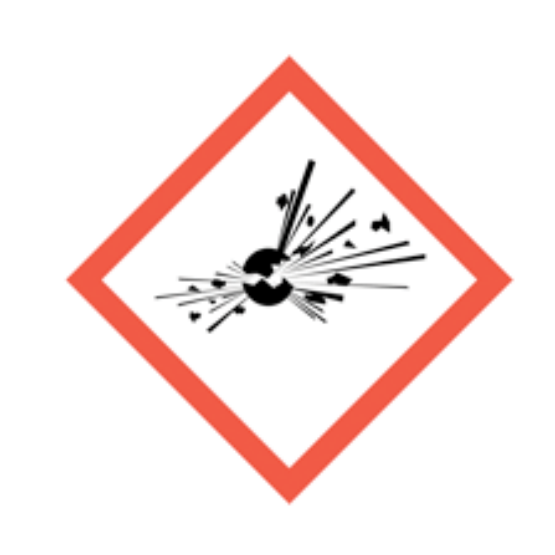
Exploding bomb
Explosive, self-reactive or organic peroxide hazards.
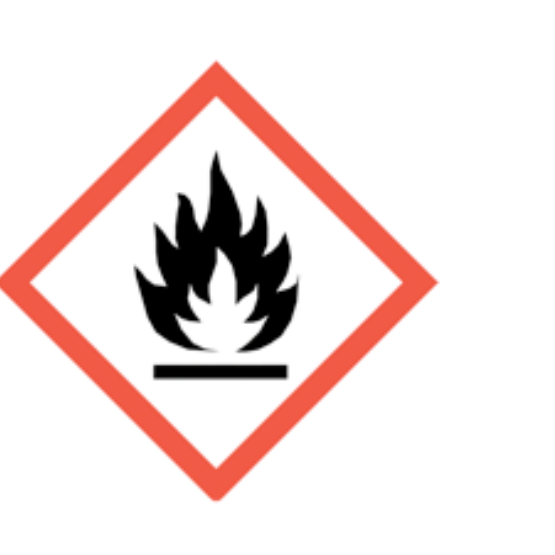
Flame
Flammable, self-heating or pyrophoric substances.
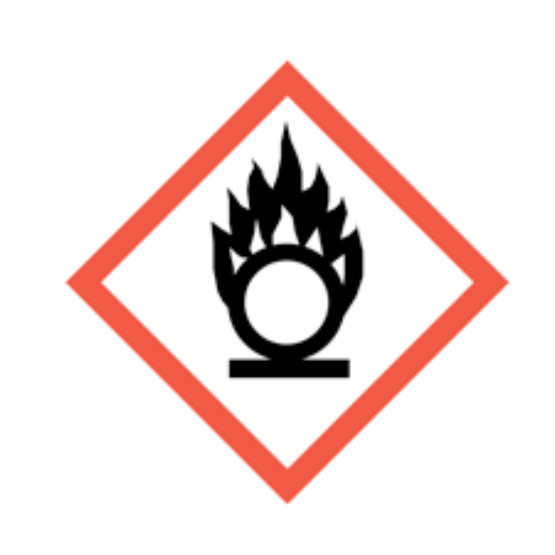
Flame over circle
Oxidising substances that can intensify fire.
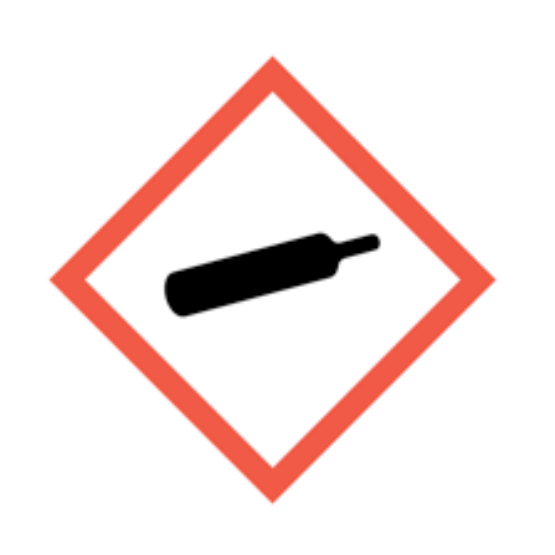
Gas cylinder
Gas under pressure.
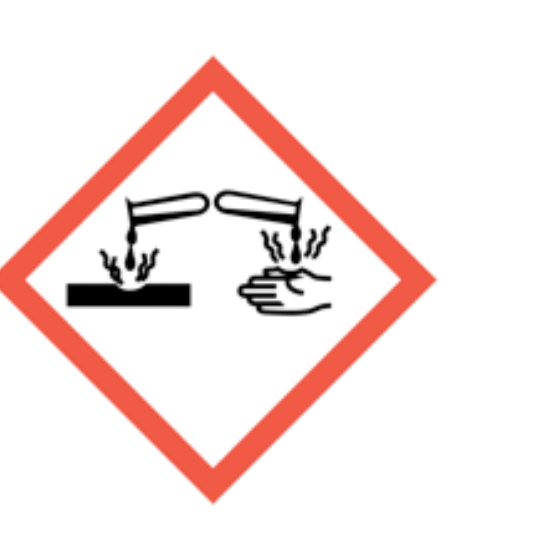
Corrosion
Skin burns, eye damage or corrosive to metals.
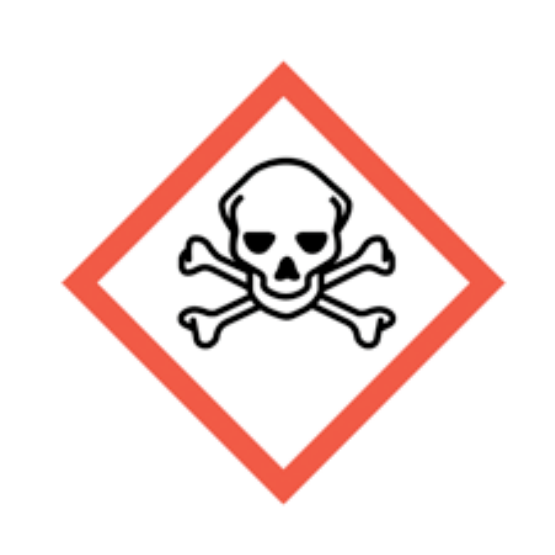
Skull and crossbones
Acute toxicity.
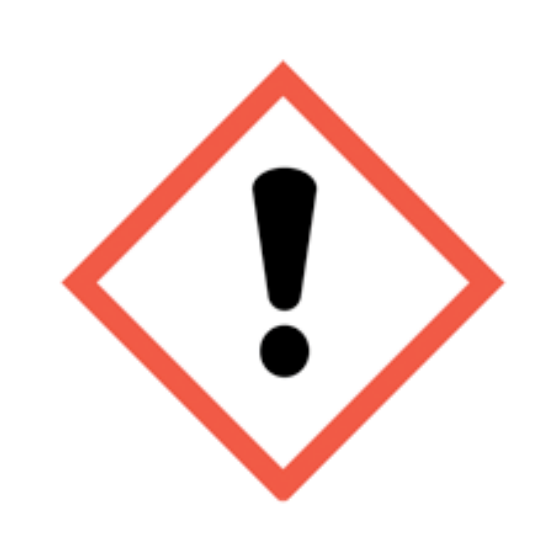
Exclamation mark
Irritation, harmful effects or skin sensitisation; some classifications cover drowsiness, dizziness or ozone-layer hazard. Read the actual hazard statements. Skin sensitisation differs from respiratory sensitisation.
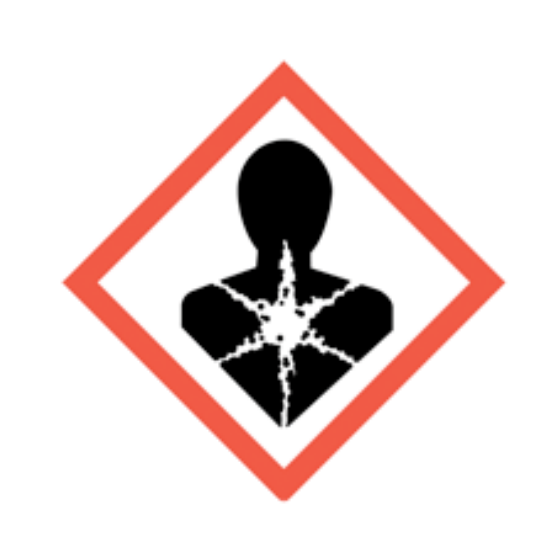
Health hazard
Serious health hazards, including organ damage, aspiration hazard, respiratory sensitisation, cancer and reproductive effects; some can follow a single exposure.
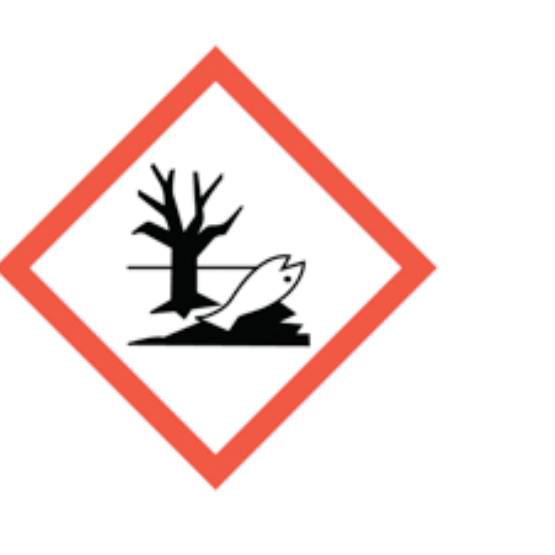
Environment
Hazardous to the aquatic environment.
What do the acronyms and key terms mean?
These short forms and terms clarify the decisions in this topic.
| Acronym | Meaning | Plain-English use |
|---|---|---|
| COSHH | Control of Substances Hazardous to Health | UK hazardous substance regulations. |
| LEV | Local Exhaust Ventilation | Engineering control that captures airborne contaminants. |
| RPE | Respiratory Protective Equipment | Breathing protection used where exposure remains. |
| WEL | Workplace Exposure Limit | HSE exposure limit listed in EH40 where applicable. |
| OH | Occupational health | Qualified work-focused health advice. |
| PPE | Personal Protective Equipment | Equipment worn to protect the person. |
| HSE | Health and Safety Executive | Great Britain regulator |
| HSENI | Health and Safety Executive for Northern Ireland | Northern Ireland regulator |
| EH40 | Workplace exposure limits | HSE limit publication |
| SDS | safety data sheet | Product hazard information |
Unlock another resource
You have used this month’s two free downloads. Publish a post in your own words to unlock one more resource, or choose SHARE Individual for 10 downloads per month.
You decide whether to share. If you do, use the relevant platform disclosure tools and do not make claims you do not genuinely hold.