SHARE Knowledge Hub
Specific Chemical and Biological Agents
Specific chemical and biological agents explains how named workplace agents create harm through substance form, route of exposure, dose, duration, task conditions and control reliability. It covers asbestos, blood-borne viruses, carbon monoxide, cement, legionella, leptospira, silica and wood dust, linking each to practical controls, legal boundaries, health surveillance or medical signposting where relevant, emergency triggers and evidence standards.
Understanding Specific Chemical and Biological Agents
Specific chemical and biological agents explains how named workplace agents create harm through substance form, route of exposure, dose, duration, task conditions and control reliability. It covers asbestos, blood-borne viruses, carbon monoxide, cement, legionella, leptospira, silica and wood dust, linking each to practical controls, legal boundaries, health surveillance or medical signposting where relevant, emergency triggers and evidence standards.
Why this matters at work
Establish the actual material or agent, process, release mechanisms, exposure routes, people affected and work conditions. A chemical SDS helps identify hazards but does not assess your cutting, heating, mixing, cleaning or maintenance. Process-generated fume or dust may have no purchased SDS. For biological work, classification informs assessment but does not capture the risks of the particular activity, concentration, volume or route. Prevent exposure where possible and select effective controls for the task, including bystanders and waste handlers. Consider chemical health risks, dangerous-substance fire risks and biological infection, allergy or toxicity as relevant rather than force every hazard into one generic category. Record important uncertainties and obtain competent advice when identification or a control cannot be established. An unlabelled chemical or unlisted biological agent should not automatically be treated as low hazard.
Identify likely agents, routes, susceptible workers and credible releases, then prevent contact or use suitable containment, hygiene, equipment and waste controls. Consider vaccination or surveillance through competent occupational-health advice where relevant, without promising complete protection or prescribing individual treatment. Explain emergency and exposure reporting routes and verify that controls function. Check any specific requirements under the relevant national rules. Do not use a general disinfection or PPE recommendation without confirming suitability for the actual agent and task.
How organisations manage this in practice
Select suitable PPE and RPE where required in addition to other controls, using product, task and wearer information. Verify the equipment in use and maintain it under applicable requirements. Decide monitoring and health surveillance needs with competent advice rather than invent a universal test programme. Keep the assessment, source information, control specifications, training and findings together, with action owners and review triggers. In Northern Ireland use the corresponding legal and exposure-limit route.
Establish what happened, what may remain and whether trained responders have controlled the release and contamination. Use a competent recovery plan with suitable cleaning or decontamination, equipment checks, waste arrangements and any required monitoring. A normal smell, clean appearance or a worker feeling better cannot establish that the area or process is safe. Preserve facts and obtain appropriate clinical advice for exposed people.
Deliberate work intentionally handles, propagates, processes or manipulates agents, such as laboratory research or diagnostics. Incidental exposure can arise in waste, animal work, maintenance or other activities without intentional cultivation. The exposure route and activity determine the practical assessment; a laboratory hazard-group label alone does not describe every workplace infection risk. Also consider allergy and toxicity, not only infection.
Use a separate evidence route for each plant-room agent
Asbestos, silica dust, combustion exhaust, water aerosols and blood-borne exposure are different hazards. A generic COSHH answer or a reassuring photograph cannot identify or control them all.

Before disturbance
Establish the applicable material information and competent asbestos route before intrusive work. Appearance cannot confirm that a gasket, insulation or panel is asbestos-free.
Dust from cutting
Identify silica-containing materials and the dusty task, then the appropriate source controls, nearby-person protection and residual precautions. Do not merge this mechanism with asbestos.
Combustion and exhaust
Assess the appliance/engine, fuel, exhaust path and ventilation. Do not rely on smell or assume a CO alarm alone makes a combustion task acceptable.
Water-system aerosol
Use the appropriate water-system assessment and control evidence for possible Legionella exposure. A clean-looking outlet does not prove microbiological safety.
Sharp or contact exposure
Keep unexpected sharps out of untrained hands, control the area and arrange authorised collection. Use the appropriate prompt clinical route after an exposure.
Unknown or failed control
Hold affected work for competent assessment where identity or an essential control is unproven. Confirm the agent-specific waste, restoration and any necessary health follow-up.
Read the complete controls: ERICPD planning prompts
Discipline verifies and sustains all the controls; it is not a separate substitute for them.
| Prompt or level | Complete task-specific example |
|---|---|
| Eliminate | Avoid unnecessary disturbance and remove unsuitable combustion plant. |
| Reduce | Redesign drilling where practicable after verifying material identity. |
| Isolate | Use suitable dust capture and planned aerosol controls. |
| Control | Restrict access and maintain hygiene and incident routes. |
| PPE | Select suitable PPE/RPE for residual assessed exposure. |
| Discipline | Hold work when identity or essential controls are unknown. |
Read the complete controls: ESEAP effectiveness order
Compare stronger feasible controls while preserving the actual task, checks and release requirements.
| Prompt or level | Complete task-specific example |
|---|---|
| Elimination | Avoid unnecessary disturbance and remove unsuitable combustion plant. |
| Substitution | No separate substitute is specified. Compare suitable safer materials, equipment or processes; check new risks before any change. |
| Engineering controls | Redesign drilling where practicable after verifying material identity. |
| Administrative controls | Restrict access and maintain hygiene and incident routes. |
| PPE | Select suitable PPE/RPE for residual assessed exposure. |
The map shows potential sources, not laboratory identification, contamination results or a universal plant-room clearance.
Why do specific agents need more than a generic COSHH answer?
A named agent needs a named exposure route and control decision. Asbestos fibres, respirable silica, wood dust, carbon monoxide, wet cement, bloodborne viruses, legionella and leptospira differ in source, route, dose, health effect and specialist regime. COSHH covers many chemical and biological risks, but asbestos, lead and ionising radiation have separate rules. Assess the actual task and nation before work; choose source controls, exposure checks, health surveillance and emergency response where the risk requires them.
Best-practice guide: Specific Chemical and Biological Agents

Why do specific agents need more than a generic COSHH answer?
A named agent needs a named exposure route and control decision. Asbestos fibres, respirable silica, wood dust, carbon monoxide, wet cement, bloodborne viruses, legionella and leptospira differ in source, route, dose, health effect and specialist regime. Specific chemical and biological agents explains how named workplace agents create harm through substance form, route of exposure, dose, duration, task conditions and control reliability.
Turn specific chemical and biological agents knowledge into a decision
Specific chemical and biological agents explains how named workplace agents create harm through substance form, route of exposure, dose, duration, task conditions and control reliability. It covers asbestos, blood-borne viruses, carbon monoxide, cement, legionella, leptospira, silica and wood dust, linking each to practical controls, legal boundaries, health surveillance or medical signposting where relevant, emergency triggers and evidence standards. Agent-specific assessment, survey, control check and incident/health records as applicable.
Plant-room refurbishment
Use the agent-specific suppression, extraction, ventilation, water and hygiene controls. Confirm clean handback, safe waste route and any health follow-up.
Where does specific agent management commonly fail?
Keep asbestos, silica, combustion exhaust, water aerosols and sharp/contact routes distinct. Generic PPE or a completed form does not identify or control them all.
Choose controls for specific chemical and biological agents
Asbestos: Refurbishment, drilling, removal or intrusive survey. BBV: Sharps handling, first aid, waste or care work. Carbon monoxide: Boilers, heaters, engines or generators. Cement: Blockwork, screeding, concrete repair and wet handling. Legionella: Cooling towers, hot/cold systems, showers and stagnant pipework. Read the full control table for qualifications, ownership and verification. Use the actual task and applicable jurisdiction; existing technical approval remains unchanged.
Use the full specific chemical and biological agents lesson
Use the full topic for the decision points, practical examples, detailed control tables and source scope. HSE guidance applies to Great Britain; use HSENI for the Northern Ireland route and the source’s stated jurisdiction. A simplified guide does not change the page’s technical-review or approval status.

Read all six steps as text
1. Why do specific agents need more than a generic COSHH answer?
A named agent needs a named exposure route and control decision.
- Avoid / redesign: Avoid unnecessary disturbance or open handling; first establish the actual material, agent and task.
- Control the task: Use the agent-specific source, ventilation, water-system or hygiene controls required by the assessment.
- Verify before release: Check the relevant survey, system, control-function and handback evidence; one generic COSHH answer cannot clear all agents.
A named agent needs a named exposure route and control decision. Asbestos fibres, respirable silica, wood dust, carbon monoxide, wet cement, bloodborne viruses, legionella and leptospira differ in source, route, dose, health effect and specialist regime. Specific chemical and biological agents explains how named workplace agents create harm through substance form, route of exposure, dose, duration, task conditions and control reliability.
Apply it: Which part of this plan would you check at the workface before authorising the task?
2. Turn specific chemical and biological agents knowledge into a decision
Use the evidence to improve the actual work arrangement.
- Change at source: Avoid or redesign the exposure-producing task where practicable, then match precautions to the identified agent and route.
- Make it observable: Verify the specific control and its boundary; appearance alone cannot identify asbestos, contamination or a safe atmosphere.
- Keep useful evidence: Retain the agent-specific assessment, survey/control checks, safe handback and appropriately restricted health/exposure records.
Specific chemical and biological agents explains how named workplace agents create harm through substance form, route of exposure, dose, duration, task conditions and control reliability. It covers asbestos, blood-borne viruses, carbon monoxide, cement, legionella, leptospira, silica and wood dust, linking each to practical controls, legal boundaries, health surveillance or medical signposting where relevant, emergency triggers and evidence standards. Agent-specific assessment, survey, control check and incident/health records as applicable.
Apply it: What evidence would show that the change improves this task, rather than only completing a record?
3. Plant-room refurbishment
Example: a practical application of the existing topic lesson.
- Setting: Ageing leisure-centre plant room; suspect gaskets, concrete drilling, stagnant water, heater exhaust and abandoned sharps.
- Act: Check asbestos information before disturbance; assess silica, water, combustion and biological routes.
- Hold / review: Stop for suspect asbestos, uncontrolled dust, CO alarm, sharps or unassessed water aerosol; escalate exposure promptly.
Use the agent-specific suppression, extraction, ventilation, water and hygiene controls. Confirm clean handback, safe waste route and any health follow-up.
Apply it: At which point would you hold this example, and what evidence would allow it to proceed?
4. Where does specific agent management commonly fail?
Connect the task, the route to the person and the control that can fail.
- Failed reasoning: The agent, material form or route is unknown, or an essential survey/control check is missing.
- Possible harm: Different agents can cause different acute or longer-term harm; one reassuring appearance or absence of illness cannot establish safe exposure.
- Hold and obtain advice: Stop the affected unassessed task and use competent agent-specific assessment, incident response and necessary clinical follow-up.
Keep asbestos, silica, combustion exhaust, water aerosols and sharp/contact routes distinct. Generic PPE or a completed form does not identify or control them all.
Apply it: Which agent-specific fact or control is missing, and who is competent to resolve it?
5. Choose controls for specific chemical and biological agents
Start with the stronger practicable options and verify their effect.
- Asbestos: Refurbishment, drilling, removal or intrusive survey.
- BBV: Sharps handling, first aid, waste or care work.
- Carbon monoxide: Boilers, heaters, engines or generators.
- Cement: Blockwork, screeding, concrete repair and wet handling.
- Legionella: Cooling towers, hot/cold systems, showers and stagnant pipework.
Asbestos: Refurbishment, drilling, removal or intrusive survey. BBV: Sharps handling, first aid, waste or care work. Carbon monoxide: Boilers, heaters, engines or generators. Cement: Blockwork, screeding, concrete repair and wet handling. Legionella: Cooling towers, hot/cold systems, showers and stagnant pipework. Read the full control table for qualifications, ownership and verification. Use the actual task and applicable jurisdiction; existing technical approval remains unchanged.
Apply it: Which stronger option can be used here, and who will verify it before accepting the remaining risk?
6. Use the full specific chemical and biological agents lesson
Follow the official sources below and retain the task-specific evidence.
- Official guidance: Asbestos at work
- Official guidance: How to deal with a BBV exposure incident at work
- Task decision: Agent-specific assessment, survey, control check and incident/health records as applicable.
Use the full topic for the decision points, practical examples, detailed control tables and source scope. HSE guidance applies to Great Britain; use HSENI for the Northern Ireland route and the source’s stated jurisdiction. A simplified guide does not change the page’s technical-review or approval status.
Apply it: Which official source and full-topic section will you use to resolve the next decision?
A generic statement such as 'wear PPE' is not enough. Asbestos fibres, carbon monoxide gas, wet cement, silica dust, wood dust, blood-borne viruses, legionella bacteria and leptospira from contaminated water all behave differently. They reach the body through different routes and require different controls.
Chemical and biological risk assessment should start with the agent, form, source, route, dose, duration, affected people and task conditions. Some effects are acute, such as carbon monoxide poisoning or chemical burns from wet cement. Others are long latency, such as asbestos disease or silicosis. Biological agents may involve infection, allergy, toxicity or zoonotic transmission.
COSHH covers many hazardous substances, including chemicals, dusts, fumes, gases and biological agents, but important boundaries matter: asbestos, lead and radioactive substances have specific legal regimes. Workers and managers need to recognise when ordinary COSHH competence is not enough and specialist advice is required.
For degree-level learning, the key move is to stop treating substances as labels and start treating them as exposure systems. The same named agent can require different controls depending on whether it is airborne, wet, aerosolised, heated, injected through a sharp, present as surface contamination or hidden inside building fabric.
For a wider view of exposure and control decisions, use Hazard group - chemical hazards and Hazard group - biological hazards. These guides connect the named agent to how harm can arise during handling, cleaning, maintenance and waste work, with operational examples, control checks and stop conditions. Return to the agent-specific guidance for the actual substance or organism: a general hazard category does not replace the assessment or a specialist legal regime.
| Agent | Main route or mechanism | Control focus |
|---|---|---|
| Asbestos | Inhalation of fibres released during disturbance. | Survey, avoid disturbance, licensed/non-licensed work controls and records. Asbestos at work |
| Blood-borne viruses | Sharps, bites or contact with infected blood/body fluids. | Sharps control, PPE, hygiene and urgent clinician assessment; a specialist decides whether PEP is indicated. How to deal with a BBV exposure incident at work |
| Carbon monoxide | Inhalation of colourless, odourless gas from combustion. | Appliance maintenance, ventilation, alarms and emergency evacuation. Carbon monoxide at work |
| Cement | Skin contact with alkaline wet cement and inhalation of dust. | Gloves, hygiene, welfare, dust control and skin checks. Cement and concrete: skin exposure |
| Legionella | Inhalation of contaminated water aerosol. | Water risk assessment, temperature control, flushing, cleaning and monitoring. HSE Legionnaires’ disease control L8 |
| Leptospira | Contact with contaminated water, soil or animal urine. | Avoidance, wounds covered, hygiene and early symptom signposting. Leptospirosis at work |
| Silica | Inhalation of respirable crystalline silica dust. | Design out dust, water suppression, on-tool extraction, RPE and health surveillance. Silica dust in construction |
| Wood dust | Inhalation and skin/eye exposure; hardwood dust can cause cancer, particularly nasal cancer; wood dust can also cause occupational asthma. | LEV, housekeeping, RPE, health surveillance and fire/explosion awareness. Wood dust |
Start with HSE hazardous-substance scope and assess the actual work and nation.
How should specific agents be assessed?
Assessment should follow agent identity, form, route, task, exposure, control, health response and evidence.
The assessor should not start with the control. They should start with the agent and how exposure can occur in real work. A maintenance worker drilling old insulation, a cleaner handling sharps waste, a plumber entering a poorly ventilated boiler room or a landscaper clearing contaminated water are exposed in very different ways.
The model is simple but powerful: source, route into the body, harm mechanism, exposure circumstances, control hierarchy, emergency and health response, and evidence. It also prompts a check for non-routine work, contractors and changes, where specific agents are often discovered late.
| Step | Question | Example |
|---|---|---|
| Identify agent | What exact chemical or biological agent may be present? | Silica, asbestos, legionella, carbon monoxide or BBV. |
| Identify form | Is it fibre, dust, gas, liquid, aerosol, fume, mist or infected material? | Respirable silica dust or water aerosol. |
| Identify route | Can it enter by inhalation, skin, eye, ingestion, injection or wound? | Needlestick, inhaled dust or skin contact with cement. |
| Assess exposure | Who is exposed, for how long, how often and in what conditions? | Worker, cleaner, contractor, visitor or vulnerable worker. |
| Select controls | Can exposure be avoided, enclosed, extracted, suppressed or managed by safe system? | Survey, isolation, LEV, hygiene or vaccination advice. |
| Plan health response | Is emergency action, health surveillance, biological monitoring or medical signposting needed? | CO alarm evacuation, silica surveillance or BBV PEP route. |
| Record evidence | What proves controls are working? | Monitoring, inspections, training, exposure records and action closure. |
This assessment pathway is a local aid. HSE COSHH exposure controls supports preventing or adequately controlling exposure; the named agent determines specialist limits and health response.
How can one maintenance job involve several specific agents?
A refurbishment example shows why named agents should be assessed before work starts, not discovered during the job.
Plant-room refurbishment
Task material and setting: Ageing leisure-centre plant room; suspect gaskets, concrete drilling, stagnant water, heater exhaust and abandoned sharps.
People and prerequisites: Building owner, contractor, occupational hygienist and water-system lead; reliable pre-work information and agent-specific assessment.
Before: Check asbestos information before disturbance; assess silica, water, combustion and biological routes.
During: Use the agent-specific suppression, extraction, ventilation, water and hygiene controls.
Hold or stop: Stop for suspect asbestos, uncontrolled dust, CO alarm, sharps or unassessed water aerosol; escalate exposure promptly.
Completion and hand back: Confirm clean handback, safe waste route and any health follow-up.
Evidence: Agent-specific assessment, survey, control check and incident/health records as applicable.
BuildOut Ltd is asked to refurbish a leisure-centre plant room. The task may involve asbestos-containing gaskets, silica dust from drilling, carbon monoxide from temporary heaters, legionella exposure from stagnant water lines, cement products for repair work and sharps or biological waste left in service voids.
A weak plan treats the job as general maintenance. A strong plan screens the building information, surveys suspect materials, controls dust, checks combustion sources, reviews water systems, plans hygiene and waste arrangements, briefs contractors and sets clear stop-work triggers for unidentified material, uncontrolled dust, gas alarm, sharps, animal contamination or water aerosol.
| Potential agent | How it may appear | Control decision |
|---|---|---|
| Asbestos | Old insulation, gaskets, panels or fire stopping. | Check asbestos register and survey before disturbance. |
| Silica | Drilling, chasing or breaking concrete. | Use design alternatives, water suppression, extraction and RPE. |
| Carbon monoxide | Temporary heater or poorly vented combustion appliance. | Avoid unsuitable combustion plant indoors; competent appliance/flue control, ventilation and alarms do not authorise unsafe plant. |
| Legionella | Stagnant pipework or aerosol from flushing. | Water-system risk review and safe flushing. |
| Cement | Patch repair with wet cement products. | Skin protection, hygiene and welfare. |
| Biological contamination | Sharps, waste, animal droppings or stagnant water. | Stop, segregate and use competent clean-up route. |
The plant-room case illustrates sequencing several assessments. Agent-specific sources in the adjacent matrices support their individual hazards; the COSHH scope page alone does not approve the work.
Before intrusive refurbishment, confirm that a competent refurbishment/demolition survey covers the proposed disturbance, including exclusions and inaccessible areas. A management register or generic survey may not cover concealed fabric. Stop pending further competent investigation where scope is uncertain. Classify the asbestos work route correctly rather than assuming every job requires a licensed contractor.
What controls fit common named agents?
Controls should be agent-specific, route-specific and evidence-led.
The same worker may encounter different agents in the same day. The control package should not be a generic PPE instruction; it should match the route and harm. Carbon monoxide needs combustion control and evacuation, while silica needs dust prevention and health surveillance.
Agent-specific thinking also helps learners avoid common mistakes, such as treating an asbestos risk as ordinary dust, relying on smell for carbon monoxide, or assuming gloves alone control wet cement.
| Agent | High-risk task | What good control looks like |
|---|---|---|
| Asbestos | Refurbishment, drilling, removal or intrusive survey. | Asbestos register, survey, licensed advice where needed and controlled work method. Asbestos at work |
| BBV | Sharps handling, first aid, waste or care work. | Sharps avoidance, safe disposal, PPE and urgent clinician assessment; a specialist decides whether PEP is indicated. How to deal with a BBV exposure incident at work |
| Carbon monoxide | Boilers, heaters, engines or generators. | Maintenance, ventilation, alarms and no indoor use of unsuitable combustion plant. Carbon monoxide at work |
| Cement | Blockwork, screeding, concrete repair and wet handling. | Avoid skin contact, suitable gloves, washing and skin checks. Cement and concrete: skin exposure |
| Legionella | Cooling towers, hot/cold systems, showers and stagnant pipework. | Control scheme, temperature checks, cleaning, flushing and competent review. HSE Legionnaires’ disease control L8 |
| Leptospira | Drainage, flood recovery, farms, canals and pest control. | Avoid contaminated water, cover cuts, hygiene and symptom signposting. Leptospirosis at work |
| Silica | Cutting, drilling, grinding or chasing stone, concrete or masonry. | Design out dust, on-tool extraction, water suppression, RPE and surveillance. Silica dust in construction |
| Wood dust | Sawing, sanding, routing and cleaning dust deposits. | LEV, M-class vacuum, RPE, housekeeping and health surveillance. Wood dust |
The linked agent publications have distinct scopes. Surveillance is required where the legal/risk criteria are met; a source-control list is not itself evidence of adequate exposure control.
How should biological exposure be separated between incidental and deliberate work?
Incidental exposure arises from the work environment; deliberate work intentionally handles or manipulates biological agents.
This distinction changes competence, containment, notification and emergency planning. A refuse collector exposed to contaminated waste is not doing the same type of work as a laboratory technician culturing a biological agent, even if COSHH principles sit behind both.
For incidental exposure, the emphasis is task assessment, hygiene, PPE, safe waste handling and response to contamination. For deliberate biological work, classification, containment level, worker lists, notification and specialist procedures may become central.
| Type | Examples | Control focus |
|---|---|---|
| Incidental exposure | Blood, body fluids, sewage, contaminated water, waste, animal fluids or legionella. | Avoid contact, hygiene, PPE, cleaning, waste and incident response. |
| Deliberate work | Research, teaching, diagnostics or production involving biological agents. | Classification, containment, procedures, competent supervision and notification where required. |
| Zoonotic exposure | Farming, veterinary work, pest control and animal by-products. | Animal contact controls, hygiene, contaminated clothing and health signposting. |
| Outbreak response | Emerging infection or cluster in workplace. | Public health advice, communication and work controls. |
| Incident | Needlestick, bite, spill or accidental release. | Immediate response, medical advice, cleaning, reporting and investigation. |
The examples illustrate work types. Incidental infection and deliberate handling use their distinct HSE publications; containment and notification need competent assessment.
When should chemical or biological agent exposure trigger urgent action?
Urgent action is needed where exposure may be serious, uncontrolled, unknown or time-sensitive.
Some agent incidents need immediate emergency response. Carbon monoxide alarm activation, suspected asbestos disturbance, uncontrolled silica dust, needlestick injury, chemical splash, uncontrolled biological spill or symptoms after possible leptospira exposure should not wait for a routine review meeting.
The first response should protect people, stop exposure, preserve substance or agent information, follow SDS or biological incident procedure and seek competent medical or technical advice where needed.
| Trigger | Immediate action | Follow-up |
|---|---|---|
| CO alarm or symptoms | Leave the affected area for fresh air and get medical help; suspected CO exposure with symptoms needs immediate emergency assessment. Call 999 for serious illness, collapse or seizures. Do not re-enter or attempt an unprotected rescue. | Isolate source and investigate before re-entry. Carbon monoxide at work NIOSH carbon-monoxide guide nidirect CO poisoning; nidirect poisoning emergency advice |
| Suspected asbestos disturbance | Stop work, keep people away and prevent spread. | Competent asbestos advice and incident review. Asbestos at work |
| Needlestick or BBV exposure | For a needlestick, gently encourage bleeding, wash with soap and water; do not scrub or suck. Rinse exposed eyes/mouth with plenty of water. Report immediately and seek urgent clinician assessment. | Specialist PEP decision if indicated, incident record and sharps control review. How to deal with a BBV exposure incident at work |
| Uncontrolled silica/wood dust cloud | Stop task and prevent spread. | Review method, extraction, RPE and cleaning. Silica dust in construction |
| Wet cement burn or chemical splash | Protect the helper from contamination, remove affected clothing and carefully brush off dry chemical before rinsing. For a chemical skin burn, call 999 immediately while rinsing with cool running water for an hour; do not neutralise or delay help for the SDS. Chemical eye exposure needs immediate irrigation and emergency advice. | Review PPE, hygiene and welfare. Cement and concrete: skin exposure NIOSH chemical first aid nidirect chemical-burn first aid |
| Biological spill or release | Contain if safe and follow incident procedure. | Disinfection, disposal, reporting and investigation. Introduction to biological hazards at work |
| Unknown substance | Stop and identify before continuing. | SDS, specialist advice and revised assessment. HSE hazardous-substance scope |
Use the NI government medical sources for urgent CO/chemical-burn advice and HSE BBV immediate first aid for BBV first aid/referral. NIOSH sources are US technical context. Local emergency arrangements must be ready before work, and records must not delay help.
What is the full assessment framework for a named agent?
A named-agent assessment should connect identity, form, route, effect, exposure, control, health response and evidence.
The framework prevents common errors. It stops an assessor from writing 'dust controlled by mask' when the real issue is respirable crystalline silica, or 'biological risk controlled by gloves' when the real issue is sharps injury, aerosol exposure or contaminated welfare.
The assessment should be repeated when the form changes. A solvent in a sealed container, open tray, spray mist, heated vapour or contaminated rag has a different exposure and fire profile. A biological agent in sealed waste, a leaking bag, dried dust or deliberate laboratory culture also needs different judgement.
| Assessment element | What to define | Professional evidence |
|---|---|---|
| Identity | Exact agent, product, organism, contaminant or material. | SDS, label, survey, laboratory result, water test or asbestos register. |
| Form | Dust, fibre, gas, vapour, mist, aerosol, liquid, fume, biological material or contaminated surface. | Task observation, sampling plan and material description. |
| Route | Inhalation, skin absorption, eye contact, ingestion, injection or wound entry. | Route-specific risk assessment and worker briefing. |
| Health effect | Acute toxicity, corrosion, sensitisation, infection, allergy, chronic disease, cancer or long-latency harm. | SDS, HSE guidance, OH input and toxicology or biosafety review. |
| Exposure pattern | Who is exposed, how often, how long, at what concentration or during which task stage. | Monitoring, task timing, worker groups and non-routine work review. |
| Standards and limits | WEL, biological monitoring guidance, containment level or specific legal regime where relevant. | Occupational hygienist, biosafety adviser or competent specialist interpretation. |
| Control package | Elimination, substitution, enclosure, LEV, ventilation, hygiene, safe waste, PPE/RPE and supervision. | COSHH/specialist assessment and field verification. |
| Health route | First aid, emergency medical advice, health surveillance, biological monitoring or confidential OH referral. | OH protocol, emergency procedure and health-record boundary. |
| Waste and decontamination | How contaminated materials, PPE, sharps, water, wipes and residues are handled. | Waste transfer, cleaning record and decontamination method. |
| Competence | Who can assess, handle, supervise, clean up, maintain controls and interpret results. | Training, appointment, contractor competence and specialist advice records. |
These fields are assessment prompts, not a prescribed form. Generated exposures, special legal regimes and clinical records need their own evidence.
How do chemical, biological, incidental and deliberate exposures differ?
The control logic changes depending on whether the hazard is chemical, biological, incidental to work or deliberately handled.
Chemical hazards often focus on toxicity, corrosivity, sensitisation, flammability, reactivity and exposure limits. Biological hazards may involve infection, allergy, toxin production, contaminated materials, outbreak management and confidentiality-sensitive communication.
Incidental biological exposure is common in healthcare, cleaning, construction, drainage, animal work, waste and facilities management. Deliberate biological work is more specialist and may involve classification, containment, notification, worker lists and emergency arrangements.
| Exposure type | Typical setting | Key professional judgement |
|---|---|---|
| Chemical product | Solvent cleaning, paint, resin, cement, degreaser or laboratory reagent. | Match SDS to real task, airborne and skin exposure, storage, waste and emergency response. |
| Generated chemical exposure | Welding fume, diesel exhaust, wood dust, silica dust, combustion gas or decomposition product. | SDS alone may not identify the generated exposure; process assessment and monitoring may be needed. |
| Chemical with specific regime | Asbestos, lead or radioactive substance. | Do not manage as ordinary COSHH only; use the specific legal and competence route. |
| Incidental biological exposure | Sharps waste, sewage, stagnant water, animal urine, blood/body fluids or contaminated laundry. | Prevent contact, define hygiene/waste controls and have incident/medical response route. |
| Deliberate biological work | Diagnostic lab, research, teaching, production or culture work. | Classify agent, set containment, appoint competent support and meet notification/list duties where required. |
| Mixed exposure | Plant-room refurbishment, flood recovery, demolition, animal facility maintenance or waste cleaning. | Sequence work so one control does not create another exposure, such as dry sweeping contaminated dust. |
Transfer plant-room controls to flood/drainage recovery: contaminated water and sharps need assessment before entry, safe access, competent cleaning/waste methods and exposure response. An asbestos survey or dust mask does not establish control of these biological routes. Avoid spreading contamination by dry sweeping; the actual agent and route decide the method. This is an illustration, not a flood-entry instruction.
These examples compare routes rather than prescribe a universal clean-up method. Competent chemical/biosafety advice must select the actual controls.
Which deeper checks should follow once an agent is named?
The named agent should point to a deeper control route rather than remaining as a broad hazard label.
A gateway page is most valuable when it helps the user decide the next competent step. For a learner, that means understanding why asbestos, silica, BBV, CO and legionella are not interchangeable examples. For a manager, it means knowing when to stop, who to involve and what evidence to gather.
The question is not simply 'is this hazardous?' but 'what would a competent person need before allowing work to continue?'
| If the named agent is | Ask next | Likely next route |
|---|---|---|
| Asbestos | Could work disturb fibres and is the register/survey reliable? | Asbestos competent person and task-specific asbestos controls. |
| Silica | Can dust be eliminated, suppressed or extracted before RPE is considered? | COSHH assessment, dust control design, exposure monitoring and health surveillance. |
| Carbon monoxide | Could combustion products accumulate without warning? | Evacuation, ventilation, appliance isolation, competent gas review and incident investigation. |
| BBV risk | Could blood/body fluid enter through a sharp, bite, splash or broken skin? | Sharps control, first aid, urgent PEP route and confidential record. |
| Legionella | Could water aerosol expose workers or the public? | Water risk assessment, control scheme, monitoring and competent review. |
| Wood dust | Is LEV capture and cleaning preventing inhalation and dust accumulation? | LEV TExT, cleaning standard, RPE/face fit and health surveillance where indicated. |
| Unknown residue | Can the substance be identified without exposing people? | Stop work, sample or obtain records, and use competent chemical/biological advice. |
These questions identify the next competent decision. Monitoring and PPE do not authorise unknown exposure or rescue into a gas-contaminated area.
How can the hierarchy of controls control exposure to specific chemical and biological agents?
Remove or reduce the hazard before relying on procedures or personal protection.
For specific chemical and biological agents, assess the actual task and first look for a way to remove the hazard. Where that is not possible, consider a safer substitute, engineered separation and then clear work procedures. PPE protects against remaining exposure; it does not make an uncontrolled task safe. HSE hierarchy of controls
The selected measures need a named owner, a usable stop point and a check that they still work when the task or conditions change. In Northern Ireland, verify the separate legal route and site instructions.
In the plant room, avoid unnecessary disturbance and verify asbestos information before intrusive work. Redesign drilling where practicable, use suitable dust suppression/extraction, remove unsuitable combustion plant and have the water lead plan aerosol control. Restrict access, then add task-selected PPE/RPE, hygiene and incident routes for residual exposure. Hold work when identity or critical controls are unknown. ERICPD is an illustrative teaching prompt; HSE COSHH exposure controls and HSE hierarchy of controls support source control and verification.
How can the ERICPD hierarchy of controls control exposure to specific chemical and biological agents?

| ERICPD control level | Topic-specific example | Source and full task context |
|---|---|---|
| Eliminate | Avoid unnecessary disturbance and remove unsuitable combustion plant. | Read the full task example, checks and stop points on this page. HSE hierarchy of controls · HSE COSHH exposure controls |
| Reduce | Redesign drilling where practicable after verifying material identity. | Read the full task example, checks and stop points on this page. HSE hierarchy of controls · HSE COSHH exposure controls |
| Isolate | Use suitable dust capture and planned aerosol controls. | Read the full task example, checks and stop points on this page. HSE hierarchy of controls · HSE COSHH exposure controls |
| Control | Restrict access and maintain hygiene and incident routes. | Read the full task example, checks and stop points on this page. HSE hierarchy of controls · HSE COSHH exposure controls |
| PPE | Select suitable PPE/RPE for residual assessed exposure. | Read the full task example, checks and stop points on this page. HSE hierarchy of controls · HSE COSHH exposure controls |
| Discipline | Hold work when identity or essential controls are unknown. | Read the full task example, checks and stop points on this page. HSE hierarchy of controls · HSE COSHH exposure controls |
How can the ISO 45001 hierarchy of controls control exposure to specific chemical and biological agents?

| ERICPD control level | Topic-specific example | Source and full task context |
|---|---|---|
| Eliminate | Avoid unnecessary disturbance and remove unsuitable combustion plant. | Read the full task example, checks and stop points on this page. HSE hierarchy of controls · HSE COSHH exposure controls |
| Reduce | Redesign drilling where practicable after verifying material identity. | Read the full task example, checks and stop points on this page. HSE hierarchy of controls · HSE COSHH exposure controls |
| Isolate | Use suitable dust capture and planned aerosol controls. | Read the full task example, checks and stop points on this page. HSE hierarchy of controls · HSE COSHH exposure controls |
| Control | Restrict access and maintain hygiene and incident routes. | Read the full task example, checks and stop points on this page. HSE hierarchy of controls · HSE COSHH exposure controls |
| PPE | Select suitable PPE/RPE for residual assessed exposure. | Read the full task example, checks and stop points on this page. HSE hierarchy of controls · HSE COSHH exposure controls |
| Discipline | Hold work when identity or essential controls are unknown. | Read the full task example, checks and stop points on this page. HSE hierarchy of controls · HSE COSHH exposure controls |
When is specialist advice needed for specific agents?
Specialist advice is needed where the agent, exposure route, legal regime, health effect or control evidence exceeds ordinary supervision competence.
Managers should involve competent specialists for asbestos, biological containment, exposure monitoring, health surveillance, biological monitoring, complex COSHH assessment, hazardous waste, unexplained symptoms or incidents involving serious exposure.
The trigger is not embarrassment or paperwork complexity. It is whether the organisation can make a reliable decision about harm, control and evidence with the competence it has.
| Trigger | Why escalate | Who may be needed |
|---|---|---|
| Asbestos suspected | Specific legal regime and exposure consequence. | Asbestos competent person/licensed contractor. |
| Exposure monitoring required | Need reliable sampling and interpretation. | Occupational hygienist. |
| Health surveillance trigger | Clinical interpretation and confidentiality needed. | Occupational health. |
| Deliberate biological work | Classification, containment and notification may apply. | Biosafety competent person. |
| Unidentified substance or agent | Controls cannot be selected reliably. | Chemist, microbiologist or competent adviser. |
| Serious incident | Emergency response, reportability and learning needed. | HSE lead, OH, emergency services or regulator as appropriate. |
The escalation table is a competence aid. Unknown identity or unreliable controls require a hold; urgent clinical response uses the separate emergency section.
After a credible animal-urine or contaminated-water exposure, use the linked clinical symptom/help route and tell the clinician about the exposure. Managers arrange the work/exposure record and support prompt assessment, without prescribing antibiotics or diagnosing leptospirosis.NHS leptospirosis: symptoms and when to obtain help
Where does specific agent management commonly fail?
It fails when named agents are treated as generic substances and controls do not match form, route, dose or health effect.
The common failure is shortcut thinking: 'it is only dust', 'it is only a quick job', 'the worker has gloves', 'there is a mask available', or 'nobody has been ill before'. Those statements do not prove control.
A better system asks whether the exact agent is known, whether exposure is prevented, whether controls are maintained, whether workers understand symptoms and stop triggers, and whether evidence exists for health surveillance or monitoring where needed.
| Failure or weak practice | How it develops | What good looks like |
|---|---|---|
| Unknown agent | Work starts before material or contamination is identified. | Stop and identify through survey, SDS or specialist advice. |
| Wrong route controlled | Gloves issued for inhalation risk or mask issued for skin corrosive risk. | Match control to route. |
| PPE-first thinking | RPE or gloves used instead of source control. | Eliminate, enclose, extract or suppress exposure first. |
| Maintenance blind spot | Contractors disturb residues or hidden materials. | Pre-work information and permit/interface review. |
| No health route | Symptoms are reported but no OH or medical signposting exists. | Define surveillance, referral and emergency routes. |
| Poor cleaning | Dry sweeping or compressed air spreads contamination. | Use controlled cleaning method. |
| Records too vague | Assessment says 'chemicals' or 'dust' without named agent. | Record agent, form, route, control and evidence. |
These failures illustrate common assessment shortcuts; verify the actual route and effectiveness rather than relying on equipment availability.
What evidence shows specific agents are controlled?
Good evidence shows that controls are planned, used, checked, corrected and reviewed.
Evidence should be proportionate to risk. Evidence should match the actual fire or exposure risk, including non-routine work and the reliability of critical controls.
| Evidence item | What it should show | Assurance question |
|---|---|---|
| Agent inventory | Named agents, locations, quantities, form and SDS/survey reference. | Is the exact agent known? |
| COSHH or specialist assessment | Source, route, exposure, controls, emergency and review. | Does it match the task? |
| Monitoring records | Air, surface, water or biological monitoring where required. | Are results interpreted by competent people? |
| Health surveillance records | Work exposure records and OH outcomes with confidentiality. | Are medical details protected? |
| Training evidence | Agent-specific symptoms, controls and stop triggers. | Can workers explain the route and control? |
| Maintenance and inspection | LEV, water systems, PPE/RPE, hygiene and containment checks. | Are controls maintained and defects closed? |
| Incident records | Exposure event, first aid, medical advice, reportability and corrective action. | Did learning change the work? |
Keep the employer health-surveillance outcome/exposure record separate from confidential clinical notes held by OH. HSE health and medical record distinction explains the distinction and applicable retention requirements. Collect only necessary information under an established lawful basis and an applicable health-data condition: UK GDPR Article 5; UK GDPR Article 9.
These records illustrate verifying controls at the workface; keep information proportionate to the task and actual obligations.
How should specific chemical and biological agents be assured?
Assurance should test whether controls work in practice, not whether the page or procedure exists.
Assurance should include frontline checks, manager review and periodic independent sampling where risk warrants it. The purpose is to find weak signals early, close actions properly and update the risk assessment when work changes.
| Assurance level | What to check | What good looks like |
|---|---|---|
| Frontline check | Labels, SDS, controls, hygiene, PPE/RPE and stop triggers. | Workers know agent-specific controls. |
| HSE/OH review | Assessments, monitoring, surveillance and symptom reports. | Health risks are interpreted competently. |
| Facilities/maintenance review | Hidden materials, water systems, dust controls and contractor interfaces. | Non-routine work is controlled. |
| Specialist review | Asbestos, biological containment, silica, legionella or complex COSHH. | Technical standards are met. |
| Leadership review | Exposure trends, incidents, overdue actions and resources. | High-risk agents receive priority. |
The assurance levels are local management choices. Sample the physical controls, act on defects and verify closure.
Which UK duties and guidance apply?
GB COSHH and separate NI COSHH require agent-specific assessment and control. Asbestos has its own regime, and HSE guidance also excludes lead and ionising radiation from COSHH. Biological work may be incidental exposure or deliberate handling, with different containment and notification questions. Avoid importing a GB regulation or HSE practice as an unqualified NI legal statement.
| Jurisdiction | Route | Direct source | Decision supported |
|---|---|---|---|
| Great Britain | COSHH hazardous-substance controls | Control of Substances Hazardous to Health Regulations 2002; What is a substance hazardous to health? | Assess route, exposure and control for substances within COSHH. |
| Northern Ireland | Separate NI COSHH | Control of Substances Hazardous to Health Regulations (Northern Ireland) 2003 | Apply NI hazardous-substance duties. |
| Great Britain and Northern Ireland | Separate asbestos regimes | Control of Asbestos Regulations 2012; Asbestos at work | Survey, classify work and use competent controls before disturbance. Control of Asbestos Regulations (Northern Ireland) 2012 |
| Great Britain | Biological agents in COSHH | Introduction to biological hazards at work; Preventing incidental exposure to infection at work; Safe deliberate work with biological agents | Separate incidental from deliberate work. |
| Great Britain | Residual health risk | Health surveillance: when it is needed | Use health surveillance where legal/risk criteria are met. |
How should management check this work?
Use a defined plan, carry out the controls, check performance and correct what does not work.
For specific chemical and biological agents, assign a competent owner to set the work controls, check their use and review them after change, failure or new evidence. HSE managing health and safety
A management-system label or certificate is not approval of a site limit, procedure or individual work decision. Apply GB and NI duties to the correct location.
What training and competence are needed?
Demonstrate the decision each role must make in its actual task, including when to stop and seek specialist advice.
These assessment methods are illustrative SHARE implementation choices; the linked guidance supports the subject matter, not a prescribed training format.
| Role | Practice to demonstrate | Assessor and method | Evidence | Reassess when |
|---|---|---|---|---|
| Workers | Recognise the named agent and exposure route; stop an unknown release. | Supervisor checks a task scenario. | Demonstrated response. | New agent or task. HSE hazardous-substance scope |
| Maintenance contractors | Check asbestos information and prevent silica/legionella exposure. | Client/contractor lead walks the task. | Pre-start and control records. | Unexpected material. HSE asbestos guidance |
| Supervisors | Verify controls, exposure checks and incident escalation. | Hygienist tests a case. | Observation and correction. | Control failure. HSE hazardous-substance scope |
| Water-system leads | Explain risk scheme and monitoring for legionella. | Competent peer reviews scheme. | Control/monitoring record. | System change. HSE Legionnaires’ disease control L8 |
| OH / hygiene specialists | Interpret exposure, surveillance and referral boundaries. | Peer review of a case. | Rationale with privacy controls. | New evidence or exposure. HSE health-surveillance requirements |
How could BuildOut Ltd manage this in practice?

BuildOut Ltd can manage specific agents by screening projects before work, matching controls to named agents and escalating specialist risks early.
In this contractor, refurbishment, plant-room maintenance, drainage, concrete cutting, welfare cleaning and client-site work can bring multiple chemical and biological agents into one job.
| Management element | How the business would manage it | Evidence to review |
|---|---|---|
| Pre-work review | Check asbestos, water, dust, chemical and biological agent information. | Pre-construction information and survey records. |
| Task control | Match method to agent route, such as dust extraction or sharps procedure. | RAMS/COSHH pack. |
| Training | Brief workers on named agents and stop triggers. | Toolbox talk and competence checks. |
| Health support | Use OH for surveillance and confidential advice. | OH referral and exposure records. |
| Assurance | Sample workface evidence for hidden exposure. | Audit findings and action closure. |
This example business table illustrates implementation; it does not approve an operating limit, technical method or exact record format.
Chemical hazard symbols: what do they mean?
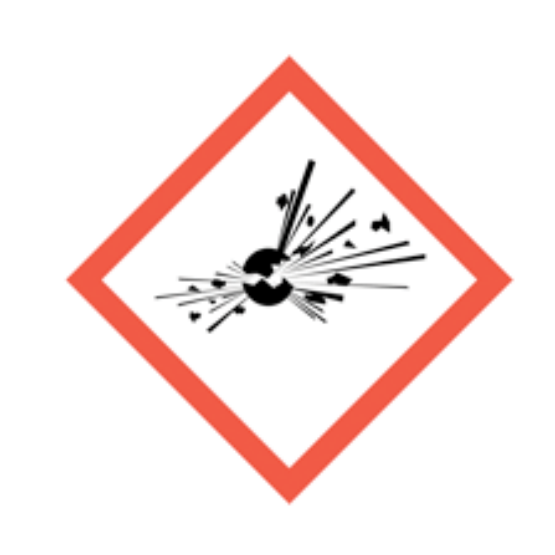
Exploding bomb
Explosive, self-reactive or organic peroxide hazards.
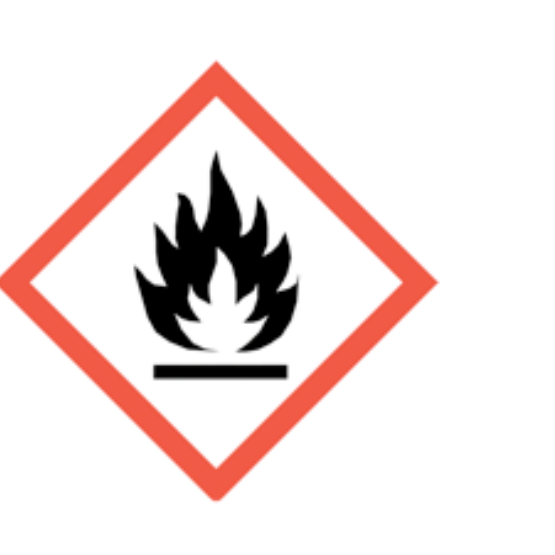
Flame
Flammable, self-heating or pyrophoric substances.
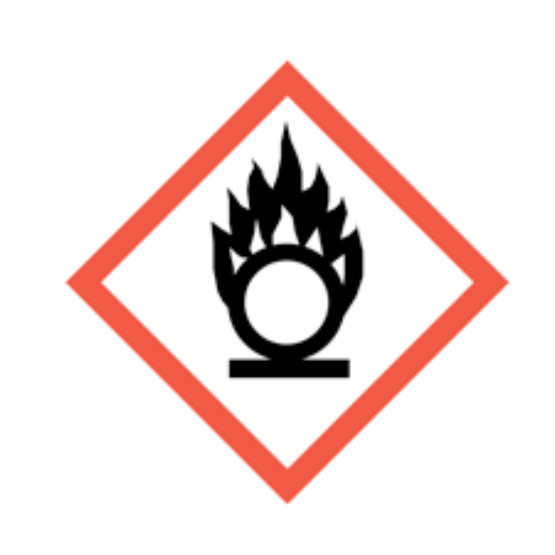
Flame over circle
Oxidising substances that can intensify fire.

Gas cylinder
Gas under pressure.
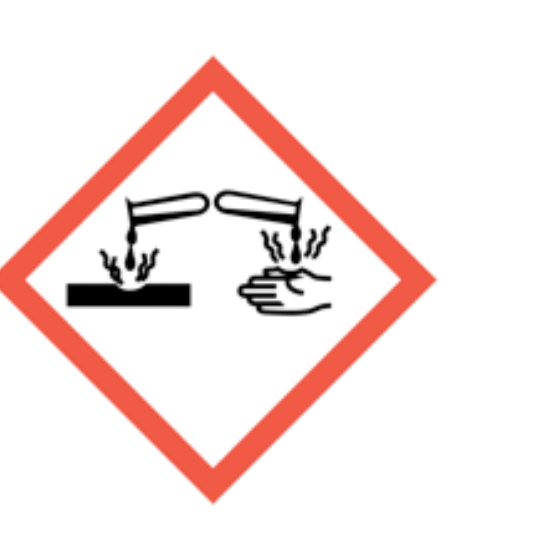
Corrosion
Skin burns, eye damage or corrosive to metals.
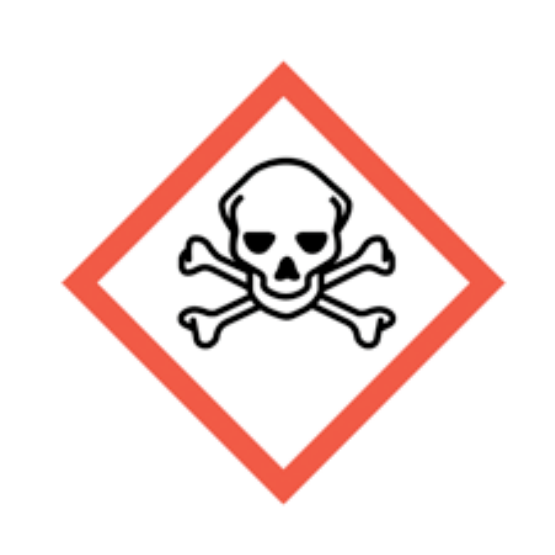
Skull and crossbones
Acute toxicity.

Exclamation mark
Irritation, harmful effects or skin sensitisation; some classifications cover drowsiness, dizziness or ozone-layer hazard. Read the actual hazard statements. Skin sensitisation differs from respiratory sensitisation.
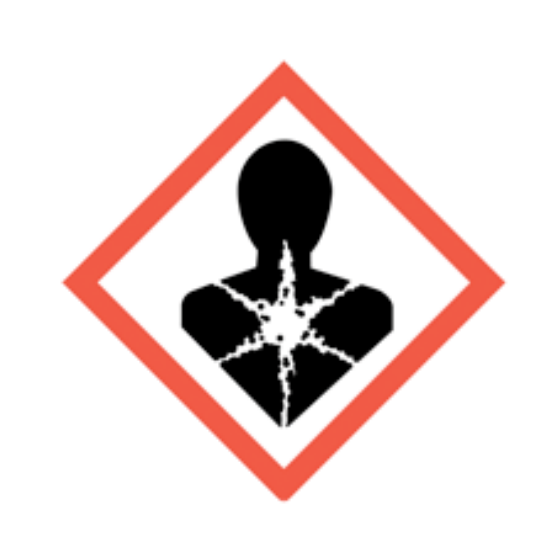
Health hazard
Serious health hazards, including organ damage, aspiration hazard, respiratory sensitisation, cancer and reproductive effects; some can follow a single exposure.
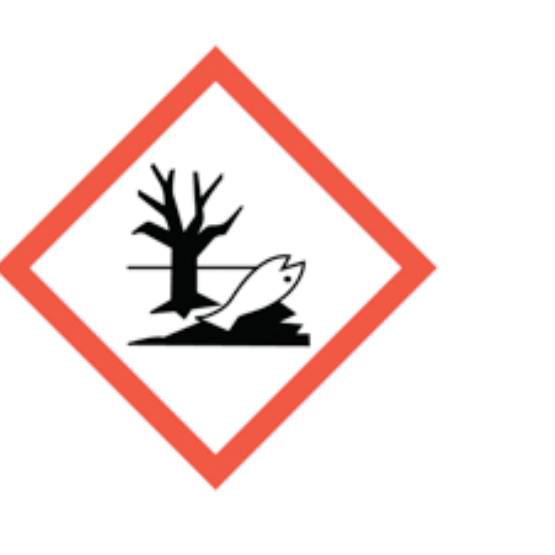
Environment
Hazardous to the aquatic environment.
What do the acronyms and key terms mean?
Acronyms should be understood before they are used in assessments, briefings, audits or learning answers.
Acronyms can exclude newer readers if they are not explained. This section keeps the main terms available at the end of the page so the article stays readable while still supporting learners and audit users.
| Acronym | Meaning | Plain-English use |
|---|---|---|
| ACOP | Approved Code of Practice | Practical guidance with special legal status. |
| ALARP | As Low As Reasonably Practicable | Risk reduction unless further control is grossly disproportionate to benefit. |
| BBV | Blood-Borne Virus | Virus that may be transmitted through blood or certain body fluids. |
| COMAH | Control of Major Accident Hazards Regulations | Regulations for major accident hazard sites involving dangerous substances. |
| COSHH | Control of Substances Hazardous to Health | Regulations for hazardous substances, including many chemicals and biological agents. |
| DSEAR | Dangerous Substances and Explosive Atmospheres Regulations | GB regulations; Northern Ireland has its own DSEAR regime. |
| EMM | Enforcement Management Model | HSE decision framework for enforcement decisions. |
| EPS | Enforcement Policy Statement | HSE policy principles for enforcement. |
| FRA | Fire Risk Assessment | Assessment of fire hazards, people at risk, controls, emergency arrangements and review. |
| HSE | Health and Safety Executive | Great Britain regulator and official guidance source. |
| MOC | Management of Change | Formal review of changes that may affect risk controls. |
| OH | Occupational Health | Competent clinical and work-health advice route. |
| PPE | Personal Protective Equipment | Equipment worn to reduce exposure where higher-order controls do not fully remove risk. |
| RIDDOR | Reporting of Injuries, Diseases and Dangerous Occurrences Regulations | GB reporting regulations; Northern Ireland has a separate regime. |
| SDS | Safety Data Sheet | Supplier hazard, control, first-aid and emergency information for substances. |
| SOP | Standard Operating Procedure | Controlled instruction for carrying out a task or operation safely and consistently. |
| WEL | Workplace Exposure Limit | Airborne exposure limit averaged over a specified reference period. |
| PEP | Post-Exposure Prophylaxis | Time-sensitive medical treatment after some BBV exposures. |
| RPE | Respiratory Protective Equipment | Equipment designed to protect against inhaled hazards. |
| LEV | Local exhaust ventilation | Capture contaminants at their source. |
| TExT | Thorough examination and test | Competent examination/testing of LEV; routine checks remain necessary. |
| ERICPD | Eliminate, Reduce, Isolate, Control, PPE, Discipline | Illustrative teaching prompt; Discipline means sustained controls, briefing and review. |
Which BuildOut documents support this topic?
Download individual editable BuildOut documents for this topic. Procedures and plans contain completed arrangements; forms, checklists, assessments, RAMS and permits are blank masters. Registers include separate worked examples.
| Document | Purpose and content | Editable download |
|---|---|---|
| Biological agents, water hygiene and contaminated-ground assessment BOUK-RA-COSHH-02 · Blank editable master · v1.0 | Assess sewage, animal contamination, standing water and welfare water-system risks. | Download DOCX Read preview |
Review and adapt the documents for your organisation, activities and jurisdiction before approval and issue. Open the SHAREms management-system hierarchy to find each document under its parent policy.
Unlock another resource
You have used this month’s two free downloads. Publish a post in your own words to unlock one more resource, or choose SHARE Individual for 10 downloads per month.
You decide whether to share. If you do, use the relevant platform disclosure tools and do not make claims you do not genuinely hold.